
Sabitlenmiş Tweet
Sarah
26.1K posts

Sarah
@Sarah_210_
„What keeps my heart awake is colourful silence“. either at a museum or attending a concert. |-/
Neverland Katılım Mayıs 2010
431 Takip Edilen455 Takipçiler

Sarah retweetledi


Sarah retweetledi

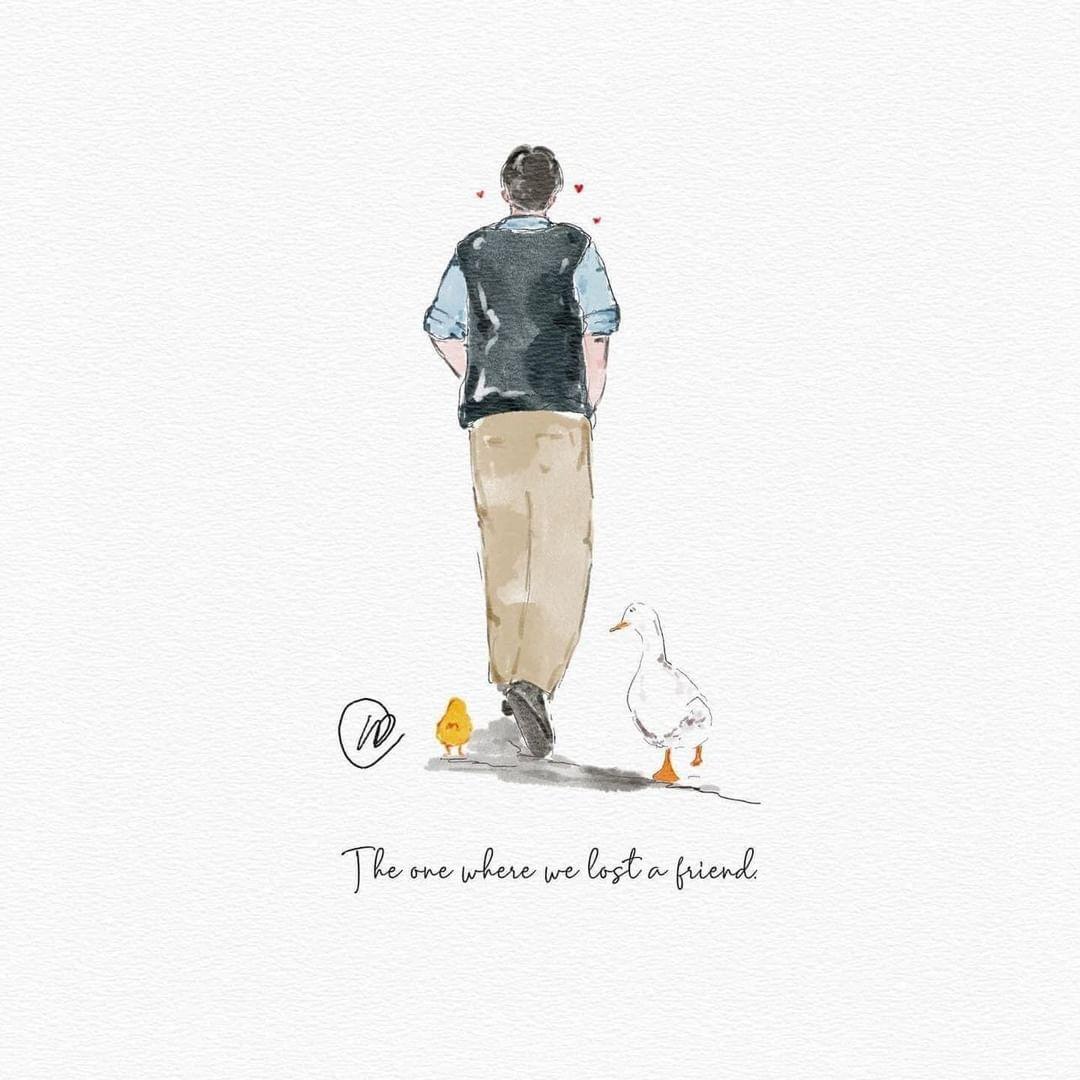
The saddest news to wake up to where we have all lost a friend 🥲 #matthewperry rest in peace miss chanandler bong
English
Sarah retweetledi
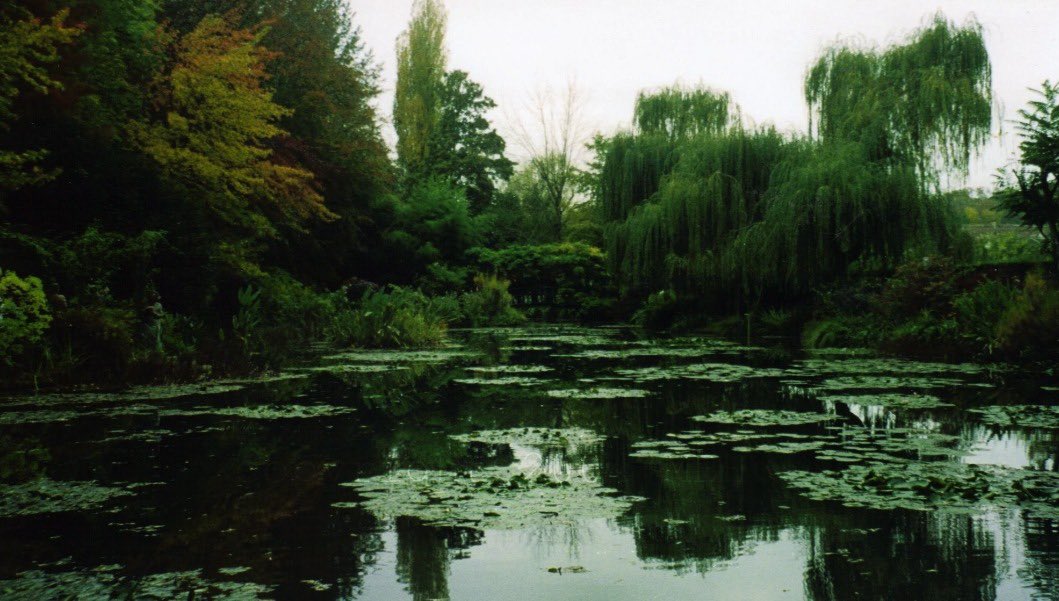
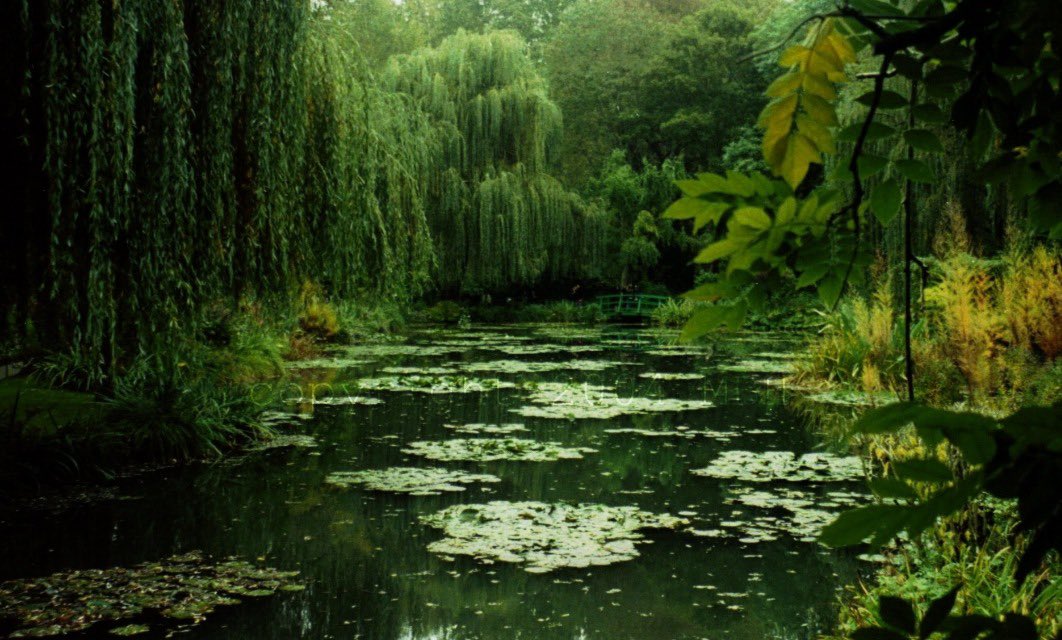
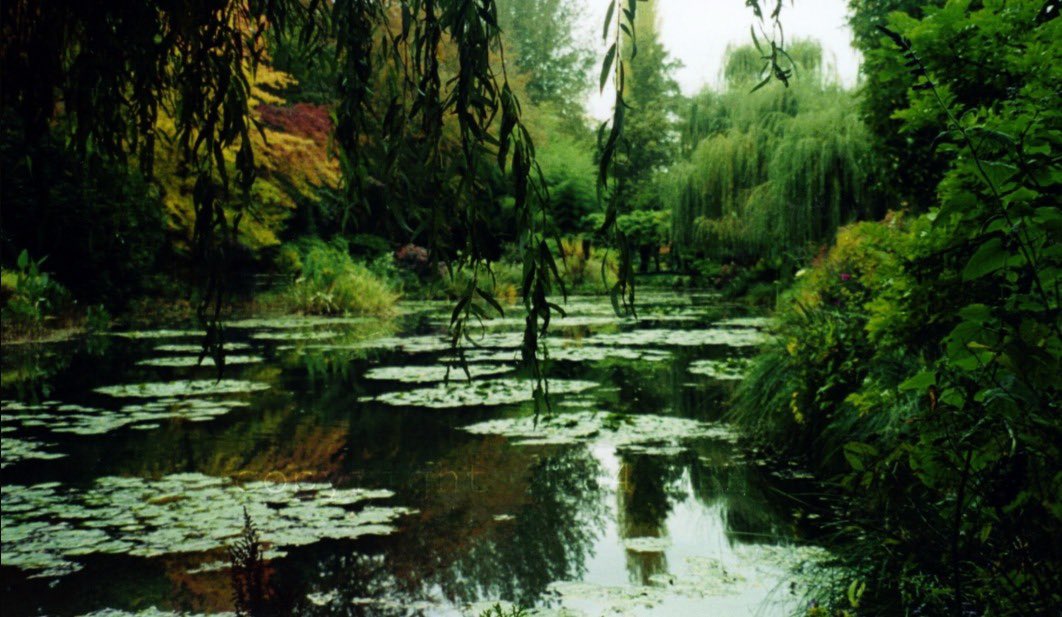
Alles liebe und herzlich gute zum Geburtstag, @_sturmflutxx 🥳 hoffe du hast einen schönen und entspannten Tag 💫
Deutsch
Sarah retweetledi

Sarah retweetledi


Sarah retweetledi
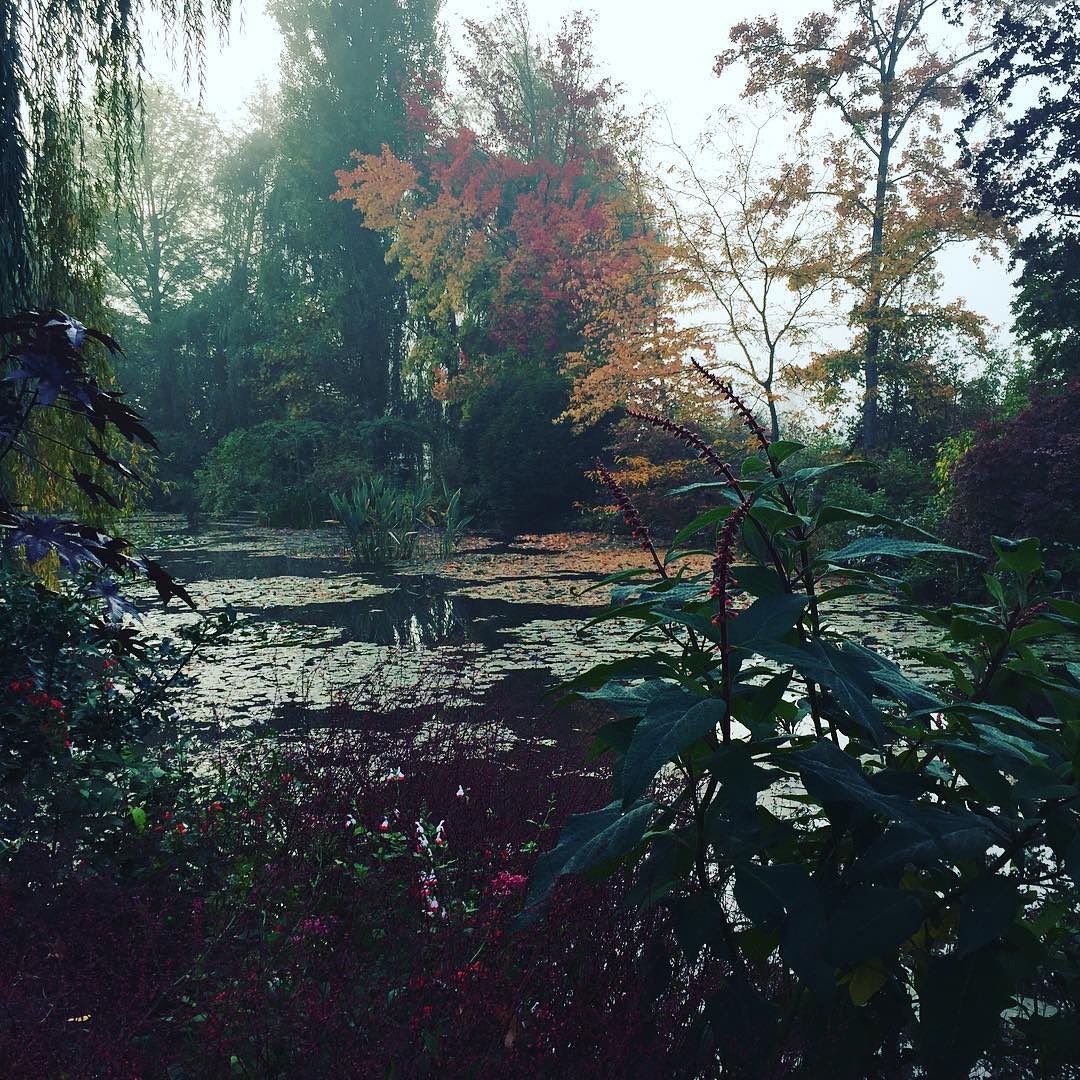
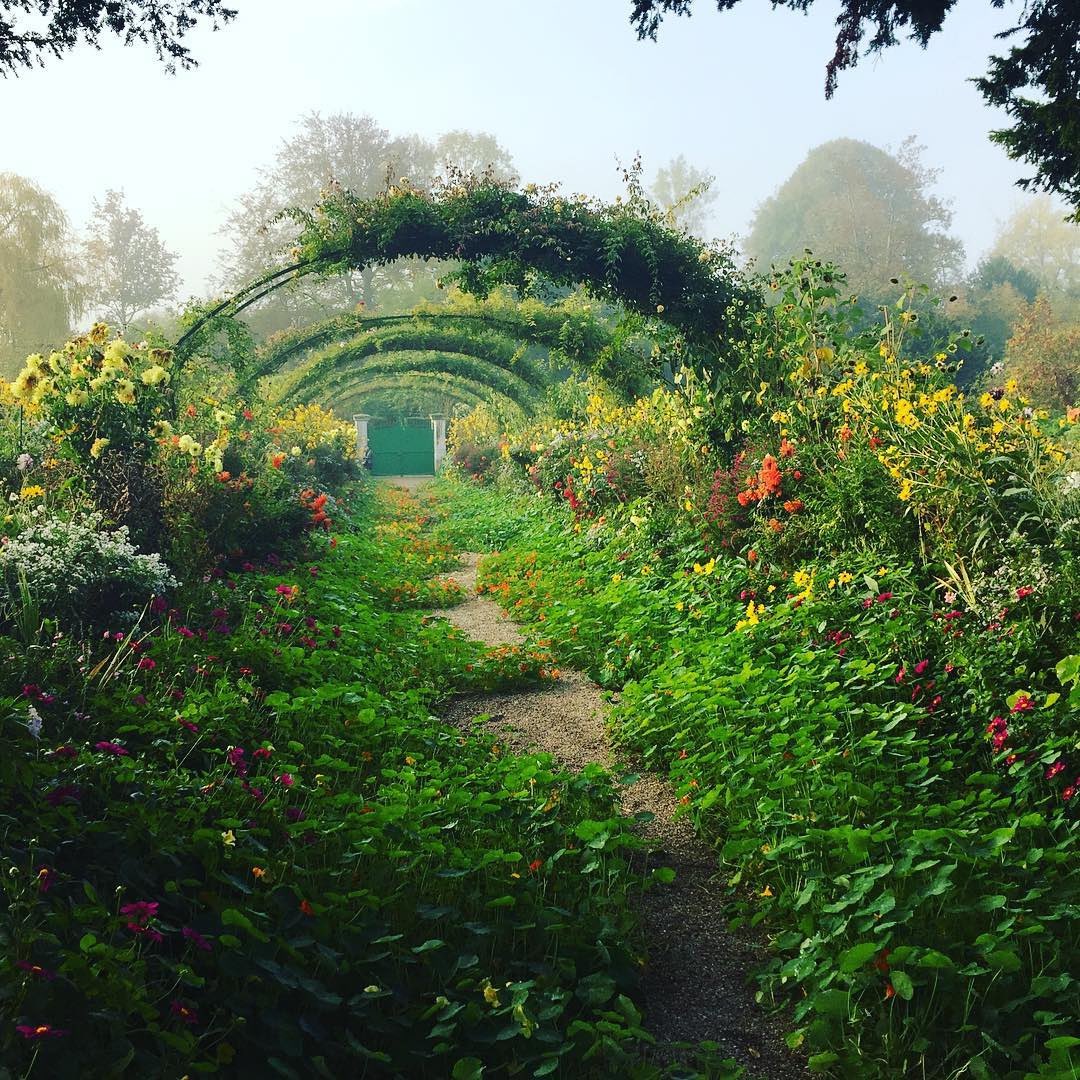
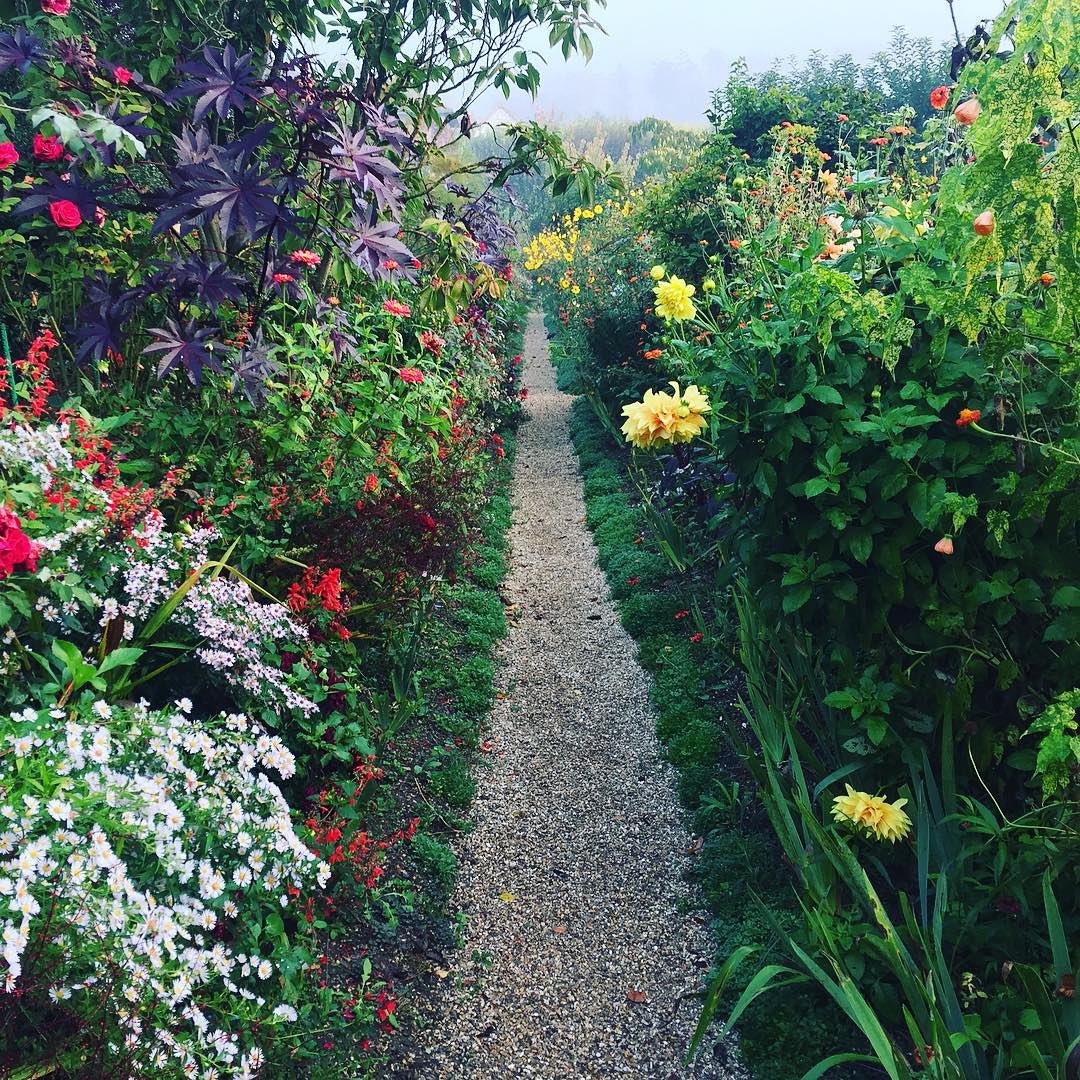
Fasse es nicht, dass es nach 17 Arbeitsstunden am letzten Tag der Gamescom nun wirklich vorbei ist. Die letzten Tagen waren so intensiv mit nahezu keinen Schlaf, dass es irgendwie komisch ist auf einmal nicht mehr in dieser Welt zu sein. Gerade weil man nichts anderes mitbekam.
Deutsch
Sarah retweetledi

“do one thing every day that scares you” yeah why do you think i’m going to work
English
Sarah retweetledi

Sarah retweetledi

Sarah retweetledi
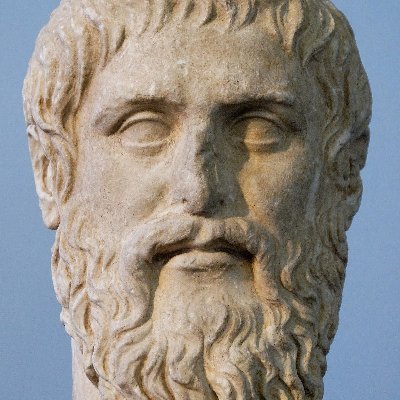
You would never have heard of Vincent van Gogh if it wasn't for his sister-in-law Jo, who deserves to be better known.
Because she turned Vincent from an obscure Dutch painter into the world's most famous and beloved artist.
How? Well, this is the story of the other van Gogh...
Johanna, or Jo, is the least famous of the van Goghs.
Vincent is probably the world's best-known artist. Then there's Theo, his devoted brother, without whose undying financial, emotional, and creative support Vincent could never have done what he did.
And finally we have Johanna Gezina Bonger, the daughter of an insurance broker, born in 1862. Jo was a bright and naturally artistic child. She wrote this in her diary at the age of seventeen:
"I would think it dreadful to have to say at the end of my life that I’ve actually lived for nothing and have achieved nothing great or noble."
Whatever her dreams may have been, she studied English and became a teacher at a girls' school. In 1884 she was introduced to Theo van Gogh by her brother; they were both art dealers.
Theo was immediately taken, but it was five years later — having only met her twice — that he proposed. Jo said yes and they were married in early 1889.
She left Amsterdam and went to live with Theo in Paris, where until the previous year he had been living with Vincent, who had since gone to Arles and entered the creative apotheosis of swirling colour for which he is now so famous.
Theo was devoted to Vincent; Jo knew that by marrying the one she was in an intimate relationship with the other. In July 1889 Jo wrote this letter to her brother-in-law:
"My dear brother,
This time I’ll try to write to you in French, first I know that you like it more, and then with both of us expressing ourselves in the same language we’ll eventually understand each other better, I believe.
I’m going to begin by telling you a great piece of news which has greatly occupied us lately — it is that this winter, around February probably, we’re hoping to have a baby, a pretty little boy — whom we’ll call Vincent if you’ll consent to be his godfather.
Do you remember the portrait of the Roulin baby you sent Theo? Everyone admires it greatly, and many times now people have asked ‘but why have you put this portrait in this out-of-the-way corner?’ It’s because — from my place at table I can just see the child’s big blue eyes, its pretty little hands and round cheeks, and I like to imagine that ours will be as strong, as healthy and as beautiful as that one — and because his uncle will consent to do his portrait one day!
Your sister,
Jo"
After which Vincent wrote:
"I started right away to make a picture for him [Theo and Jo's child], to hang in their bedroom, branches of white almond blossom against a blue sky."
But within a year Vincent had killed himself. Theo, crippled by grief, died just six months later. The tight-knit family was gone and Jo was left alone to raise her one year old son. So what did Jo do?
She left Paris, moved backed to the Netherlands, and set up a boarding house. But that's not all. The chance had come to fulfil her youthful dream of doing something noble. She inherited all of Vincent's then valueless paintings and took them with her. Although Vincent had sold only one painting in his lifetime and died a nobody, Jo was committed to continuing where her beloved husband had left off and sharing Vincent's artistic genius with the world.
Jo was a highly competent organiser and, even more importantly, a deep and perceptive thinker. Having known Vincent and Theo first hand, Jo was convinced that the art she had inherited could not be fully understood without a knowledge of the troubled genius who had created it.
So while she organised retrospective exhibitions of Vincent's work all on her own, gradually building his reputation and even starting to sell his work, perhaps her greatest contribution to his legacy was the publication of Theo and Vincent's letters in 1914.
She remarried in 1901 and when she died in 1925 the legacies of both Vincent and Theo were secured. Thanks to Jo's work he had gone from an obscure and near-forgotten Dutchman to one of the world's most renowned artists within two decades of his death.
And this was not only because of his paintings but because of the story told through the letters he had written to Theo and Theo to him. She sold some of Vincent's paintings, usually with regret but consoled by the thought that more people around the world would learn about his work that way; London's National Gallery bought their version of Sunflowers from Jo. And her son, Vincent Willem, was instrumental in founding the Vincent van Gogh Museum in Amsterdam in 1973.
There were people who already knew about Vincent van Gogh before Jo's work: the critic Albert Aurier was a supporter of his and he had been friends, after all, with the circle of Parisian artists who essentially created modern art and whose names are now revered.
But if not for Jo's tireless work and decades-long crusade he would probably be, at best, a relatively obscure Post-Impressionist. So while Vincent van Gogh may seem like the ultimate artist — an eternal outsider, a misunderstood rebel, a troubled genius — it was through the enduring love of those closest to him that his legacy has survived.
Without Jo, devoted custodian of the dreams of her husband and brother-in-law, you or I wouldn't know anything about that brilliant Dutchman. She is as much a part of the story as them. John Donne's famous words never rang so true:
No man is an island entire of itself; every man
is a piece of the continent, a part of the main.


English