Sarita
6K posts

Sarita
@Sarit64
Dreamer, juggler, risk taker, trying to be a super woman. Tweets are personal.
Mumbai Katılım Ocak 2013
339 Takip Edilen494 Takipçiler

@Sarit64 @1ssve Which iOS version are you on?
And swipe carefully with two fingers. See this short video if needed:
instagram.com/p/CSXOWVFlSOo/…
Or, these written instructions: idownloadblog.com/2019/12/02/two…
English

1. Go to iPhone contacts.
2. Scroll with two fingers to select multiple contacts.
3. Carefully scroll with one finger to see more contacts; your selected contacts will stay selected. Swipe with two fingers again to select more contacts.
4. Touch and hold one of the selected contacts and choose “Delete N Contacts”.


English
Sarita retweetledi



@jordanreviewsit i cant see the 'linkedin speak' context on the webpage...how does one do that?
English

Babe wake up someone created Google Translate for LinkedIn

English

@Sarit64 And the best part is, reverse also works. 🤣😂
x.com/santhoo9/statu…
పవన్ సంతోష్ (Pavan Santhosh)@santhoo9
We can now reverse it and rip off LinkedIn Language from plain, simple English 😂🤣 Just tried now.
English
Now, there is a website to translate from English to LinkedIn language. 😂🙊

English
Sarita retweetledi
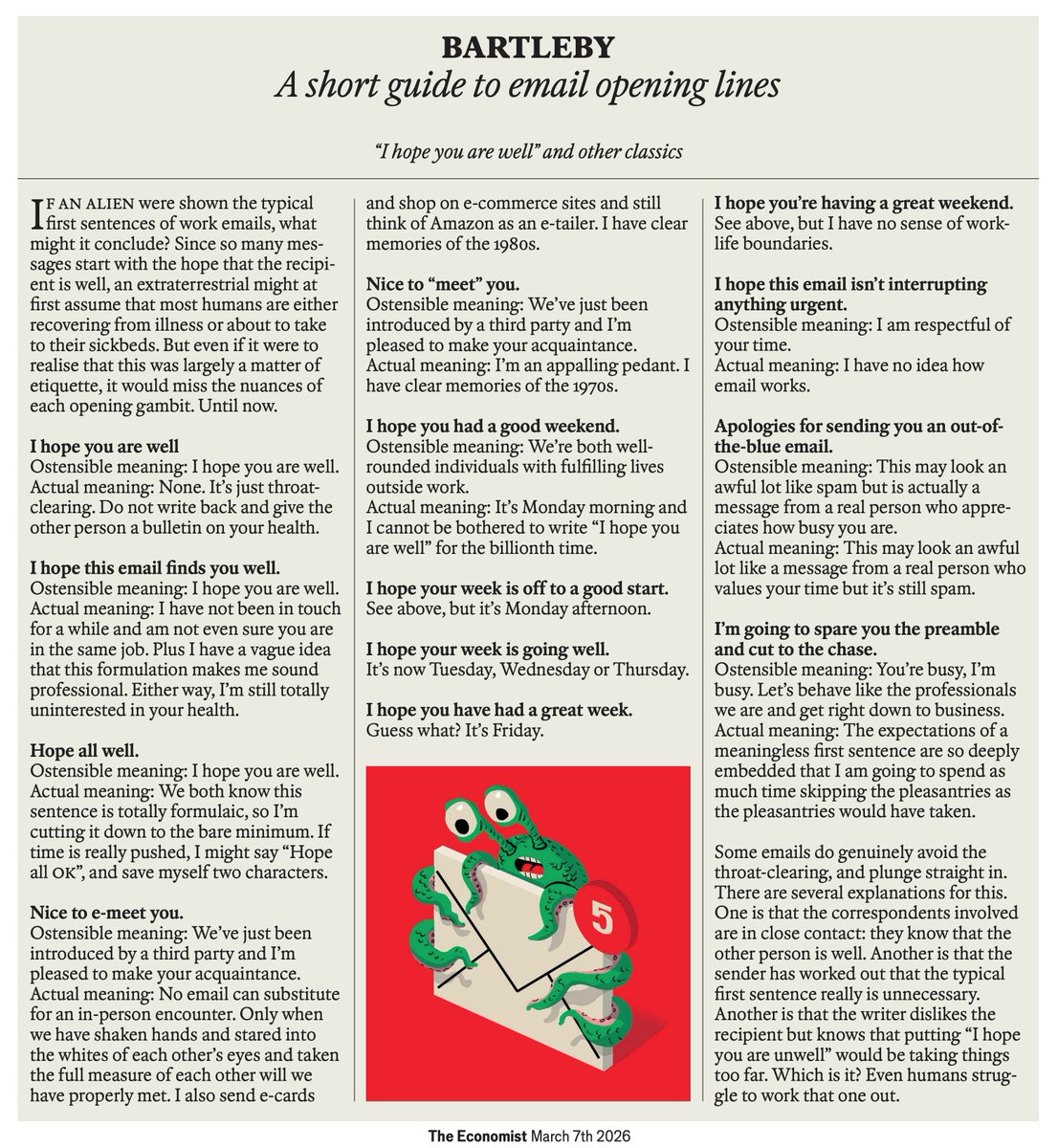
I don't think I'll ever be able to read, "I hope this email finds you well" in an email without laughing out loud 😂
English
Sarita retweetledi

Making movement easier with Frido Patient Transfer Lift. Designed and Made in 🇮🇳
English



The girl's expression—god, she killed it—and such confident dance moves! 👏👏🙌
English
Sarita retweetledi

Sarita retweetledi
Sarita retweetledi


Sarita retweetledi
Sarita retweetledi


Sarita retweetledi

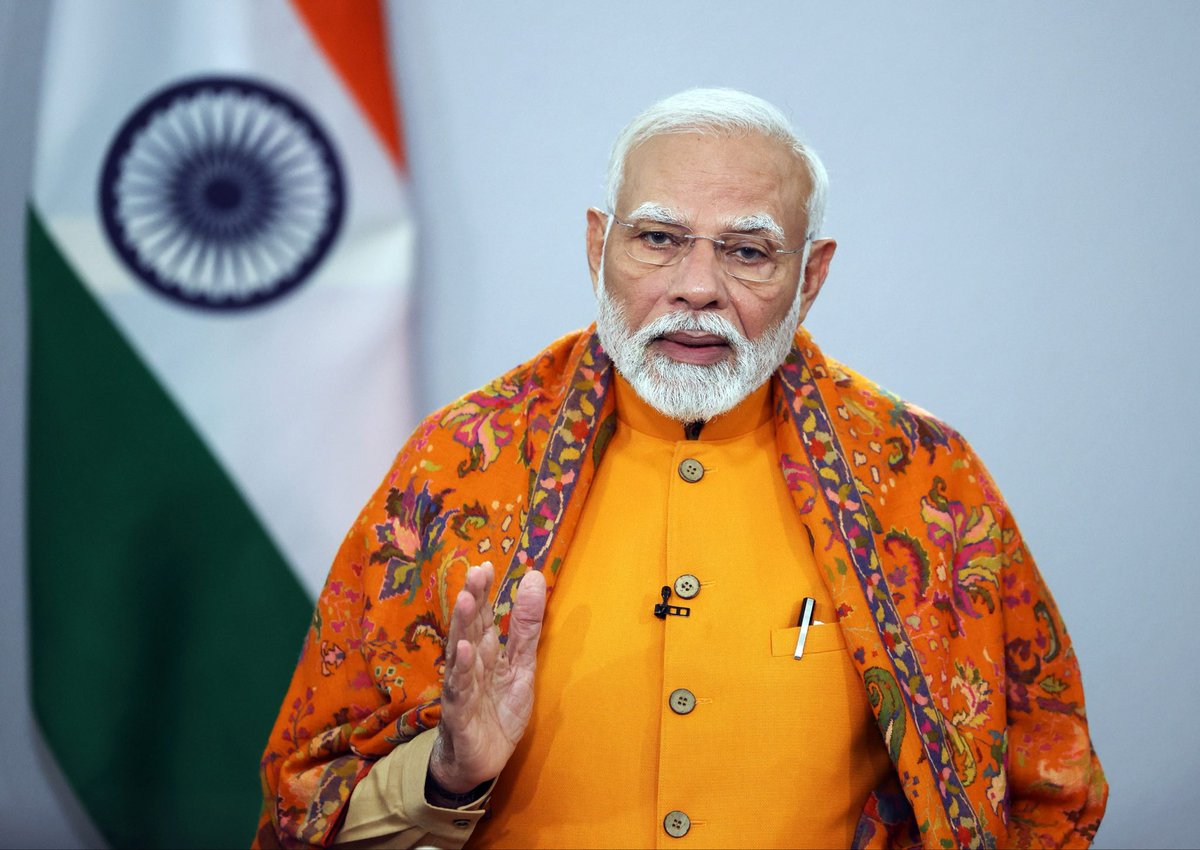
Three weeks ago, PM Narendra Modi stood in the Knesset and received Israel’s highest parliamentary honor. He called the bond between the two nations unbreakable.
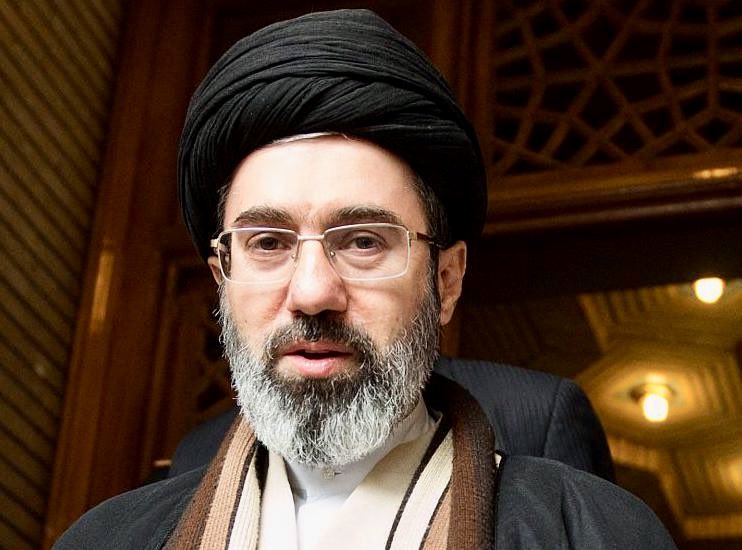
This week, Iran’s ambassador sat in India’s foreign ministry requesting the release of three seized tankers and supplies of medicine in exchange for safe passage through the Strait of Hormuz for Indian vessels.
India said yes to both.
This is the most consequential diplomatic balancing act on Earth right now and almost nobody is covering it. While every headline tracks missiles and insurance premiums, India is quietly negotiating a parallel channel through the most dangerous chokepoint on the planet. Some Indian vessels, including LPG tankers, have already transited Hormuz safely. Not because the blockade does not apply to them. Because Tehran made a specific, bilateral exception based on what it calls “historical ties.”
The same India that reportedly shared intelligence enabling the US submarine strike that sank the Iranian warship IRIS Dena. Delhi denies it. Tehran has not forgotten the reports.
Modi is running the most aggressive multi-alignment strategy of any major power in 2026. Israel provides defense technology, intelligence partnerships, and the diplomatic cover that comes with being Washington’s closest regional ally. Iran provides 40 percent of India’s crude oil imports via the strait, access to Chabahar Port, and the only viable land corridor to Afghanistan and Central Asia that does not run through Pakistan.
Chabahar is the physical infrastructure of this hedging strategy. A port on Iran’s southeastern coast that India has been developing since 2015 as the entry point for the International North-South Transport Corridor, a 7,200-kilometre multimodal route connecting Mumbai to Moscow that cuts transit time from 40 days via Suez to 25 days at roughly half the cost. India signed a long-term operational agreement for Chabahar in 2024. Then the 2026 Union Budget allocated zero funding for it, reportedly under US sanctions pressure.
India is simultaneously investing in and defunding the same port. Receiving honors from Israel while negotiating tanker releases with Iran. Denying intelligence-sharing while its ships transit a blockade that exists because of the war that intelligence may have enabled.
This is not hypocrisy. This is what 1.4 billion people depending on imported energy during a global chokepoint crisis forces a government to become.
The fertilizer dimension makes it existential. Indian plants are running at 60 percent capacity. The subsidy bill has been revised to 1.86 lakh crore rupees. Delhi asked Beijing for emergency urea on March 12. Beijing banned phosphate exports through August. If the monsoon fails, which Skymet assigns 60 percent probability, India faces a Kharif season crisis of a severity not experienced in decades. The safe-passage channel through Iran is not diplomatic nicety. It is the difference between a managed food situation and a production crisis across the world’s most populous nation.
Every other country in this crisis has chosen a side or been forced onto one. Germany refused to help reopen the strait. Japan declined. Australia declined. China locked down exports. Bangladesh is collapsing. Egypt is hemorrhaging reserves.
India chose not to choose. And so far, it is the only major economy still getting tankers through.
The question is how long the tightrope holds when both sides of it are on fire.
Full analysis: open.substack.com/pub/shanakaans…
English