
Sabitlenmiş Tweet
スグル・サトー
1.4M posts
スグル・サトー
@SatoSuguru
よかつたのかホイホイフオローして。俺は正字正かなで構はないでツイートしちまふ人間なんだぜ。/リツイ魔http://t.co/G8mPT50dfZ /ふあぼ魔 http://t.co/zl5KcJ7iUj /pixiv http://t.co/QKq3BbLong
越後 Katılım Eylül 2011
416 Takip Edilen1.1K Takipçiler

スグル・サトー retweetledi

「私は非科学的な話には乗りませんので。」
まずは自分の知識レベルを自覚することが重要だが、それが出来ない人は他の人が何を言っているか理解出来なくても、それを相手が知的に劣っているためだと勘違いしてしまう。
れ新組信徒によく見られる症例。
みやもと🐾のりこ🌈🇪🇭@YENdZbXwDrg2TWu
@raspberry_unite @amiga2500 私は非科学的な話には乗りませんので。
日本語
スグル・サトー retweetledi

@YENdZbXwDrg2TWu @raspberry_unite @amiga2500 天然の原子炉と言われた場所で、天然に存在するウラン鉱床で核反応が発生したというもの。
あなたは核反応は人工的な反応だと言っておりますが、核反応自体は宇宙線と大気とでも発生しております。
日本語
スグル・サトー retweetledi

@YENdZbXwDrg2TWu @raspberry_unite @amiga2500 「オクロの天然原子炉」が非科学的なんですか?
ja.wikipedia.org/wiki/%E3%82%AA…
日本語
スグル・サトー retweetledi

ていうかいくら絵をかいたことがない人でもかけるように簡単に簡単に解説しても「俺には絵がかけない!!」って言う人のことだんだんわかってきた。彼らにはそもそもまっすぐ線を引く筋力がない。字もすげえ下手。点Aから点Bまでゆっくりまっすぐ線を引く筋力が画力の第一歩なので筋トレをしよう。
日本語
スグル・サトー retweetledi

スグル・サトー retweetledi

スグル・サトー retweetledi
スグル・サトー retweetledi

スグル・サトー retweetledi

いよいよ明日開催!フレンズチホー44浅草G04ホキョの巣さんにて頒布のスク水合同とホッキョクギツネちゃん合同と怪文書アンソロジーにイラストで参加しました!是非ご覧いただけたらと思います~!

てふてふ❄️🦊フレチ浅草G-04@tehutehu_game
4月29日(祝・水)フレンズチホー44(浅草フレチ)でのお品書きです!新刊のホ(ホ合同)等京都とラインナップ変わりませんがセール品も…? +α何かあるかもしれません〜!よろしくお願いします❄️🦊✨
日本語
スグル・サトー retweetledi

まだこんなコラボしてるのかよーすげーなーって反応が見れて嬉しいですが、私としては怖いですよ
何が怖いって公式がこんなにコラボしてることも怖いけど、これをほんとに全部回ったファンがいるという事実が何より怖いですよ
しかも一人ではないらしいですし
怖いですよ、すごすぎる
日本語
スグル・サトー retweetledi


スグル・サトー retweetledi


スグル・サトー retweetledi

スグル・サトー retweetledi


スグル・サトー retweetledi

どこかでお見かけしたお顔だなと思って居たら笠松町長さん自らウマ娘ののぼりを調整されていて驚いた。
今日は本当に人手が足りていないので町長さんもサポートに入っているようです。(許可得て撮影&掲載しています。)
#笠松町 #笠松競馬場 #ウマ娘 #シングレ

日本語
スグル・サトー retweetledi


スグル・サトー retweetledi

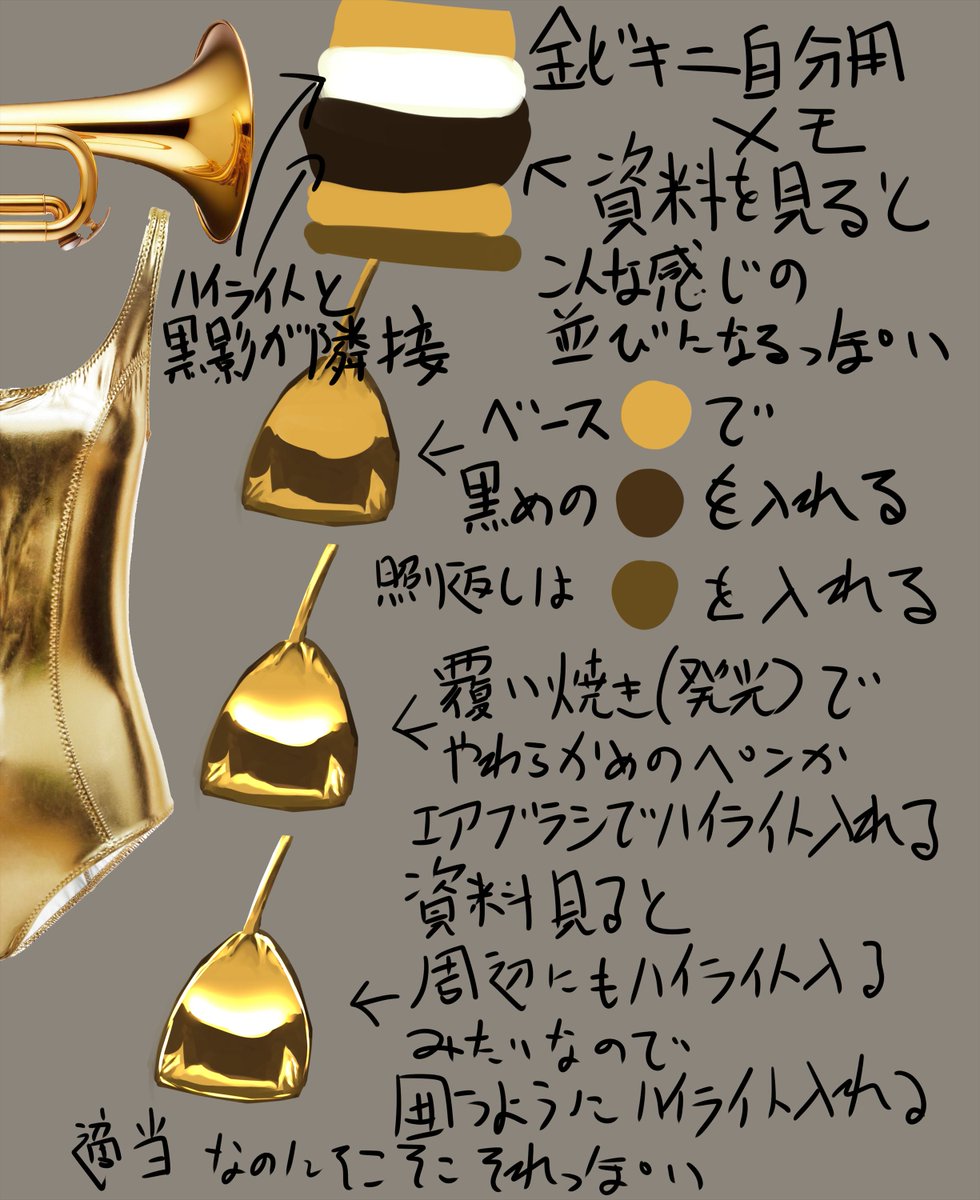
(´・ω・)GWに突入したようなので金ビキニの描き方メモ再掲。
僕も余裕があれば金ビキニイラスト描くカモネ…。
日本語
もともと行く気もなかっただろに、この人が行かないことでなにか影響があるのか?
アータゴングル@artagongulgul
生成AI製ポスターほど萎える物はない… コレやられたら、行く気を失くしてしまう…
日本語