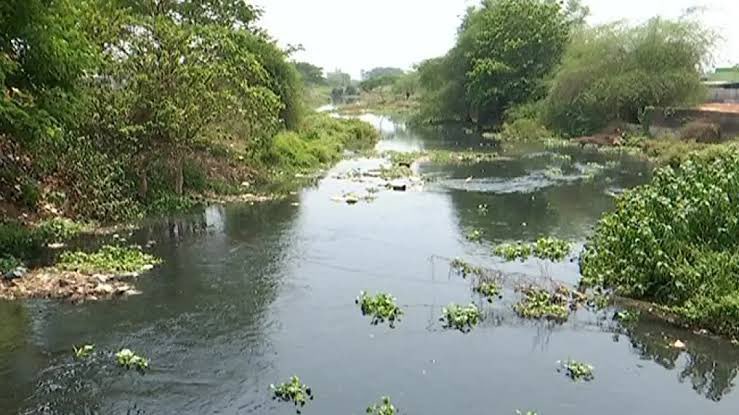
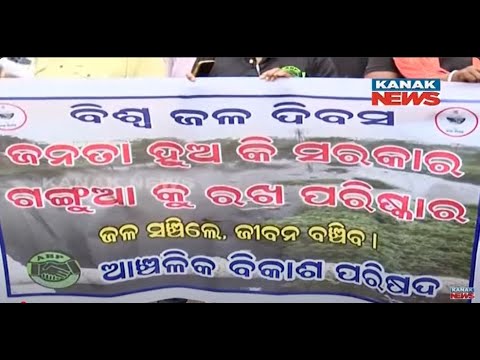
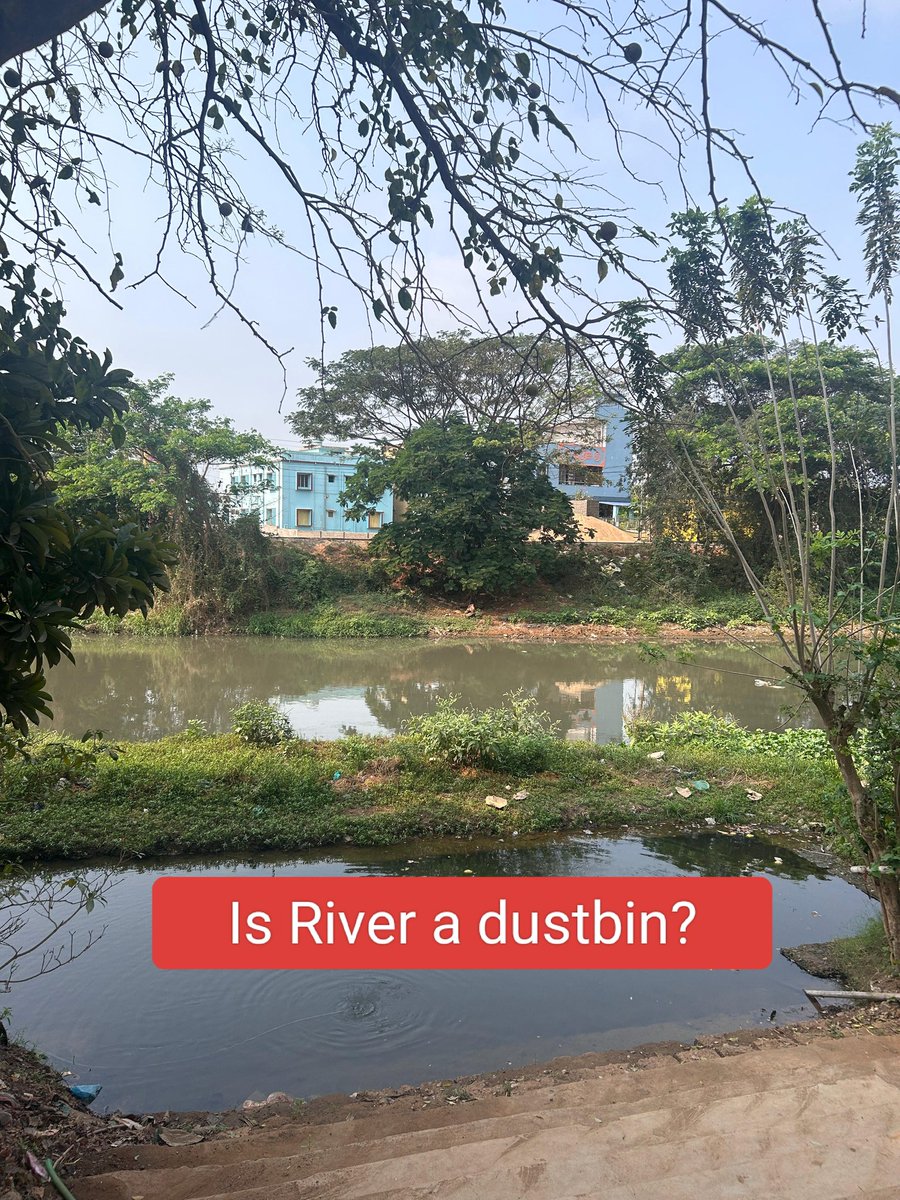
It's a matter of collective shame that such an ancient river has been reduced to a dustbin that possesses extreme health hazard. #SaveGangua#Bhubaneswar
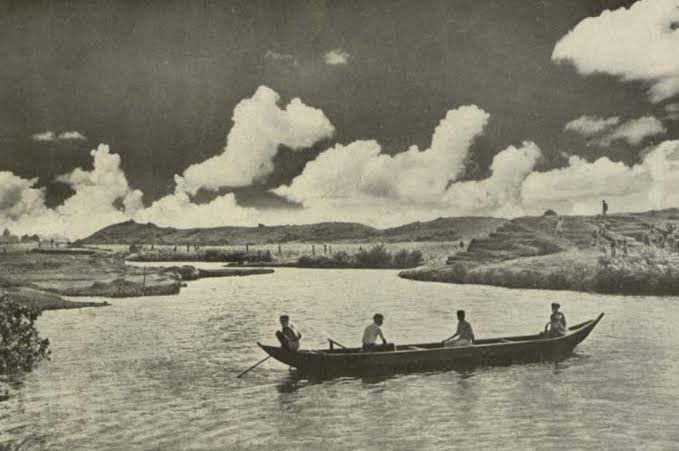
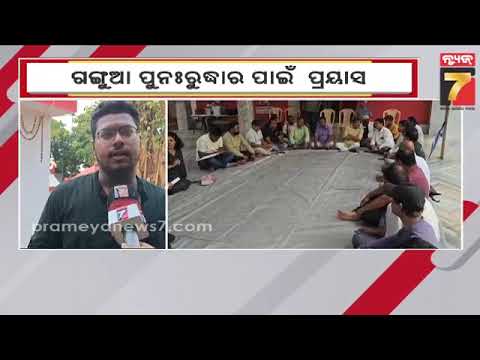
A local resident shares his memories of a bygone era when the river Gangua was so clear that he could see fishes swimming. Hardly a generation ago people used the water for consumption and had cultivated sugarcane.
The ten natural drains are as follows:
1.Patia drain- which originates inside the Chandaka forest known as Forest Lake
2.Sainik School drain- which originates from near the OMFED plant
3.OAP drain- near OSAP 7th Battalion, Sainik School
Laxmisagar Drain-Originates from a sump near the Nayapalli pond
Badagada Drain- Near Badagada railway bridge
Kedargouri drain-Originating somewhere near the Airport
Airport area drain-near Airport
Ghatikia-Near a culvert on the highway heading to Berhampur
The ten natural drains are as follows:
Patia drain-Originates inside the Chandaka forest known as Forest Lake
Sainik School drain- Originates from near the OMFED plant
OAP drain- near OSAP 7th Battalion, Sainik School
VaniVihar- Originates deep inside Bharatpur- Reserve Forest
1/ The Gandhavati River, once a powerful waterway, played a crucial role in shaping the ancient city of Sisupalgarh, believed to be the capital of Kalinga from the 6th century BC to the 5th century AD. #Sisupalgarh#Odisha
7/ The story of Gangua is the story of Bhubaneswar’s past, present, and future. Reviving it isn’t just about water—it’s about identity, sustainability, and conservation ot our heritage. #SaveGangua#Odisha
6/ The transformation of Gandhavati into a polluted drain is a stark reminder of our disconnect from history and nature. Can we reclaim our lost rivers and restore their dignity? #HeritageConservation#Bhubaneswar