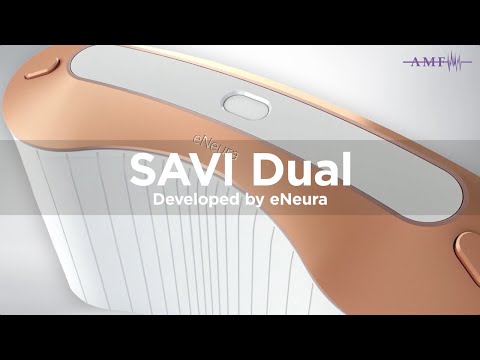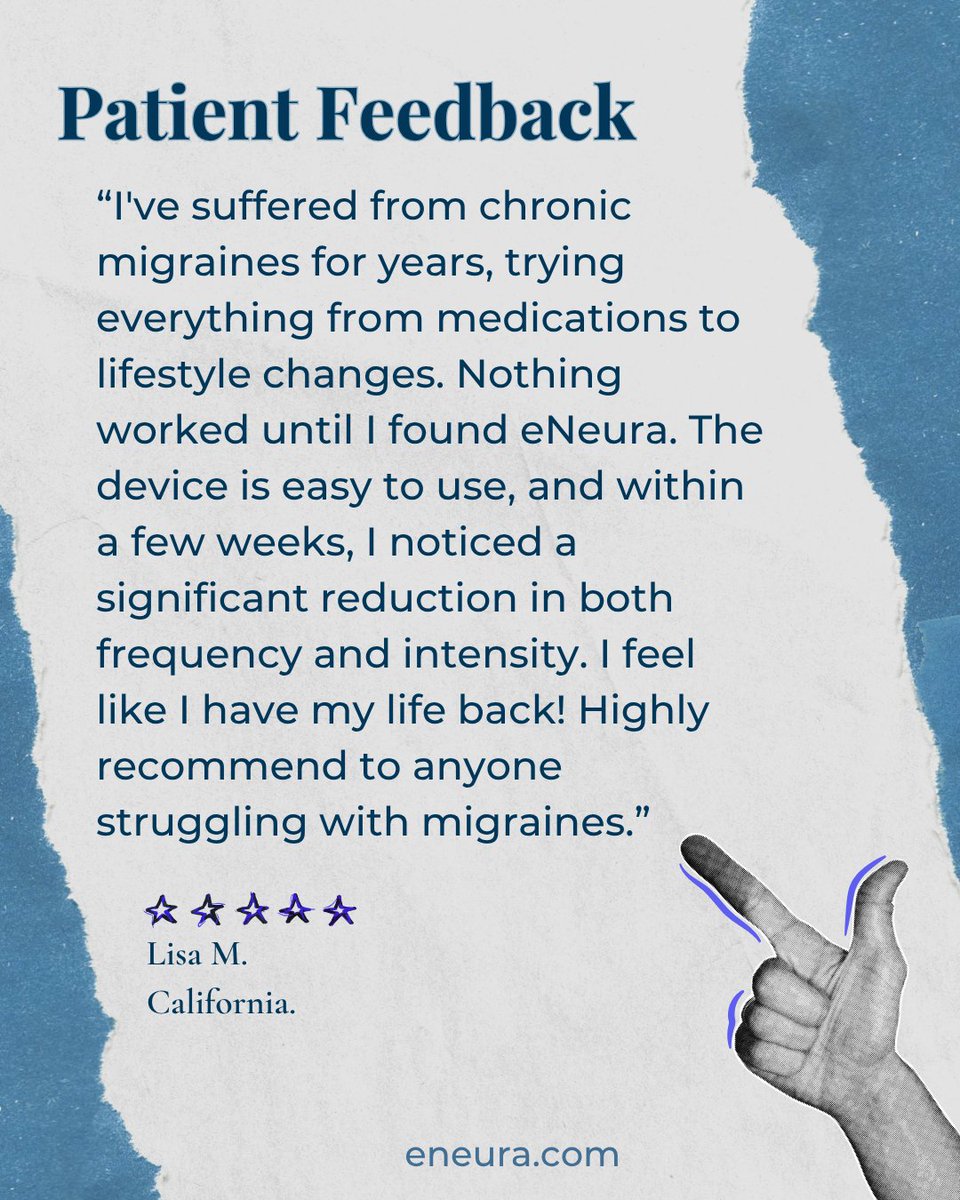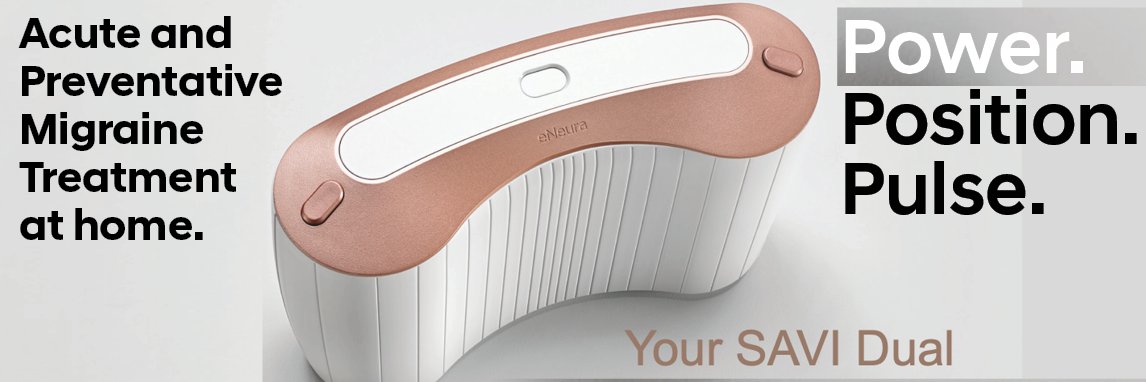

SAVI Dual sTMS Migraine Therapy

2.7K posts

SAVI Dual sTMS Migraine Therapy banner
SAVI Dual sTMS Migraine Therapy

SAVI Dual sTMS Migraine Therapy

@SaviDual

1st and ONLY Non-Invasive Central Neuromodulation treatment for migraine: Patient-Controlled and Portable Single-Pulse Transcranial Magnetic Stimulation (sTMS)

West Palm Beach, Florida Katılım Haziran 2023
1.5K Takip Edilen525 Takipçiler
SAVI Dual sTMS Migraine Therapy
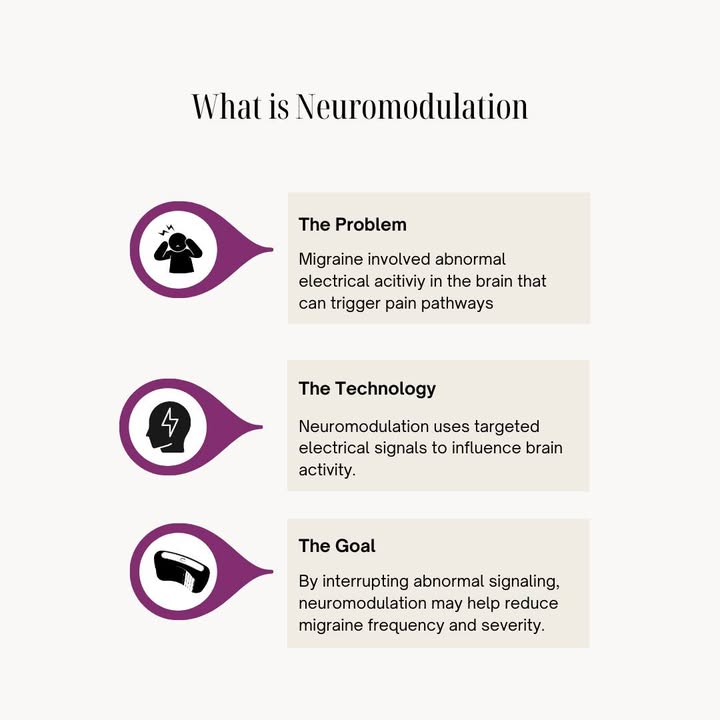
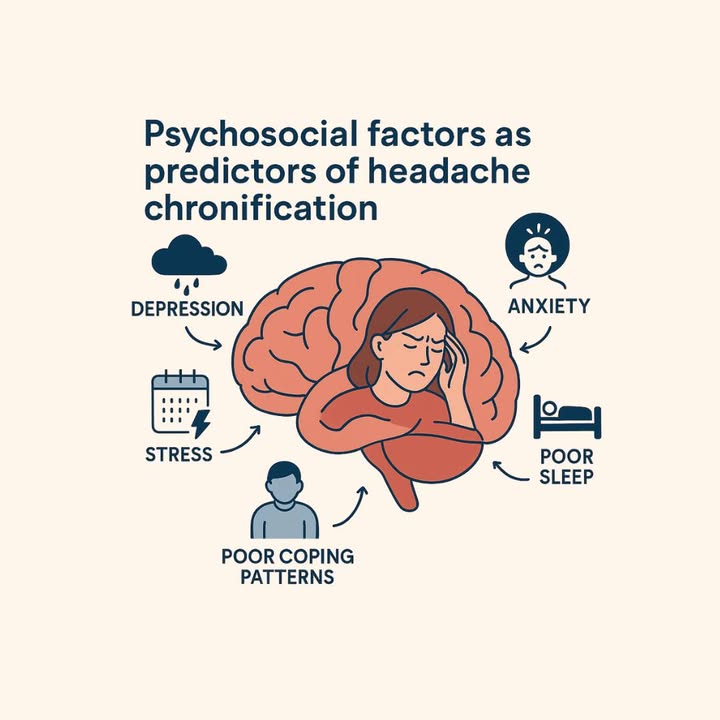
Migraine is a neurological condition, not just a headache.🤕 Abnormal electrical activity in the brain can trigger pain pathways and disruptive symptoms.🧠 Neuromodulation uses targeted signals to help interrupt these patterns and may reduce migraine frequency and severity.✨ For many patients, having more treatment options can make all the difference. 😌 Visit our website 🔗 eneura.com #neuromodulation #reliefthatworks #neuroscience #drugfreerelief #migrainerelief #tms #eneura #migraine #stms
SAVI Dual sTMS Migraine Therapy tweet media
English
0
0
0
12
SAVI Dual sTMS Migraine Therapy retweetledi
MyMigraineTeam
MyMigraineTeam@MyMigraineTeam·
Living with migraines does not mean you have to stop pursuing your goals. It affects more than your head, even professional athletes manage migraines while staying active. #Migraine Read more here: tinyurl.com/4wcz778f
English
0
1
1
24
SAVI Dual sTMS Migraine Therapy retweetledi
Association of Migraine Disorders®
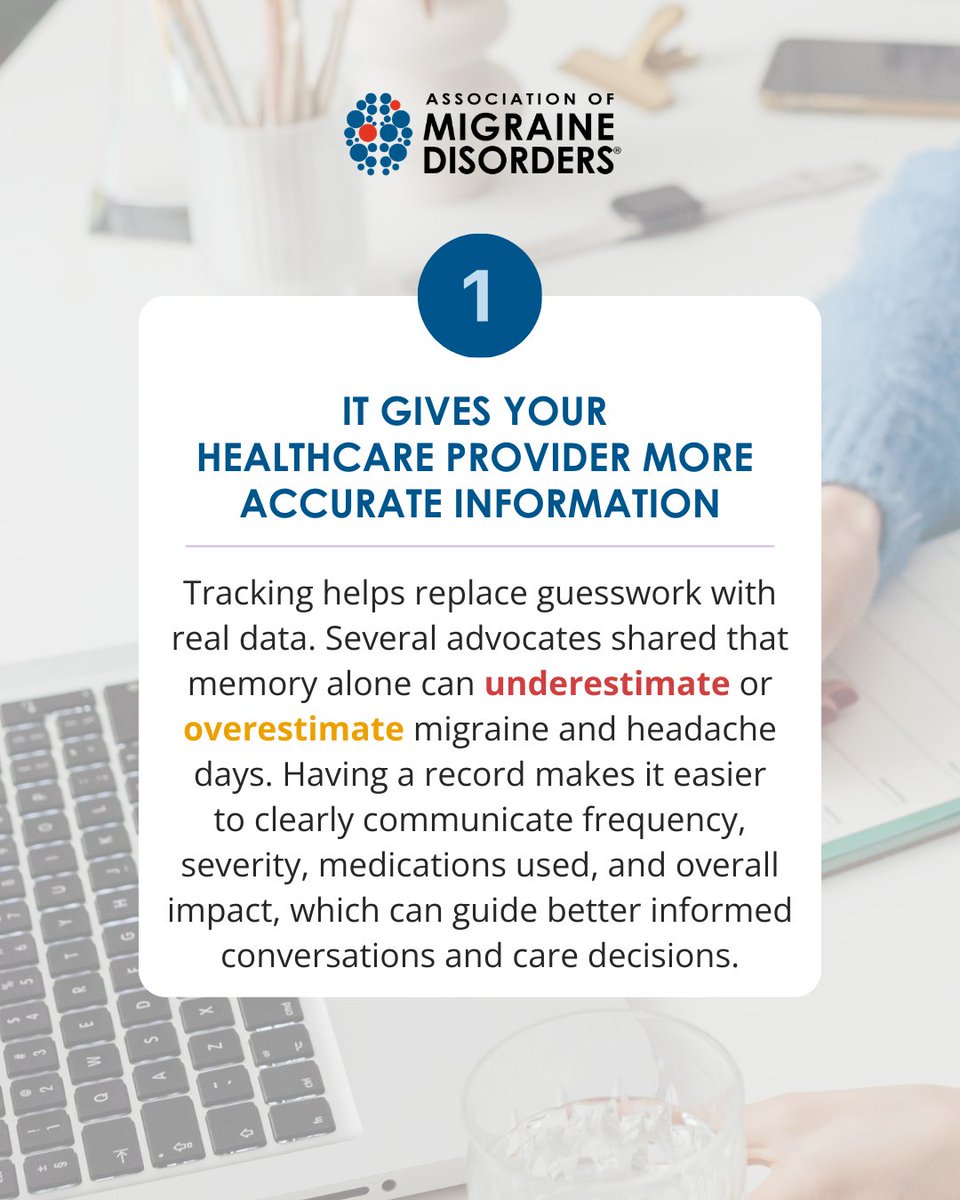
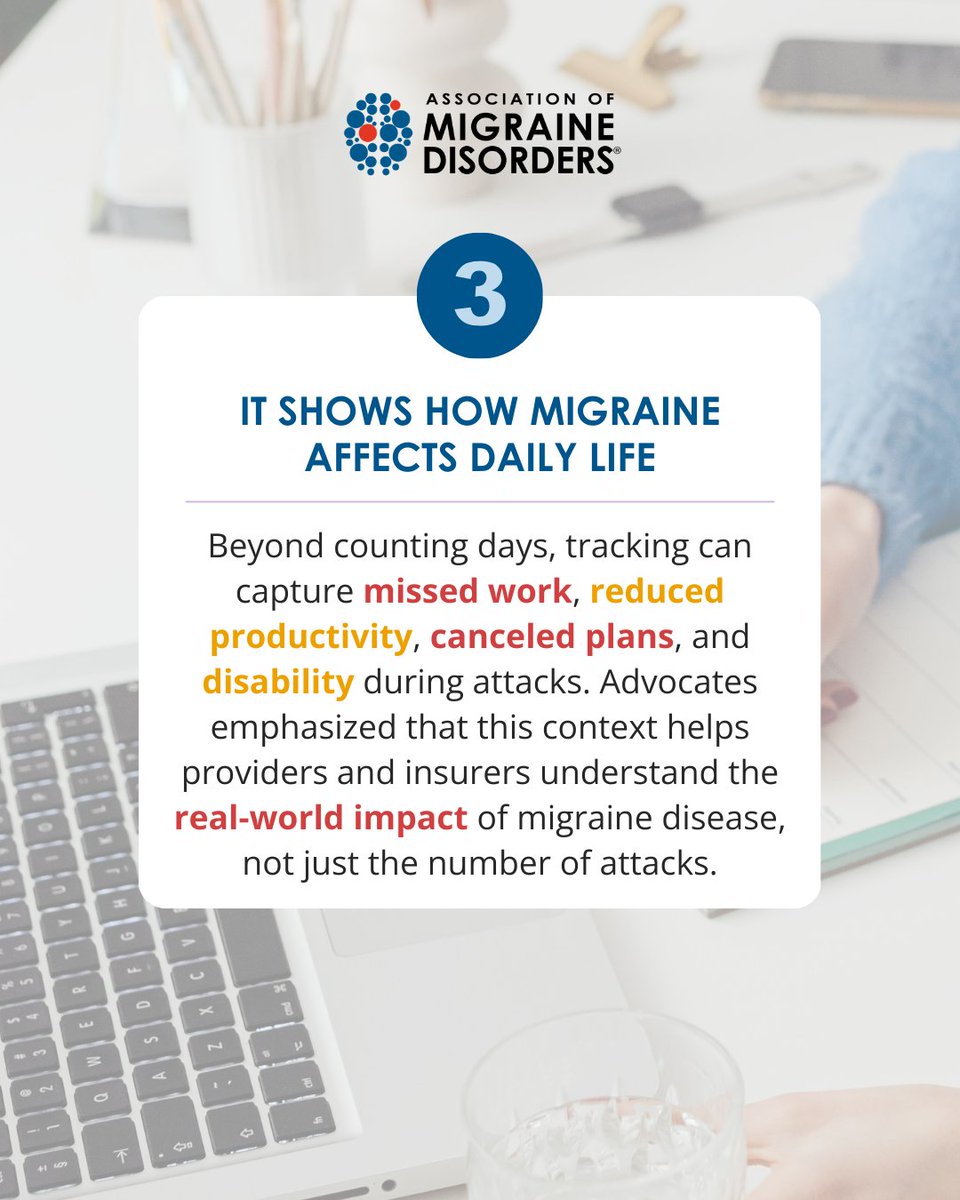
Looking for a reason or motivation to track your #migraine attacks? 📔 We asked four patient advocates to share their experiences with tracking migraine patterns and triggers, including the pros, the challenges, and what they have learned along the way. You will hear tips for best practices, learn about tracking apps that are available, and explore what data may be helpful for your healthcare provider to know. Learn more: migrainedisorders.org/podcast/tips-p…
Association of Migraine Disorders® tweet mediaAssociation of Migraine Disorders® tweet mediaAssociation of Migraine Disorders® tweet mediaAssociation of Migraine Disorders® tweet media
English
0
2
4
128
SAVI Dual sTMS Migraine Therapy
eNeura provides a non-invasive, drug-free option for managing migraine and headache symptoms — right from home. The device uses Single-Pulse Transcranial Magnetic Stimulation (sTMS), delivering a brief, gentle magnetic pulse intended to interrupt the electrical signals that contribute to headache pain. FDA-cleared. At-home. Designed for daily relief routines.✨ Learn more by visiting our website.🔗 eneura.com #neuromodulation #stms #drugfreerelief #neuroscience #tms #migrainerelief #migraine #eneura #reliefthatworks #painrelief
SAVI Dual sTMS Migraine Therapy tweet media
English
0
0
0
15
okhomebody
okhomebody@okhomebody·
MON🇺🇸Buddy☑️☑️- because Veterans Matter!☑️ GM, my cherished ones. Just a little Monday reminder—you don’t have to go through anything alone. We’ve got each other. Sending love to all of you! ❤️🤍💙 ⚔️@ThumperJoey0311 @TheRealAJNelson @MauryC100 @TonyMay28583763🙏 @Jingoman111 @DanielFortier15 @marinerigs @DebbieL21125355 @Jj19husker @Arkypatriot @randycooper @Nomvet @usmc0331vet @WardlawMike @JP_Rantz @marine4life0351 @DeaconMarty1 @Michael70683573 @DJH_USMC @BurtCarey @EddieV0331 @USMC_Vet @CvBoul1 @MarkPelzer3 @CharlesAmulek ⚔️
okhomebody tweet media
English
5
8
17
266
C. Elmon Meade (pen name)
C. Elmon Meade (pen name)@GenMeadesPen·
@dogwoodblooms I had horrible C-PTSD from childhood trauma and Combat trauma. Nothing worked. Until... Transcranial Magnetic Stimulation (TMS). I credit TMS with saving my life! Non-invasive, no Rx, no downtime, and covered by the VA.
English
2
0
2
26
Cassie Clark
Cassie Clark@dogwoodblooms·
I don’t care who it upsets: I support medical marijuana. Why? I have complex PTSD with dissociative symptoms. What does that mean? It means that when my PTSD spirals out of control for too long, I lose touch with reality. I’m aware of what’s happening. I know it’s all in my head—but it feels like nothing is real, as if I’m not in my body. It’s like the world around me is a mere movie. How long have I suffered with this? I was diagnosed in 2001 after the dissociative symptoms appeared—but I’ve had other PTSD symptoms much longer. They started in my early teen years. I have long stretches of remission. Thank God. But those are relatively new for me. In my younger years, doctors forced SSRIs on me. I took them on and off for years. In those years, I suffered every single side effect except one: serotonin syndrome. It can kill you. I gave up SSRIs and sought other treatments. EMDR therapy helped. Am I cured? No. I still struggle. I manage my PTSD with self-care, therapy as needed, and the lowest dose of Xanax when self-care fails me. But Xanax comes with its own dangers, including addiction, which can lead to seizures. I’m terrified of addiction. Someone else’s addiction is ultimately what led to my mental illness. So I avoid my meds until I reach my breaking point. But there is another option: medical marijuana. It comes with no deadly side effects. So why does the NCGA feel it can stand between me, my doctors, and a safer alternative treatment?
WBTV News@WBTV_News

A new bill in the state legislature could give North Carolinians the power to vote on marijuana use. Story here: tinyurl.com/muh8p943

English
116
29
390
15K
ChazBoul
ChazBoul@CvBoul1·
I appreciate it... Sincerely I do, but its highly unlikely for me to achieve. I had a pack of 9 German Shepherd's, 1 Shitzu, 1 Maincoon cat & 2 feral cats. Long story short, when it was just 4 our new male impregnated our new female. 5 were born. I caught them, I raised them with the intention of finding them good homes and failed miserably in parting with them when the time came. Ive had them and lost some as age set in and sometimes ailments. It's 9 years for the 5 pups born. Just last week I lost the last male Urso to Bone Cancer. Ive only 2 females left (Buttercup AKA BC & Miska) and theyre both having issues. Mishka is having serious breathing issues, BC is starting Hip Failure like her mother (Melania) before her. One has a hard time breathing, the other with her walking. It's a struggle for me... I'm feeling the loss, the lonliness & the pain already. I suffer from PTSD, Anxiety and Depression... They've been my anchors & have given me strength through life's hardships and healths tough times. So I'm gonna admit something I haven't acknowledged till now and certainly haven't said... Im Afraid. I'm dreading each day. I hate feeling helpless, feeling hopeless. I hate seeing Mishka go to other rooms when she's always laid by my feet. I hate seeing her lay by the front door just staring outside. I hate making her food and seeing her not eat and there is nothing I can do but watch and give her the space she's looking for. Its just seems so lonely. When she does seek time with me I stop whatever Im doing, I sit with her or I lay with her, I hold her, I brush her, I talk to her, I love on her. I pray daily, morning, noon & evening thanking the lord for our time together, for the places we've gone, things we've done & experiences we've shared. I pray for her ease of passage or the strength to spare her suffering when or if it comes to that. I'm exhausted, alone and its a struggle. Sorry... I guess I vented. I'm thankful for your weekend well wishes and wish you the same Enjoy... Each day is a gift. Don't take it for granted. TY
Town Line, NY 🇺🇸 English
3
2
3
54
okhomebody
okhomebody@okhomebody·
🔴FRI✅Veteran🇺🇸Daily #BuddyChecks✅ Good morning, my brave friends. RED Friday. Keep our deployed in your thoughts and keep each other close. Check in and reach out. My love to y'all! ❤️🤍💙 ⚔️@ThumperJoey0311 @JP_Rantz @TonyMay28583763🙏 @BurtCarey @Jj19husker @CharlesAmulek @WardlawMike @MauryC100 @DJH_USMC @DebbieL21125355 @MarkPelzer3 @usmc0331vet @TheRealAJNelson @Michael70683573 @marinerigs @CvBoul1 @Nomvet @DeaconMarty1 @DanielFortier15 @USMC_Vet @randycooper @marine4life0351 @Jingoman111 @EddieV0331 @Arkypatriot ⚔️
okhomebody tweet media
English
7
16
23
202
Owen Gregorian
Owen Gregorian@OwenGregorian·
Magnetic Pulses Restore Brain Circuits to Treat Depression | Neuroscience News, Neuroscience News Summary: Transcranial Magnetic Stimulation (TMS) has been a lifeline for patients with treatment-resistant depression, but its internal mechanics remained a “black box” until now. Researchers revealed that an accelerated form of TMS (aiTBS) physically repairs brain circuits damaged by chronic stress. By using a first-of-its-kind preclinical model, the team watched as lost synaptic structures “re-emerged” within just 24 hours. The study identifies a specific class of neurons, IT neurons, as the primary targets of this magnetic “reawakening,” providing a structural explanation for why the therapy’s effects are both rapid and long-lasting. Key Facts - The Structural Scaffolding: Chronic stress causes neurons in the prefrontal cortex to lose dendritic spines, tiny protrusions that act as the physical landing pads for communication between brain cells. - Cellular Precision: While researchers expected a broad effect, TMS was “surprisingly precise.” It selectively restored the dendritic spines and activity of Intratelencephalic (IT) neurons, while leaving neighboring neuron types largely unchanged. - Accelerated Healing (aiTBS): While standard TMS takes weeks, the accelerated protocol (aiTBS) compresses treatment into five days. The UCLA study showed significant structural repair and behavioral improvement in mice after just one day of stimulation. - Essential Circuitry: When researchers blocked IT neuron activity, the antidepressant effects of the TMS vanished, proving these specific cells are the “engine” behind the recovery. - Persistence: The physical changes to the neurons were stable, allowing therapeutic benefits to persist for at least a week after a single day of treatment, suggesting TMS doesn’t just “boost” activity, it restores structure. --- Transcranial magnetic stimulation (TMS) is a non-invasive, FDA-approved therapy that uses brief magnetic pulses to treat depression, particularly in patients who do not respond to medication. Yet scientists have long struggled to understand how it works at the level of brain cells and circuits. Now, researchers at UCLA Health have opened that black box. In a study published in Cell, a collaborative team out of the UCLA Neuromodulation Division reported the first preclinical model showing how a fast-acting form of TMS physically repairs brain circuits disrupted by stress to produce antidepressant effects. Remarkably, TMS selectively targeted specific brain cells to restore a disrupted communication channel in the brains of mice. The findings could lead to brain stimulation therapies that are more effective, precise and longer lasting, not only for depression, but potentially for a wide range of neurological and psychiatric disorders. The study was co-led by Dr. Scott Wilke, assistant professor of psychiatry and the Penske Family Chair in Neuromodulation at UCLA Health, and Dr. Laura DeNardo, associate professor of physiology in the David Geffen School of Medicine at UCLA “This work brings together what we see in the clinic with the kind of cellular-level insight you can only get from advanced neuroscience tools”, said Wilke, who is also a psychiatrist with the UCLA TMS Clinical and Research Service. “For the first time, we can see exactly which brain cells are changed by this rapid treatment and how that restoration supports recovery of depression-related behaviors. In repetitive transcranial magnetic stimulation (rTMS), pulsed electromagnetic fields are delivered through a coil placed on the scalp to focally stimulate brain activity. While effective, standard rTMS protocols typically require daily treatments over 6 weeks or longer. In recent years, clinicians have developed accelerated intermittent theta burst stimulation (aiTBS), which compresses treatment into just five days and can produce rapid relief of depressive symptoms. Despite growing clinical use, the biological basis of these fast and long-lasting effects remained largely unknown. To investigate this, the UCLA team collaborated with scientists at the National Institutes of Health to invent a novel method that enables them to stimulate the mouse brain in a way that is similar to how patients are treated in the clinic. Using mice exposed to chronic stress to simulate depression, the researchers were able to stimulate awake animals while monitoring brain activity in real time. The researchers discovered that chronic stress caused neurons in the prefrontal cortex to lose dendritic spines, which are tiny protrusions that support synaptic communication between brain cells. This loss of synaptic structures was observed across multiple neuron types. They found just one day of aiTBS restored these lost connections and led to enhanced activity during depression-related behaviors but only in a specific class of neurons known as intratelencephalic (IT) neurons. Other neighboring neuron types were largely unaffected. “We initially thought TMS might broadly affect the prefrontal cortex, but instead the effects were surprisingly precise,” said Michael Gongwer, the study’s first author and an MD-PhD student at UCLA Health. “Seeing lost synaptic structures re-emerge and then seeing those same neurons regain activity during behavior was incredibly exciting” When the researchers selectively blocked IT neuron activity during stimulation, the antidepressant effects disappeared, demonstrating that these neurons are essential for the therapy’s behavioral benefits. “Stress disrupts the structural scaffolding neurons rely on to communicate,” said DeNardo. “By restoring those structures in IT neurons, the stimulation re-engages circuits that support adaptive behavior.” The researchers observed rapid improvements in stress-related behaviors within 24 hours of treatment. Importantly, these therapeutic effects on behavior persisted for at least one week after only a single day of stimulation and were accompanied by stable structural changes in IT neurons. “What’s striking is that this isn’t just a temporary shift in activity,” Wilke said. “The treatment restores neuronal structure in a way that allows normal circuit function and behavior to recover.” While animal models cannot fully capture the complexity of human depression, the study provides some of the strongest evidence to date for how brain stimulation can rapidly produce therapeutic effects at the cellular and circuit level. Beyond depression, TMS is being used for disorders including chronic pain, OCD, PTSD, and tinnitus, which are all conditions which arise from dysfunction in specific brain circuits. This research points towards opportunities to make neuromodulation treatments even more effective. “Every patient is unique,” Wilke said. “By studying these treatments in mice, we can systematically test how different stimulation parameters reshape brain circuits, which may ultimately help us tailor neuromodulation therapies to individual patients.” Read more: neurosciencenews.com/tms-depression…
Owen Gregorian tweet media
English
1
3
15
1.9K
SAVI Dual sTMS Migraine Therapy
A migraine is more than “just a headache.” During a migraine attack, abnormal electrical activity and pain signaling in the brain can trigger symptoms like: • Throbbing pain • Light sensitivity • Nausea • Brain fog • Fatigue At eNeura, we’re focused on helping patients interrupt these pathways through non-drug neuromodulation therapy using sTMS technology. 🧠 Advancing migraine care through innovation, education, and patient-centered solutions.  Learn more on our website 🔗 eneura.com #migraine #eneura #reliefthatworks #migrainerelief #neuroscience #tms #neuromodulation #drugfreerelief #stms
SAVI Dual sTMS Migraine Therapy tweet media
English
0
0
0
19
SAVI Dual sTMS Migraine Therapy
Not all head pain is the same.😌 While headaches are typically mild and short-lived, migraines are a neurological condition that can involve intense pain, nausea, and sensitivity to light and sound.🧠 Understanding the difference is the first step toward finding the right treatment options. ✨ Learn how eNeura can help your migraine 🔗 eneura.com #neuromodulation #neuroscience #drugfreerelief #tms #reliefthatworks #migrainerelief #migraine #eneura #stms
SAVI Dual sTMS Migraine Therapy tweet media
English
0
0
0
12
SAVI Dual sTMS Migraine Therapy retweetledi
Alexander Mauskop MD
Alexander Mauskop MD@DrMauskop·
New Research Reveals How the Brain Adjusts Its Excitability and How It Relates to TMS Treatment of Migraine. At the New York Headache Center, we use transcranial magnetic stimulation (TMS) as one of the tools in our treatment of chronic migraine and other neurological conditions. Fascinating new research from Stanford, led by Umair Hassan, Corey Keller, and colleagues, shows how TMS interacts with the brain and why this matters for patients with migraine. What the Study Found Using a technique called concurrent TMS-EEG, the researchers delivered single magnetic pulses to the left prefrontal cortex of 27 healthy participants while they performed a challenging cognitive task known as the Multi-Source Interference Task (MSIT). This task forces the brain to manage conflicting information, similar to the kind of sensory overload that many migraine patients describe as a trigger. The key finding is that the brain's prefrontal excitability reflects the cortex's responsiveness to stimulation. It scales up and down in real time depending on how hard the brain was working. Excitability peaked at intermediate levels of cognitive conflict, where the brain faced the most uncertainty. Remarkably, these changes could be detected at the individual level, not just in group averages. The researchers also found that prefrontal excitability tracked closely with midfrontal theta oscillations, a well-known brainwave signature of cognitive control. And the effect was specific to the left prefrontal cortex and not stimulation of other brain regions. Why This Matters for Migraine Migraine is increasingly understood as a disorder of cortical excitability. The migraine brain doesn't simply have "too much" or "too little" excitability; rather, it has a problem with regulating excitability in response to changing demands. Research has shown that cortical responsiveness fluctuates abnormally across the migraine cycle, with shifts in excitatory-inhibitory balance that may trigger attacks. This is the kind of dynamic change in excitability that the Hassan et al. study measured in real time. If the healthy brain fine-tunes its prefrontal excitability to match cognitive demands, then a brain that cannot properly regulate this process, as is seen in migraine, may be vulnerable to sensory overload, cognitive fog, and ultimately, migraine attacks. Studies using TMS-EEG in migraine patients have already demonstrated altered cortical excitability between migraine attacks. For example, patients with migraine with aura show reduced TMS-evoked potentials around the N100 peak, suggesting impaired inhibitory (GABAergic) control. Other research has shown that cortical excitability in migraine patients shifts cyclically, increasing before an attack and becoming inhibited during and after, suggesting an instability in the brain's ability to maintain equilibrium. The Left Prefrontal Cortex: A Critical Target The Hassan et al. study highlights the left prefrontal cortex as uniquely responsive to cognitive demands. This is the same brain region that has emerged as the primary target for TMS treatment of chronic migraine. Meta-analyses have shown that high-frequency repetitive TMS (rTMS) targeting the left dorsolateral prefrontal cortex (DLPFC) can reduce migraine attack frequency by approximately 8 days per month compared to sham stimulation. A 2025 study found that high-frequency rTMS to the left DLPFC significantly enhanced frontal-temporal brain connectivity in migraine patients, correlating with reductions in pain scores and monthly migraine days. Another recent study demonstrated that theta burst stimulation of the DLPFC improved headache frequency, medication use, and even cognitive performance in patients with chronic migraine who had failed anti-CGRP monoclonal antibody therapy. This convergence is not surprising. The same prefrontal region that dynamically adjusts its excitability to meet cognitive demands in healthy individuals is the region where TMS treatment produces consistent benefits in migraine. The prefrontal cortex plays a central role in the conscious awareness of pain and its emotional overtones. Some of our patients report improvement in migraines with a course of TMS they underwent for depression. For migraines and other neurological conditions, such as brain fog, postconcussion syndrome, memory problems, and others, we usually stimulate additional sites, which seems to produce better results. We have access to fMRI scanning, which provides more specific targeting of brain regions. Toward Smarter, More Personalized TMS A very promising implication of this research is its application for the future of TMS therapy. Current clinical TMS protocols deliver stimulation without accounting for the brain's moment-to-moment state. But as this study and others have shown, TMS effects are state-dependent; that is, the brain's response to a magnetic pulse depends on what it is doing at the instant of stimulation. We typically ask patients to rest and avoid looking at their phones or reading while undergoing TMS. We also find that the official, FDA-cleared, depression protocol of 30 to 36 sessions over 6-7 weeks may not be necessary in neurological conditions. We find that a less intensive schedule, typically 1 to 3 treatments a week, often produces good results for our patients. Researchers are now developing "closed-loop" TMS systems that monitor brain oscillations in real time and time stimulation to optimal brain states. The ability to measure prefrontal excitability dynamically could eventually enable us to personalize TMS protocols to each patient's unique brain state, potentially improving treatment outcomes for migraine and other conditions. What This Means for Our Patients At the New York Headache Center, we try to stay at the forefront of neuromodulation science. This study reinforces several principles that guide our approach: - The migraine brain has a problem with excitability regulation, not simply "too much" or "too little" activity - The left prefrontal cortex is a critical hub for both cognitive control and pain modulation and is a validated target for TMS therapy - TMS works, in part, by restoring the brain's ability to appropriately modulate its own excitability - The future of TMS treatment lies in personalization. At this point, we use fMRI guidance, but real-time EEG-guided treatment may become the better way. If you suffer from chronic migraine and have not responded adequately to medications, TMS may be an effective, well-tolerated option. You can contact us at the New York Headache Center to learn more about how this technology can help. Note: The Hassan et al. study is a preprint that has not yet undergone peer review. However, its findings are consistent with a large body of published research on cortical excitability, TMS, and migraine.
English
0
2
4
197
SAVI Dual sTMS Migraine Therapy retweetledi
American Migraine Foundation
American Migraine Foundation@amfmigraine·
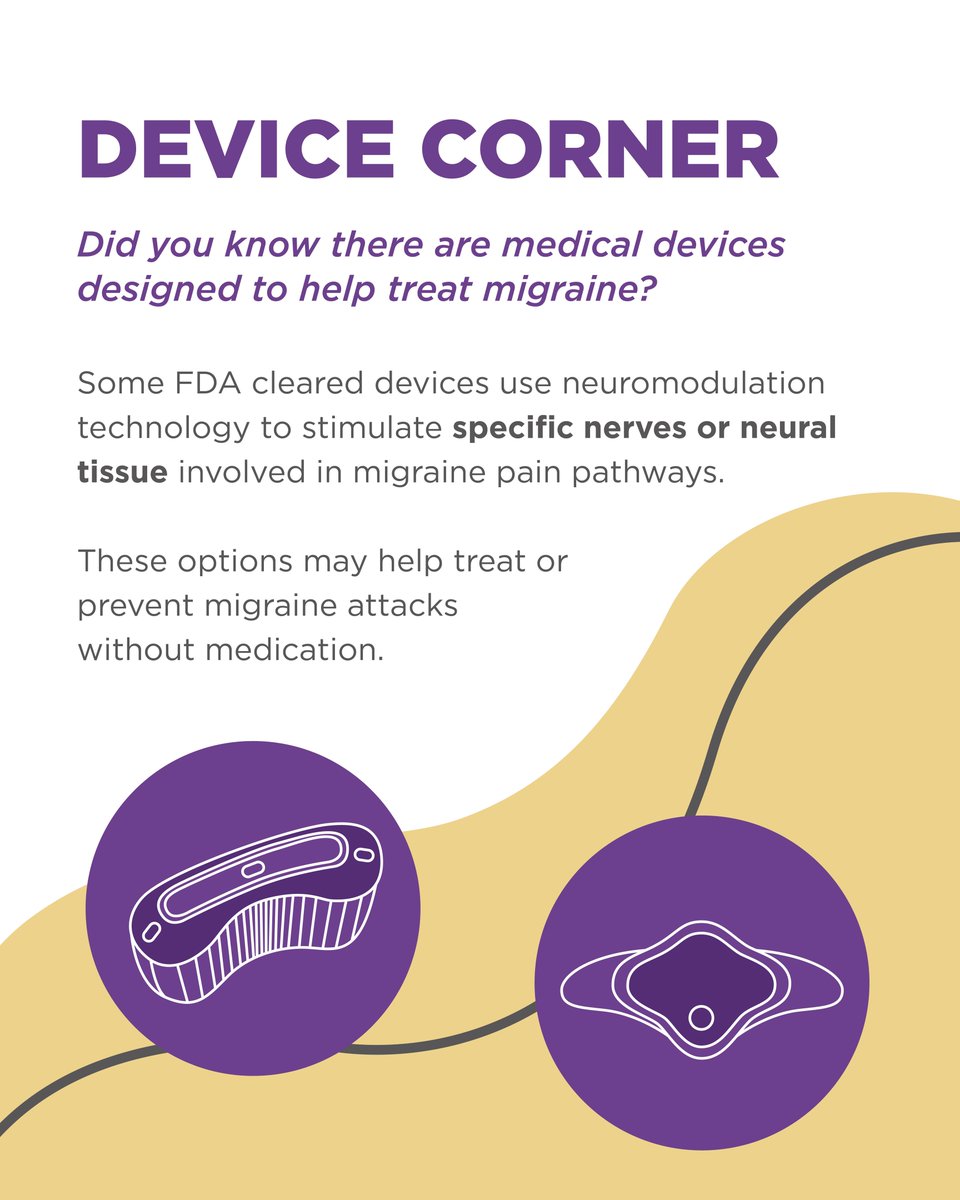
Neuromodulation devices are a drug free option that may help treat or prevent migraine attacks. These devices stimulate nerves or neural tissue involved in migraine pain pathways using electrical or magnetic signals. Some are worn on the forehead or neck and can be used at home.
American Migraine Foundation tweet mediaAmerican Migraine Foundation tweet mediaAmerican Migraine Foundation tweet mediaAmerican Migraine Foundation tweet media
English
0
2
4
142