

Scarborough UK
436 posts

Scarborough UK
@Scarb1723
Scarborough photo's
Scarborough, England Katılım Mart 2018
203 Takip Edilen270 Takipçiler

Scarborough Open Air Theatre (OAT) has a rich history, Europe’s largest outdoor amphitheatre that opened in 1932.
On May 20, 2010, a newly refurbished theatre was officially opened by Queen Elizabeth II and the Duke of Edinburgh.
English
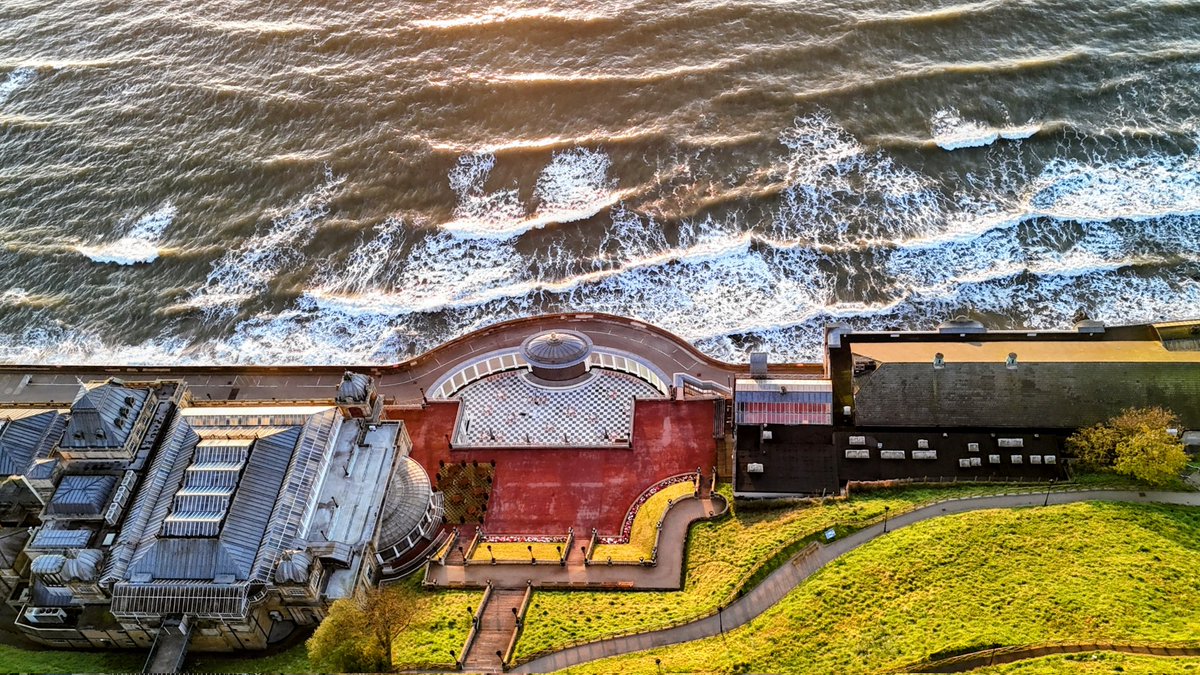
Scarborough Spa.
Opened in 1700 following the 1626 discovery of "healing" waters, Scarborough Spa after fires and floods, evolved from a Victorian health retreat into an iconic entertainment hub.
English
Built on the medieval Northstead Manor, Scarborough’s Peasholm Park opened in 1912. This Japanese-style gem features an iconic 1929 pagoda and rare trees. It’s world-famous for its "Naval Warfare" show—a unique, manned miniature battle on the lake running since 1927.
English
Scarborough's Aurora Borealis.
The "Solar Maximum," number of sunspots, responsible for our northern lights was originally forecast to happen around July 2025. Real-time data suggests we hit the true peak in late 2024. The next Solar Maximum is expected in the mid 2030s.
English


In the 20th century, Seamer Road evolved from a scenic lane into a commercial artery. The primary A64 link for York commuters. The name "Seamer" stems from the Old English Sæ-mere (sea-lake), referencing a prehistoric lake that once covered the lowlands near the village.
English
Built 1862–63 by G.F. Bodley, St Martin-on-the-Hill a church of many weddings, is a Grade I Victorian icon in Scarborough. It’s a Pre-Raphaelite masterpiece featuring 1860s stained glass and paintings by William Morris, Edward Burne-Jones, and Rossetti.
English
Opened in 1903, Scarborough Town Hall was originally St Nicholas House built in 1844, a mansion converted into a civic hub. Neighboring offices added extra capacity in the 1960s, but high upkeep and 2026's efficiency goals suggest a move to Prospect House.
English
Scarborough Castle, represents England's defense. Built in the 1100s to protect the Yorkshire coastline from Viking raids and, later, from Scottish and French invasions.
English
Since 1912, the Spa Sun Court, now surrounded by a glass screen (erected around 1954) to protect the musicians and the delicate instruments from the salt spray and wind
The Scarborough Tram opened on July 6, 1875, was the first funicular railway in the United Kingdom.


English
Grade I listed St. Peter’s in Hackness boasts a 1,300-year legacy. Founded c. 680 AD by St. Hilda of Whitby, the site survived Viking raids to become a 11th-century monastic cell. Today, it preserves an 8th-century Anglo-Saxon cross and stunning Norman-Gothic architecture.
English
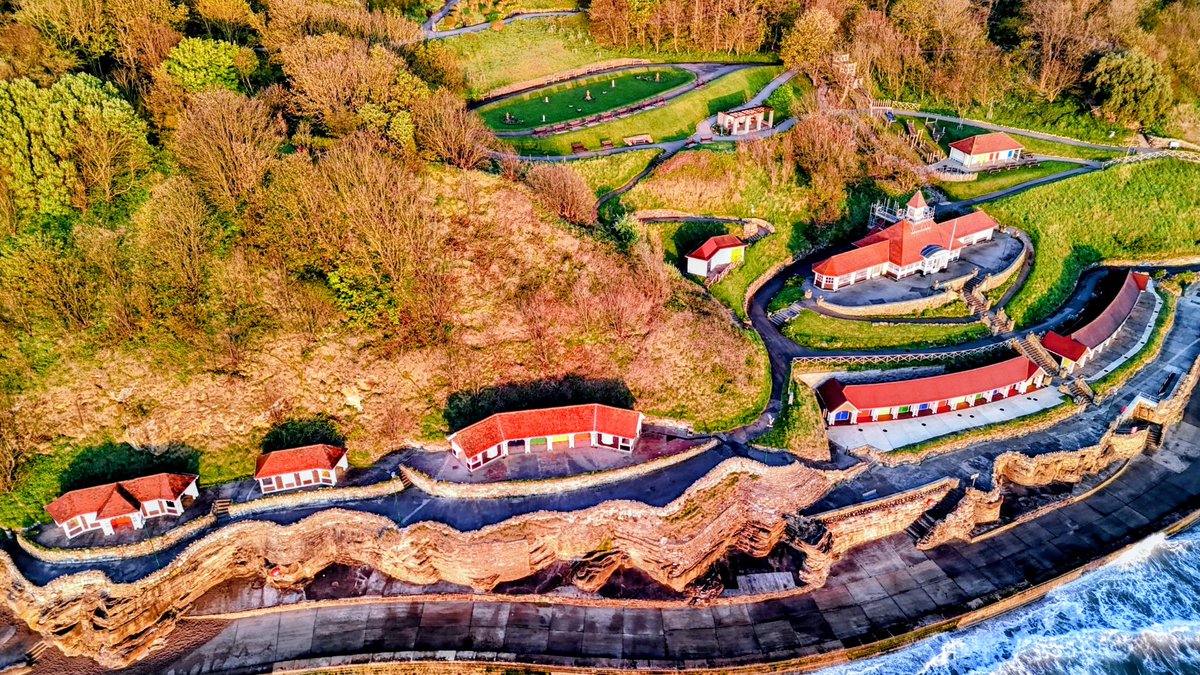
South cliff gardens and blossom before fluttering like Confetti.
English