On April 25, 1998, while visiting a friend’s home in Jacksonville, Florida, Michael Hill was stabbed in the head with a 20 cm (8 in) survival knife that penetrated deep into his brain near the brain stem. Remarkably, he managed to walk down the street to another friend’s house, where he waited four hours before surgeons finally removed the blade.
Against all odds, Hill survived without infection and regained full consciousness and basic functions within a week. However, the injury left him with permanent memory impairment and paralysis in his left hand. He continues to experience occasional headaches and requires medication to prevent seizures. The knife, the largest object ever successfully removed from a human skull, had lodged dangerously close to vital structures, making his survival extraordinary.
Scientists have detected a steady seismic pulse every 26 seconds, first noticed in the 1960s. This “heartbeat” of the planet originates near the Gulf of Guinea off West Africa. Most evidence suggests it comes from ocean waves striking the continental shelf, though some researchers believe volcanic or hydrothermal activity may also play a role. Remarkably, this rhythm has persisted for decades, quietly resonating across the globe.
In 1783, a boy with two functional heads was born in Mundal Guat, Bengal, India. The midwife, shocked by his appearance, threw him into a fire, but he survived with minor injuries. His parents, seeing an opportunity, took him to Calcutta, where people paid to see his unique condition.
The heads functioned independently one could sleep while the other was awake or cry while the other smiled. However, their responses to stimuli differed, with one head being light-sensitive and having poor vision, though both shared pain sensation. Tragically, at age four, the boy died from a cobra bite while his mother was fetching water.
This rare condition, known as craniopagus parasiticus, occurs in approximately 2 in 5 million children. A postmortem revealed each head had its own brain and blood supply, and the boy was otherwise healthy. His skull is now preserved at the Hunterian Museum of the Royal College of Surgeons in London, a testament to this rare medical phenomenon.
In 2002, Musk founded SpaceX to cut space travel costs and make Mars travel a reality. With reusable rockets and a bunch of ambitious missions, SpaceX is changing space travel like no one else.
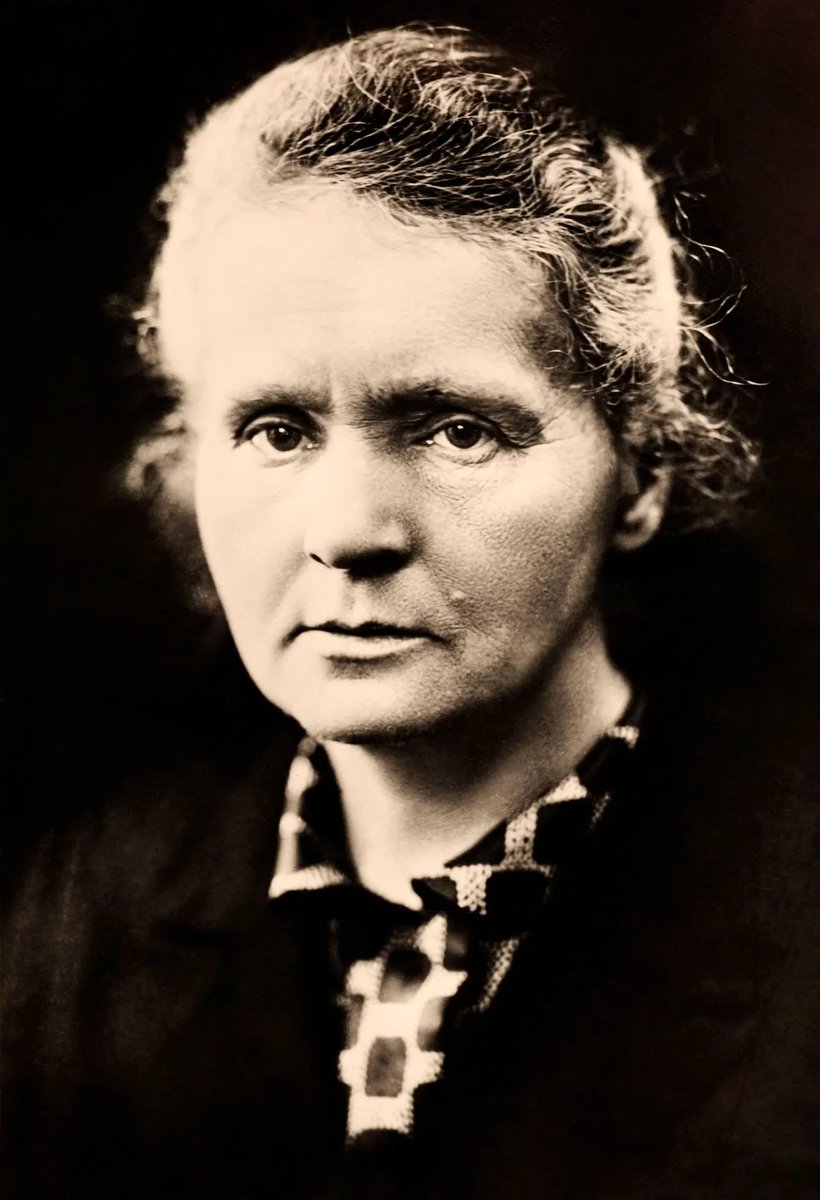
During World War I, Nobel Prize–winning physicist Marie Curie pioneered mobile X-ray units that were dispatched to the frontlines.
These “radiological cars” enabled army surgeons to examine injuries more precisely, often preventing unnecessary amputations when limbs could still be saved. It is estimated that her teams provided X-ray examinations for more than a million wounded soldiers.