Sabitlenmiş Tweet

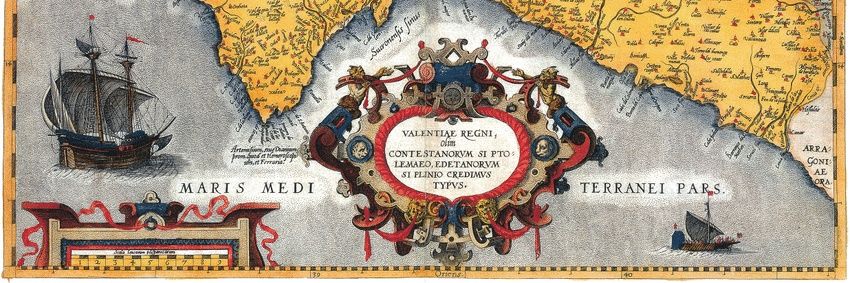
Los valencianos hablábamos romance o lengua valenciana 4 siglos antes de la conquista de Valencia por Jaime I en 1238. La mentira de la repoblación catalana. Las pruebas: jgsentandreu.blogspot.com/2026/07/la-len…

Español
Juan García Sentandreu
7.5K posts
@Sentandreu
Escritor, jurista. Diplomática Jurídica Medieval. Autor 16 libros d derecho e historia. Director Aula Colombina de la Real Académia CV y Centro Colombino

Tal día como hoy en 1896 nació Buenaventura Durruti, líder del proletariado en nuestro país. A su entierro en Barcelona acudieron más de un millón de personas. Un mecánico anarquista que nos dejó para siempre la enseñanza de que al fascismo no se le discute, se le combate.

🔴 ÚLTIMA HORA | Pedro Sánchez asistirá a la final del Mundial cadenaser.com/nacional/2026/…



La memoria democrática se ha olvidado convenientemente del poeta comunista Pablo Neruda, un personaje abyecto y cruel que es la prueba de que un premio noble puede ser un gran poeta y, a la vez, un miserable hijodepvta. Con la ayuda de Suno he puesto música y voz a una pentalogía poética que he titulado "Reproche a Neruda. Canto a la vida" que os colgaré por aquí por si a alguien le interesa. El primer canto se titula "Malva sin mirar", dedicado a la hija discapacitada por hidrocefalia a la que Neruda insultaba cruelmente y finalmente abandonó. Ahí va. Enlace: suno.com/s/UT0juyUXNfqt…