Sergey Alexeev

1K posts

Sergey Alexeev banner
Sergey Alexeev

Sergey Alexeev

@SergeyVAlexeev

Drugs and hugs. Affiliations: @Sydney_Uni; @Syd_Health; @UNSW; @ijdrugpolicy; @TrialsCentre.

Sydney Katılım Mayıs 2021
480 Takip Edilen190 Takipçiler
Sergey Alexeev
Sergey Alexeev@SergeyVAlexeev·
@AdamStiebing That would have been a much better movie. Skywalkr family ruling the galaxy post-Palpatine? Sign me up for the full ‘What If’ series. The visuals are insane.
English
0
0
19
3K
Adam Stiebing
Adam Stiebing@AdamStiebing·
The Skywalkers ruling the Galaxy after dealing with Palpatine!
Adam Stiebing tweet mediaAdam Stiebing tweet media
English
84
432
6.2K
456.7K
Sergey Alexeev
Sergey Alexeev@SergeyVAlexeev·
Good eye. The decline predates COVID, it’s visible from the early-to-mid 2010s. Our paper is descriptive so it can’t identify the cause, but the timing lines up with several things at once: smartphones and social media, housing and cost-of-living pressure, climate anxiety, academic pressure. Separating them is the next job.
English
2
1
1
213
Zarina Vakhitova
Zarina Vakhitova@ZarinaVakhitov1·
@SergeyVAlexeev Very interesting. The downward trends started around 2010, it seems. What do you think might have caused it?
English
2
0
1
260
Sergey Alexeev
Sergey Alexeev@SergeyVAlexeev·
After years of bad news on youth mental health, this is different. Our new paper finds the first clear rebound in Australian youth mental health in 24 years of national HILDA data. Under-25s fell hardest into the COVID period. Now they are recovering fastest. Not fixed. Not back to 2019. But the trend has turned. That matters. The question now is not only what went wrong. It is what is helping, and how we protect it. Paper: doi.org/10.1177/000486… Great @smh piece: smh.com.au/national/nsw/s… @UNSW @Sydney_Uni @MelbInstUoM
Sergey Alexeev tweet media
English
7
6
82
102.3K
Sergey Alexeev
Sergey Alexeev@SergeyVAlexeev·
More context here, including the paper and the Conversation piece behind this discussion: x.com/SergeyVAlexeev…
Sergey Alexeev@SergeyVAlexeev

New in @ConversationEDU: we connect our heroin drought research to Australia's tobacco wars. Short version: supply disruption matters more than headline price, and legal-sales data can mask what's really happening. theconversation.com/as-australias-… @VicGovAu @JacintaAllanMP @DonWeatherburn @ConversationEDU

English
0
0
0
42
Sergey Alexeev
Sergey Alexeev@SergeyVAlexeev·
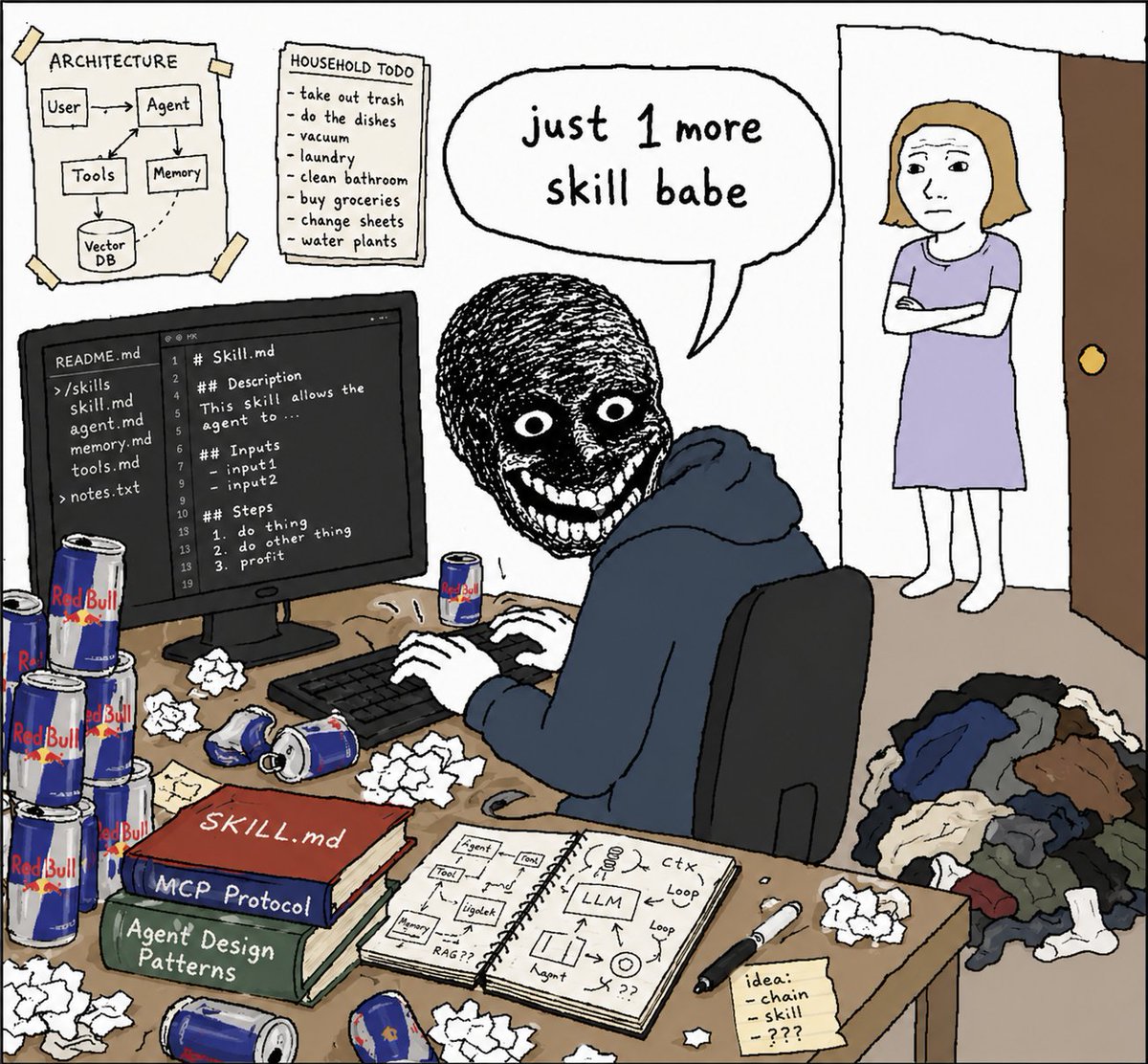
@jt_kerwin Why bother creating new packages now when you can just ask Claude to code it for you directly?
English
0
0
6
1K
Felix Weinhardt
Felix Weinhardt@FelixWeinhardt·
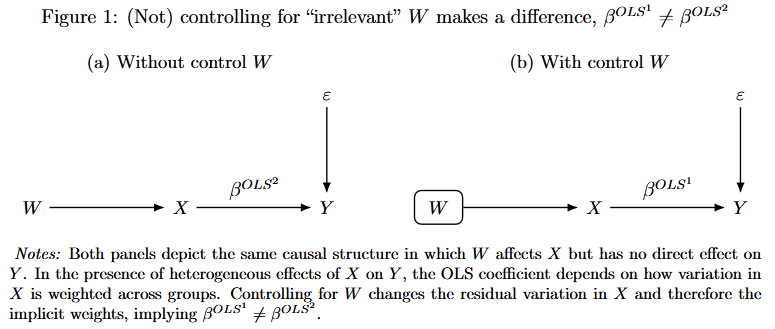
10/ Note that writes all this up formally, with simulations and examples: Heterogeneous Effects and the Interpretation of OLS Coefficient Movements Happy to hear thoughts / feedback! opus4.kobv.de/opus4-hsog/fro…
English
2
2
16
1.8K
Felix Weinhardt
Felix Weinhardt@FelixWeinhardt·
1/ Applied papers often show sequences of OLS or DiD estimates with more and more controls. When coefficients move, the usual story is: “bias is reduced.” This interpretation is often wrong. 🧵
Felix Weinhardt tweet media
English
1
37
255
25.9K
Sergey Alexeev
Sergey Alexeev@SergeyVAlexeev·
@DonWeatherburn There is a big literature in economics called economic opportunity. Kinda similar to my inter generational drinking paper if drinking is swapped to income.
English
0
0
1
20
Donald Weatherburn
Donald Weatherburn@DonWeatherburn·
Is it possible to give a rigorous definition of a ‘fair go.’ Sure we can all give examples. But can we separate what is and what isn’t in all reasonable cases?
English
1
0
1
143
Kama
Kama@Kama_Kamilia·
Mentally I’m here
English
267
587
6.3K
364.4K
Rino🚀
Rino🚀@RinoTheBouncer·
What game had you like this when finished?🚀
Rino🚀 tweet media
English
143
149
1.6K
35K
Sergey Alexeev
Sergey Alexeev@SergeyVAlexeev·
Try telling a six-year-old to eat more protein. The advice is correct. It just means nothing to them. They feel indestructible. Recovery is automatic. Metabolic health is a problem for later. Same with your father warning you about your heart. For years, it's just noise. Then one day it isn't. That's the point: people don't absorb information when it's true. They absorb it when it becomes relevant. — My new paper in Health Economics shows that the same logic helps explain how drinking passes from parents to children. Using 23 waves of the HILDA Survey and 43,817 parent–child observations, I study the intergenerational transmission of alcohol consumption — the first application of Bisin and Verdier's rational trait transmission model to drinking, and the first use of cohort-layering (Lee & Solon 2009) for a HILDA intergenerational sample. The core result is simple: Children don't copy everything their parents do. They copy what becomes useful in their own life. And for drinking, that happens in two windows. First: ages 15–17. That's when alcohol enters teenage social life. Suddenly, what your parents do is no longer abstract. It becomes a live template. Second: ages 28–37. That's when people start building families of their own and fall back on the household patterns they grew up with. Outside those windows, the transmission weakens or disappears. Shift the exposure window to before age 14 and it's gone. Drinking is not a live issue in a 10-year-old's world. — The transmission is overwhelmingly same-sex. Daughters drink like mothers. Sons drink like fathers. There is no father–daughter effect. Mothers also shape sons, but only at the two moments when drinking actually becomes salient: adolescence and early parenthood. The non-birth-parent results sharpen the story further. Mother–daughter transmission survives even without biological ties. Father–son transmission weakens. So for women, this looks strongly like household norm transmission. For men, biology appears to matter more. — Why does this matter beyond individual families? My paper speaks to two broad cohort patterns in drinking: younger cohorts, especially men, drink less, and the gender gap has narrowed. It suggests a mechanism for both. First: policy may echo across generations. Alcohol-control policies that expanded in the 1970s likely reduced parental drinking. Those lower-drinking norms could then propagate to children through intergenerational transmission. Policy affects one generation; family transmission can extend the effect into the next. Second: demography changes which transmission channel dominates. At ages 28–37, sons who become fathers pick up strong paternal drinking patterns. Sons who remain childless do not. But maternal transmission persists. So childless sons continue to look more like their mothers — who drink less on average. As more men remain childless through those years, that lower-drinking maternal channel carries more population weight. That helps pull male drinking down and narrow the gender gap from the male side. Policy and demography move in the same direction and are consistent with the timing of cohort decline. — So the lesson isn't "kids watch what parents do." The lesson is harsher and more precise: People internalise what becomes relevant to who they are, what they do, and the stage of life they are in. Paper: onlinelibrary.wiley.com/doi/10.1002/he… The Conversation: theconversation.com/is-it-ok-to-dr… ABC Radio: (37:03) abc.net.au/listen/program…
English
4
3
24
80.8K
Peter Hull
Peter Hull@instrumenthull·
Bowie on research.
English
2
7
56
4.7K
Sergey Alexeev
Sergey Alexeev@SergeyVAlexeev·
New paper out in Health Economics. Your teenager isn't listening to you. Except about drinking — and mostly from the same-sex parent. Three things that are new here: 1️⃣ First use of cohort-layering (Lee & Solon 2009) for a HILDA intergenerational sample — yields 43,817 parent–child observations, far larger than prior work 2️⃣ First application of the rational model of trait transmission (Bisin & Verdier) to alcohol — same-sex channels dominate, influence peaks at identity-forming ages (15–17) and role transitions (28–37, becoming a parent) 3️⃣ Cohort-layering revealed that HILDA enables an adoptee-style comparison: mother–daughter transmission holds regardless of biological tie, pointing to norm-mediated learning. Father–son attenuates in non-birth dyads. 📄 onlinelibrary.wiley.com/doi/10.1002/he… ✍️ theconversation.com/is-it-ok-to-dr… 📑 researchgate.net/publication/34… Thanks to @HECJournal for posting too: x.com/HECJournal/sta… @MelbInstUOM @ConversationEDU @UNSW @WileyEconBiz
English
0
0
3
74
Sergey Alexeev
Sergey Alexeev@SergeyVAlexeev·
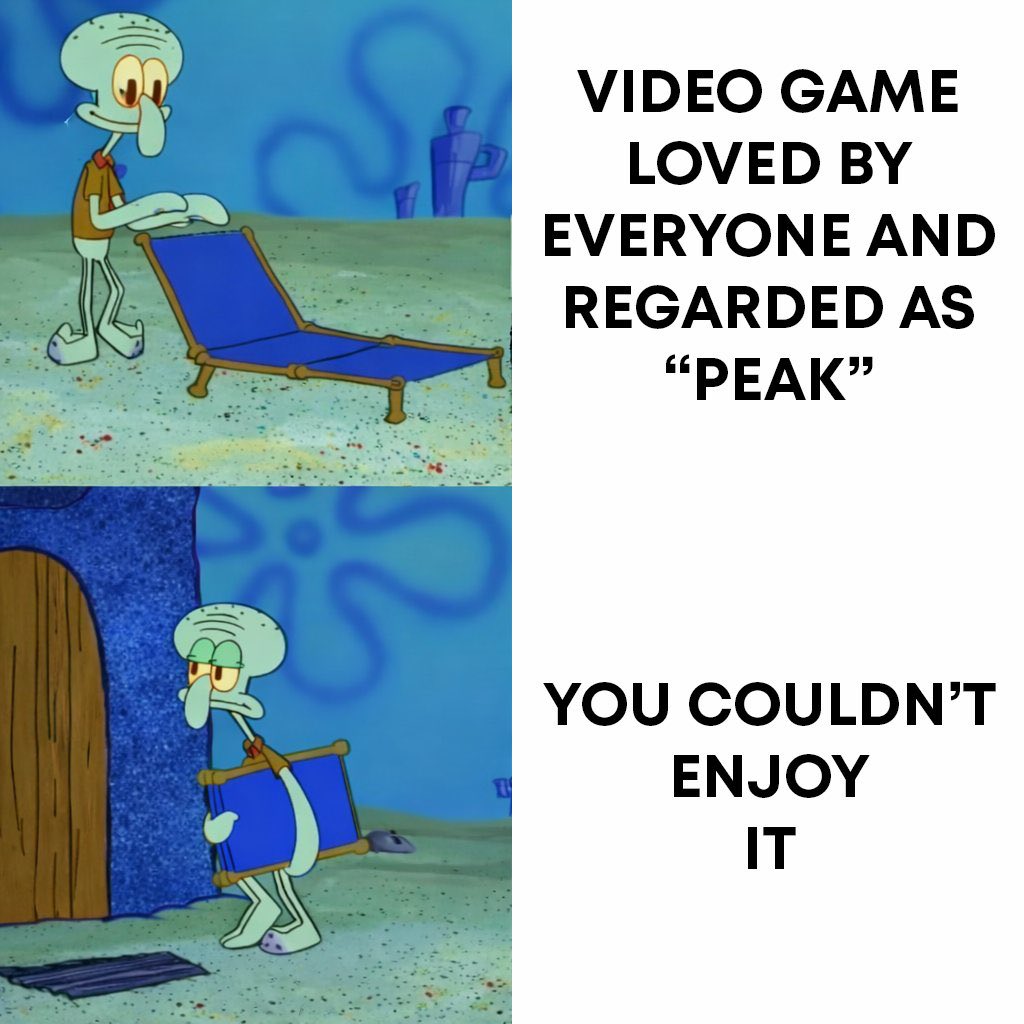
@RinoTheBouncer Cyberpunk. I can’t play it. Tried many times and it never really clicked for me.
English
0
0
3
425
Rino🚀
Rino🚀@RinoTheBouncer·
What game is this?🚀
Rino🚀 tweet media
English
1.7K
103
3.7K
348.2K