

Shashi Jayakumar
664 posts
Shashi Jayakumar
@ShashiJayakumar
Exec Director, SJK Geostrategic Advisory. Ex-Head,Centre of Excellence for National Security/Exec Coordinator Future Issues/Tech,RSIS 🇸🇬.Adj Fellow, CSIS🇺🇸
Singapore Katılım Ekim 2019
170 Takip Edilen365 Takipçiler


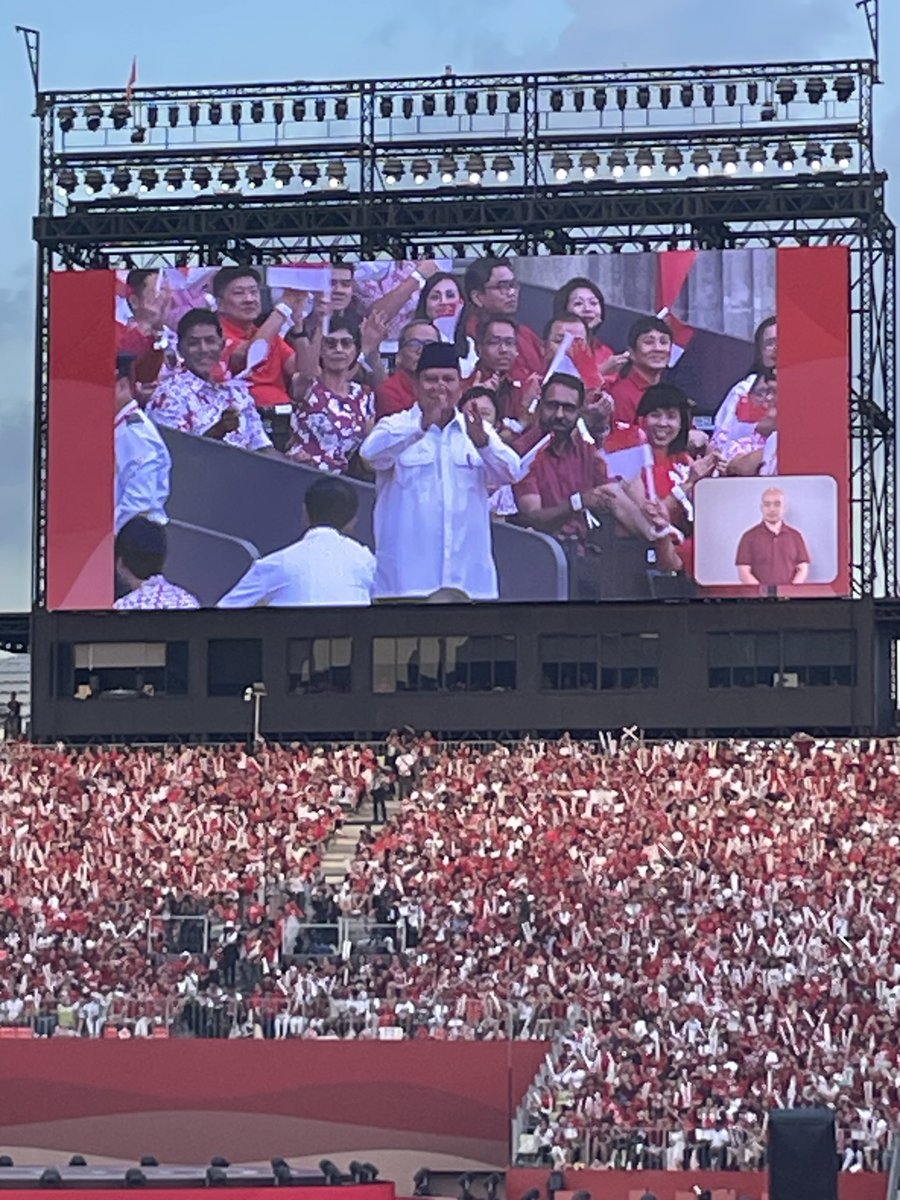
Honoured guest Indonesian President Bapak Prabowo Subianto enters the Padang in Singapore, gracing the occasion of Singapore’s 60th National Day Parade!

English
@GlHindu halo, saya ingin memeriksa - dari mana foto ini berasal? Terima kasih
Indonesia

Malam hari, rakyat Desa Marga menghitung2 jenazah para pemuda yg bergelimpangan. Ditemukan 96 jenazah pemuda di ladang jagung itu. Namun, dilaporkan pula pihak Belanda kehilangan 400 serdadunya.
*Dengan heroisme leluhur spt itu, kami tdk pernah menggunakan jargon2 PRIBUMI*

Indonesia

Moving experience to be able to interview Bapak Gusti Ngurah Saputera (born 1930), at the Veterans’ Office in Denpasar, Bali, concerning his memories of the Revolutionary War against the Dutch (1945-49). Very few left from that generation who can share their memories.

English
Apologies to anyone offended by the incoherent script. ChatGPT is still not good at this.
English
In Kyoto for a few days. Anyone here keen to talk over coffee about history (modern or medieval), Singapore, Southeast Asia, geopolitics, chess, (or chess politics) pl message me!
English
@AntigoneJournal @FoundnAntiquity What an incredible find. Congratulations.
English
OK, still giddy (and you have to accept that this is niche, and that by "best" I mean the most happy outcome based upon cost and conjecture). But the story, in brief, is this: I like collecting poems written in Latin and Greek by people from recent centuries. And the University of Cambridge has since 1775 hosted prizes for students trying to emulate Greek and Roman poets by writing new poems in these ancient languages.
By about 1800 the practice arose of getting the winning efforts published, and in 1827 this was formalised as an annual publication called Prolusiones Academicae (University Essays), which would contain original poems/translations in Latin and Greek, as well as the Chancellor's Medal for English verse.
These little volumes were printed for a small local audience and a few alumni, and were never common books, and since they were issued in paper wrappers they often didn't survive long. They aren't very easy to find (about ten copies from the 150 years they were published can be bought worldwide, as I write) but are worth perhaps £25 or so.
The goal is not to find lots of individual years but to find a Sammelband (one volume binding together many) that has collected them for a series of years. In the 19th century some enthusiasts did this, but their books usually ended up in institutional libraries so don't much come up for public sale.
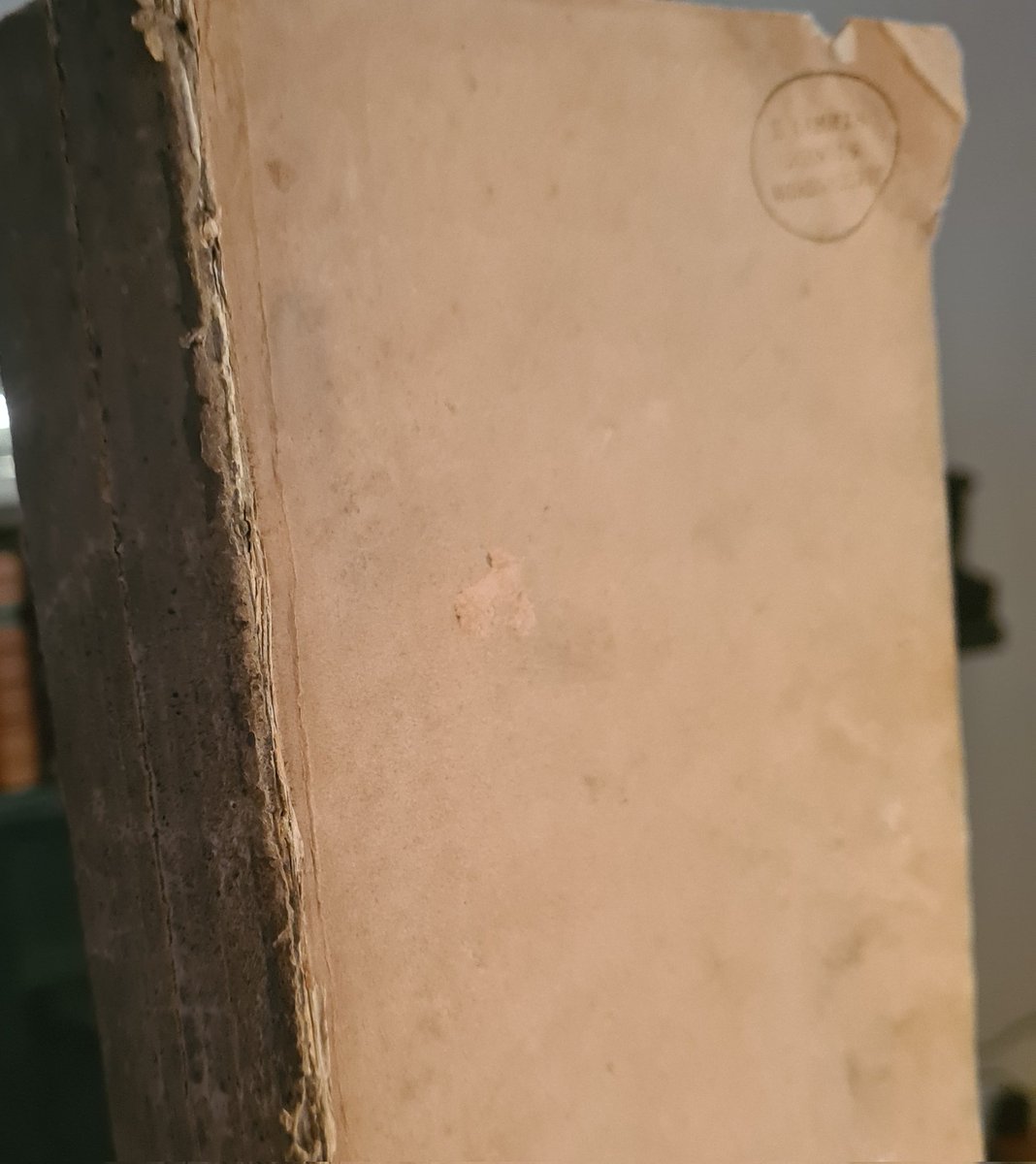
In this case I found listed a book that described the Carmen Graecum (Greek Ode) of HN Coleridge, nephew of ST Coleridge (who himself won the Greek Ode prize in 1792 for an ode attacking the slave trade). Well, that is not a common little publication, but I knew it couldn't be more than six or eight pages. The book was described as in a bad condition: front and back boards gone, and the leather that goes over the spine. Not good. But for £18, fair enough.
Yet the weight of the book was what interested me: 850g. My instinct was that this was not just one prize poem from 1821, or even all of them from 1821, but exactly the kind of run through many years that would build up to make such a heavy book. And if it could, it might include 1829.
1829 is the most valuable year for Prolusiones Academicae, not because of spellbinding Latin and Greek verse, but because it was the year Alfred Lord Tennyson published the first poem in his name, the Chancellor's Medal winner, Timbuctoo. Copies of the volume sell for £500+ for that reason. For my part I'm more interested in the poems by his fellow Apostle, the historian Charles Merivale, who initiated the Varsity Boat Race along with Charles Wordsworth at Oxford.
Anyway I bought the book and crossed my fingers. The seller didn't know how to describe the tome beyond its first title page because the spine - which would have said more - was missing. Who knew what would arrive?
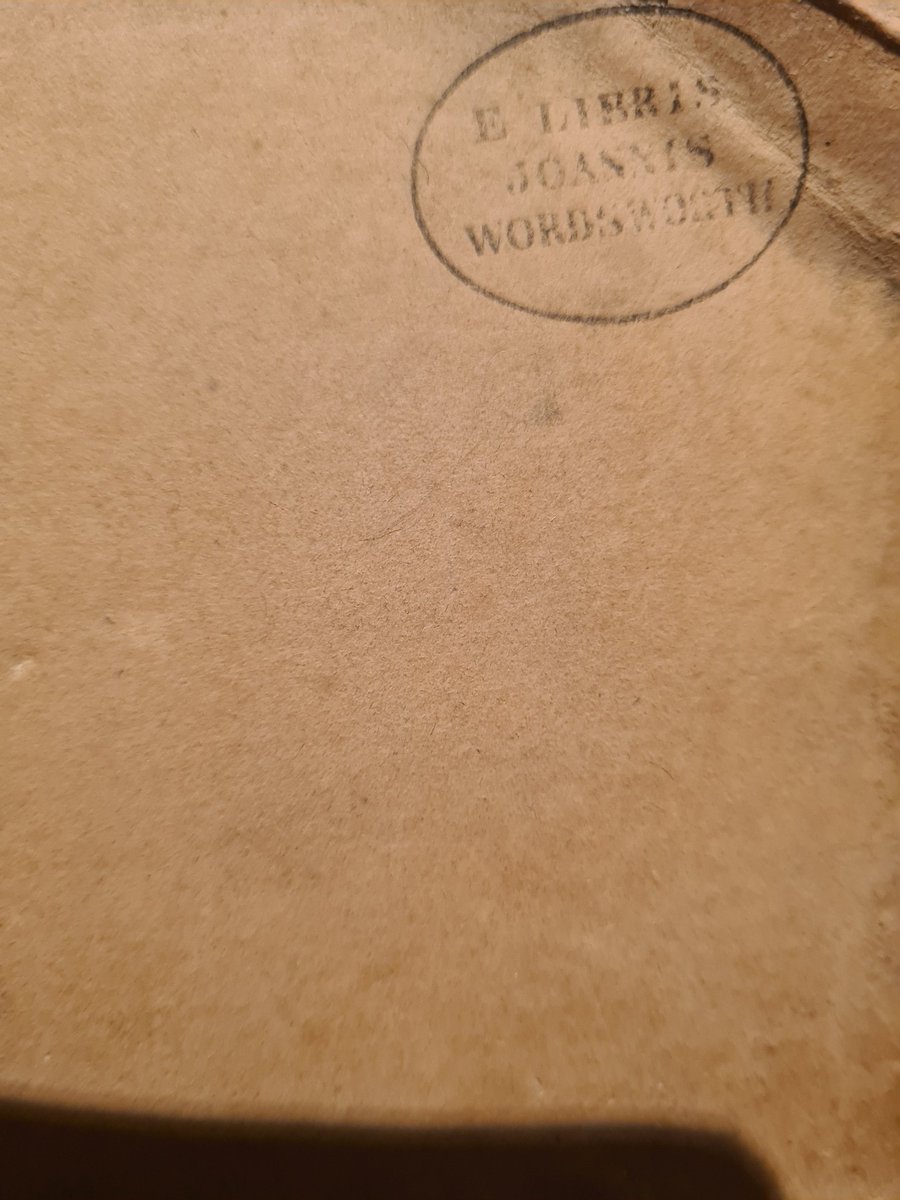
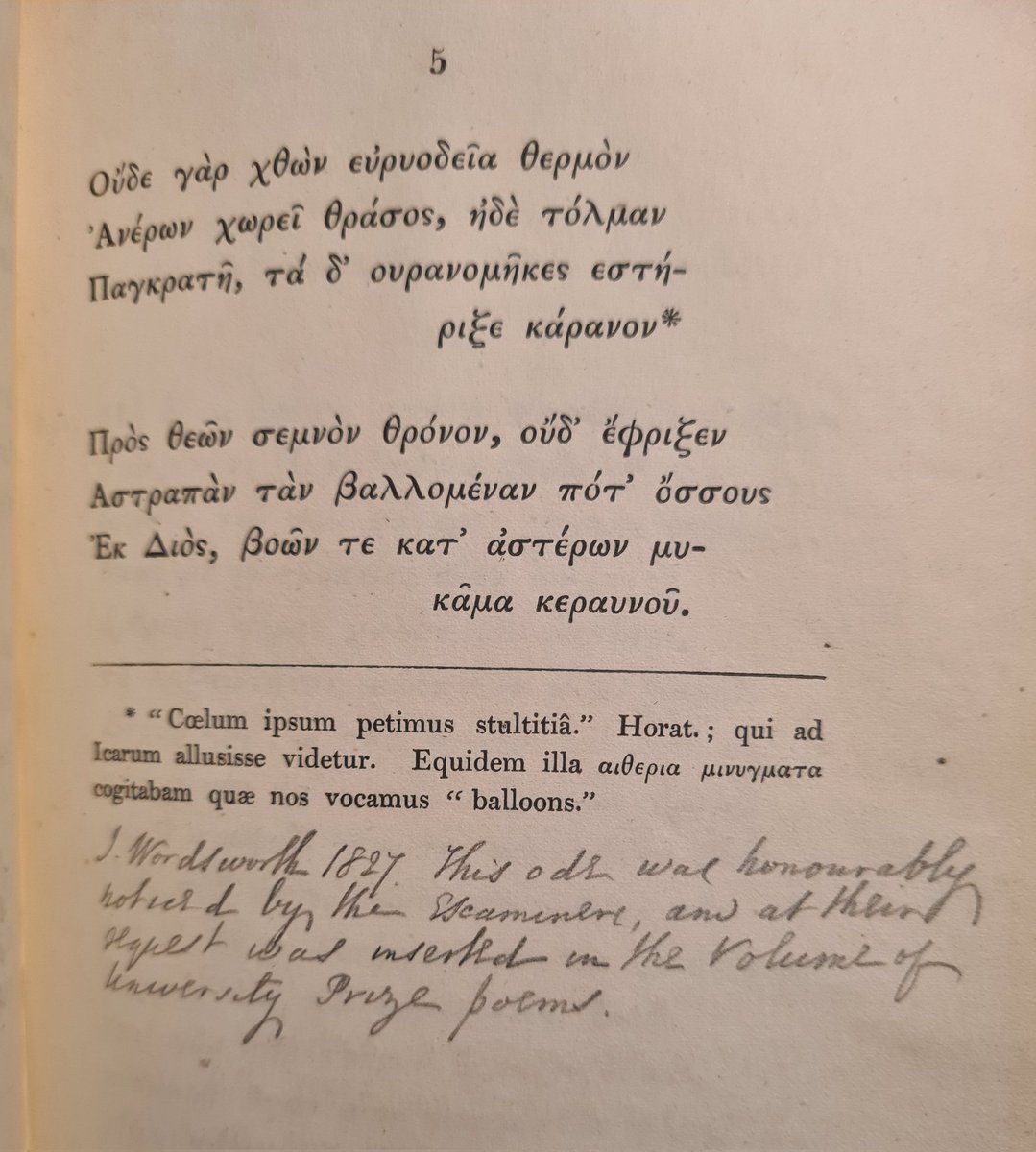
The endpaper had a subtle stamp: "E libris Joannis Wordsworth", from the books of John Wordsworth. Now, I knew 3 John Ws: William's son, who remained in Cumbria; William's nephew, the Cambridge classicist; and his own nephew, the Bishop of Salisbury. But bound in for the year 1826 are two privately printed poems in Greek, and a note signed by John Wordsworth saying that the examiners deemed them worthy of publication. So this is John of Trinity's personal collection: the man described by William Wordsworth as "one of the best scholars in Europe" and "the most accurate man I know".
The collection in fact runs from 1821 to 1837 and contains nearly 100 poems, alongside Timbuctoo (and Bulwer Lytton's Sculpture). Some were sent from Oxford by his prize-winning brother Charles. John was working on his great edition of Aeschylus but, with all the promise before him, he died, aged 34. His bust and inscription in Trinity Chapel have often made me stop and reflect and regret.
What happened to the book to be denuded of its covers is anyone's guess but I will be treating it to the works: full leather, marbled papers, gilt edges.
So, that's the sort of thing that means a great deal to me!
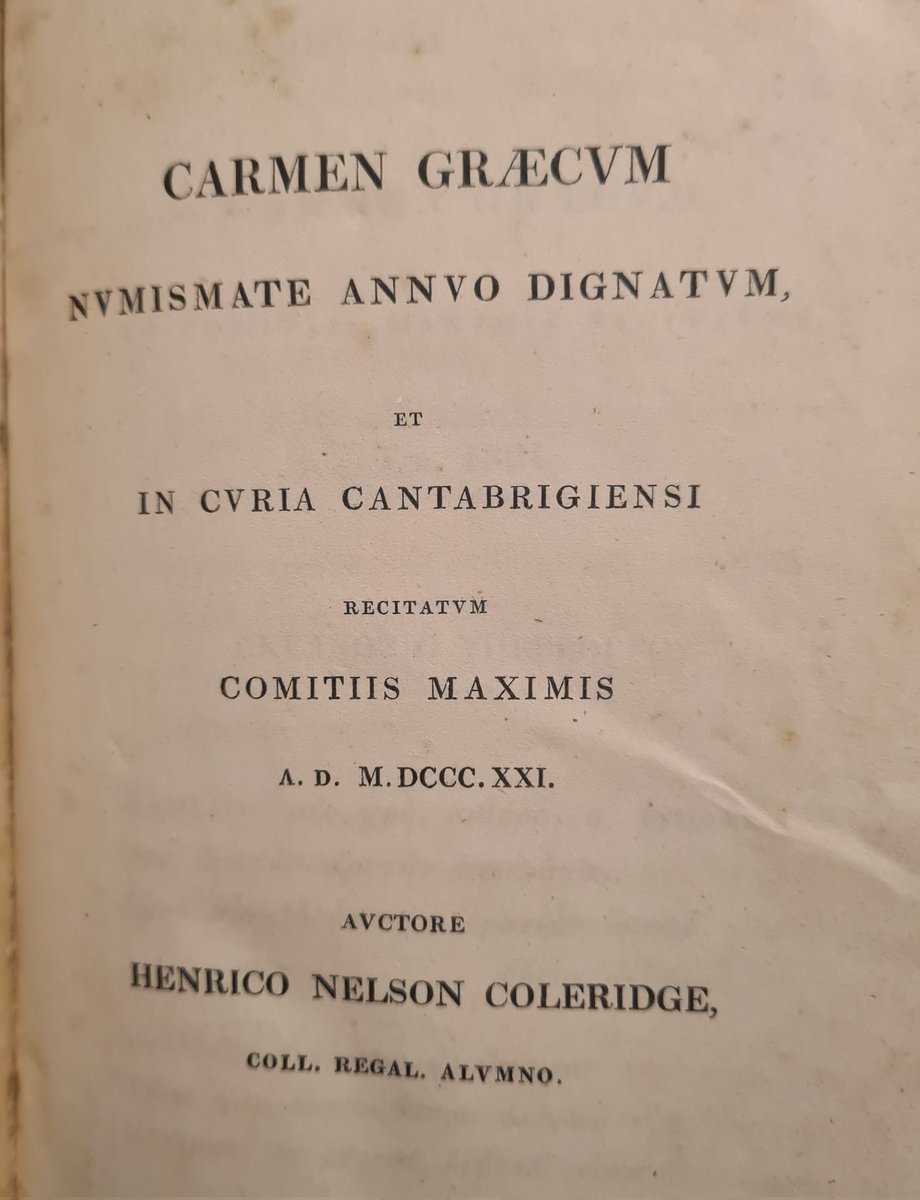
Antigone Journal@AntigoneJournal
Just made the best book purchase of my life. Absolute scenes!
English
Editing books is hard. I’ve decided after my latest to retire from editing books. I’ll simply write them. Easier.
English


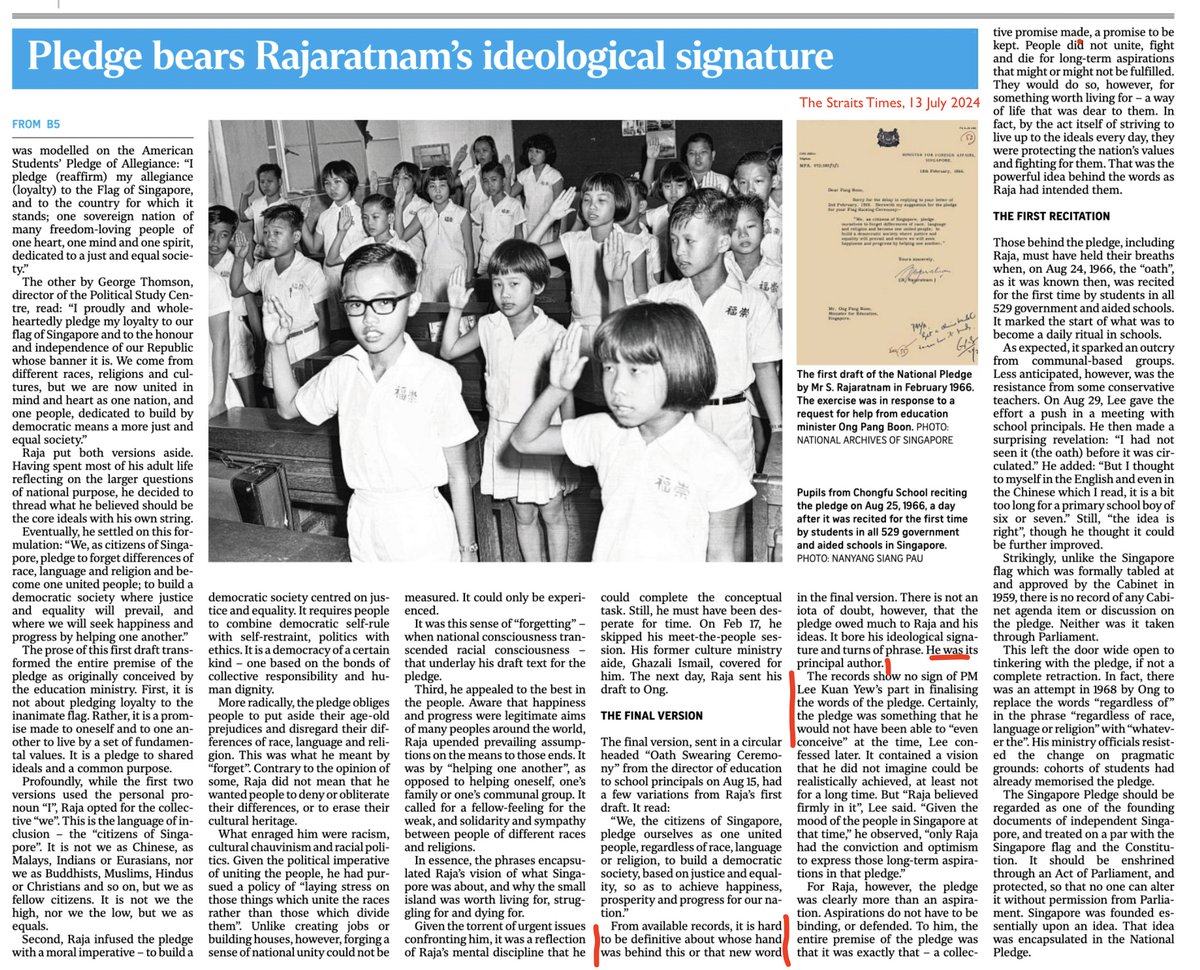
agreed, English version? Or is the story more complicated? We will not know, it seems, unless there are fresh discoveries. [6]
English
who drafted one of the two early versions sent to Raja) worked further on it,or whether others played a role, is unfortunately unknown.Also unknown is who was responsible for the versions in Malay, Chinese and Tamil.Were these simply arrived at by translating the final,[5]
English
Eagerly awaiting the second volume of Irene Ng's biography of S.Rajaratnam, extracts of which have just been published the Straits Times. Ng notes that Raja is the "principal author" of the Pledge, after his intervention (when two early drafts of the Pledge were surfaced to him


English