Shivam Dave

1.7K posts

Shivam Dave banner
Shivam Dave

Shivam Dave

@ShivamDave_

Coach | Fitness & nutrition | Helping people be their fittest self | Need help getting fit? DM!

Delhi, India Katılım Aralık 2020
23 Takip Edilen45 Takipçiler
Sunderdeep - Volklub
Sunderdeep - Volklub@volklub·
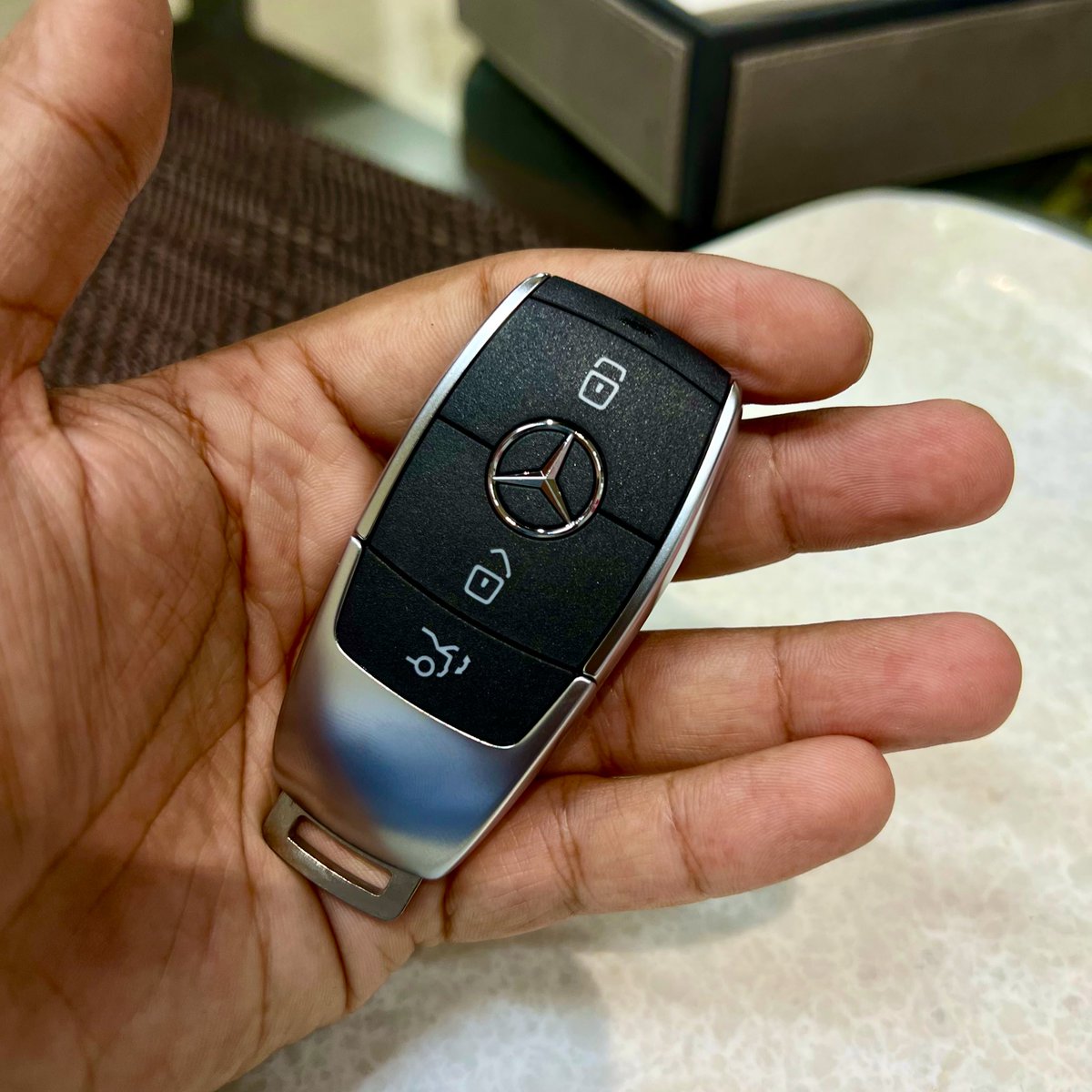
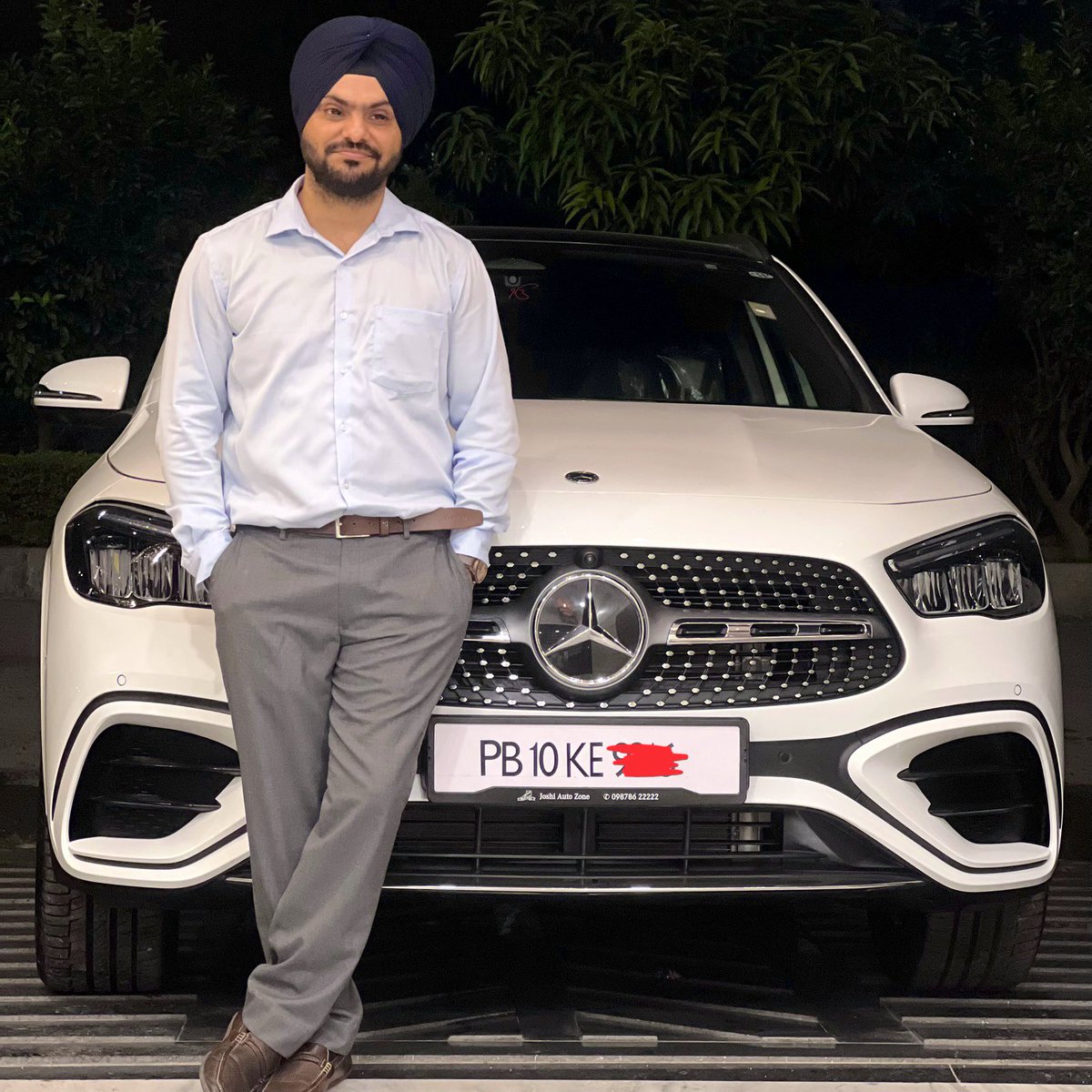
Excited & blessed to add 4th car in my Garage with God’s grace. Mercedes GLA 220d 4matic AMG-Line Bio updated too :)
Sunderdeep - Volklub tweet mediaSunderdeep - Volklub tweet mediaSunderdeep - Volklub tweet mediaSunderdeep - Volklub tweet media
English
1.2K
120
8.1K
1.2M
Shivam Dave retweetledi
Abhinav || FreeGym
Abhinav || FreeGym@mutant1643·
Just finished going through your website and reading everything about Continue Research. The systems approach vs. pixel-by-pixel framework really clicked for me. That's literally how we've been building FreeGym. We're trying to connect everything in health and fitness, both the disease side and performance side, as one integrated system. While we're not seeking funding right now, we're actively looking to connect with brilliant people working on similar problems. What you’re doing and what we’re doing are truly complementary. I'm confident FreeGym could contribute meaningfully to Continue Research from the outside. Would love to connect and exchange ideas.
Deepinder Goyal@deepigoyal

So many people keep asking me about Continue. What is it? What are you up to? Here you go... Continue started as a research effort two years ago, with the belief that if the human body is a system, it should also have its leverage points. The simple levers that, when adjusted, could fundamentally alter how we age and live. Along with a team of initially skeptical researchers, we've been investigating a penny-drop insight about human aging. Something that's been hiding in plain sight for eternity. But more on that in a few weeks. We are at the tail-end of the research on this hypothesis, which if true, could fundamentally change our understanding of biology and aging. But today isn't about that. It's bigger than that. Today, we are expanding Continue Research to include a $25 million fund (entirely personally backed) to support researchers across the world who dare to ask simpler questions than anyone else. Who believe biology might be far simpler than we've made it. For over a decade, I have believed that most of the world’s problems stem from our short human lifespans. Continue Research’s goal is to extend healthy human function long enough that humans stop making short-term decisions. Read more about Continue’s purpose at – continue.com This will be a multi-decadal journey. Our goal here is to become a small catalyst in humanity's journey of conscious evolution. To lead us into the Post-Darwin era. Researchers, please look us up and apply for funding/grants at – continue.com/researchers ——— PS: Continue is not a part of Eternal

English
0
4
30
6.8K
Shivam Dave
Shivam Dave@ShivamDave_·
Pure gold level post.
Abhinav || FreeGym@mutant1643

I don’t know why it’s so hard for people in the nutrition space to understand that the first law of thermodynamics is the global constraint, while hormones, metabolic rate, hunger signals, the gut microbiome, food reward pathways, and neural responses are local mechanisms. No matter how hard you try, you can’t bypass the global constraint. I guess denying the constraint makes your product or idea seem revolutionary. Most people aren't trained to think about nested levels of causation: Physics → Chemistry → Biology → Psychology → Sociology Each level has its own rules AND must respect constraints from levels above. Nutrition education rarely teaches this hierarchy. So people think if hormones matter, thermodynamics must not, rather than understanding hormones operate within thermodynamic constraints. When you understand the thermodynamic outcome ahead of time, you can eat and train with intention - in ways that actually support your goals and help you grow. You estimate, then measure and iterate. Understanding constraints is empowering, not limiting. It's like engineering vs. magic. An engineer knows: "I can't violate gravity, so how do I design a plane that works within that constraint?" Studies aerodynamics, materials, fuel efficiency. Builds something that actually flies. Once you know the thermodynamic outcome you need, you can optimize at each level. Physics → Chemistry → Biology → Psychology → Sociology Physics level: Need -500 kcal/day deficit for 1 lb/week loss (a starting prior, not a law.) ↓ Now optimize biology: Biology level: - High protein to preserve muscle - Adequate fat for hormones - Fiber for satiety and gut health - Training that maintains strength ↓ Now optimize psychology: Psychology level: - Food choices you enjoy - Meal timing that controls hunger - Diet breaks to manage adaptation - Social strategies for adherence ↓ Now optimize sociology: Sociology level: - Meal prep systems - Social support - Environmental design (don't keep tempting foods around) Each level respects the constraints above while optimizing within its domain. The people denying the constraint think they're being sophisticated. They're actually being naive. Most of those who are struggling value body composition over function. But those who understand that body composition is a byproduct of function are much harder to fool. The performance mindset has built-in reality checks. When function is primary: - Did my lifts go up? - Did my sprint time improve? - Can I recover between training sessions? The barbell doesn't lie. The stopwatch doesn't care about your diet tribe. If you try some fad diet that tanks your glycogen and you can't complete your workout, you get immediate, honest feedback. You can't rationalize your way out of a failed lift or a slower time. When body composition is primary: - Did I lose weight this week? - Do I look leaner in this lighting? - What does the scale say? - Does this diet sound revolutionary? Scale weight fluctuates 2-5 lbs daily from water, glycogen, digestion. You can manipulate it with dehydration. You can convince yourself you look different. The feedback is delayed, noisy, and easy to misinterpret. Performance-focused people respect constraints. They're forced to think strategically within thermodynamic AND physiological constraints. Energy availability: - Too little food → can't recover, performance suffers - Too much food → excess fat gain, performance may suffer - They find the sweet spot through trial and experimentation Nutrient timing: - Carbs around training → better performance - Protein distributed throughout day → better muscle protein synthesis - These aren't magic, they're optimization within constraints Recovery: - You can't "willpower" your way out of inadequate recovery - Sleep, nutrition, stress management actually matter - The workout is the stimulus; adaptation happens during recovery The Aesthetic-First Trap is the desperate chase for quick results. - Lose 20 lbs in 2 weeks! - More vulnerable to extreme approaches - Ignore warning signs (fatigue, weakness, irritability) No objective feedback loop: - If you feel terrible but the scale drops, is it working? - If you're weak and tired but look "shredded," is it success? - Easy to rationalize poor outcomes Diet hopping: - When results slow (as they must), blame the diet - Jump to the next magic solution - Never build understanding of what actually works Let's look at an example. Aesthetic-focused person tries keto: - I lost 7 lbs in the first week! It's magic! - (It's mostly water and glycogen) - But I feel terrible and can't think straight. - That's just 'keto flu,' push through! - Continues despite dysfunction. Performance-focused person tries keto: - I lost some scale weight but my squat dropped 15%. - My conditioning work is terrible. - I can't recover between sessions. - This isn't working for my goals, adjusting approach. - Makes evidence-based changes. When body composition is a byproduct of function, you're optimizing for: - Strength - Power - Endurance - Recovery - Health - Longevity - Quality of life These all require: - Adequate nutrition (can't starve yourself) - Quality food (performance demands it) - Proper recovery (function depends on it) - Sustainable practices (consistency is key) And guess what? When you optimize for function, body composition tends to take care of itself. You naturally arrive at a healthy body fat percentage because: - You're fueling performance appropriately. - You're building muscle through progressive overload. - You're recovering properly. - You're avoiding extremes. Performance-focused population can't afford to be fooled: - Poor nutrition → poor performance → immediate consequences - Competition, training partners, objective metrics keep you honest - You're playing a positive-sum game (better performance) not zero-sum (smaller number on scale)

English
1
0
1
370
Shivam Dave retweetledi
Dr Neha Chawla || FreeGym
Dr Neha Chawla || FreeGym@thestrongdoc·
5 Reasons Muscle Is Your Most Important (and Underrated) Organ‼️ 1. You’re already losing muscle - and even faster power. Beginning around age 30, most inactive adults lose 3-8% of their muscle mass per decade (sarcopenia). Muscle power declines even faster, reducing mobility and balance (powerpenia). 2. Your largest metabolic organ. Skeletal muscle is your body’s biggest metabolic organ and disposes of up to 80% of the glucose you consume from a meal. 3. Your grip says more about your health than your blood pressure. Grip strength, a simple proxy for overall muscle strength and function, is a stronger predictor of all-cause mortality than systolic blood pressure. 4. Falls are the top injury killer in older adults. In people 65 and older, falls are the leading cause of injury and injury-related death, and lower-body weakness and poor balance are major contributors. 5. You can fight back at almost any age. Progressive resistance training can slow, halt, and often reverse sarcopenia, with proven gains in muscle size and strength even in adults in their 90s, especially when paired with adequate protein intake.
Dr Neha Chawla || FreeGym tweet media
English
7
6
89
5.4K
Shivam Dave retweetledi
Abhinav || FreeGym
Abhinav || FreeGym@mutant1643·
You may have noticed that low-carb zealots are considered the flat-earthers of the health and fitness space, despite low-carb diets being useful when they’re truly needed. This is because of their constant denial of science. They usually mislead people who are desperate and lack the ability to interpret scientific studies.
English
0
5
5
668
Shivam Dave retweetledi
Abhinav || FreeGym
Abhinav || FreeGym@mutant1643·
I believed that I knew enough about my body, training, and nutrition, and that I was disciplined enough and did everything I needed to - until I tried this. The change in me has been massive. It was just a fun thing I was trying. Turns out, it’s the most powerful thing we’ve built so far.
Abhinav || FreeGym@mutant1643

We’re working on our very first paid product, and it’s a monster. Imagine all the powerful stuff we’ve built and made free; this one’s truly a monster!

English
1
4
11
1.4K
Shivam Dave retweetledi
Dr Neha Chawla || FreeGym
Dr Neha Chawla || FreeGym@thestrongdoc·
This isn't about short-term goals. It's about becoming a different person. You don't need a new year. You need a new decision. To prioritize your physical capability, health & longevity. That decision can be made on a random Wednesday night. Let me coach you. Link in bio.
Dr Neha Chawla || FreeGym tweet media
English
0
4
17
1.3K
Shivam Dave retweetledi
Dr Neha Chawla || FreeGym
Dr Neha Chawla || FreeGym@thestrongdoc·
The coaches who sell their services by promising "oh you don't have to do that awful calorie counting” demonize the concept of tracking as if it's some evil ritual we must be saved from. Plot twist: The foundational principle of their own plan - whether it's low-carb, keto or some fancy gut healing anti-inflammatory protocol is...umm…energy balance. When they pre-decide your portions, or tell you exactly what to eat, they are literally controlling the calories for you. No amount of marketing gimmick changes the math. You cannot escape energy balance. You’re still managing calories, just changed the nutritional profile.
English
3
3
9
4.5K
Shivam Dave retweetledi
Abhinav || FreeGym
Abhinav || FreeGym@mutant1643·
It's unfortunate that parents believe sending kids to school is necessary, but providing them with an education in exercise, nutrition, and a healthy lifestyle is not. This is one of the greatest failures of parenting I see around - greater than anything else. We are entering an era where the healthiest and fittest people will also be considered the smartest, because they are. Become a scientist when it comes to your body. Nerd hard.
English
1
4
14
1.1K
Abhinav || FreeGym
Abhinav || FreeGym@mutant1643·
I was attacked by a mob of adults when I was 16. They weren’t carrying any weapons. By the end of the fight, I realized it was a cakewalk to beat them because none of them knew how to throw strikes, defend themselves, or how to react when hit. They freaked out every time I landed a punch or a kick. When they hit me, I was used to it, regular sparring had trained my nervous system not to panic. I stayed calm throughout the fight. Time felt dilated. I had all the time in the world to react. Everything was crystal clear, my tunnel vision was on. For the first few seconds, when I got attacked, it was the scariest moment of my life, but by the end, it turned into one of the best feelings I’ve ever experienced. I’d never want to be in that situation again, but man, that was an incredible experience. I felt high, like I was on drugs. The euphoria was unreal. Kaam toh aata hai, kuch bhi bolo! But you’ve got to be good at it.
Gurpreet Singh (Sales Navigator Supplier) 🤫@kharku_gurpreet

@mutant1643 Kuch kaam nahi ata.. 😑

English
7
3
31
6.8K
Shivam Dave retweetledi
Abhinav || FreeGym
Abhinav || FreeGym@mutant1643·
Yesterday, we launched Eureka’s Biologist Mode! It’s just as powerful as Eureka’s other STEM modes - Mathematician, Medic, Physicist, and Chemist. Biology lovers, want to give it a try? Link in the comments!
Abhinav || FreeGym tweet media
English
1
3
4
418
Shivam Dave retweetledi
Abhinav || FreeGym
Abhinav || FreeGym@mutant1643·
Raveen, I'm quote-tweeting you because this information is essential for anyone starting their weight loss journey. Most people make this mistake. Here's what you should have done instead of bumping your activity level without building the foundation first. 1. Core stability (360-degree core) - Not just abs - your deep stabilizers: transverse abdominis, multifidus, pelvic floor. These protect your spine under load. - Dead bugs - Bird dogs - Planks with proper diaphragmatic breathing - McGill's Big 3 2. Hip strengthening - Weak hips = your lower back compensates for everything = pain - Glute bridges - Clamshells - Side-lying hip abduction - Single-leg work 3. Foot intrinsic muscles - Your feet are your foundation. Weak feet = collapsed chain all the way up - Short foot exercises - Toe spreading/gripping - Single-leg balance work - Barefoot activation 4. Proper hip mobility - Hip flexor stretches - 90/90 stretches - Controlled articular rotations For anyone reading: Don't load a broken system. Fix the foundation, THEN add the cardio. Your body will thank you.
Raveen K Pai 🔥@PaiRaveen

Weak legs were one of the reason for the lower back pain to develop he said, other reasons being overweight plus sudden explosive activities. But I think the root cause was i weigh above 100kgs but very active so I started walking & jogging for exercise guess those activities aided in the already weakened lower back. And dam i was ₹ucked took me 8-9 months to heal naturally 😅

English
1
4
16
3K
Shivam Dave retweetledi
Abhinav || FreeGym
Abhinav || FreeGym@mutant1643·
Your heart gets stiffer when you stay inactive. After weeks without real movement, hearts don’t just feel sluggish, they become less springy. And the longer you wait, the steeper the climb back. This isn’t permanent damage, but it isn’t harmless either. Your heart beats tens of thousands of times a day; when it fills poorly, it has to work harder to deliver the same output. The Problem: A sedentary routine robs your heart muscle of its natural pliability. Think of a fresh rubber band versus one that’s been sitting in a drawer, one stretches smoothly and snaps back; the other resists and underperforms. Your heart works the same way. Between beats, it should relax and fill with blood. The better it fills, the more forcefully the next beat can pump. That built‑in “spring” during filling helps every subsequent beat do its job. But when you’re inactive, that rubber‑band mechanism stiffens. Your heart fills less completely, so each beat moves less blood, and has to compensate. Right now, your deconditioned heart is: - Pumping less blood per beat (lower stroke volume) - Speeding up to maintain baseline output - Losing spring in the filling phase with each inactive week The clock is ticking. The longer you stay inactive, the more stimulus it takes to undo it. What could take a few weeks of consistent training today can take months after prolonged inactivity. The Fix: Consistent movement, brisk walking, cycling, jogging, strength work, and intervals as you build up, restores what’s been lost. When you move, your leg muscles and breathing mechanics pump more blood back to the heart. That increased return stretches the heart walls, keeps them responsive, and trains your system to handle more. Early wins come quickly: within days, blood volume begins to expand and your heart feels less strained. Over weeks, stamina climbs. Over months of steady training, the heart’s “springiness” improves and efficiency returns. Start today. A 10-20 minute brisk walk counts. Layer it into most days, sprinkle in some harder efforts as you go, and keep showing up. Your heart hasn’t lost its power, but every week you wait makes the comeback longer. The best time to start was yesterday. The second best time is right now.
English
0
7
15
3.7K
Shivam Dave retweetledi
Dr Neha Chawla || FreeGym
Dr Neha Chawla || FreeGym@thestrongdoc·
The Cardiovascular Power of Fiber Fiber is one of the most powerful tools we have for protecting your heart. If you care about your cardiovascular health, then fibre is not optional. It’s your metabolic leverage. Let’s zoom in on what fiber really does for your heart 🧵
Dr Neha Chawla || FreeGym tweet media
English
2
4
12
2.1K
Shivam Dave retweetledi
Dr Neha Chawla || FreeGym
Dr Neha Chawla || FreeGym@thestrongdoc·
Couldn't agree more! People who constantly fear-monger and demonize grains, cereals, and legumes put zero rigor into understanding the nuances of glucose metabolism. And why not? Making such blanket claims is easier than doing the complex work of digging into an individual's physiology. Sheer disservice.
English
0
3
5
1K
Shivam Dave retweetledi
Dr Neha Chawla || FreeGym
Dr Neha Chawla || FreeGym@thestrongdoc·
This thread will completely change how you think about CGM. I'll cover it all. From clinical use in diabetes to optimization for general health. The pros & cons. Why “healthy” foods cause spikes, what your numbers really mean? And how to interpret them intelligently🧵
Dr Neha Chawla || FreeGym tweet media
English
3
4
13
4.1K
Shivam Dave retweetledi
Dr Neha Chawla || FreeGym
Dr Neha Chawla || FreeGym@thestrongdoc·
This is Copenhagen Plank. Just 30 seconds of this hold and I’m toast😢 Can you tell me what muscles it targets?
English
18
6
82
7.1K