

Shoebe19
2K posts

Shoebe19
@Shoebesysun
An Intercontinental Nuclear Ballistic Missile a day will keep the Satanic Western Pedophile Elites away.
Eagle's Nest, Germany Katılım Ocak 2026
226 Takip Edilen35 Takipçiler


Iran no longer want the smoke
zerohedge@zerohedge
US, IRAN AGREE 'IN PRINCIPLE' ON EXTENDING TRUCE: AP
English


"Conspiracy theory" time 👇
Phase 1: Russia
Phase 2: Middle East
Phase 3: China
Phase 1: Tie up Russia in the north so they're unable to support their allies in the Middle East
Phase 2: Pivot away from Russia leaving Europe to hold the bag.
Provide strategic air support for Israel's invasion. Claim you can't commit ground troops because you've drained your Strategic Petroleum Reserve (SPR) & all ammo supplies for Ukraine.
Iran retaliates against the U.S. by "cyber attacking" critical infrastructure, galvanizing the public in retaliation against Iran. Blame them for causing the stock market crash & banking system collapse.
Phase 3: Pivot to China providing naval support for all allies in the region, boxing them in after having destroyed their Belt and Road Initiative through the middle east.
The entire world is at war & you've rebuilt your manufacturing base by selling all the weapons. This is exactly what the U.S. did from 1939-1944.
This also saves the U.S. from the worst effects of the depression unleashed on the rest of the world, ensuring they recover first.
Financelot@FinanceLancelot
Every president with Biden's approval rating has either started a war or resigned due to political scandal. It's a 100% certainty that at least one of the above will occur.
English


Correct☝️
However the US already destroyed the railway lines to the East setting back the Belt and Road.
The sea and land routes will be blockaded to prevent the Belt and Road project this is only the beginning.
All eyes on Summit May 14/15.
Bull Theory@BullTheoryio
BREAKING: Iran says the US blockade will backfire, it has alternative trade routes through Russia, Central Asia, and China. And that's true Iran is not entirely dependent on the Strait of Hormuz for trade. The North-South Transport Corridor runs from Iran through Azerbaijan and Russia all the way to European markets. The route through Central Asia connects Iran to Kazakhstan, Turkmenistan, and onwards to China. Direct trade ties with China give Iran access to the world's largest import market without a single ship passing through the Strait. These are not new routes. Iran has been building them for years specifically to reduce dependence on the Gulf. The blockade cuts off Iranian ports. It does not cut off Iran's north and east.
English
Shoebe19 retweetledi

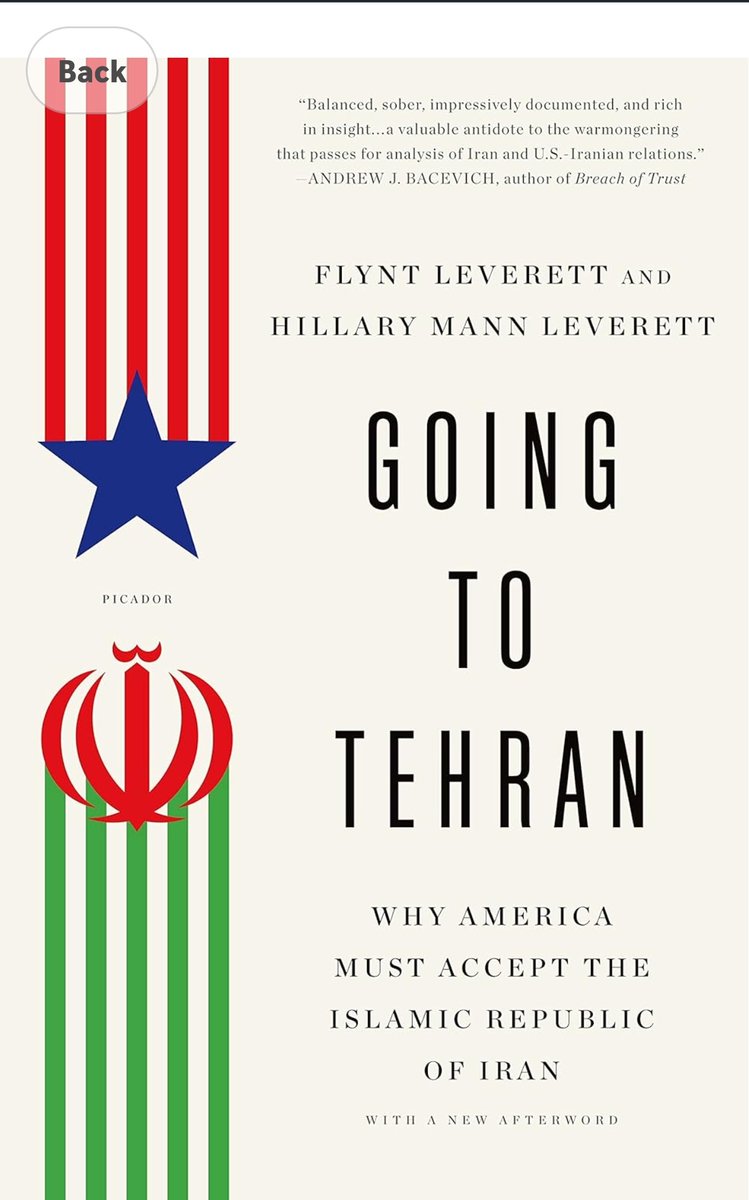
My advice to anyone who wants to better understand the Iranian-US relationship during these very challenging times is to read 'Going to Tehran' by Flynt and Hillary Mann Leverett. Both authors served as senior officials in the US National Security Council.
English

Shoebe19 retweetledi

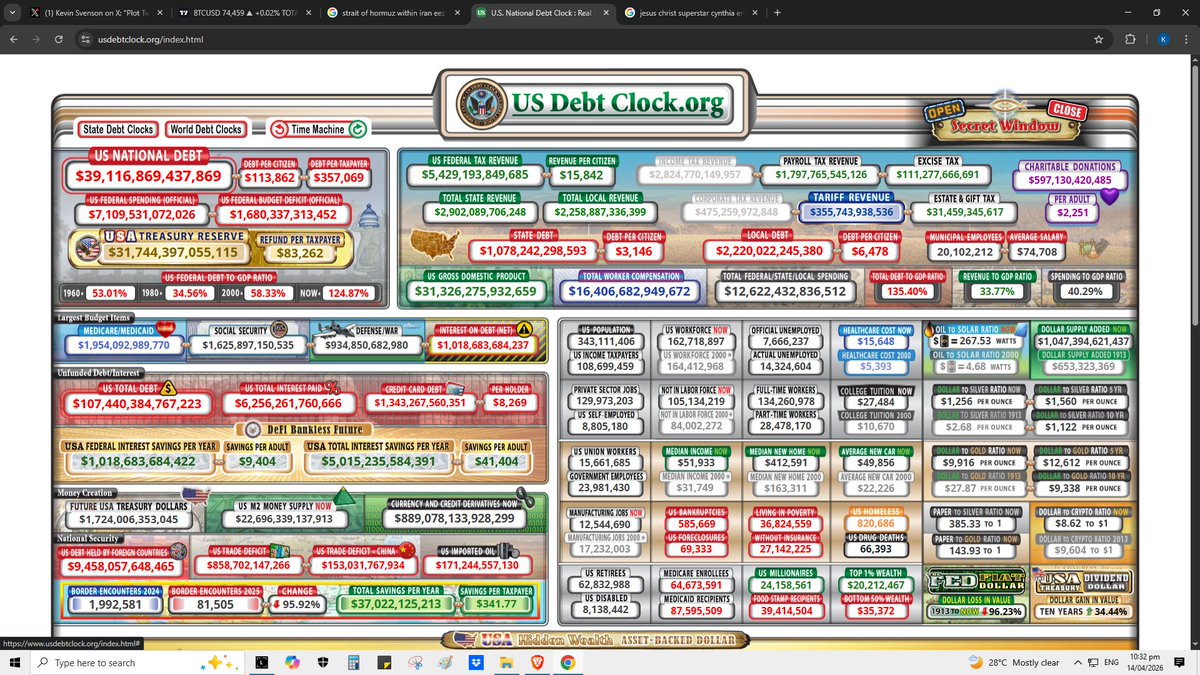

Plot Twist: 📜 (what if)
• Trump turns the US into the undisputed #1 oil-producing powerhouse on Earth.
• Manufacturing PMI surges to its strongest levels in decades.
• 📈Stocks roaring back 🚀Crypto rebounds hard.
• America officially enters its new Golden Age 🇺🇸✨
GIF
English
Shoebe19 retweetledi
Israelis are very disturbed by the sharing of this photo. They feel ashamed of their own soldiers.
Please don’t retweet this so it doesn’t spread 🙏

English
Shoebe19 retweetledi

We are in Egypt, at the Saqqara Pyramid Complex.
This place might be even stranger than The Giza Plateau so I came here with researcher Geoffrey Drumm to show you why.
All filmed & edited by me.
If this work matters to you support me with a like/comment/repost/follow
English
Shoebe19 retweetledi
Here is an almost 2-hour long documentary, filmed, edited & narrated by me.
ZERO STOCK FOOTAGE.
I literally went to these places to show you the mainstream historical narrative in Peru doesn't make sense.
If this work matters to you support it with a like/comment/repost
English
@Parodyjeffx Amaleks, complete annihilation of men, women children including your cattle
English

SERIOUS QUESTION:
What is the final plan the Jews have for us?
English
Shoebe19 retweetledi

Muslims defending Catholics is a beautiful thing. Thank you @sneako
SNEAKO@sneako
We stand with the Pope and the beautiful religion of Catholicism. Trump is committing the greatest act of blasphemy. If you love America, condemn this evil immediately.
English


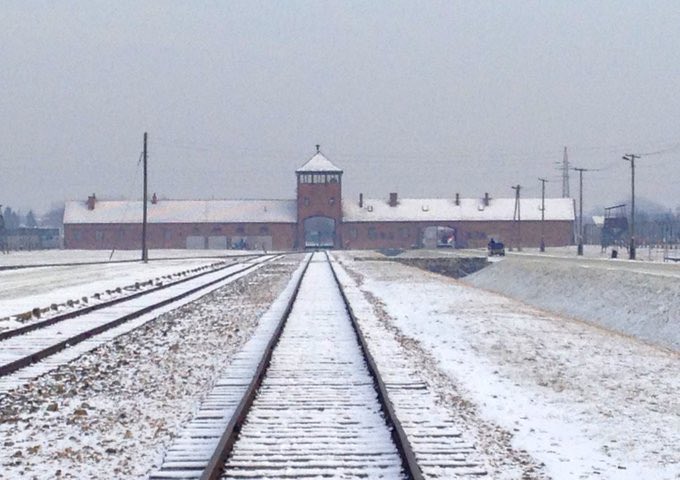
Just pause to think for a moment ...
6 million Jews were murdered in the Holocaust.
If a minute’s silence was observed for each victim, the silence would last more than 11 years!
English
Shoebe19 retweetledi
Here is a 100% free, high quality documentary, filmed, edited & narrated by me.
Taking you through the ongoing excavations at one of the most mysterious ancient sites in the world.
Saqsaywaman, Peru.
If this work matters to you support me with a like/comment/repost
English
Shoebe19 retweetledi

@DanBilzerian @raythewarchief @zippy24816 @LauraLoomer @jakeshieldsajj Official campaign donation link 💪
bilzerianforcongress.com
English
@FinanceLancelot Again, they will get shot at by the Iranians with anti ship ballistic missiles. How is it going to change the situation.
English