Dr Sidhartha Sankar Bhuyan(Unreserved)

2.6K posts

Dr Sidhartha Sankar Bhuyan(Unreserved) banner
Dr Sidhartha Sankar Bhuyan(Unreserved)

Dr Sidhartha Sankar Bhuyan(Unreserved)

@Sidhshot

MD General Medicine, on Twitter for information

Brahmapur, India Katılım Ağustos 2010
1.4K Takip Edilen226 Takipçiler
Dr Sidhartha Sankar Bhuyan(Unreserved) retweetledi

Kirill
Kirill@kirillk_web3·
instead of watching 2 hours of Netflix tonight, watch this 40-minute masterclass from the founder of a $20B China AI company it's the clearest explanation I've seen of how Agent Swarms and AI systems actually work at scale useful whether you've never built an agent in your life or have been using Claude every day for the past year I took the key ideas and turned them into a practical guide on how to actually build with Kimi find it below
Kirill@kirillk_web3

x.com/i/article/2056…

English
61
1.4K
10.8K
9.2M
Dr Sidhartha Sankar Bhuyan(Unreserved) retweetledi
Dr. Nikhil Agrawal
Dr. Nikhil Agrawal@DrNikhilMD·
The Solar Zenith Angle is the angle between the sun’s rays and the vertical line directly above you. When the sun is directly overhead, the angle is zero degree. Most people miss out on Vitamin D because they head out when the sun is too low. For your skin to produce Vitamin D, it needs UVB rays. However, UVB rays are easily absorbed by the Earth's atmosphere/pollution. While many people prefer the gentle rays of the early morning (7:00 AM – 9:00 AM) because it’s cooler, those rays are mostly UVA. To get a therapeutic "dose" of Vitamin D, you ironically need the midday sun that most people try to avoid. When the sun is at an angle of 45° or less from the vertical, the path through the atmosphere is shorter. This allows UVB rays to reach your skin. The Shadow Rule A quick way to check the Solar Zenith Angle without a calculator: • Shadow shorter than you? You’re making Vitamin D. • Shadow longer than you? The atmosphere is blocking the UVB rays. The Sweet Spot In India, this "high sun" window is usually 11:00 AM to 3:00 PM. Even 15 minutes during this time is more effective than hours spent in the early morning or late afternoon sun!
English
2
11
44
1.4K
Dr Sidhartha Sankar Bhuyan(Unreserved) retweetledi
Dr. Priyam Bordoloi
Dr. Priyam Bordoloi@DocPriyamMD·
Med students, listen up! Today let me explain how to analyze a Complete Blood Count (CBC) report step by step. A CBC is more than just numbers; it’s a clinical narrative. Let’s break down this real patient’s report together. 👇
Dr. Priyam Bordoloi tweet media
English
56
707
3.1K
360.9K
Dr Sidhartha Sankar Bhuyan(Unreserved) retweetledi
André Martin Mansoor
André Martin Mansoor@AndreMansoor·
High-yield cardiac exam findings every clinician should know. Full video: youtu.be/vmna3qoQTwc
YouTube video
YouTube
English
1
23
87
6.7K
Dr Sidhartha Sankar Bhuyan(Unreserved) retweetledi
Rony
Rony@Ronycoder·
Instead of watching an hour of Netflix, watch this 2-hour Stanford lecture on AI careers. It will teach you more about winning in the AI race than all the AI content you’ve scrolled past this year.
English
162
3.1K
14.1K
2M
Dr Sidhartha Sankar Bhuyan(Unreserved) retweetledi
CME INDIA
CME INDIA@CMEINDIA1·
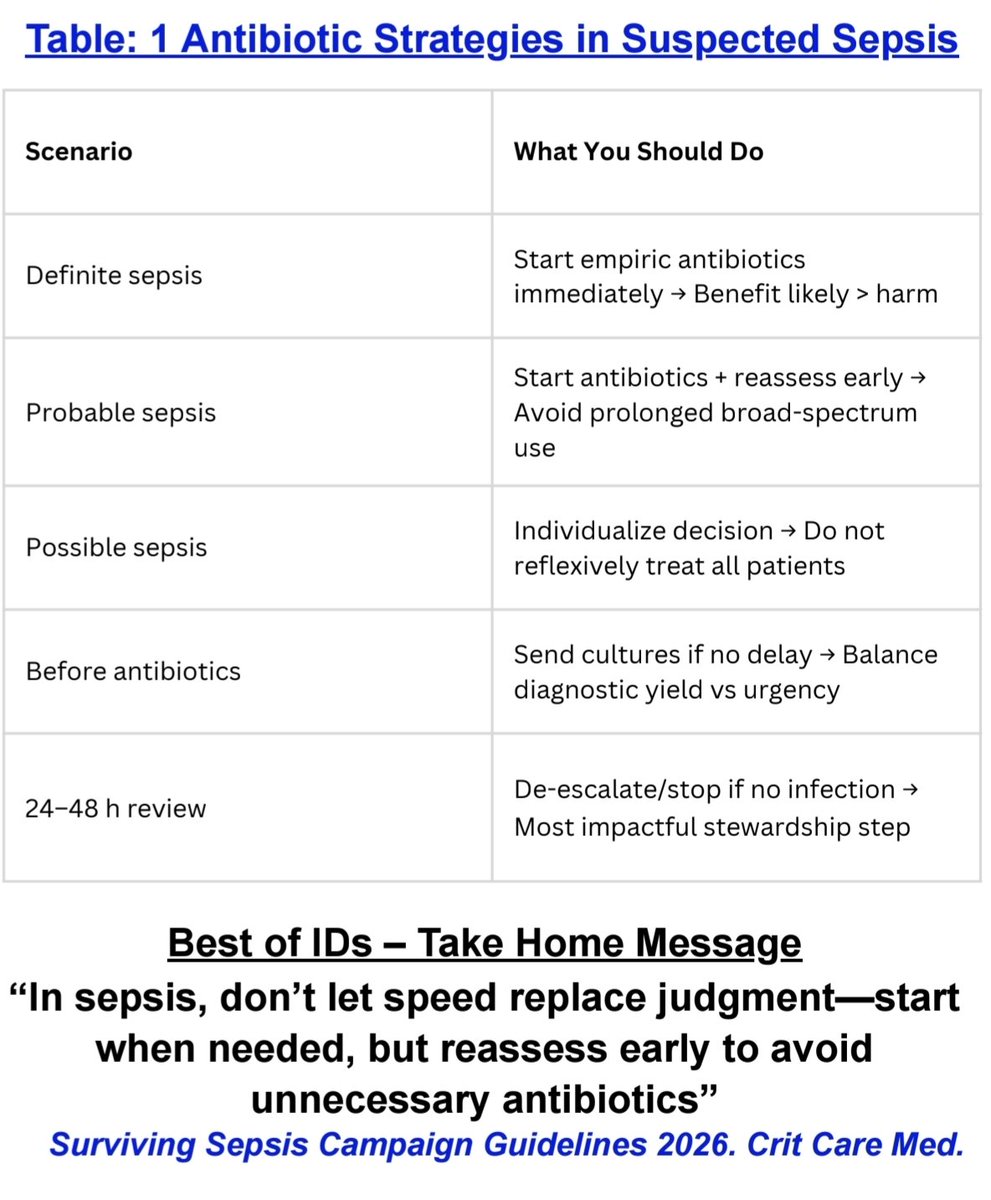
“Sepsis 2026: Fast Antibiotics, Fragile Evidence”Guidelines push urgency—but key antibiotic decisions rest on low-certainty evidence By Best of ID,Dr Suresh Kumar,ID consultant, Chennai Summary: Early antibiotics recommended, but RCTs show no consistent mortality benefit for strict early timing; evidence largely observational Blood cultures before antibiotics: advised (strong, low certainty); yield drops 31.4% → 19.4% within ~70 min post-antibiotics Prehospital pathway: screening improves time-to antibiotics, but mortality benefit inconsistent Overtreatment risk: “possible/probable sepsis” framework → many patients may receive unnecessary broad-spectrum antibiotics Stewardship gap: high emphasis on early start, but limited actionable guidance on stopping/de-escalation timing
CME INDIA tweet media
English
1
13
33
2K
Dr Sidhartha Sankar Bhuyan(Unreserved) retweetledi
CME INDIA
CME INDIA@CMEINDIA1·
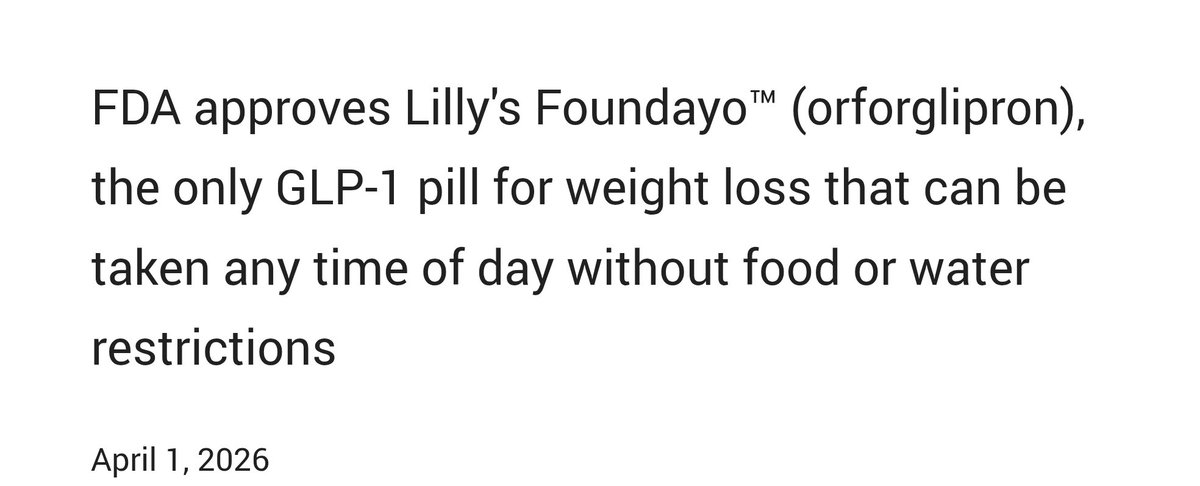
BREAKING Update| CME INDIA 1st April 2026 FDA approves Lilly’s Foundayo™ (orforglipron) — the first approved oral GLP-1 pill for chronic weight management that can be taken once daily, at any time of day, without food or water restrictions. It is approved for adults with obesity, or overweight adults with weight-related medical problems, along with reduced-calorie diet and increased physical activity. In the ATTAIN-1 trial, participants on the highest dose who remained on treatment lost an average of 27.3 pounds (12.4%) at 72 weeks, versus 2.2 pounds (0.9%) with placebo. Across the ATTAIN program, orforglipron also improved several cardiometabolic risk markers, including waist circumference, non-HDL cholesterol, triglycerides, and systolic blood pressure. Why this matters: obesity pharmacotherapy is entering a new phase. A non-peptide, once-daily oral GLP-1 receptor agonist with meaningful weight loss efficacy and no meal-time restrictions may expand acceptability, convenience, and real-world uptake for many patients who are reluctant to start injectables. Practical caution: Foundayo should not be combined with other GLP-1 receptor agonists. Important warnings include thyroid C-cell tumor risk, and clinicians must remain vigilant for GI adverse effects, pancreatitis, dehydration/kidney issues, hypoglycaemia when used with insulin or sulfonylurea, gallbladder disease, and pregnancy-related precautions. Common adverse effects include nausea, constipation, diarrhoea, vomiting, dyspepsia, abdominal pain, headache, bloating, fatigue, belching, heartburn, gas, and hair loss. CME INDIA take: This is not just another obesity drug launch; it is a potential practice-changing shift toward simpler, more scalable anti-obesity therapy. The next questions will be durability, access, affordability, positioning versus injectable incretins, and eventual relevance for countries like India. #CMEINDIA #BreakingNews #Obesity #GLP1 #Orforglipron #Foundayo #WeightManagement #CardiometabolicMedicine investor.lilly.com/news-releases/…
CME INDIA tweet media
English
0
4
26
1.9K
Dr Sidhartha Sankar Bhuyan(Unreserved) retweetledi
Heritage Girl
Heritage Girl@HeritageGirl7·
🚩You’ll NEVER hear Hanuman Chalisa the same way again! A revered Guru ji reveals mind-blowing facts about the Hanuman Chalisa that most people don’t know 🤯 This isn’t just a prayer… it’s power, protection, and divine science hidden in verses 🙏 Let Bajrangbali’s blessings reach every home today Jai Shri Ram 🙏Jai Bajrangbali 🚩
English
39
1K
3.4K
107.2K
Dr Sidhartha Sankar Bhuyan(Unreserved) retweetledi
CME INDIA
CME INDIA@CMEINDIA1·
Indian Consensus Guidelines on Adult Immunization 2026 Update 🔹 Adult vaccination in India remains a major missed opportunity, despite excellent gains in pediatric immunization. Adult coverage for influenza, pneumococcal and hepatitis B remains alarmingly low. 🔹 This 2026 update simplifies adult vaccine practice by grouping patients into 12–18 years, 18–49 years, and ≥50 years, with added focus on at-risk, high-risk, immunocompromised, lifestyle-related, pregnancy, and special situations. 🔹 Every adult visit should become a vaccine review visit. Prevention should no longer be restricted to childhood schedules alone. High-impact practice takeaways 🔹 Influenza vaccine should be annual for all adults, especially older adults, pregnancy, diabetes, CKD, chronic heart/lung/liver disease, and immunocompromised states. 🔹 Pneumococcal vaccination is now much simpler: Use single-dose PCV20 for all adults ≥50 years and for 18–49 years with risk factors/comorbidities. 🔹 Tdap/Td remains underused in adults. Give one Tdap in adulthood, then Td/Tdap every 10 years, and one Tdap in every pregnancy (27–36 weeks). 🔹 Hepatitis B vaccination should be strongly considered routine adult preventive care, particularly in diabetes, CKD, dialysis, liver disease, HCPs, and high-risk adults. 🔹 Shingles vaccine is no longer optional thinking in older adults. Recombinant zoster vaccine is recommended for all ≥50 years, and earlier in selected high-risk individuals. 🔹 COVID-19 vaccination remains relevant in adults, particularly during pandemic/local epidemic settings, and should continue to be prioritized in older adults, obesity, and comorbidity clusters. Special populations matter 🔹 Diabetes is now clearly recognized as a vaccine-relevant condition. Core adult vaccine basket in diabetes includes: Influenza, Pneumococcal, Tdap/Td, Hepatitis B, COVID-19, Shingles, and selected MMR/Varicella/HPV where indicated. 🔹 CKD, dialysis, transplant, malignancy, HIV, rheumatologic disease and immunosuppression need structured vaccine planning, not opportunistic prescribing. 🔹 Pregnancy is a key window for prevention. Routine focus should include Influenza, Tdap, COVID-19, and Hepatitis B when indicated. 🔹 Healthcare professionals must be fully vaccinated, not only for self-protection but for patient safety and institutional infection control. Practical India-focused message 🔹 Adult immunization should now be treated like BP, HbA1c, and lipid review—a standard part of chronic disease management. 🔹 If the patient has diabetes, CKD, CVD, CLD, COPD, cancer, transplant, or age >50 years, think vaccines proactively—not reactively. 🔹 In Indian OPD practice, the “Big 6” to routinely think of are: Influenza, Pneumococcal, Tdap/Td, Hepatitis B, COVID-19, and Shingles. Bottom line Adult vaccination is no longer preventive luxury — it is standard chronic care. Source: Indian Consensus Guidelines on Adult Immunization 2026 Update
CME INDIA tweet media
English
1
24
58
2.6K
Dr Sidhartha Sankar Bhuyan(Unreserved) retweetledi
CME INDIA
CME INDIA@CMEINDIA1·
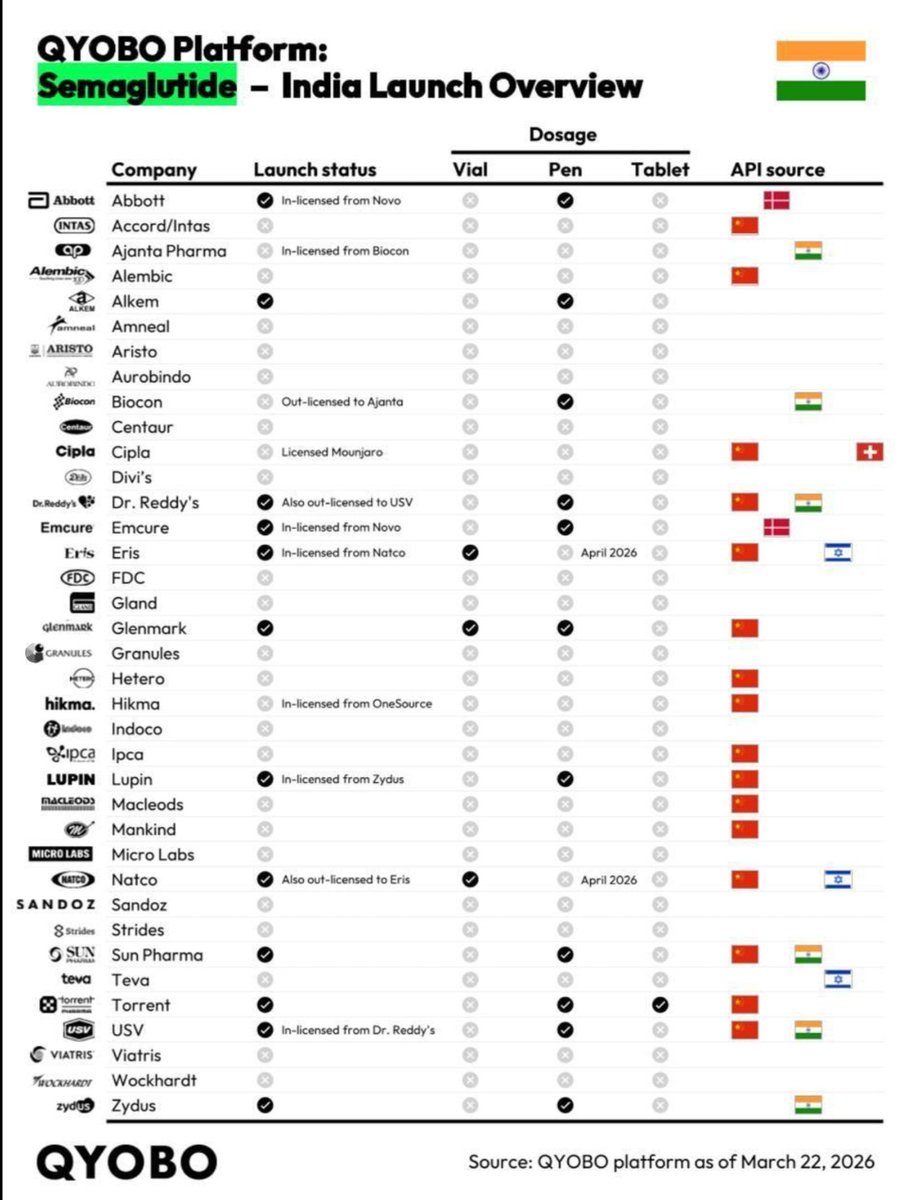
🚨 CME INDIA DISCUSSION POST Generic Semaglutide in India: Science, Stability & Strategy India has made semaglutide more affordable and accessible than ever before. That is a major win for patients. But semaglutide is not generic glimepiride. It is a 31–amino acid synthetic peptide, and its clinical reliability depends not just on the molecule, but on the entire platform — API, formulation, preservative system, device engineering, cold-chain handling, and in-use stability. 💬 Very important concerns were raised by senior colleagues Dr Rajiv Kovil raised the key question about Torrent’s oral semaglutide technology — what is the actual absorption platform and how does it compare scientifically with the innovator? Dr Basab Ghosh rightly questioned how some products are being positioned so rapidly and whether long-use pens can truly remain reliable over extended use. Dr Deepak Yagnik pointed out that even product monographs are often not clear enough on the real formulation/device science. Dr Thirupathi Rao Deconda reminded us that in some cases oral semaglutide may even become costlier than injections. Dr Ritesh Chaudhary brought in the practical OPD reality — many patients genuinely need semaglutide but simply cannot afford the innovator. Dr Sruti Chandrasekaran voiced the caution many of us feel: if we are not fully convinced, should we use it so freely? Dr Animesh Choudhary shared helpful real-world trial experience that the reusable pen was convenient and clinically usable, but also highlighted that in trial settings cartridges were changed earlier than what market assumptions may imply. Dr Awadhesh K. Singh perhaps framed the entire issue best: “Our patients are not guinea pigs.” That one line captures the whole debate. 🔬 The biggest scientific question right now The most important controversy is around long-use reusable semaglutide pen platforms, especially the 15 mg/3 mL cartridge model. The question is simple: Where is the publicly visible in-use stability and repeated-puncture microbiological data? Because for semaglutide, the science is not only: “Does HbA1c fall?” “Does weight reduce?” “Is the price attractive?” The science is also: How long is the peptide stable after first puncture? What happens after repeated needle entries? Is sterility maintained? Is dose accuracy preserved? How robust is the system in Indian real-world conditions? 💉 Why this matters For the innovator product, Ozempic, regulators approved only a defined in-use period after first use, not indefinite reuse. That is because peptide drugs in multi-dose pens are regulated not just as molecules, but as molecule + cartridge + preservative + septum + pen-device systems. So if a newer Indian platform expects much longer real-world use from the same cartridge, clinicians are absolutely justified in asking for: stability data dose reproducibility data septum integrity data microbial contamination data This is not anti-generic thinking. This is simply good peptide medicine. 💊 Vials vs Pens — a very practical issue Vials cheaper flexible easier for affordability But depend more on: patient technique dose accuracy asepsis Pens more convenient likely better adherence easier for self-use But long-use pens raise separate questions about: stability repeated puncture behavior contamination long-term dose consistency 👉 So the debate is not “cheap vs expensive” It is “which platform is most scientifically trustworthy?” 🧪 Another under-discussed issue: API source As many colleagues noted, API-source transparency matters. Correct scientific position: Chinese API does NOT automatically mean inferior quality But for a complex peptide, physicians are justified in asking about: source transparency consistency purity cold-chain integrity supply reliability Again, the issue is not rumor. The issue is transparency. Based on CME INDIA DISCUSSION on 25/3/26
CME INDIA tweet media
English
0
4
16
1.2K
Dr Sidhartha Sankar Bhuyan(Unreserved) retweetledi
CME INDIA
CME INDIA@CMEINDIA1·
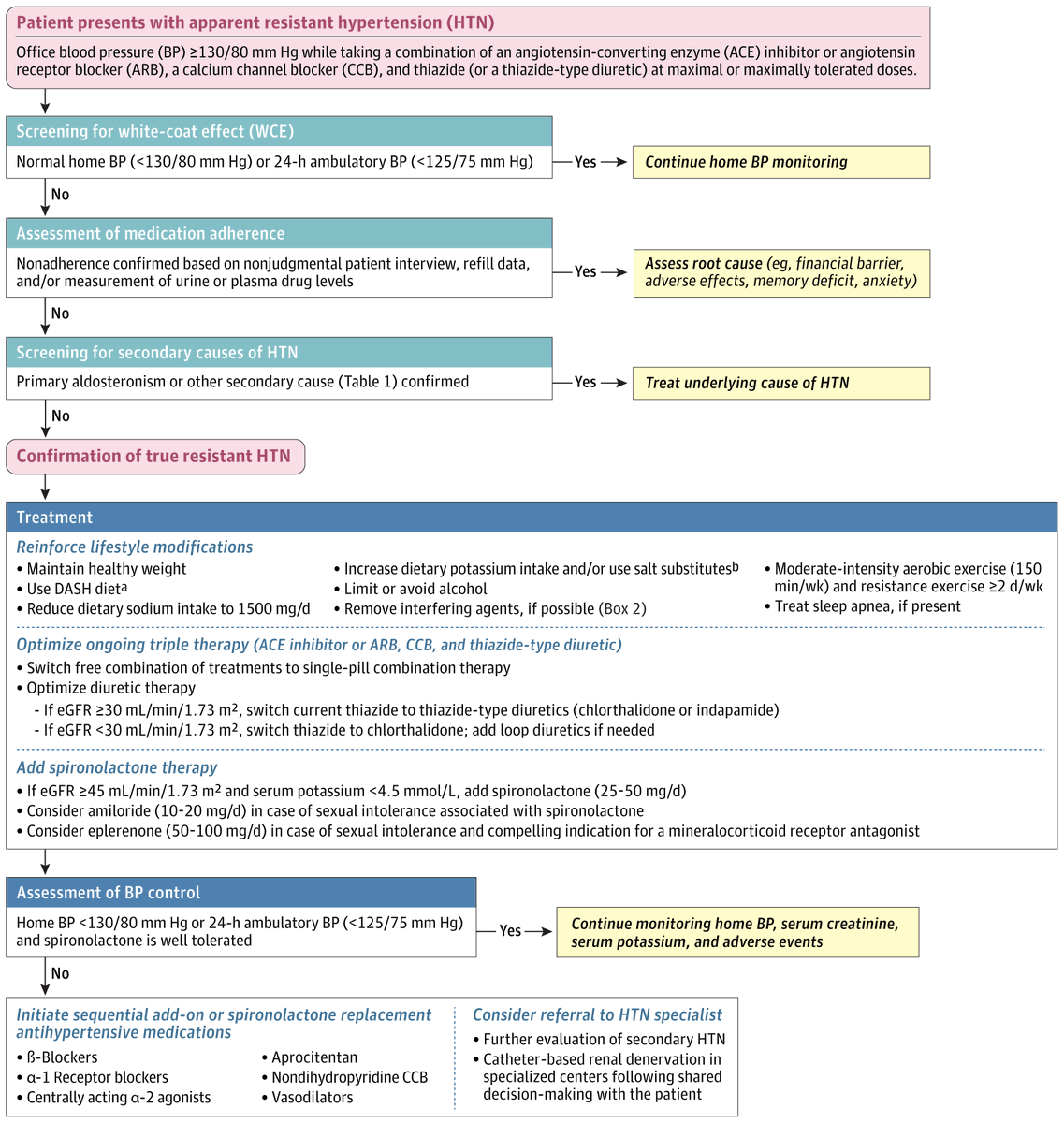
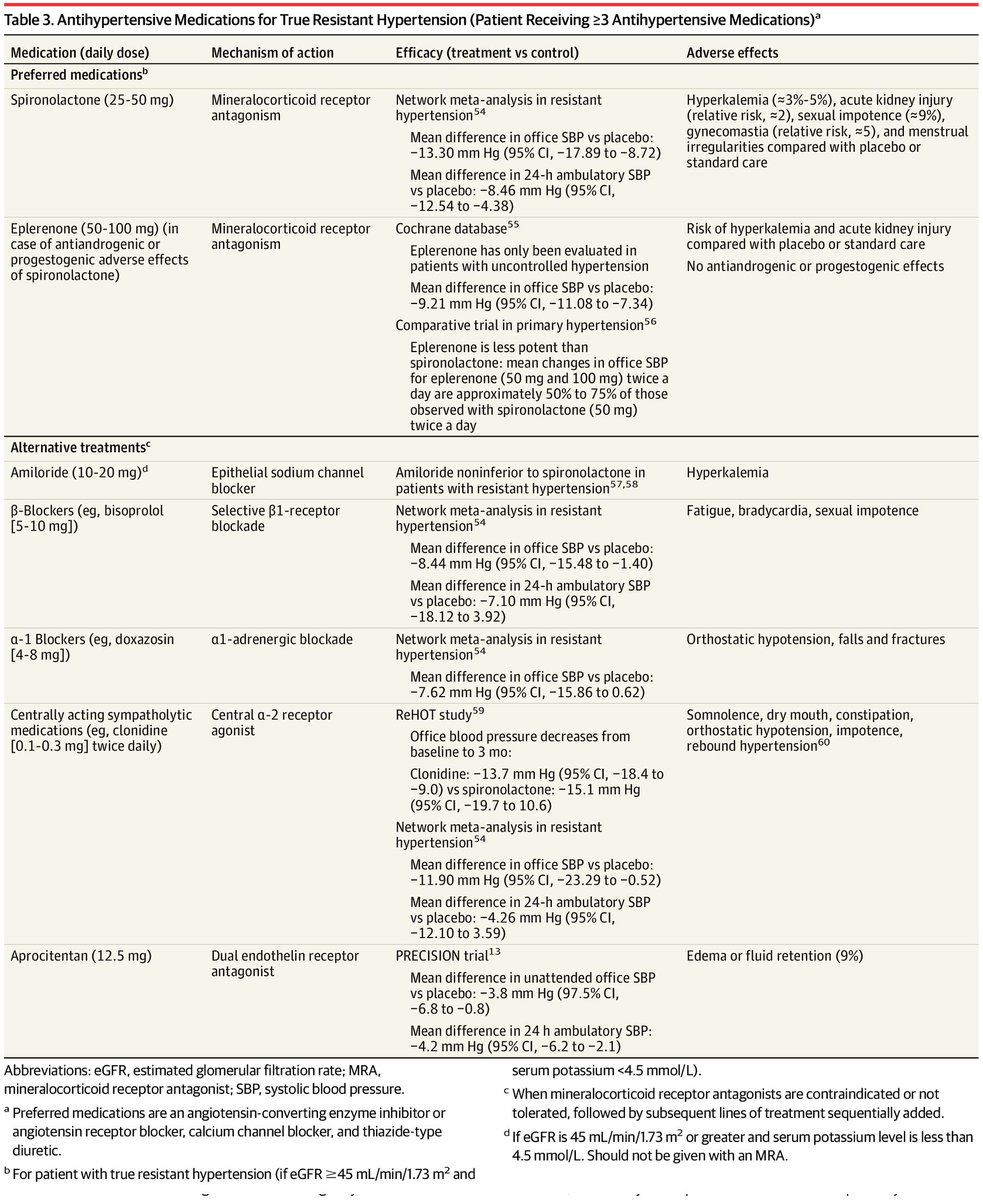
🚨 Resistant Hypertension: From “Apparent” to “True” — Precision Matters (JAMA 2026) 🔬 Definition & Epidemiology — Not All Resistant HTN is Real Apparent resistant HTN = BP ≥130/80 mm Hg despite ≥3 drugs (ACEi/ARB + CCB + thiazide) at optimal doses ~20% of treated hypertensives fall into this category BUT → True resistant HTN ≈10% only after exclusion of: White-coat effect (~37.5%) Nonadherence (~50%) Secondary causes (~5–25%) 👉 Clinical message: Most “resistant HTN” is pseudo-resistant → diagnosis refinement is critical 🧠 Stepwise Diagnostic Algorithm (High-Yield Clinical Thinking) 1️⃣ Exclude White-Coat Effect Home BP <130/80 OR ABPM <125/75 mm Hg ➡️ Continue monitoring, no overtreatment 2️⃣ Assess Adherence (Underrated Step) Use refill data / drug assays Address: Cost barriers Adverse effects Cognitive issues 3️⃣ Screen Secondary Causes Primary aldosteronism (commonest) CKD, OSA, obesity, drugs (NSAIDs, SNRIs, cocaine) 👉 Only after this → TRUE resistant HTN confirmed ⚠️ Why It Matters (Prognostic Impact) ↑ Cardiovascular mortality risk (absolute ↑ ~10% over 5–10 yrs) Strong association with: Diabetes CKD Obesity Sleep apnea 🧬 Therapeutic Strategy — CME India Algorithmic Pearls 🔹 Step 1: Lifestyle (Foundation Therapy) Sodium <1500 mg/day Weight loss + exercise ≥150 min/week Avoid alcohol, offending drugs Treat OSA 👉 Often neglected but high-yield in India 🔹 Step 2: Optimize Triple Therapy Prefer single-pill combinations (↑ adherence, ↓ SBP ~4 mmHg) Diuretic optimization: Chlorthalidone > thiazide (especially CKD) Add loop diuretic if eGFR <30 🔹 Step 3: Add Mineralocorticoid Receptor Antagonist (MRA) — ⭐ GAME CHANGER Spironolactone 25–50 mg/day ↓ Office SBP: ~13 mmHg ↓ Ambulatory SBP: ~8 mmHg Criteria: eGFR ≥45 ml/min K⁺ ≤4.5 mmol/L 👉 Most effective add-on therapy in resistant HTN 🔹 If Spironolactone Intolerance Amiloride (non-inferior) Eplerenone (less potent, fewer endocrine effects) 🔹 Step 4: Sequential Add-ons β-blockers α1-blockers (doxazosin) Central agents (clonidine) Non-DHP CCB Vasodilators Aprocitentan (dual endothelin antagonist — emerging option) 🔹 Step 5: Device Therapy Renal denervation ↓ Ambulatory SBP ~4.4 mmHg ↓ Office SBP ~6.6 mmHg 👉 For selected refractory cases 💊 Drug Hierarchy (Practical Take-Home) 👉 Best Add-On: ✔️ Spironolactone > all others 👉 Alternatives: ✔️ Amiloride ≈ spironolactone ✔️ Eplerenone (safer endocrine profile) 👉 Less Effective / Add-on: β-blockers, α-blockers, clonidine 👉 New Kid: Aprocitentan (modest effect, fluid retention risk) ⚠️ Adverse Effect Awareness Spironolactone: Hyperkalemia (3–5%) Gynecomastia (~5–9%) Clonidine: Rebound HTN α-blockers: Orthostatic hypotension 🎯 CME INDIA CLINICAL PEARLS 🔴 “Resistant HTN is often diagnostic failure, not therapeutic failure” 🔴 “Half of resistant HTN = nonadherence → always check before escalating” 🔴 “Chlorthalidone + Spironolactone = backbone of resistant HTN therapy” 🔴 “Primary aldosteronism is underdiagnosed → think beyond essential HTN” 🔴 “Single-pill combinations are not convenience—they are outcome modifiers” 🔴 “Renal denervation: modest BP fall but useful in selected refractory cases” 📚 Key Reference (Journal Format) Carey RM, et al. Resistant Hypertension: Diagnosis and Management. JAMA. 2026; doi:10.1001/jama.2026.2846682 jamanetwork.com/journals/jama/…
CME INDIA tweet mediaCME INDIA tweet media
English
0
47
154
6.6K
Dr Sidhartha Sankar Bhuyan(Unreserved) retweetledi
CME INDIA
CME INDIA@CMEINDIA1·
🕒 CME INDIA CLINICAL PEARLS ⏱️ Exercise Timing & Circadian Metabolism in Type 2 Diabetes 🔬 Pearl 1 — Circadian disruption is a core metabolic defect in T2DM Circadian clock gene oscillations (BMAL1, CLOCK, PER, CRY) are blunted in skeletal muscle in T2DM, leading to impaired insulin sensitivity, mitochondrial dysfunction, and metabolic inflexibility. 🧠 Pearl 2 — Exercise acts as a “metabolic zeitgeber” Physical activity is a powerful non-photic time cue that can reset peripheral clocks, improving glucose homeostasis and circadian alignment. 🌅 Pearl 3 — Morning metabolism is intrinsically insulin-resistant In T2DM, morning physiology is characterized by: • Dawn phenomenon (↑ hepatic glucose output) • Peak cortisol levels • Reduced insulin sensitivity ➡️ This creates a pro-hyperglycemic state during morning exercise 🌇 Pearl 4 — Afternoon/evening exercise is metabolically superior Moderate-to-high intensity exercise performed in the afternoon/evening: ✔ Improves insulin sensitivity ✔ Lowers HbA1c and fasting glucose ✔ Enhances mitochondrial oxidative capacity ➡️ Consistently superior vs morning exercise in T2DM ⚡ Pearl 5 — HIIT timing matters more than volume High-intensity interval training (HIIT): • Morning → ↑ glucose excursions, ↑ inflammatory markers • Afternoon → ↓ glucose, ↑ glucose disposal ➡️ Timing–intensity interaction is critical 🔥 Pearl 6 — Cortisol is the key mediator Morning exercise amplifies cortisol-driven gluconeogenesis → worsens glycemia Afternoon exercise occurs at lower cortisol levels → better glycemic stability 🧬 Pearl 7 — Mitochondrial rhythm determines exercise response • Oxidative capacity peaks later in the day • T2DM shows loss of mitochondrial rhythmicity ➡️ Afternoon exercise aligns with peak mitochondrial efficiency 💪 Pearl 8 — Muscle performance follows circadian biology Muscle strength and exercise capacity peak between 4–8 PM, enabling better training adaptation and metabolic response. 🍽️ Pearl 9 — Postprandial exercise > fasting exercise Exercise performed after meals: ✔ Improves postprandial glucose clearance ✔ Independent of time-of-day ➡️ Practical strategy for glycemic control 🧍 Pearl 10 — Chronotype personalization is the next frontier Aligning exercise with individual chronotype improves: • Glycemic control • Lipid profile • Functional capacity ➡️ “One timing does NOT fit all” ❤️ Pearl 11 — Timing influences CV and mortality outcomes Midday–afternoon physical activity is associated with: ✔ Lowest CVD risk ✔ Reduced all-cause mortality Especially in T2DM and obesity ⚖️ Pearl 12 — Weight loss is timing-independent (mostly) Total exercise volume drives weight loss BUT: Morning exercise → better adherence Afternoon exercise → better metabolic response ➡️ Choose based on patient phenotype 🚨 Pearl 13 — Not all exercise behaves the same • HIIT → time-sensitive (afternoon better) • Moderate exercise → time-neutral • Walking → minimal timing effect ➡️ FITT principle overrides timing alone 🧭 CME INDIA TAKE-HOME MESSAGE 👉 “In type 2 diabetes, when you exercise is almost as important as how you exercise.” ✔ Afternoon/evening = metabolic advantage ✔ Morning = caution with high intensity ✔ Post-meal exercise = universal benefit ✔ Personalization (chronotype + intensity) = future precision medicine cell.com/trends/endocri…
CME INDIA tweet media
English
1
4
19
858
Dr Sidhartha Sankar Bhuyan(Unreserved) retweetledi
CME INDIA
CME INDIA@CMEINDIA1·
🔬 Nature “PrimeView” — Type 2 Diabetes Mellitus (Explained) This figure is a high-yield visual summary from Nature Reviews Disease Primers (PrimeView) that integrates the entire spectrum of Type 2 Diabetes Mellitus (T2DM)—from epidemiology → pathophysiology → diagnosis → treatment → future therapies. 🧭 1. What the Image Represents (Big Picture) The central “boat race” metaphor is the key: ⛴️ Sea = therapeutic landscape 🚣 Boats = different drug classes 🏁 Finish line = regulatory approval / clinical use 📈 Distance = stage of development (pipeline → approved drugs) 👉 It visually shows how diabetes therapy is evolving rapidly, especially with incretin-based drugs. 🌍 2. Epidemiology (Left Panel) T2DM has shifted from a rare disease → global epidemic Driven by: Obesity Sedentary lifestyle Urbanization Prevalence rising rapidly, especially in LMICs Contributes significantly to global mortality (~9% deaths) 👉 Risk factors: Adiposity Diet Physical inactivity Genetics ✔️ This aligns with global data showing T2DM driven by lifestyle + genetic interplay 🧬 3. Mechanisms (Right Upper Panel) Core pathophysiology: Insulin resistance (muscle, liver, adipose) β-cell dysfunction Chronic inflammation Ectopic fat deposition Gut dysbiosis 👉 Final pathway: ➡️ Persistent hyperglycaemia → oxidative stress → vascular damage ✔️ Central concept: T2DM = insulin resistance + progressive β-cell failure 🧪 4. Diagnosis (Left Lower Panel) Standard criteria: Fasting plasma glucose OGTT HbA1c Key insight from figure: T2DM is heterogeneous Subclassification (phenotypes/clusters) is emerging Need to differentiate from: Type 1 DM Monogenic diabetes 🚤 5. Therapeutic Landscape (CENTER – Most Important Part) 🟢 Approved / Near Finish Line GLP-1 RAs: Semaglutide Liraglutide Dulaglutide Dual agonists: Tirzepatide (GIP–GLP-1) 👉 These are the “winning boats” 🟡 Mid-Race (Emerging Therapies) Triple agonists (GLP-1 + GIP + glucagon) Amylin + GLP-1 combinations Novel incretin mimetics Examples: CagriSema Retatrutide 🔵 Early Pipeline Oral GLP-1 analogues (e.g., orforglipron) New peptide/non-peptide agonists 🎯 Key Message: ➡️ Shift from: “Glucose-centric therapy” → “Weight + cardiometabolic disease modification” 🩺 6. Management (Right Lower Panel) Modern approach: Lifestyle: Diet Physical activity Weight loss Drugs: GLP-1 RA / dual agonists SGLT2 inhibitors 👉 Focus: CV protection Renal protection Weight reduction 🚀 7. Outlook (Top Center Panel) Explosion of next-generation incretin therapies Precision medicine + digital monitoring Potential for: Disease modification Reduced complications 🔗 Nature Article Link nature.com/articles/s4157… (Note: PrimeView graphics are often behind paywall, but linked under the journal collection.) 💡 CME INDIA–TAKEAWAYS 🚨 T2DM is no longer just hyperglycaemia — it is a systemic cardiometabolic disease 🚨 Incretin revolution = central therapeutic axis (GLP-1, GIP, triple agonists) 🚨 Future = combination biology (GLP-1 + amylin + glucagon) 🚨 Management goal has shifted: HbA1c → weight + CV + renal outcomes 🚨 Precision diabetology is the next frontier
CME INDIA tweet media
English
2
9
20
959
Dr Sidhartha Sankar Bhuyan(Unreserved) retweetledi
CME INDIA
CME INDIA@CMEINDIA1·
Orforglipron is likely to be approved by US regulators by the end of April-Pharmaceutical analysts Clinical Pearls on “Oral vs Injectable Anti-Obesity Drugs (Nature 2026)”: ORAL vs INJECTABLE GLP-1 THERAPIES IN OBESITY CME INDIA Clinical Pearls (Nature 2026 Update) 🔹 Pearl 1 — The shift has begun, but not a replacement yet Oral GLP-1–based therapies are emerging, but will complement—not replace—injectables in current practice. 🔹 Pearl 2 — Injectables still lead in efficacy Injectable agents (e.g., tirzepatide) achieve ~20–21% weight loss, outperforming oral options (~11–14%). 🔹 Pearl 3 — Oral semaglutide has pharmacokinetic limitations Very low bioavailability (~1–2%) → requires higher daily dosing vs weekly injections. 🔹 Pearl 4 — Peptide challenge: gut degradation GLP-1 drugs are peptides → enzymatic breakdown + poor intestinal absorption → reason for injectable dominance. 🔹 Pearl 5 — Oral delivery requires innovation Absorption enhancers are needed, but increase dose burden and variability. 🔹 Pearl 6 — Small-molecule revolution incoming Non-peptide oral agents (e.g., orforglipron) may overcome peptide limitations → future game-changer. 🔹 Pearl 7 — Convenience vs potency trade-off Oral drugs offer needle-free convenience, but currently at the cost of lower efficacy. 🔹 Pearl 8 — Adherence advantage for pills Patient acceptance and adherence may improve with oral options → important in real-world settings. 🔹 Pearl 9 — Manufacturing bottleneck favors pills Injectable pens are complex and expensive to scale, whereas pills could improve global accessibility. 🔹 Pearl 10 — Future is combination strategy Clinical practice may evolve toward personalized choice: injectables for efficacy, orals for accessibility and adherence. CME INDIA TAKE-HOME MESSAGE “Oral anti-obesity drugs improve access and adherence—but injectables still define the efficacy benchmark.” nature.com/articles/d4158…
English
1
2
7
757
Dr Sidhartha Sankar Bhuyan(Unreserved) retweetledi
CME INDIA
CME INDIA@CMEINDIA1·
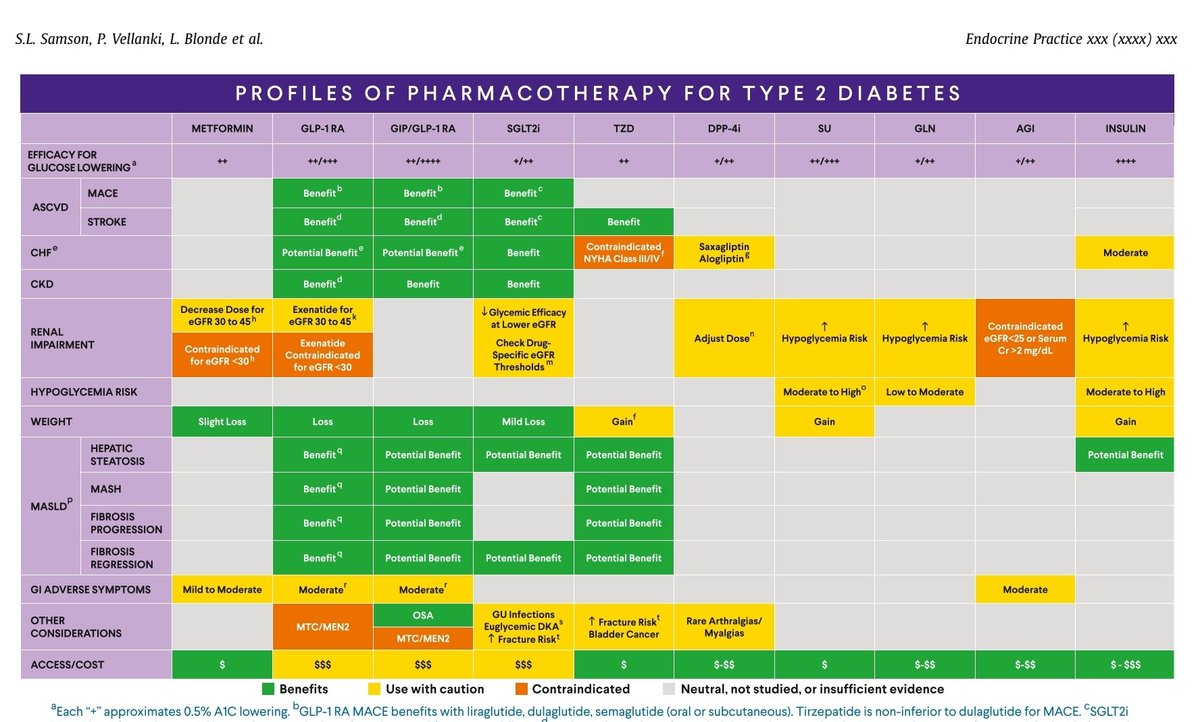
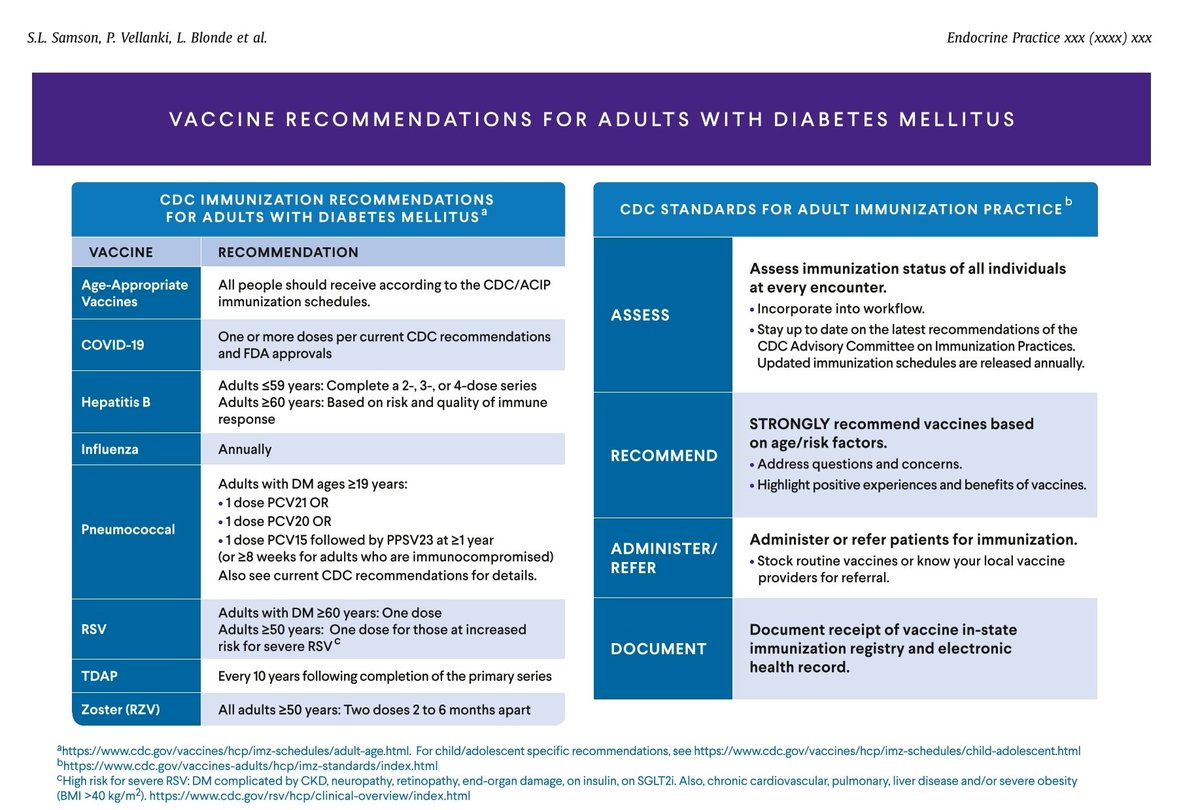
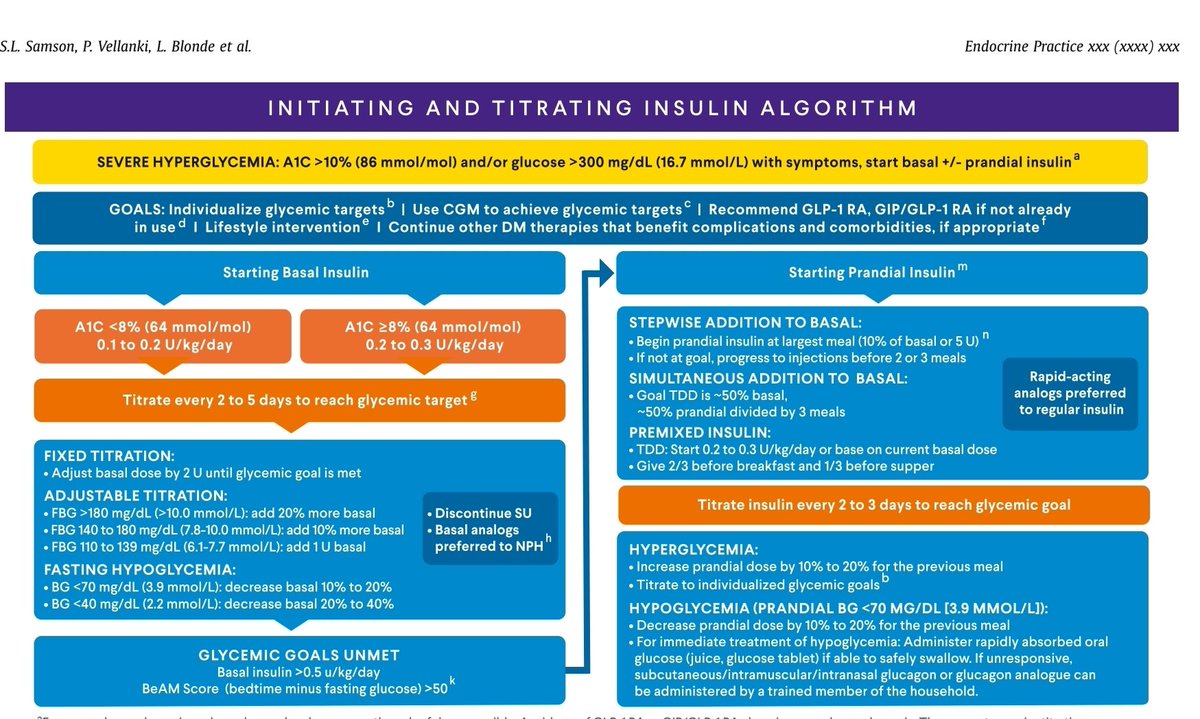
AACE 2026 – Type 2 Diabetes Algorithm Update 🔹 Pearl 1 — Diabetes care is no longer glucose-centric AACE 2026 shifts the paradigm from HbA1c control to comprehensive cardiometabolic risk reduction. 🔹 Pearl 2 — Obesity is now a primary therapeutic target Weight management is not adjunct—it is central to both prevention and treatment of T2D. 🔹 Pearl 3 — Treat adiposity early, not late Early use of anti-obesity pharmacotherapy (e.g., GLP-1 RA / dual incretins) is encouraged to alter disease trajectory. 🔹 Pearl 4 — Complications drive therapy selection Choice of drugs should be guided by ASCVD, CKD, HF, and obesity—not just HbA1c level. 🔹 Pearl 5 — GLP-1 RA and SGLT2 inhibitors remain foundational These agents are prioritized for both glycemic control and organ protection (heart, kidney, weight). 🔹 Pearl 6 — “Right diagnosis” precedes “right treatment” AACE introduces emphasis on evaluating diabetes type—avoid mislabeling all patients as T2D. 🔹 Pearl 7 — Prediabetes is a treatable disease state Aggressive lifestyle + weight-focused interventions can delay or prevent progression. 🔹 Pearl 8 — Dyslipidemia management is integral, not optional LDL-C and non-HDL targets are critical components of diabetes care. 🔹 Pearl 9 — Hypertension control is part of diabetes therapy Blood pressure optimization is a core pillar of reducing macrovascular risk. 🔹 Pearl 10 — Personalization is the new standard Therapy must be individualized based on phenotype: obesity, sarcopenia, CV risk, renal status, and age. 🔹 Pearl 11 — Move from “treat to target” to “treat to outcome” Focus shifts toward reducing events (MACE, CKD progression, mortality), not just numbers. 🔹 Pearl 12 — Diabetes is a multisystem disease Management must integrate metabolic, cardiovascular, renal, and functional domains. 🔶 CME INDIA One-Line Takeaway “AACE 2026 redefines diabetes care: treat weight early, reduce risk aggressively, and individualize therapy beyond glucose.” endocrinepractice.org/article/S1530-…
CME INDIA tweet mediaCME INDIA tweet mediaCME INDIA tweet mediaCME INDIA tweet media
English
3
83
229
11.8K
Dr Sidhartha Sankar Bhuyan(Unreserved) retweetledi
CME INDIA
CME INDIA@CMEINDIA1·
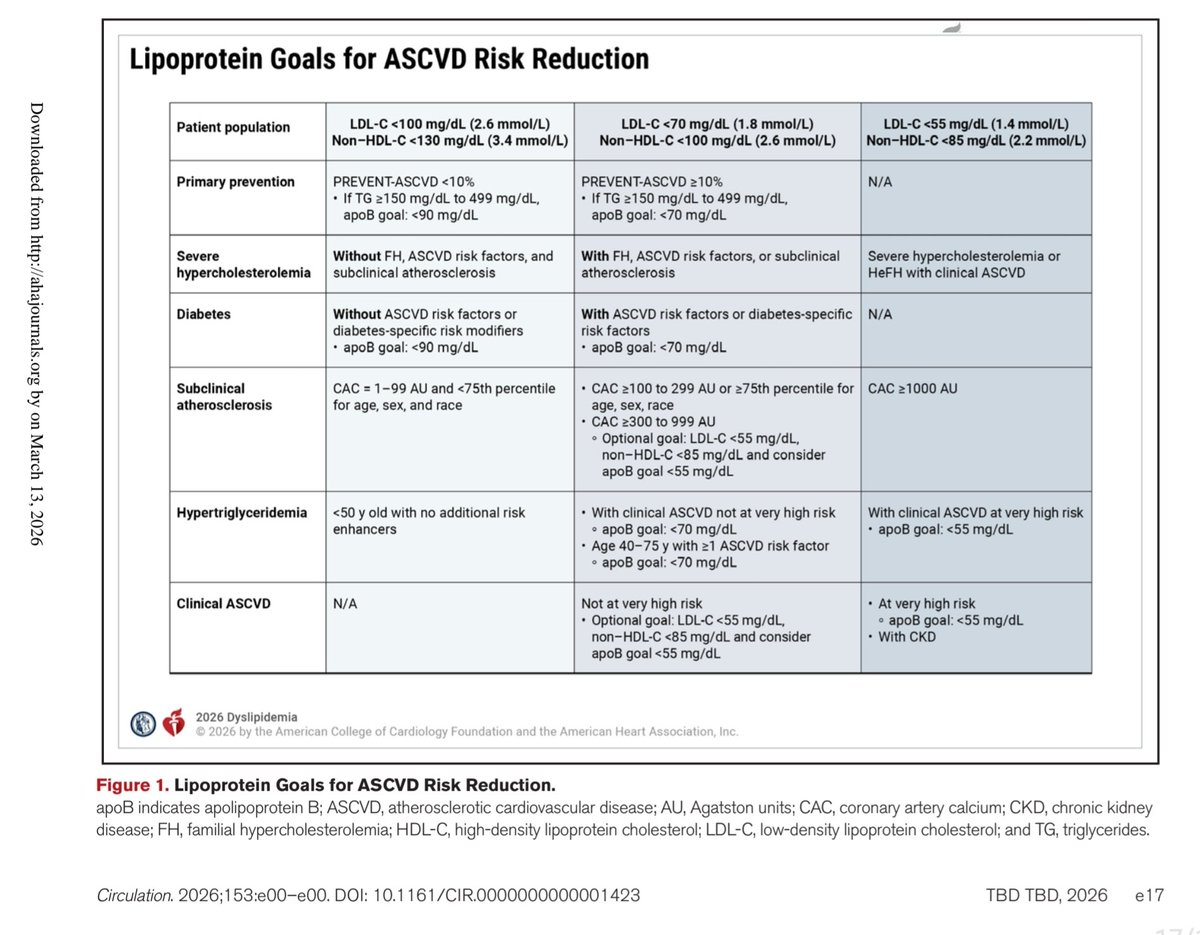
CME INDIA Clinical Pearls 2026 ACC/AHA Dyslipidemia Guideline ❤️ Pearl 1 — Treat Dyslipidemia Earlier in Life Early identification and treatment of dyslipidemia reduces cumulative lifetime exposure to atherogenic lipoproteins and substantially lowers long-term ASCVD risk. 🧮 Pearl 2 — Risk Assessment Should Guide Therapy Management should begin with 10-year ASCVD risk estimation, followed by clinician–patient discussion to personalize lipid-lowering therapy. 📉 Pearl 3 — LDL-C Reduction Remains the Core Target The magnitude of LDL-C reduction is strongly associated with cardiovascular risk reduction; higher-risk individuals require larger percentage LDL reductions. 🎯 Pearl 4 — Treatment Intensity Depends on Risk Category High-risk patients (established ASCVD or very high risk) require aggressive LDL-C lowering, often using combination therapy beyond statins. 💊 Pearl 5 — Statins Remain First-Line Therapy Statins continue to be the foundation of lipid-lowering therapy due to robust evidence for reducing major adverse cardiovascular events. ➕ Pearl 6 — Combination Therapy Is Increasingly Important When LDL targets are not achieved with statins alone, ezetimibe or PCSK9 inhibitors should be added to achieve optimal lipid control. 🧬 Pearl 7 — ApoB Improves Risk Assessment Apolipoprotein B measurement is useful in patients with diabetes, hypertriglyceridemia, or low LDL-C to detect residual atherogenic risk not captured by routine lipid panels. 🧪 Pearl 8 — Lipoprotein(a) Should Be Measured Once in Lifetime A one-time Lp(a) measurement is recommended to identify genetically mediated cardiovascular risk. ⚠️ Pearl 9 — Elevated Lp(a) Is a Major Risk Enhancer Higher Lp(a) levels significantly increase ASCVD risk and should prompt more aggressive LDL-C lowering and risk factor control. 🔥 Pearl 10 — Residual Risk Persists Despite LDL Control Even with optimal LDL levels, residual risk may remain due to ApoB-containing particles, triglycerides, inflammation, and Lp(a), emphasizing comprehensive risk management. 2026 ACC/AHA/AACVPR/ABC/ACPM/ADA/AGS/APhA/ASPC/NLA/PCNA Guideline on the Management of Dyslipidemia: A Report of the American College of Cardiology/American Heart Association Joint Committee on Clinical Practice Guidelines | Circulation share.google/sebUgd58sSAMs5…
CME INDIA tweet media
English
2
7
30
1.3K
Dr Sidhartha Sankar Bhuyan(Unreserved) retweetledi
True market Leader
True market Leader@TmarketL·
Game theory Most people are playing the wrong game. If you want to get rich, there are only 3 games that actually matter. Everything else is a distraction
English
283
5.6K
21.4K
5.4M
Dr Sidhartha Sankar Bhuyan(Unreserved) retweetledi
André Martin Mansoor
André Martin Mansoor@AndreMansoor·
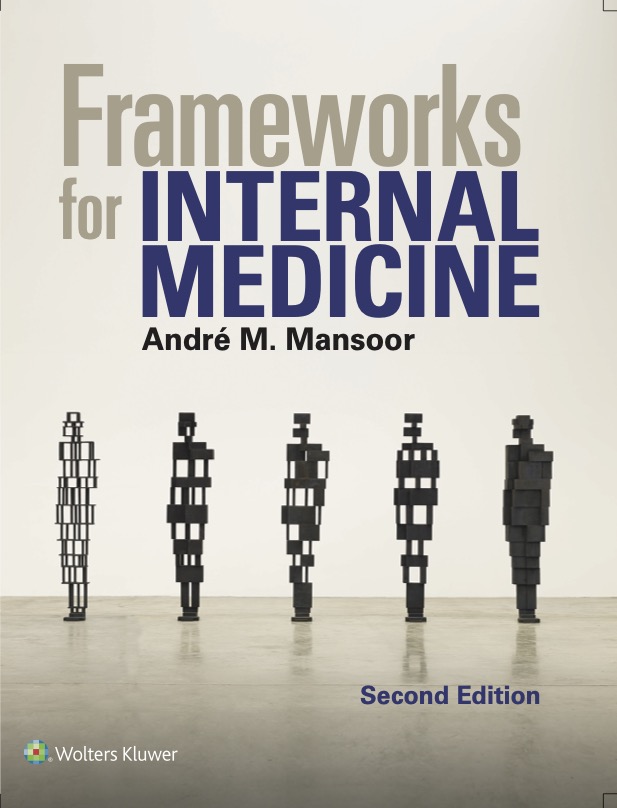
Clinical reasoning improves when you have clear mental frameworks. In *Frameworks for Internal Medicine*, we organize common clinical problems into practical diagnostic frameworks. Three videos demonstrate how these frameworks work: Hypotension Weakness Hypoxemia Thread 🧵👇
André Martin Mansoor tweet media
English
4
69
422
30.1K