SiliconScape
1.3K posts

@Silicon_Scape
Navigating the shifting landscape of tech. 🌐


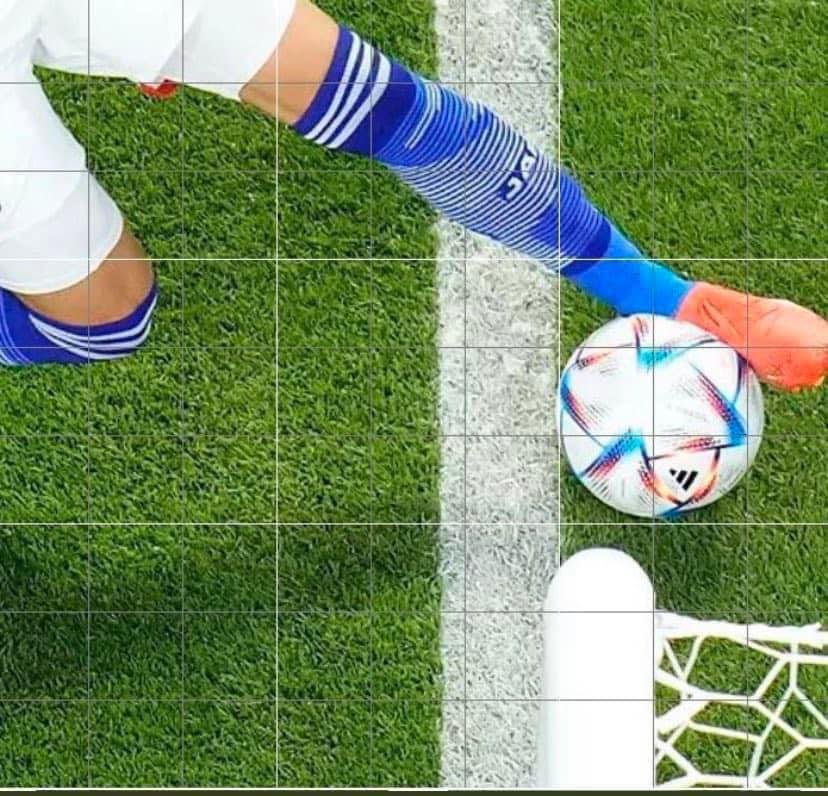
⚽ FOOTBALL TECH EXPLAINED #009 𝐕𝐀𝐑 𝐂𝐨𝐧𝐭𝐫𝐨𝐥 𝐑𝐨𝐨𝐦 𝐀𝐫𝐜𝐡𝐢𝐭𝐞𝐜𝐭𝐮𝐫𝐞 ⚽ A single VAR decision isn't made by the referee alone. Behind every review is a dedicated control room packed with video feeds, replay operators, communication systems, and real-time technology working together within seconds. What fans see on TV is only the final step of a much larger system. What Is It? The VAR (Video Assistant Referee) Control Room is the technology hub that supports on-field referees during a match. It brings together multiple camera feeds, replay systems, communication networks, and officiating software so incidents can be reviewed quickly and accurately. Think of it as an air traffic control center for football officiating. How Does It Work? 1️⃣ Cameras Capture Everything Stadium cameras record the match from dozens of angles. Every feed is sent in real time to the VAR room. 2️⃣ Replay Operators Prepare Clips Dedicated operators instantly retrieve the relevant footage. Multiple camera angles are synchronized. 3️⃣ VAR Officials Review Incidents Goals Penalties Red cards Mistaken identity decisions 4️⃣ Communication With Referee VAR officials talk directly to the referee through encrypted audio systems. Recommendations are provided immediately. 5️⃣ On-Field Review (If Needed) The referee watches selected replays on the pitch-side monitor. Final decision always remains with the referee. Why Does It Matter? Additional eyes on every critical incident. Reduces human error. Fairer decisions during key moments. Greater transparency and accuracy. Faster replay delivery and clearer explanations. Consistent officiating across multiple matches and stadiums. Fun Fact 📊 Major international football tournaments can use 30+ broadcast cameras feeding video to the VAR system simultaneously. Every angle must be available within seconds for review. The VAR control room combines: Real-time video streaming Low-latency networking Replay infrastructure Human-computer decision support Mission-critical communications It's one of the most demanding live technology environments in sports. Would you trust an AI-powered VAR room in the future with no human officials reviewing incidents? 📚 Sources: FIFA, IFAB, Official Technology Partners #FootballTechExplained #VAR #SportsTech #ComputerVision #FootballTechnology #RefereeTechnology #VideoAnalytics #RealTimeSystems #TechExplained #SiliconScape #FIFAWorldCup

⚽ FOOTBALL TECH EXPLAINED #009 𝐕𝐀𝐑 𝐂𝐨𝐧𝐭𝐫𝐨𝐥 𝐑𝐨𝐨𝐦 𝐀𝐫𝐜𝐡𝐢𝐭𝐞𝐜𝐭𝐮𝐫𝐞 ⚽ A single VAR decision isn't made by the referee alone. Behind every review is a dedicated control room packed with video feeds, replay operators, communication systems, and real-time technology working together within seconds. What fans see on TV is only the final step of a much larger system. What Is It? The VAR (Video Assistant Referee) Control Room is the technology hub that supports on-field referees during a match. It brings together multiple camera feeds, replay systems, communication networks, and officiating software so incidents can be reviewed quickly and accurately. Think of it as an air traffic control center for football officiating. How Does It Work? 1️⃣ Cameras Capture Everything Stadium cameras record the match from dozens of angles. Every feed is sent in real time to the VAR room. 2️⃣ Replay Operators Prepare Clips Dedicated operators instantly retrieve the relevant footage. Multiple camera angles are synchronized. 3️⃣ VAR Officials Review Incidents Goals Penalties Red cards Mistaken identity decisions 4️⃣ Communication With Referee VAR officials talk directly to the referee through encrypted audio systems. Recommendations are provided immediately. 5️⃣ On-Field Review (If Needed) The referee watches selected replays on the pitch-side monitor. Final decision always remains with the referee. Why Does It Matter? Additional eyes on every critical incident. Reduces human error. Fairer decisions during key moments. Greater transparency and accuracy. Faster replay delivery and clearer explanations. Consistent officiating across multiple matches and stadiums. Fun Fact 📊 Major international football tournaments can use 30+ broadcast cameras feeding video to the VAR system simultaneously. Every angle must be available within seconds for review. The VAR control room combines: Real-time video streaming Low-latency networking Replay infrastructure Human-computer decision support Mission-critical communications It's one of the most demanding live technology environments in sports. Would you trust an AI-powered VAR room in the future with no human officials reviewing incidents? 📚 Sources: FIFA, IFAB, Official Technology Partners #FootballTechExplained #VAR #SportsTech #ComputerVision #FootballTechnology #RefereeTechnology #VideoAnalytics #RealTimeSystems #TechExplained #SiliconScape #FIFAWorldCup

⚽ FOOTBALL TECH EXPLAINED #009 𝐕𝐀𝐑 𝐂𝐨𝐧𝐭𝐫𝐨𝐥 𝐑𝐨𝐨𝐦 𝐀𝐫𝐜𝐡𝐢𝐭𝐞𝐜𝐭𝐮𝐫𝐞 ⚽ A single VAR decision isn't made by the referee alone. Behind every review is a dedicated control room packed with video feeds, replay operators, communication systems, and real-time technology working together within seconds. What fans see on TV is only the final step of a much larger system. What Is It? The VAR (Video Assistant Referee) Control Room is the technology hub that supports on-field referees during a match. It brings together multiple camera feeds, replay systems, communication networks, and officiating software so incidents can be reviewed quickly and accurately. Think of it as an air traffic control center for football officiating. How Does It Work? 1️⃣ Cameras Capture Everything Stadium cameras record the match from dozens of angles. Every feed is sent in real time to the VAR room. 2️⃣ Replay Operators Prepare Clips Dedicated operators instantly retrieve the relevant footage. Multiple camera angles are synchronized. 3️⃣ VAR Officials Review Incidents Goals Penalties Red cards Mistaken identity decisions 4️⃣ Communication With Referee VAR officials talk directly to the referee through encrypted audio systems. Recommendations are provided immediately. 5️⃣ On-Field Review (If Needed) The referee watches selected replays on the pitch-side monitor. Final decision always remains with the referee. Why Does It Matter? Additional eyes on every critical incident. Reduces human error. Fairer decisions during key moments. Greater transparency and accuracy. Faster replay delivery and clearer explanations. Consistent officiating across multiple matches and stadiums. Fun Fact 📊 Major international football tournaments can use 30+ broadcast cameras feeding video to the VAR system simultaneously. Every angle must be available within seconds for review. The VAR control room combines: Real-time video streaming Low-latency networking Replay infrastructure Human-computer decision support Mission-critical communications It's one of the most demanding live technology environments in sports. Would you trust an AI-powered VAR room in the future with no human officials reviewing incidents? 📚 Sources: FIFA, IFAB, Official Technology Partners #FootballTechExplained #VAR #SportsTech #ComputerVision #FootballTechnology #RefereeTechnology #VideoAnalytics #RealTimeSystems #TechExplained #SiliconScape #FIFAWorldCup

⚽ FOOTBALL TECH EXPLAINED #009 𝐕𝐀𝐑 𝐂𝐨𝐧𝐭𝐫𝐨𝐥 𝐑𝐨𝐨𝐦 𝐀𝐫𝐜𝐡𝐢𝐭𝐞𝐜𝐭𝐮𝐫𝐞 ⚽ A single VAR decision isn't made by the referee alone. Behind every review is a dedicated control room packed with video feeds, replay operators, communication systems, and real-time technology working together within seconds. What fans see on TV is only the final step of a much larger system. What Is It? The VAR (Video Assistant Referee) Control Room is the technology hub that supports on-field referees during a match. It brings together multiple camera feeds, replay systems, communication networks, and officiating software so incidents can be reviewed quickly and accurately. Think of it as an air traffic control center for football officiating. How Does It Work? 1️⃣ Cameras Capture Everything Stadium cameras record the match from dozens of angles. Every feed is sent in real time to the VAR room. 2️⃣ Replay Operators Prepare Clips Dedicated operators instantly retrieve the relevant footage. Multiple camera angles are synchronized. 3️⃣ VAR Officials Review Incidents Goals Penalties Red cards Mistaken identity decisions 4️⃣ Communication With Referee VAR officials talk directly to the referee through encrypted audio systems. Recommendations are provided immediately. 5️⃣ On-Field Review (If Needed) The referee watches selected replays on the pitch-side monitor. Final decision always remains with the referee. Why Does It Matter? Additional eyes on every critical incident. Reduces human error. Fairer decisions during key moments. Greater transparency and accuracy. Faster replay delivery and clearer explanations. Consistent officiating across multiple matches and stadiums. Fun Fact 📊 Major international football tournaments can use 30+ broadcast cameras feeding video to the VAR system simultaneously. Every angle must be available within seconds for review. The VAR control room combines: Real-time video streaming Low-latency networking Replay infrastructure Human-computer decision support Mission-critical communications It's one of the most demanding live technology environments in sports. Would you trust an AI-powered VAR room in the future with no human officials reviewing incidents? 📚 Sources: FIFA, IFAB, Official Technology Partners #FootballTechExplained #VAR #SportsTech #ComputerVision #FootballTechnology #RefereeTechnology #VideoAnalytics #RealTimeSystems #TechExplained #SiliconScape #FIFAWorldCup

⚽ FOOTBALL TECH EXPLAINED #009 𝐕𝐀𝐑 𝐂𝐨𝐧𝐭𝐫𝐨𝐥 𝐑𝐨𝐨𝐦 𝐀𝐫𝐜𝐡𝐢𝐭𝐞𝐜𝐭𝐮𝐫𝐞 ⚽ A single VAR decision isn't made by the referee alone. Behind every review is a dedicated control room packed with video feeds, replay operators, communication systems, and real-time technology working together within seconds. What fans see on TV is only the final step of a much larger system. What Is It? The VAR (Video Assistant Referee) Control Room is the technology hub that supports on-field referees during a match. It brings together multiple camera feeds, replay systems, communication networks, and officiating software so incidents can be reviewed quickly and accurately. Think of it as an air traffic control center for football officiating. How Does It Work? 1️⃣ Cameras Capture Everything Stadium cameras record the match from dozens of angles. Every feed is sent in real time to the VAR room. 2️⃣ Replay Operators Prepare Clips Dedicated operators instantly retrieve the relevant footage. Multiple camera angles are synchronized. 3️⃣ VAR Officials Review Incidents Goals Penalties Red cards Mistaken identity decisions 4️⃣ Communication With Referee VAR officials talk directly to the referee through encrypted audio systems. Recommendations are provided immediately. 5️⃣ On-Field Review (If Needed) The referee watches selected replays on the pitch-side monitor. Final decision always remains with the referee. Why Does It Matter? Additional eyes on every critical incident. Reduces human error. Fairer decisions during key moments. Greater transparency and accuracy. Faster replay delivery and clearer explanations. Consistent officiating across multiple matches and stadiums. Fun Fact 📊 Major international football tournaments can use 30+ broadcast cameras feeding video to the VAR system simultaneously. Every angle must be available within seconds for review. The VAR control room combines: Real-time video streaming Low-latency networking Replay infrastructure Human-computer decision support Mission-critical communications It's one of the most demanding live technology environments in sports. Would you trust an AI-powered VAR room in the future with no human officials reviewing incidents? 📚 Sources: FIFA, IFAB, Official Technology Partners #FootballTechExplained #VAR #SportsTech #ComputerVision #FootballTechnology #RefereeTechnology #VideoAnalytics #RealTimeSystems #TechExplained #SiliconScape #FIFAWorldCup

⚽ FOOTBALL TECH EXPLAINED #009 𝐕𝐀𝐑 𝐂𝐨𝐧𝐭𝐫𝐨𝐥 𝐑𝐨𝐨𝐦 𝐀𝐫𝐜𝐡𝐢𝐭𝐞𝐜𝐭𝐮𝐫𝐞 ⚽ A single VAR decision isn't made by the referee alone. Behind every review is a dedicated control room packed with video feeds, replay operators, communication systems, and real-time technology working together within seconds. What fans see on TV is only the final step of a much larger system. What Is It? The VAR (Video Assistant Referee) Control Room is the technology hub that supports on-field referees during a match. It brings together multiple camera feeds, replay systems, communication networks, and officiating software so incidents can be reviewed quickly and accurately. Think of it as an air traffic control center for football officiating. How Does It Work? 1️⃣ Cameras Capture Everything Stadium cameras record the match from dozens of angles. Every feed is sent in real time to the VAR room. 2️⃣ Replay Operators Prepare Clips Dedicated operators instantly retrieve the relevant footage. Multiple camera angles are synchronized. 3️⃣ VAR Officials Review Incidents Goals Penalties Red cards Mistaken identity decisions 4️⃣ Communication With Referee VAR officials talk directly to the referee through encrypted audio systems. Recommendations are provided immediately. 5️⃣ On-Field Review (If Needed) The referee watches selected replays on the pitch-side monitor. Final decision always remains with the referee. Why Does It Matter? Additional eyes on every critical incident. Reduces human error. Fairer decisions during key moments. Greater transparency and accuracy. Faster replay delivery and clearer explanations. Consistent officiating across multiple matches and stadiums. Fun Fact 📊 Major international football tournaments can use 30+ broadcast cameras feeding video to the VAR system simultaneously. Every angle must be available within seconds for review. The VAR control room combines: Real-time video streaming Low-latency networking Replay infrastructure Human-computer decision support Mission-critical communications It's one of the most demanding live technology environments in sports. Would you trust an AI-powered VAR room in the future with no human officials reviewing incidents? 📚 Sources: FIFA, IFAB, Official Technology Partners #FootballTechExplained #VAR #SportsTech #ComputerVision #FootballTechnology #RefereeTechnology #VideoAnalytics #RealTimeSystems #TechExplained #SiliconScape #FIFAWorldCup

⚽ FOOTBALL TECH EXPLAINED #009 𝐕𝐀𝐑 𝐂𝐨𝐧𝐭𝐫𝐨𝐥 𝐑𝐨𝐨𝐦 𝐀𝐫𝐜𝐡𝐢𝐭𝐞𝐜𝐭𝐮𝐫𝐞 ⚽ A single VAR decision isn't made by the referee alone. Behind every review is a dedicated control room packed with video feeds, replay operators, communication systems, and real-time technology working together within seconds. What fans see on TV is only the final step of a much larger system. What Is It? The VAR (Video Assistant Referee) Control Room is the technology hub that supports on-field referees during a match. It brings together multiple camera feeds, replay systems, communication networks, and officiating software so incidents can be reviewed quickly and accurately. Think of it as an air traffic control center for football officiating. How Does It Work? 1️⃣ Cameras Capture Everything Stadium cameras record the match from dozens of angles. Every feed is sent in real time to the VAR room. 2️⃣ Replay Operators Prepare Clips Dedicated operators instantly retrieve the relevant footage. Multiple camera angles are synchronized. 3️⃣ VAR Officials Review Incidents Goals Penalties Red cards Mistaken identity decisions 4️⃣ Communication With Referee VAR officials talk directly to the referee through encrypted audio systems. Recommendations are provided immediately. 5️⃣ On-Field Review (If Needed) The referee watches selected replays on the pitch-side monitor. Final decision always remains with the referee. Why Does It Matter? Additional eyes on every critical incident. Reduces human error. Fairer decisions during key moments. Greater transparency and accuracy. Faster replay delivery and clearer explanations. Consistent officiating across multiple matches and stadiums. Fun Fact 📊 Major international football tournaments can use 30+ broadcast cameras feeding video to the VAR system simultaneously. Every angle must be available within seconds for review. The VAR control room combines: Real-time video streaming Low-latency networking Replay infrastructure Human-computer decision support Mission-critical communications It's one of the most demanding live technology environments in sports. Would you trust an AI-powered VAR room in the future with no human officials reviewing incidents? 📚 Sources: FIFA, IFAB, Official Technology Partners #FootballTechExplained #VAR #SportsTech #ComputerVision #FootballTechnology #RefereeTechnology #VideoAnalytics #RealTimeSystems #TechExplained #SiliconScape #FIFAWorldCup

⚽ FOOTBALL TECH EXPLAINED #009 𝐕𝐀𝐑 𝐂𝐨𝐧𝐭𝐫𝐨𝐥 𝐑𝐨𝐨𝐦 𝐀𝐫𝐜𝐡𝐢𝐭𝐞𝐜𝐭𝐮𝐫𝐞 ⚽ A single VAR decision isn't made by the referee alone. Behind every review is a dedicated control room packed with video feeds, replay operators, communication systems, and real-time technology working together within seconds. What fans see on TV is only the final step of a much larger system. What Is It? The VAR (Video Assistant Referee) Control Room is the technology hub that supports on-field referees during a match. It brings together multiple camera feeds, replay systems, communication networks, and officiating software so incidents can be reviewed quickly and accurately. Think of it as an air traffic control center for football officiating. How Does It Work? 1️⃣ Cameras Capture Everything Stadium cameras record the match from dozens of angles. Every feed is sent in real time to the VAR room. 2️⃣ Replay Operators Prepare Clips Dedicated operators instantly retrieve the relevant footage. Multiple camera angles are synchronized. 3️⃣ VAR Officials Review Incidents Goals Penalties Red cards Mistaken identity decisions 4️⃣ Communication With Referee VAR officials talk directly to the referee through encrypted audio systems. Recommendations are provided immediately. 5️⃣ On-Field Review (If Needed) The referee watches selected replays on the pitch-side monitor. Final decision always remains with the referee. Why Does It Matter? Additional eyes on every critical incident. Reduces human error. Fairer decisions during key moments. Greater transparency and accuracy. Faster replay delivery and clearer explanations. Consistent officiating across multiple matches and stadiums. Fun Fact 📊 Major international football tournaments can use 30+ broadcast cameras feeding video to the VAR system simultaneously. Every angle must be available within seconds for review. The VAR control room combines: Real-time video streaming Low-latency networking Replay infrastructure Human-computer decision support Mission-critical communications It's one of the most demanding live technology environments in sports. Would you trust an AI-powered VAR room in the future with no human officials reviewing incidents? 📚 Sources: FIFA, IFAB, Official Technology Partners #FootballTechExplained #VAR #SportsTech #ComputerVision #FootballTechnology #RefereeTechnology #VideoAnalytics #RealTimeSystems #TechExplained #SiliconScape #FIFAWorldCup

⚽ FOOTBALL TECH EXPLAINED #009 𝐕𝐀𝐑 𝐂𝐨𝐧𝐭𝐫𝐨𝐥 𝐑𝐨𝐨𝐦 𝐀𝐫𝐜𝐡𝐢𝐭𝐞𝐜𝐭𝐮𝐫𝐞 ⚽ A single VAR decision isn't made by the referee alone. Behind every review is a dedicated control room packed with video feeds, replay operators, communication systems, and real-time technology working together within seconds. What fans see on TV is only the final step of a much larger system. What Is It? The VAR (Video Assistant Referee) Control Room is the technology hub that supports on-field referees during a match. It brings together multiple camera feeds, replay systems, communication networks, and officiating software so incidents can be reviewed quickly and accurately. Think of it as an air traffic control center for football officiating. How Does It Work? 1️⃣ Cameras Capture Everything Stadium cameras record the match from dozens of angles. Every feed is sent in real time to the VAR room. 2️⃣ Replay Operators Prepare Clips Dedicated operators instantly retrieve the relevant footage. Multiple camera angles are synchronized. 3️⃣ VAR Officials Review Incidents Goals Penalties Red cards Mistaken identity decisions 4️⃣ Communication With Referee VAR officials talk directly to the referee through encrypted audio systems. Recommendations are provided immediately. 5️⃣ On-Field Review (If Needed) The referee watches selected replays on the pitch-side monitor. Final decision always remains with the referee. Why Does It Matter? Additional eyes on every critical incident. Reduces human error. Fairer decisions during key moments. Greater transparency and accuracy. Faster replay delivery and clearer explanations. Consistent officiating across multiple matches and stadiums. Fun Fact 📊 Major international football tournaments can use 30+ broadcast cameras feeding video to the VAR system simultaneously. Every angle must be available within seconds for review. The VAR control room combines: Real-time video streaming Low-latency networking Replay infrastructure Human-computer decision support Mission-critical communications It's one of the most demanding live technology environments in sports. Would you trust an AI-powered VAR room in the future with no human officials reviewing incidents? 📚 Sources: FIFA, IFAB, Official Technology Partners #FootballTechExplained #VAR #SportsTech #ComputerVision #FootballTechnology #RefereeTechnology #VideoAnalytics #RealTimeSystems #TechExplained #SiliconScape #FIFAWorldCup

⚽ FOOTBALL TECH EXPLAINED #009 𝐕𝐀𝐑 𝐂𝐨𝐧𝐭𝐫𝐨𝐥 𝐑𝐨𝐨𝐦 𝐀𝐫𝐜𝐡𝐢𝐭𝐞𝐜𝐭𝐮𝐫𝐞 ⚽ A single VAR decision isn't made by the referee alone. Behind every review is a dedicated control room packed with video feeds, replay operators, communication systems, and real-time technology working together within seconds. What fans see on TV is only the final step of a much larger system. What Is It? The VAR (Video Assistant Referee) Control Room is the technology hub that supports on-field referees during a match. It brings together multiple camera feeds, replay systems, communication networks, and officiating software so incidents can be reviewed quickly and accurately. Think of it as an air traffic control center for football officiating. How Does It Work? 1️⃣ Cameras Capture Everything Stadium cameras record the match from dozens of angles. Every feed is sent in real time to the VAR room. 2️⃣ Replay Operators Prepare Clips Dedicated operators instantly retrieve the relevant footage. Multiple camera angles are synchronized. 3️⃣ VAR Officials Review Incidents Goals Penalties Red cards Mistaken identity decisions 4️⃣ Communication With Referee VAR officials talk directly to the referee through encrypted audio systems. Recommendations are provided immediately. 5️⃣ On-Field Review (If Needed) The referee watches selected replays on the pitch-side monitor. Final decision always remains with the referee. Why Does It Matter? Additional eyes on every critical incident. Reduces human error. Fairer decisions during key moments. Greater transparency and accuracy. Faster replay delivery and clearer explanations. Consistent officiating across multiple matches and stadiums. Fun Fact 📊 Major international football tournaments can use 30+ broadcast cameras feeding video to the VAR system simultaneously. Every angle must be available within seconds for review. The VAR control room combines: Real-time video streaming Low-latency networking Replay infrastructure Human-computer decision support Mission-critical communications It's one of the most demanding live technology environments in sports. Would you trust an AI-powered VAR room in the future with no human officials reviewing incidents? 📚 Sources: FIFA, IFAB, Official Technology Partners #FootballTechExplained #VAR #SportsTech #ComputerVision #FootballTechnology #RefereeTechnology #VideoAnalytics #RealTimeSystems #TechExplained #SiliconScape #FIFAWorldCup

⚽ FOOTBALL TECH EXPLAINED #009 𝐕𝐀𝐑 𝐂𝐨𝐧𝐭𝐫𝐨𝐥 𝐑𝐨𝐨𝐦 𝐀𝐫𝐜𝐡𝐢𝐭𝐞𝐜𝐭𝐮𝐫𝐞 ⚽ A single VAR decision isn't made by the referee alone. Behind every review is a dedicated control room packed with video feeds, replay operators, communication systems, and real-time technology working together within seconds. What fans see on TV is only the final step of a much larger system. What Is It? The VAR (Video Assistant Referee) Control Room is the technology hub that supports on-field referees during a match. It brings together multiple camera feeds, replay systems, communication networks, and officiating software so incidents can be reviewed quickly and accurately. Think of it as an air traffic control center for football officiating. How Does It Work? 1️⃣ Cameras Capture Everything Stadium cameras record the match from dozens of angles. Every feed is sent in real time to the VAR room. 2️⃣ Replay Operators Prepare Clips Dedicated operators instantly retrieve the relevant footage. Multiple camera angles are synchronized. 3️⃣ VAR Officials Review Incidents Goals Penalties Red cards Mistaken identity decisions 4️⃣ Communication With Referee VAR officials talk directly to the referee through encrypted audio systems. Recommendations are provided immediately. 5️⃣ On-Field Review (If Needed) The referee watches selected replays on the pitch-side monitor. Final decision always remains with the referee. Why Does It Matter? Additional eyes on every critical incident. Reduces human error. Fairer decisions during key moments. Greater transparency and accuracy. Faster replay delivery and clearer explanations. Consistent officiating across multiple matches and stadiums. Fun Fact 📊 Major international football tournaments can use 30+ broadcast cameras feeding video to the VAR system simultaneously. Every angle must be available within seconds for review. The VAR control room combines: Real-time video streaming Low-latency networking Replay infrastructure Human-computer decision support Mission-critical communications It's one of the most demanding live technology environments in sports. Would you trust an AI-powered VAR room in the future with no human officials reviewing incidents? 📚 Sources: FIFA, IFAB, Official Technology Partners #FootballTechExplained #VAR #SportsTech #ComputerVision #FootballTechnology #RefereeTechnology #VideoAnalytics #RealTimeSystems #TechExplained #SiliconScape #FIFAWorldCup

⚽ FOOTBALL TECH EXPLAINED #009 𝐕𝐀𝐑 𝐂𝐨𝐧𝐭𝐫𝐨𝐥 𝐑𝐨𝐨𝐦 𝐀𝐫𝐜𝐡𝐢𝐭𝐞𝐜𝐭𝐮𝐫𝐞 ⚽ A single VAR decision isn't made by the referee alone. Behind every review is a dedicated control room packed with video feeds, replay operators, communication systems, and real-time technology working together within seconds. What fans see on TV is only the final step of a much larger system. What Is It? The VAR (Video Assistant Referee) Control Room is the technology hub that supports on-field referees during a match. It brings together multiple camera feeds, replay systems, communication networks, and officiating software so incidents can be reviewed quickly and accurately. Think of it as an air traffic control center for football officiating. How Does It Work? 1️⃣ Cameras Capture Everything Stadium cameras record the match from dozens of angles. Every feed is sent in real time to the VAR room. 2️⃣ Replay Operators Prepare Clips Dedicated operators instantly retrieve the relevant footage. Multiple camera angles are synchronized. 3️⃣ VAR Officials Review Incidents Goals Penalties Red cards Mistaken identity decisions 4️⃣ Communication With Referee VAR officials talk directly to the referee through encrypted audio systems. Recommendations are provided immediately. 5️⃣ On-Field Review (If Needed) The referee watches selected replays on the pitch-side monitor. Final decision always remains with the referee. Why Does It Matter? Additional eyes on every critical incident. Reduces human error. Fairer decisions during key moments. Greater transparency and accuracy. Faster replay delivery and clearer explanations. Consistent officiating across multiple matches and stadiums. Fun Fact 📊 Major international football tournaments can use 30+ broadcast cameras feeding video to the VAR system simultaneously. Every angle must be available within seconds for review. The VAR control room combines: Real-time video streaming Low-latency networking Replay infrastructure Human-computer decision support Mission-critical communications It's one of the most demanding live technology environments in sports. Would you trust an AI-powered VAR room in the future with no human officials reviewing incidents? 📚 Sources: FIFA, IFAB, Official Technology Partners #FootballTechExplained #VAR #SportsTech #ComputerVision #FootballTechnology #RefereeTechnology #VideoAnalytics #RealTimeSystems #TechExplained #SiliconScape #FIFAWorldCup