Sabitlenmiş Tweet
Sneaky Media Group
334 posts

Sneaky Media Group
@SneakyGroup
A group that post Outdoors, Self-Reliance, Gear/Kit, Airsoft and Responsible Prepping related content.
Sweden Katılım Mart 2023
44 Takip Edilen290 Takipçiler
Sneaky Media Group retweetledi

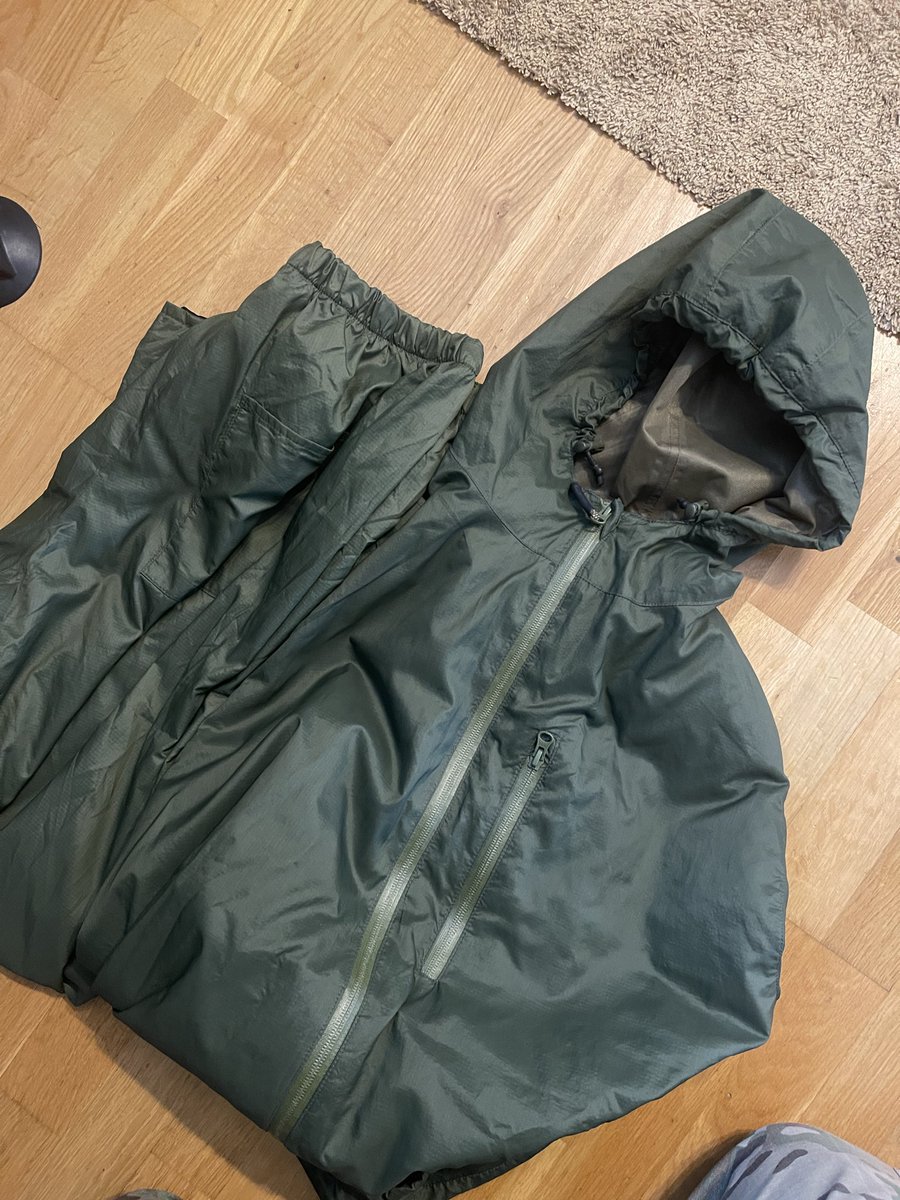
Kicking off the winter months with some Comb Blizzard. Developed in-house in late 2014, it first appeared on our mountain smocks. We then developed onto lightweight nylons and heavyweight Nylon-Cordura. Most recently we developed a new lightweight polyester version to ensure it stays opaque even when wet.
NIR and IR compliant, Comb Blizzard is highly effective in multiple alpine environments due to the grey tones within the camouflage. In the past year Comb Blizzard has been on the backs of the British Forces training in the Arctic Circle.
store.arktis.co.uk/collections/co…


English

Phones have become great everyday tools with ever increasing navigational capabilities. But being overly reliant on them can set you up for nasty surprises.
Yes they are handy, comfortable and easy to use. Plenty of trail map applications offer you various features to help in route planing etc. especially in urban areas. Sadly that has led to folks wandering off in remoter areas without even a map or compass as bare minimum.
Once your battery or connection dies that’s it. Another aspect is if you are constantly checking your position on your phone you will slack on terrain association, step counting and directional awareness. Much like only navigating with a gps with your car and not looking at route exits, street names or apartment gate numerals. Your phones ability to pinpoint your location will worsen as you get farther away from a cell tower into more rural areas dominated by natural landmarks, tighter forests and challenging terrain.
You can only get good at something by doing it. Map reading, distance estimations and the use of navigation equipment requires practice, just as anything else. Don’t shy away in orienting without the over reliance of your smart phone. The internet is wast and with plenty of information to help you in learning more about navigation.
English

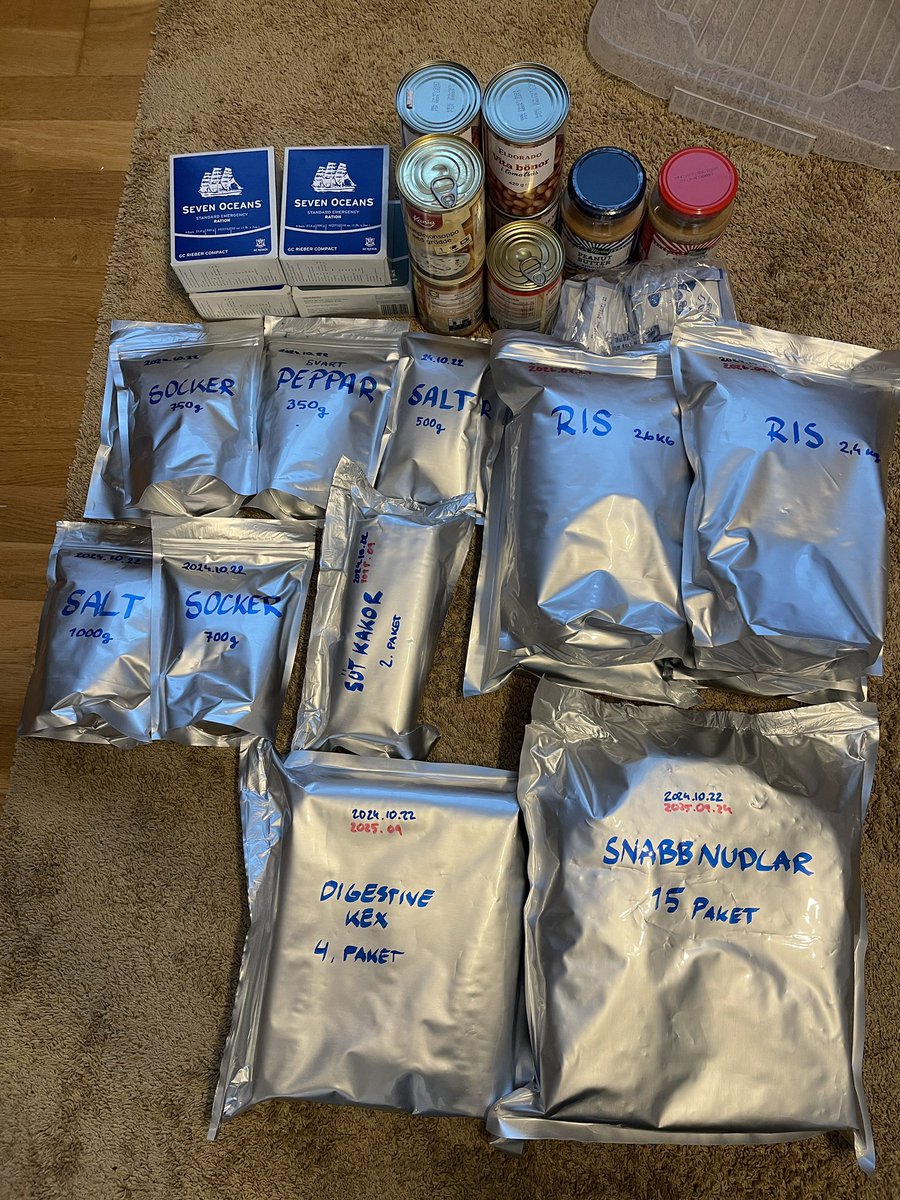
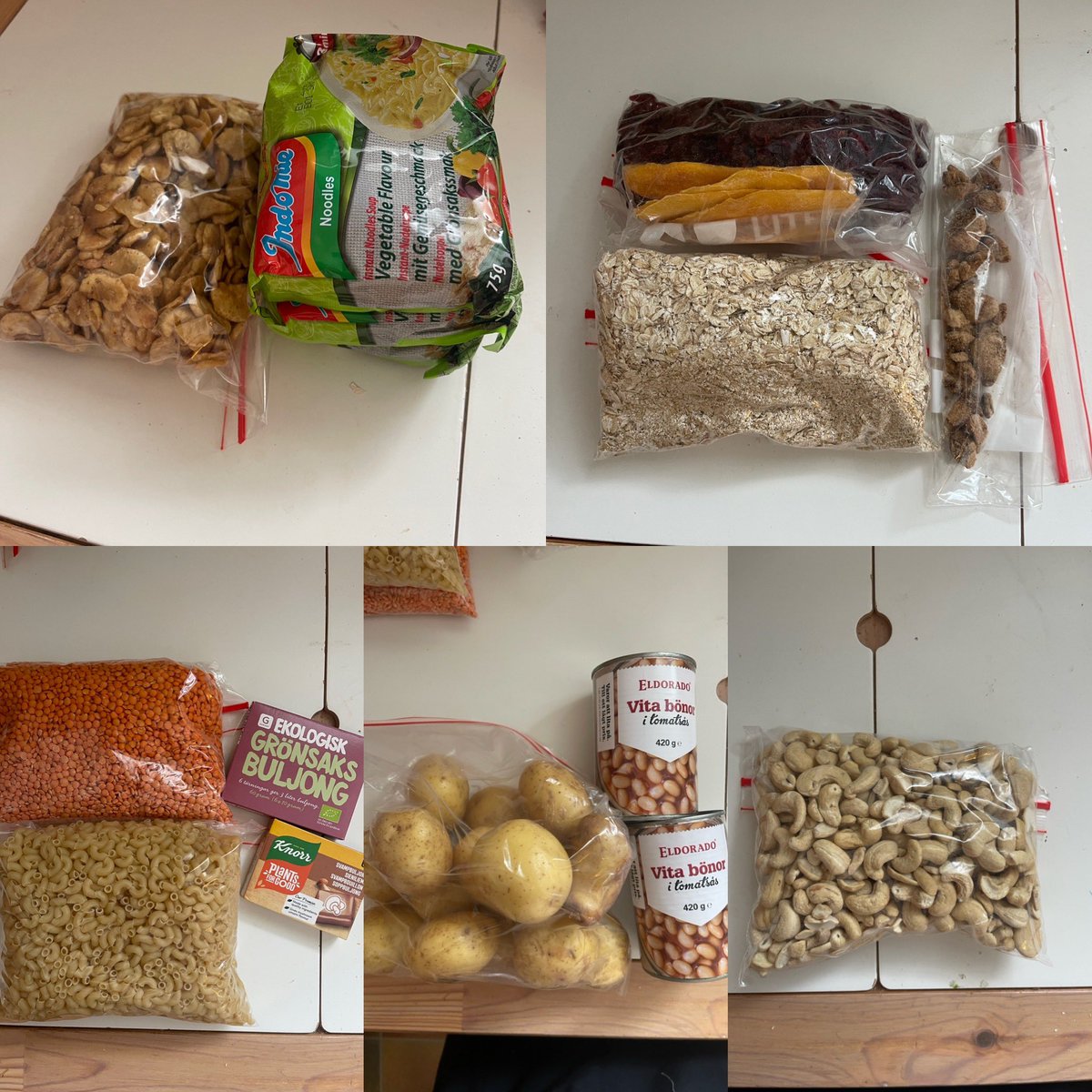
For the price of barely a single peace of “Gucci” equipment, you can start to build up your prepping game each month. All of this cost less than 180$
Mylar bags, oxygen absorbers, canned food, dry food, spices, emergency cookies etc.
We still have plenty of beans that theoretically passed their date a year ago.
Monthly buys will allow you to step by step acquire essential preparations.
Food and water storage, medicine and hygiene appliances, fuel, misc household items, heating equipment, filters, stoves etc. /Raj


English


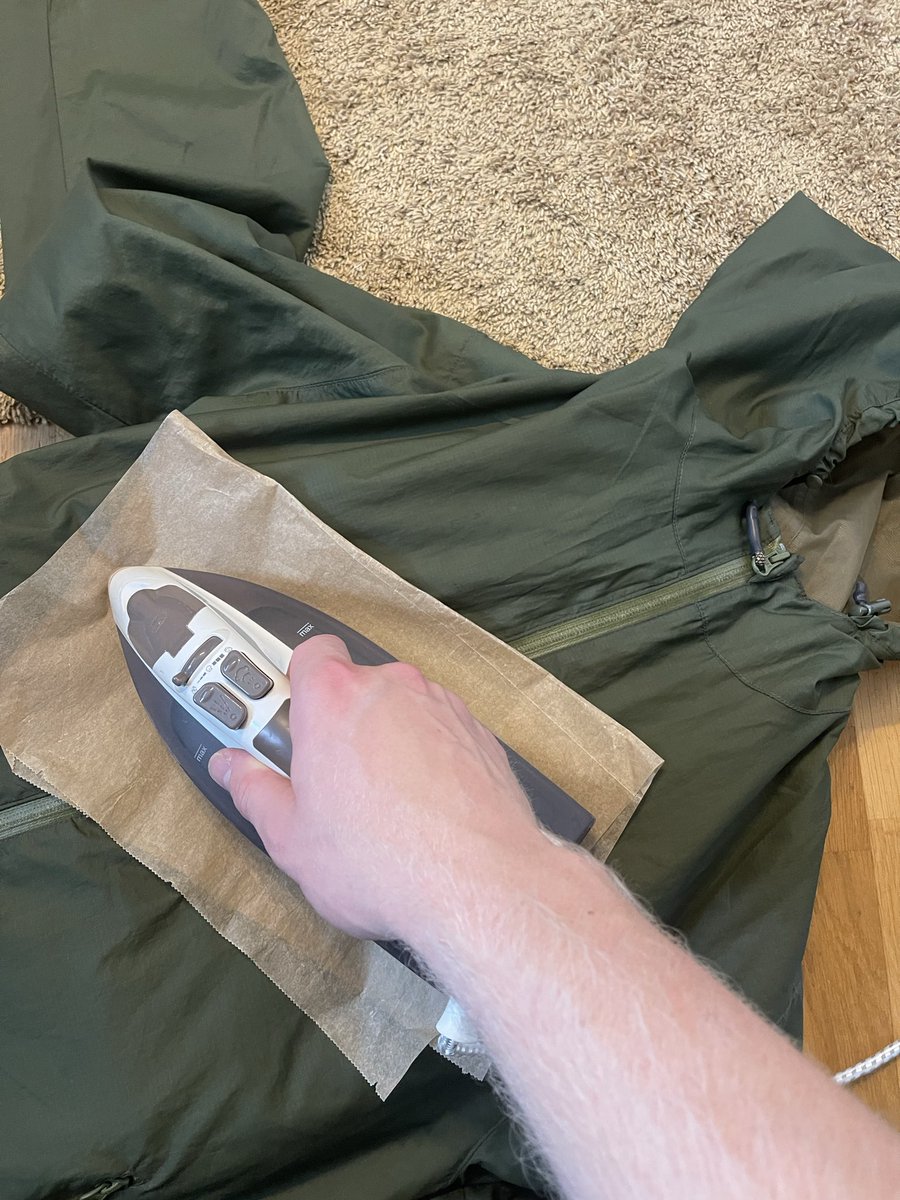
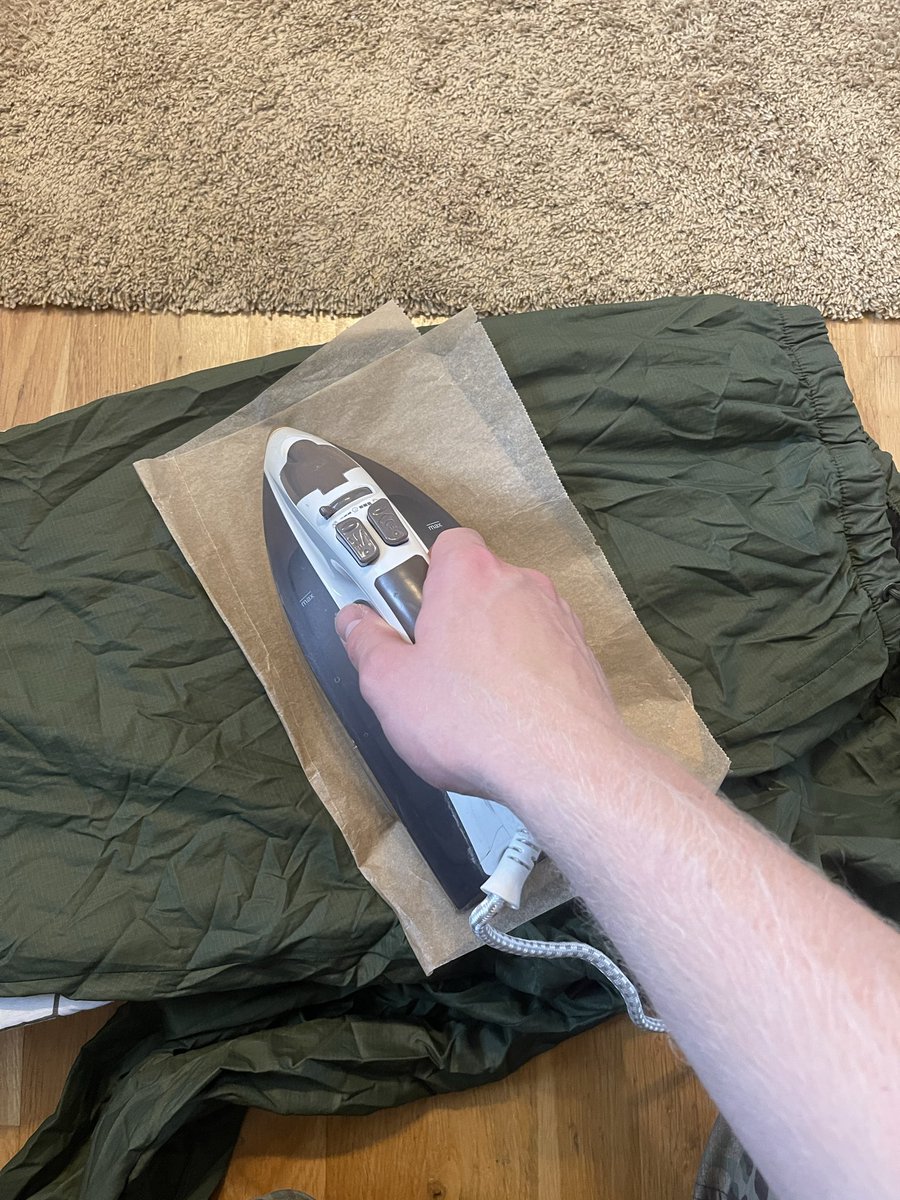
”Reproofing: A time will come in the life of a waterproof garment when you notice that you are still dry but that the outer garment is becoming waterlogged and heavy. A modest restoration of the outer’s water repellency could help solve this problem – not to make it waterproof but to diminish the absorption of water into the outer fabric. With some coated fabrics, pressing the garment with a cool or “1 Dot” iron will revive the coating to an effective level. The reason behind this is that heat can reactivate the finish, bringing it back to life. It’s always worth trying ironing as the first step. If required you can restore outer water repellency using Stormsure, NIKWAX or similar products. We prefer spray-on type products to allow for precision on key areas. When spraying make sure the garment is clean and free from any detergent, focus on areas such as shoulders and hoods.”
Quote from arktisltd.co.uk/item/a310-rain…


English

Great weekend with the Group. 2 overnighters and almost 2 1/2 days being outdoors and learning together.
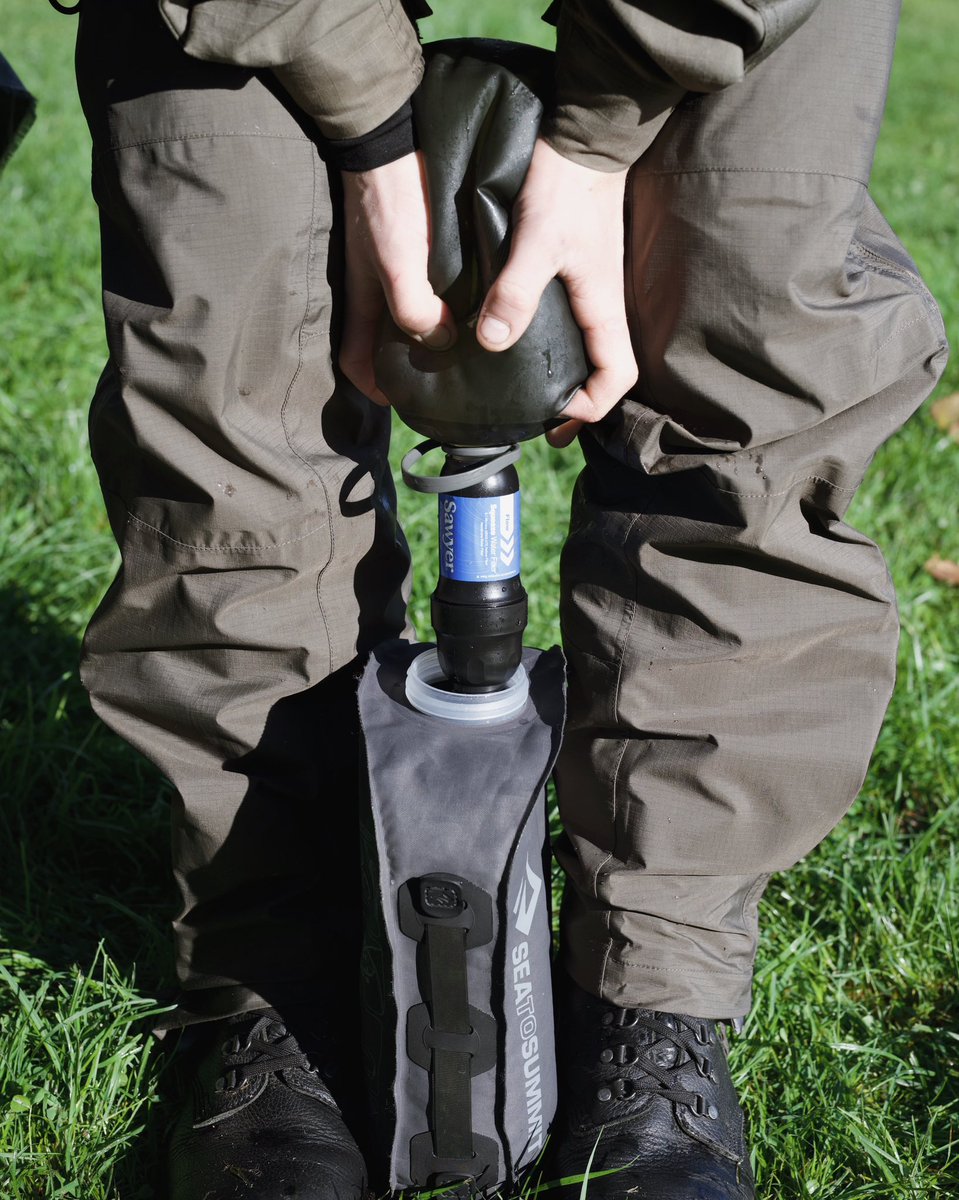
- Water retrieval, pre-filtering, comparing different filters and respective times. Goal was to utilise only the collected and treated water for cooking, drinking and hygiene. Being 4 at times meant that water was used plenty. Had the chance to use Sawyer Squeeze, Katadyn Befree and Saganlife aquabrick system.
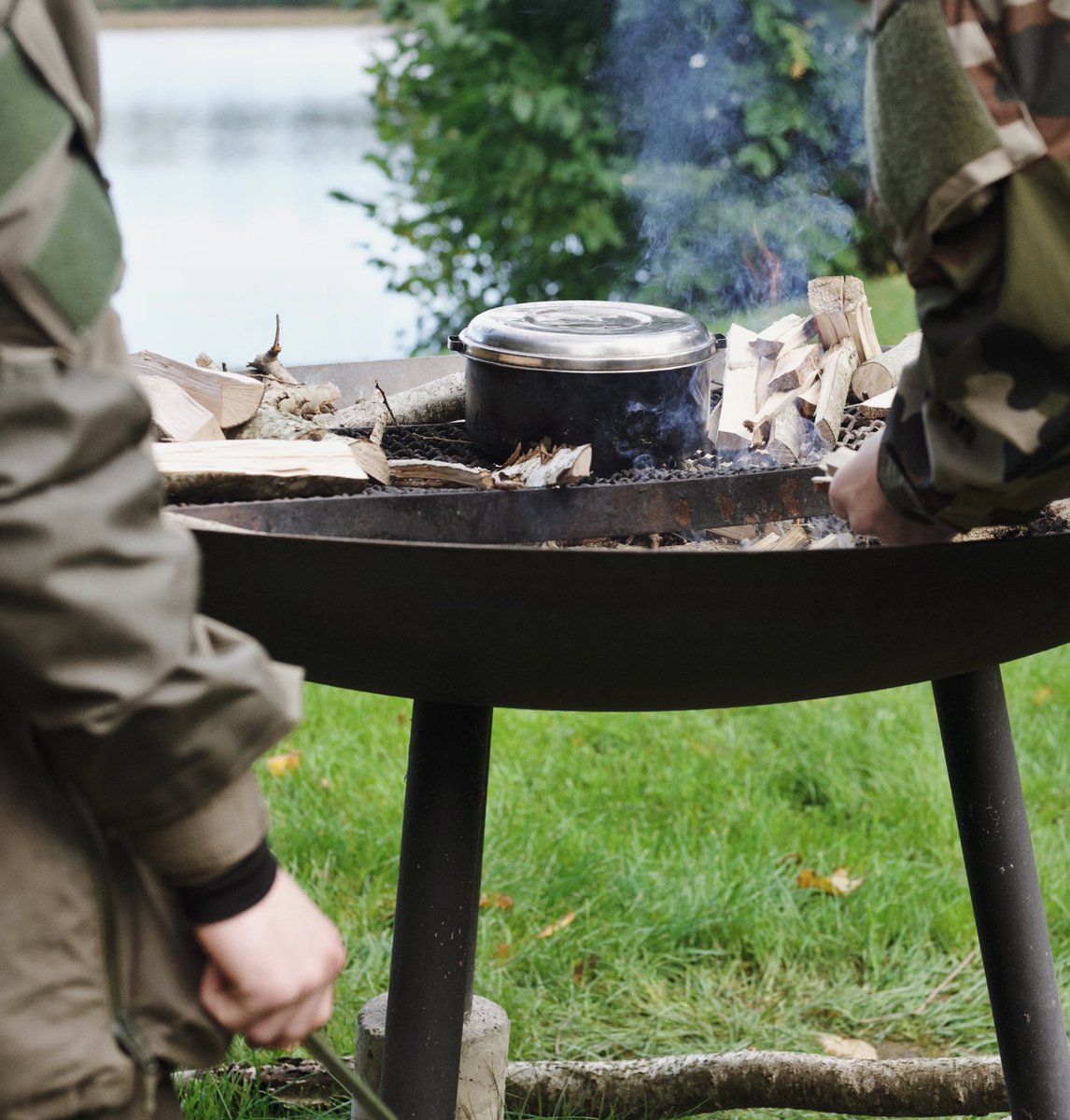
- Starting fires, taking raw ingredients and cooking them on live fire. By doing this we realised more of how it actually goes and what it means to feed several people with “raw” ingredients. Without dedicated larger stoves it will be demanding to cook and prepare food in volumes. Fuel is needed in good amounts and without a cover above you will be at the weathers mercy.
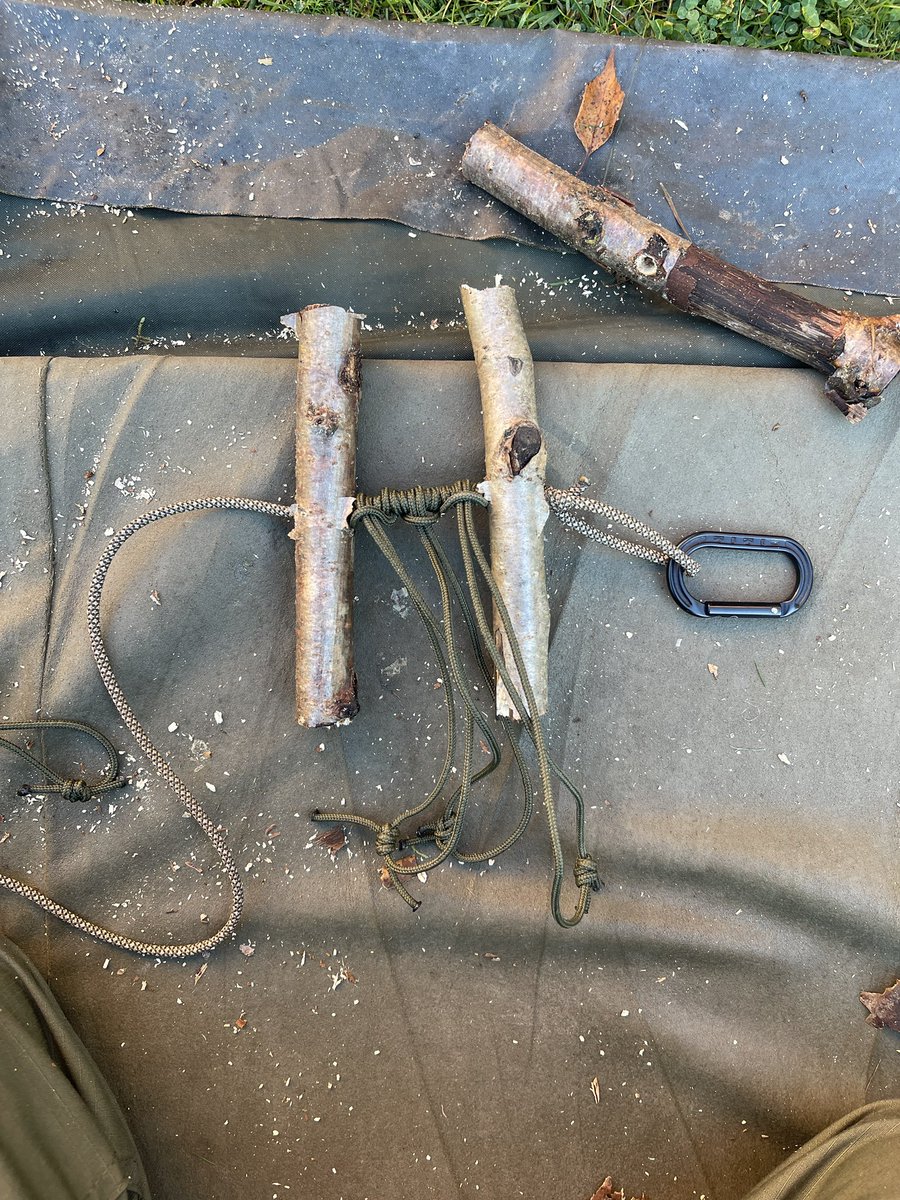
- Practiced Tripod lashing, rehearsing ridgline set ups, made new lines for each member and trying out the wood toggle version by @pathfindersurvival as we thought it was interesting and in such way broadened our knowledge.
Really nice to meet up and learned a bunch. Without practice and rehearsals you will never see how things actually work and be able to improve upon quirks/flaws. Put your plans, ideas, equipment, tools and yourself to the test. This is super crucial.


English

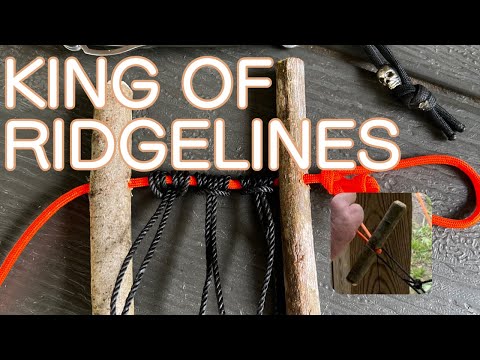
This weekend we tried out this specific ridgeline set up.
youtu.be/m11UB2z6UL4?si…
The advantages are:
- Doesn’t take much strength to set up. Weaker individuals can do it with ease or if one of your hands/arms is hurt. Don’t need 2 hands so to say.
- Big Glove friendly. Can be set up with mittens and thick finger gloves. (We tried it)
The disadvantage:
- The prussic knot that locks the suspension can’t be tightened like a truckers hitch. Therefor you can’t get the same tension with this method. But the tension is sufficient for a modern tarp or poncho

YouTube


English
Sneaky Media Group retweetledi

Light discipline is one of the basic “patrol disciplines”, and as such is considered common sense fieldcraft or bushcraft (the terms are essentially interchangeable, though bushcraft can be viewed as fieldcraft that keeps you hidden in the field environment).
The most important step in light discipline is to simply avoid using any light at all, be it visible spectrum or IR. So becoming more comfortable in using your equipment without relying on visual observation is key, as well as understanding the capabilities and limitations of your night vision equipment; maximizing the former.
If you do need to use light, follow a basic PACE plan: IR, red, blue, white. With IR light, someone else with NV needs to be looking in your direction, and at least anyone without won’t see the light. Red and blue both aid to preserve your natural night vision, and have less spill than white. Red is slightly less brilliant than blue, and is better for reading maps. Finally, white light can be necessary at times, so having the proper tool for the job helps.
Understanding how to mitigate the light projection through control of power output, directionalizing, obscuring, and concealment all build into keeping your position hidden from prying eyes.
Between NV based classes and Small Unit Tactcis classes, I get into depth with all of this information. What I put out on social media is snippets of over two decades of experience, and I’ll keep putting it out there for open consumption.
However, nothing beats learning in person from a subject matter expert. Come on out and train.
maneuvertrainingsolutionsllc.com
oriontraininggroup.com
Stay Dangerous 🏴☠️

English

“Couldn’t wait for Shrek 5 so I painted myself to look more like Shrek. “
Long sleeves are extremely beneficial as they protect your arms from terrain, bugs and the elements such as sun rays and etc. But if you gotta go without it you should remember how much bare skin actually sticks out. Just like how you can mix camo paint with sun cream to protect yourself from the sun, you can mix it with insect repellent to help repel the countless creepy-crawlies in addition to blending in more.
This isn’t meant to be taken super serious but when playing airsoft at nordicmilsim I couldn’t help but notice that the guys wearing short sleeves / t-shirts were easier to spot.
Whilst reviewing the footage I was impressed with the brushstroke pattern i smeared on my arms. //Raj
English

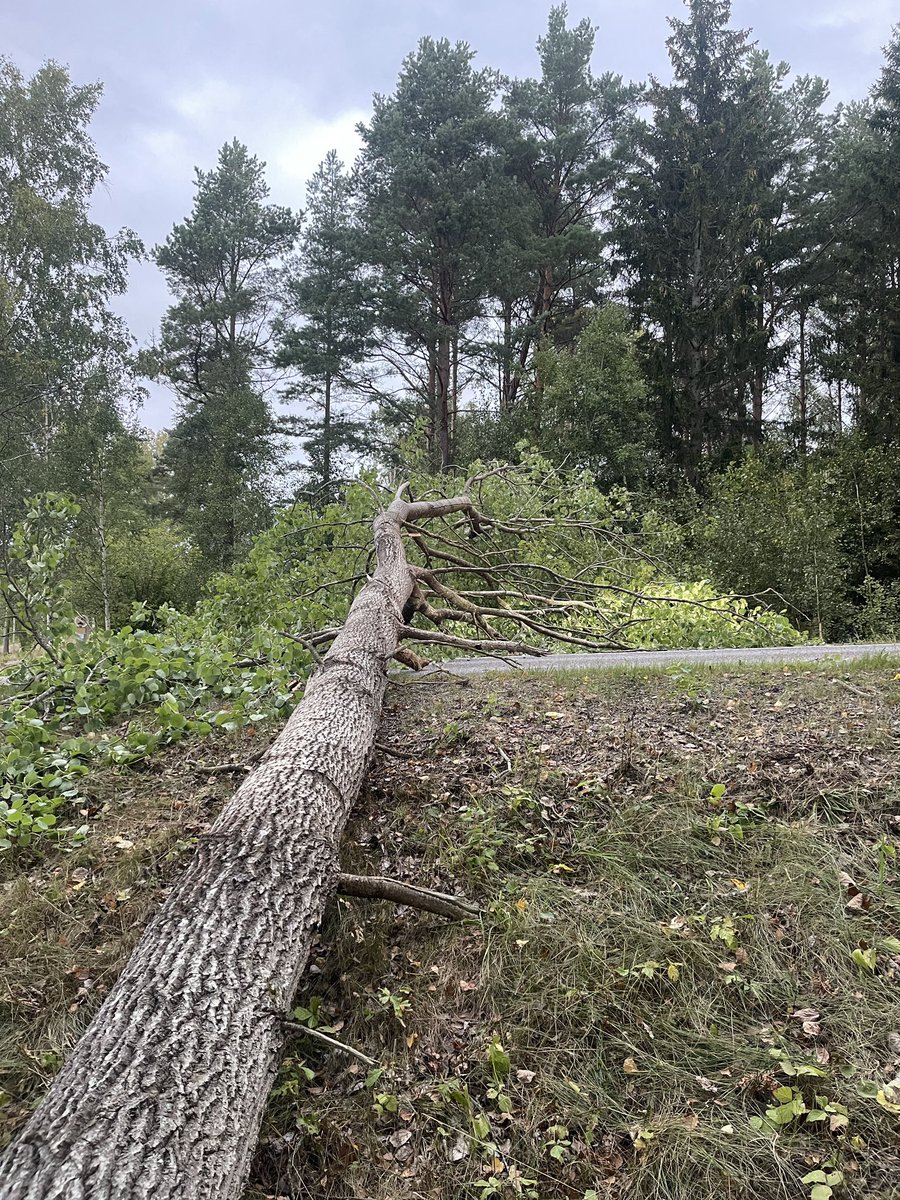
All it takes is a single big bark boi and you are stuck
Option 1:
Report to authorities (rescue services or road service depending on severity) leave something high-vis to alert other drivers and find an alternative route
Option 2
You have no alternative routes
A. “No contacts, no tools”
Inform authorities, put on your cars hazard lights, put out warning signs/cones and wait for help
B. “You have Contacts, no tools”
Same as above but you inform your contacts with tools or heavy equipment. Establish a safe working space, as mentioned above. Either drive and meet your contacts or wait for them to arrive and help
C. “You have Contacts and you have your own tools.
Inform Authorities, inform Contacts, establish a safe working space and get going (after getting tools or you have them in your car). When help arrives you are either done or there is less work to do.
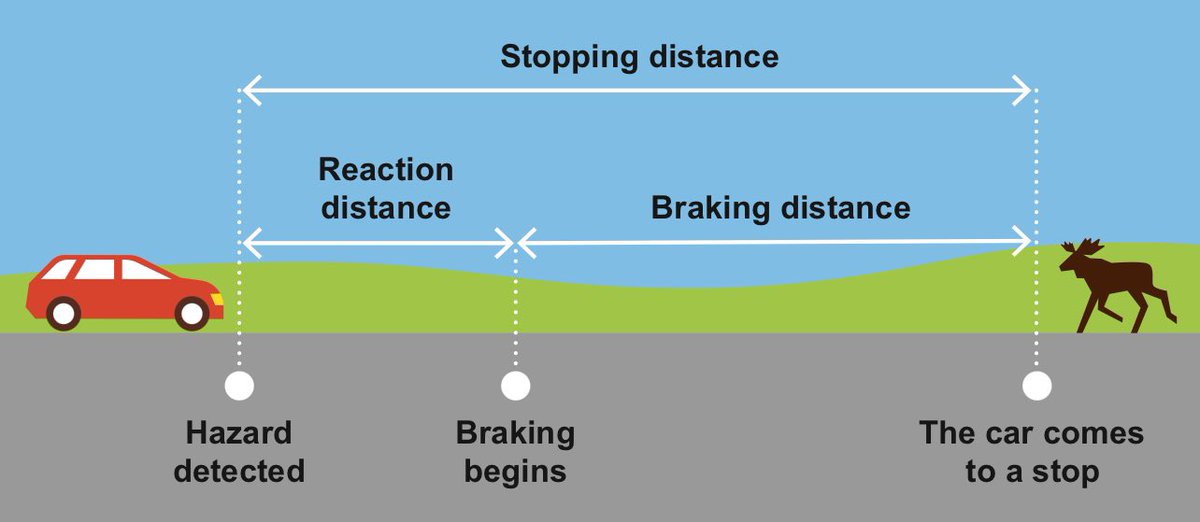
Speed limit of the road and visibility dictate a lot
Driving cars provide numerous dangers and health hazards
100km/h is 27m/s
80km/h is 22m/s
60km/h is 16m/
On dry summer road conditions it can take ~60m to achieve full stop when driving 90km/h.
Establishing safe distance for cars to react and slow down is essential. Put up warning signs/triangles/cones or anything high-vis to grab attention a good space away.
Minimum of 100m is a good thumb of rule for roads above 50km/h speed limit. The more high-vis things you can put out the better.
Bends are even more tricky/risky and one should not be lazy. Walk the distance to put the signs!
Once you have put out warning signs doubble check that your car still has hazard lights on and are functioning.
People can still be negligent, have slow reaction times, space out or be on the phone whilst driving. Missing all the signs and hazards. They can also easily ignore them too and not think much of it.
Therefore position your car in a way that protects you from traffic. Good spacing is key. Rather have a moving vehichle bump in your car then on you
Turn your steering wheel to the side and pull the hand break. In case of a collision the car will go left or right and not towards you.
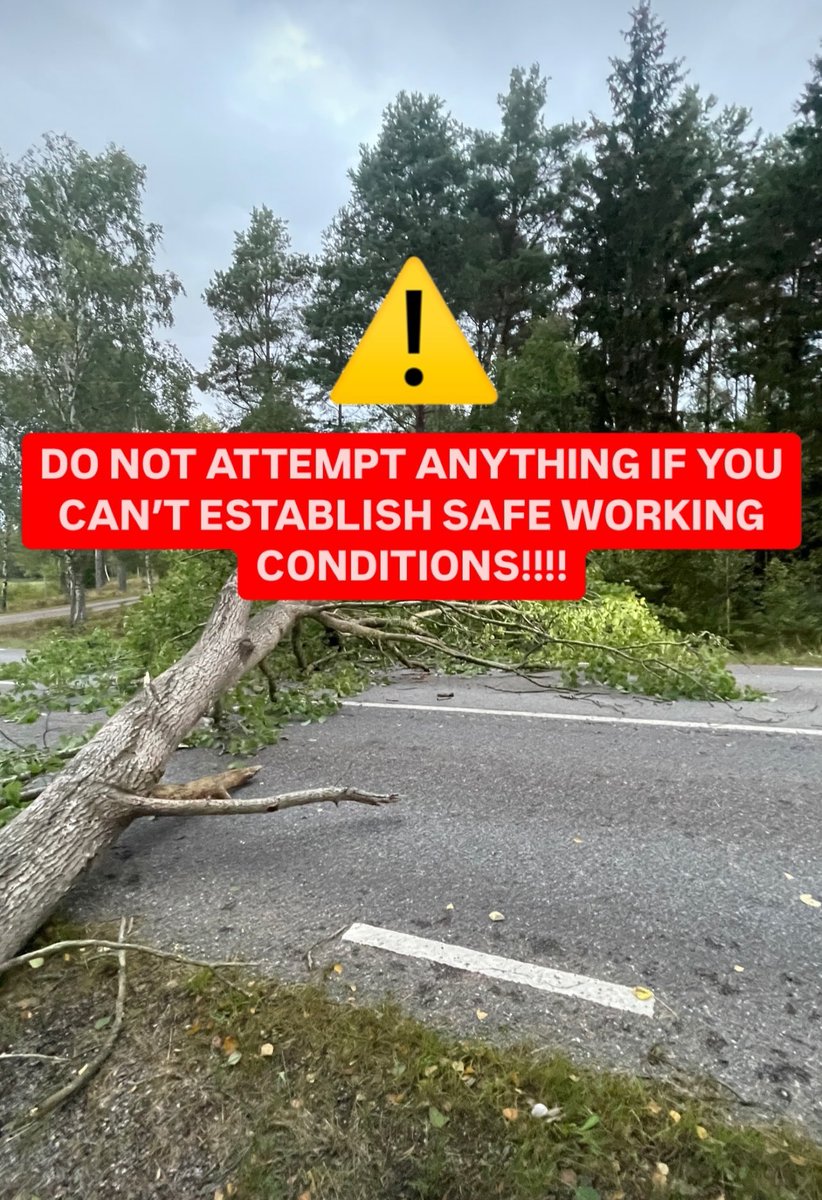
If you have established warning signs, postioned your car favourably with hazard lights and established safe distances... only then can you start to work on removing the tree or road block.


English