@RutgersAltRoute I definitely want to find time to talk one on one with students for more personalized feedback on certain assignments. #TeacherEd#GrowthMindset
Thank you for joining us! We want to know what tips, insights, or resources you gained today. Retweet a post or comment below. #TeacherEd#GrowthMindset
Alternate Route candidates, complete the Exit Ticket here: go.rutgers.edu/Chat_Out
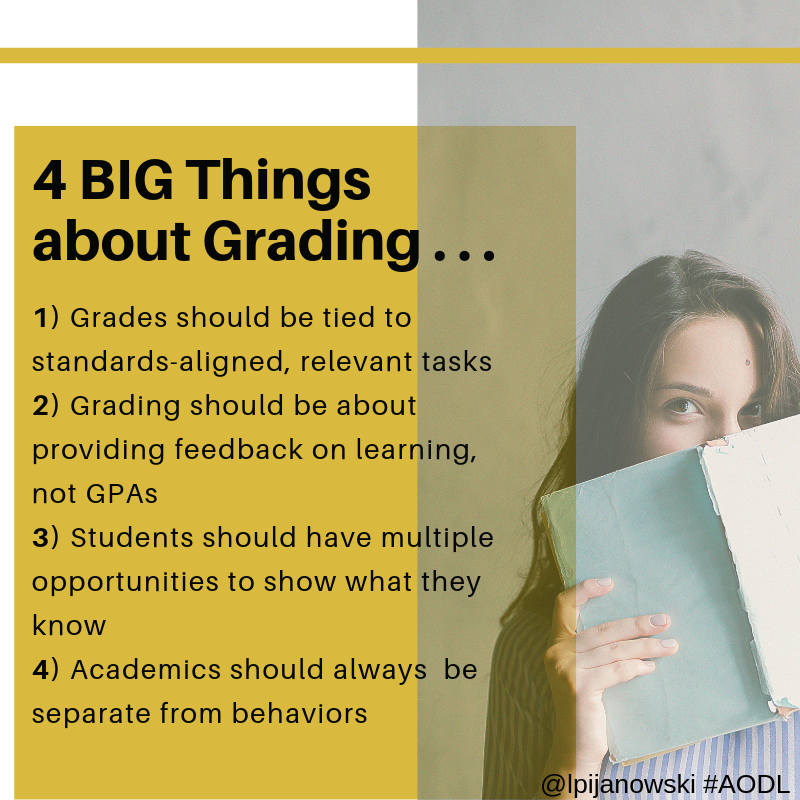
@RutgersAltRoute A5. Assessments should not just be multiple choice questions that rely on student recall. Assessments should give students opportunities to show off what they know about a topic. #TeacherEd#GrowthMindset
This morning's 5th and final Q is on assessment #TeacherEd#GrowthMindset
“You can enhance or destroy students’ desire to succeed in school more quickly and permanently through your use of assessment than with any other tool you have at your disposal.” – Dr. Rick Stiggins
@RutgersAltRoute A4. Rubrics are a great way to give students equal feedback. In addition, giving students specific ways to improve is crucial, rather than simply marking answers right or wrong. #TeacherEd#GrowthMindset
Feedback is a compass for improvement and not all feedback is created equally. For Q4 share your content area and consider your best practices and those you would like to try #TeacherEd#GrowthMindset
@RutgersAltRoute A3. I can make sure that I help students understand that it takes time and effort to learn. Everyone has to learn at some point. By sharing my own experiences with learning, I can help students see that it is okay to struggle with new concepts. #TeacherEd#GrowthMindset
Framing, or how teachers introduce new concepts and tasks to students, is the focus of Q3. Framing can steer students to a fixed or growth mindset. It helps students feel free to be a work in progress as they learn. #TeacherEd#GrowthMindset
@RutgersAltRoute A2. It's important to give students time to learn without fear of a bad grade. For example, when teaching genetics, I make sure students have a chance to practice solving problems in groups and individually before they are graded on their work. #TeacherEd#GrowthMindset#scichat
For Q2, consider the expectations you communicate to students (verbal and nonverbal) through your classroom climate, course material & response opportunities #TeacherEd#GrowthMindset
Tip: Be specific to your content & connect with others using a # like #ArtsEd#litchat#scichat
@RutgersAltRoute A1. It is crucial to ensure students understand that mistakes are good; they are how we learn. Once students change their mindsets, anything is possible. #TeacherEd#GrowthMindset
Teachers have the power to influence the mindset of students.
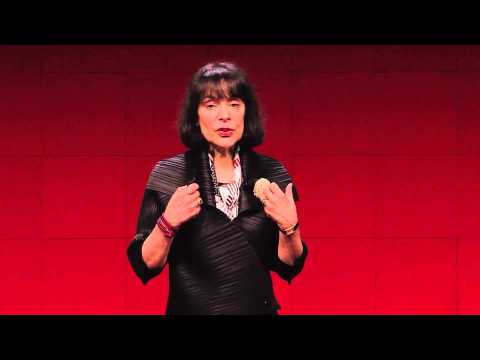
As you answer #TeacherEd#GrowthMindset Question 1, consider your own experience, readings, and what Carol Dweck refers to as the power of “yet” (youtu.be/hiiEeMN7vbQ?si…)
Welcome to the #TeacherEd#GrowthMindset chat! Let us know you're here by replying with your name & what you teach.
Rutgers Alternate Route teachers, please complete the SIGN IN form to have your participation in the chat documented: go.rutgers.edu/Chat_In
Thank you for joining us! We want to know what tips, insights, or resources you gained today. Comment a takeaway below or quote a post. #TeacherEd#SpecialEd
Rutgers Alternate Route teachers, complete the Exit Ticket here: go.rutgers.edu/Chat_Out
@RutgersAltRoute A5. Meeting together with our departments and school leadership to ensure we are all taking the necessary measures to aid student success. Also, attending PD's/trainings to increase our knowledge of strategies that can help. #TeacherEd#SpecialEd
@RutgersAltRoute A4. As teachers, it is important that we teach content, but it is equally/even more important to ensure that we are good role models. We should always encourage our students to do their best and to be confident in their abilities. #TeacherEd#SpecialEd
Teachers play a role in helping students learn and practice self-awareness skills and communicate their understanding.
For Q4 think about what you’ve done or ideas you’d like to implement to help students be self-advocates, agents of their own success #TeacherEd#SpecialEd
@RutgersAltRoute A3. In science, hands-on labs, creating and using models, and using diagrams/images/videos are some great ways to meet the learning needs of students. #TeacherEd#SpecialEd#scichat
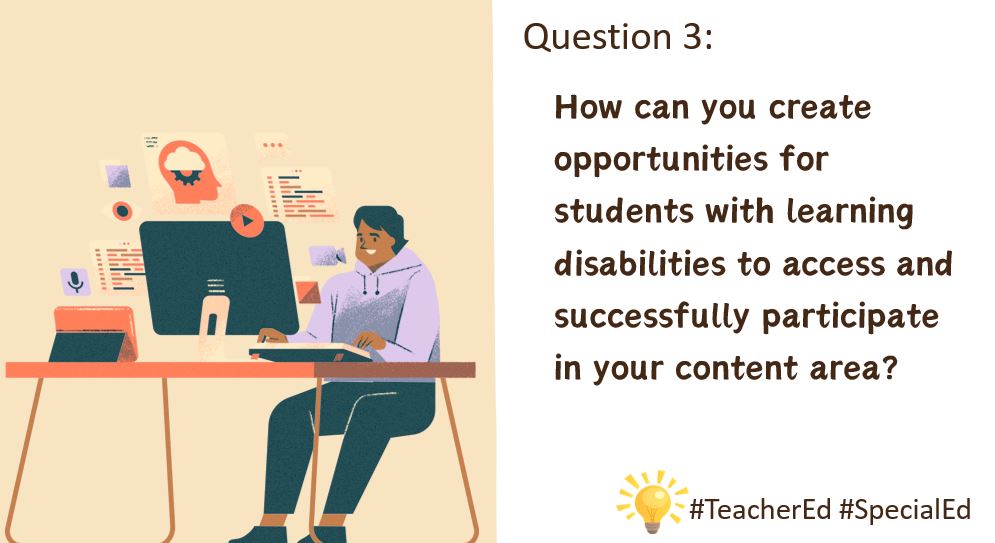
For Q3 be specific content area & how you support student success, for example, your classroom environment, assignments, and assessments #TeacherEd#SpecialEd
Tip: To connect with our teachers in your subject area, use the # for your content area, i.e #arted#mathchat#scichat
@RutgersAltRoute A2. I do my best to maintain communication with parents and to provide extended deadlines when applicable. In addition, I provide paper copies of assignments to students who get easily distracted by their computers/prefer paper copies. #TeacherEd#SpecialEd
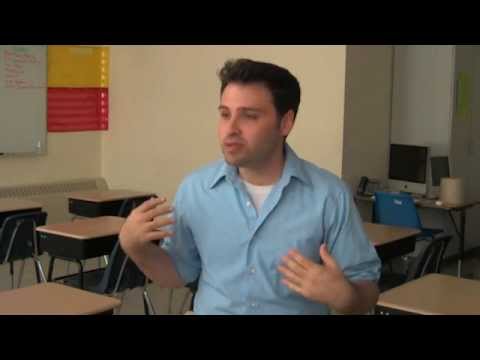
Dr. Jonas Bromberg & teacher Jon Weinberger discuss classroom strategies to support students with ADHD (youtube.com/watch?v=Dd62-e…) like providing fidget tools and offering checklists.
For Question 2 (Q2) consider what's worked or ideas you want to try #TeacherEd#SpecialEd
@RutgersAltRoute A1. When working to create an inclusive classroom environment, a main challenge I face is ensuring that I am meeting all the needs of my students to put them in the best positions to succeed. #TeacherEd#SpecialEd
For Question 1 (Q1), reflect on your experience and current practices for creating an inclusive learning environment for students with learning disabilities. #TeacherEd#SpecialEd
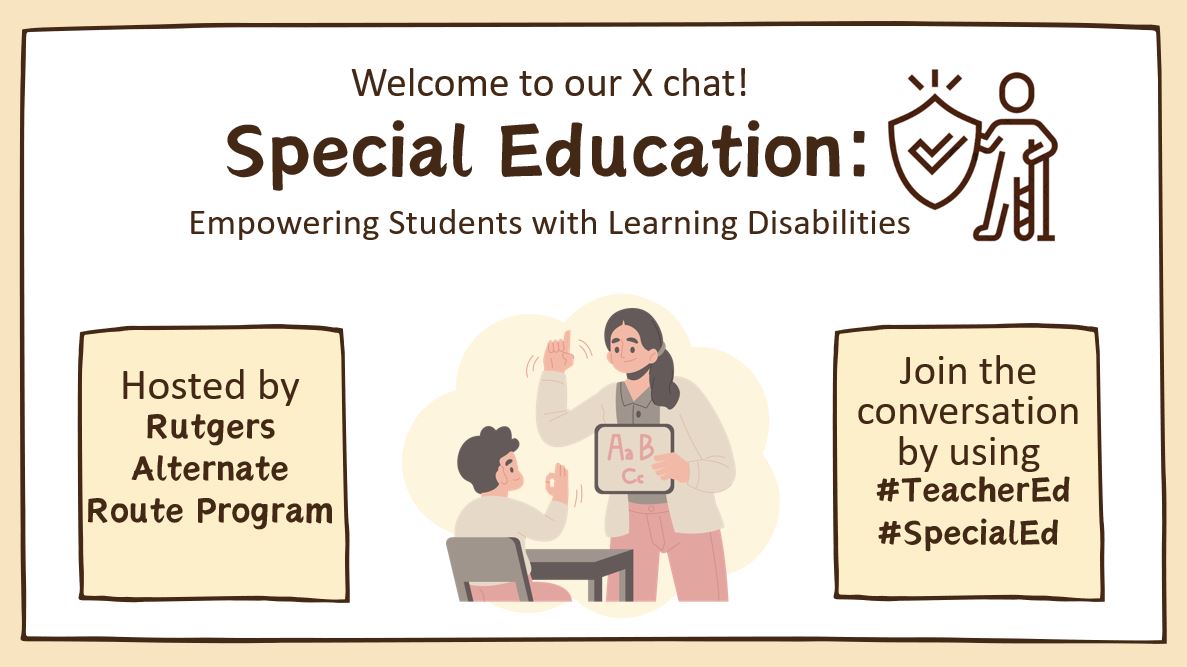
Welcome to the #TeacherEd#SpecialEd chat! Let us know you're here by replying with your name & what you teach.
RU Alternate Route Teachers, SIGN IN here to have your participation documented: go.rutgers.edu/Chat_In
⭐️Today's graphics were created by our student worker Sara
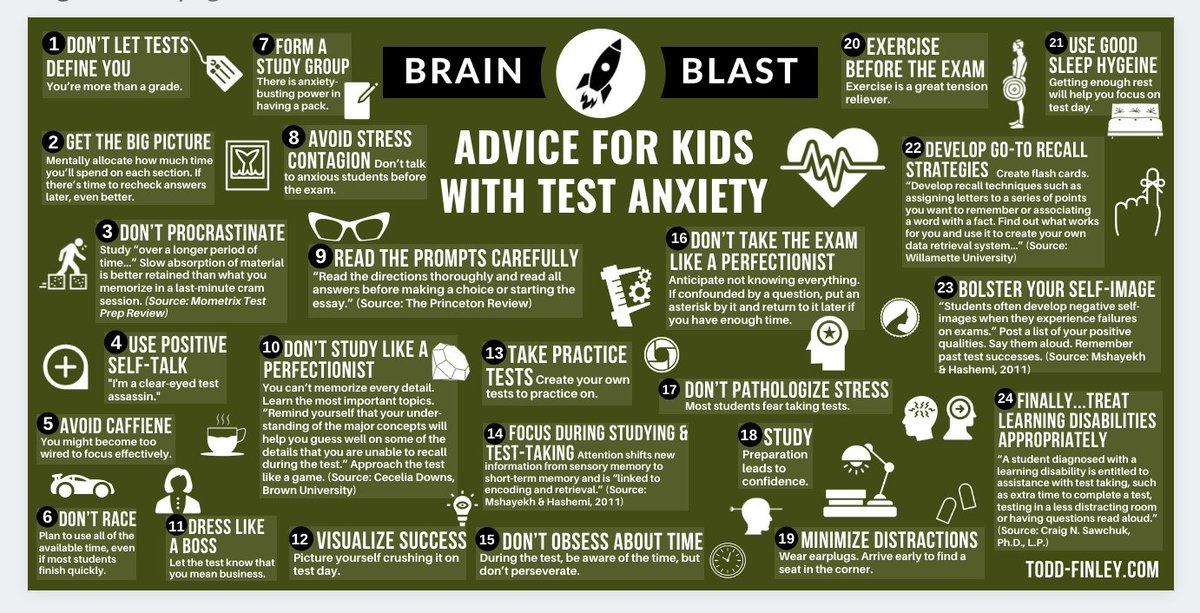
@finleyt This is great advice to share with students. I really like #8; students should be confident in what they know and not let the stress of others affect them! #TeacherEd#testanxiety
@RutgersAltRoute A3) #safeschools@RutgersAltRoute positive phone calls, conversations or emails home. Also remember in addition to being a classroom teacher, you are also a school teacher so help all students and your colleagues. Greet students at your door when possible.
@RutgersAltRoute Many colleagues mentioned being more attentive to student conversations to ensure that students are treating one another with respect. This is something I will definitely be doing now. Thanks everyone for all the great tips! #TeacherEd#SafeSchools
We want to know what tips, resources, or insights you've gained to help you maintain a safe learning environment. #TeacherEd#SafeSchools
Rutgers Alternate Route teachers, complete the Exit Ticket - buff.ly/46CWKzT
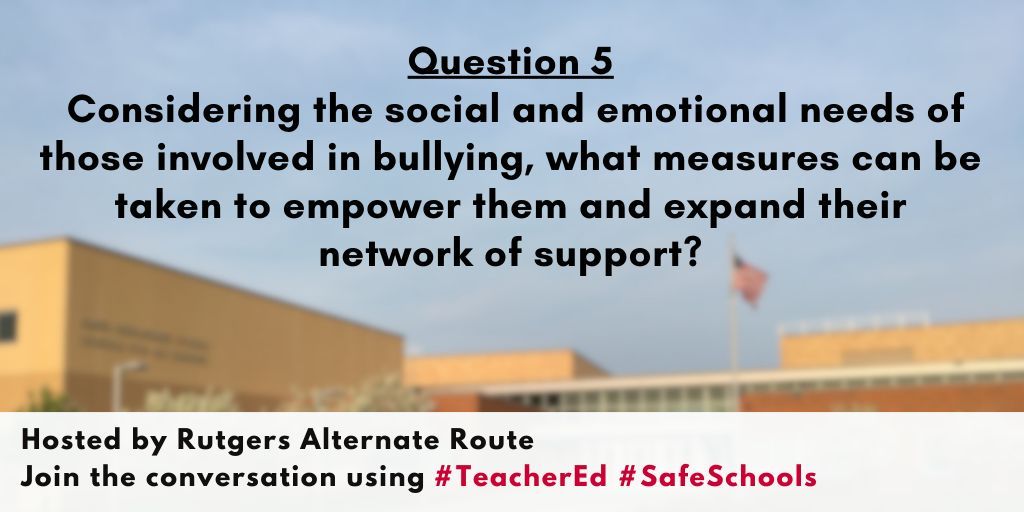
@RutgersAltRoute A5. It is important to let all students know that we, as teachers, are there to support them. In addition, students who are doing the bullying can be taught to restore their relationships by working with counselors and support staff. #TeacherEd#SafeSchools
It's time for our 5th and final question for this #TeacherEd#SafeSchools chat. Think about the social and emotional needs of those involved in bullying to answer Q5. Students can bully others, they can be bullied, or they may witness bullying.
@RutgersAltRoute A4. HIB can present many challenges, such as disruption of lessons or decreased engagement due to fear of being made fun of or ridiculed. These situations do, however, allow teachers to develop methods to prevent these acts from happening again. #TeacherEd#SafeSchools
For Q4, reflect on your understanding of harassment, intimidation, and bullying (HIB) gained through professional development training, readings, and personal experiences. #TeacherEd#SafeSchools