
SofolaY

62.6K posts

SofolaY banner
SofolaY

SofolaY

@SofolaY

Happiness is free.. exhale the past and inhale the future. Asst Lecturer, Biochemist. Polithinker. #Arsenal. #ProudlyNigerian. #BATist

Nigeria Katılım Ocak 2014
777 Takip Edilen1.2K Takipçiler
SofolaY retweetledi
PBAT SIGNAL
PBAT SIGNAL@PBATSignal27·
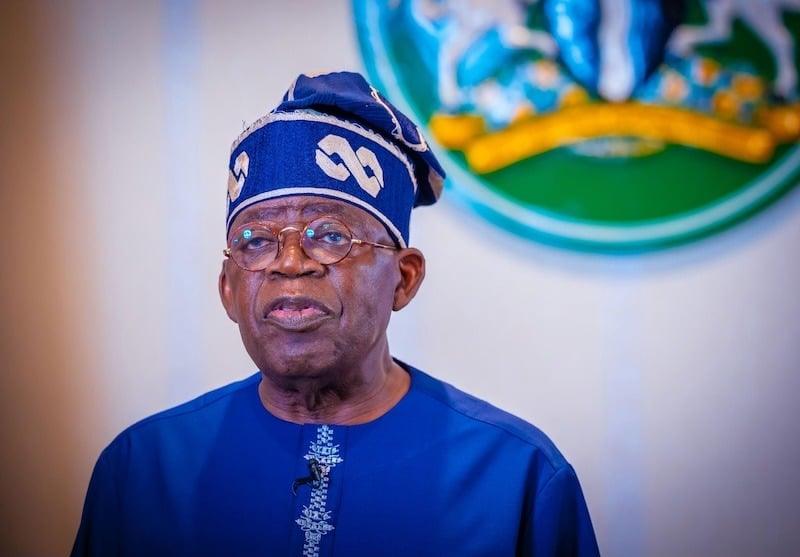
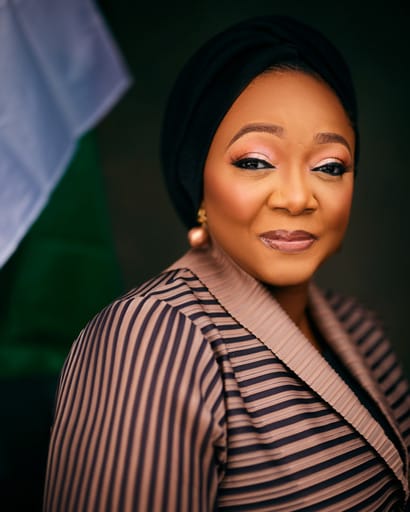
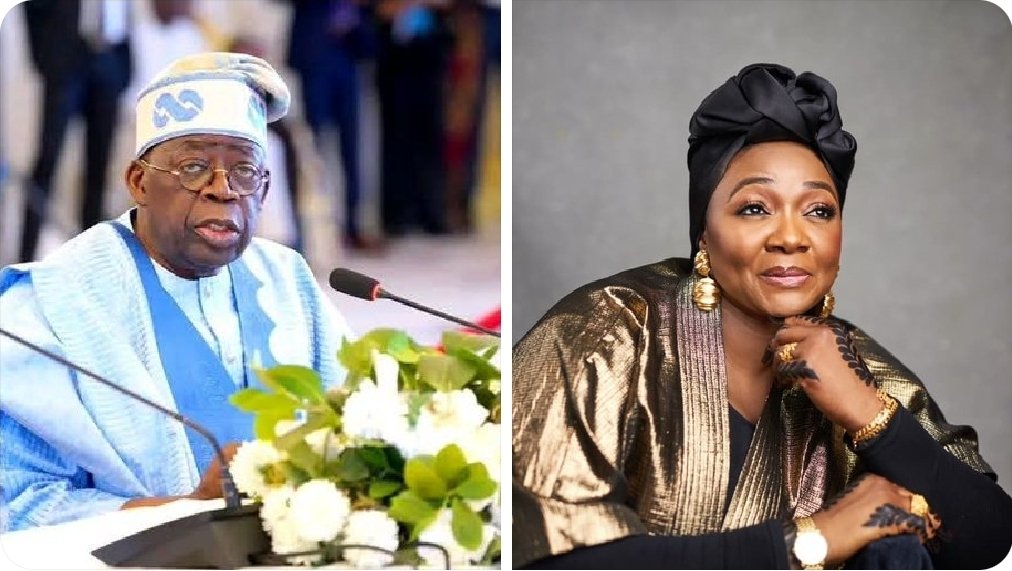
Tinubu’s Renewed Hope Drives Green Empowerment as Imaan Sulaiman-Ibrahim Targets 10,000 Women for Clean Mobility Revolution The Renewed Hope Agenda of President Bola Ahmed Tinubu continues to gain traction in the social and green economy sectors as the Federal Ministry of Women Affairs, under the leadership of Imaan Sulaiman-Ibrahim, launches transformative empowerment initiatives for women nationwide. Through strategic MoUs under the Green Economy Empowerment 774 (GEE774) programme, the ministry is set to deploy 10,000 electric tricycles across all local government areas, creating sustainable livelihoods, expanding access to clean transportation and directly aligning with Nigeria’s Net-Zero 2060 climate commitment. The initiative demonstrated a bold shift from traditional empowerment models to productivity-driven economic inclusion, positioning women as key contributors to national growth. By linking clean energy adoption with job creation, entrepreneurship and poverty reduction, the Tinubu administration is deepening its economic diversification agenda while addressing grassroots mobility challenges. The programme is projected to stimulate thousands of micro-enterprises, strengthen household incomes and open a new green value chain that supports local manufacturing, logistics and maintenance services. In the same reform-driven momentum, the planned distribution of four million solar electric cookstoves is expected to drastically cut indoor air pollution, reduce deforestation and free up time for women to pursue education and income-generating ventures. With these interventions, Imaan Sulaiman-Ibrahim is fast emerging as one of the administration’s most impactful drivers of gender-focused development, translating the Renewed Hope vision into measurable social, economic and environmental outcomes for millions of Nigerian families.
PBAT SIGNAL tweet media
English
0
6
9
125
SofolaY retweetledi
PBAT SIGNAL
PBAT SIGNAL@PBATSignal27·
"More importantly, it is really commendable of Mr President for identifying an officer and a gentleman who has displayed the highest level of professionalism, competence, and is a manager of both human and material resources." - Governor Babajide Sanwo-Olu of Lagos State on the appointment of the new IGP, Tunji Disu.
English
1
38
152
6.8K
SofolaY retweetledi
PBAT SIGNAL
PBAT SIGNAL@PBATSignal27·
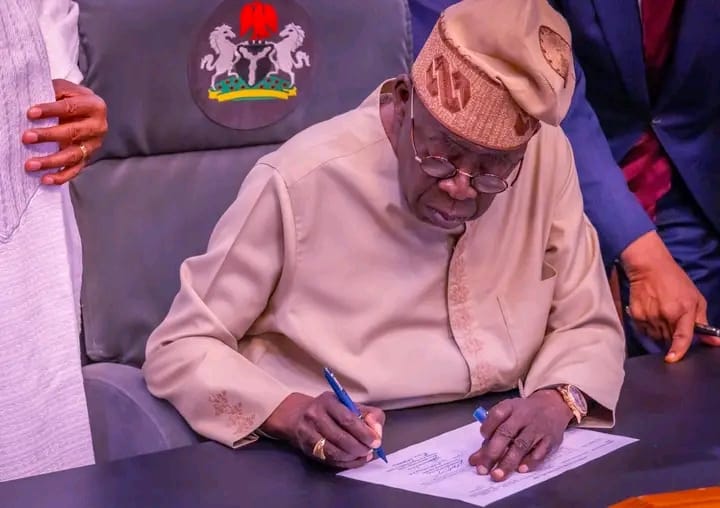
Nigeria Deepens Economic Diversification with Strategic $1.3 Billion Mining Partnership The administration of President Bola Ahmed Tinubu has taken a decisive step toward accelerating Nigeria’s economic diversification agenda with the signing of a landmark Memorandum of Understanding (MoU) between the Federal Government and the Africa Finance Corporation (AFC). The agreement, valued at $1.3 billion, will support the development of three strategic mining initiatives, including the establishment of a major alumina refinery, a move widely regarded as transformative for Nigeria’s solid minerals sector. At the core of the partnership is the development of a world-class alumina refinery designed to process locally sourced bauxite into higher-value industrial output. The project reflects a clear policy shift from the historical export of raw materials toward domestic value addition, industrialisation, and enhanced participation in global value chains. By strengthening downstream processing capacity, Nigeria aims to reduce import dependence, expand export earnings, and stimulate manufacturing growth. Beyond the refinery, the collaboration also encompasses a national geoscience mapping programme and the creation of a structured investment vehicle to mobilise capital for mineral exploration and development. These complementary initiatives are expected to improve geological data availability, reduce investor risk, and unlock Nigeria’s vast untapped mineral reserves. The PBAT administration has consistently emphasised regulatory reforms, improved transparency, and investor confidence as pillars of its solid minerals strategy. Economically, the projects are projected to generate significant foreign direct investment, create thousands of direct and indirect jobs, and contribute meaningfully to GDP and foreign exchange inflows over the long term. More importantly, the initiative signals to global markets that Nigeria is committed to building a resilient, diversified economy anchored on sustainable resource development rather than overreliance on crude oil revenues. This latest agreement with AFC reinforces the administration’s broader reform programme under the Renewed Hope Agenda, positioning the mining sector as a key growth driver and reaffirming Nigeria’s ambition to emerge as a competitive industrial hub in Africa.
PBAT SIGNAL tweet mediaPBAT SIGNAL tweet media
English
0
3
1
74
SofolaY retweetledi
PBAT SIGNAL
PBAT SIGNAL@PBATSignal27·
"Well, at the deliberation, we went through his records, his performance in office and the recommendation, and the council was glad to approve the recommendation for him to be appointed inspector general of police." - Governor AbdulRahman AbdulRazaq @RealAARahman of Kwara State on the new IGP, Tunji Disu @TunjiDisu1.
English
1
13
18
376
SofolaY retweetledi
PBAT SIGNAL
PBAT SIGNAL@PBATSignal27·
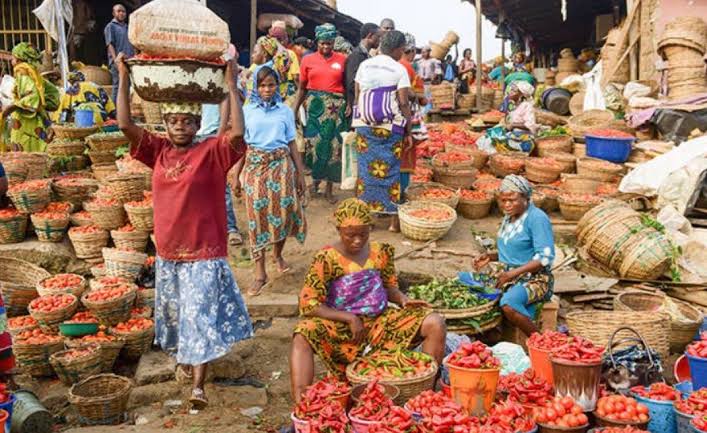
Food Inflation Falls to 14-Year Low of 8.89% Under Tinubu’s Reforms Nigeria’s economic reform agenda under President Bola Ahmed Tinubu has recorded a major milestone, as food inflation drops to a single digit of 8.89 percent, the lowest level in over 14 years. This remarkable achievement signals a turning point in the administration’s determined efforts to stabilize prices, restore purchasing power, and rebuild confidence in the nation’s economic fundamentals. For months, the Tinubu administration has pursued bold and sometimes difficult reforms aimed at correcting structural imbalances in the economy. Through targeted interventions in agriculture, enhanced security in food-producing regions, strategic import policies, and improved coordination between fiscal and monetary authorities, the government has steadily addressed supply-side bottlenecks that previously fueled food price volatility. The result is a tangible easing of pressure on household budgets and a renewed sense of optimism across markets nationwide. Equally significant is the message this development sends to investors and development partners. A sustained decline in food inflation strengthens macroeconomic stability, reduces pressure on interest rates, and creates a more predictable business environment. It also validates the administration’s focus on expanding local food production, improving logistics networks, and supporting farmers with incentives designed to boost output and resilience. Beyond the statistics, this achievement represents relief for millions of Nigerian families who spend a significant portion of their income on food. Lower food inflation means greater affordability, improved nutrition, and a gradual restoration of real incomes. It underscores the administration’s commitment to ensuring that economic reforms translate into measurable improvements in everyday life. While challenges remain, the drop to 8.89 percent demonstrates that disciplined policy implementation, strong political will, and strategic coordination can yield transformative results. Under President Tinubu’s leadership, Nigeria appears to be turning the corner toward sustained economic recovery, food security, and long-term prosperity.
PBAT SIGNAL tweet mediaPBAT SIGNAL tweet media
English
0
6
7
82
SofolaY retweetledi
PBAT SIGNAL
PBAT SIGNAL@PBATSignal27·
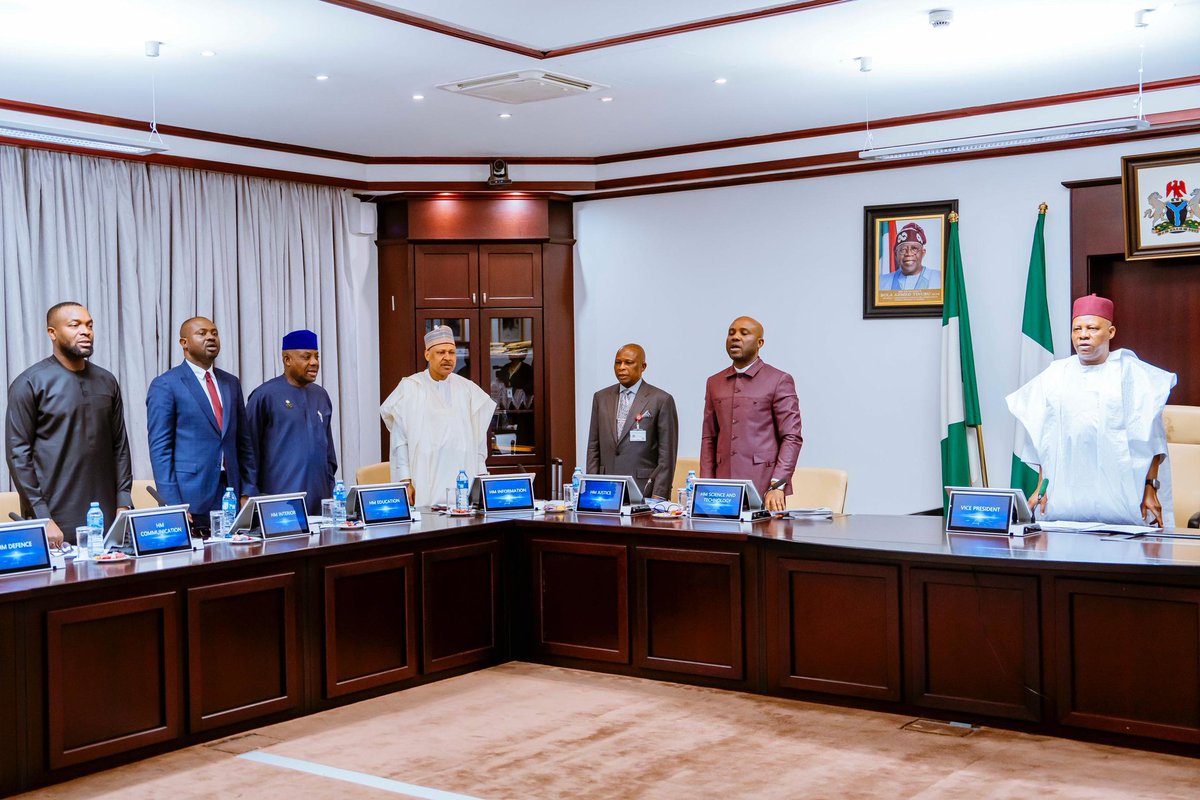
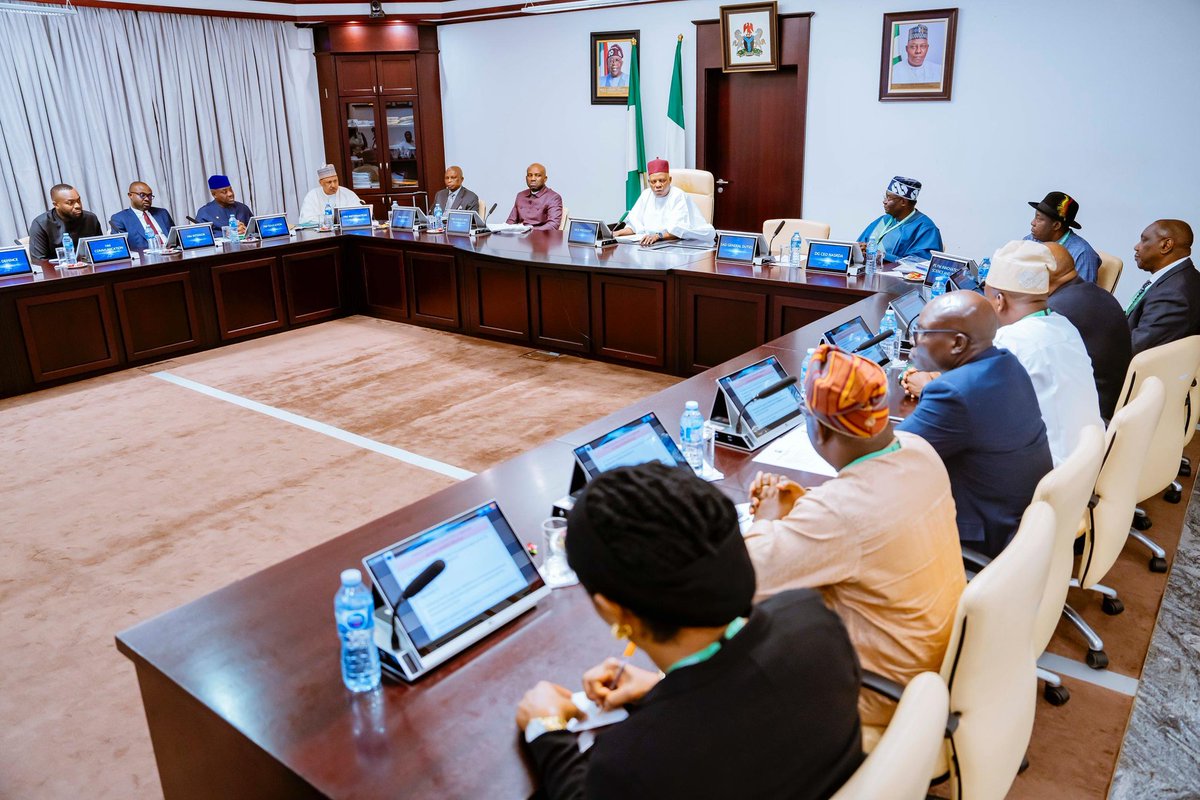
PBAT Orders Release of Space Funds President Bola Ahmed Tinubu has reaffirmed his administration’s commitment to the full implementation of Nigeria’s National Space Policy and Programme, directing the immediate release of approved funds for the maintenance of the country’s space assets. The President also approved the forwarding of the cost implications of the revised 25-Year Roadmap for Space Development to the Federal Executive Council for consideration and approval. The directive was delivered on Tuesday at the first meeting of the National Space Council at the State House, Abuja. The meeting was chaired on behalf of the President by Vice President Kashim Shettima. President Tinubu emphasised that Nigeria’s space ambitions must be grounded in measurable outcomes, accountability, and tangible national value. “Nigeria will not watch the new frontier unfold from the sidelines. We will participate, we will compete, we will contribute. Our space ambitions must be anchored in outcomes, accountability, and national value,” the President stated. He stressed that the nation’s space programme must deliver practical benefits to citizens, including farmers, teachers, entrepreneurs, security personnel, researchers, and policymakers, underscoring the need for data-driven governance and evidence-based planning. Reaffirming his administration’s Renewed Hope Agenda, PBAT pledged sustained institutional and financial support for the space sector, describing outer space as a strategic frontier for technological advancement, environmental protection, economic diversification, and national security. He noted that space technology underpins cybersecurity and the digital economy, highlighting projections that the global space economy could exceed $1 trillion by 2040. According to him, investment in space infrastructure translates directly into improved agricultural precision, enhanced border security, disaster early-warning systems, smarter urban planning, stronger communications, and a globally competitive digital economy. The President further directed the Nigerian Space Research and Development Agency to fully enforce the space regulation and spectrum management framework in accordance with the NASDRA Act 2010, ensuring secure and responsible utilisation of Nigeria’s space assets. He also mandated all Ministries, Departments and Agencies (MDAs), stakeholders, and private sector operators to comply strictly with the regulatory framework, including adherence to approved funding processes through the Federal Ministry of Finance. Providing further details on the Council’s resolutions, the Minister of Innovation, Science and Technology, Mr. Kingsley Udeh, described the meeting as historic, noting several landmark decisions aimed at strengthening Nigeria’s space ecosystem. Among the key approvals was the adoption of revised Conditions of Service and Staff Regulations for the Nigerian Space Research and Development Agency, aligning them with international best practices. The reform is designed to enhance competitiveness in remuneration and improve retention of Nigerian space professionals. The Council also approved the establishment of a high-level working group of space experts to refine the revised 25-Year Roadmap. The working group will include representatives from the Nigerian Space Research and Development Agency, the Nigerian Communications Commission, the National Defence Space Agency, and the Nigerian Communications Satellite, alongside other key stakeholders. The Council approved the development and operationalisation of the Bola Ahmed Tinubu Space Centre in Epe. The centre is expected to strengthen Nigeria’s satellite launch capabilities and significantly reduce dependence on foreign technical expertise for satellite hosting and maintenance. The meeting marks a significant step in advancing Nigeria’s strategic positioning in the global space economy while reinforcing the country’s commitment to innovation-driven development.
PBAT SIGNAL tweet mediaPBAT SIGNAL tweet mediaPBAT SIGNAL tweet mediaPBAT SIGNAL tweet media
English
6
4
8
123
SofolaY retweetledi
PBAT SIGNAL
PBAT SIGNAL@PBATSignal27·
HM of Innovation, Science and Technology, Kingsley Tochukwu Udeh, speaks on the President’s directive for the immediate release of approved funds to maintain Nigeria’s space assets in line with the National Space Policy.
English
0
3
4
72
SofolaY retweetledi
PBAT SIGNAL
PBAT SIGNAL@PBATSignal27·
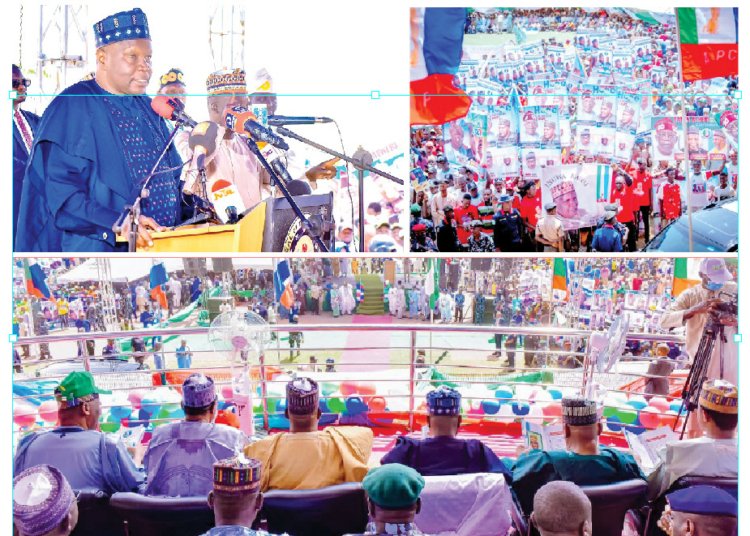
Gombe APC Endorses Tinubu for 2027, Reaffirms Confidence in Renewed Hope Reforms The All Progressives Congress (APC) in Gombe State has unanimously endorsed President Bola Ahmed Tinubu as its sole presidential candidate for the 2027 general election, describing the move as a strategic vote of confidence in his reform-driven administration. The endorsement was announced during the party’s state congress, where new executives were elected to pilot its affairs for the next four years. The motion, moved by Hon. Usman Bello Kumo and seconded by Hon. Abdullahi El-Rasheed received overwhelming approval through a voice vote, reflecting strong grassroots alignment with the President’s Renewed Hope Agenda. Speaking at the event, Governor Muhammadu Inuwa Yahaya said the endorsement underscores the party’s appreciation of President Tinubu’s leadership at a pivotal moment in Nigeria’s economic and governance journey. He noted that the administration’s bold fiscal and structural reforms are laying the groundwork for sustainable growth, institutional stability and long-term national prosperity. Governor Yahaya disclosed that Gombe recorded over 400,000 registered members during the APC’s recent e-registration and revalidation exercise, ranking 10th nationwide. He attributed the surge in membership to increasing public confidence in APC-led governments at both the state and federal levels, stressing that federal backing under President Tinubu has significantly supported development initiatives in the state. Reaffirming party unity, the governor assured the national leadership of Gombe APC’s readiness to consolidate its electoral strength in 2027. He commended the party’s national chairman, Professor Nentawe Yilwatda, and members of the congress committee for ensuring a peaceful and transparent process. The congress adopted a consensus approach in electing new officials with Mr. Mohammed Dantata Ndus is emerging as the new state chairman. In his acceptance speech, Ndus described the congress as historic and pledged to strengthen party structures, mobilise broader support for the Tinubu administration’s programmes, and secure victory for the APC at all levels in the next general election.
PBAT SIGNAL tweet mediaPBAT SIGNAL tweet media
English
0
5
6
101
SofolaY retweetledi
PBAT SIGNAL
PBAT SIGNAL@PBATSignal27·
Women Affairs Minister Bags Vanguard 2025 Honour for Reform-Driven Leadership The Minister of Women Affairs, Imaan Sulaiman-Ibrahim, has been named the only female minister to receive the prestigious Vanguard 2025 Award, in recognition of her leadership and reform-driven performance since her appointment by President Bola Ahmed Tinubu. The award is scheduled to be presented on April 24, 2026, at Eko Hotel & Suites. According to Vanguard’s March 2, 2026 edition, the honour reflects the Minister’s transformative impact and visible contributions to national development. The newspaper described Sulaiman-Ibrahim as a “go-getter,” drawing comparisons with notable global figures such as Geraldine Ferraro and former British Prime Minister Margaret Thatcher, noting that her appointment underscores the administration’s confidence in women’s leadership. Since assuming office in October 2024, the Minister has spearheaded reforms aimed at strengthening institutions, restoring public trust, and deepening strategic partnerships. Key milestones include the completion of the 18-year overdue review of the National Child Protection Policy and the launch of a National Action Plan to End Violence Against Children. Her tenure has also seen the expansion of the Nigeria for Women Project to 4.5 million beneficiaries, operationalisation of the MOWA-SARA Skills Acquisition Programme targeting 500,000 women, and the rollout of a $50 million Women Exporters in the Digital Economy Initiative. The Ministry established the first Women Agro-Value Expansion Centre in the Federal Capital Territory and strengthened enforcement of the Violence Against Persons (Prohibition) Act, alongside the full domestication of the Child Rights Act across all states. Stakeholders have described the recognition as timely, citing her measurable achievements in advancing women’s empowerment, child protection, justice reforms, and social protection initiatives.
PBAT SIGNAL tweet media
English
0
2
3
46
SofolaY retweetledi
PBAT SIGNAL
PBAT SIGNAL@PBATSignal27·
The newly appointed IGP, Olatunji Disu @TunjiDisu1, stated that he is bringing law and order to the table. "Like I mentioned earlier, I have made up my mind to ensure that my officers get to know that we are working for the people of the Federal Republic of Nigeria and the citizen of the country are our bosses."
English
0
10
14
199
SofolaY retweetledi
PBAT SIGNAL
PBAT SIGNAL@PBATSignal27·
Sulaiman-Ibrahim Hails Tinubu’s Approval of Keffi-Nasarawa-Abaji Road, Applauds Gov. Sule’s Visionary Leadership The Minister of Women Affairs and Social Development, Hajiya Imaan Sulaiman-Ibrahim, has lauded President Bola Ahmed Tinubu for approving the rehabilitation of the Keffi-Nasarawa-Abaji Road (Phase Two), describing it as a landmark initiative that strengthens Nigeria's unity, economic vitality, and national development. The minister emphasised that this strategic 129.3-kilometre corridor, connecting Nasarawa State to the Federal Capital Territory, is a vital artery for trade, governance, and social integration. She hailed the project’s approval by the Federal Executive Council (FEC) as a testament to the President’s visionary leadership and unwavering commitment to nation-building. According to Sulaiman-Ibrahim, the road is more than asphalt and concrete; it is a bridge to prosperity, a pathway for commerce, and a symbol of patriotic governance that puts the welfare of Nigerians above all. She asserted that enhanced connectivity will unlock economic opportunities, facilitate the movement of goods and people, and integrate communities in a way that strengthens the nation’s cohesion. The minister also commended the Governor of Nasarawa State, Abdullahi Sule, for his exceptional leadership and steadfast partnership with the Federal Government. She said his synergy with the federal administration has been instrumental in attracting critical infrastructure and development projects to the state, reinforcing Nasarawa’s strategic role in the nation’s growth agenda. Sulaiman-Ibrahim further appreciated the efforts of Senator Ahmed Wadada, highlighting his advocacy and support for initiatives that bring federal attention and development to Nasarawa West. She described Wadada’s commitment to his constituents and his active role in facilitating collaboration between local and federal authorities as pivotal to the realisation of transformative projects like the Keffi road. The minister urged citizens to embrace the project as a shared triumph of federal-state collaboration, a reflection of patriotism, and a manifestation of Nigeria’s potential when leaders work together with vision and purpose. Honourable Minister Imaan Sulaiman-Ibrahim concluded by reaffirming her unwavering commitment to advancing policies and projects that strengthen national integration, expand economic opportunities, and deepen social development, particularly for Nigerian women. She emphasised that infrastructure development remains a critical driver of inclusive growth, noting that her tireless advocacy continues to focus on creating pathways for women’s empowerment, improved livelihoods, and a more united, resilient, and prosperous Nigeria.
PBAT SIGNAL tweet media
English
0
9
13
180
SofolaY retweetledi
PBAT SIGNAL
PBAT SIGNAL@PBATSignal27·
Our foreign reserves are increasing, as we can see, to over $50 billion, the highest in over eight years. Food inflation is decreasing. All aspects of the economy are really looking up and improving. The President feels that for us to actually industrialise, the power sector must be fixed, the Minister of Information, Mohammed Idris, said.
English
0
6
8
233
SofolaY retweetledi
PBAT SIGNAL
PBAT SIGNAL@PBATSignal27·
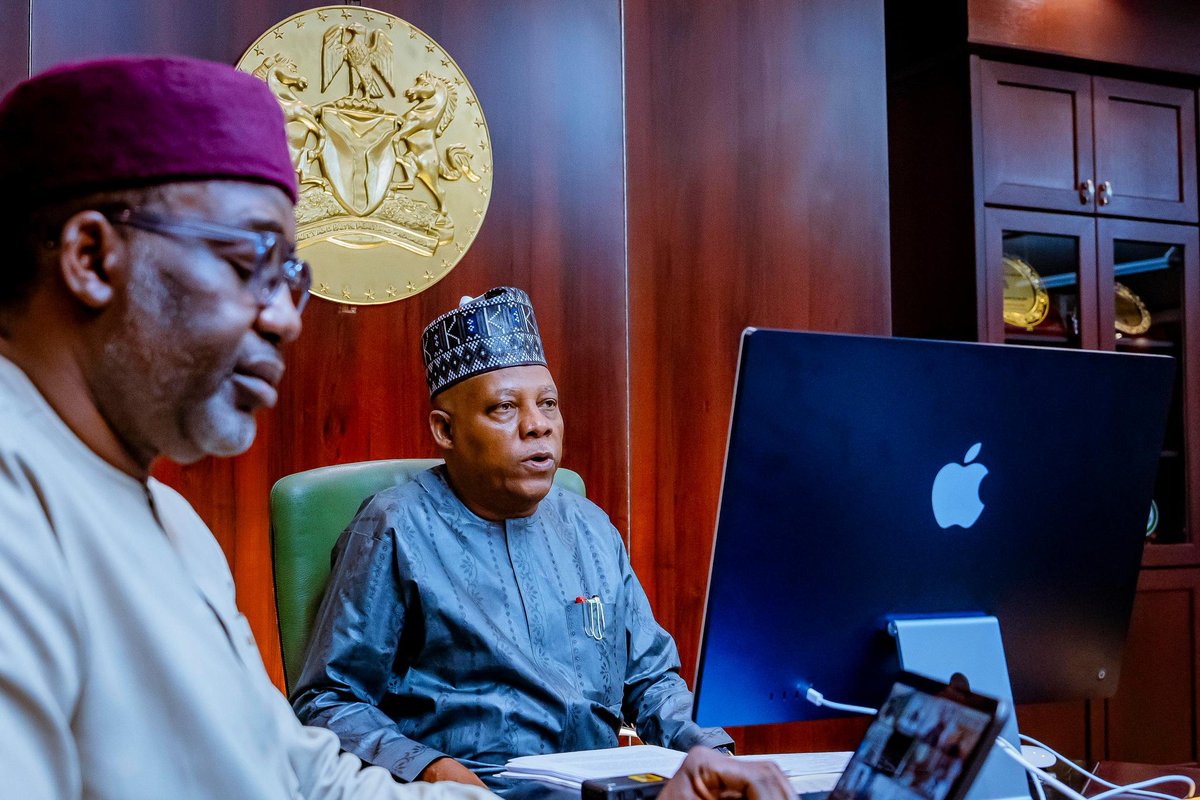
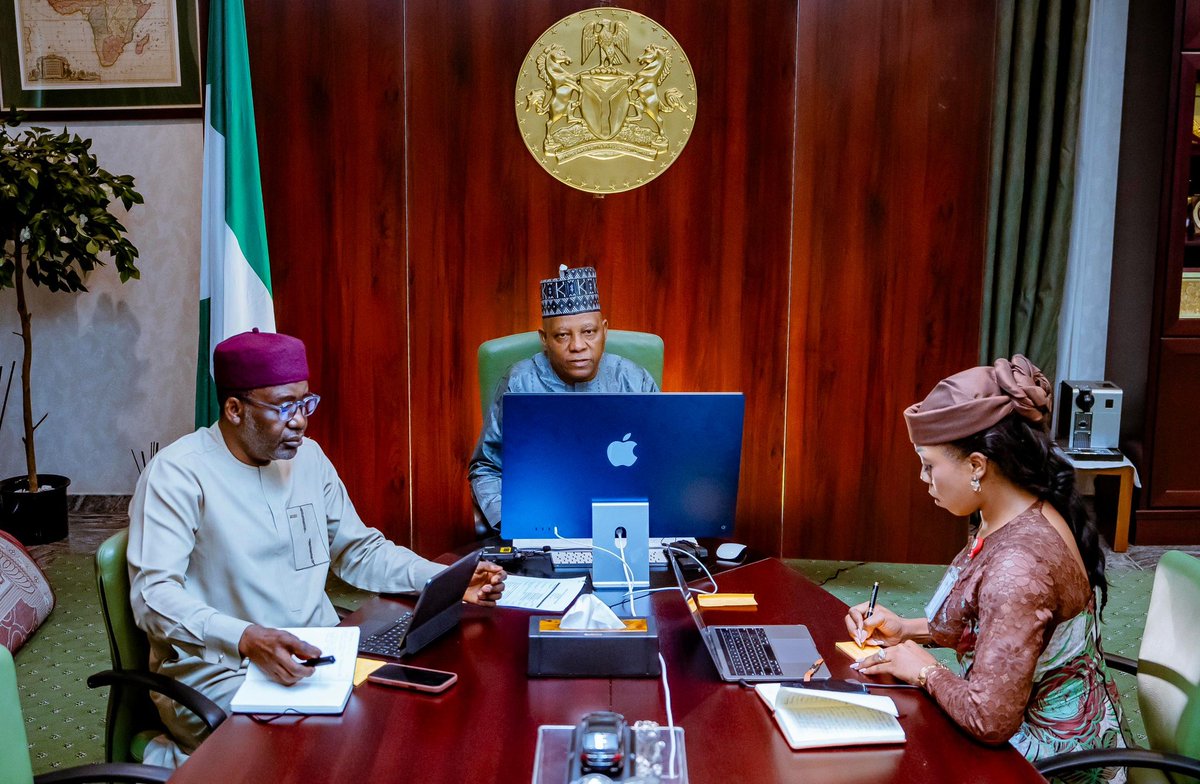
Nigeria’s renewed push to tackle malnutrition gained momentum as Vice President Kashim Shettima @officialSKSM chaired a virtual meeting of the National Council on Nutrition (NCN) and approved the establishment of a Nutrition Financing Subcommittee to design a sustainable funding structure for nutrition interventions across the country.
PBAT SIGNAL tweet mediaPBAT SIGNAL tweet mediaPBAT SIGNAL tweet mediaPBAT SIGNAL tweet media
English
2
7
7
207
SofolaY retweetledi
PBAT SIGNAL
PBAT SIGNAL@PBATSignal27·
The Vice President, Senator Kashim Shettima @officialSKSM, has called for ring-fencing nutrition financing in order to bridge the gap between promises made and lives changed, stating that the National Nutrition Bill should be pursued with urgency.
English
0
5
6
111
SofolaY retweetledi
PBAT SIGNAL
PBAT SIGNAL@PBATSignal27·
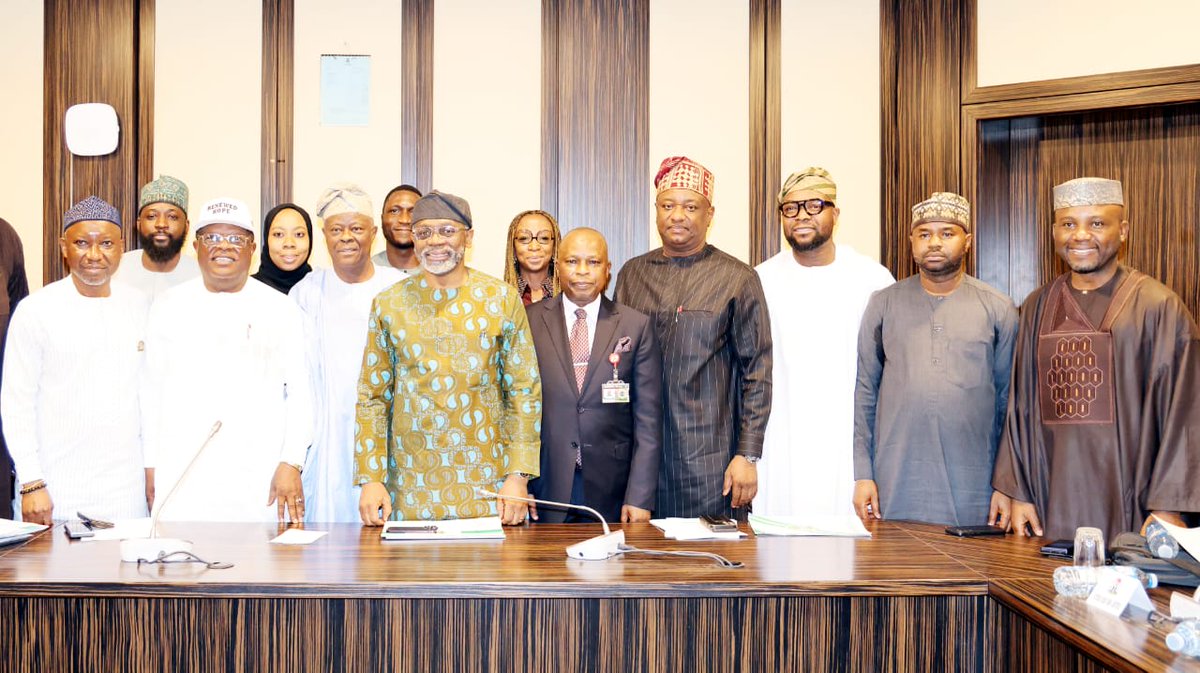
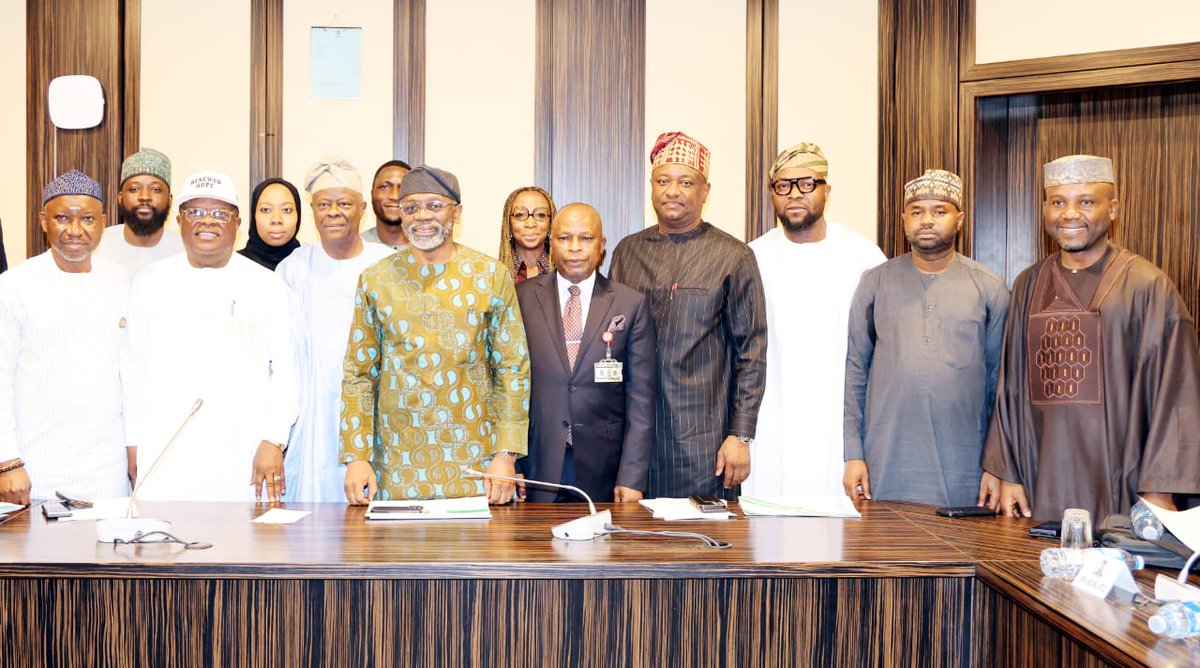
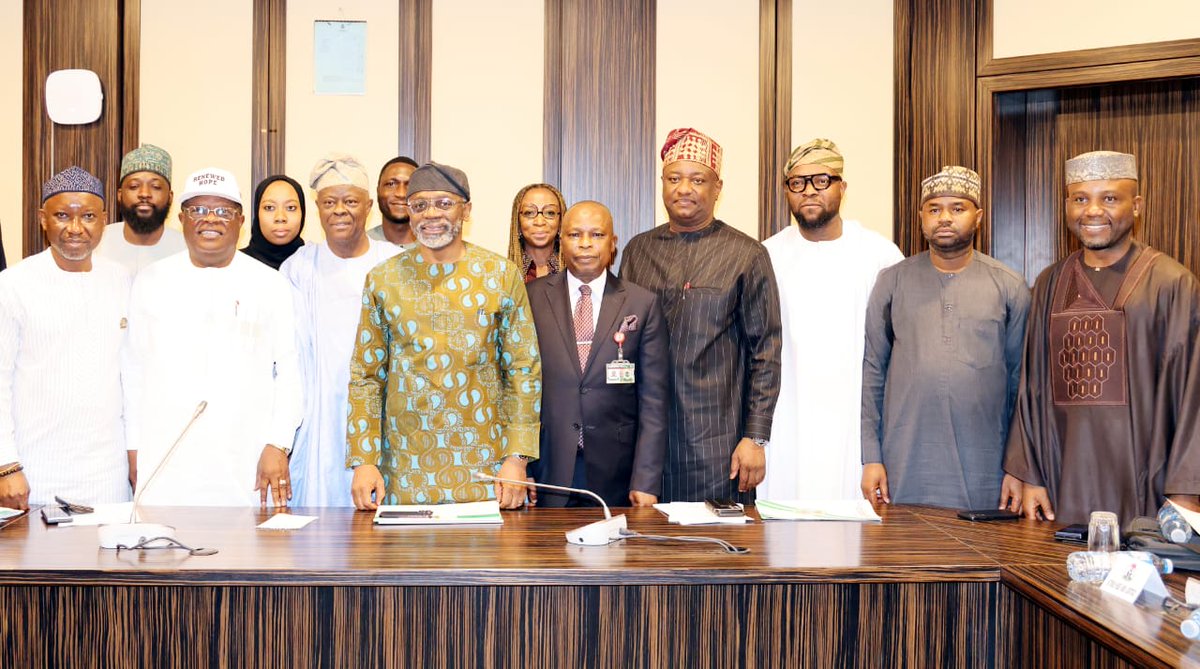
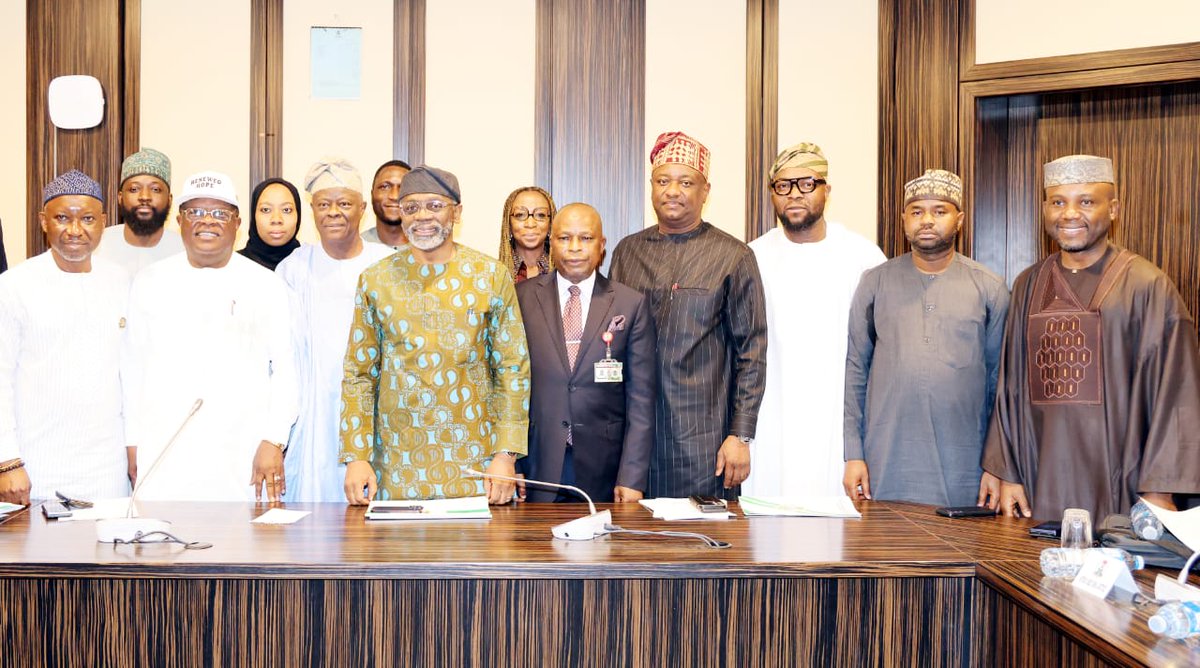
Minister of State for Gas Resources, Ekperikpe Ekpo; Minister of Works, David Nweze Umahi; Minister of Finance and Coordinating Minister of Economy, Olawale Edun; Chief of Staff to the President, Femi Gbajabiamila; Minister of Justice and Attorney General of the Federation, Lateef Fagbemi; Minister of Aviation, Festus Keyamo; Minister of Communication, Olatunbosun Tijani; Executive Chairman, Nigeria Revenue Service (NRS), Zacch Adedeji; Minister of Innovation, Science, and Technology, Kingsley Tochukwu Udeh; and others during the inauguration of the cabinet committee to review and align existing laws and regulations on the establishment and incorporation of the Grid Asset Management Company Limited (GAMCO) held at the Presidential Villa, Abuja.
PBAT SIGNAL tweet mediaPBAT SIGNAL tweet mediaPBAT SIGNAL tweet media
English
0
5
6
322
SofolaY retweetledi
PBAT SIGNAL
PBAT SIGNAL@PBATSignal27·
Tinubu Moves to Stabilise Nigeria’s Power Grid with Creation of GAMCO President Bola Ahmed Tinubu has taken a major step toward reforming Nigeria’s electricity sector by constituting an 11-member committee to facilitate the smooth incorporation of the Grid Asset Management Company Limited (GAMCO). The initiative, approved by the Federal Executive Council, forms part of the administration’s broader programme to tackle long-standing inefficiencies in power transmission and grid management that have contributed to stranded electricity and recurring grid instability across the country. The committee was inaugurated on behalf of the President by the Chief of Staff, Femi Gbajabiamila, who described the move as a strategic intervention aimed at modernising Nigeria’s power infrastructure. According to him, GAMCO represents one of the most transformative initiatives of the current administration in the power sector, designed to optimise the management of transmission assets and strengthen the reliability of the national grid. At the heart of the programme is the Tinubu administration’s determination to resolve structural bottlenecks within the electricity value chain. By establishing GAMCO, the government intends to introduce a more professional and efficient framework for managing grid assets, ensuring that generated electricity can be transmitted effectively across the country without the persistent technical losses and operational challenges that have hindered the sector for decades. As part of its mandate, the committee will undertake a comprehensive review of existing laws, policies, and institutional arrangements governing electricity generation, transmission, distribution, and market operations. Particular attention will be given to the implications of the Electricity Reform Laws (2025) and ongoing sector unbundling, to identify overlaps, conflicts, or inconsistencies that could affect the successful implementation of the GAMCO framework. The creation of GAMCO underscores President Tinubu’s commitment to delivering a more reliable and efficient power sector that can support Nigeria’s economic growth. Finally, by strengthening the transmission backbone of the electricity industry and aligning regulatory structures with modern market realities, the administration aims to unlock stranded generation capacity, improve power delivery to homes and businesses, and lay the foundation for long-term energy security.
PBAT SIGNAL tweet mediaPBAT SIGNAL tweet media
English
0
7
20
329
SofolaY retweetledi
PBAT SIGNAL
PBAT SIGNAL@PBATSignal27·
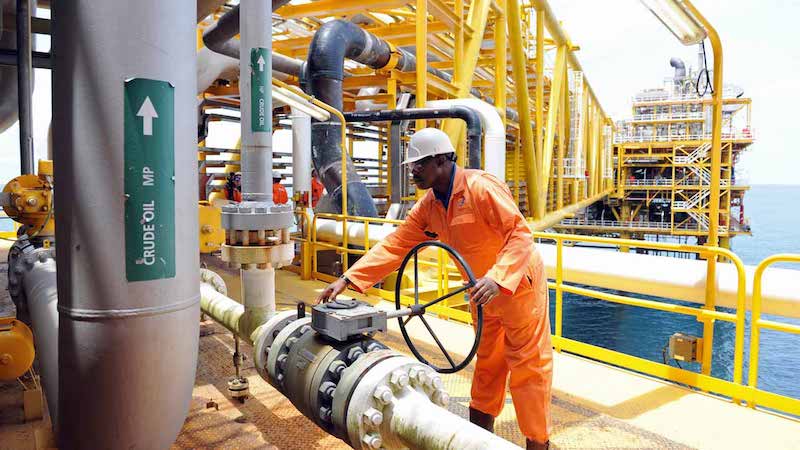
Nigeria’s Oil and Gas Renaissance: Tinubu’s Reforms Are Repositioning the Nation’s Energy Powerhouse Nigeria’s oil and gas industry remains the backbone of the nation’s economy, and under President Bola Ahmed Tinubu, the sector is undergoing strategic reforms aimed at restoring production, boosting investment, and unlocking the country’s enormous energy potential. For decades, the industry has contributed the largest share of export earnings and government revenue. Today, renewed policy focus and regulatory reforms are positioning Nigeria to reclaim its standing as Africa’s leading energy giant while transitioning into a gas-powered industrial economy. Nigeria possesses one of the largest hydrocarbon reserves in the world. Current data from the Nigerian Upstream Petroleum Regulatory Commission shows that the country holds about 37.28 billion barrels of crude oil reserves and 210.54 trillion cubic feet (TCF) of natural gas, the largest gas reserves in Africa and among the top ten globally. These reserves give Nigeria a strategic advantage as global energy markets increasingly recognise natural gas as a transition fuel for cleaner energy. Production levels, which fell drastically in recent years due to oil theft and pipeline vandalism, are gradually recovering. Nigeria currently produces roughly 1.7 to 1.75 million barrels of crude oil per day, alongside about 7 billion standard cubic feet of gas daily. Security interventions and technological monitoring systems have helped reduce oil theft significantly, which previously cost the country massive revenue losses. The Tinubu administration has also set ambitious targets to expand output and attract fresh investments. Through initiatives such as Project 1 Million Barrels Per Day Incremental Production, Nigeria aims to increase production by an additional one million barrels per day and potentially reach around 2.5 million barrels per day by 2026 if ongoing field developments and deep offshore projects mature as planned. This expansion is expected to strengthen national revenue, stabilise foreign exchange inflows, and enhance Nigeria’s position within global energy markets. Beyond crude oil, the administration is emphasising the country’s vast natural gas potential as a pillar for economic diversification. With more than 210 trillion cubic feet of gas reserves, Nigeria is increasingly positioning itself as a “gas nation,” focusing on domestic utilisation, power generation, petrochemicals, and export opportunities. Gas development projects and pipeline infrastructure are expected to drive industrial growth, reduce energy poverty, and support cleaner energy solutions across the country. Another transformative development within the sector is the gradual expansion of refining capacity. Nigeria historically exported crude while importing refined petroleum products, but large-scale refining infrastructure, most notably the massive Dangote refinery complex, has begun to change that dynamic. Increased local refining is expected to reduce fuel imports, conserve foreign exchange, and strengthen Nigeria’s downstream energy ecosystem. Industry analysts also project moderate growth in Nigeria’s oil output over the next few years. Forecasts suggest that total liquid hydrocarbon production could average around 1.73 million barrels per day by 2026, supported by infrastructure improvements, investment in smaller oil fields, and new development projects. These developments signal cautious optimism for a sector that has faced years of operational and regulatory challenges. Nigeria’soil and gas industry stands at a critical turning point. With strong reserves, renewed investor confidence, and policy reforms under President Tinubu’s economic agenda, the sector is poised to play a decisive role in national development.
PBAT SIGNAL tweet mediaPBAT SIGNAL tweet media
English
3
21
33
1.1K
SofolaY retweetledi
PBAT SIGNAL
PBAT SIGNAL@PBATSignal27·
PBAT's Economic Planning is Repositioning Nigeria for Sustainable Growth Nigeria’s economic direction is undergoing a strategic reset under the leadership of Bola Ahmed Tinubu. Confronted with years of structural challenges, fiscal leakages, and overdependence on consumption-driven spending, the administration has embraced bold economic planning aimed at building a productive and resilient economy. At the heart of this transformation is a commitment to reposition Nigeria from a consumption-heavy system to one that prioritises production, investment, and long-term prosperity. One of the defining pillars of the administration’s economic strategy is the shift toward a production-driven economy. By encouraging investment in key sectors such as agriculture, manufacturing, and energy, the government seeks to expand domestic capacity and reduce the nation’s reliance on imports. This approach not only supports job creation but also strengthens Nigeria’s ability to compete in regional and global markets. The reforms are gradually laying the foundation for a more balanced economy where productivity drives growth. Another critical element of the administration’s economic planning is the implementation of bold structural reforms aimed at stabilising public finances and restoring economic discipline. Difficult but necessary policy decisions, including subsidy reforms and exchange rate adjustments, reflect a broader commitment to correcting long-standing economic distortions. These reforms are part of a long-term strategy to ensure that Nigeria’s fiscal resources are directed toward development priorities such as infrastructure, social investment, and economic diversification. Equally significant is the government’s determination to rebuild investor confidence in Nigeria’s economic environment. Through improved regulatory clarity, enhanced fiscal transparency, and renewed engagement with global financial institutions, the administration is sending a clear signal that Nigeria is open for business. By strengthening the investment climate, the government aims to attract both domestic and foreign capital that will stimulate innovation, expand industries, and accelerate economic growth. Infrastructure development, particularly in the power and energy sectors, remains central to the administration’s economic blueprint. Reliable electricity, improved grid management, and expanded energy investments are crucial to unlocking industrial productivity and supporting small and medium-sized enterprises across the country. By prioritising infrastructure planning, the government is addressing one of the most persistent barriers to Nigeria’s economic development while laying the groundwork for sustained industrial expansion. The administration’s focus on fiscal discipline and revenue expansion reflects a deliberate effort to secure Nigeria’s economic future. Strengthening revenue collection systems, reducing waste, and ensuring prudent management of public funds are key steps toward building a sustainable financial base for national development. This strategy ensures that government spending is better aligned with economic priorities that directly impact citizens’ livelihoods. Taken together, these economic planning initiatives demonstrate a clear vision for Nigeria’s future. Through bold reforms, strategic investments, and disciplined fiscal management, the administration of Bola Ahmed Tinubu is setting the stage for a stronger and more competitive economy. While the journey of reform requires patience and resilience, the long-term goal remains clear: a prosperous Nigeria driven by productivity, innovation, and sustainable growth.
PBAT SIGNAL tweet media
English
0
9
10
153
SofolaY retweetledi
PBAT SIGNAL
PBAT SIGNAL@PBATSignal27·
Tinubu Orders Rapid Deployment of 100,000 CNG Conversion Kits Nationwide Following a meeting with President Bola Ahmed Tinubu at the Presidential Villa, the Executive Chairman of the Presidential Initiative on Compressed Natural Gas (Pi-CNG), Ismaeel Ahmed, provided insights into the Federal Government’s renewed push to expand access to Compressed Natural Gas (CNG) and electric mobility solutions across Nigeria. According to Ahmed, the meeting was part of the President’s routine engagement to assess ongoing developments within the energy sector, particularly in light of global geopolitical tensions such as the ongoing conflicts in the Middle East that have contributed to rising petrol and diesel prices. President Tinubu sought an update on the progress of the Pi-CNG initiative and the steps being taken to scale up the availability of CNG and electric vehicle (EV) infrastructure nationwide in order to reduce transportation costs for Nigerians. As part of the outcomes of the meeting, President Tinubu issued a directive for the immediate deployment of approximately 100,000 CNG conversion kits across the country. The initiative, which is being implemented in collaboration with multiple stakeholders, aims to rapidly increase the number of vehicles and tricycles converted to run on gas, thereby providing a more affordable and sustainable alternative fuel option for transportation. The President also instructed the Pi-CNG team to accelerate the development of critical infrastructure, including gas distribution networks, CNG refueling stations, and electric mobility charging stations across Nigeria. Particular emphasis was placed on expanding infrastructure within the Northern Corridor, ensuring that residents in those regions can benefit from accessible and cost-effective alternative energy solutions. Ahmed further disclosed that approximately 100,000 conversion kits will be deployed within the next two to three weeks, with conversion centres expected to experience a surge in activity nationwide. In addition to vehicle conversions, the initiative is also advancing proposals to deploy bi-fuel CNG vehicles and electric tricycles, supporting a broader transition toward cleaner and more affordable transportation systems. Infrastructure development is also progressing steadily. Currently, about 77 refueling stations are in various stages of development across the country. In Kano State, two Liquefied Compressed Natural Gas (LCNG) stations are operational, while an additional five to six daughter stations are under development to support distribution in surrounding areas. Plans are also underway to establish refueling infrastructure along key transport corridors stretching from Lokoja to Abuja, Kaduna, Zaria, Kano, and Maiduguri, creating a continuous network of CNG access points for motorists and commercial transport operators. President Tinubu has emphasized the urgency of delivering tangible results within a short timeframe to ensure Nigerians can quickly benefit from the affordability and efficiency of CNG and electric mobility solutions. In addition to infrastructure expansion, the initiative is actively pursuing partnerships with both local and international vehicle manufacturers to establish assembly lines for CNG and electric vehicles in Nigeria. This approach is expected to enhance local production capacity while generating employment opportunities and improving vehicle availability. The Pi-CNG initiative is also collaborating with the Rural Electrification Agency (REA) to integrate solar-powered charging solutions for electric vehicles, particularly in off-grid communities. This partnership will support the development of sustainable charging infrastructure that can function independently of the national power grid. Ahmed concluded that the Federal Government remains committed to creating an enabling environment for alternative energy adoption, noting that Nigerians are increasingly importing electric vehicles.
English
0
2
2
66
SofolaY retweetledi
PBAT SIGNAL
PBAT SIGNAL@PBATSignal27·
Renewed Hope from the Sea Nigeria’s maritime sector is emerging as a powerful pillar of national development under the leadership of President Bola Ahmed Tinubu. Through the Renewed Hope Agenda, the administration has placed strategic focus on the country’s vast ocean and coastal resources, recognising the blue economy as a critical pathway to economic diversification, job creation, and sustainable growth. With over 850 kilometres of coastline and a strategic position along major global shipping routes, Nigeria’s waters hold immense untapped economic potential. One of the boldest steps taken by the administration is the establishment of the Federal Ministry of Marine and Blue Economy. This move signals a clear commitment to unlocking the value of Nigeria’s maritime assets from fisheries and aquaculture to shipping, port logistics, and marine tourism. By establishing a dedicated institutional framework, the government aims to ensure that the nation’s oceans become engines of prosperity rather than underutilised natural resources. Under the Tinubu administration, reforms are also targeting modernisation across Nigeria’s maritime infrastructure. Investments in ports, shipping operations, and coastal development are designed to make the country a competitive maritime hub in West Africa. Efficient ports, improved logistics, and stronger maritime regulation will not only boost trade but also attract foreign investment into Nigeria’s growing blue economy ecosystem. The Renewed Hope vision also recognises the immense employment potential within the sector. From fishing communities and shipbuilding to marine transportation and coastal tourism, the blue economy offers opportunities for millions of Nigerians, particularly young people. By strengthening value chains in fisheries and aquaculture, the administration is also positioning the sector to support food security while reducing Nigeria’s heavy reliance on imported fish. The blue economy agenda reflects a broader determination by President Tinubu to redefine Nigeria’s economic future. However, by harnessing the power of the ocean and aligning it with the Renewed Hope Agenda, the administration is laying the foundation for a more diversified, resilient, and prosperous economy, one where Nigeria’s maritime wealth becomes a cornerstone of national progress.
PBAT SIGNAL tweet mediaPBAT SIGNAL tweet media
English
0
5
4
97