Spatially Health
1K posts

Spatially Health
@SpatiallyHealth
A geospatial analytics platform that partners with #healthcare organizations to identify and address #healthequity barriers.

Miami, FL Katılım Nisan 2016
687 Takip Edilen831 Takipçiler

While Memorial Day may be the unofficial start of summer, it’s also a day of remembrance.
We’re forever grateful to our military members and their families for their sacrifice and service.
#MemorialDay.

English

🧠 𝗠𝗮𝘆 𝗶𝘀 𝗠𝗲𝗻𝘁𝗮𝗹 𝗛𝗲𝗮𝗹𝘁𝗵 𝗔𝘄𝗮𝗿𝗲𝗻𝗲𝘀𝘀 𝗠𝗼𝗻𝘁𝗵, and it's time to discuss the silent struggle behind chronic illness.
Chronic diseases like diabetes and heart disease affect 𝟲 𝗶𝗻 𝟭𝟬 𝗮𝗱𝘂𝗹𝘁𝘀 in the U.S. But what’s often overlooked? The emotional toll they take.
💡 Up to 𝗼𝗻𝗲-𝘁𝗵𝗶𝗿𝗱 of individuals diagnosed with a serious medical condition experience symptoms of depression.
💬 How is your organization prioritizing the mental health of your patients?
🔗 hubs.la/Q03mvZl-0
#ThinkSpatially #MentalHealthAwarenessMonth #ChronicDisease #ValueBasedCare #PopulationHealth

English

Caseloads are growing. Staffing is stretched. And patient needs? More complex than ever.
When care managers are overwhelmed, critical #SDOH can fall through the cracks, leading to poorer outcomes and rising costs.
The solution? Smarter tools that 𝘢𝘮𝘱𝘭𝘪𝘧𝘺 the impact of every care manager.
Let’s stop asking care teams to do more with less—and instead equip them to do more with the right tools.
📖 Explore the blog to learn how technology can ease caseload pressure and improve outcomes → hubs.la/Q03mgTNc0
#ThinkSpatially #ValueBasedCare #PopulationHealth #HealthTech
English

🚨 𝗩𝗮𝗹𝘂𝗲-𝗕𝗮𝘀𝗲𝗱 𝗖𝗮𝗿𝗲'𝘀 𝗡𝗲𝘅𝘁 𝗖𝗵𝗮𝗽𝘁𝗲𝗿 𝗛𝗮𝘀 𝗕𝗲𝗴𝘂𝗻...
With a new administration and cost control top of mind, value-based care organizations need to move forward smarter.
Successful organizations are already adjusting. They're aligning care coordination with financial outcomes, investing in tech that drives efficiency, and embedding social care into everyday workflows.
👉 hubs.ly/Q03lGCZ-0
#ThinkSpatially #valuebasedcare #SDOH #healthcareinnovation
English

🚨 Is your organization ready for what’s next in value-based care?
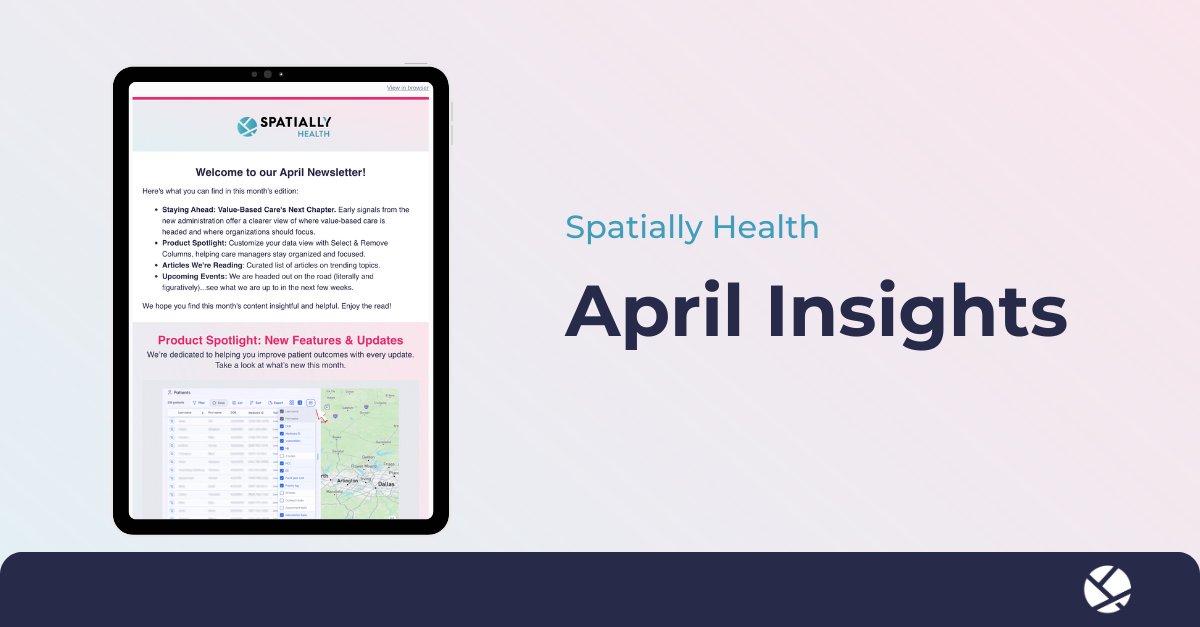
The April edition of our newsletter breaks down how the new administration is reshaping value-based care priorities — and what it means for your team.
You’ll also get a look at our newest update, designed to help care teams cut through the noise and stay focused on what matters most — helping more patients.
📬📬 Catch all the insights, tools, and updates in this month’s newsletter:
👉 hubs.la/Q03kxN1W0
#ThinkSpatially #valuebasedcare #SDOH #CareManagement #PopulationHealth #HealthcareInnovation

English

🏥 Emergency departments are often the first point of contact for individuals facing health crises, yet many lack the tools to assess and address underlying social determinants of health (#SDOH).
A recent survey reveals that 𝗳𝗲𝘄𝗲𝗿 𝘁𝗵𝗮𝗻 𝗼𝗻𝗲-𝘁𝗵𝗶𝗿𝗱 𝗼𝗳 𝗨.𝗦. 𝗘𝗗𝘀 screen for adverse SDOH, and even fewer have protocols to respond to identified needs.
When critical social needs like housing instability, food insecurity, or lack of transportation go unaddressed, it increases the likelihood of repeat ED visits, poorer outcomes, and rising costs.
At Spatially Health, we help healthcare organizations take a proactive, data-driven approach to these challenges. By identifying patients’ social risks before they reach the ED—like food insecurity, lack of transportation, or housing instability—we empower care teams to intervene earlier, connect patients with the right social care service, and ultimately reduce avoidable ER visits.
Read the full article ➡️ hubs.ly/Q03ksMdF0
Learn more about Spatially Health ➡️ hubs.ly/Q03ksT9W0
#ThinkSpatially #valuebasedcare #healthcareinnovation
English

🚀 𝗗𝗮𝘁𝗮 𝗶𝘀 𝗽𝗼𝘄𝗲𝗿𝗳𝘂𝗹, 𝗯𝘂𝘁 𝗮𝗰𝘁𝗶𝗼𝗻𝗮𝗯𝗹𝗲 𝗱𝗮𝘁𝗮 𝗶𝘀 𝘁𝗿𝗮𝗻𝘀𝗳𝗼𝗿𝗺𝗮𝘁𝗶𝗼𝗻𝗮𝗹.
Every patient has unique health risks, barriers, and needs. Yet, care plans too often rely on generic approaches.
That’s why more ACOs are turning to tools like the Spatially Health Platform to illuminate what matters most and take targeted action.
A care team recently shared how our platform has reshaped their approach to care management:
“𝘉𝘺 𝘱𝘳𝘪𝘰𝘳𝘪𝘵𝘪𝘻𝘪𝘯𝘨 𝘢𝘤𝘵𝘪𝘰𝘯𝘴 𝘸𝘪𝘵𝘩 𝘵𝘩𝘦 𝘩𝘪𝘨𝘩𝘦𝘴𝘵 𝘱𝘰𝘵𝘦𝘯𝘵𝘪𝘢𝘭 𝘪𝘮𝘱𝘢𝘤𝘵, 𝘸𝘦’𝘷𝘦 𝘣𝘦𝘦𝘯 𝘢𝘣𝘭𝘦 𝘵𝘰 𝘧𝘰𝘤𝘶𝘴 𝘰𝘯 𝘸𝘩𝘢𝘵 𝘸𝘪𝘭𝘭 𝘣𝘦 𝘮𝘰𝘴𝘵 𝘣𝘦𝘯𝘦𝘧𝘪𝘤𝘪𝘢𝘭 𝘧𝘰𝘳 𝘦𝘢𝘤𝘩 𝘱𝘢𝘵𝘪𝘦𝘯𝘵, 𝘥𝘳𝘪𝘷𝘪𝘯𝘨 𝘣𝘦𝘵𝘵𝘦𝘳 𝘰𝘶𝘵𝘤𝘰𝘮𝘦𝘴 𝘢𝘯𝘥 𝘮𝘰𝘳𝘦 𝘱𝘦𝘳𝘴𝘰𝘯𝘢𝘭𝘪𝘻𝘦𝘥 𝘤𝘢𝘳𝘦.”
In an era when care teams are stretched thin, 𝗱𝗮𝘁𝗮 𝗺𝘂𝘀𝘁 𝗱𝗼 𝗺𝗼𝗿𝗲 𝘁𝗵𝗮𝗻 𝗶𝗻𝗳𝗼𝗿𝗺—𝗶𝘁 𝗺𝘂𝘀𝘁 𝗲𝗺𝗽𝗼𝘄𝗲𝗿. And it starts by giving care teams the tools to prioritize the right patients, with the right interventions, at the right time.
➡️ hubs.la/Q03jx4Wr0
#ThinkSpatially #SDOH #valuebasedcare #carecoordination #healthcareinnovation

English

𝗛𝗼𝘄 𝗮𝗿𝗲 𝘆𝗼𝘂 𝗮𝗱𝗱𝗿𝗲𝘀𝘀𝗶𝗻𝗴 𝗺𝗲𝗻𝘁𝗮𝗹 𝗵𝗲𝗮𝗹𝘁𝗵 𝗶𝗻 𝘆𝗼𝘂𝗿 𝗰𝗵𝗿𝗼𝗻𝗶𝗰 𝗱𝗶𝘀𝗲𝗮𝘀𝗲 𝘀𝘁𝗿𝗮𝘁𝗲𝗴𝘆?
If it’s not part of the plan, it might be part of the problem.
Mental health challenges like depression, anxiety, and chronic stress aren’t side effects — they’re core drivers of poor outcomes in patients with chronic conditions.
Yet too often, they’re treated as an afterthought.
🧠 Patients struggling mentally are less likely to follow care plans.
📉 This leads to avoidable ER visits, hospitalizations, and higher costs.
As we move deeper into value-based care, one thing becomes clear:
𝗬𝗼𝘂 𝗰𝗮𝗻’𝘁 𝗼𝗽𝘁𝗶𝗺𝗶𝘇𝗲 𝗼𝘂𝘁𝗰𝗼𝗺𝗲𝘀 𝗶𝗳 𝘆𝗼𝘂 𝗶𝗴𝗻𝗼𝗿𝗲 𝘄𝗵𝗮𝘁’𝘀 𝗱𝗿𝗶𝘃𝗶𝗻𝗴 𝗽𝗮𝘁𝗶𝗲𝗻𝘁 𝗯𝗲𝗵𝗮𝘃𝗶𝗼𝗿.
📖 Read more:
🔗 hubs.la/Q03h_vgf0
#ThinkSpatially #ValueBasedCare #SDOH #MentalHealth #ChronicDisease
English

Unmet social needs are one of the biggest barriers to patient engagement.
Lack of transportation. Food insecurity. Social isolation.
When patients face these challenges, it’s harder to manage chronic conditions, show up to appointments, or even prioritize care.
To improve patient engagement, we need to start upstream—at the social needs level.
Here are 7 proven ways to address those needs, from embedding screenings into clinical workflows to building a scalable network of social care partners to empowering patients to advocate for themselves.
Read the full blog ➡️ hubs.la/Q03hQgXl0
#ThinkSpatially #ValueBasedCare #SDOH #HealthcareInnovation #PatientEngagment
English

Despite knowing how critical Social Determinants of Health (SDOH) are to patient outcomes, most healthcare orgs still struggle to 𝗰𝗼𝗹𝗹𝗲𝗰𝘁 𝗮𝗻𝗱 𝗮𝗰𝘁 𝗼𝗻 𝘁𝗵𝗶𝘀 𝗱𝗮𝘁𝗮 𝗲𝗳𝗳𝗲𝗰𝘁𝗶𝘃𝗲𝗹𝘆.
Why?
⏱️ Time constraints during patient visits
🧩 Inconsistent screening workflows
😟 Patient discomfort or lack of trust
📉 Gaps in EHR integration
The latest Patient Engagement article breaks it down: the path to better outcomes starts with better data collection practices.
👉 At Spatially Health, we’re closing these gaps by making SDOH data actionable, personalized, and targeted—giving care teams the clarity to act, not just collect.
If we want to drive down avoidable costs and improve patient outcomes, it’s time to rethink how we approach SDOH
hubs.la/Q03gg4Mn0
English

Too often, there’s a disconnect between what care teams are working on and what leadership is measuring.
Care managers are stretched thin, trying to meet patient needs.
Leadership is staring down performance targets and asking, “Where’s the ROI?”
But here’s the thing: it’s not a misalignment of values—it’s a lack of clarity and coordination.
Spatially Health bridges that gap.
We help care teams prioritize the patients who need the most support—and surface exactly what’s standing in their way.
Food insecurity. Transportation. Housing. Whatever the barrier, it’s clear and actionable.
At the same time, leaders get visibility into how each intervention moves the needle—on engagement, utilization, and shared savings.
✅ The result? Everyone is rowing in the same direction.
✅ Care becomes more focused, efficient, and measurable.
✅ And patients get connected to the right services—faster.
When social care becomes part of your core strategy, the “either/or” tradeoff between doing good and doing well disappears.
That’s the future we’re building toward at Spatially Health.
#ThinkSpatially #valuebasedcare #SDOH #healthcareinnovation
English

What if social care wasn’t just a checkbox…
…but a strategic advantage?
When value-based care organizations use social risk insights to drive care, they unlock more than better patient outcomes:
✔️ More trust from patients
✔️ Higher engagement
✔️ Better use of resources
One ACO using Spatially Health is seeing this play out in real time—leveraging small, intentional actions to make a big impact.
By integrating social care into everyday workflows, they’re not just reacting—they’re staying ahead.
Because with the right tools, 𝘀𝗼𝗰𝗶𝗮𝗹 𝗰𝗮𝗿𝗲 𝘀𝘁𝗼𝗽𝘀 𝗯𝗲𝗶𝗻𝗴 𝗿𝗲𝗮𝗰𝘁𝗶𝘃𝗲—𝗮𝗻𝗱 𝘀𝘁𝗮𝗿𝘁𝘀 𝗱𝗿𝗶𝘃𝗶𝗻𝗴 𝗿𝗲𝘀𝘂𝗹𝘁𝘀.
🔗 Full story → hubs.la/Q03ftB4w0
English

What if your risk model is missing a huge piece of the puzzle?
Health-related social needs can be the tipping point for many high-risk patients—but they rarely show up in clinical data alone.
Our latest blog breaks down why #SDOH must be part of the risk stratification conversation—and how it leads to better patient outcomes and smarter resource allocation.
📖 Dive in here: hubs.la/Q03ftrLB0
#ThinkSpatially #healthcareinnovation #valuebasedcare

English

There’s nothing better than being in a room full of people who care deeply about improving healthcare—and #TXAACOs is bringing them all together.
Attending? Let’s find time to chat!
We’d love to hear what you’re working on, what challenges you're navigating, and share how we’re helping ACOs make #SDOH more actionable (and way more efficient).
Hope to see you there! hubs.la/Q03dVT8C0
#ThinkSpatially #valuebasedcare #healthcareinnovation

English

🤫 The secret to lowering healthcare costs? It starts with social care.
But throwing resources at the problem isn’t enough. A sustainable social care strategy requires:
🔹 Identifying high-risk patients with data-driven insights
🔹 Equipping care teams with the right technology
🔹 Leveraging paid social services to maximize impact
🔹 Tracking and refining efforts for continuous improvement
By making social care a core part of patient engagement, healthcare organizations can improve outcomes 𝘄𝗵𝗶𝗹𝗲 𝗿𝗲𝗱𝘂𝗰𝗶𝗻𝗴 𝗰𝗼𝘀𝘁𝘀..
🔎 Want to learn how to build a stronger strategy? Read in our latest blog: hubs.la/Q03czS140
#ThinkSpatially #SocialCare #HealthEquity #ValueBasedCare #SDOH #HealthcareInnovation

English

💚 March is Social Work Month 💚
This year’s theme, 𝗖𝗼𝗺𝗽𝗮𝘀𝘀𝗶𝗼𝗻+𝗔𝗰𝘁𝗶𝗼𝗻, couldn’t be more fitting. Social workers are the ones showing up—day in and day out—helping people through some of the hardest moments of their lives.
This #SocialWorkMonth, we celebrate the incredible impact social workers have and are proud to support them making healthcare more equitable and accessible. 𝗧𝗵𝗮𝗻𝗸 𝘆𝗼𝘂 𝗳𝗼𝗿 𝗲𝘃𝗲𝗿𝘆𝘁𝗵𝗶𝗻𝗴 𝘆𝗼𝘂 𝗱𝗼. 💙
#ThinkSpatially #CareCoordination #SocialWorkMatters #ValueBasedCare

English

Only 8% of Americans get routine preventive screenings.
That’s not just a scheduling issue—it’s a 𝗺𝗮𝗷𝗼𝗿 𝗴𝗮𝗽 𝗶𝗻 𝗰𝗮𝗿𝗲 that drives up costs and impacts outcomes.
However, preventative care only works when patients can access it. #SDOH barriers—like transportation, food insecurity, and health literacy—keep patients from getting the care they need.
𝗦𝗽𝗮𝘁𝗶𝗮𝗹𝗹𝘆 𝗛𝗲𝗮𝗹𝘁𝗵 helps organizations see the full picture—identifying patient social risks, prioritizing outreach, and ensuring care teams connect patients to the right support before it’s too late.
The result? 𝗛𝗲𝗮𝗹𝘁𝗵𝗶𝗲𝗿 𝗽𝗮𝘁𝗶𝗲𝗻𝘁𝘀, 𝗳𝗲𝘄𝗲𝗿 𝗮𝘃𝗼𝗶𝗱𝗮𝗯𝗹𝗲 𝗘𝗥 𝘃𝗶𝘀𝗶𝘁𝘀, 𝗮𝗻𝗱 𝘀𝘁𝗿𝗼𝗻𝗴𝗲𝗿 𝗳𝗶𝗻𝗮𝗻𝗰𝗶𝗮𝗹 𝗽𝗲𝗿𝗳𝗼𝗿𝗺𝗮𝗻𝗰𝗲.
Learn more -> hubs.la/Q03bLfRZ0
#ThinkSpatially #ValueBasedCare #SDOH #PreventativeCare

English

🔍 What happens when care teams have the 𝙧𝙞𝙜𝙝𝙩 𝙩𝙤𝙤𝙡𝙨 to address social risks?
One ACO using Spatially Health’s platform is seeing firsthand what’s possible when social care is fully integrated into care management. Small, intentional actions—like identifying barriers and connecting patients to the right resources—can have a lasting impact.
🔗 Read the full story to see how they’re making a difference hubs.la/Q03bvW3S0
#ValueBasedCare #SDOH #CareManagement

English

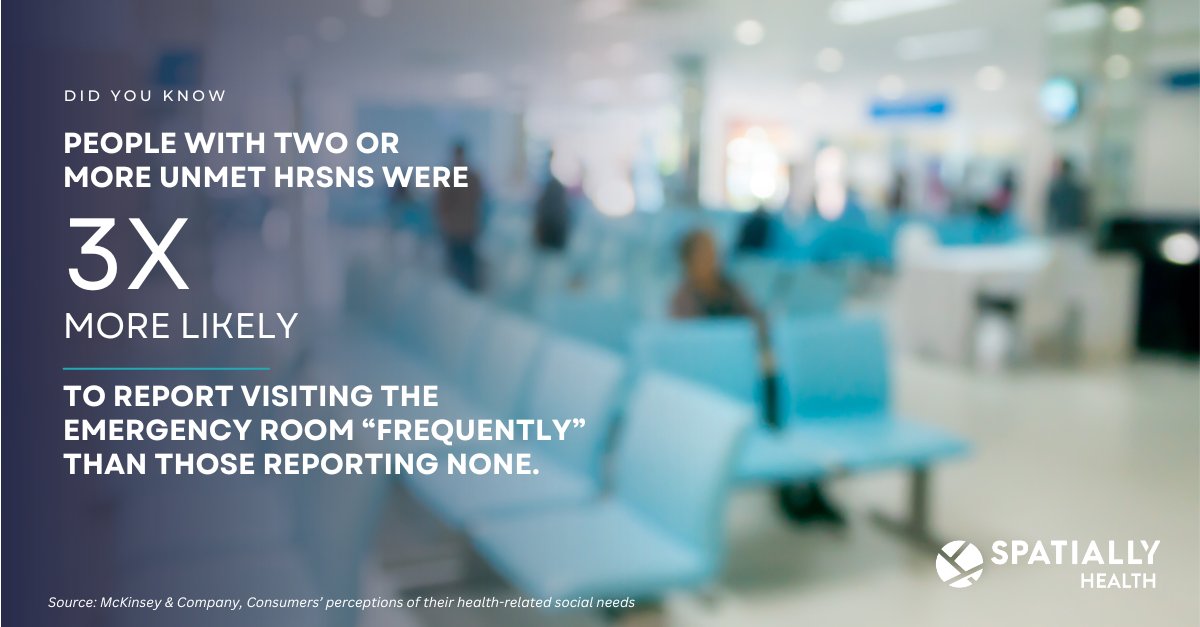
When basic needs like food, transportation, and social support go unmet, it’s not just tough on patients—it also drives up avoidable ER visits and hospital stays. Addressing these issues 𝗯𝗲𝗳𝗼𝗿𝗲 they turn into medical crises is key to improving health outcomes and reducing costs.
At 𝗦𝗽𝗮𝘁𝗶𝗮𝗹𝗹𝘆 𝗛𝗲𝗮𝗹𝘁𝗵, we automate the complexity of identifying high-risk patients and connecting them to the right social care services—helping care teams reduce unnecessary utilization and improve outcomes, all without adding to their workload.
Learn more --> hubs.la/Q039wffs0>

English