@ZeeContrarian1 I share my real-time TRADE alert (entry & exit points) on WhatsApp, free to join! ✅
➡️Copy search input Reply 333 to WhatsApp: +17858102465
Here’s the link : wa.me/17858102465/?t…
English
Z Assistant
46 posts


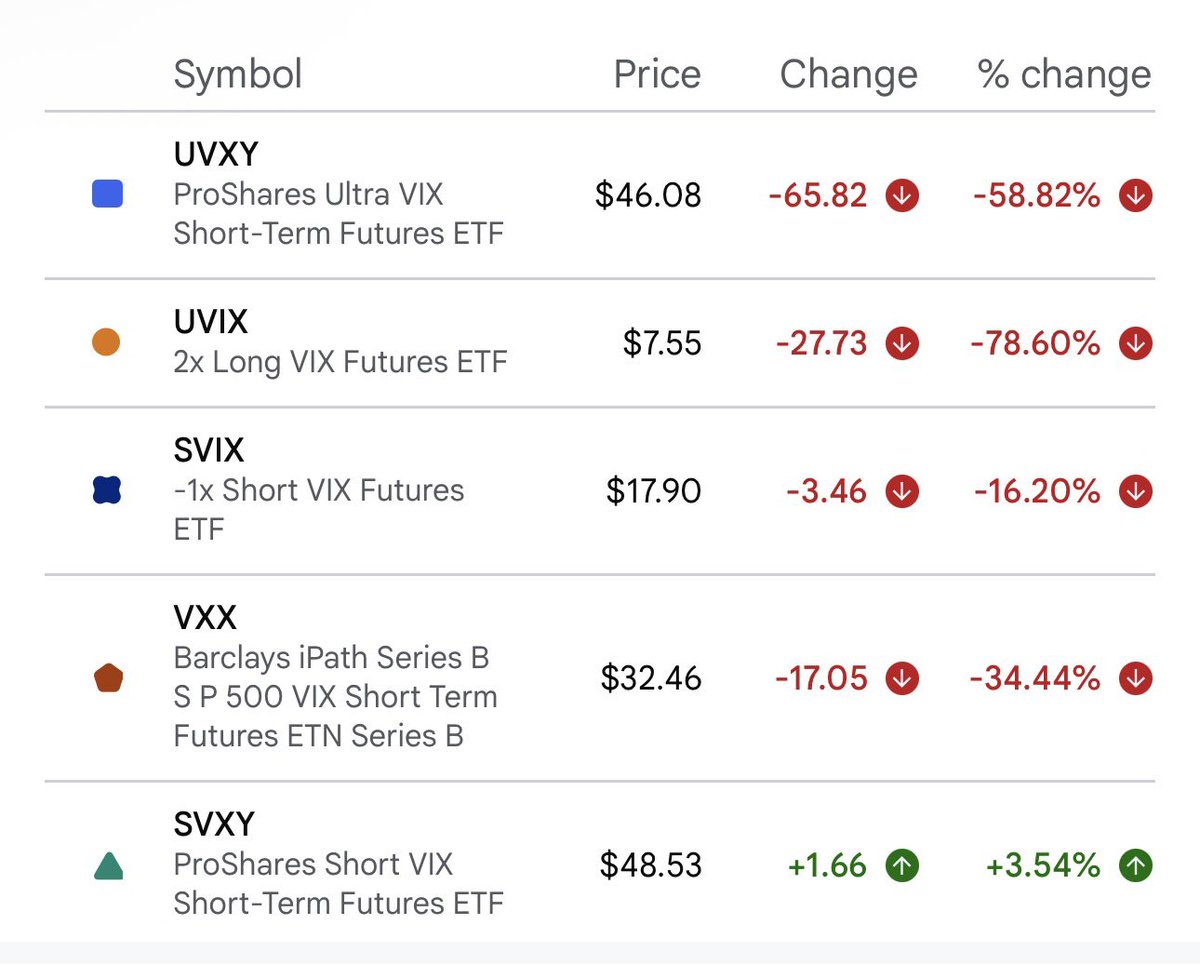
I went over yesterday with a fund on what kind of $UVXY trades to put on today and how to structure them. $590,000 profit two hours later.
New position: $UBER - 5% allocation. Uber Technologies is down roughly 40%, from around $100 to $70. I like Bill Ackman’s thesis here. I don’t have much to add. At $100, I wouldn’t touch it. At $70, I’m comfortable allocating 5% of my portfolio.

How My Options Strategy Works (Using $QQQ as an Example) Let me explain the logic using my most recent February $QQQ option spread, which I put on today, the one that’s currently up about $2,000. This trade was opened for a credit, which means that from the moment I put it on, time works in my favor. If $QQQ goes down, doesn’t move much, or drifts higher slowly, I make money. I only lose money on this position if $QQQ moves up aggressively, but in that case, my January spreads offset the loss with significant gains. The structure is a call ratio spread. The lower strike is much closer to the money and therefore far more likely to matter, while the higher strikes are further out and decay faster. This creates an asymmetric setup where probability and time are on my side. I don’t look at trades in isolation, I layer positions. When I add a new position, it’s usually closer to the current price. If that new position loses money, I’m very likely making money on earlier positions I already have. Instead of taking one-off bets, I’m running a stack of related spreads that naturally hedge each other. I always use stop losses and once a position becomes profitable, I add a trailing take-profit order.