Kurt Wuckert Jr@kurtwuckertjr
1Sat ordinals create direct demand for sats. Every token is a specific sat, locked into a particular history. Settlement is still L1, because consensus decides who controls that UTXO.
JungleBus and ordinal indexers are not a second layer in the typical sense, but rather, they are an overlay engine and an overlay network that lets apps see and organize what the chain already settled without stressing the center of the network.
These were explicit design decisions to get ahead of the curve on containerized compute and scaling with overlays.
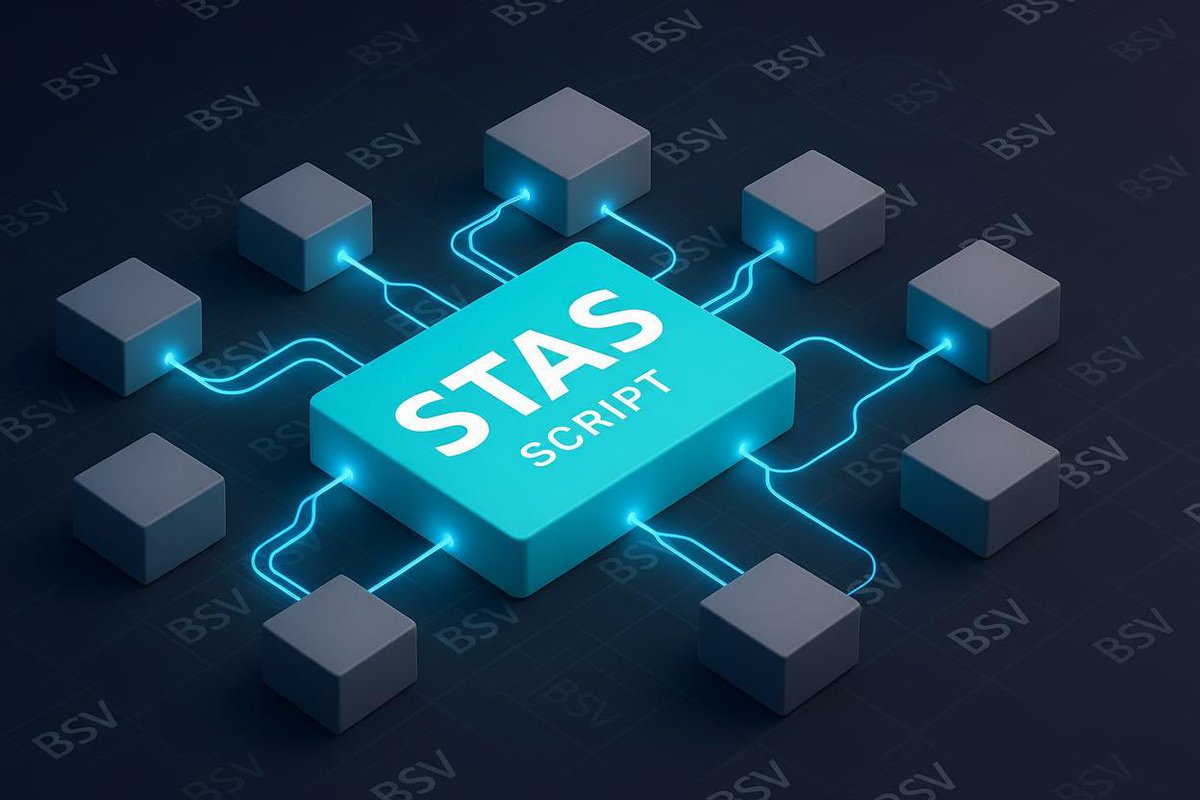
STAS is powerful, but flips the challenges around.
Instead of keeping validation cheap and pushing interpretation to the edges, it pushes a lot of logic into script that every node must execute and every mempool must reason about. That is fine at a certain scale, but at Teranode scale it is a permanent CPU tax on the whole network for every token transfer.
On the compliance side, ordinals are simple. A regulator or OFAC style filter can reason in terms of sat ranges, txids and addresses, and indexers can implement whatever blacklist or whitelist a given jurisdiction demands. STAS contracts are opaque, highly customized scripts, so there is no clean way to make one issuer, one jurisdiction or one subset of tokens compliant without rewriting or replacing the whole contract. In practice that makes STAS harder to scale in volume and much harder to sell to serious, regulated issuers, while ordinal style tokens give you more flexibility, simpler validation and a cleaner path to both scale and compliance.