Annemieke Griffin

9.3K posts

Annemieke Griffin banner
Annemieke Griffin

Annemieke Griffin

@StatuMentis

CEO Statumentis The Peak Performance Agency / Players Performance Manager / BrainGym - “if you wanna fly, you got to give up the shit that weighs you down" -

Dallas, TX Katılım Ekim 2012
367 Takip Edilen4K Takipçiler
Sabitlenmiş Tweet
Annemieke Griffin
Annemieke Griffin@StatuMentis·
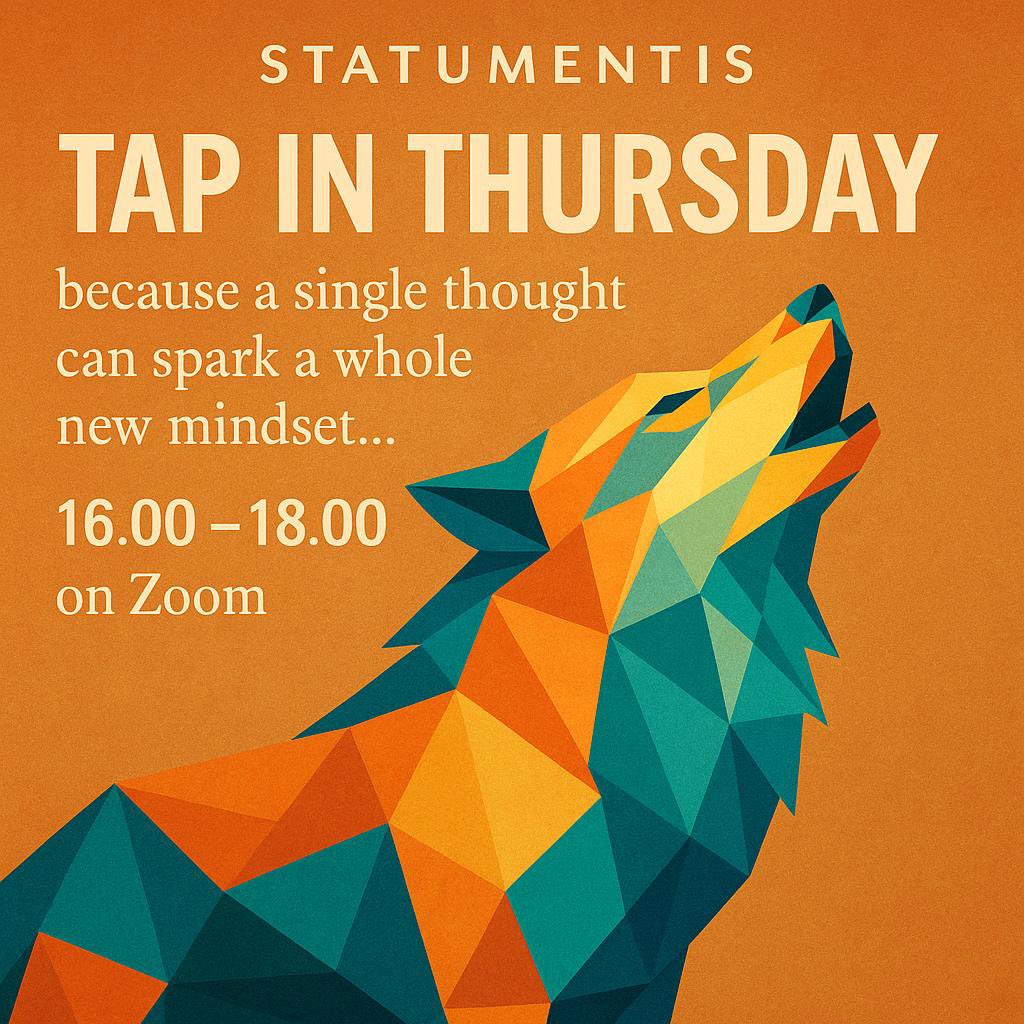
Introducing the Thursday Tap-In at StatuMentis Because performance questions shouldn’t have to wait. Starting now, every Thursday, StatuMentis offers a free walk-in Zoom during Central European office hours. Whether you’re an athlete, coach, trainer, staff member, manager, or parent of a youth athlete—if you’ve got questions about: •Performance •Motivation •Fear of failure •Overthinking •Confidence •Or anything in between… This is your chance to tap in, get input from one of our performance experts, and head back into your day with clarity. No pressure. No strings. Just a chance to ask what’s on your mind and get real guidance. Every Thursday. Your question. Our input. StatuMentis: Tap In. Level Up. Drop a comment, DM, or email to get the Zoom link—or just keep this on your radar for when the moment is right.
Annemieke Griffin tweet media
English
0
0
4
1.2K
Annemieke Griffin
Annemieke Griffin@StatuMentis·
The Rise of “Preparing for the Preparation” And why it’s quietly reshaping the performance world. June used to be the quiet month. A time to exhale. Players rested. I did too. A natural pause before the climb. But this year? It caught me off guard. June became my busiest month. Session after session. Player after player — already pushing, already planning, already trying to be at 100%. Not when the season starts. Now. They weren’t just preparing. They were preparing for the preparation. And it’s not just one player. It’s a trend. A wave. And it hit hard. Of course I understand it. My rational mind gets it. The World Cup is coming. Margins are small. And in elite sport, the message is clear: “If you want to be the best, you’re always on.” “That’s what top players do.” Maybe even — “That’s what makes them more than human.” But the truth is: they’re not. They’re fully human. Same body. Same brain. Same nervous system. And I want them to stay that way. Because if we treat them like machines, We’ll break the very thing that makes them brilliant.   That’s why I pushed my players out of this trend. Not because I hold the ultimate truth — but because I try to take emotion out of the moment, and look at performance through a sustainable lens. With human behavior as my starting point. I had to fight for rest. I send them out not as players, but as people. To laugh. To sleep. To breathe. To charge the system — physically, emotionally, creatively. Because the ones who last, aren’t the ones who are always “on.” They’re the ones who know how to switch off. Because getting somewhere is one. Staying there is two. But continuing to develop — that’s three. And that’s where the real difference is made…
Annemieke Griffin tweet media
English
0
0
1
348
Annemieke Griffin
Annemieke Griffin@StatuMentis·
We’ve become really good at doing. But many of us have forgotten how to simply be. At the end of every football season, I see the same thing. The games stop. The structure fades. But peace doesn’t arrive. What shows up instead is restlessness. Disconnection. A strange kind of emptiness when all the doing stops — and you’re suddenly left with yourself. It’s not that players don’t want to rest. It’s that they’ve forgotten how. Because in elite sport, doing becomes the identity. Train. Perform. Travel. Recover. Repeat. There’s always another session, another goal, another problem to solve. And slowly, being — feeling, reflecting, existing without producing — gets lost. But here’s the truth: It’s not just athletes. I see it in business leaders, parents, creatives, professionals. So many people living in high-demand environments are experiencing the same thing. We’ve all been conditioned to tie our worth to output. To schedules. To goals. To always having a next step. So when there’s finally space to stop, we don’t feel free. We feel untethered. Who am I when I’m not performing? When I’m not needed? When I’m not proving something? These are the questions I see surface when the doing stops — not just in sport, but in life. Sometimes I ask players a simple question: Can you sit for one hour without checking, planning, or improving anything? Most of them can’t. And many outside of sport can’t either. Because when you’ve been rewarded your whole life for being reliable, productive, efficient, focused — stillness doesn’t feel safe. It feels like falling behind. But here’s what I’ve learned: Doing keeps us in motion. Being brings us back into alignment. And the strongest performances — the ones that are sustainable, creative, and alive — never come from output alone. They come from knowing who you are when the noise fades. From being able to hold stillness without disappearing. From reconnecting with the version of you that exists when no one’s watching, tracking, or demanding more. So whether you’re an athlete, a leader, or someone who simply feels the pull to keep going: Ask yourself not just what’s next — but who am I when I stop? Because if we can’t pause, we can’t feel. And if we can’t feel, we can’t lead, create, or perform from truth. Being isn’t soft. It’s the foundation. And reclaiming it might just be your most important move yet.
Annemieke Griffin tweet media
English
0
0
3
451
Annemieke Griffin
Annemieke Griffin@StatuMentis·
More Is Not Always Better. Sometimes, It’s Just More... In pro football, quick is often glorified. Quick results. Quick returns. Quick fixes. Quick growth. If it’s not instant, it’s often seen as falling behind. Playing the longer game has somehow become synonymous with failure, as if patience, process, and sustainability have no place at the top. But I don’t believe in building moments. I believe in building thriving careers. Sustainable, fulfilling, high-performing careers that last — mentally, physically, and emotionally. And that requires a different kind of discipline. Not just the discipline to train harder or stay focused. But the discipline to disconnect. To say no. To rest. To reset. To understand that rest is not weakness — it’s a strategy. Because here’s the truth I see in the lives of the very best: Always being active doesn’t mean you’re focused. Always grinding doesn’t mean you’re improving. Always pushing doesn’t mean you’re strong. Sometimes, the strongest move you can make, is to pause. It takes courage to pull back when the culture screams more. It takes vision to invest in your future when everyone is chasing now. It takes wisdom to understand that longevity is a skill — and one that few truly master. If you want a career filled with sharp instincts, creative freedom, trust in your own rhythm, and lasting fulfillment, you need to dare to play the longer game. Not slower. Just smarter. Not fragile. But strategic. That’s the game I want my players to partake in…
Annemieke Griffin tweet media
English
0
0
2
329
Annemieke Griffin
Annemieke Griffin@StatuMentis·
Unpopular Opinion: We’re Outsourcing Our Inner Compass In the world of elite football, data is everywhere. Wearables track our sleep. Devices score our readiness. Metrics predict performance. And while there’s great value in data—it can also create a hidden cost. I’ve had many moments with players where I ask them a simple question: “How are you feeling today?” And instead of answering directly, they check their device. Here’s the risk: we start to believe that our own sense of being is less trustworthy than a number. We swap feeling for feedback. Intuition for instruction. Body signals for data graphs. Over time, we send ourselves a damaging message: “My body can’t be trusted. I need the device to tell me who I am today.” And yet, paradoxically, every coach and performance expert talks about wanting players who play from instinct—who trust their gut, stay in flow, make split-second decisions from within. But here’s the truth: You can’t live externally off the pitch and expect to play from the inside on it. It doesn’t work that way. If your day-to-day is ruled by numbers, opinions, and external input…If your choices are shaped more by apps and feedback than by your own internal compass…Then don’t be surprised if you struggle to access instinct when the pressure is high. Playing from within is a skill. And like any skill, it needs practice—outside of football just as much as in it. You train it by listening to yourself. By making decisions aligned with how you feel. By trusting that your body, mind, and inner signals are enough to guide you—not just data. This is the deeper layer of mental performance work. Because in the end, it’s all connected—how we live, how we train, how we play. Let’s use data wisely. Let’s let it support us. But let’s never forget to lead from within. Because the most powerful players aren’t the ones who are perfectly measured. They’re the ones who are deeply connected…
Annemieke Griffin tweet media
English
1
0
4
733
Annemieke Griffin
Annemieke Griffin@StatuMentis·
Being human together is more powerful than any technique This is a more personal post. A glimpse into how I work, and more importantly—why I work the way I do. It’s not always easy, the way I work. But it’s the only way I know. Sometimes I’m told I get too involved. That I should protect my time more. Keep a little more distance. Detach. Step back. But that’s not who I am. The way I work isn’t built on fixed hours or neat agendas. It’s built on presence. On trust. On walking alongside someone when they’re not just a player—but a person, figuring things out in the midst of pressure, pain, or chaos. It’s not just one session a week. It’s being there after a tough game. It’s listening when the noise gets too loud. It’s holding the line when someone is about to lose themselves. It’s the conversations no one else hears, at the moments no one else sees. I will never say no when it truly matters. If someone needs me—I’ll make it work. Because sometimes help can’t wait until next week or next hour. And sometimes support means simply being available when and where it’s needed most. This way of working isn’t always easy. Yes sometimes it drains me. But it’s also the most meaningful work I could ever imagine doing. Because to be allowed in— To be trusted with someone’s doubts, fears, and dreams. To witness them reconnect with who they are, rise again, and move forward with clarity and strength. That’s not just rewarding. It’s a privilege. And over the years, I’ve learned something important: That deep work only happens when people feel truly safe. That trust isn’t built in one conversation, but over time—through consistency, honesty, and care. That being human together is more powerful than any technique. That showing up—not perfectly, but fully—is what truly makes a difference. And yes—people will always have opinions. About how you work. How much you give or what things should look like. But at the end of the day, you have to figure out what’s real. Because what’s real—connects. And that’s where the change begins. I can’t do things halfway. Not with people’s lives. Not when someone lets me into their world at their most vulnerable. In the highest level of football the train is always moving and you have to get on and stay on. I cannot change that reality but we can deal with it together. I have found out that this is not just what I do but even more who I am.
Annemieke Griffin tweet media
English
0
0
6
436
Annemieke Griffin
Annemieke Griffin@StatuMentis·
The Players Who Never Make Mistakes? They’re Not Playing. One of the most persistent patterns I’ve seen in my work with professional football players is how narrowly many define what it means to "play well." For a lot of players, playing well has quietly become synonymous with playing flawlessly. No mistakes. No risk. No vulnerability. Just clean, safe football. And that belief—though often well-intended—is where the trouble begins. Players usually come to me when something feels off. Their confidence is dipping, they feel disconnected from their own game, or their performances have flattened out. And when we begin to unpack what’s really going on, a core belief often surfaces: “I want to play well, so I can’t make mistakes.” Avoidance becomes the strategy. Don’t take too many risks. Don’t step outside the safe zone. Stay in control. And in the short term, it works. Stress lowers. Mistakes become less visible. But over time, the cost reveals itself. Because avoidance doesn’t lead to growth. It leads to stagnation. It gradually strips away creativity, personality, and presence. The game becomes correct, but flat. Efficient, but forgettable. And the fulfillment players once felt—being fully engaged, expressive, and free—begins to fade. Because they’re no longer showing up with all of who they are. Avoiding mistakes might make things easier today. But in the long run, it’s the fastest route to becoming average and replaceable. What players should strive for is not flawlessness, but added value. You add value when you: Play in a way that reflects who you are Stay connected to your identity, not just your role Continue taking action, even when the outcome is uncertain Striving to make no mistakes might feel like the safest path—but it is, in my experience, one of the biggest performance killers in the long term. The players who never make mistakes? They’re not taking space. They’re not leading. They’re not influencing games. They’re not playing. They’re sitting on the bench….
Annemieke Griffin tweet media
English
0
0
3
301
Annemieke Griffin
Annemieke Griffin@StatuMentis·
The Ronaldo Effect: Admire the Discipline, But Don’t Lose Yourself Over the past few weeks, I’ve heard Cristiano Ronaldo’s name come up repeatedly in conversations with players I work with. He’s held up—often with admiration—as the ultimate example of control, discipline, and performance. And to be fair: there’s something deeply inspiring about the way Ronaldo has fine-tuned every detail of his lifestyle in service of his career. His passion. His focus. His absolute commitment. It sends a powerful message: success is makeable—if you’re willing to go all in. But here’s what we often forget: We are not Ronaldo. Ronaldo’s way works for Ronaldo. Because it’s wired to him. To his psychology, his body, his motivation system, his personality. Trying to copy-paste his habits—without knowing your own internal system—can do more harm than good. I’ve seen it: Players who cut out entire food groups in the name of discipline, only to end up bingeing or becoming obsessed with specific food groups. Players who isolate themselves socially, only to lose joy, motivation, and energy. Players who think that more control = more success, when what they actually need is flexibility, recovery, or connection Discipline is not one-size-fits-all. Excellence isn’t either. Yes, be inspired by Ronaldo. But don’t lose yourself trying to become him. Your job is to find out what works for you—and have the courage to own that path, even when it looks different from someone else’s. “It’s not about copying greatness. It’s about uncovering your own version of it….”
Annemieke Griffin tweet media
English
0
2
4
468
Annemieke Griffin
Annemieke Griffin@StatuMentis·
The Spectrum of Success: What Players Believe It Is vs. What It Actually Is In my work with professional football players, I often encounter a particular mindset that has a significant impact on performance—but rarely gets addressed directly. It’s the way players define success. Many see it as a linear path: Failure → Average → Success Within this frame, a mistake isn’t just a moment to learn from—it’s perceived as a step away from success. Something that disqualifies them from where they’re trying to go. And so, gradually, performance shifts. Not in obvious ways at first, but in the small behavioral decisions: – Risk is avoided – Creativity fades – Freedom to act becomes constrained – The game is played not to lose, rather than to impact The irony is that this mindset often leads to what the player fears most: invisibility. A slow decline in quality and presence, not due to lack of ability—but due to the mental model they hold around failure. In reality, the pathway to excellence looks different. The spectrum is: Average → Failure → Success Mistakes are not the opposite of success. They are part of it. Necessary even. We need the space to try, adjust, and refine. We need the psychological freedom to explore solutions, rather than avoid errors. And we need to keep taking purposeful action—especially when outcomes are uncertain. One of the most important interventions I’ve used when I see a player become overly cautious, hesitant, or “safe,” is simply to ask: “How do you perceive the relationship between failure and success?” The answer often reveals the mindset behind the behavior. Because the way a player defines success shapes what they allow themselves to do on the pitch—and ultimately, what they’re able to become. "Mistakes aren’t the opposite of success—they’re the engine that drives it forward….”
Annemieke Griffin tweet media
English
0
0
0
282
Annemieke Griffin
Annemieke Griffin@StatuMentis·
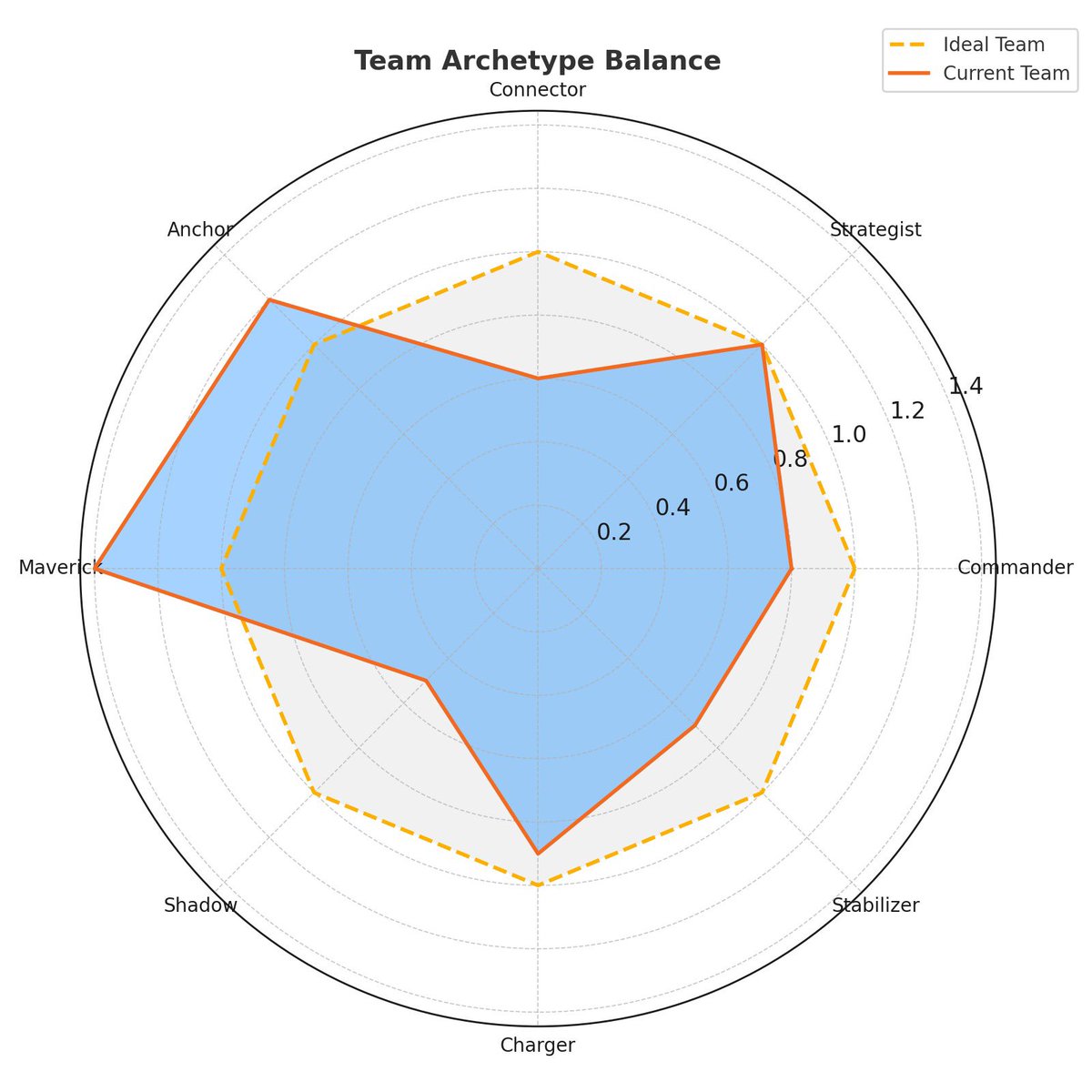
SCOUTING REINVENTED. TEAM BALANCE MASTERED. At StatuMentis, we don’t just observe players. We analyze the psychological architecture of your entire team. Because in elite football, it’s not just about who you sign — It’s about what your squad actually needs to thrive this season. What we do: From match or training footage, we deliver: • A full mental performance scan of each player • A color-coded archetype assignment — based on behavior under pressure • A team wheel showing your current psychological balance • A gap analysis aligned with your: - Season objectives - Coach & staff psychology - Competition load (e.g. European football, cup runs) - Squad dynamics & role distributions Because different seasons demand different players. • Playing in a UEFA competition for the first time? Do you have enough Commanders 🔴 to lead, or Shadows ⚫️ to remain calm in chaos? • Expecting higher match loads, squad rotation, or physical strain? You might need more Chargers 🟠 to shift tempo — or a Stabilizer ⚪️ to calm the group. • Building out a tactical evolution under a new manager? We identify whether your team needs more Strategists 🔵 or fewer Mavericks 🟣 depending on your vision. And what about new signings? We don’t just assess your squad. We scout individual players you’re interested in — and tell you whether they fit your system: • Do they fill a gap in your archetype wheel? • Do they complement your current leaders, disruptors, or glue players? • Will they thrive under your staff, schedule, and style? What you receive: • A full psychological profile + scorecard for each player • A detailed archetype assignment • A visual team archetype wheel and gap report • Professional scouting reports, ready to present to technical boards We don’t hand you a tool. We do the analysis. We give you the answers. Let’s build your team—not just your transfer list. Because in elite football, psychological fit is tactical advantage.
Annemieke Griffin tweet media
English
0
0
3
429
Annemieke Griffin
Annemieke Griffin@StatuMentis·
Mental Toughness: Still One of the Most Ungraspable Skills in Sport I’ve asked this question many times. To players. Coaches. Staff. “What does mental toughness actually look like on the pitch?” And more often than not—the room goes quiet. We all know it matters. We talk about it all the time. But when it comes to defining it, or even more so—training it—it becomes vague. Elusive. Untouchable. But for me, it’s very clear. Because I see it every day in the players I work with. I see it in the defender who just made a mistake that cost a goal, but chooses to refocus instead of retreat. I see it in the midfielder who’s running on empty but still tracks back because the team needs him. I see it in the forward who misses a crucial chance but doesn’t spiral—he just resets, and gets back into position. This isn’t about being emotionless. It’s not about being robotic. Mental toughness isn’t the absence of feeling—it’s knowing when to feel and when to act. There’s a moment in high performance when everything feels like it’s closing in A bad call from the ref. A roaring crowd. The weight of expectation. And your own doubts creeping in. That’s the moment where mental toughness shows up. Not as motivation. Not as hype. But as a decision. A choice to stay in it. To come back to your job. To execute. Because when the pressure is highest, the only thing that matters is this: Do your job. True confidence doesn’t come from winning—it comes from knowing you can keep performing regardless of what’s happening around you. That’s what we train. Every day. Not just physical skills. Not just tactics. But the ability to stay present, focused, and in action—when everything around you is trying to pull you out. “Mental toughness isn’t the absence of emotion—it’s the ability to act with purpose in the presence of chaos.”
Annemieke Griffin tweet media
English
0
0
0
286
Annemieke Griffin
Annemieke Griffin@StatuMentis·
Performance questions should never have to wait. That’s why we’re opening up our (Zoom) doors every Thursday—for free. Whether you’re a professional athlete, a youth coach, a parent, a performance staff member, or just someone navigating obstacles in daily life and mental well-being—you’re welcome to tap in. Tap In Thursday is a no-pressure, open Zoom space where you can ask your questions, get support, or just be heard. Because in our work, we know one thing for sure: A little goes a long way. Sometimes a small conversation can create a big shift. Join Nouk in her Zoom room between 16:00–18:00 CET I’ll be joining for the first hour too—happy to connect, reflect, or simply listen. No strings attached. Just support, insight, and human connection. Tap in. Let’s talk. Because performance doesn’t start on the pitch—it starts in the mind. Tap In Thursday—because a single thought can spark a whole new mindset…. us02web.zoom.us/j/81041216830?…
Annemieke Griffin tweet media
English
0
0
1
272
Annemieke Griffin
Annemieke Griffin@StatuMentis·
What is success—really? It’s a question I ask a lot in my work with professional football players. And the answer I often get sounds simple enough: “I just want to be successful.” But when I gently push a little further—“What does success look like to you?”—the conversation often stalls. Not because players don’t care. But because the definition of success has never truly been their own. It’s been shaped by others. When the answers do come, they almost always point outward: Being important for the team. Being appreciated by fans. Being seen. Being valued by the media or the coach. Being able to support my family. All of these things carry meaning. And none of them are wrong. But here’s the thing: they are all conditional. They depend on factors outside of yourself—factors you cannot fully control. And that’s where many players start to feel stuck. Because the moment those external conditions shift—when they’re injured, benched, or going through a difficult stretch—their entire sense of success crumbles. They no longer feel “enough,” simply because the validation isn’t there. And with that, their confidence, joy, and motivation often start to fade too. That’s why I believe success must first be an internal state. Not something you chase, but something you anchor into. To me, true success is being at peace with yourself. It’s having a deep sense of self-respect, self-acceptance, and clarity about who you are—regardless of the circumstances. It’s the ability to look in the mirror and know that your worth isn’t up for negotiation, no matter how the world perceives you. That peaceful, grounded state of being—where your self-worth is not attached to performance, results, or recognition—is the real core of success. Everything else—titles, status, applause—is a beautiful bonus. But it doesn’t define you. It doesn’t make you successful. Because when you can carry yourself with self-love and integrity—even in silence, even in struggle—you’ve already won.
Annemieke Griffin tweet media
English
1
0
4
414
Annemieke Griffin
Annemieke Griffin@StatuMentis·
Never make excuses for who you are. As this football season enters its final phase, I find myself reflecting on the many moments I’ve shared with players—on the pitch, during deep conversations, in moments of doubt, growth, frustration, and breakthroughs. One theme has come back again and again: Stop making excuses for who you are. This is something I deeply believe in. I’ve seen how easily players—especially in high-performance environments—start to hold back parts of themselves. They begin to play it safe, to blend in, to avoid making mistakes or being seen as “too different.” And I understand where it comes from—football is a world of high expectations, constant judgment, and endless comparison. But I also see what happens when players begin to silence their own uniqueness. When they start playing “clean” football—not because it’s their style, but because they’re afraid to stand out. And slowly, they become average versions of themselves. Interchangeable. Safe. But no longer fully alive in the game. This season, I’ve worked with many players who are highly intuitive and creative—players who see the game differently, who feel it differently. And yes, sometimes that leads to mistakes. Because drawing outside the lines means you occasionally step outside the system. But that same instinct, that same creativity, is also where their brilliance lies. It’s what makes them special. We’ve worked hard on embracing that. On realizing that your greatest qualities will always be a double-edged sword. And that’s not something to fix—it’s something to own. There’s so much power in accepting that you are not perfect. You’re human. And within that lies your strength. A mistake doesn’t mean the idea was wrong. It may just mean you lacked a few percent in execution. That’s not a reason to change who you are. That’s a reason to keep going. Because when you embrace all parts of yourself—your instincts, your passion, your imperfections—you start to add real value. You start to play with freedom. You become irreplaceable. And that’s where the real magic happens.
Annemieke Griffin tweet media
English
0
0
1
409
Annemieke Griffin
Annemieke Griffin@StatuMentis·
A big day for me, and a meaningful new chapter for StatuMentis. Fourteen years ago, I started StatuMentis with a simple but powerful mission: to help as many people as possible by sharing the knowledge and tools of psychology. Back then, it was just a vision—one shaped by long days, deep conviction, and an unshakable belief that even the smallest psychological insight could create lasting impact. The road hasn’t always been easy. Working in the world of professional sports, I’ve seen up close how much pressure athletes face—how lonely it can get, how mental struggles often go unnoticed or unspoken. But I’ve also seen the strength that emerges when someone is met with the right guidance at the right moment. That’s what has always driven me: the chance to truly help people reconnect with themselves, build resilience, and unlock their full potential. Today, I’m proud to welcome someone to our team who embodies that same mission and passion: Nouk van Doorn Nouk holds a Bachelor’s in Clinical Psychology and a Master’s in Sport Psychology. I got to know her during her internship at Almere City FC, where I saw her talent in action. Her ability to connect with players—really see them and meet them where they are—is rare. She listens deeply, works with heart, and has a clear dedication to helping young athletes grow both mentally and emotionally. Nouk will be based in Amsterdam, where she’ll also be operating our BrainGym. She’ll be focusing on players aged 14 to 21, the developing brain, and mental injury recovery programs—an area where early support makes all the difference. This isn’t just a team expansion—it’s a personal milestone. Seeing someone like Nouk step into this field, with so much care and purpose, reminds me why I started all of this in the first place. Welcome to the team, Nouk. We’re lucky to have you. Feel free to reach out to Nouk to connect or to get to know more about her services! nouk@statumentis.com
Annemieke Griffin tweet media
English
0
0
1
355
Annemieke Griffin
Annemieke Griffin@StatuMentis·
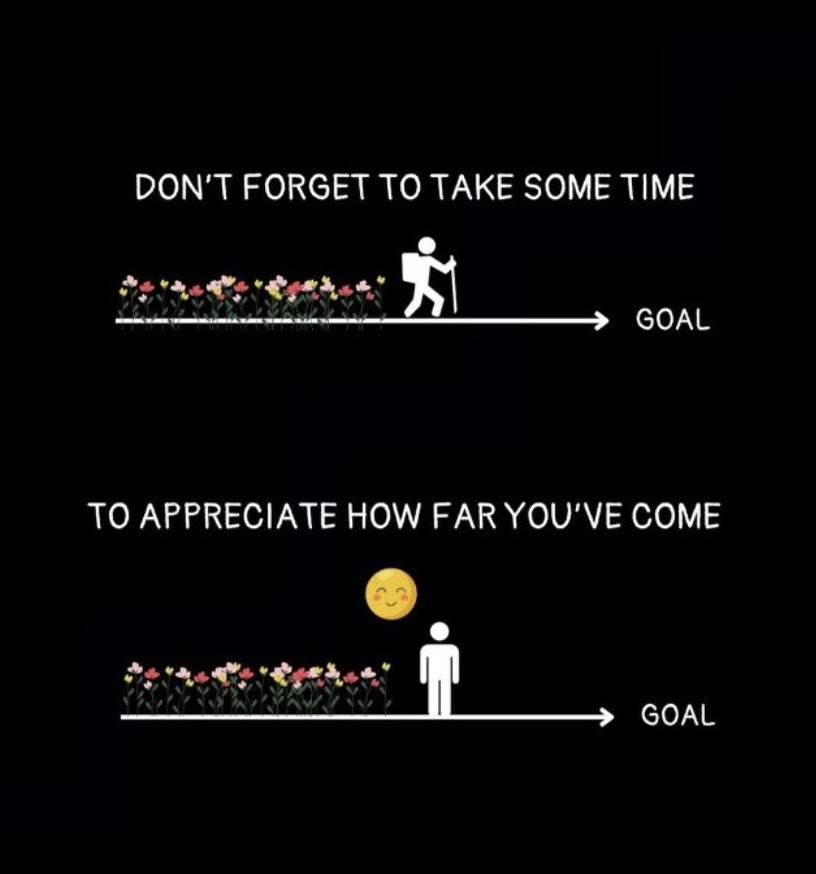
We often hear the advice: “Never look back.” And I understand the intention — it’s about not clinging to moments, emotions, or situations that no longer serve us. Not letting the past weigh us down. And in many ways, that’s valid. But in working with my players, especially this season, I’ve also seen the power in looking back. This year, I’ve guided an above-average number of players through long and difficult injury journeys. These are not just physical challenges. They’re emotional, mental, and even spiritual ones. They involve doubt, frustration, pain, loneliness — and at times, the loss of a sense of self. In these moments, it can be incredibly empowering to pause and look back. To really see how far you've already come. To acknowledge all those days you pushed through pain. To remember the countless small wins no one saw but you. To honor the way you kept showing up when it would’ve been easier to give up. That journey — and the way you walked it — matters. Sometimes, it’s not about moving forward at all costs. It’s about turning around for a moment, seeing the mountain you’ve already climbed, and drawing strength from that. Don’t be afraid to look back. Because that version of you who kept going? That’s also you. That’s also power. “Don’t just look ahead — sometimes the fire to keep going comes from seeing the path you’ve already walked.”
Annemieke Griffin tweet media
English
0
0
6
391
Annemieke Griffin
Annemieke Griffin@StatuMentis·
Rest Days: Where Long Lasting Success Is Built One of the most persistent and harmful beliefs I come across in professional football is this: more is more. That any moment of stillness means falling behind. That doing less is equal to not doing enough. And nowhere does this belief show up more clearly than on rest days. For many of the players I work with, rest days don’t bring peace. They bring stress. Guilt. Anxiety. A sense of losing control. It’s so deeply ingrained: if I’m not working, I’m not improving. Even worse, rest days often come with restrictive eating—“I didn’t train today, so I can’t fuel the same way.” But that mindset takes away one of the most powerful elements of recovery: nourishment. Here’s the truth I work hard to help players understand: The mind doesn’t rest simply because there’s no session. It rests when we mentally disconnect—when we allow space from constant performance thinking. The body doesn’t only build during training. It builds in the moments of pause—when it has enough energy and time to repair, adapt, and grow stronger. And food isn’t only fuel for training. It’s the material your body uses to recover and prepare for what’s next. Rest is not a step back. It’s where success is built. I practice what I preach. I intentionally carve out moments of rest in my own week and I make them my priority. These are the moments where I restore, reflect, and reset—so I can bring my full energy and presence into the work I do. Learning to truly rest—physically, mentally, emotionally—is one of the most powerful (and underrated) tools in an elite athlete’s arsenal. It requires just as much trust, courage, and discipline as stepping out onto the pitch. Let’s break the idea that rest = weakness. Let’s stop romanticizing burnout. Let’s teach players to honor rest the way they honor hard work. Because in the end… the ones who last are the ones who know when to pause.
Annemieke Griffin tweet media
English
0
0
5
391
Annemieke Griffin
Annemieke Griffin@StatuMentis·
The BrainGym uses the newest technology in neurofeedback training for football players to optimize recovery processes or game performance. BrainGym services are provided worldwide and on location in Amsterdam or Dallas TX. Want to know more braingym@statumentis.com
Annemieke Griffin tweet media
English
0
0
1
532