

StuartDonald
90.2K posts

StuartDonald
@StuartDonald
Chef, food writer and co-host of 'Sip and Chew with Mike and Stu' on 106.5 FM. Host of Delta Safari @DeltaSafariShow FB, YT, TT.
Mobile, AL Katılım Eylül 2008
2.6K Takip Edilen2.7K Takipçiler

Sitting on a beach is one of the more overrated life experiences
English
@TransferPortal @JoeTipton The caliber of program may have gone down a little but the caliber of city just shot way up.
English

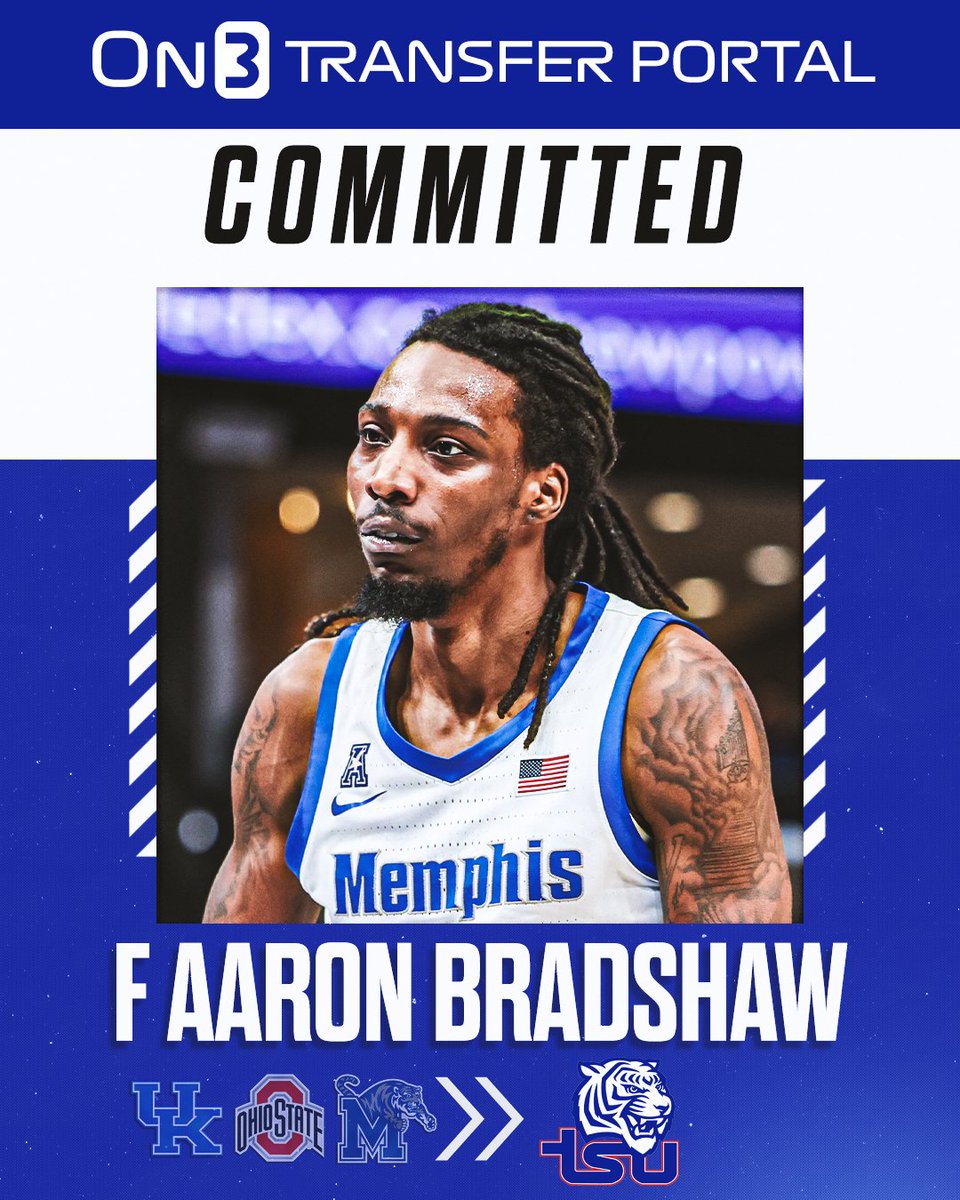
BREAKING: Memphis transfer forward Aaron Bradshaw has committed to Tennessee State, @JoeTipton confirms.
Bradshaw is a former Five-Star Plus+ prospect out of high school.
on3.com/transfer-porta…
English
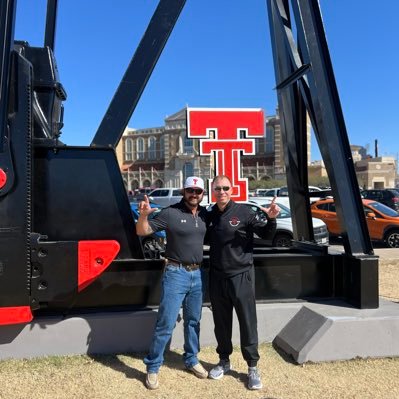
“ there is some optimism inside the Texas Tech football program that Sorsby will play for the Red Raiders in the fall.”
This thing far from over
RedRaiderSports.com@RedRaiderSports
INTEL: How soon QB Will Hammond could be cleared + checking the vibe inside Texas Tech’s football program on Brendan Sorsby’s chances to play again 🤔 Read: on3.com/sites/red-raid…
English


Ole Miss football QB Rees Wise, RB Damarius Yates charged with DUI, per records obtained this morning. clarionledger.com/story/sports/c…
English

StuartDonald retweetledi

I’m excited to share the 1st episode of Season 15 of @EatMyGlobePCast. I’m even more thrilled that I’m sharing my chat with my pal & #TournamentOfChampions mate, @EatFellowHumans. It’s a great conversation so tune in wherever you listen to podcasts.
EatMyGlobe.com/Justin-Warner

English
StuartDonald retweetledi

@STXAmbassador One is a traffic infraction, one is a misdemeanor crime, and the other one is a federal crime. Just based on that which one would you say is the bigger deal?
English
Just a reminder that Georgia has had countless athletes drive intoxicated and or have reckless driving charges . So much so it’s an underground meme joke on Twitter . That is far worse than Brendan Sorsby placing a 2.50$ wager on Indiana to win in , a season he redshirted.
English
StuartDonald retweetledi

An @EpsonTour champion 🏆
Congratulations to Auburn alum Megan Schofill for winning the Carlisle Arizona Women's Golf Classic today! 🏌️♀️
#WarEagle

English
@okaythenfuture Right. We tried World Cup Soccer out as a nation in 2010. Still just as boring as it was in grade school. Then we remembered we're America, we can afford more interesting sports.
English

The World Cup starts in 30 days and legit barely anyone cares.
In America, probably barely anyone knows the world’s biggest sport competition starts in a month.
This has been the worst rollout for the World Cup I have ever seen in my life.
It was a mistake to award it to Modern America.
It’s no longer a serious society.
English
@TXDOGZ @Its_Me_AU_Creed @brendaslynn @MargaretAUGrad @edhunter54 @franticfil The river. It flowed north to south. When the crevice was created the stuff south of it flowed backwards. The other half still flows north to south. It just goes through the lake now and then continues on the other side.
English

@StuartDonald @Its_Me_AU_Creed @brendaslynn @MargaretAUGrad @edhunter54 @franticfil What is the water source for the lake now?
English

I don't remember ever hearing or reading about this before. Have any of you?
@Its_Me_AU_Creed
@MargaretAUGrad
@edhunter54
@franticfil @TXDOGZ
ArchaeoHistories@histories_arch
It was two in the morning on December 16, 1811, when the sleeping towns of the Mississippi Valley were swallowed by something ancient and terrifying. No warning. No rumble building slowly in the distance. Just a sudden, savage lurch that threw men and women out of their beds and sent furniture crashing across the floor. Children screamed. Dogs howled. The cold December air filled with the sound of splintering timber and exploding brick. People ran barefoot into frozen fields, wearing nothing but nightclothes, watching their homes shake apart in the darkness. The ground beneath them was no longer solid. It moved in waves, like the surface of a lake struck by a stone. Massive fissures tore open in the earth, some wide enough to swallow a man, then slammed shut again. Sand and water exploded upward in geysers thirty feet high. Out on the Mississippi River, a Scottish naturalist named John Bradbury was traveling by boat. The quake hurled him from his bunk. When he clawed his way onto the deck, he witnessed something that defied every law of nature he had ever learned. The river had stopped. The mighty Mississippi, draining half a continent, sat momentarily still. Then it began to flow the other way. Upstream. Boats were dragged backward. Vessels collided in the chaos. Riverbanks caved into the churning water. Islands that had stood for generations disappeared beneath the surface. That was only the first act. On January 23, 1812, the earth struck again, possibly with even greater force. Survivors who had begun rebuilding watched their repairs collapse in seconds. Then came February 7, the most violent blow of all. Estimated between magnitude 7.7 and 8.1, the shaking was felt across fifty thousand square miles. Church bells rang spontaneously in Boston, more than a thousand miles away. Clocks stopped mid-swing in South Carolina. People stumbled through the streets of Washington D.C., convinced the city was under attack. In western Tennessee, an entire forest sank into the earth and filled with water. Within days, a lake fifteen thousand acres wide had appeared from nothing. Reelfoot Lake. It still exists today. The New Madrid Seismic Zone never went quiet. It is still active. Memphis sits directly above it. St. Louis lies within its reach. Seismologists put the odds of another magnitude-7 quake in the next fifty years at somewhere between seven and ten percent. The infrastructure of the central United States, bridges, pipelines, power grids, was never designed for this kind of violence. Damage estimates for a repeat event exceed three hundred billion dollars. Most Americans have never heard of New Madrid. The fault has not forgotten us. 📷© United States Geological Survey (Restored & Colorized) © The History Drop #archaeohistories
English

@Divine__Ant @Krause_6 @Timiii360 @Raindropsmedia1 Thanks for proving why you only have 28 followers.
English

@Krause_6 @Timiii360 @Raindropsmedia1 She can but that’s not what was said 😂🤣. These dickheads wanna say shit like “Ask for” when she clearly asked on video and was told “Idc and it don’t matter.” but I’m the retarded one 🤣🤣. This is why I love the internet.
English

A Whataburger employee is upset with her manager for refusing to let her wear her shirt like a crop top. She claims it’s too big and asks, ‘How is my stomach harming anybody?’ 👀🍔👕
English
@Divine__Ant @Timiii360 @Raindropsmedia1 They're not required to provide you with a uniform at all. There's nothing in the Constitution that says that your job has to give you a uniform. She is welcome to purchase one that fits better for The logical solution the one the courts would side with is tuck it in.
English
@Timiii360 @Raindropsmedia1 She made it known she needed a proper uniform and they didn’t give it. Anyone under this saying anything other any the manger is wrong can suck a dick. They are supposed to proved you the proper size uniform and they didn’t for her.
English
@Timiii360 @Raindropsmedia1 Ever been popped on the belly by a commercial fryer?
The health department would never approve of it either. Extra skin to cross contaminate food in addition to the safety issues for the employee.
The other thing is if the boss says do it, you do it. It's a job.
English

@Raindropsmedia1 she has a point the shirt clearly doesn’t fit properly. as long as she’s doing her job well, a bit of midriff shouldn’t be a safety or customer issue. uniforms need to actually fit people!
English
@imfat Buy some chickens. That's what we did. Grow your own produce. That's what we did. Get roommates. That's what we did. Work full time while in college. That's what we did. Our minimum wage was $3.35/hr. Work 2 jobs. That's what we did.
True liberty is being self-sufficient.
English

StuartDonald retweetledi

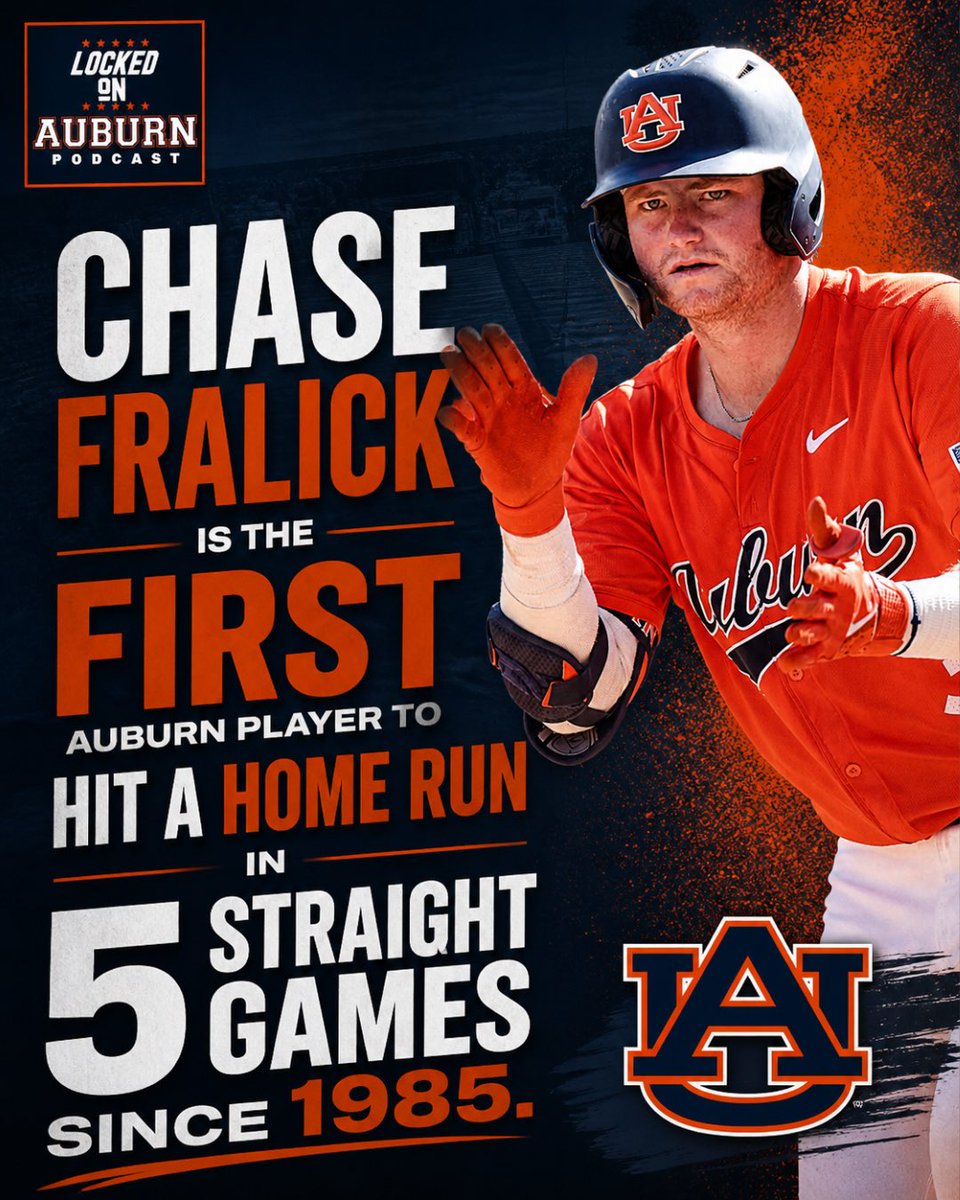
@Its_Me_AU_Creed @brendaslynn @MargaretAUGrad @edhunter54 @franticfil @TXDOGZ Yes! It made the Mississippi River run backwards for two days as a fault ripped in the earth sucked all water in the Mississippi into it until it was full. It is now Tennessee's Reelfoot Lake.
English

@brendaslynn @MargaretAUGrad @edhunter54 @franticfil @TXDOGZ I'm well aware of this fault. It's caused earthquakes in St Louis and some of the older buildings there have evidence of post earthquake shoring.
English
@TylerCBBandCFB @SECSupremacyCFB Are you kidding? There's plenty between that. There's 6-6, 7-5, and heck there's even 8-4.
English


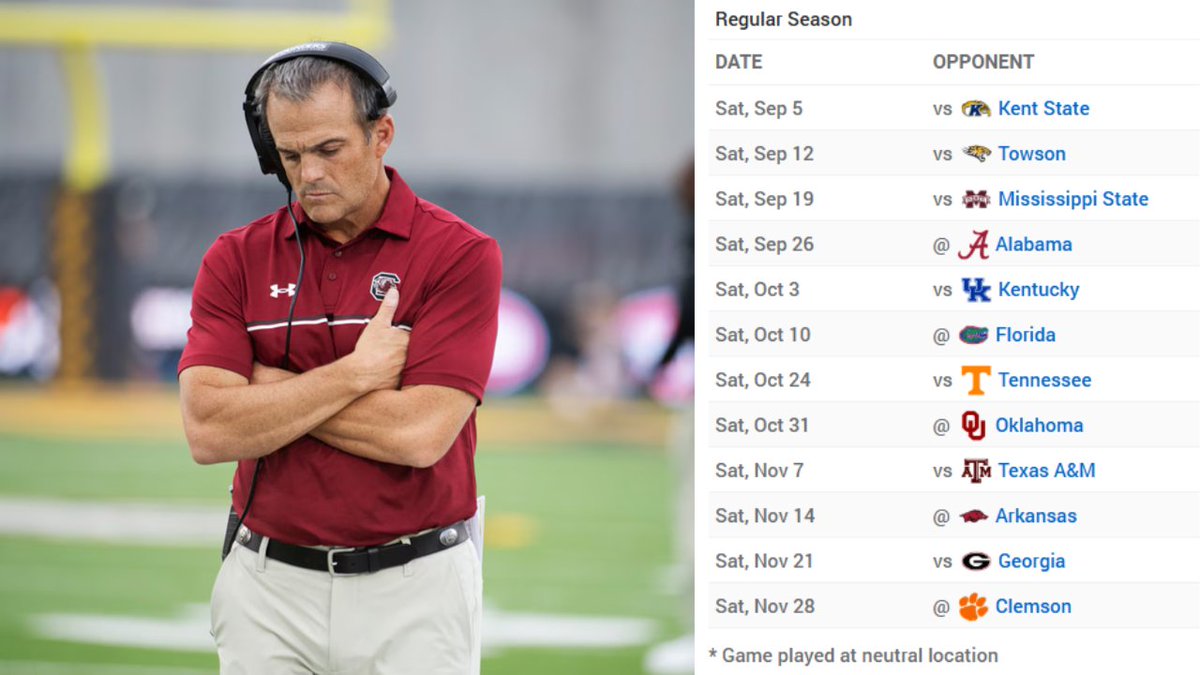
What will Shane Beamer’s record be in his sixth year at South Carolina?
Will he lead the Gamecocks into playoff contention?
English