Study

3.3K posts

Study banner
Study

Study

@Study_the_wind

One shall be above many 🍃

Katılım Mart 2025
245 Takip Edilen38 Takipçiler
Study retweetledi
cutest cats
cutest cats@cutestscats·
cutest cats tweet media
ZXX
6
122
738
10.9K
Study retweetledi
Dr. M.F. Khan
Dr. M.F. Khan@Dr_TheHistories·
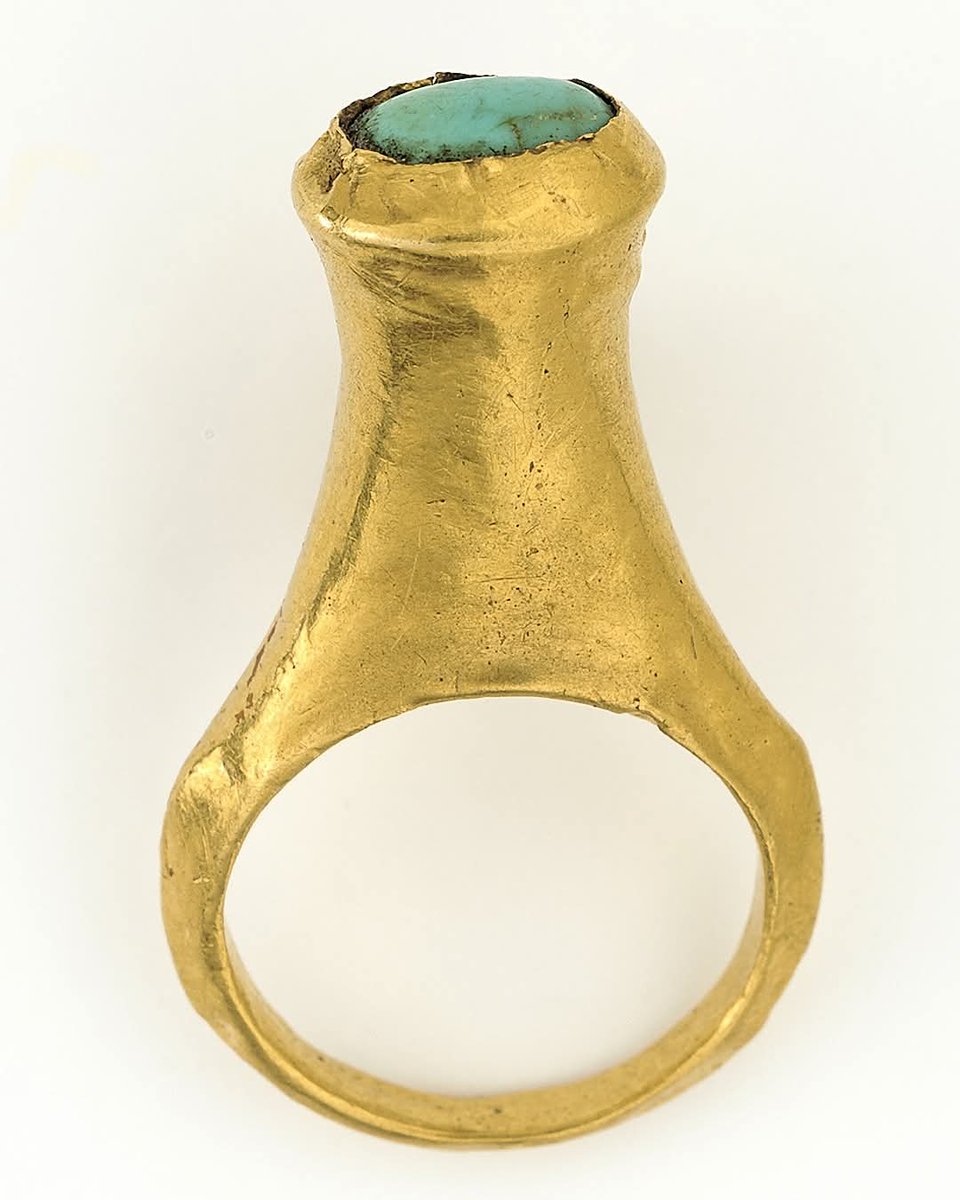
An unusual tall ring (11th-12th Century AD) - the turquoise, with its vibrant aquamarine color, was almost certainly mined in Iran, when the country was under the control of the Seljuk Empire. The dynasty was founded by Oghuz Turkic nomadic warriors who converted to Sunni Islam, entered the plateau from Caucasian steppe and re-established Sunni dominance across the region. Their rule shifted Iran from a fragmented landscape of minor dynasties to a centrally managed empire, while laying the cultural foundations for what became the 'Persianate world'. Eventually including most of the countries from the Balkans and Anatolia in the west to Central Asia and the Indian subcontinent in the east, this '' world' was Persia’s area of cultural influence until the fragmentation brought by the colonial powers. Here the lingua franca was Persian, facilitating the trade along the Silk Roads, and most laws were written in Persian adhering to Persian codes. The elite spoke Persian, the language used in diplomacy and poetry, observed Persian rules of courtly etiquette, and developed a shared sense of aesthetics, commissioning works of art, literature, and architecture that mirrored the same artistic elements. Los Angeles County Museum of Art #drthehistories
Dr. M.F. Khan tweet media
English
0
7
25
2.2K
Study retweetledi
Earthglory
Earthglory@ab_cd_1235·
Salzburg Austria 🇦🇹
Earthglory tweet media
Deutsch
4
23
108
617
Study retweetledi
Araceli Rego
Araceli Rego@AraceliRego·
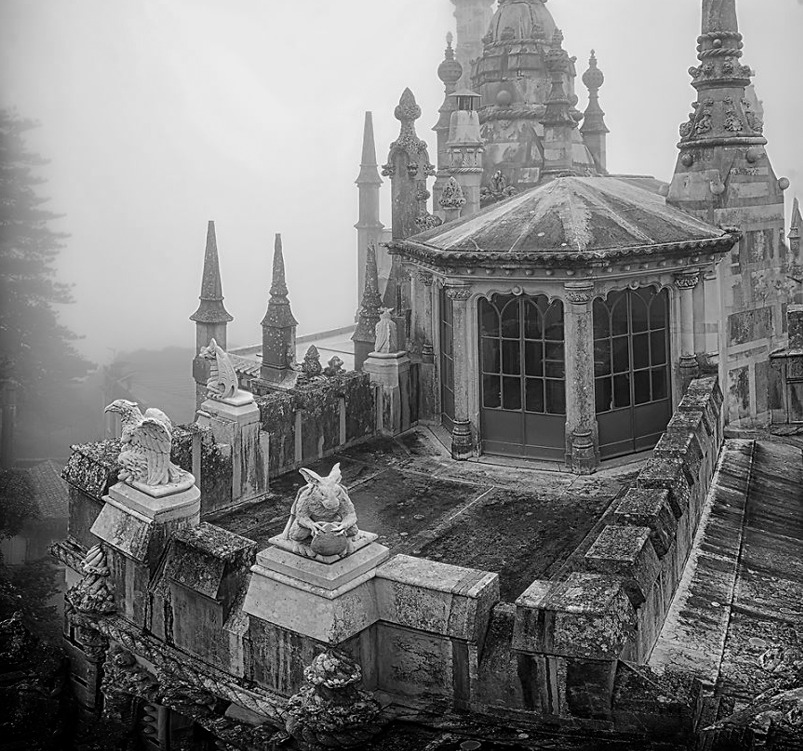
Una sección del Palacio llamado 'el Castillo de la alquimia' . La sala que se ve era un laboratorio alquímico al que se accedía desde una puerta secreta situada en el despacho de Carvalho Monteiro (Sintra-Portugal)
Araceli Rego tweet media
Español
0
4
7
146
Study retweetledi
City Lights
City Lights@Magical_places0·
🏰 Kasteel de Haar 🇳🇱 Netherlands
City Lights tweet media
Nederlands
0
16
90
766
Study retweetledi
Nuz
Nuz@Nuzea1488·
Cathedral of the Incarnation, Garden City, New York c1890
Nuz tweet media
English
0
12
58
574
Study retweetledi
CityVibesX
CityVibesX@earthviewss1·
Monastery of Batalha, Portugal 🇵🇹
CityVibesX tweet media
Português
0
5
32
315
Study retweetledi
Nuz
Nuz@Nuzea1488·
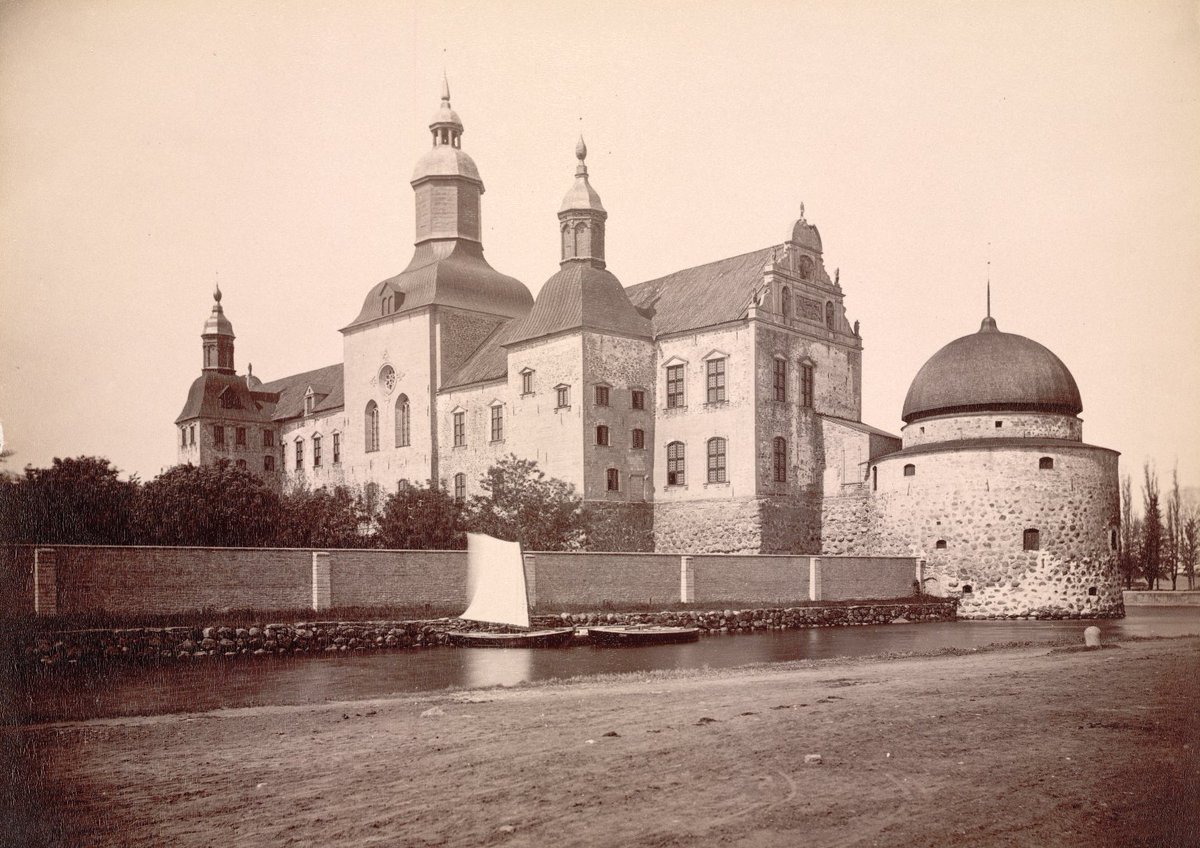
Sweden c1865
Nuz tweet mediaNuz tweet mediaNuz tweet media
Filipino
0
5
48
631
Study retweetledi
Mystic Castle
Mystic Castle@mysticcastIe·
Mystic Castle tweet media
ZXX
0
49
357
2.7K
Study retweetledi
CityVibesX
CityVibesX@earthviewss1·
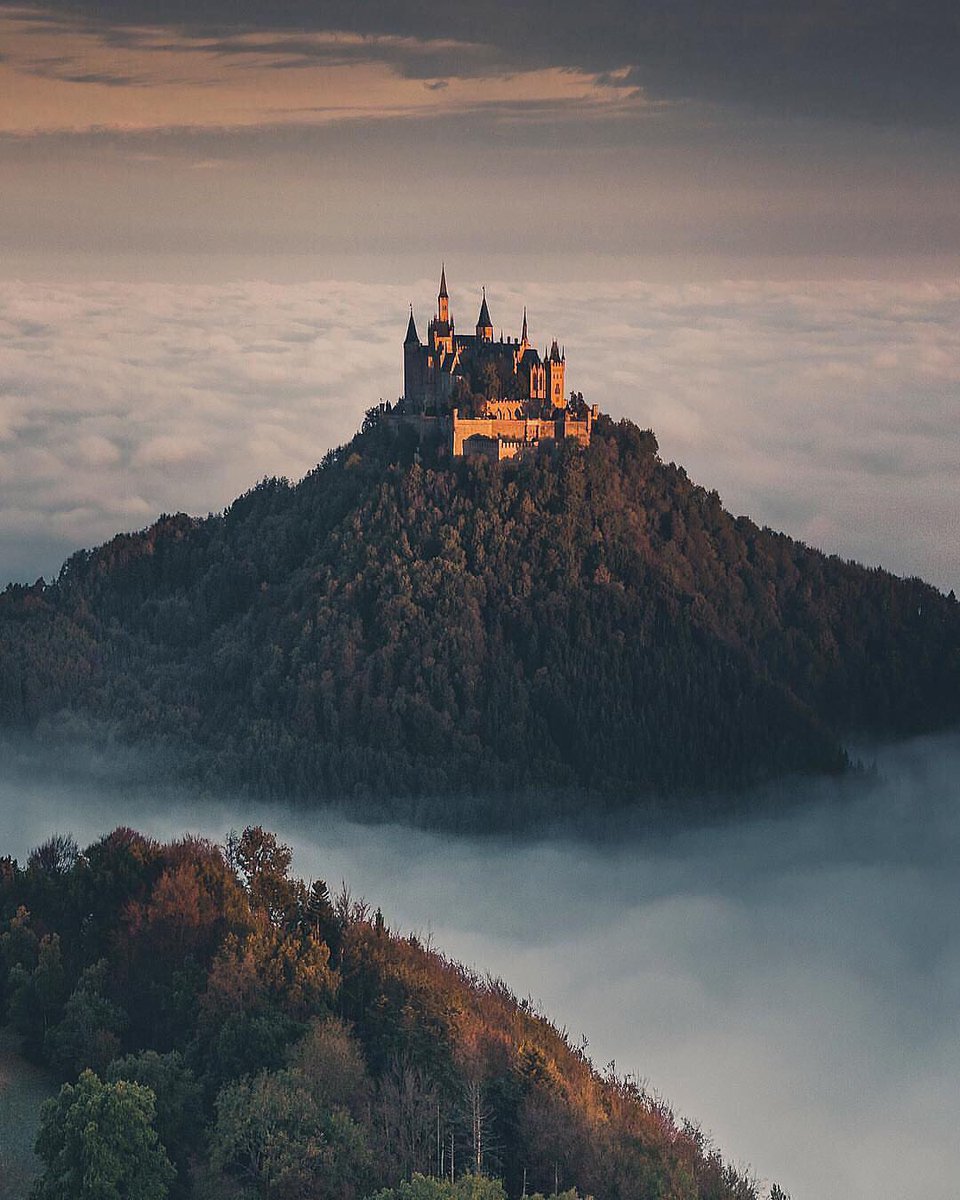
Hohenzollern Castle, Germany 🇩🇪
CityVibesX tweet media
Deutsch
0
42
284
1.9K
Study retweetledi
Araceli Rego
Araceli Rego@AraceliRego·
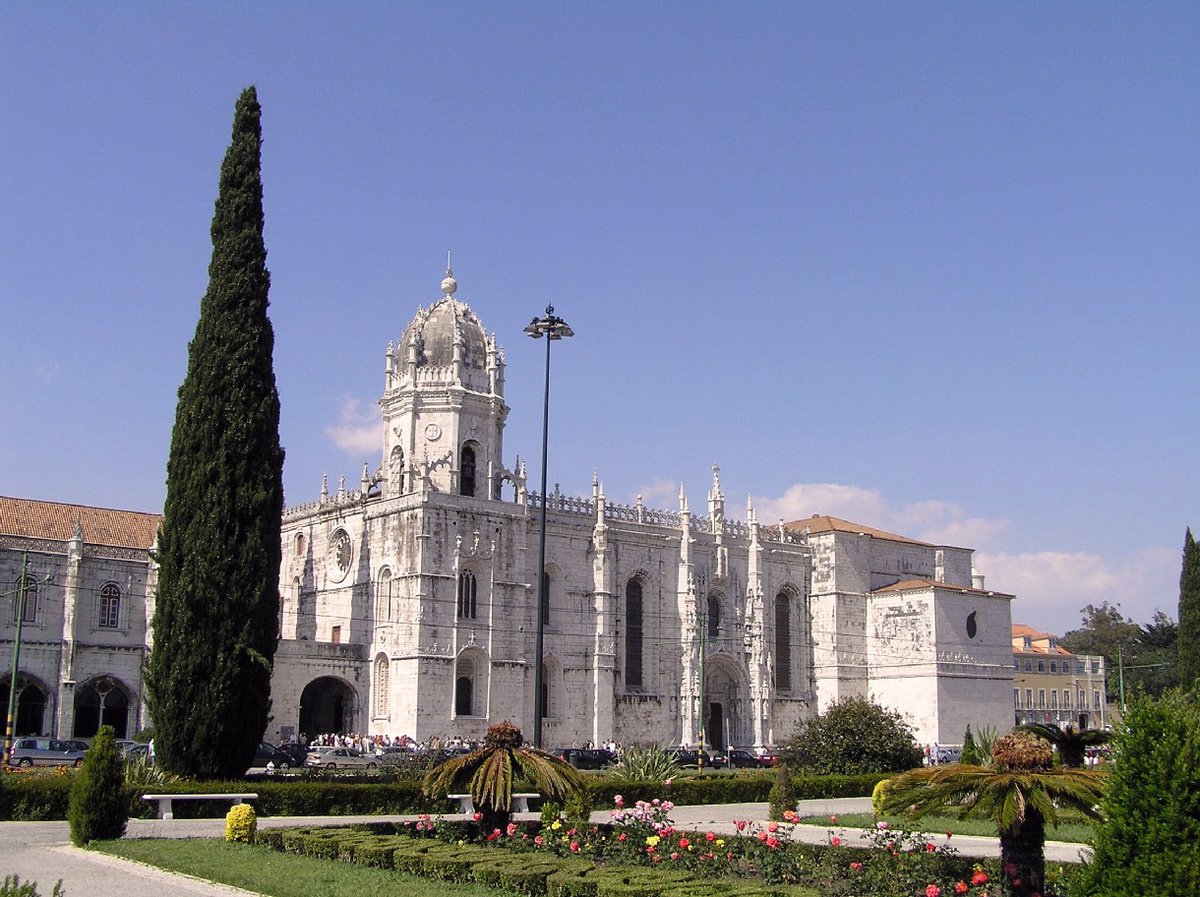
Antiguo monasterio de la Orden de San Jerónimo y que se ubica en el barrio de Belén, en Lisboa, .Diseñado en estilo manuelino por el arquitecto Juan de Castillo, fue encargado por el rey Manuel I de Portugal
Araceli Rego tweet media
Español
0
5
13
150
Study retweetledi
Ancient History Hub
Ancient History Hub@AncientHistorry·
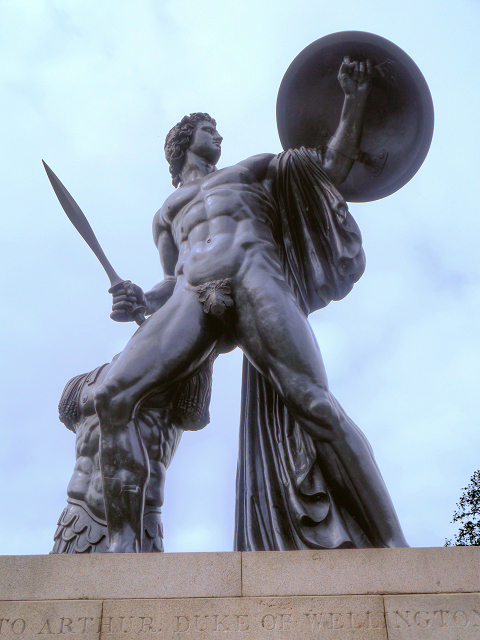
Wellington Monument (Achilles)
Ancient History Hub tweet media
English
1
11
123
1.7K
Study retweetledi
Ghost of Hellas
Ghost of Hellas@ghostofhellas·
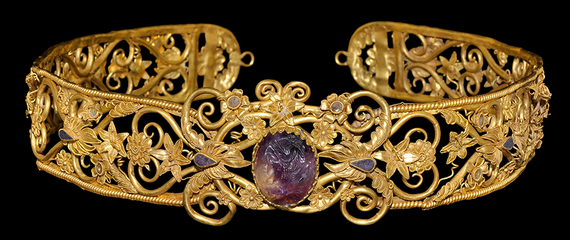
Greek Gold ‘Pontic Aristocratic’ Diadem, Late 4th-Late 3rd Century BC
Ghost of Hellas tweet media
English
0
18
94
2.7K
Study retweetledi
Skade
Skade@SkadeVictory·
Handfasting ceremonies are one of the oldest marriage traditions rooted in ancient Celtic cultures, long before churches or paperwork. Two hands, one cord, one promise. A timeless symbol of love, unity, and chosen commitment💍✨
English
1
19
112
1K
Study retweetledi
CityVibesX
CityVibesX@earthviewss1·
Chepstow Castle, Wales 🏴󠁧󠁢󠁷󠁬󠁳󠁿
CityVibesX tweet media
English
3
36
283
2.1K
Study retweetledi
Stary Świat
Stary Świat@staryswiat24·
Zamek w Pierrefonds - Francja 🇫🇷
Stary Świat tweet media
Polski
1
73
413
3.2K
Study retweetledi
Archaeo - Histories
Archaeo - Histories@archeohistories·
A Snake Sculpture (6th-11th Century AD), from U Thong District in Thailand 🇹🇭 Thai people have many beliefs and taboos. They believe that many invisible things exist around us. Some of the most common beliefs are about spirits, dreams, big trees and snakes. It still can be found wherever you are—in Bangkok, the capital, or in a rural area of the country. Thailand has around 200 species of snakes, of which around 60 are venomous. But dreaming about a snake or meeting a real one doesn’t always promise you something good. Let’s find out more together. Snakes are everywhere in Thailand, and sometimes it is even a part of some Thai cuisines. Many Thai people wish to dream about a snake, but not because they love to eat it. If you saw a snake in your dream—even if it was biting, attacking, or wrapping around you—that means you will meet your soulmate within the next day or sooner. However, it is necessary for the snake in your dream to be a strange one, big and colorful. If not, and you dreamed about a small black (not colorful) snake, the meaning turns bad. Like a small black snake is crawling into your dream, bad luck is coming into your life. Another belief is that if you see a real snake right in front of you, don’t jump away. Better touch your wallet and make a wish. This snake can be one of the forms of Naga-spirit, and it might bring you wealth and good luck in your job or business. But if you see a king cobra in the jungle or in your yard, then leave it alone. Many Thai people believe that a king cobra is a form of one of the forest’s gods, goddesses or a spirits. And if you harm it, the forest’s goddess may make you sick until finally you die from something doctors cannot diagnose. While walking in a Thai Buddhist temple, you will definitely notice numerous images and sculptures of snakes. Yes, snakes are literally everywhere in Thailand. “It is said that four weeks after Gautama Buddha began meditating under the Bodhi Tree, the heavens darkened for seven days, and a prodigious rain descended. However, the mighty King of Serpents, Mucalinda, came from beneath the earth and protected with his hood the one who is the source of all protection.” That’s why Mucalinda Naga is depicted in Thai temples, where the serpent plays a role of a protector of Buddhism. But that is not all. In old Buddhist legends, a snake or “Naga” changed his appearance into a man in order to enter the monkhood. Since that time, during the ordination ceremony in Thailand, the candidate to enter monkhood must answer the question if he is a human being or not. We mentioned the word “Naga” a few times, and now you might be wondering who Nagas are. And this question is even more complicated than you could imagine. Places where Nagas were worshiped are found all around the world: Mexico, India, Tibet, Malaysia and even Australia. People living in the northeastern part of Thailand, Isan regione, believe that they are descendants of a Naga king’s daughter who married a human man. Some scientists believe that the Thai people’s beliefs about Nagas are left over from the Davaravati Kingdom, which vanished centuries ago. The kingdom was heavily influenced by Indian culture, as evidenced by archeological discoveries that reveal elements of Hinduism and Buddhism. Bangkok National Museum © Thai Trails #archaeohistories
Archaeo - Histories tweet media
English
1
7
42
3.8K
Study retweetledi
Álmos
Álmos@ThaddeusPapist·
Lord of the seasons, with thy fiery car And leaping coursers, beaming light from far: With founding whip four fiery steeds you guide, When in the car of day you glorious ride. Propitious on these mystic labours shine, And bless thy suppliants with a life divine
Álmos tweet media
English
0
4
26
268
Study retweetledi
Aleación De Historia
Aleación De Historia@AleacionDeHisto·
Años de trabajo, estudio y práctica. Es caro y lleva tiempo, pero si en un pequeño pueblo de la sierra sur de Sevilla lo he hecho casi sin recursos, Hollywood no tiene excusas, algún día cuando se harten del poliéster y el cuero de imitación aquí estoy sevilla
Seville, Andalusia 🇪🇸 Español
68
443
3.6K
89.4K
Study retweetledi
Archaeo - Histories
Archaeo - Histories@archeohistories·
Greek Gold Wreath (340-336 BC) of myrtle leaves and blossoms, known as Meda's Wreath, found in the Great Tumulus, Vergina, Greece 🇬🇷 Meda, the Thracian Princess: Did you know that the Thracian princess, Meda of Odessa (now modern Varna in Bulgaria), was married to Philip II of Macedon, the father of Alexander the Great? Meda was the daughter of the Thracian King Cothelas of the Getae tribe. She married Philip, probably around 342 BC, after he had conquered the Thracians in a series of campaigns. It was a political marriage to seal Philip's victory and the peace settlement with the Thracians. Philip took Meda home with him to join Olympias, his other wife and the mother of Alexander the Great. We don't know what happened to her after that. Philip was a polygamist who made several political marriages during his lifetime. According to N. G. L. Hammond, when Philip died, Meda committed suicide so that she could follow Philip to Hades. It was a custom for the Thracian wives to compete for the honor of following their husbands into the other world! The people of Macedonia, who were not used to such honors to their kings by their consorts, buried her with him at the Great Tumuli of Vergina, in a separate room. The second larnax found in the tomb might belong to her as well as the gold myrtle wreath. NAM, Athens 🇬🇷 #archaeohistories
Archaeo - Histories tweet media
English
1
22
74
4.2K