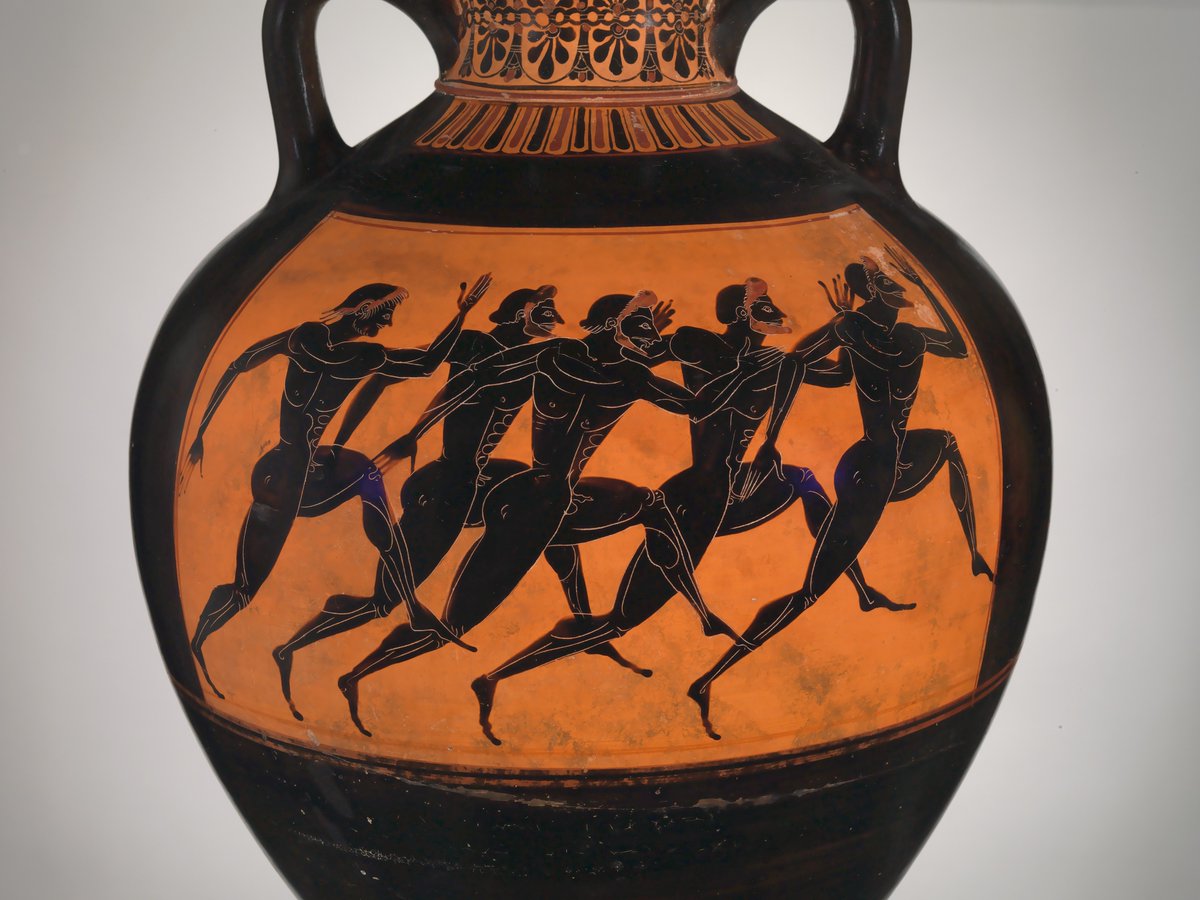
Terracotta Panathenaic Prize Amphora. Culture: Greek, Attic. Attribution: Euphiletos Painter. Date: c. 530 BC. Medium: Terracotta. H. 62.2 cm. Collection: The Metropolitan Museum of Art, New York. Currently on view (Gallery 153).
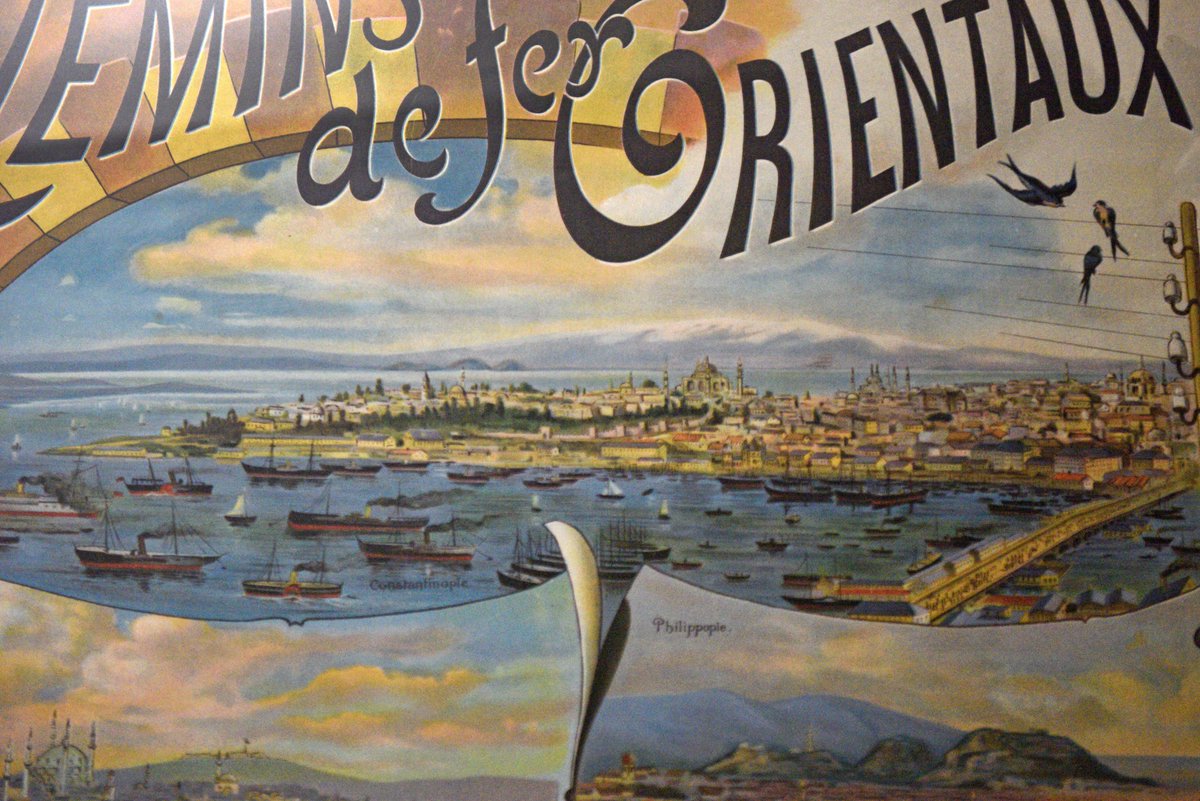
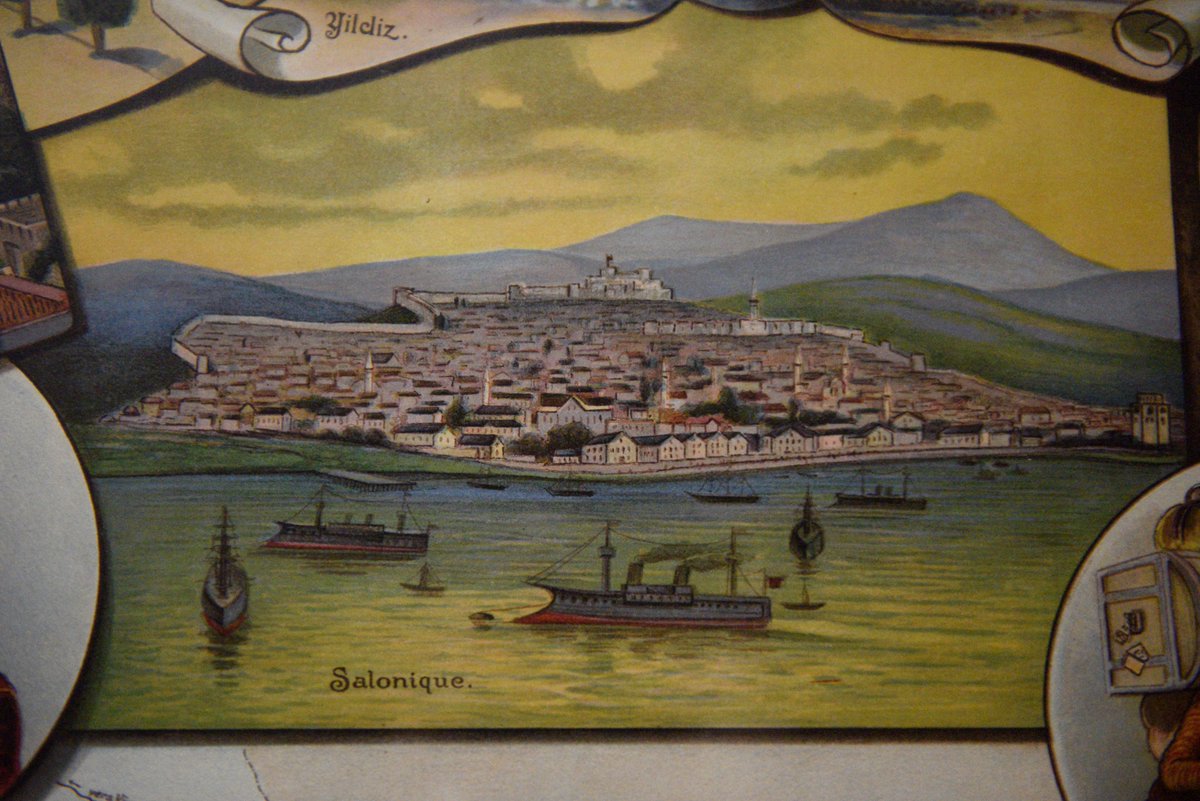
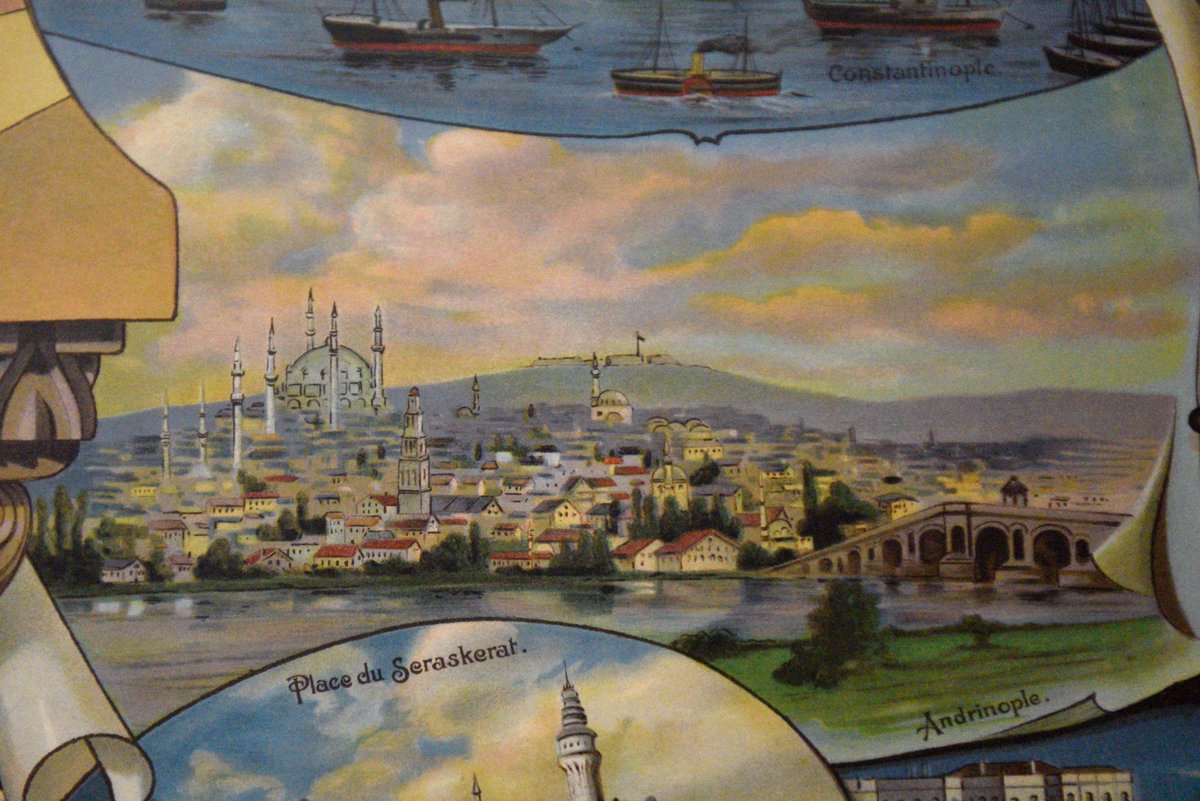
Constantinople [Istanbul], Salonique [Thessaloniki], Adrinople [Edirne]/ “Chemins de fer Orientaux” [Oriental Railway]
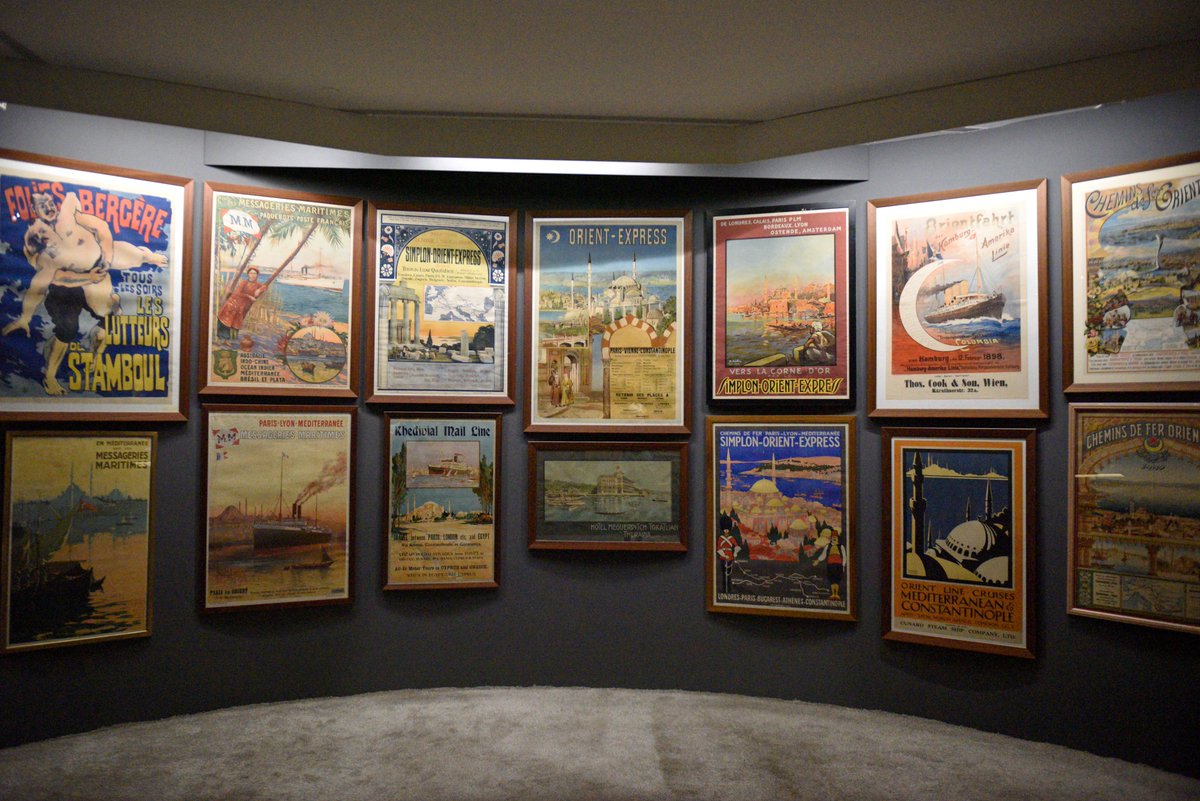
Poster for the Orient Express in 1898
Photos from today’s visit to the “Ars Apodemica” exhibition at Meşher
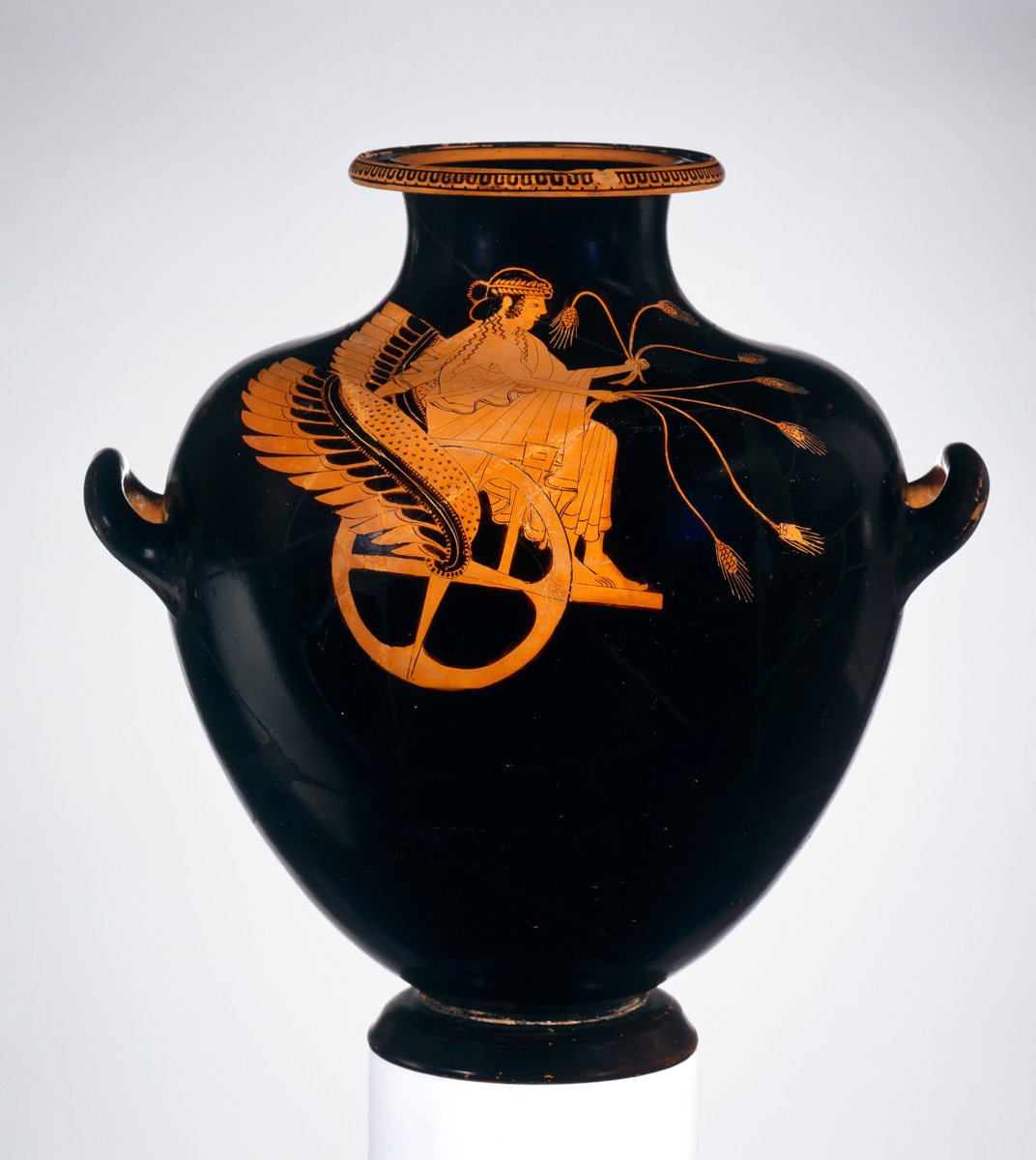
Triptolemos in his winged chariot. Terracotta hydria (water jar), c. 490 BC. Attributed to the Troilos Painter, Greek (Attic), red-figure.The Metropolitan Museum of Art, New York.
In Greek mythology, Triptolemos is the hero who taught humanity agriculture, specifically how to grow wheat.He's one of the most devoted emissaries of Demeter, the goddess of harvest and fertility, and one of the first priests of the Eleusinian Mysteries,one of Ancient Greece's most prominent religious cults.
Omphalos (“Navel of the Earth”). Culture: Greek. Place of origin: Delphi. Date: Hellenistic or Roman copy of a sacred original. Medium: Marble. Collection: Archaeological Museum of Delphi. Photographer: Helen Simonsson.
The Temple of Olympian Zeus and the Acropolis — Dimitrios Constantinou. Date: 1865 AD. Medium: Albumen print (vintage photograph). Collection: Benaki Museum, Athens.
Great Artemis (Artemis of Ephesus). Culture: Roman period, Ephesian cult. Date: 1st–2nd century AD. Medium: Marble. Collection: Ephesus Archaeological Museum.
Little Owl as a Hoplite Warrior
This piece is an oinochoe, a small vessel used for pouring wine in the ancient Greek world. It's just 6.4 cm tall. According to Louvre records, it was crafted in Athens and dates to around 425-375 BC.
The figure on the front is Athena's owl. But here, the bird is equipped with a helmet, crest, shield, and spear, depicted as a little hoplite warrior.
In Athens, the owl was everywhere, appearing on vessels, coins, and public imagery. There was even an ancient Greek idiom about 'bringing owls to Athens.' It meant bringing something to a place where it's already abundant.
“Fisherman” fresco from Akrotiri. Culture: Minoan/Cycladic (Thera). Place of origin: Akrotiri, Thera (Santorini). Date: 17th century BC. Medium: Wall painting (fresco). Collection: Museum of Prehistoric Thera. Photographer: Zde.
Storage jar decorated with mountain goats, Central Iran, Chalcolithic period, ca. 3800–3700 BC.
Currently in the collection of The Metropolitan Museum of Art.
Empress Eirene Mosaic, Hagia Sophia, 12th century AD.
the empress on the wall carries not one name but three. born as piroska, daughter of king saint ladislaus of hungary. when she's sent off as a bride to the byzantine court and converts to orthodoxy they give her the name eirene, meaning peace. on her deathbed, when she takes her monastic vows, she changes it once more and becomes ksene, which means stranger. in 1134, while accompanying her husband on his bithynia campaign, she took those vows on her deathbed, meaning she received her monastic name out in the field.
This gigantic Corinthian capital probably once crowned the 5th-century Column of Leo I, which was located on the acropolis of Byzantion. Several marble pieces, including this capital decorated with masks (human faces), were discovered the second courtyard of Topkapı Palace in the late 1950s.