Marcin Sułkowski retweetledi

On March 30, 1822, the Chios Massacre took place. The Muslim Turks slaughtered 42.000 women, men & children (Greek Christians). Additionally, 52.000 were sold as slaves in the markets of Smyrna & Constantinople.

English
Marcin Sułkowski
22.9K posts


@Sullkowski
Journalist & balkanologist || Broadcaster & news manager Grupa ZPR || EU• BALKANS•BELARUS•DIPLOMACY ||



Croatian women in Bosnia and Herzegovina displaying traditional tattoos known as sicanje or bocanje. These pagan designs were worn by Balkan Slavs to avoid forced conversion to Islam, 1930-1940... Sicanje tattoos were used by Catholic women to identify themselves as Catholics and thus save themselves from forced marriages, abduction into the harem, and rape during the Ottoman period. This method of tattooing in our country arose during the Ottoman occupation of medieval Bosnia and continued to be practiced extensively until the end of the Second World War. After the end of the Second World War, sicanje slowly disappeared into oblivion, but in certain areas, it can still be found. During Ottoman times, anyone who was marked in this way would be prevented from converting to another religion, that is, to Islam. However, this was not always the case. According to the traditions collected by Croatian ethnologist Ćiro Truhelka, there is evidence that some Catholic women who were tattooed, but who still converted to Islam so they could marry the man they loved. According to one of the articles in the Glasnik magazine, published by the BiH National Museum, Truhelka and Dr. Leopold Glück were the first to talk about “common” tattooing, as it was called then. Marking religious, ethnic, or any other affiliation with tattoos was common at that time, but much more so among Catholics than any other peoples. “When we were little girls, Mare’s aunt used to do it. That’s how it was in the old days, that’s what our people did to show that they were Croats during the Turkish occupation,” explained Marta, also a resident of Rumbok. The girls who decided to get sicanje tattoos mostly did so between the ages of 10 and 15. Those I spoke to told me that they had done it at the age of 15. “When I was little, this [tattoo] was done by your late relative,” Marta tells Mare, laughing. A question that really intrigued me was whether men also tattooed each other. The answer I received was “rarely,” to which Mare added, “It was so nice for us and us women wanted to do it.” They confirmed that while “almost every girl had tattoos,” it was rare for men. Later in the conversation, Marta mentioned that her late brother had tattoos similar to hers. Truhelka’s sources confirm that tattooing was more frequent among women. Both hands were tattooed, but according to Truhelka, the left hand was slightly more tattooed. Sometimes women had so many tattoos on their hands that the color of the hand wasn’t visible. Women tattooed their arms, above and below the elbow, as well as their hands. Chests were also tattooed along the sternum. Sometimes you could also see some simple design on the forehead. Truhelka says that in that period, it was mostly women from Central Bosnia who were tattooed, especially in the cities of Sarajevo, Visoko, Travnik, Fojnica, Prozor/Rama, Bugojno, and the Banja Luka area. The custom was slightly less common in Olovo, Vareš, Vijaci, and in the Neretvica river valley. When men decided to get tattooed, they would get a simple design above their right elbow or a cross on their index finger. The men also used to get tattoos under their armpits or behind their ears. They even got designs from stećaks or traditional tombstones. © Matija Krivošić #archaeohistories




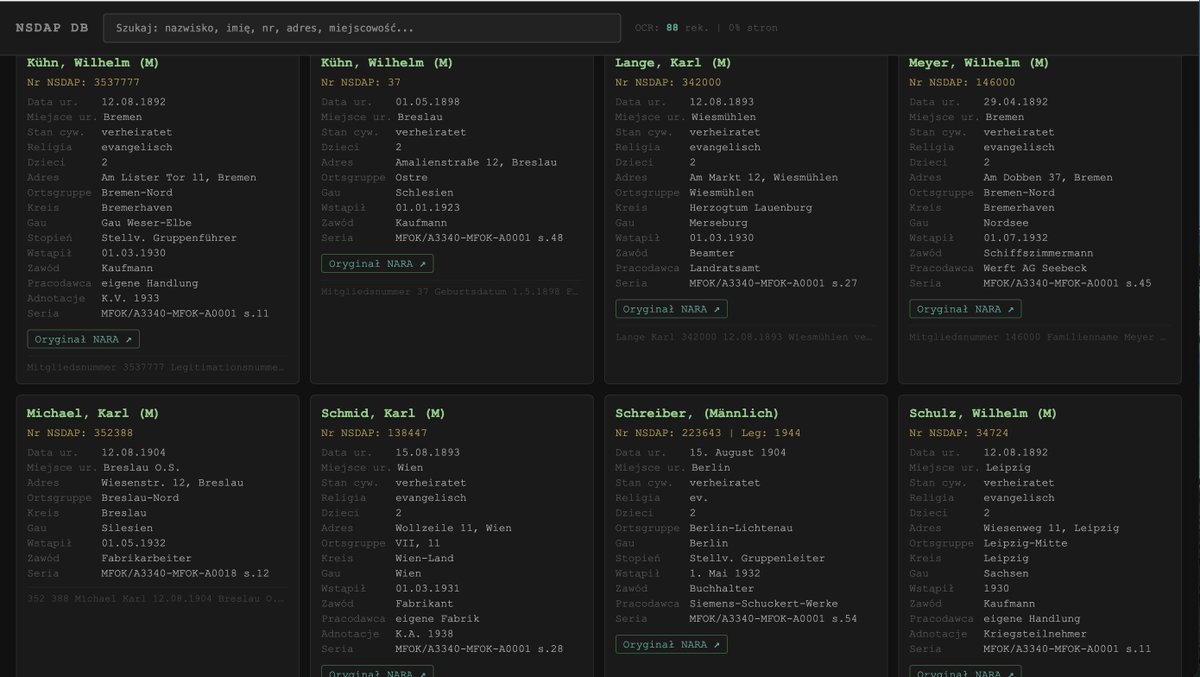

Odrażające. Nowy Babilon.
#Balkans #energy 🔵 #Serbia extends ban on exports of oil and petroleum products until April 2, 2026, aiming to shield citizens and the economy from ongoing global price spikes. *** Energy Minister says the measure covers diesel, gasoline, and crude oil. The government will also release 40000 tons of diesel from reserves and has cut fuel excise duties by 20% (valid until April 15). *** The steps come amid continued volatility on global markets, driven by Middle East tensions and a ~40% surge in oil prices in recent weeks.