Sebastiaan van 't Erve
21.2K posts
Sebastiaan van 't Erve
@SvtE
Burgemeester van de prachtige gemeente Lochem. Bestuurslid @Burgemeesters. Buitenpromovendus @fggaleiden. Member @enisa_eu Advisory Group - https://t.co/fQ2U8eY9aX
Lochem Katılım Nisan 2009
1.8K Takip Edilen3.8K Takipçiler
Sebastiaan van 't Erve retweetledi

With the US elections just around the corner, some food for thought about #democracy, #dictatorship and #truth.
@billmaher
English
Er dreigen Nederlandse toestanden in Duitsland.
Jörg Diehl@diehljoerg
Tonnenweise Kokain, Bombenanschläge und Folter: Drogenbanden fordern den Staat heraus, demonstrieren Macht und entfesselte Gewalt. Lange hat Deutschland die Gefahr unterstätzt. Drohen jetzt Zustände wie in den Niederlanden. Unser Titel @derspiegel spiegel.de/panorama/wie-d…
Nederlands
Sebastiaan van 't Erve retweetledi

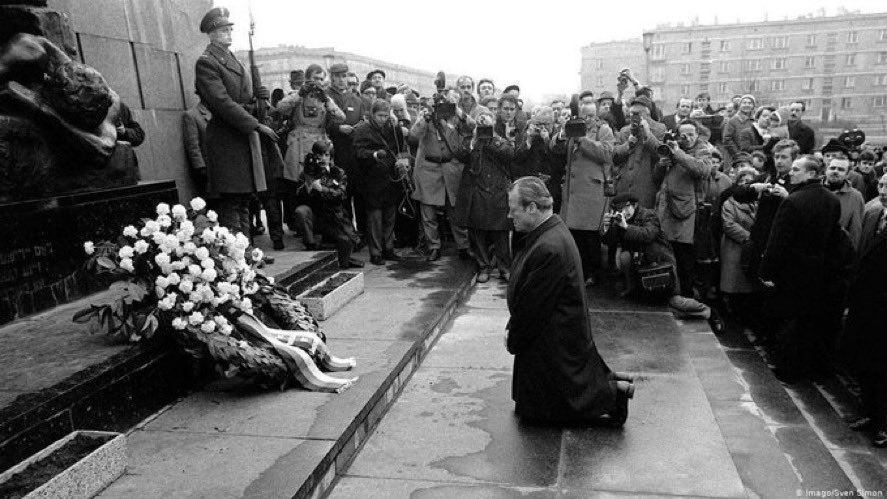
»Am Abgrund der deutschen Geschichte und unter der Last der Millionen Ermordeten tat ich, was Menschen tun, wenn die Sprache versagt.«
Willy Brandt,
gestorben am 8. Oktober 1992
Deutsch
Het is de hoofdvraag van deze tijd:
Leven we in een rechtstaat of verlagen we ons tot het recht van de sterkste?
Dit voorbeeld lijkt hilarisch, maar is dieptriest. En helaas symptomatisch, gezien de vele andere voorbeelden die steeds vaker en steeds aanhoudender voorbij komen.
Nederlands
Een goede reden om The Lady In The Van nog eens te kijken: youtu.be/47T0HORY9gs
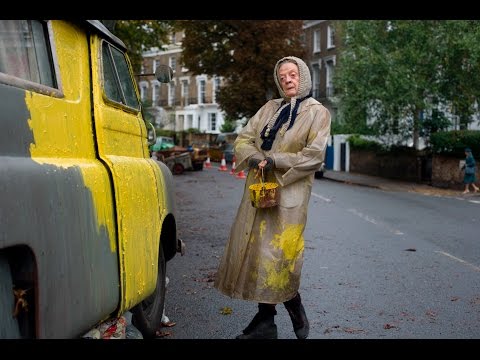
YouTube
BBC Breaking News@BBCBreaking
Dame Maggie Smith, Oscar-winning actress and star of Harry Potter and Downton Abbey, dies aged 89 bbc.in/4eIJpux
Nederlands
Sebastiaan van 't Erve retweetledi

Dame Maggie Smith, Oscar-winning actress and star of Harry Potter and Downton Abbey, dies aged 89
bbc.in/4eIJpux
English
Sebastiaan van 't Erve retweetledi

Dankzij dit jarige Lochemse bedrijf lopen de (film-)Hobbits Frodo en Bilbo er strak in het pak bij dlvr.it/TDkbcV
Nederlands
Niet bepaald een neutrale agendering door de Tweede Kamer. Geheel terecht overigens.
Tweede Kamer@2eKamertweets
Er dreigt een korting van 3 miljard euro op het #Gemeentefonds in 2026. De commissie @BiZaTweedeKamer organiseert een rondetafelgesprek over de gevolgen hiervan. Lees meer en volg live vanaf 16.30 uur: tweedekamer.nl/debat_en_verga… #TweedeKamer #rondetafelgesprek
Nederlands
Ik sluit een bewogen dag af met een moment van bezinning bij het Kinderknooppunt in de hal van het gemeentehuis. Een symbool verbinding en hoop. Heb lief, de rest is ruis.
😘

Nederlands
Sebastiaan van 't Erve retweetledi

Tijdens een reguliere controle op de snelweg A1 heeft de Douane 300 kilogram ketamine onderschept. De drugs zijn in beslag genomen en overgedragen aan de @Politie. Lees meer: overdedouane.nl/actueel/nieuws…
Nederlands
Zie ook: x.com/nigroeneveld/s…
Niels Groeneveld@nigroeneveld
The Ruby: A Floating Time Bomb Near Norway’s Critical Infrastructure The Ruby, a Malta-flagged Russian-linked cargo ship, currently floats off Norway's northeast coast, casting a long shadow over the region's security and environmental landscape. Laden with a staggering 20,000 tons of ammonium nitrate—a substance infamous for its role in catastrophic explosions—the ship represents an alarming threat due to its proximity to key military and civilian installations. The Ruby has been broadcasting "not under command" on its Automatic Identification System (AIS), meaning that it is effectively adrift and uncontrollable. Russia has officially claimed to have lost control of the vessel, further heightening tensions. A Ship with a Dangerous Cargo Ammonium nitrate, the Ruby's cargo, is widely used in agriculture as a fertilizer and in industry as an ingredient for explosives. Under stable conditions, the chemical is relatively safe. However, when subjected to extreme heat, shock, or contamination, it becomes highly volatile. The scale of the risk cannot be understated: 20,000 tons is more than seven times the quantity of ammonium nitrate that detonated in the tragic Beirut explosion of 2020, an event that left large portions of the Lebanese capital in ruins. Experts have noted that a similar explosion from the Ruby could cause devastation comparable to the atomic bomb dropped on Hiroshima, capable of flattening vast areas and causing widespread loss of life. This makes the ship a ticking time bomb as it drifts perilously close to sensitive infrastructure. In particular, the Norwegian government and NATO are increasingly alarmed by the ship’s position, as the Norwegian coastline hosts key military assets that form part of the broader Western defense architecture. Proximity to Norway’s Strategic Military Infrastructure The Ruby’s location near Bergen places it alarmingly close to critical installations. Bergen is home to the Naval Base Haakonsvern, Norway’s largest military port and a key site for its maritime defense operations. The base is not only Norway’s premier naval installation, but also a cornerstone of NATO’s regional security framework. Any explosion from the Ruby could cripple Norway's naval capabilities and disrupt NATO’s strategic readiness in the North Atlantic and Arctic regions. Also nearby are the Norwegian Special Operations Command in Ramsund and the Coastal Ranger Commando in Trondeness. These are elite military units tasked with defending Norway’s long and complex coastline. Further afield but still within range of a potentially catastrophic explosion are the F-35 Quick Reaction Alert (QRA) facility and the P-8 Maritime Patrol Aircraft (MPA) base at Evenes. These assets are crucial for both surveillance and air defense, essential components in NATO's operations to monitor and control the increasingly contested Arctic region. In addition to these military sites, the Ruby is also uncomfortably close to some of Norway’s most important civilian infrastructure. Bergen is a central hub for the country’s oil and marine industries, which generate substantial revenues and employment. Any explosion would not only cripple these industries, potentially wiping out critical oil rigs, but would also send shockwaves through global energy markets, further destabilizing an already fragile geopolitical situation. The Ship’s Troubled Voyage The Ruby departed from the Russian port of Kandalaksha on August 22, 2024, bound for Spain with its volatile cargo. However, it soon ran into trouble. The ship sustained significant damage to its propeller, hull, and rudder during its passage through rough waters in the Barents Sea, forcing it to seek refuge in Tromsø, Norway, on September 1. Norwegian authorities allowed the vessel to dock temporarily but quickly ordered it to leave the port on September 4 due to the extreme risk posed by the ship’s dangerous cargo. After leaving Tromsø, the Ruby was left to drift off Norway's coast, its damaged state raising fears that the ammonium nitrate on board could be set off by mechanical failure, a fire, or even deliberate sabotage. Russia’s admission of having lost control of the ship has only compounded concerns. The Ruby currently sits idle, "not under command," with Norwegian authorities scrambling to manage the situation. Potential Environmental Disaster In addition to the human and military risks, the environmental dangers posed by the Ruby are also profound. Norway’s coastline is rich in marine biodiversity and a vital economic resource, particularly for the country’s fishing industry. A detonation of the ship’s cargo would not only obliterate nearby ecosystems but also release toxic chemicals into the surrounding waters, poisoning marine life and wrecking fishing grounds for decades to come. This would not only be an ecological disaster but a severe blow to Norway’s economy, which relies heavily on its marine resources. Furthermore, the detonation of 20,000 tons of ammonium nitrate would release a massive cloud of nitrogen oxide, a dangerous pollutant, into the atmosphere, potentially affecting large parts of Northern Europe. The immediate fallout would be devastating, not only in terms of human lives lost and environmental degradation but also economically, as it could disrupt maritime traffic, oil production, and the fishing industry for years. Norwegian and International Response Norwegian authorities are on high alert, with military and emergency services prepared to respond to any escalation. Rescue services, fire departments, and the Norwegian Coast Guard have been monitoring the Ruby, attempting to ensure that no fire or ignition occurs onboard. However, the sheer size of the vessel’s cargo and the proximity to key military and civilian assets means that the situation is fraught with peril. At an international level, NATO allies are closely monitoring the situation, as the incident occurs at a time of heightened tension between Russia and the West. The timing of the Ruby’s voyage, coinciding with ongoing tensions in Eastern Europe and the Arctic, has raised suspicions among some NATO officials. Russia’s sudden claim of having lost control of the vessel has only deepened these concerns, with some speculating whether this is an intentional provocation or negligence on Moscow’s part. Russia remains one of the world’s largest producers of ammonium nitrate, exporting vast quantities globally. The Ruby’s departure from a Russian port, coupled with its current predicament, has led to speculation about possible strategic motivations behind its voyage. Whether the situation is the result of a genuine accident or something more nefarious remains to be seen, but Norwegian and NATO forces are taking no chances. A Complex Geopolitical and Environmental Crisis The Ruby is more than just a stranded ship—it is a symbol of the multifaceted risks posed by modern maritime transport and international tensions. Its volatile cargo, combined with its precarious location, has created a dangerous confluence of environmental, military, and economic risks. For Norway, the situation underscores the vulnerabilities of its critical infrastructure and the potential threats posed by its geographical proximity to Russia. The world is watching as Norwegian authorities, backed by their NATO allies, attempt to neutralize this floating time bomb. If successful, the incident will serve as a critical case study in crisis management and international cooperation. If not, the consequences could be catastrophic—not just for Norway, but for Europe and beyond. In the meantime, the Ruby continues to drift, an ominous reminder of the thin line between safety and disaster in a world increasingly shaped by geopolitical strife and environmental risk. As the ship remains a high-risk floating bomb, the urgency to act decisively has never been more critical.
Nederlands
Interessant draadje. Hoe onschuldig is een schip met 20.000 kilo explosief materiaal aan boord dat boven diverse gas- en olieleidingen vaart en een NAVO-basis nadert èn dat een signaal uitzendt geen controle meer te hebben over het schip?
auonsson@auonsson
Bomb/fertilizer ship RUBY look like she has lost propulsion. She broadcasts "Not under command" on AIS. She is right outside Bergen, home to important naval base Haakonsvern and a large part of Norway's oil/marine/fishing industry. Very convenient. Weather is super calm.
Nederlands
Een mooie slag tegen de criminaliteit!
Europol@Europol
🚨Europol has teamed up with law enforcement from 9 countries to take down a criminal encrypted communication platform. 👮♀️Law enforcement is committed to ensuring that crime cannot operate in the shadows. More details in our press release ⤵️ europol.europa.eu/media-press/ne…
Nederlands
Een mooi bericht van hoop en verbinding
Massimo@Rainmaker1973
This is the note that Jimmy Carter placed on the Voyager spacecraft in 1977
Nederlands
Sebastiaan van 't Erve retweetledi

Veiligheidsberaad bezorgd over bezuiniging op brandweer en crisisbeheersing. Lees ons volledig statement op onze website: veiligheidsberaad.nl/2024/09/17/vei…
Nederlands
In Finland worden glasvezelkabels doorgeknipt. Het is twee over twaalf om onze maatschappelijke weerbaarheid tegen dit soort dreigingen fundamenteel te versterken. Om onze samenleving te beschermen moeten we nu in actie komen: x.com/svte/status/18…
Aki H Heikkinen@akihheikkinen
In Joensuu, Finland fiber optic cables and comms cut with bolt cutters at 6 different outdoor junction cabinets between 13-16th September. Affects one residential area. is.fi/kotimaa/art-20…
Nederlands
Sebastiaan van 't Erve retweetledi

Op deze dag in 1920 werd verzetsstrijder Hannie Schaft geboren. 'Het meisje met het rode haar' werd in '45 gefusilleerd in de duinen van Bloemendaal. Zij was in het verzet betrokken bij hulp aan onderduikers, verspreiden van verzetskranten en het plegen van aanslagen op verraders


Nederlands
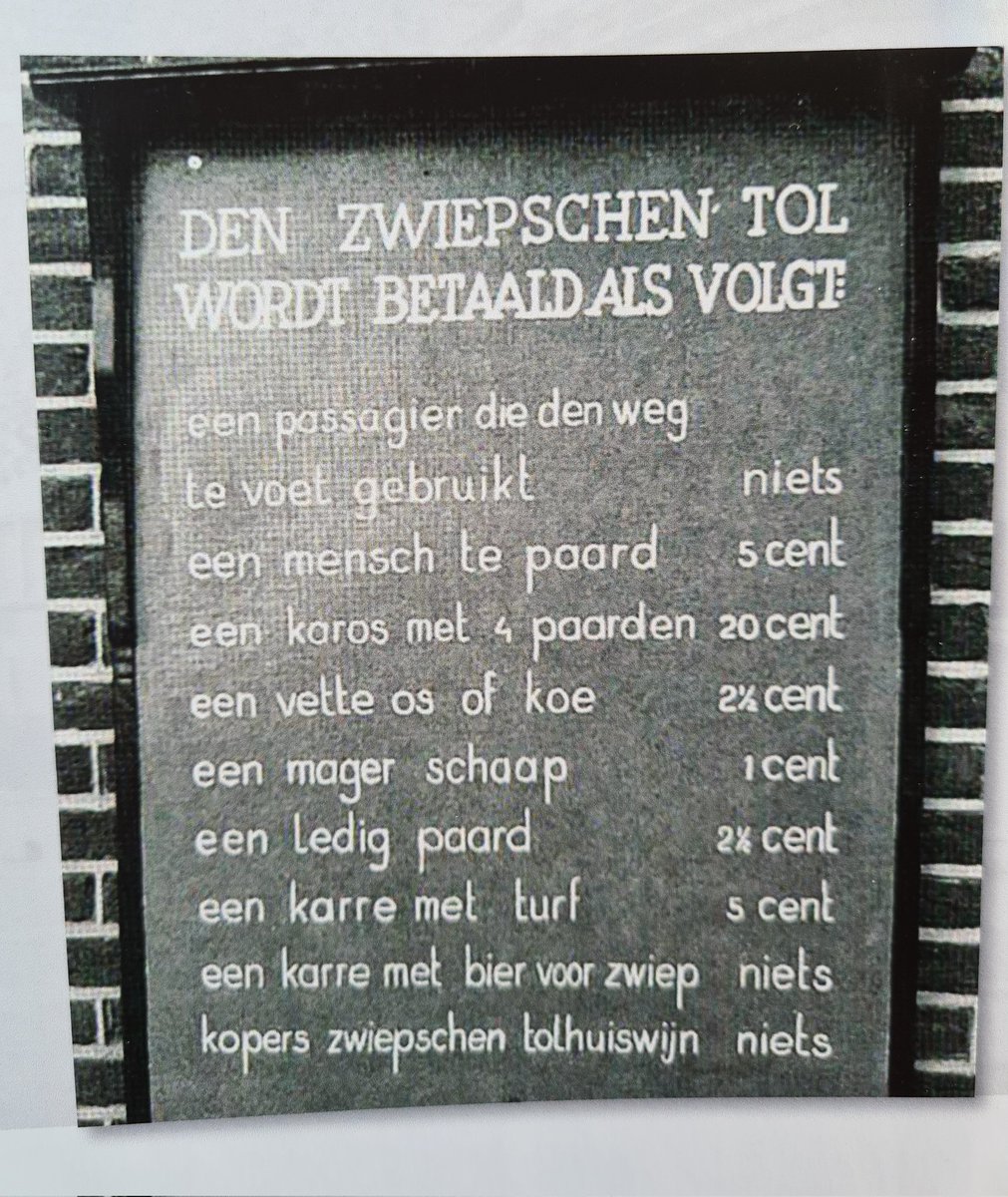
Bij de start van Open Monumentendag in Lochem mocht ik het unieke historische plaatjesverzamelalbum van de Plus in Lochem en Laren ontvangst nemen. Ik zal niet teveel onthullen; het is de moeite van het sparen meer dan waard! Zie het prachtige voorbeeld van de tolprijzen in Zwiep

Nederlands
Sebastiaan van 't Erve retweetledi