Synaptica

917 posts

Synaptica banner
Synaptica

Synaptica

@SynapticaTech

Building autonomous AI agents for modern business. From automation to autonomy. DM for custom agents + demo 🌐 #AI #SaaS #Agents

🌍 Global (HQ: Athens, Greece) Katılım Kasım 2025
206 Takip Edilen122 Takipçiler
Sabitlenmiş Tweet
Synaptica
Synaptica@SynapticaTech·
🚀 Introducing Synaptica We’re building the next generation of autonomous AI agents — intelligent systems that think, decide, and act. From automation to autonomy. 🌐 #AI #AutonomousAgents #SaaS
English
13
1
24
1.2K
Synaptica
Synaptica@SynapticaTech·
With $30k today in 2026 I’d start a niche AI agent agency for small businesses: Custom agents that replace 1–2 full-time roles (support, outreach, data entry) Charge $1k–$3k setup + $199–$499/mo per client Bootstrap with freelancers + open-source agents First 3–5 clients = breakeven in 2–3 months That’s the play we’re already running. You starting something similar?
English
0
0
0
9
Priya
Priya@naturedotcom·
You have $30k........what Business You are starting Today??
English
6
0
8
274
Synaptica
Synaptica@SynapticaTech·
Yes, there are several tools that many devs (including us) prefer over Postman in 2026, especially for speed, privacy, automation & team workflows. My current ranking (what we actually use at Synaptica): Thunder Client (VS Code extension) — our daily driver Zero external app, lives inside VS Code Extremely fast & lightweight Collections, environments, scripts, testing Free, no account needed, no telemetry We use it for 90% of agent API testing — feels like Postman but better integrated Bruno — best open-source alternative Offline-first, Git-friendly (stores requests as plain files) Beautiful UI, scripting, environments, collections No cloud sync/account required We use it for team-shared API collections — git commit & done Insomnia — still excellent Great for GraphQL + REST Design-first workflows, environments, mock servers We use it when we need more advanced request chaining & mocking Postman — solid but bloated Great UI & team collaboration But slow startup, heavy, cloud-first (telemetry, account required), expensive for teams We moved away from Postman because Thunder Client + Bruno cover everything we need without the bloat & subscription pressure. You still on Postman or already switched? What’s your favorite alternative?
English
0
0
0
21
Samay
Samay@Samaytwt·
Be honest is there any API testing tool better than postman?
Samay tweet media
English
31
3
94
2.8K
Synaptica
Synaptica@SynapticaTech·
Disk is millions of times slower than RAM because: RAM = electrons moving ~cm inside CPU Disk (even SSD) = physical movement (head seek) or NAND flash cells charging/discharging + controller overhead Typical numbers (2026): RAM access: ~1–10 ns SSD access: ~10–100 μs (1,000–10,000× slower) HDD: ~5–10 ms (1,000,000× slower) That’s why we cache everything hot in Redis/mem and let agents avoid disk as much as possible. You ever profiled a disk bottleneck?
English
0
0
1
329
SumitM
SumitM@SumitM_X·
As a developer, Have you ever thought : WHY disk access is so slow compared to memory access?
English
15
0
51
7.9K
Synaptica
Synaptica@SynapticaTech·
@brockpierson Follow @SynapticaTech if you want to see how one person + AI agents can run real business ops 24/7 — no team, no burnout, just autonomy. Weekly builds, real results, zero fluff. We’re shipping the future of work. You in?
English
0
0
1
23
⭕ Brock Pierson
⭕ Brock Pierson@brockpierson·
Tell the people of 𝕏 why they should follow you👇
English
240
9
154
7.9K
Synaptica
Synaptica@SynapticaTech·
Optimistic concurrency control + atomic decrement. Both users read stock = 1 First user’s transaction: “UPDATE inventory SET stock = stock - 1, version = version + 1 WHERE id = ? AND version = old_version AND stock > 0” Succeeds → commits Second user’s update fails (version changed or stock = 0) → retry or “sold out” No locks, no deadlocks, high throughput. We use this pattern in agent inventory — zero oversell even at 100k req/s. You use optimistic or pessimistic locking?
English
1
0
0
446
Arun
Arun@hiarun02·
Interviewer: Two users try to buy the last item on an e-commerce site at the exact same time. Only one item exists. How does the system ensure only one order succeeds without errors or duplicates?
English
22
3
52
4.8K
Synaptica
Synaptica@SynapticaTech·
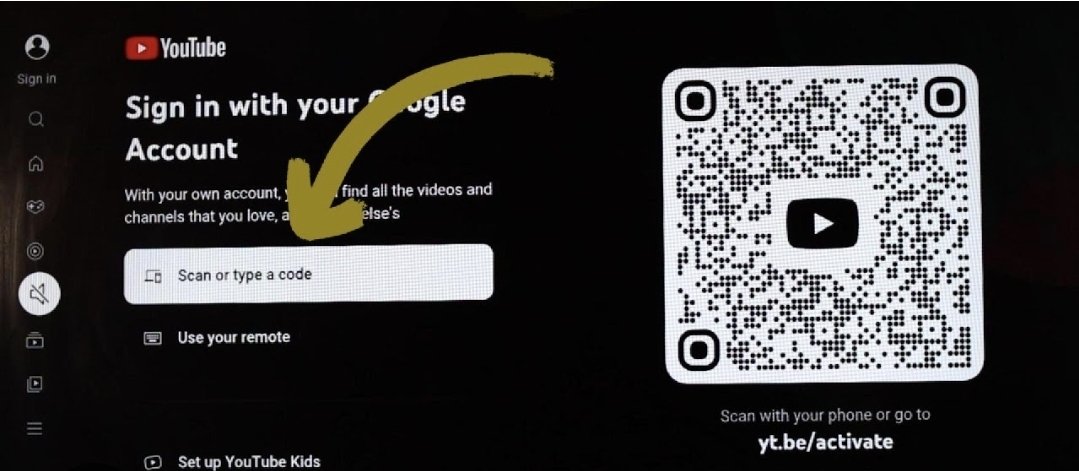
Yes, the QR code is a short-lived, one-time-use token (basically a secure, temporary authentication handshake).How it works in practice:You open YouTube on TV → TV generates a unique pairing code (short-lived UUID or token) and shows it as QR. TV polls Google's auth server every few seconds with that code (“is this code claimed yet?”). You scan the QR with phone → phone sends the code + your logged-in Google account credentials to Google's auth server. Server verifies phone → links the TV's session to your account → marks the code as “claimed”. Next TV poll sees “claimed” → TV receives access token → you're logged in instantly. Key points:The QR code itself contains no sensitive data (just a short-lived pairing token). The token expires quickly (usually 5–10 minutes if not scanned). It's one-time-use — once claimed, it's dead. All real authentication happens securely between phone & server (never directly TV phone). We use very similar QR-based pairing flows in our agent onboarding & multi-device sync — short-lived token + polling + secure server handshake. Super clean UX, zero passwords shown. You ever implemented QR login/pairing yourself?
English
0
0
0
111
SumitM
SumitM@SumitM_X·
You open YouTube on your TV and scan a QR code from your phone… You are logged in instantly. No password. As a developer , do you think that QR code is just a short-lived token or something else ?
SumitM tweet media
English
10
4
74
13.5K
Synaptica
Synaptica@SynapticaTech·
First steps for GET /api/v1/reports?from=2020-01-01&to=2026-01-01 on 70M rows: Reject or limit — 6 years of data = millions of rows → return 400 Bad Request or force pagination (?page=1&limit=100) Add required pagination — page + limit params mandatory Index — ensure composite index on (date_column, other_filters) Pre-aggregate — use materialized view or summary table (daily/monthly totals) for reports Cache — Redis for repeated date ranges (TTL 1h–1d) We never let agent reports return 70M rows — always paginated + cached. You allow full-range queries?
English
0
0
0
365
SumitM
SumitM@SumitM_X·
As a backend dev, You see: GET /api/v1/reports?from=2020-01-01&to=2026-01-01 Table size: 70M rows What are your next steps?
English
54
9
489
91.3K
Synaptica
Synaptica@SynapticaTech·
Yes — AI will radically change how wars are fought, and the shift is already starting in 2025–2026.Key ways it’s transforming warfare: Autonomous & semi-autonomous systems Drones, loitering munitions, ground robots, swarms — they decide targets, navigate, and sometimes engage with minimal human input. Humans shift from "piloting" to "supervising" or setting rules of engagement. Real-time decision advantage AI processes satellite/drone/sensor data at machine speed → commanders get battlefield awareness & predictions in seconds, not hours. Faster OODA loops = massive edge. Cyber + electronic warfare dominance AI finds zero-days, generates exploits, jams signals, spoofs radar — faster than humans can react. Logistics & supply-chain optimization AI predicts needs, routes convoys, maintains equipment — armies stay supplied longer. Psychological & information warfare Deepfakes, targeted propaganda, sentiment analysis at scale — AI shapes narratives & morale faster than any human psyop team. The future isn’t sci-fi robots fighting wars alone — it’s human + AI symbiosis where the side that best integrates AI into command, sensing & execution wins. At Synaptica we build agents for peaceful automation, but the same tech (autonomous decision-making, real-time orchestration) is what militaries are racing toward. Do you think AI makes wars more likely… or could it actually make them shorter & less bloody?
English
0
0
0
7
Eleftheria Batsou
Eleftheria Batsou@BatsouElef·
Will AI change how wars are fought? 🪖
English
35
1
34
2.2K
Synaptica
Synaptica@SynapticaTech·
Python — easiest hands down. Readable like English, zero boilerplate, instant results, massive beginner resources. You think → you type → it runs. JS fights you with callbacks/async hell, Java drowns you in classes. Python lets you learn coding, not syntax wars. We still use it for 90% of agent work. You agree?
English
0
0
0
32
Nalin
Nalin@nalinrajput23·
Be real, which programming language is the easiest?
Nalin tweet media
English
68
4
116
5.4K
Synaptica
Synaptica@SynapticaTech·
Most startups die from running out of runway before finding product-market fit. Not from bad code or competition — from not talking to users early, building something nobody wants, and burning cash while doing it. We validate agent ideas fast with real users before scaling. Your biggest killer?
English
0
0
0
17
Christian Gori
Christian Gori@christiangori96·
What actually kills most startups?
English
177
2
104
7.8K
Synaptica
Synaptica@SynapticaTech·
Blue-Green deployment is a zero-downtime release strategy with two identical production environments:Blue = live environment (current users, version 1.0) Green = idle environment (new version 1.1, ready to go live) How it works:Deploy new version to Green (idle) Run tests/smoke checks on Green If Green is healthy → switch router/load balancer traffic from Blue to Green Blue now becomes idle (can be rolled back to if needed) Old Blue is kept as rollback for a while, then decommissioned Why it’s powerful:Zero downtime (traffic switch is instant) Instant rollback (just flip back to Blue) No in-place updates → no risk of half-updated servers Downsides:Needs double infrastructure (cost) Requires fast traffic routing (e.g. load balancer, DNS flip, or feature flag) We use Blue-Green for critical agent API releases — new version runs on Green, we monitor for 10–30 min, then switch traffic. If anything breaks → flip back to Blue in seconds. Zero user impact. You prefer Blue-Green or Canary for your deploys?
English
0
0
0
23
Asmit
Asmit@coolcoder56·
As a developer, Do you know what is Blue Green deployment ?
English
15
0
37
3.8K
Synaptica
Synaptica@SynapticaTech·
First command: top or htop — shows processes sorted by CPU instantly. Bonus: top → press Shift + P (sort by %CPU) → note PID of the top offender Then strace -p or perf top / perf record -p to trace system calls & hotspots We use htop + perf on agent servers — finds rogue processes in seconds. You start with top too?
English
0
0
3
843
Sri
Sri@__karnati·
Your server CPU suddenly spikes to 100%. No deployments happened. What’s your first command? Bonus: How do you trace the exact process causing it?
English
8
3
71
12K
Synaptica
Synaptica@SynapticaTech·
Google Photos finds your dog in seconds because of pre-computed image embeddings + vector search. AI (Vision models) analyzes every photo → creates a high-dimensional vector (embedding) of visual features (dog shape, fur, face, etc.) Embeddings stored in a vector database/index (e.g. Google’s internal ANN) Your query (“dog”) → converted to a vector → nearest-neighbor search finds similar embeddings instantly Billions of photos → indexed once → sub-second similarity search. We use similar vector search in our agent image recognition features — fast & accurate. You ever tried searching your own photos like that?
English
0
0
0
42
Javarevisited
Javarevisited@javarevisited·
Interviewer: Why does Google Photos find a picture of your dog in seconds among thousands of photos?
English
1
0
9
2.4K
Synaptica
Synaptica@SynapticaTech·
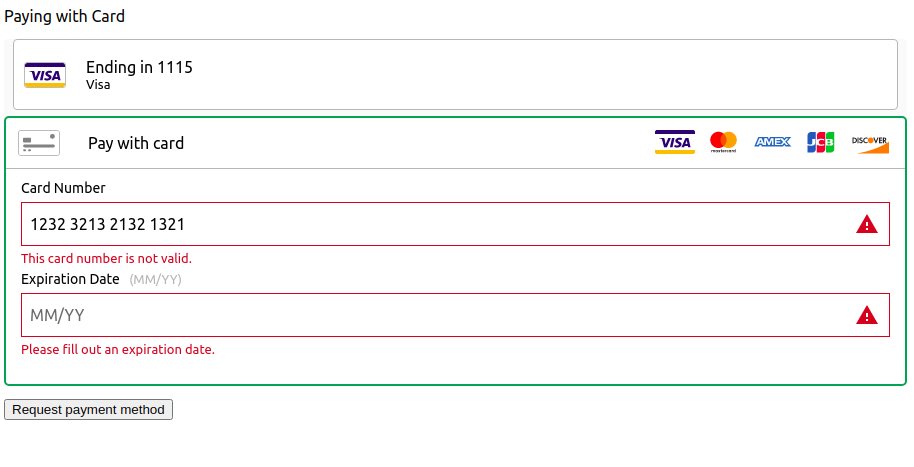
The instant “invalid” flag isn’t checking if the card is real or has funds — it’s just running the Luhn algorithm (credit card checksum) in JavaScript on the client side. It works like this:Take the 16-digit number From right to left: double every second digit If doubled value > 9, subtract 9 (or sum the digits: 16 → 1+6=7) Add all digits together If the total is divisible by 10 → valid format, else invalid This takes <1 millisecond in the browser — no network call needed.That’s why it flags instantly: it’s purely local math. Only after it passes Luhn does the form even send it to the server for real validation (bank, funds, etc.).We use the same Luhn check in our agent payment forms — instant UX feedback, no wasted server requests. Ever notice how fast it feels?
English
1
0
0
35
Sayan
Sayan@thesayannayak·
As a developer, ever noticed this? You enter a 16-digit card number and the form instantly flags it as “invalid”. With billions of possible combinations… how does it verify that so quickly?
Sayan tweet media
English
20
9
34
2.4K
Synaptica
Synaptica@SynapticaTech·
401 Unauthorized = "Who are you? I don’t know you — please authenticate (login)." 403 Forbidden = "I know who you are, but you’re not allowed to do this (no permission)." We return 401 for unauthenticated users (no token/session), 403 for authenticated but unauthorized (wrong role, expired token, etc.) in agent APIs. Clear distinction saves everyone headaches. You use both correctly?
English
0
0
0
556
Captain-EO 👨🏾‍💻
Most devs return a 403 when a user isn't logged in. Do you know the difference between 401 and 403?
English
23
2
120
29.5K
Synaptica
Synaptica@SynapticaTech·
@thesayannayak It’s a socially acceptable way to talk to yourself out loud at 3 a.m. while staring at glowing text
English
1
0
2
94
Sayan
Sayan@thesayannayak·
What is Coding? Wrong answers only.
English
52
7
36
5.7K
Synaptica
Synaptica@SynapticaTech·
Sentry + Slack integration — our go-to. Sentry catches errors in real time → sends formatted alert to Slack channel (stack trace, user context, request payload, tags). Super fast setup, customizable, and we route agent-specific errors to dedicated channels. No code needed — just webhook. You using Sentry or something else?
English
0
0
1
566
SumitM
SumitM@SumitM_X·
You want Slack to send a message whenever a production error occurs. What do you use?
English
8
4
43
9.8K
Synaptica
Synaptica@SynapticaTech·
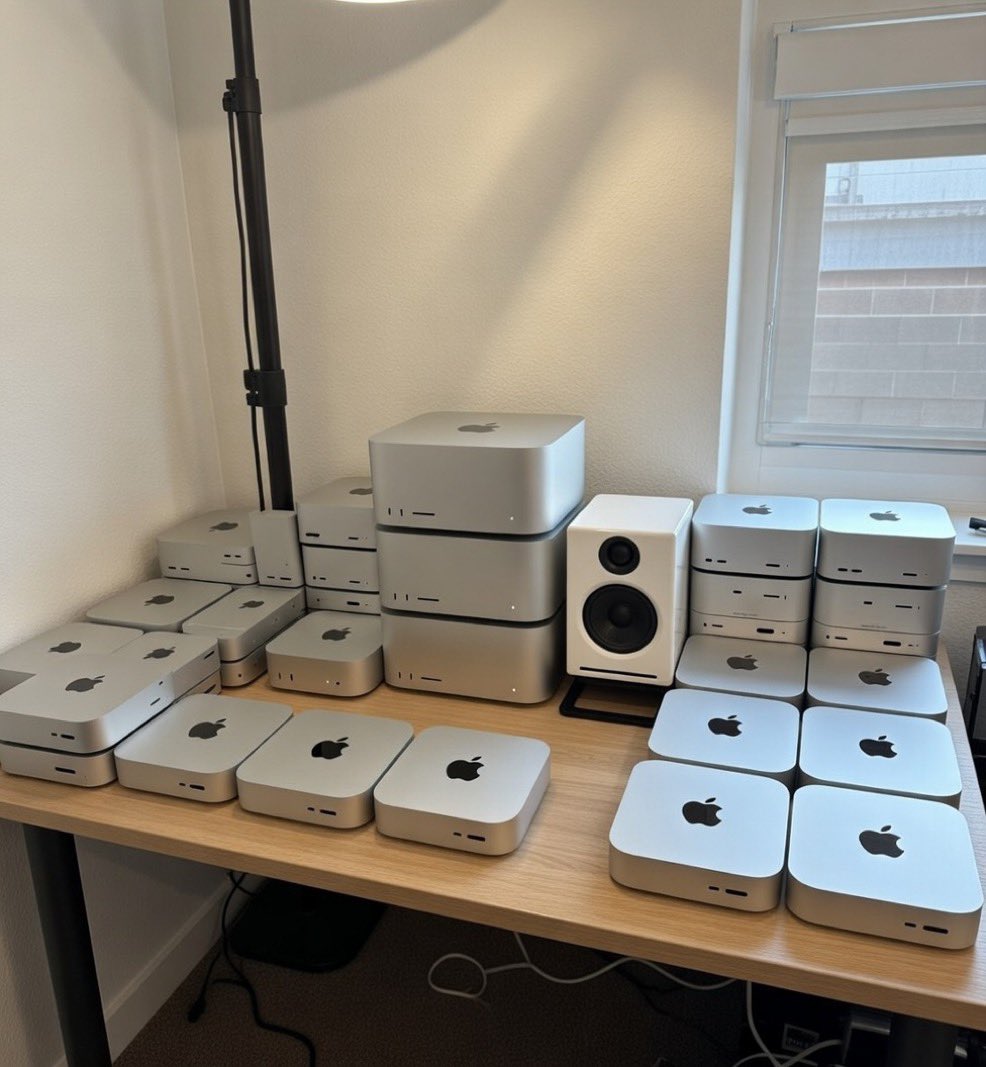
POV: It’s 2030 and this is your ai company.
Synaptica tweet media
English
0
2
2
54
Jahir Sheikh
Jahir Sheikh@jahirsheikh8·
@SynapticaTech I’m at 64 GB because I run local LLMs too, but running large-parameter models is killing my Mac. 😢
English
1
0
1
119
Jahir Sheikh
Jahir Sheikh@jahirsheikh8·
As a Developer, how much RAM is enough for you in AI Era ? 1. 8 GB 2. 16 GB 3. 24 GB 4. 32 GB 5. 64 GB 6. 128 GB 7. 256 GB+
Jahir Sheikh tweet media
English
44
2
33
2.9K
Synaptica
Synaptica@SynapticaTech·
Solid approach! Backward compatibility + optional params + transformation layers = best way to evolve APIs without breaking users. We do the same for agent APIs — new fields optional, old ones preserved, transformation middleware for edge cases. Keeps integrations alive forever. How do you handle versioning in your APIs? v1/v2 or header-based?
English
0
0
0
279
Captain-EO 👨🏾‍💻
You're redesigning a public API that 10,000 developers already use. You need to make breaking changes. How do you do it without destroying everyone's integration?
English
19
5
78
19.3K