
The Arts Society Farnham retweetledi
The Arts Society Farnham
3.2K posts


The Arts Society Farnham
@TASFarnham
Enriching our lives through the Arts
Farnham Surrey Katılım Mart 2018
46 Takip Edilen105 Takipçiler


The Arts Society Farnham retweetledi

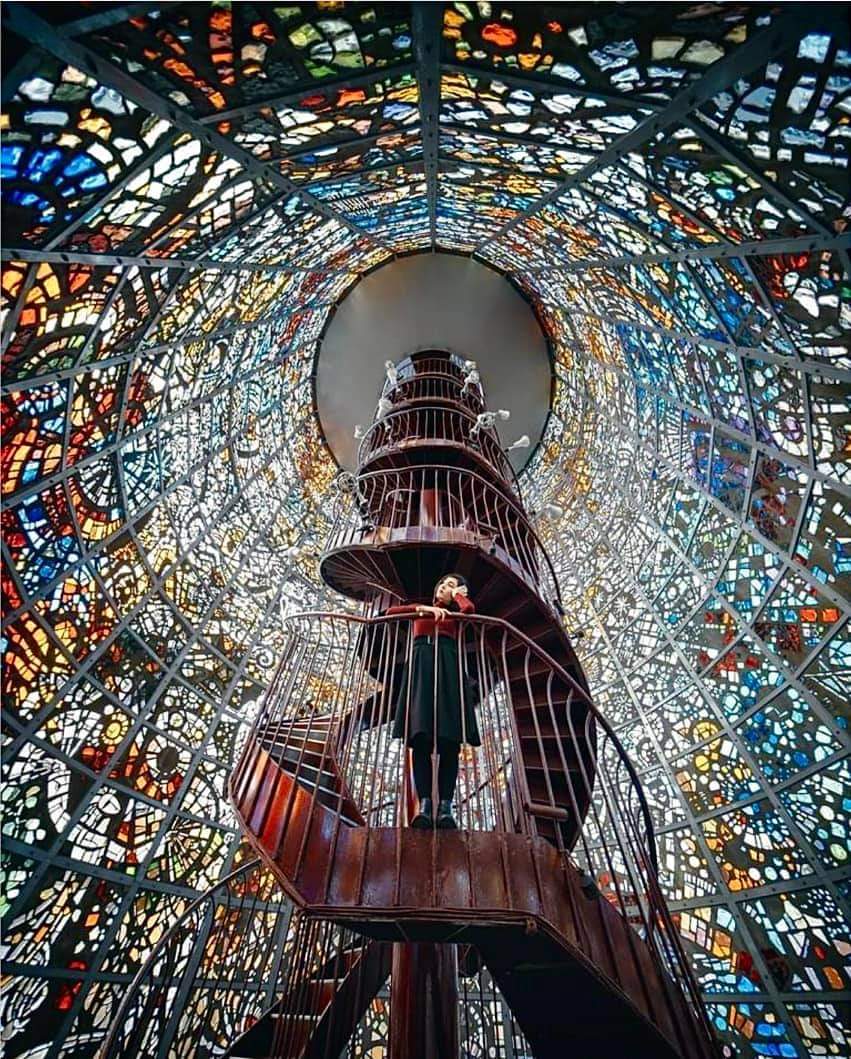
The Gatchina Palace Egg, an Imperial Fabergé egg created in 1901 under the supervision of Peter Carl Fabergé.

Español
The Arts Society Farnham retweetledi

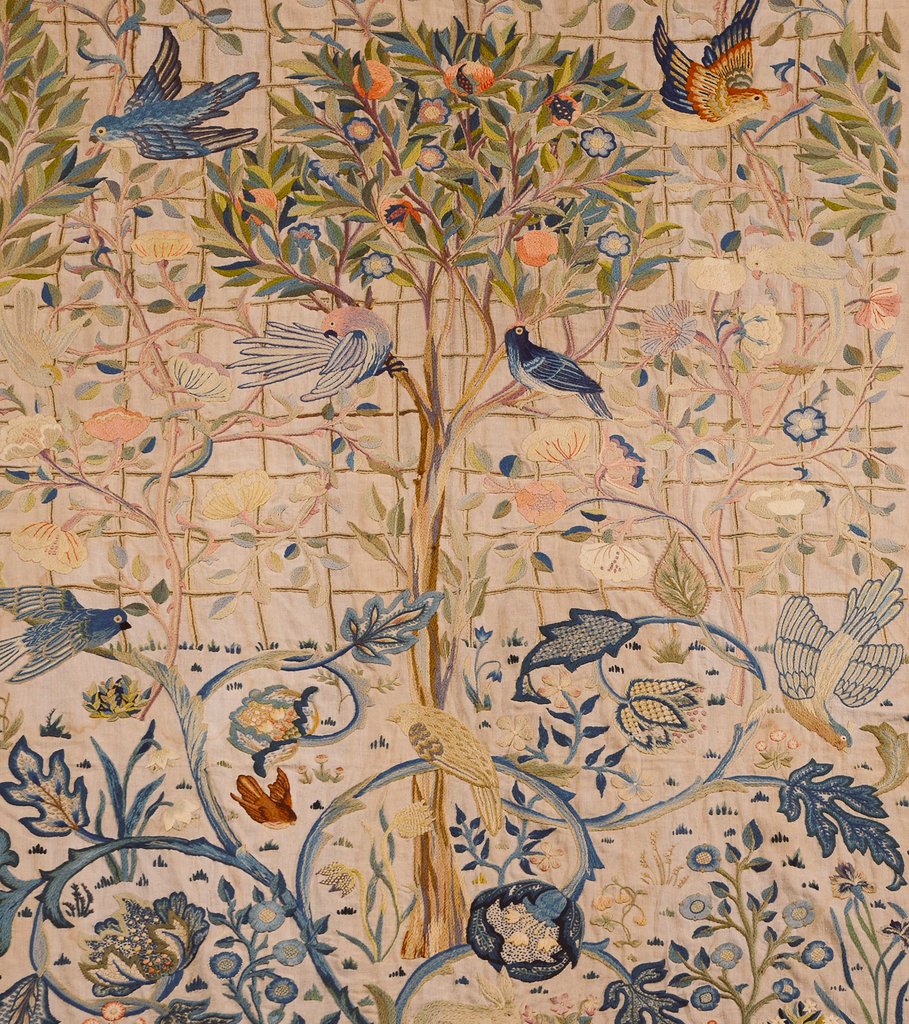
Embroidered hanging of wool on linen depicting a pomegranate tree, roses and other flowers, foliage and birds, designed by May Morris, 1891, and worked by May Morris and Theodosia Middlemor. #Womensart
English
The Arts Society Farnham retweetledi
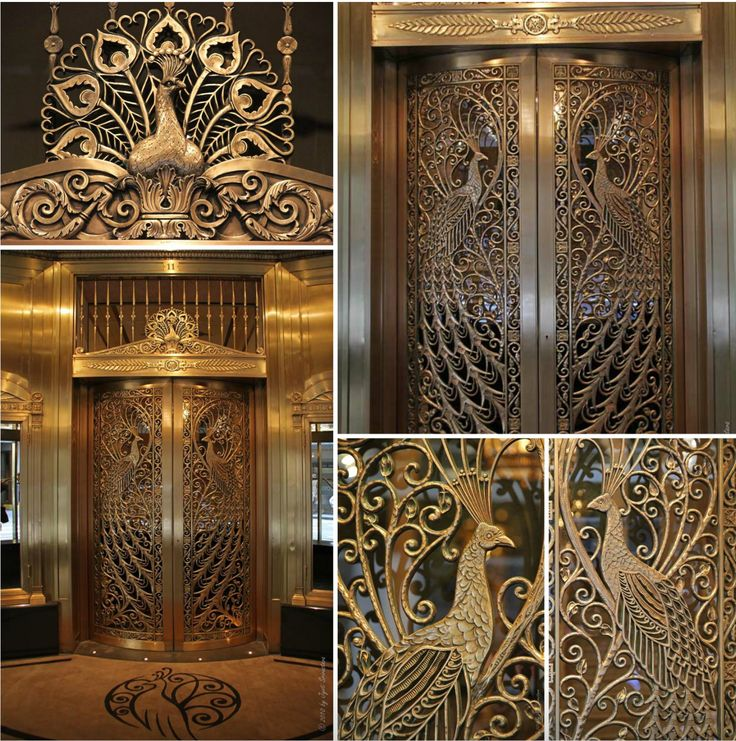
The Peacock Doors, were designed by Louis Comfort Tiffany in 1925.
English
The Arts Society Farnham retweetledi


The Arts Society Farnham retweetledi
Antwerpen-Centraal, Belgium often called the world’s most beautiful railway station, where every corner feels like a piece of art.

English
The Arts Society Farnham retweetledi

In 1985, a man named Douglas Simmonds walked into the British Museum, carrying a bag of old objects. His father Leonard had served with the Royal Air Force in the Middle East during and after the Second World War, and like many veterans stationed far from home, he had picked up curiosities along the way. Clay fragments. Small carved objects. Things that looked interesting without being obviously valuable.
After Leonard died, the collection passed to his son. Douglas wanted someone to tell him what he had. The man who looked at the objects was Irving Finkel — one of the very few people alive who can read cuneiform, the world's oldest writing system. Finkel looked at the tablets one by one. Then he picked up a small, damaged piece of clay — roughly the size of a mobile phone — and started reading. He went very still. The opening lines were famous to anyone in his field. They were the beginning of the Atra-Hasis Flood Story — one of the oldest narratives in recorded human history. A god warning a chosen man of a coming catastrophe. An instruction to build a great boat and save the animals. A story so ancient it had been told and retold across civilizations for thousands of years before anyone carved it into stone or pressed it into paper. But this particular tablet contained something that had never been seen before - construction instructions. Precise ones naming materials, measurements, quantities. A working blueprint for the ark itself — specific enough that a boat could actually be built from it. And the ark it described was nothing like the one in Genesis, it was round. A massive circular coracle — coiled from palm fiber rope, supported by thick wooden ribs, sealed with layers of bitumen that seeped naturally from the Iraqi earth. It was not designed not to sail anywhere, but simply to float, because it had nowhere specific to go, it just needed to survive.
Finkel was — in his own words — "wobbly with desire" to keep studying it. But Simmonds took it back, he wasn't oblivious about its significance. He was simply a man who had inherited a family treasure and wasn't ready to surrender it to a museum. He was, by all accounts, a person of considerable intelligence who knew exactly what he was carrying. But he just wasn't willing to leave it behind.
Finkel never forgot the tablet. For 24 years, he thought about those opening lines. Wondered what the full text said. Then, in 2009, he spotted Douglas Simmonds at a Babylonian exhibition inside the very museum where they had first met. He walked over and asked directly: please, bring the tablet back. This time, Simmonds agreed. What followed was years of painstaking work. The tablet's 60 lines of cuneiform covered both sides of the clay. Some sections were chipped or cracked, forcing Finkel to cross-reference fragments, compare symbols, and reconstruct meaning from what time had left behind. But the construction instructions were remarkable in their specificity — detailed enough that he eventually worked with ancient shipbuilding experts to actually build a replica of the round ark, at roughly one-third scale. When he launched it on a river in Kerala, India, with documentary cameras rolling, the ancient design held.
📷 : Dr. Irving Finkel, a philologist and Assyriologist, displaying a 4000 years-old clay tablet containing the story of the Ark at the British Museum
© The Stories They Never Shared
#archaeohistories

English
The Arts Society Farnham retweetledi

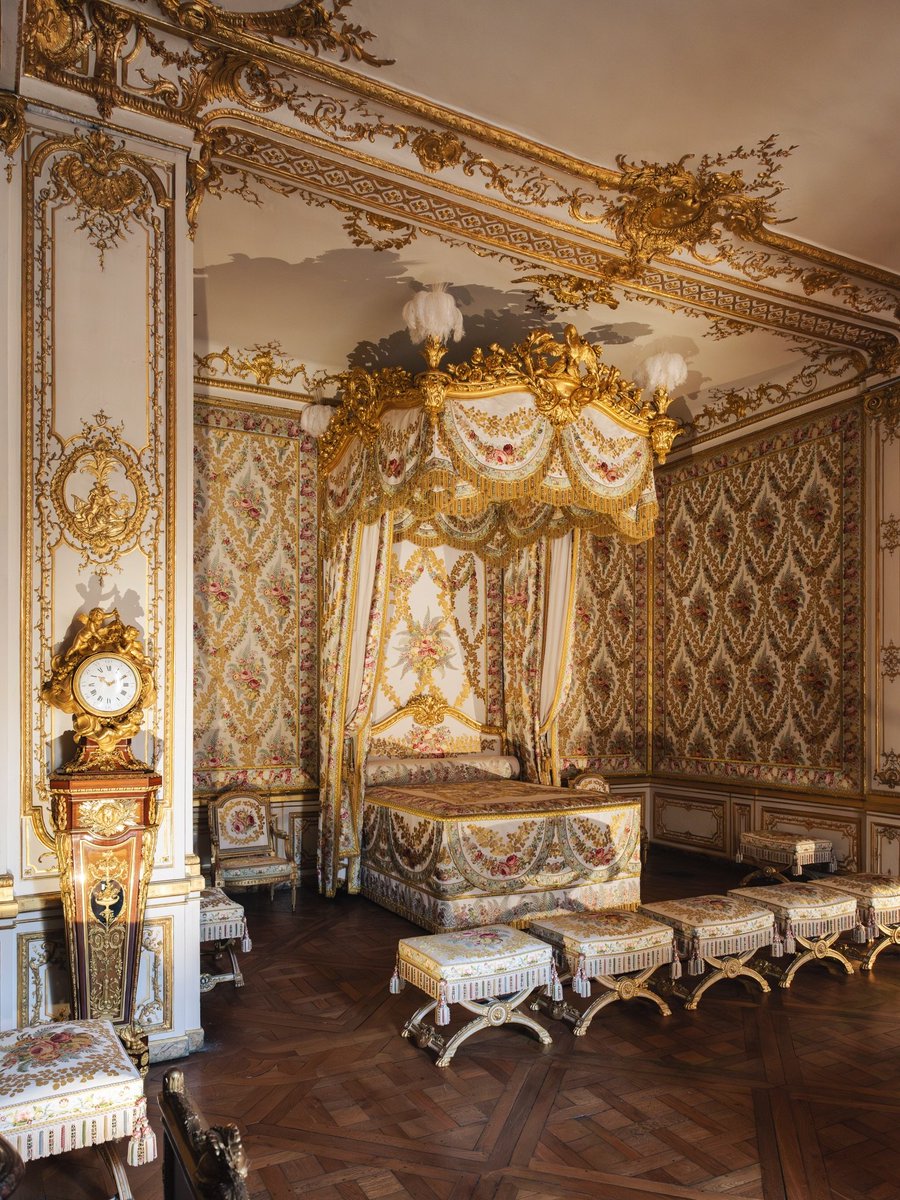
✨The return of the King’s bed to Versailles
The king’s bedroom in his private apartments had been empty for decades, if not centuries. After many years of research and work, Louis XVI’s bed was fully recreated based on rare documents describing it.
English
The Arts Society Farnham retweetledi

The Arts Society Farnham retweetledi
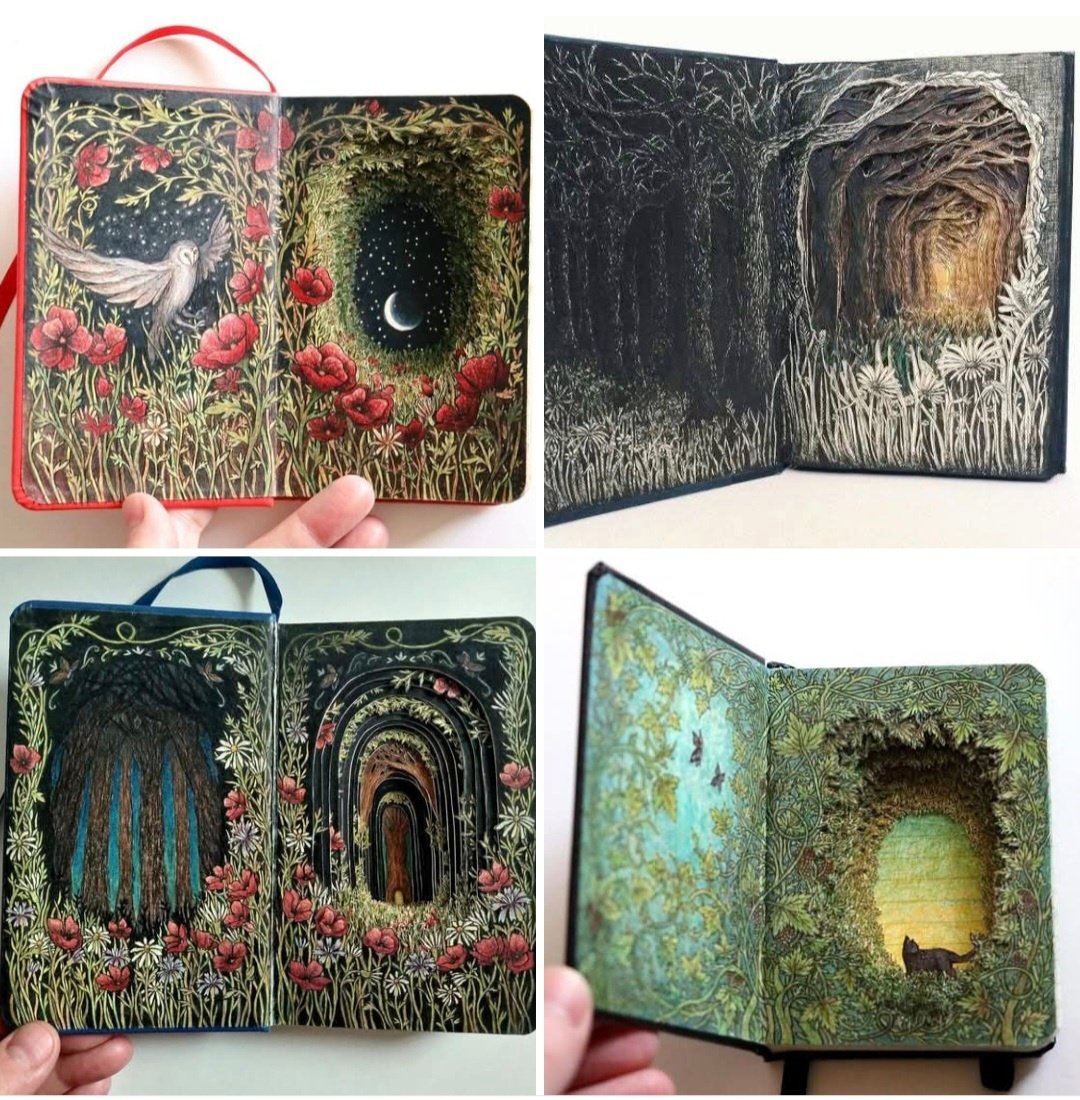
Artist Isobelle Ouzman carves intricate 3D illustrations into discarded books found in dumpsters and recycling bins #womensart #BookArtWeek
English
The Arts Society Farnham retweetledi

My brain is tired so simply feast your eyes on Schiaparelli’s 1941 velvet evening jacket reflecting the times in which she lived. As Frenchwomen were encouraged to grow vegetables during war, so she designed the stitches for a part of the story onto her trademark colour @V_and_A

English
The Arts Society Farnham retweetledi


The Arts Society Farnham retweetledi

The Arts Society Farnham retweetledi

It looks like lace, but it’s carved from solid marble.
Created by Greek sculptor Argiris Rallias @argirisrallias , this intricate piece transforms stone into something that feels almost weightless—more like crocheted fabric than carved rock. Rallias comes from a family tradition of marble craftsmanship, which makes the illusion feel even more extraordinary.

English
The Arts Society Farnham retweetledi

Free museums in London: sure, you'll be au fait with the biggies — but the more you squint, the more wonderful institutions emerge. Here's our roundup of museums with no entry fee in London, arranged alphabetically. londonist.com/london/free-mu…
English
The Arts Society Farnham retweetledi
During routine excavation at Burghley House in Lincolnshire—a magnificent 16th-century estate built for Sir William Cecil, chief advisor to Queen Elizabeth I—a construction worker stumbled upon an extraordinary surprise: a Roman statue thought to be nearly 1,800 years old. Known for its Elizabethan architecture and grandeur, the estate had always been seen as a jewel of the Renaissance period. Yet hidden beneath its landscaped lawns lay evidence of an even older chapter in Britain’s story.
The statue was discovered in an area previously used as a simple parking space, but its preservation left archaeologists astonished. Carved from fine stone, it displayed intricate craftsmanship—soft facial features, draped garments, and artistic details suggesting it may have depicted a deity or prominent figure in Roman Britain. Its near-pristine condition indicated it had remained buried and untouched for centuries, spared from both natural decay and human interference. Experts now suspect the statue may have once stood in a Roman villa or temple that predated Burghley House by more than a millennium.
This remarkable find weaves an unexpected link between two grand eras—Rome’s imperial presence and England’s Elizabethan splendor. The discovery has prompted further archaeological investigation into the estate’s grounds, raising the possibility of more hidden treasures. For the construction team, the moment marked an unforgettable bridge between past and present, a reminder that history often lies just beneath the surface, waiting patiently for the right moment to reveal itself.
© Reddit
#archaeohistories

English
The Arts Society Farnham retweetledi

The Evolution of Women’s Clothing Throughout The Belle Époque. From 1891 to 1914.

English
The Arts Society Farnham retweetledi
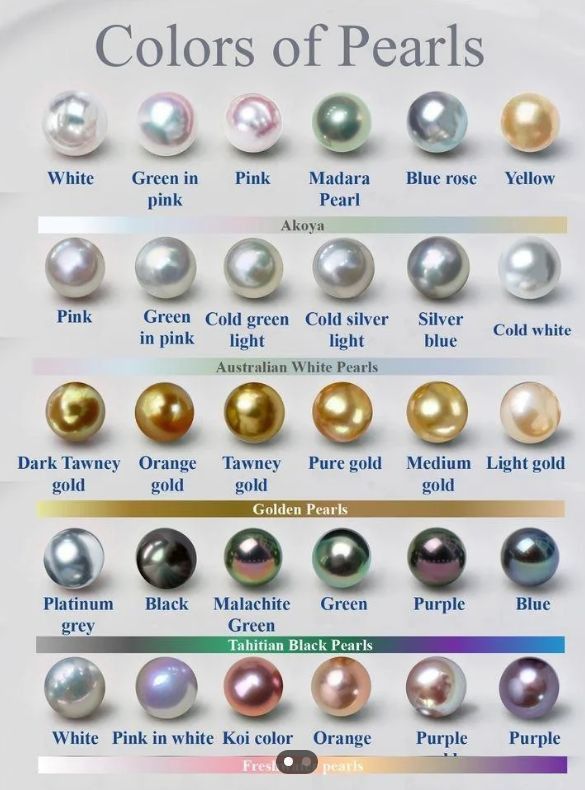
Who knew 'white' had so many shades?
Finding my favorite overtone.
English
The Arts Society Farnham retweetledi

The Swedish tradition of Easter witches, has its roots in the old folk belief that witches would fly on their brooms to the mountain Blåkulla on Maundy Thursday to celebrate sabbath with the Devil.
The Easter witches were known for their love of coffee and it was believed that they would stop by people's homes on their way to Blåkulla, come down the chimney and brew huge batches of black coffee to bring with them to the sabbath.
🎨 old Swedish Easter cards

English
The Arts Society Farnham retweetledi
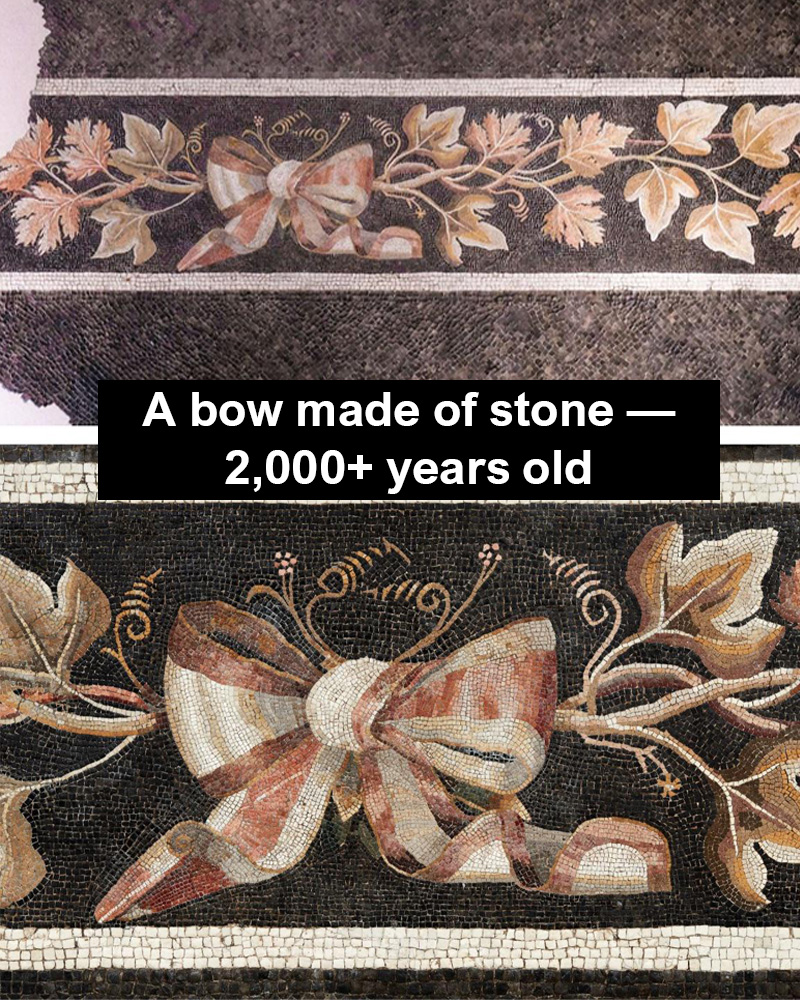
A ribbon in stone, laid more than 2,000 years ago.
This Roman mosaic from Aquileia, dated to the late 1st century BCE, shows vine shoots tied into a knotted bow — a refined decorative motif now preserved in the National Archaeological Museum of Aquileia. Sources describing the work identify it as the “Mosaic of the Knotted Bow” and note that it once decorated a house in Aquileia, likely marking the approach to a banquet space.
English