
Tiffany Hindermeier

1.8K posts

Tiffany Hindermeier banner
Tiffany Hindermeier

Tiffany Hindermeier

@THindermeier

Classroom Mathematics Support Teacher (Grades 3 and 6). Mother, wife, orchid enthusiast, abstract artist.

London, Ontario Katılım Ocak 2018
214 Takip Edilen348 Takipçiler
Tiffany Hindermeier retweetledi
Ihtesham Ali
Ihtesham Ali@ihtesham2005·
A Harvard professor who has written 9 books and spent 40 years studying how language works inside the human brain just gave the most important writing masterclass I've ever seen. Here's what he said that broke my entire understanding of writing. Steven Pinker, the professor, opened with a single question: why is so much writing terrible? Not just academic writing, but corporate writing, government writing, and even most blog posts. His answer had nothing to do with effort or intelligence. He called it the Curse of Knowledge. The moment you understand something deeply, you lose the ability to remember what it felt like not to know it. You stop seeing your own blind spots because the blind spots feel like common ground. He watched a brilliant molecular biologist destroy a room of 400 people at a TED event. The man launched straight into jargon without ever explaining the problem he was solving or why anyone should care. The biologist had no idea it was happening. That's the curse. Then he said something I haven't stopped thinking about. Bad writing is not a character flaw. It's a failure of empathy. You cannot get inside your reader's head by trying harder. You have to actually find a real human being and watch them read your words in real time. He showed his drafts to his mother. Not because she was unsophisticated, but because she wasn't a cognitive psychologist. She was smart, well-read, and completely outside his world. When she lost the thread, he knew something was wrong. The second thing he said changed how I think about every sentence I write. Language is a delivery system, not the destination. What your reader actually understands is not the words. It is the image, the sensation, the concrete thing those words are supposed to summon. If your reader cannot picture it, they have not understood it. He asked: what is a paradigm? What does a framework look like? What color is a concept? Nobody could answer. Because abstractions produce nothing in the mind's eye. The writers from two centuries ago who still feel alive today were forced to think visually because they had no abstractions to hide behind. They had to say the spirit of the hawk tore into our flesh instead of aggression. The image did the work that the jargon could not. The third thing he said was the one most people ignore completely. Brevity is not about word count. It is about removing every word that makes the reader work harder without rewarding them for it. He quoted a line he had memorized for 40 years: omit needless words. Three words. An instruction that is also an example of itself. He said the best thing that ever happened to his writing was editors who gave him an 800-word limit and wouldn't budge. The constraint always improved the piece. Always. The curse of knowledge is real. The fix is simple and most people never do it. Find one person outside your world. Show them what you wrote. Watch their face, not the page.
Ihtesham Ali tweet media
English
59
620
3.5K
470.6K
Tiffany Hindermeier retweetledi
Jamie Clark
Jamie Clark@XpatEducator·
🧩 WORKED EXAMPLES! In this week’s edition of ⚗️DistillED, I unpack what worked examples are, why they reduce cognitive load, and how they help students move from watching expert thinking to applying it independently in the classroom. Have a read: newsletter.jamieleeclark.com/p/worked-examp…
English
0
23
55
6.5K
Tiffany Hindermeier retweetledi
Jamie Clark
Jamie Clark@XpatEducator·
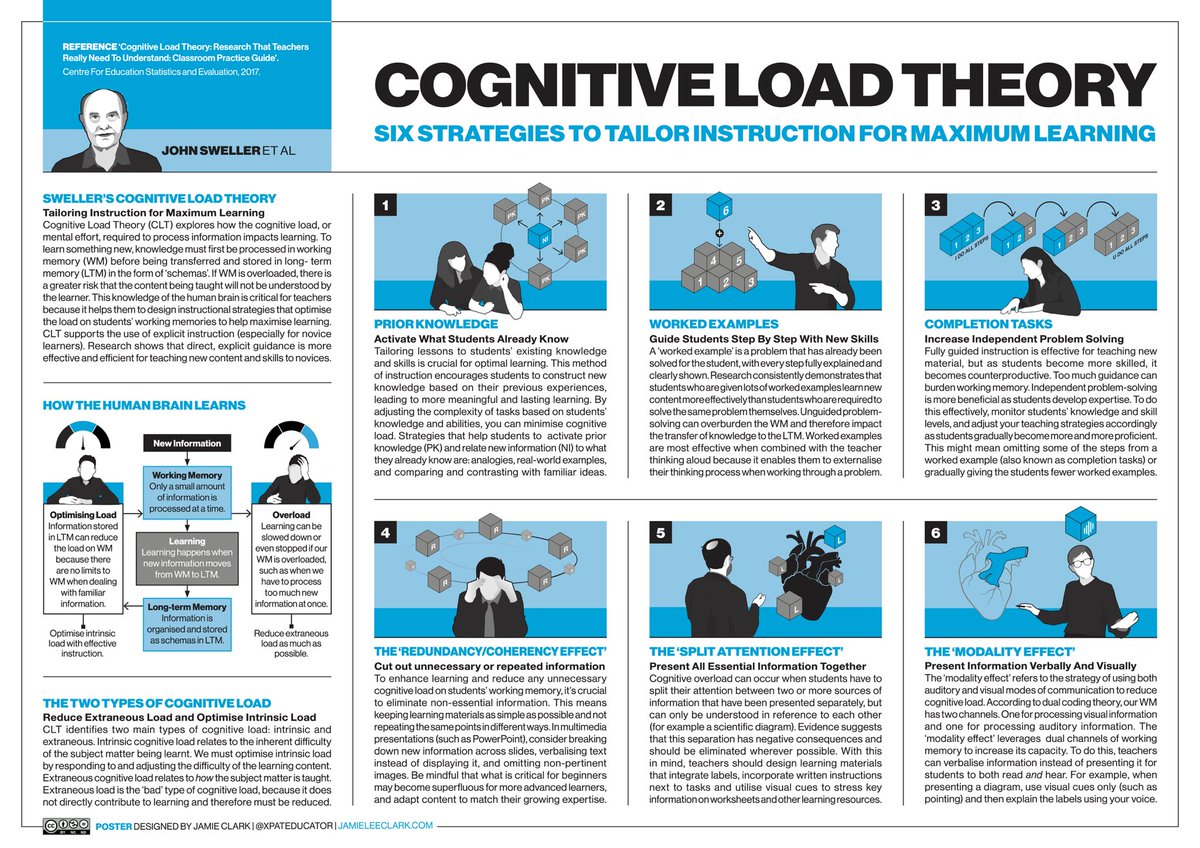
Dylan Wiliam calls Cognitive Load Theory “the single most important thing for teachers to know.” This guide summarises core CLT ideas and highlights six high-impact strategies for reducing overload. It focuses on the classroom levers teachers can pull right away. CLT goes much deeper, of course — transient information included — but these strategies offer some of the fastest gains. 💪 Free HQ copy if you want it: jamieleeclark.com/graphics
Jamie Clark tweet media
English
11
150
540
35.1K
Tiffany Hindermeier retweetledi
Brainingcamp
Brainingcamp@brainingcamp·
😋 This is nacho average fraction word problem — it's tortilla-ly relatable! 👀 💻 Want to try with your students? Enter Share Code: ESF3B31A
English
0
6
22
940
Tiffany Hindermeier retweetledi
Brainingcamp
Brainingcamp@brainingcamp·
🎯 Looking for a no-prep math challenge? Try this hands-on activity with Two-Color Counters — perfect for building reasoning and problem-solving skills! bit.ly/TargetNumber or Share Code: KXM72R5T
English
0
9
21
973
Tiffany Hindermeier retweetledi
Melissa Gill, M.S.Ed.
Melissa Gill, M.S.Ed.@mrsgillatwvec·
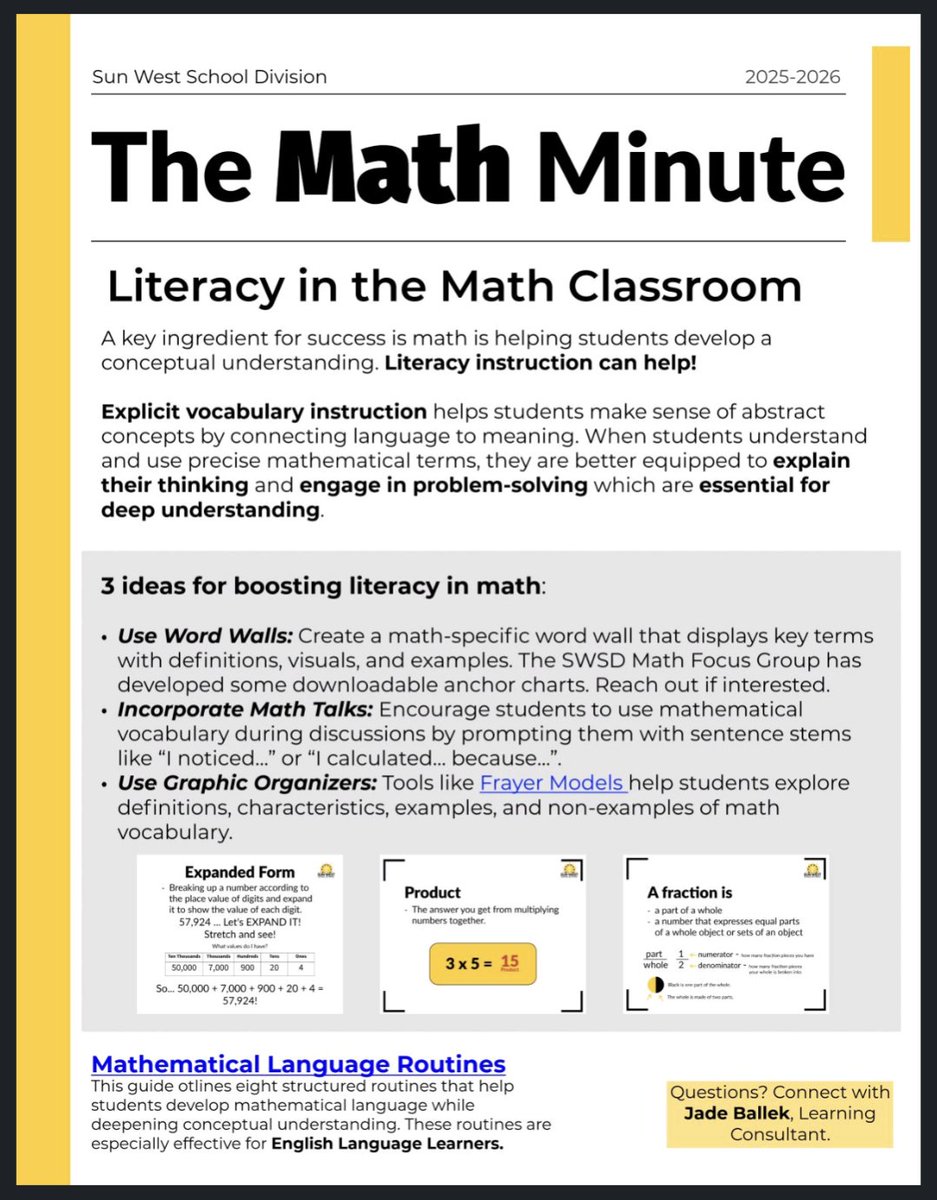
T: "I'm the Math teacher. Not the Reading teacher." M: "That's fantastic! But we all teach literacy. Tell me about your vocabulary instruction." #intentional #contentareas 👇👇👇
Melissa Gill, M.S.Ed. tweet media
English
15
81
315
20.5K
Tiffany Hindermeier retweetledi
Robert Kaplinsky
Robert Kaplinsky@robertkaplinsky·
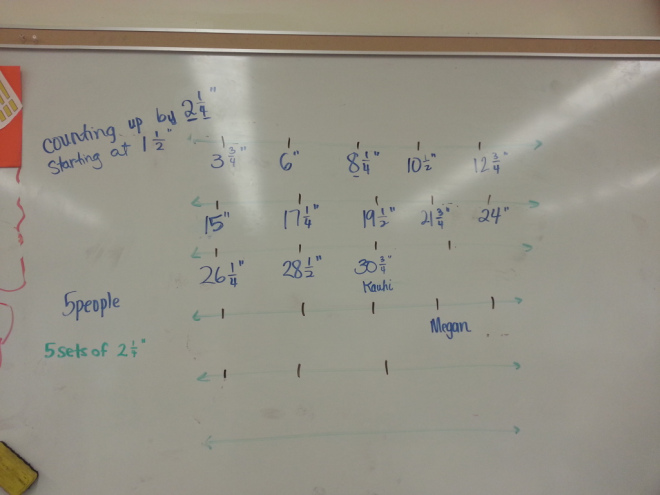
You're probably familiar with students counting out loud as a class, but imagine what happens when the conversations when students start counting at 1 1/2 and increase by 2 1/4 each time. Read more about what happens from Sadie Estrella: iamamathnerd.wordpress.com/2014/01/04/cou…
Robert Kaplinsky tweet media
English
0
8
23
1.7K
Tiffany Hindermeier retweetledi
Jonathan Hall
Jonathan Hall@StudyMaths·
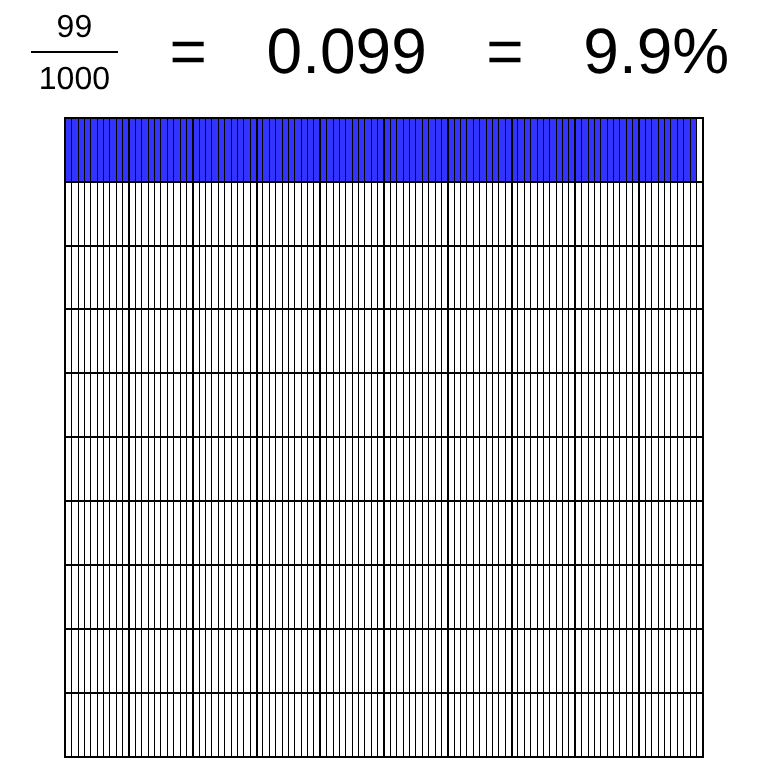
What number comes next? How do you know? The decimals square is great for visualising tenths, hundredths, thousandths (and further!) mathsbot.com/tools/decimalS…
Jonathan Hall tweet media
English
0
3
7
860
Tiffany Hindermeier retweetledi
Howie Hua
Howie Hua@howie_hua·
How would you explain division? There are two ways we can think about division and understanding these models can help with fraction division.
English
7
34
135
7.9K
Tiffany Hindermeier retweetledi
Jonathan Hall
Jonathan Hall@StudyMaths·
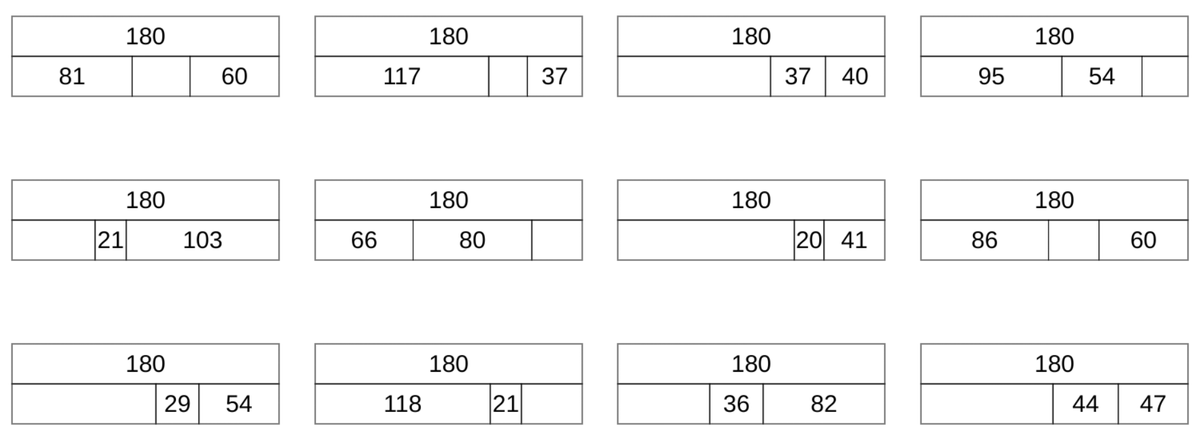
Printable bar models. Super simple to use, great for building fluency. I'll often set the whole to 180 (like in the screenshot) before starting work on angles. mathsbot.com/printables/bars
Jonathan Hall tweet media
English
1
4
21
2K
Tiffany Hindermeier retweetledi
Howie Hua
Howie Hua@howie_hua·
A good mental math strategy to have: doubling and halving
English
4
51
317
12.9K
Tiffany Hindermeier retweetledi
Jonathan Hall
Jonathan Hall@StudyMaths·
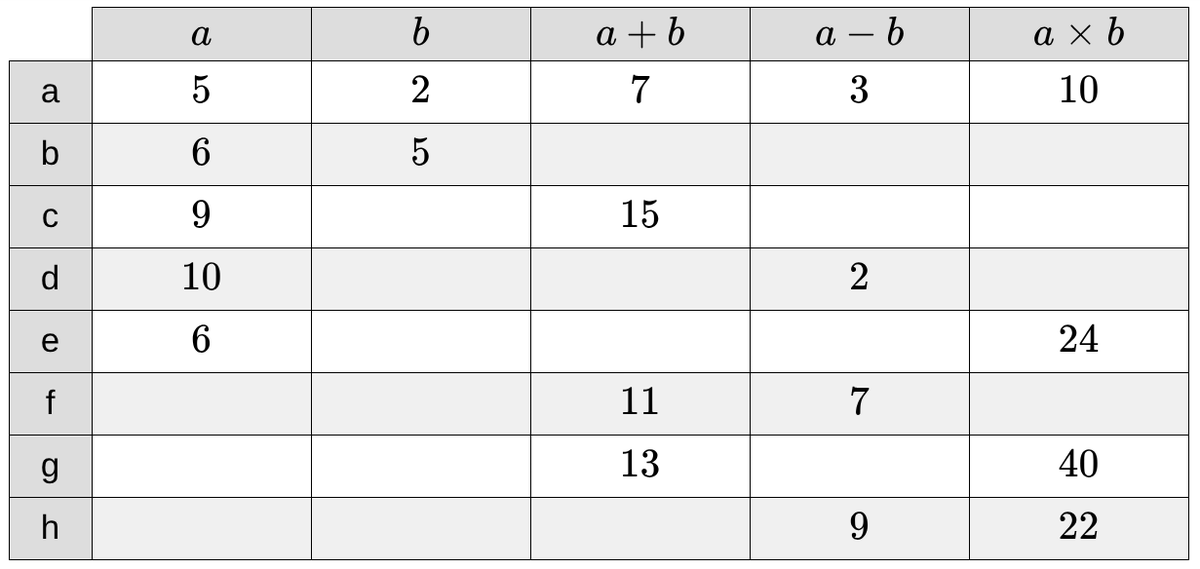
Completion tables are a great way to get pupils working backwards and add an extra layer of challenge. Here's one for the Four Operations. mathsbot.com/tables/fourOps
Jonathan Hall tweet media
English
2
6
18
1.1K
Tiffany Hindermeier retweetledi
Craig Baird - Canadian History Ehx
For seven seasons and 122 episodes, Canadian children were transported through television to the world of a department store where amazing things happened. The show remains a high-water mark of children's entertainment in Canada. This is the story of Today's Special! 🧵 1/9
Craig Baird - Canadian History Ehx tweet media
English
39
130
1.3K
76.2K
Tiffany Hindermeier
Tiffany Hindermeier@THindermeier·
@robertsonprog We love Cuisenaire rods and focus on the spatial first. So many great tasks and games to learn about the space numbers take up. Through play we can experience place value, which is why I believe the students are so flexible with their thinking.
English
1
0
1
37
The Robertson Program
The Robertson Program@robertsonprog·
Welcome back! Many teachers start the year with number sense - but what if that’s fuelling math anxiety? Discover how playful spatial reasoning activities spark joy, reduce anxiety, and build confidence in math. oise.utoronto.ca/robertson/blog…
English
1
0
0
81