TONOMETRY

1.8K posts

TONOMETRY banner
TONOMETRY

TONOMETRY

@TONOMETRY

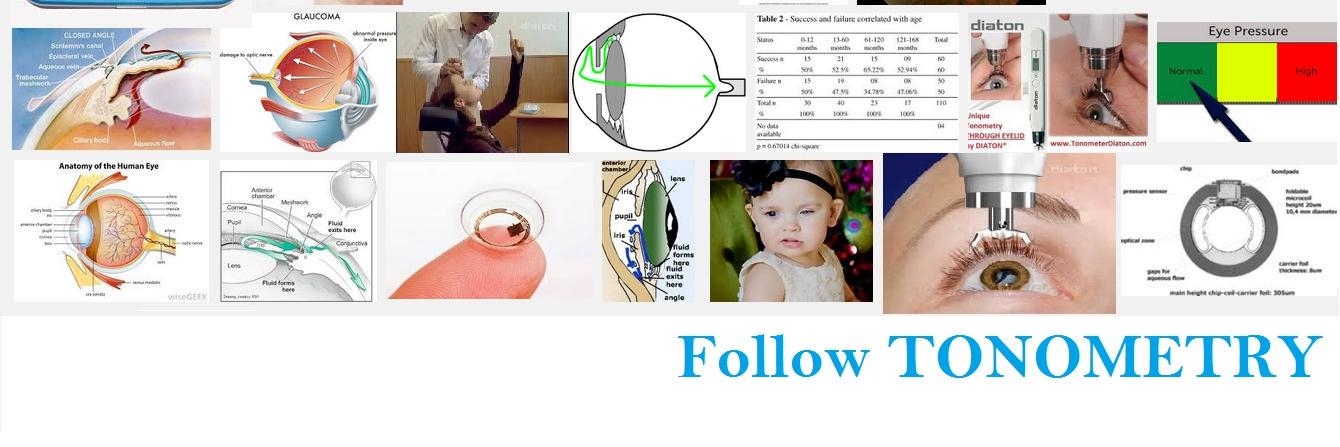
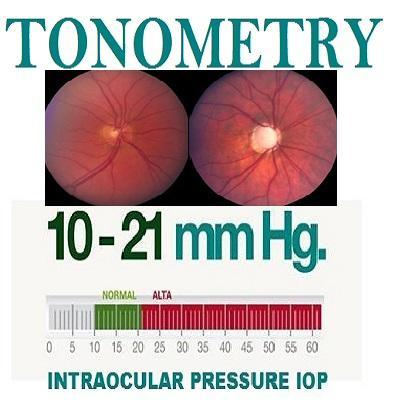
TONOMETRY About INTRAOCULAR EYE Pressure, IOP, Glaucoma, Blindness http://t.co/dgCPGrWZ9e #tonometry optometry ophthalmology vision health eyecare tonometer

NYC Katılım Mayıs 2009
2.8K Takip Edilen1.9K Takipçiler
TONOMETRY retweetledi
TONOMETER
TONOMETER@TONOMETER·
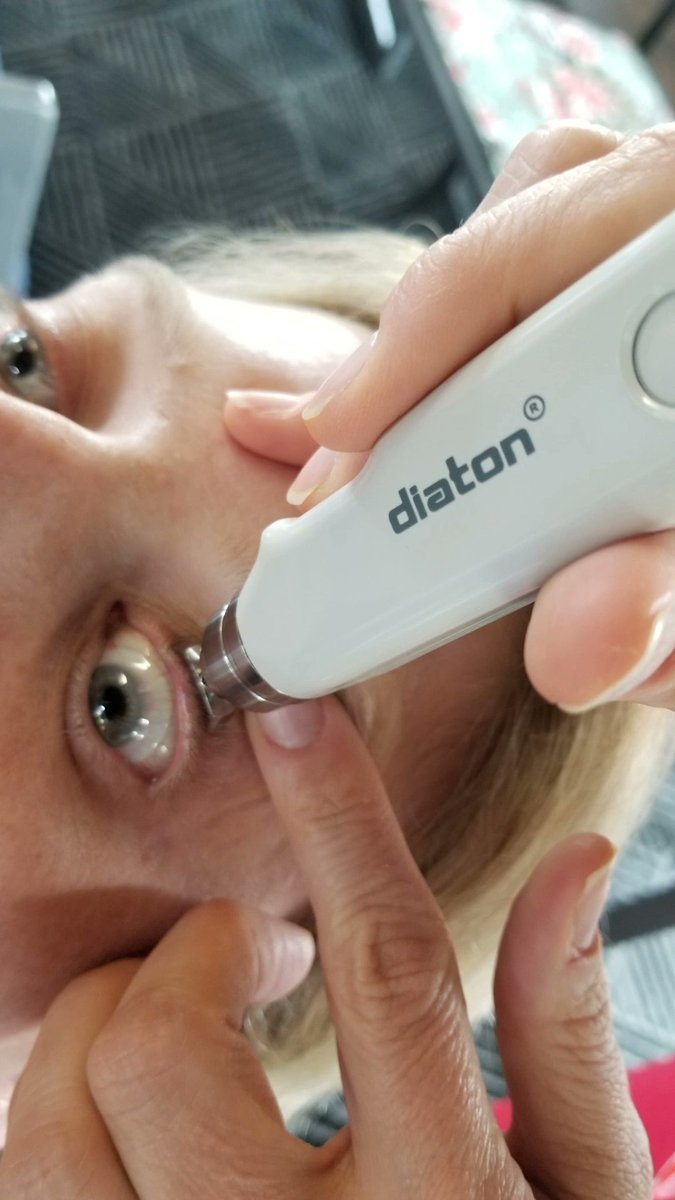
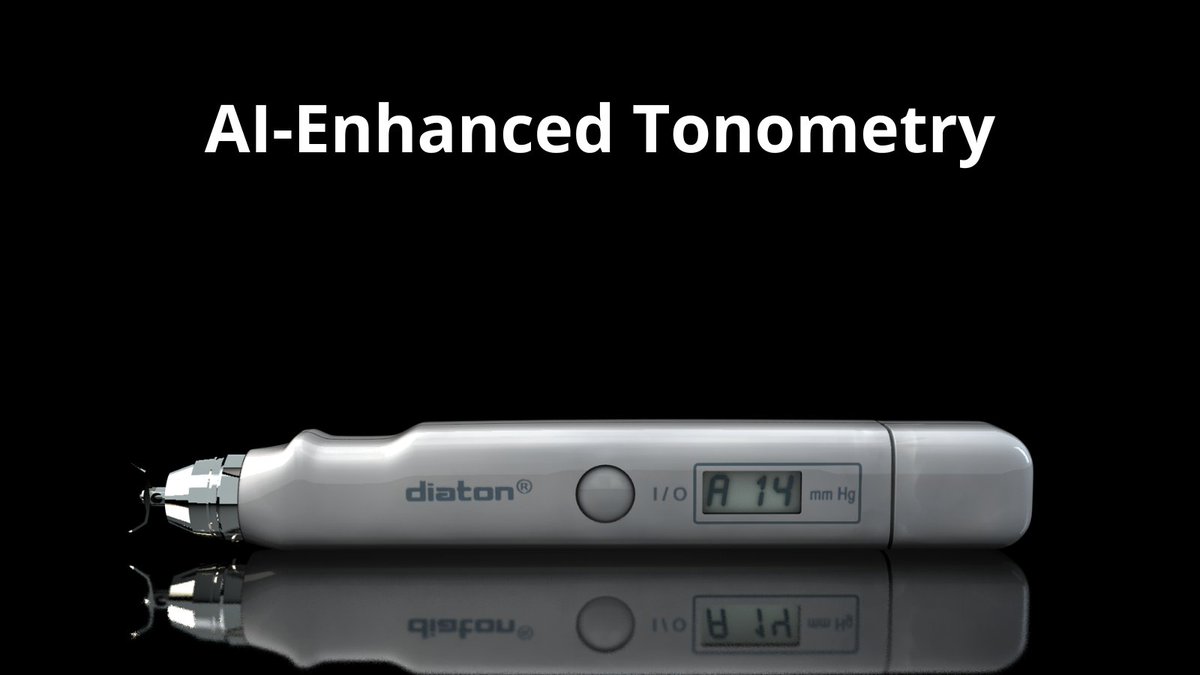
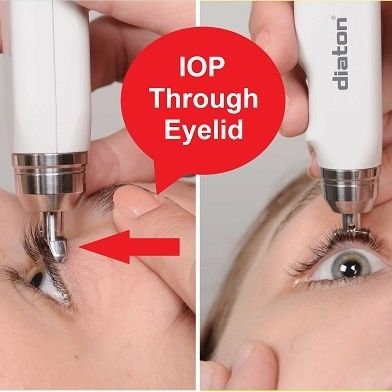
The Diaton Tonometer is a non-invasive, handheld device used to measure intraocular pressure (IOP). It is considered one of the best tonometers due to its unique features, advantages, and clinical benefits. Here's a detailed explanation: *Unique Features:* 1. *Transpalpebral measurement*: The Diaton Tonometer measures IOP through the eyelid, eliminating the need for direct corneal contact. This reduces the risk of corneal complications and makes the measurement process more comfortable for patients. 2. *Portable and handheld*: The device is lightweight, compact, and easy to use, making it ideal for clinical settings, screenings, and remote or emergency situations. 3. *No need for anesthesia or cleaning*: The transpalpebral measurement method eliminates the need for topical anesthesia or corneal cleaning, reducing the risk of infection and making the measurement process faster. *Advantages:* 1. *Accurate and reliable measurements*: The Diaton Tonometer has been shown to provide accurate and reliable IOP measurements, comparable to those obtained with Goldmann applanation tonometry (GAT). 2. *Reduced risk of corneal complications*: The transpalpebral measurement method reduces the risk of corneal complications, such as corneal ulcers, infections, or abrasions. 3. *Increased patient comfort*: The device's non-invasive and pain-free measurement process increases patient comfort and reduces anxiety. 4. *Easy to use and interpret*: The Diaton Tonometer is user-friendly, and its measurements are easy to interpret, making it an ideal device for clinicians and healthcare professionals. *Clinical Benefits:* 1. *Early detection and monitoring of glaucoma*: The Diaton Tonometer enables early detection and monitoring of glaucoma, allowing for timely treatment and prevention of vision loss. 2. *Reduced risk of vision loss*: By providing accurate and reliable IOP measurements, the Diaton Tonometer helps reduce the risk of vision loss due to undiagnosed or untreated glaucoma. 3. *Improved patient outcomes*: The device's non-invasive and pain-free measurement process improves patient outcomes by reducing anxiety and discomfort associated with traditional tonometry methods. In conclusion, the Diaton Tonometer is considered one of the best tonometers due to its unique features, advantages, and clinical benefits. Its transpalpebral measurement method, portability, and ease of use make it an ideal device for clinicians and healthcare professionals, while its accuracy, reliability, and patient comfort make it an excellent choice for patients. More at TonometerDiaton.com
English
0
1
2
92
TONOMETRY retweetledi
TONOMETER
TONOMETER@TONOMETER·
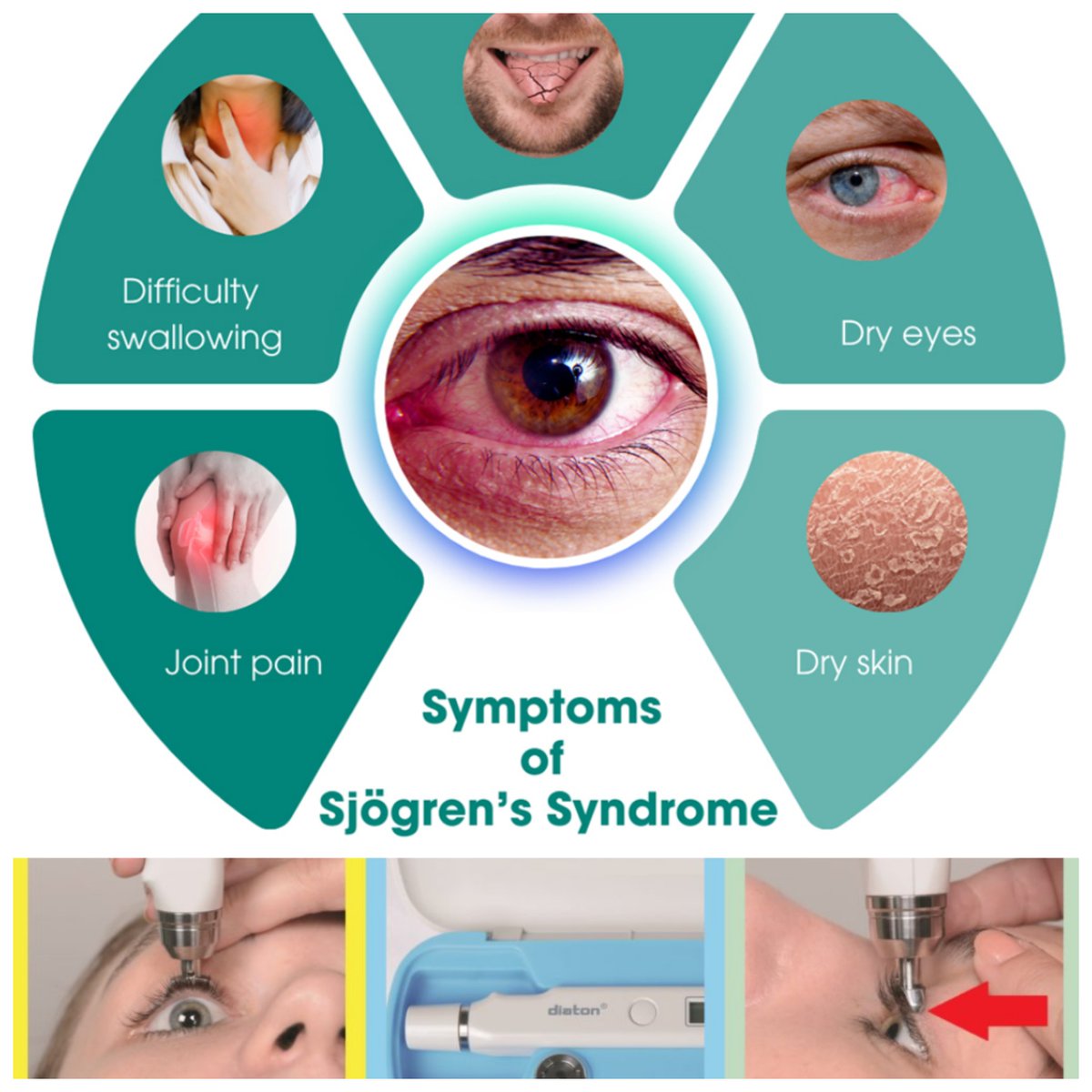
Advancing Ocular Health: The Advantages and Clinical Superiority of the Diaton Transpalpebral Scleral Tonometer linkedin.com/pulse/advancin… via @LinkedIn Intraocular pressure (IOP) measurement is a critical component of ocular health, particularly in the detection and management of glaucoma. While some tonometry methods, such as Goldmann applanation, Tono-Pen, and iCare tonometers on the market, they come with a host of clinical limitations and pain points. These methods rely on corneal contact, some requiring numbing drops, disposables, and or adjustments for corneal thickness, all of which can introduce inaccuracies and patient discomfort. The Diaton Transpalpebral Scleral Tonometer offers a modern solution. By measuring IOP through the upper eyelid and sclera, Diaton eliminates the need for corneal contact. This innovation provides significant benefits to ophthalmologists, optometrists, cornea specialists, glaucoma specialists, hospitals, emergency departments, urgent care clinics and community glaucoma screening programs. Diaton Glaucoma Diagnostic tonometer - IOP through eyelid Pain Points of Traditional Contact and Non-Contact Tonometers 1. Corneal Variability and Central Corneal Thickness (CCT) Influence Pain Point: Goldmann, Tono-Pen, iCare and even Airpuff of non-contact tonometers are heavily influenced by corneal thickness (CCT). Thicker corneas can overestimate IOP, while thinner corneas may underestimate it, leading to incorrect glaucoma diagnosis or mismanagement. Diaton Solution: Diaton tonometer measures IOP via the sclera and eyelid (not via cornea), making it independent of CCT, ensuring accurate readings regardless of corneal thickness. 2. Impact of Corneal Biomechanics Pain Point: Post-LASIK, PRK, or other corneal surgeries, biomechanical changes can distort IOP readings with standard tonometry. Diaton Solution: Since Diaton tonometer bypasses the cornea, post-surgical alterations have no impact on the reading, making it the preferred method for patients with corneal surgeries. 3. Patient Discomfort and Anxiety Pain Point: Contact tonometry (Goldmann, Tono-Pen, iCare) requires corneal contact, which can induce discomfort, anxiety, and blinking reflexes. This can lead to inaccurate measurements or repeated attempts. Diaton Solution: Diaton tonometer provides a painless, non-contact experience by measuring IOP via the eyelid, which is ideal for pediatric, elderly, and anxious patients. 4. Risk of Cross-Contamination Pain Point: Contact tonometers pose an infection risk due to contact with the cornea, requiring sterilization between patients or the use of disposable tips. Diaton Solution: Diaton's non-contact design avoids direct contact with mucous membranes, reducing infection risk and the need for sterilization. 5. Consumable Costs Pain Point: Devices like Tono-Pen and iCare require disposable tips for each measurement, leading to significant operational costs. Diaton Solution: Zero consumables. The Diaton requires no tips, probes, or covers, offering a cost-effective, eco-friendly solution for clinics and hospitals. 6. Technical Skill and Complexity Pain Point: Goldmann tonometry requires specialized training and technical skill to achieve accurate readings. Diaton Solution: Ease of use enables ophthalmic technicians, nurses, and other healthcare personnel to conduct tonometry accurately, reducing reliance on highly trained professionals. Get accurate IOP Through Eyelid and Sclera with Diaton Tonometer in Keratocunus (KC) Advantages and Benefits of the Diaton Transpalpebral Scleral Tonometer Accurate: Unlike traditional methods affected by corneal pathologies or surgeries, Diaton's readings are consistent and reliable, regardless of corneal health. No Corneal Contact: Safe, painless, and non-invasive, Diaton bypasses the cornea, reducing anxiety and eliminating the need for anesthetic drops. Ease of Use: Ophthalmic technicians, nurses, and trained assistants can perform the IOP measurements, streamlining workflow and increasing patient throughput. Portable and Lightweight: Ideal for fast pace ophthalmic clinics, emergency rooms, bedside care, and mobile screenings, the handheld device is simple to transport. Mass Glaucoma Screening Efficiency: No need to remove contact or scleral lenses, no anesthetic drops required, and no dry eye complications for patients after screening. 10 Clinical Use Cases Where Traditional Tonometers Struggle but Diaton Excels Post-LASIK and PRK Eyes Problem: Altered corneal thickness distorts traditional tonometry. Diaton Solution: Measures through the sclera and eyelid, unaffected by surgical changes. Corneal Edema Problem: Swollen corneas distort IOP readings, requiring pachymetry adjustments. Diaton Solution: Bypasses the cornea, ensuring consistent IOP readings. Keratoconus Patients Problem: Irregular corneal surfaces cause unreliable readings with Goldmann, Tonopen, Airpuff and iCare. Diaton Solution: Measures through the sclera, unaffected by corneal shape. Post-Keratoprosthesis (Boston KPro Type 1) Patients Problem: The artificial cornea makes traditional IOP measurement nearly impossible. Diaton Solution: Trans-scleral measurement allows for accurate IOP in these patients. Pediatric Patients Problem: Children may not tolerate corneal contact or numbing drops. Diaton Solution: Quick, painless, and non-invasive, ideal for children. Post-Corneal Transplant Patients Problem: Fragile grafts are at risk of dislodgment with corneal contact methods. Diaton Solution: No corneal contact required, ensuring safe IOP measurement. Patients with Eye Trauma Problem: Swelling, bleeding, or foreign bodies make corneal tonometry difficult. Diaton Solution: Measures IOP safely through the eyelid, even with trauma. (some contraindications may apply) Contact Lens and Scleral Lens Wearers Problem: Removal of lenses is time-consuming and disruptive to patient care. Diaton Solution: No need to remove lenses; IOP can be measured accurately by pulling the lid above the lens edge. Patients with Dry Eye Syndrome Problem: Numbing drops required for traditional tonometry exacerbate dry eye. Diaton Solution: No drops required, avoiding dry eye symptoms post-exam. Glaucoma Screening in Mass Population Events Problem: Time-consuming sterilization, anesthesia drops, replacement tips, cover or probes and equipment prep. Diaton Solution: Fast, painless, no consumables, No Risk of Infecting due to no contact with mucous membrane and contact lens-friendly. Glaucoma Screening event with Diaton tonometer team The Role of Ophthalmic Technicians Ophthalmic technicians play a pivotal role in screening and diagnostic workflows. With traditional methods, the specialized training required for Goldmann applanation or other contact tonometry methods often makes it a task for optometrists or ophthalmologists. In contrast, the Diaton tonometer empowers ophthalmic technicians to accurately measure IOP. This enhances patient flow and enables doctors to focus on diagnosis and treatment rather than routine screening tasks. Mass Glaucoma Screening Events Community screening events aim to identify individuals with glaucoma risk factors. Efficient IOP measurement is essential, but traditional tonometry requires setup time, anesthesia, and corneal contact, causing long wait times and dry eye side effects. The Diaton tonometer streamlines mass screening events by offering: No anesthetic drops (no dry eye afterward) No need for replacement tips, probes or covers No need for constant calibration (some tonometers require calibration, Diaton tonometer is pre-calibrated, ready to be used out of the case) No removal of contact or scleral lenses Faster patient flow (measurements in under 2 seconds) No Risk of Infecting (Diaton tonometer does not touch the cornea, allows to measure through the upper eyelid) In Summary The Diaton Transpalpebral Scleral Tonometer is transforming tonometry by eliminating the pain points of corneal-based tonometers. It excels in patient comfort, technician usability, and adaptability for pediatric or sensitive patients, contact lens wearers, and post-surgical eyes. For hospitals, emergency rooms, urgent care centers, and glaucoma screening programs, Diaton tonometer offers a fast, cost-effective, and accurate IOP measurement method that improves clinical efficiency and patient satisfaction. With a zero-waste, consumable-free design, it also supports sustainability goals while lowering operational costs. The Diaton tonometer is not just an alternative—it's a clinical necessity for modern ophthalmic care. For more information, visit TonometerDiaton.com or call 1-877-342-8667 #glaucoma #tonometry #ophthalmology #optometry #eyecare #blindness #GlaucomaAwreness #GlaucomaEyeTest #IntraocularPressure #IOP
English
0
2
3
59
TONOMETRY retweetledi
GLAUCOMA
GLAUCOMA@GLAUCOMA·
Clinical Overview: Transpalpebral Diaton Tonometer This paper reviews the clinical applications, advantages, and comparative efficacy of the Diaton tonometer, referencing key studies to underline its significance in modern ophthalmic practice. tonometerdiaton.com/2024/03/clinic… #glaucoma
GLAUCOMA tweet media
English
0
5
14
684
TONOMETRY retweetledi
TONOMETER
TONOMETER@TONOMETER·
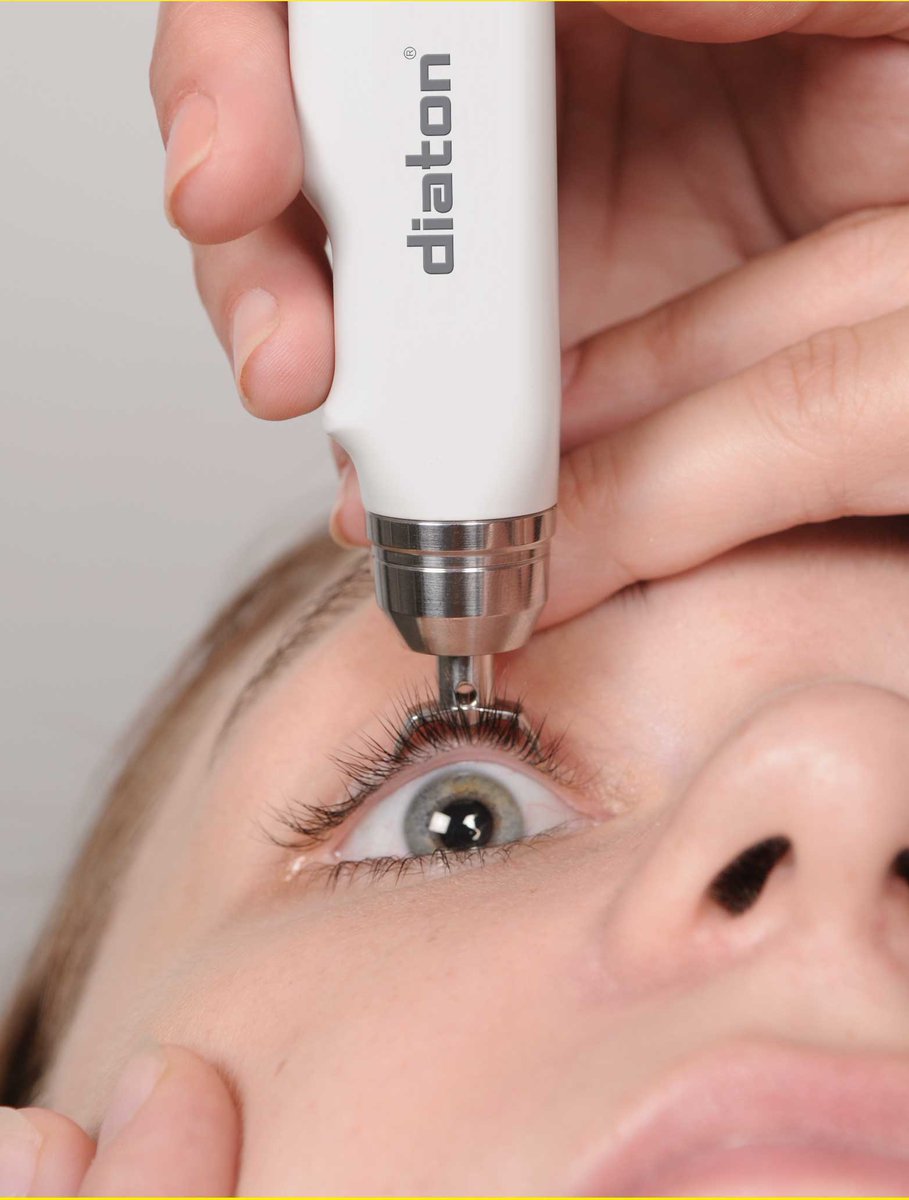
Diaton #tonometer offers an advantage in measuring IOP through the #eyelid, independent of corneal parameters. This is crucial for patients w #corneal issues such as edema, scars, or post-surgical changes, which can affect contact tonometry IOP results. TonometerDiaton.com
TONOMETER tweet media
English
0
7
11
711