
TV25HD
2.2K posts


TV25HD
@TV25HD
Jasper's Hometown Television Station
Jasper, Alabama Katılım Temmuz 2013
101 Takip Edilen107 Takipçiler

Big news for Walker County! 🥎🔥
Alabama softball freshman infielder and former Curry Yellow Jacket, Ambrey Taylor, has been named SEC Softball Freshman of the Week following a huge series win for the Crimson Tide over top-ranked Texas.
Way to represent Curry and make Alabama proud, Ambrey! Roll Tide!
• Weekend Stats: .333 (3-for-9), 1 R, 1 HR, 4 RBI, 1 BB.
•Tied for the team lead with four RBIs in the series vs. No. 1 Texas.
•Was 2-for-3 in the game two win, leading off the fourth inning with a solo home run before hitting a two-run single in the fifth inning.

English



Coffee Time Interview - Walker County Extension Service - Danny Cain youtu.be/pacA0Di3aws?si… via @YouTube

YouTube
English


April 1 is National Tom Foolerys Day on the calendar, and we are celebrating with harmless pranks, silly tricks, shenanigans, and, of course, tomfoolery. April 1 also happens to be the birthday of Tom Foolery, a character developed by Kalahari Resorts, home to America’s largest indoor waterparks. This is no April Fool’s joke! We are dedicating an entire day to celebrating the spirit of adventure, play, and a little bit of trickery, in all of us.
The word “tomfoolery” is defined as “silly behavior.” National Tom Foolerys Day is a day that allows us to laugh, have fun, and enjoy the silliness in day-to-day moments.
A healthy sense of humor is good for the soul. Laughing is scientifically proven to relieve stress and improve mental health. On National Tom Foolerys Day, find your spirit of adventure and tap into your playfulness. Maybe even participate in a little bit of harmless trickery.
7 Benefits of Foolery
Humor entices others to share and interact with one another because laughing together creates lasting bonds. Any time we can make someone smile or laugh, we add to increasing happiness and well-being. In fact, joking around, laughing, and doing silly things is known to be beneficial to overall health. Seven benefits of tomfoolery include:
Increases heart health.
Reduces physical pain.
Improved sleep.
Boosting immunity.
Reduced stress.
Improved memory.
Bringing people together.

English
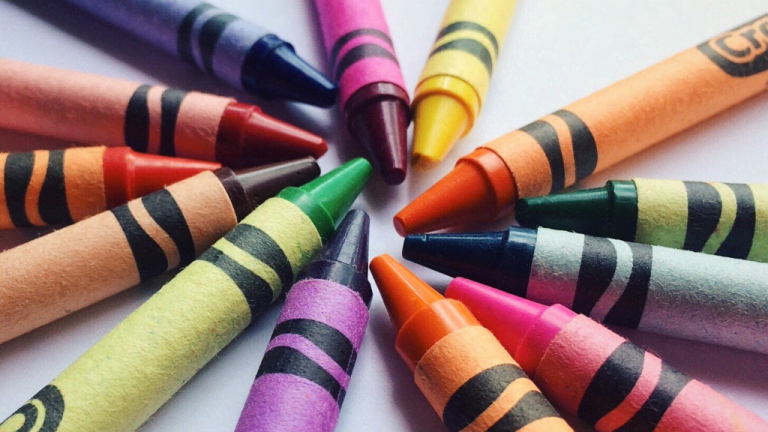
Each year, on March 31st children and adults alike, pick up their favorite colors for National Crayon Day. Opening up a box of crayons opens up a world of imagination and hours of fun.
Wax and chalk-based crayons have been used by artists around the world for centuries. Edwin Binney created the brightly colored crayons we are familiar with today. He was part owner of Binney & Smith, a company that produced products such as paint, pigments, and slate pencils for schools.
In 1903, Binney & Smith created the Crayola Division and produced colored wax crayons for children for the first time. Then in 1904, they presented their An-Du-Septic chalk at the Colombian Exposition in St. Louis winning a gold medal. The chalk was designed to be dustless at many teachers' requests and was an immediate success.
Crayon FAQ
Q. Are crayons only used for coloring?
A. No. In fact, crayons (especially broken and short crayons) can be used in a variety of art projects. They are melted, glued, molded, and shredded for all sorts of artwork.
Q. Where is the world's largest crayon?
A. According to Guinness World Records, Ashrita Furman of Jamaica, New York created the world's largest crayon in October of 2017. The crayon measured 17 feet 1.1 inches (5.21 meters) long and was 1 foot 5.7 inches (.45 meters) in diameter. Furman created the crayon in honor of Sri Chinmoy's 86th birthday. What color was the crayon? Blue!
English


Each year, March 30th National Pencil Day honors the writing utensil that has done more than just teach millions the alphabet and draw straight lines. It's also helped win wars and enabled amazing art.
Hymen Lipman received the first patent for attaching an eraser to the end of a pencil on this day in 1858. Before that time, pencils and erasers existed separately. Lipman combined the two making two tools much more convenient to use. The intuitive businessman also manufactured envelopes for his stationery shop and was the first to add adhesive to the flap of envelopes.
During World War II, Cumberland Pencil Company out of Kenswick, England produced pencils that were designed to function. However, the pencils were hollow with graphite on either end. Between the graphite, the makers had stowed maps to aid captured military personnel in their escape to freedom. Charles Fraser Smith designed them in 1942 and at night, when the factory closed, workers would assemble them under secrecy. The miniature maps detailed escape routes from prisoner of war camps and also included a miniature compass. Throughout the war, these small tools were issued to members of the Royal Airforce and sent to POW camps.
Pencil Art
Pencils have always been a necessary tool for creative people. Artists often pick up a pencil to scratch out a rough outline of an idea. However, those who live for the pencil know the feel for graphite. The black and white medium brings out beautiful works of art that achieve phenomenal depth. It's also one of the first art classes many of us take. However, the carpenter requires a pencil for marking a piece, too. Whether working on a carving or building a piece of furniture, the masterpiece will require a pencil. And then, the overachievers of the world see the pencil as art. They get right to point and place the art on the very tip of the pencil's tip. Miniature art carvings fascinate and amaze us.
In the United States, most pencils are painted yellow. It is believed this tradition began in 1890 when the L & C Hardtmuth Company of Austria-Hungary introduced their Koh-I-Noor brand, named after the famous diamond. They intended the pencil to be the world’s best and most expensive pencil. However, other companies began to copy the yellow color so that their pencils would be associated with the high-quality brand.
Notable pencil users
Thomas Edison had pencils specially made by Eagle Pencil. His pencils were three inches long, thicker than standard pencils, and had softer graphite than typically available.
Vladimir Nabokov rewrote everything he ever published, usually several times, by pencil.
John Steinbeck was an obsessive pencil user and is said to have used as many as 60 a day. His novel East of Eden took more than 300 pencils to write.
Vincent van Gogh used only Faber pencils as they were “superior to Carpenters pencils, a capital black and most agreeable.”
Johnny Carson regularly played with pencils at his Tonight Show desk. These pencils were specially made with erasers at both ends to avoid on-set accidents.
Roald Dahl used only pencils with yellow casings to write his books. He began each day with six sharpened pencils and only when all six became unusable did he resharpen them.

English


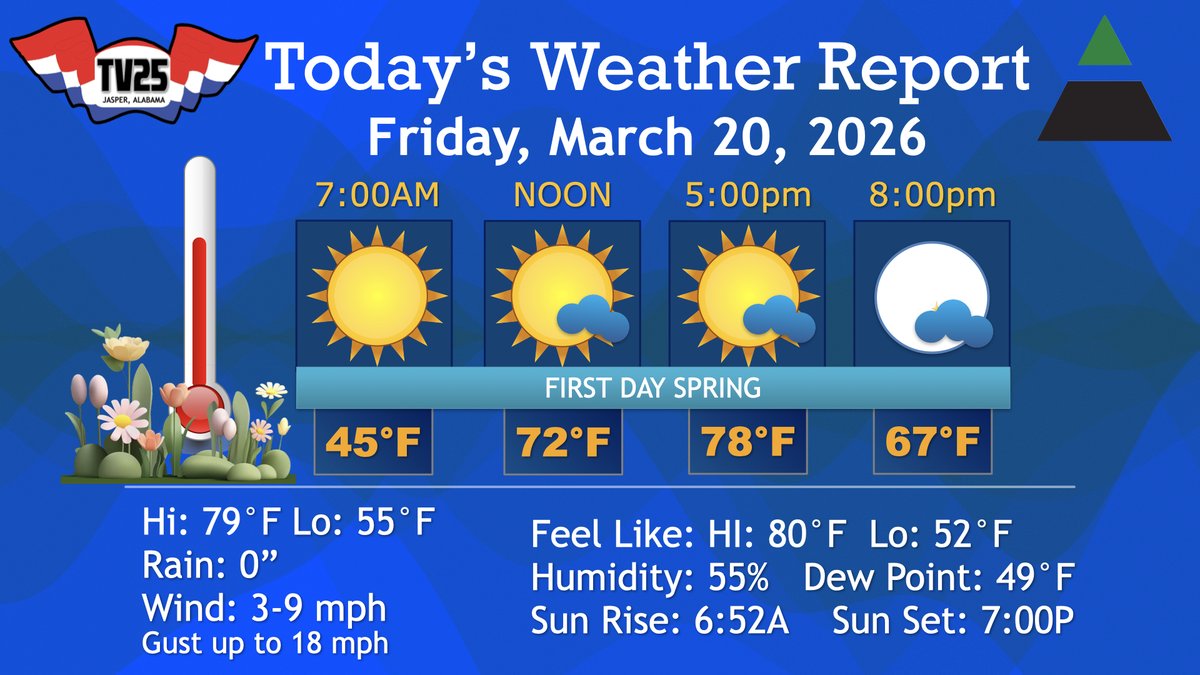
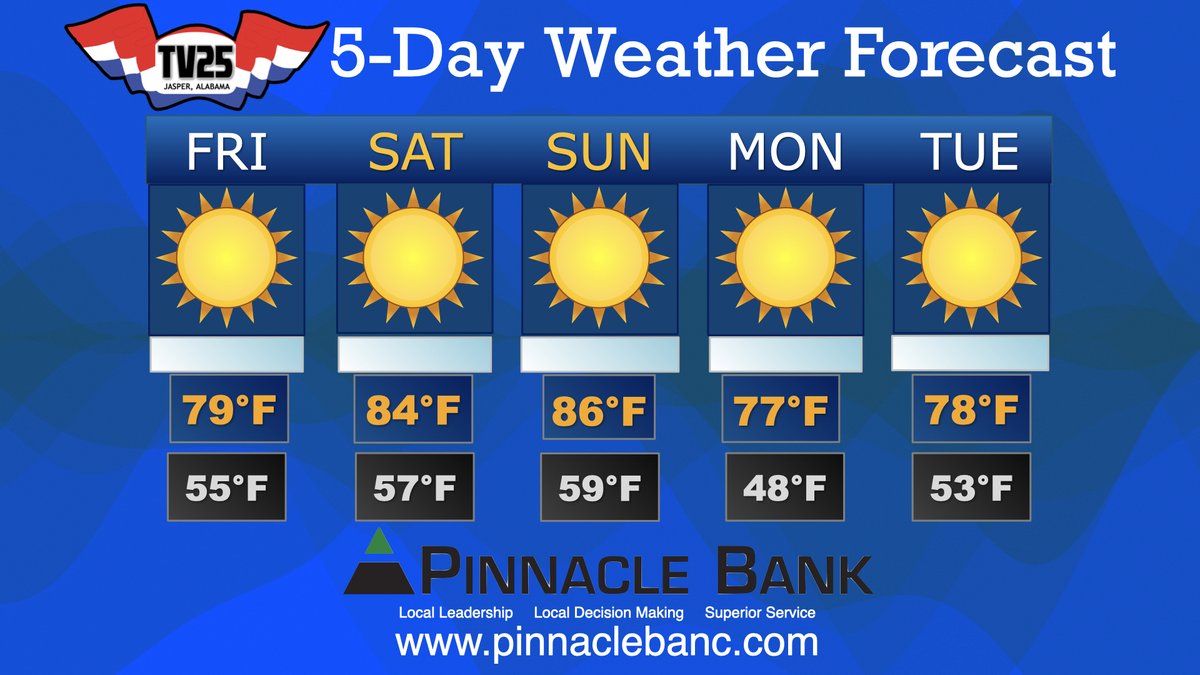
Coffee Time Interview - Walker County Extension - Danny Cain youtu.be/pK268iuvsCA?si… via @YouTube

YouTube
English
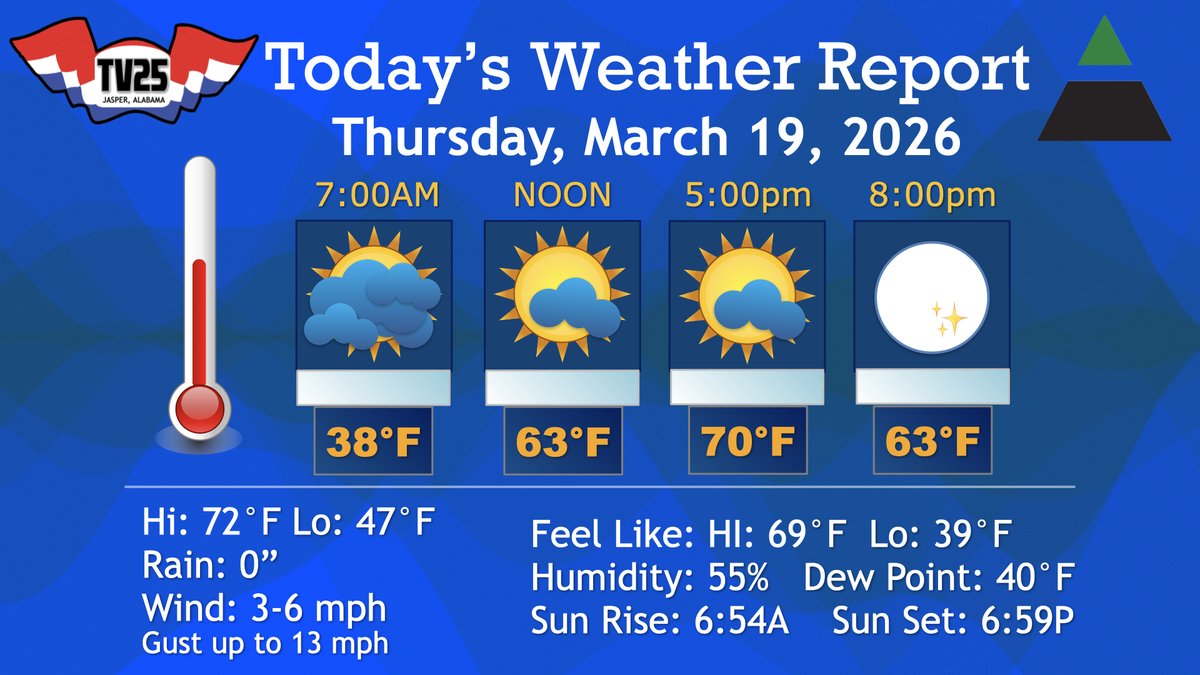
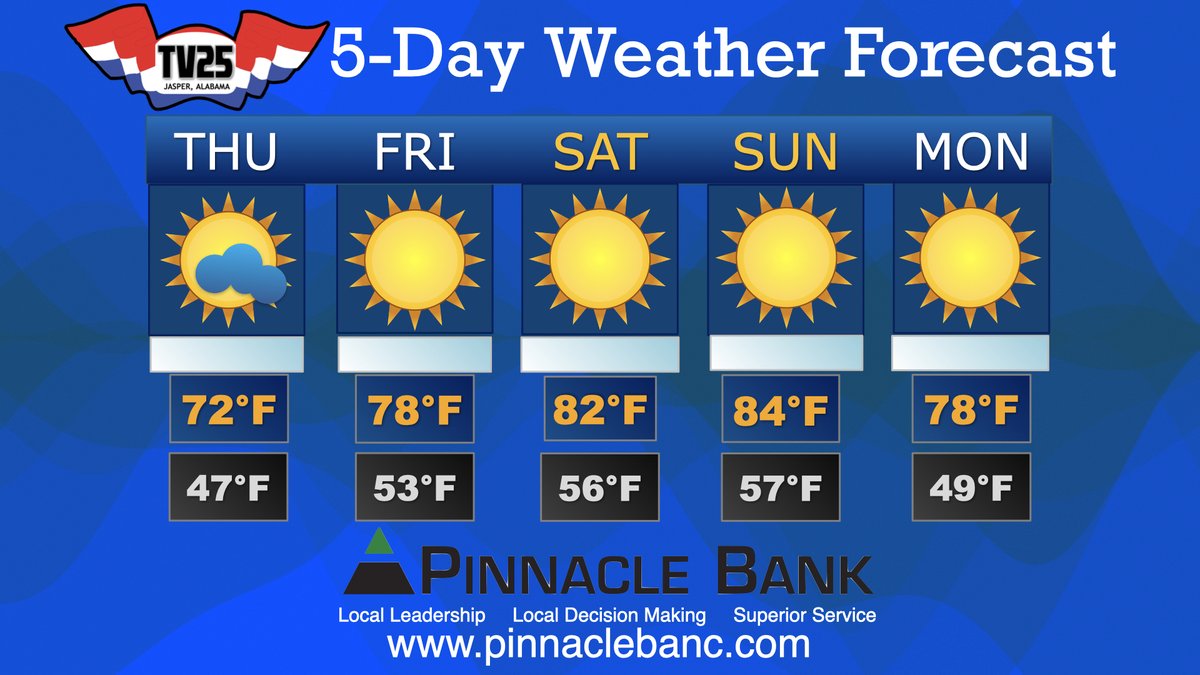

St. Patrick's Day kicks off a worldwide celebration also known as the Feast of St. Patrick. On March 17th, many will wear green in honor of the Irish and decorate with shamrocks. According to lore, the wearing of the green tradition dates back to a story written about St. Patrick in 1726. St. Patrick (c. AD 385–461) used the shamrock to illustrate the Holy Trinity and worn green clothing. And while the story is unlikely to be true, many will revel in the Irish heritage and eat traditional Irish fare, too.
In the United States, St. Patrick's Day has been celebrated since before the country was formed. At times, the holiday has been a bit more of a rowdy one, with green beer, parades, and talk of leprechauns. However, in Ireland, St. Patrick's Day takes on a more solemn mood. It wasn't until events in the United States broadcast in Ireland that some of the Yankee ways spread across the pond. One Irish-American tradition not common to Ireland is corned beef and cabbage.
SAINT PATRICK'S DAY HISTORY
The Feast of St. Patrick started in the early 17th-century. The day marks the death of St. Patrick and was chosen as an official Christian feast day and is observed by the Catholic Church. The day is also a public holiday in the Republic of Ireland, Northern Ireland, the Canadian province of Newfoundland and Labrador, and the British Overseas Territory of Montserrat. It is also widely celebrated by the Irish diaspora around the world, especially in Great Britain, Canada, the United States, Argentina, Australia, and New Zealand.
Saint Patrick's FAQ
Q. How many people in the United States are of Irish descent?
A. According to the U.S. Census Bureau, 31.5 million Americans claim Irish descent. That's a lot of Irish-Americans! And that includes those who may be 100% Irish or less than 15% Irish. A little bit of the Emerald Isle goes a long way.
Q. Can I pinch someone who isn't wearing green on St. Patrick's Day?
A. The tradition of pinching those who don't wear green on St. Patrick's Day comes from the belief that wearing green made one invisible to the fairies and leprechauns spreading mischief on that day. These legendary creatures were known for their pinching. Those celebrating the day would pinch those who didn't wear green as a reminder of what could happen (or to impersonate the leprechauns and fairies). That said if you're going to pinch on St. Patrick's Day, be gentle, or better yet, bring along some green stickers to place on other revelers as a way of offering protection from those menacing leprechauns and fairies.
English