野口卓也/作業療法士

7.9K posts

野口卓也/作業療法士 banner
野口卓也/作業療法士

野口卓也/作業療法士

@Takuya_530822

博士(保健学)/認定作業療法士/精神科領域/AMPS認定評価者/SST認定講師/精神保健福祉士/ポジティブ作業評価(APO-15、EAPO)/ポジティブ作業に根ざした実践(POBP)/キャンプ、焚き火、お酒が好き/https://t.co/HtVGw3C9yh
日本 岡山 Katılım Ekim 2015
113 Takip Edilen1.6K Takipçiler
野口卓也/作業療法士
研究計画書の見直し完了✅ なかなか面白い研究になりそうで楽しみ。倫理審査のための資料は完成したので、次は結果を待っている間に論文化にも手を進めていきたいと思います。
日本語
0
0
3
263
野口卓也/作業療法士
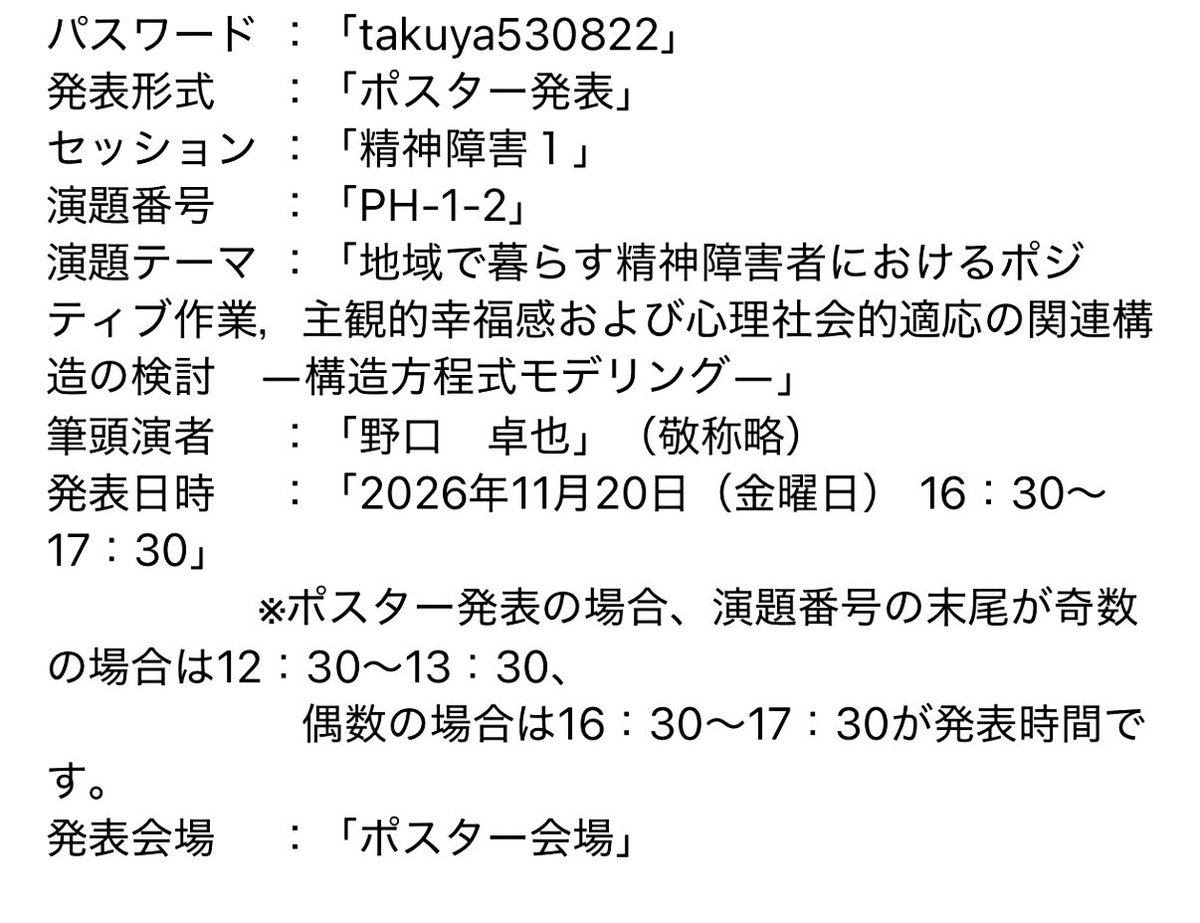
第60回OT学会で採択されました㊗️今年は、以下の内容でポスター発表を行います。ポスター発表のため、発表時には直接お話しできます。ご関心いただける方は、ぜひポスターを覗きに来てください🙇お会いできることを楽しみにしています。
野口卓也/作業療法士 tweet media
日本語
1
0
90
1.3K
野口卓也/作業療法士
現在、ポジティブ作業評価(APO-15)は一般健常者向けに活用できるよう取り組み中です。いろんな解析を試しているところですが、面白い結果がみえてきました。
日本語
0
0
6
217
野口卓也/作業療法士
野口卓也/作業療法士@Takuya_530822·
投稿手続き完了✅ 5月は頑張って2本投稿できました。どちらの内容も興味深い結果だったので、好意的なレスポンスが返ってきますように🙏
日本語
0
0
5
215
野口卓也/作業療法士 retweetledi
Sinem Toraman Turk
Sinem Toraman Turk@SinemTrmnTurk·
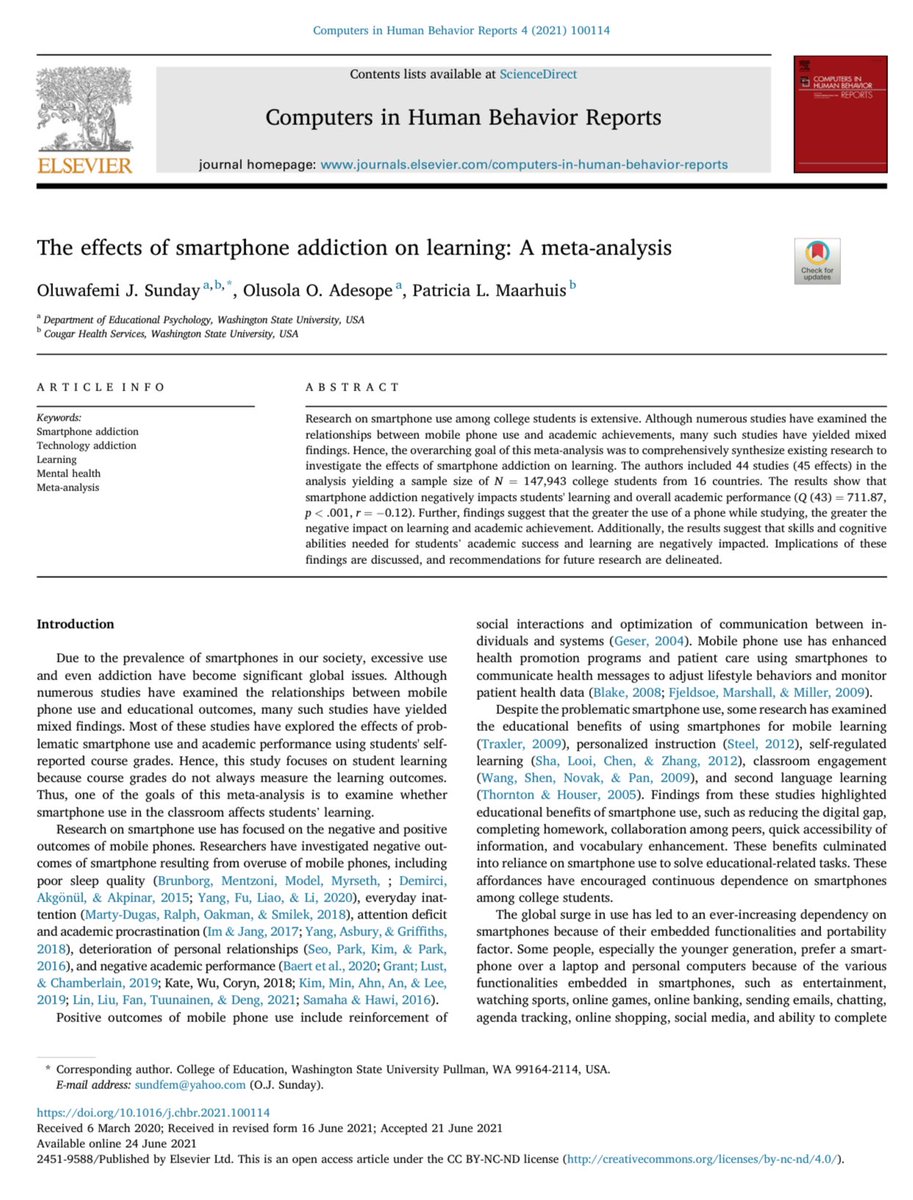
Nitel araştırmalarda “veride doygunluk” tartışılan ve göreceli bir kavram. Bu 👇🏼 makale veride doygunluğun kavramsallaştırılmasına odaklanıp soruyor: neyde doygunluk? Veri mi? Kodlar mı? Tema mı? Örneklem büyüklüğü mü? 4 tür doygunluk var++
Sinem Toraman Turk tweet media
Türkçe
3
64
340
20.9K
野口卓也/作業療法士 retweetledi
Sinem Toraman Turk
Sinem Toraman Turk@SinemTrmnTurk·
Nitel araştırmalarda örneklem büyüklüğünden devam edelim. Bu 👇🏼sistematik analiz çalışması psikoloji sosyoloji ve tıp alanlarından sağlıkla ilgili dergileri 15 yıl sürede incelemiş ve nitel çalışmalarda örneklem sayısına ilişkin ampirik verilere dayanarak öneriler sunuyor++
Sinem Toraman Turk tweet media
Türkçe
1
53
232
18.5K
野口卓也/作業療法士 retweetledi
Dr. Filippo Cademartiri
Dr. Filippo Cademartiri@FCademartiri·
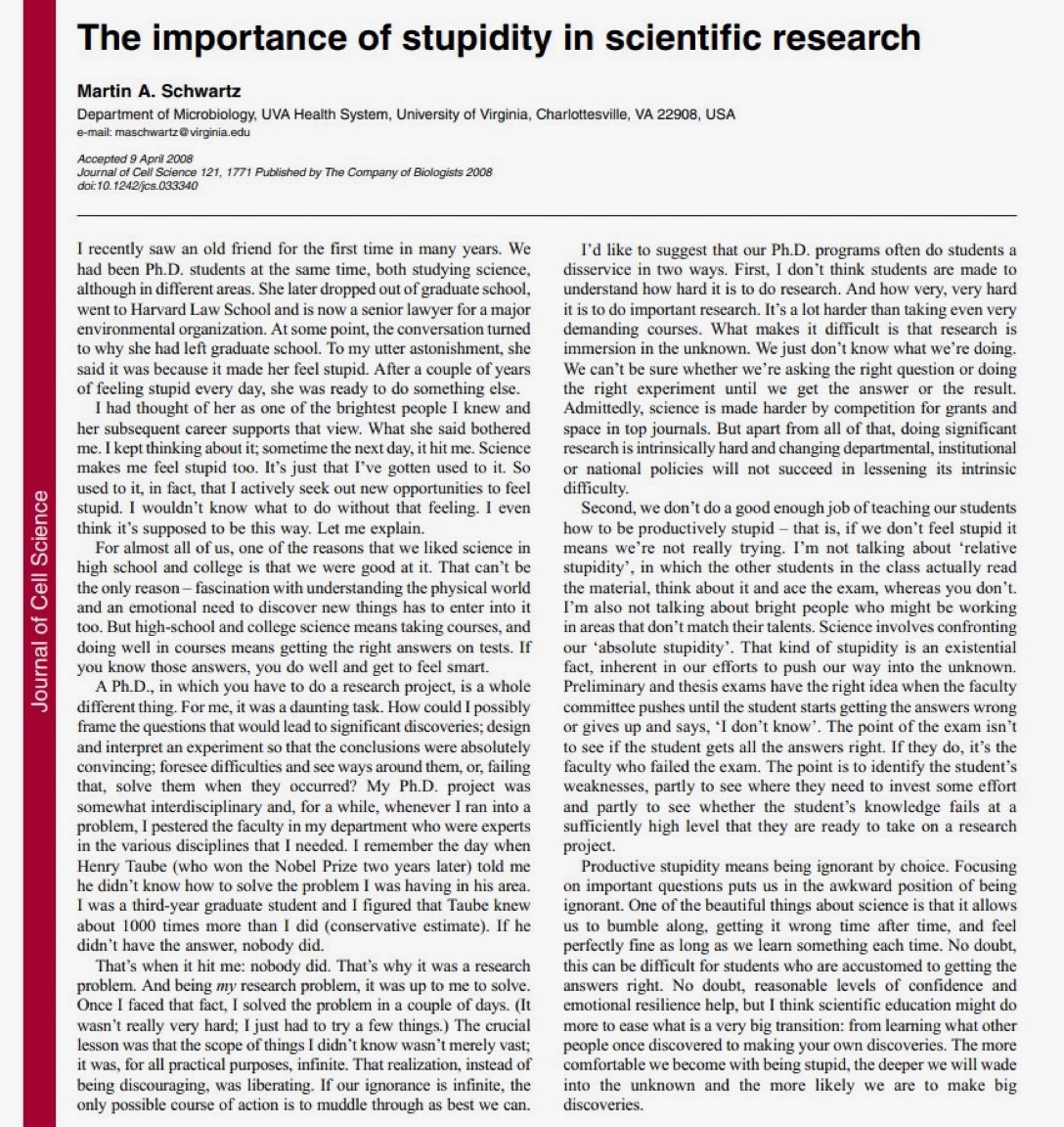
This article should be mandatory reading for every medical student, PhD candidate, researcher—and honestly, for anyone who mistakes expertise for certainty. “The importance of stupidity in scientific research” sounds provocative, almost offensive. But Martin Schwartz is not glorifying incompetence. He is describing the real operating system of discovery. Science is not built on knowing. Science is built on tolerating not knowing. That distinction matters. Most of education rewards correctness. School teaches us to answer. Exams reward speed, certainty, and precision. You feel intelligent when you get things right. Research is the opposite. Real research begins exactly where competence ends—at the frontier where nobody knows the answer, including the people you thought must know. That moment is psychologically brutal. You ask the expert. The expert shrugs. You assume you’re missing something. Then you realize: no—this is the work. You are not failing. You are standing at the actual boundary of knowledge. That feeling—“I must be stupid”—is often not a sign of inadequacy. It is often the first sign that you are finally asking an important question. Medicine struggles with this. We train doctors to avoid uncertainty, to fear being wrong, to perform confidence. But the best clinicians and the best scientists know how to sit inside ambiguity without collapsing into fake certainty. This is why AI in medicine also deserves caution. Systems trained only to reproduce established answers may become extraordinarily good at passing exams while being terrible at discovering what matters next. Guideline intelligence is not the same as scientific intelligence. Discovery requires productive stupidity: the willingness to stay with the uncomfortable, to look ignorant, to ask naïve questions, to be wrong repeatedly without protecting your ego. Most people want the authority of expertise. Very few want the humiliation required to earn it. But progress lives there. Not in certainty. Not in performance. Not in sounding smart. In the quiet discipline of saying: “I don’t know… yet.” And continuing anyway.
Dr. Filippo Cademartiri tweet media
English
36
547
1.5K
184.2K
野口卓也/作業療法士 retweetledi
教育探究ひろば
教育探究ひろば@tankyuhiroba·
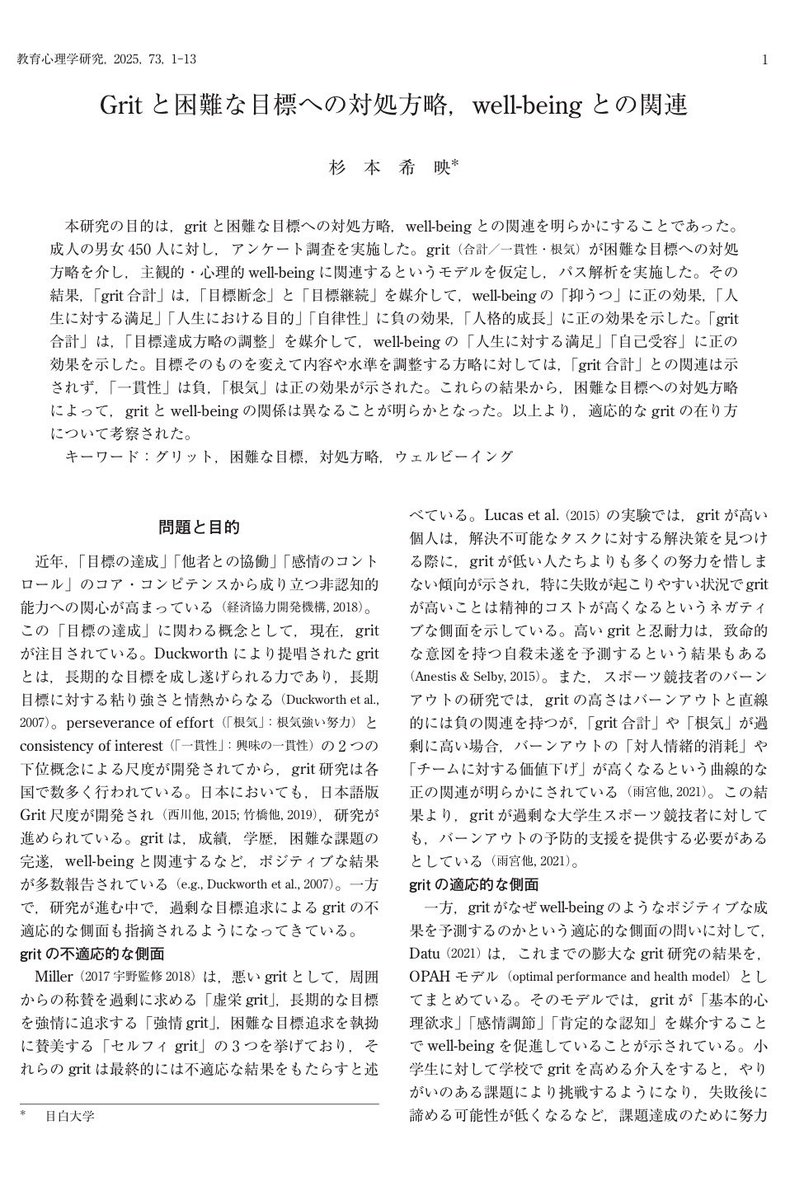
【gritは、well-beingにどのように影響するのか?】本研究の目的は、長期的な目標に向けて粘り強く取り組む力であるgritが、well-being(幸福感や心の健康)にどのように関わるのかを明らかにすることです。特に、困難な目標に直面したときの対処の仕方に着目しています。 方法として、成人450名を対象に質問紙調査を行い、grit(根気・一貫性)、困難な目標への対処方略(目標継続・断念・調整など)、主観的・心理的well-beingとの関係をパス解析によって検討しました。 その結果、gritは全体としてwell-beingと正の関連を示し、人生満足感や人格的成長などを高める傾向が見られました。一方で、その影響は一様ではなく、対処の仕方によって異なることが明らかになりました。たとえば、目標を粘り強く続けることは成長につながる一方で、抑うつや不安を高める側面も確認されました。また、目標に固執しすぎて柔軟に調整しない場合には、well-beingの低下と結びつく可能性も示されました。 さらに、目標そのものは維持しつつ方法を調整するような柔軟な対処は、well-beingの向上と関連していました。このことから、単に粘り強く続けるだけでなく、状況に応じて関わり方を調整することが重要であると考えられます。 結論として、gritはwell-beingに対して肯定的な影響をもつ側面がある一方で、その働きは対処の仕方によって変わり、場合によっては負の影響も生じうることが示されました。
教育探究ひろば tweet media
日本語
2
15
124
7.9K
野口卓也/作業療法士 retweetledi
青の統計学-Data Science School-
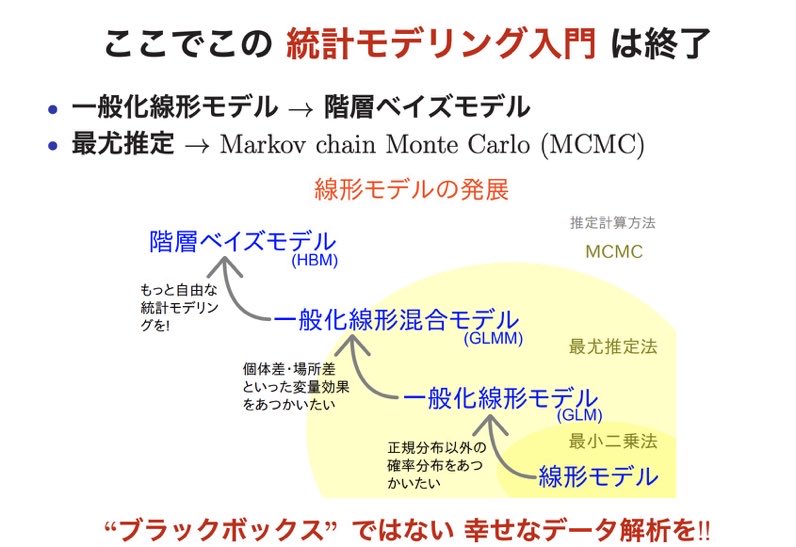
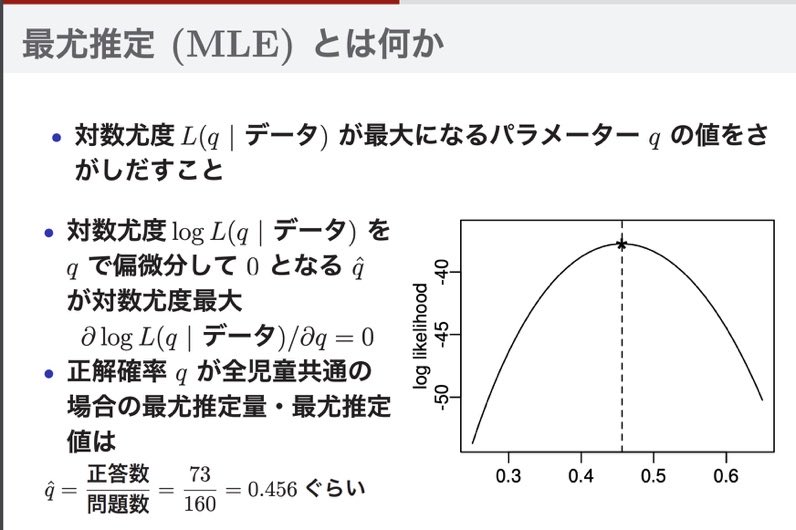
【無料教材!】線形回帰から階層ベイズまで、目的やデータの特徴に即して説明されている資料です! ・150ページあり、読み応えアリ ・初学者でも体系的に統計モデルの世界を俯瞰できます。 ・GLM等、統計検定でも必要な知識が詰まっている 統計検定の学習者におすすめです! kuboweb.github.io/-kubo/stat/201…
青の統計学-Data Science School- tweet media青の統計学-Data Science School- tweet media青の統計学-Data Science School- tweet media青の統計学-Data Science School- tweet media
日本語
1
61
515
67.5K
野口卓也/作業療法士
野口卓也/作業療法士@Takuya_530822·
精神科作業療法では、プログラム内容の検討はもちろん重要です。一方で、そのプログラムが周囲からどのように受け止められ、本人にどのような意味づけで経験されるかも、治療効果に影響する可能性があると考えます。介入の間接要因ですが、実践上とても重要な視点です。 pmc.ncbi.nlm.nih.gov/articles/PMC95…
日本語
0
0
6
205
野口卓也/作業療法士 retweetledi
Kosuke
Kosuke@kosuke_agos·
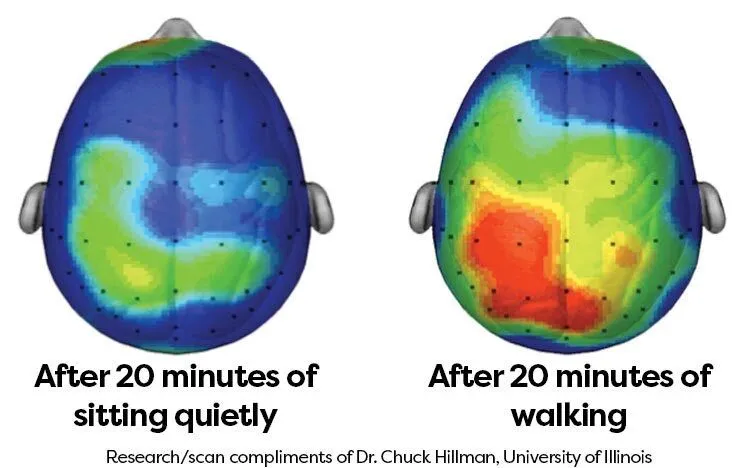
「わずか20分のウォーキング」が、停滞した脳の神経回路を強制的に再配線し、「人間の認知機能を向上させる」という衝撃的な事実が明らかになりました。 座りすぎによる脳の萎縮や認知機能の低下を、純粋な物理的運動によって逆転させ、生体本来のパフォーマンスを再起動する極めて合理的な事象です。 その衝撃的な全貌と脳のハック手法を3つのポイントにまとめました。 1. 神経の『再構築』 歩行というリズミカルな運動は、海馬での新たな神経細胞の生成(ニューロジェネシス)を強制的に活性化させます。同時に前頭前皮質のシナプス接続が強化され、休眠状態にあった遺伝子の発現プロトコルが自律的に再起動します。 2. 血流の『構造的最適化』 認知機能の中核を担う領域への血流量が瞬時に15〜30%増加します。これは単なる気分のリフレッシュではなく、脳に血液を強制注入し、情報処理の能力を劇的に引き上げるプロセスです。 3. ダメージの『可逆的修復』 1日8時間以上の座りっぱなしは、海馬の萎縮や白質の乱れといった早期認知症と同様のバグを脳内に蓄積させます。しかし、1日たった20分の歩行がコルチゾールを劇的に減少させ、瞑想アプリすら凌駕する精度でこの物理的なダメージを完全に逆転させます。
Kosuke tweet media
日本語
64
3.5K
13.2K
712.5K
野口卓也/作業療法士 retweetledi
Bethlehem Tekola
Bethlehem Tekola@Bethlehemtekola·
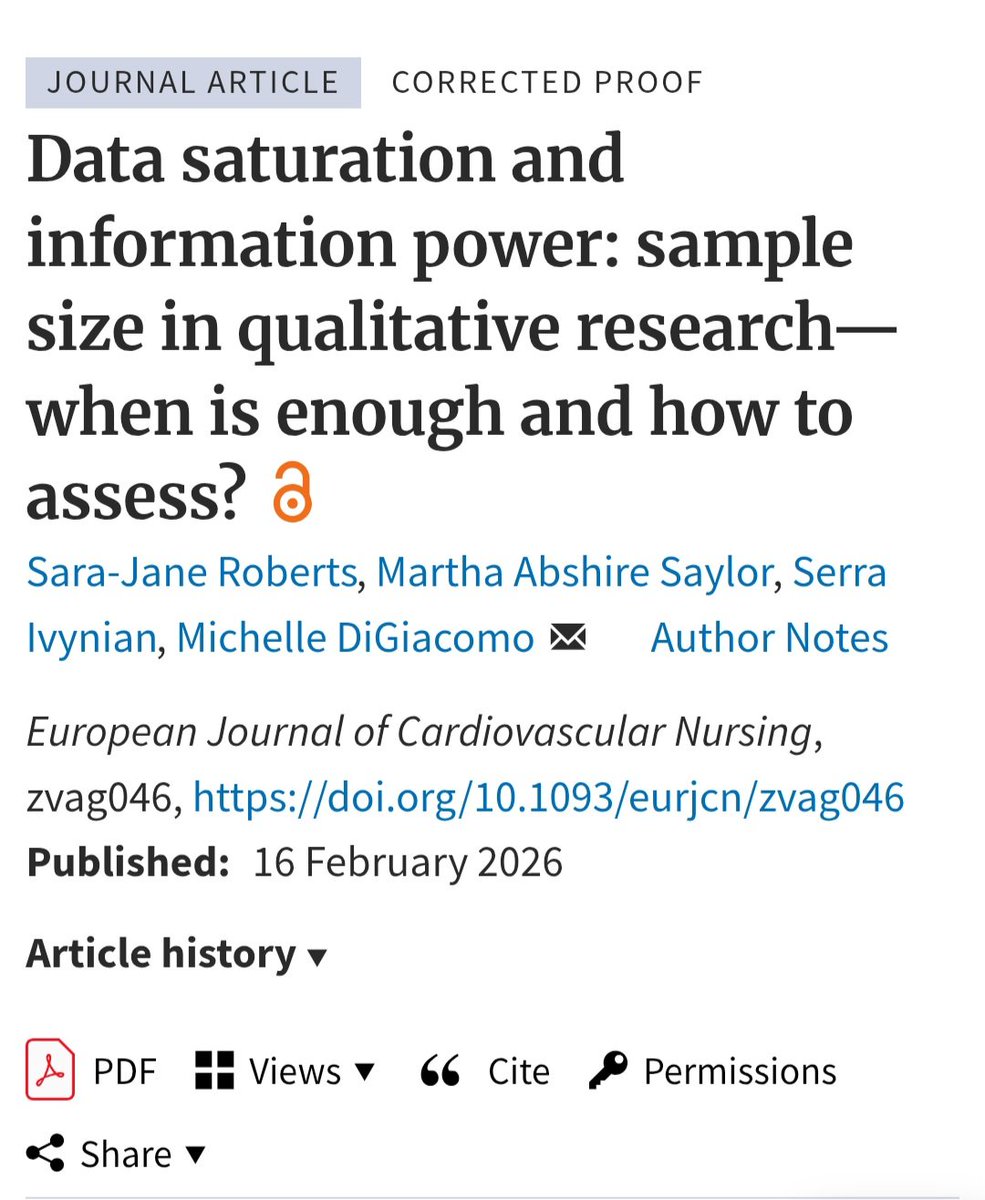
On the topic of sample size in qualitative research, this 2026 paper can also be really helpful as it discusses not only the concept of data saturation but also the concepts of information power and information redundancy:
Bethlehem Tekola tweet media
English
3
121
517
29.5K
野口卓也/作業療法士 retweetledi
深見 聡 FUKAMI, Satoshi Ph.D.
学会発表や博論発表の質疑応答で、分からないことを訊かれたら「本研究の限界点であり、今後の課題として追究したい」と正直に答えた方がよい。どこまで明らかにし、どこからが未解明なのかを研究者として把握する力は大切。下手に誤魔化そうとすると、さらにその回答に被せた質問が続くので避けたい。
日本語
0
4
22
2.6K