Sabitlenmiş Tweet

مع شام أنس الشريف
وزينة إسماعيل الغول

العربية
Tamer Almisshal | تامر المسحال
6.6K posts
@TamerMisshal
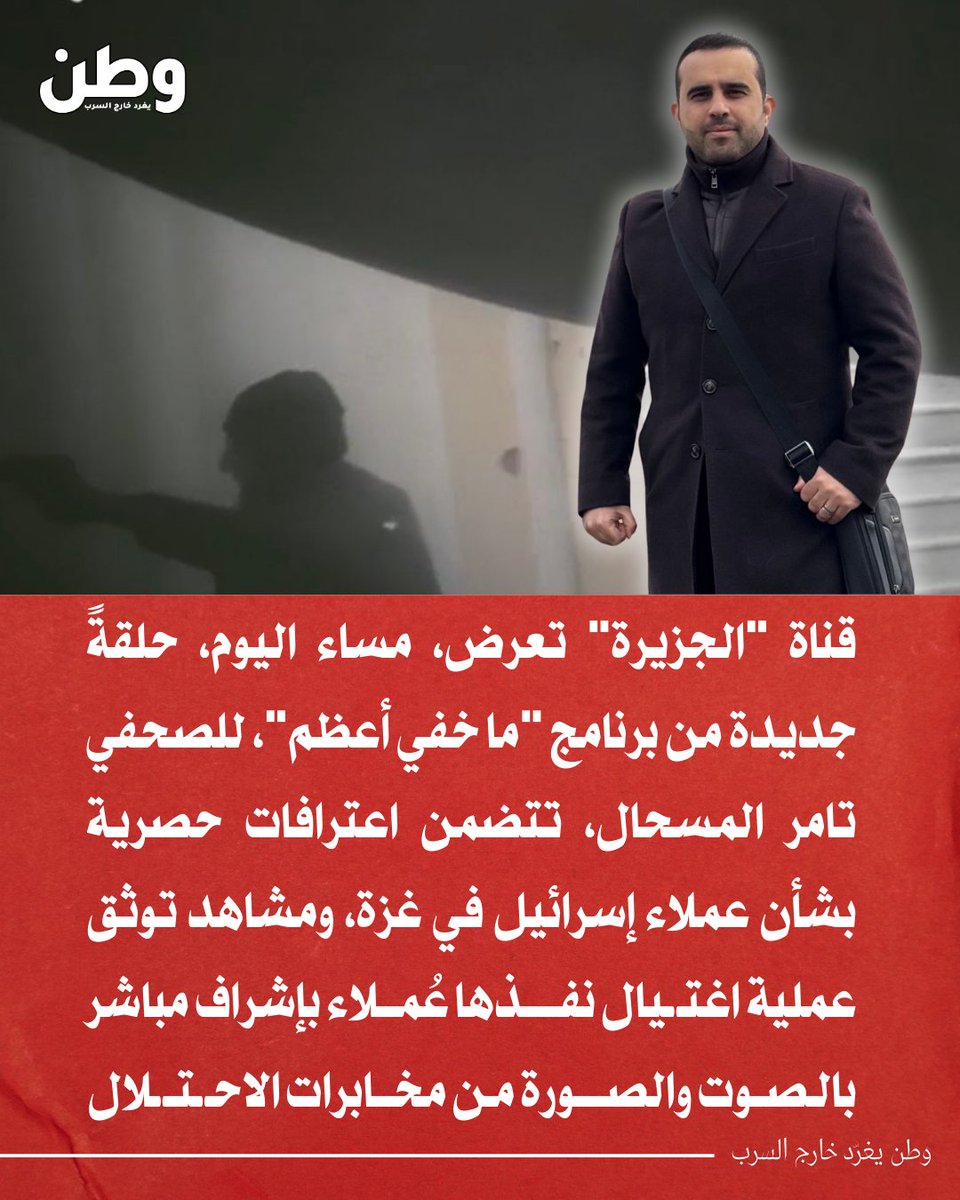
مقدم ومعد برنامج #ما_خفي_أعظم على شاشة #الجزيرة .. فلسطيني الهوى والهوية

#The_Psychology_of_Crises #Middle_East 🔹 “O Muhājirīn! O Anṣār! How do we extinguish the fire of discord?” This may be the first in a series of reflections in which I attempt to offer a calm and reflective reading of the present moment. My hope is that it helps us better understand the psychology of crises and how we engage with the collective mind in times of hardship. This becomes all the more pressing today. We are living through a unique moment in human history, where every individual has become a media machine (independent or otherwise), and where countless actors and institutions drive agendas that bring no good to this region, or to humanity as a whole. I begin with an incident from the Prophetic era, an era Muslims unanimously agree was the best of times. I use it here to highlight a human phenomenon that has always existed. I present the narration as found in the books of Hadith, followed by my commentary. Jabir bin Abdullah (may Allah be pleased with him) said: “A man from the Muhajirin kicked a man from the Ansar. The man from the Muhajirin said: ‘O Muhajirin!’ the man from the Ansar said: ‘O Ansar!’ The Prophet heard that and said: ‘What is this evil call of Jahliyyah?’ They said: ‘A man from the Muhajirin kicked a man from the Ansar.’ So the Prophet said: ‘Leave that, for it is offensive.’ Abdullah bin Ubayy bin Salul heard that and said: ‘Did they really do that? By Allah! If we return to Al-Madinah indeed the more honorable will expel therefrom the meaner.’ Umar said: ‘Allow me to chop off the head of this hypocrite, O Messenger of Allah!’ The Prophet said: ‘Leave him, I do not want the people to say that Muhammad kills his Companions.’” -End of Narration- 🔹Reflection: The incident could have unfolded in many possible ways. A trial could have been held to determine who was right and who was wrong. Wouldn’t reason, and even the apparent demands or justice, call for such a course? The Companions could have refused compliance, and conflict might have erupted. The Prophet could have ordered the execution of Abdullah bin Ubayy to silence the instigator of discord. But that’s not what happened. Prophetic wisdom took a completely different path. Why? It recognized that discord (fitnah) is not born of reason, but of emotional reaction. It feeds on buried grievances, charged past, and accumulated psychological residue. It is not, in its essence, driven by intellect, though it may cloak itself in logic, dress itself in evidence, and —even in our time— be carried by highly educated voices. Thus, the Prophetic method was both precise and profound: Cut off the oxygen;“Leave it, for it is rotten.” Do not engage it. Do not rationalize it. Do not entertain the arguments and evidence of each side. But why? Because once ignited, no party will ever fail to produce evidence of its victimhood and grievances, nor proof of its virtue and superiority over others. Reality tells us that every human society -indeed, every nation- possesses two memories, a memory of connection, and a memory of rupture. Which one is activated depends on need, context, sentiment, and the prevailing -or deliberately shaped- public mood. Take Rwanda as an example. If you go there today, you won’t hear people talk about the crimes committed by each group (the Tutsi and the Hutu) during one of the most horrific genocides of modern time in the 1990s. Instead, you’ll hear a shared story, one about coexistence, national unity, and a common future. But if you had asked the same people thirty years ago, during the civil war, they would have unsheathed the sword of hostility and revenge against their fellow citizens (the very same nation they now celebrate as strong in its diversity). This isn’t unique to Rwanda. It applies to every society, regardless of the nature of their social fractures: religious, ethnic, tribal, geographical, or otherwise. ( tbc )