DeepAncientThought

20.1K posts

DeepAncientThought banner
DeepAncientThought

DeepAncientThought

@TeXasMadde

📜 Specialist in Ancient Near east Levantine/Asia area Religions +Linguistics +Learning to Teacher of Ancient history +Mythology /Wonder Workings (PolyMath)❕️

Everywhere but no where - Katılım Ağustos 2021
1.1K Takip Edilen875 Takipçiler
Sabitlenmiş Tweet
DeepAncientThought
DeepAncientThought@TeXasMadde·
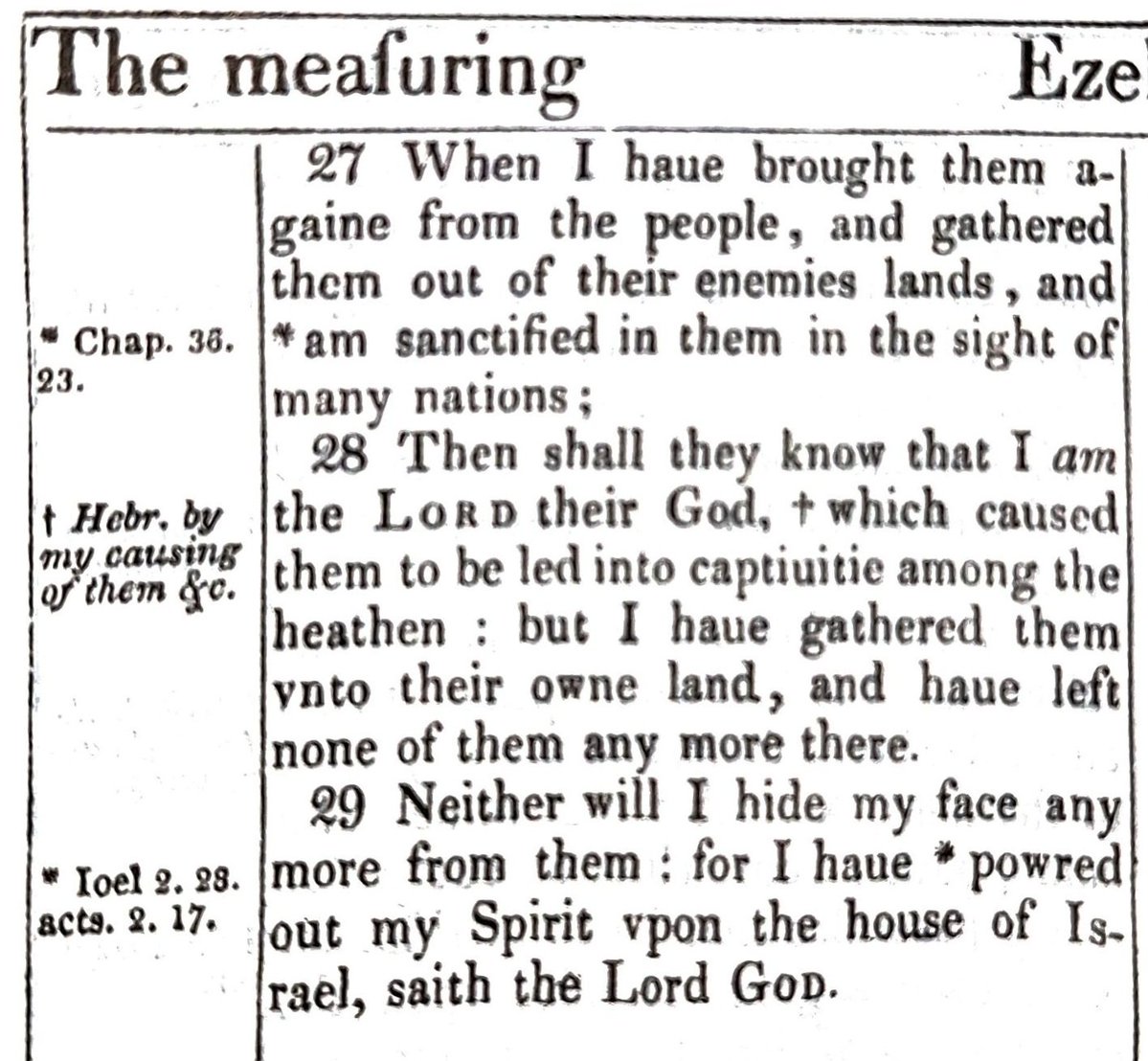
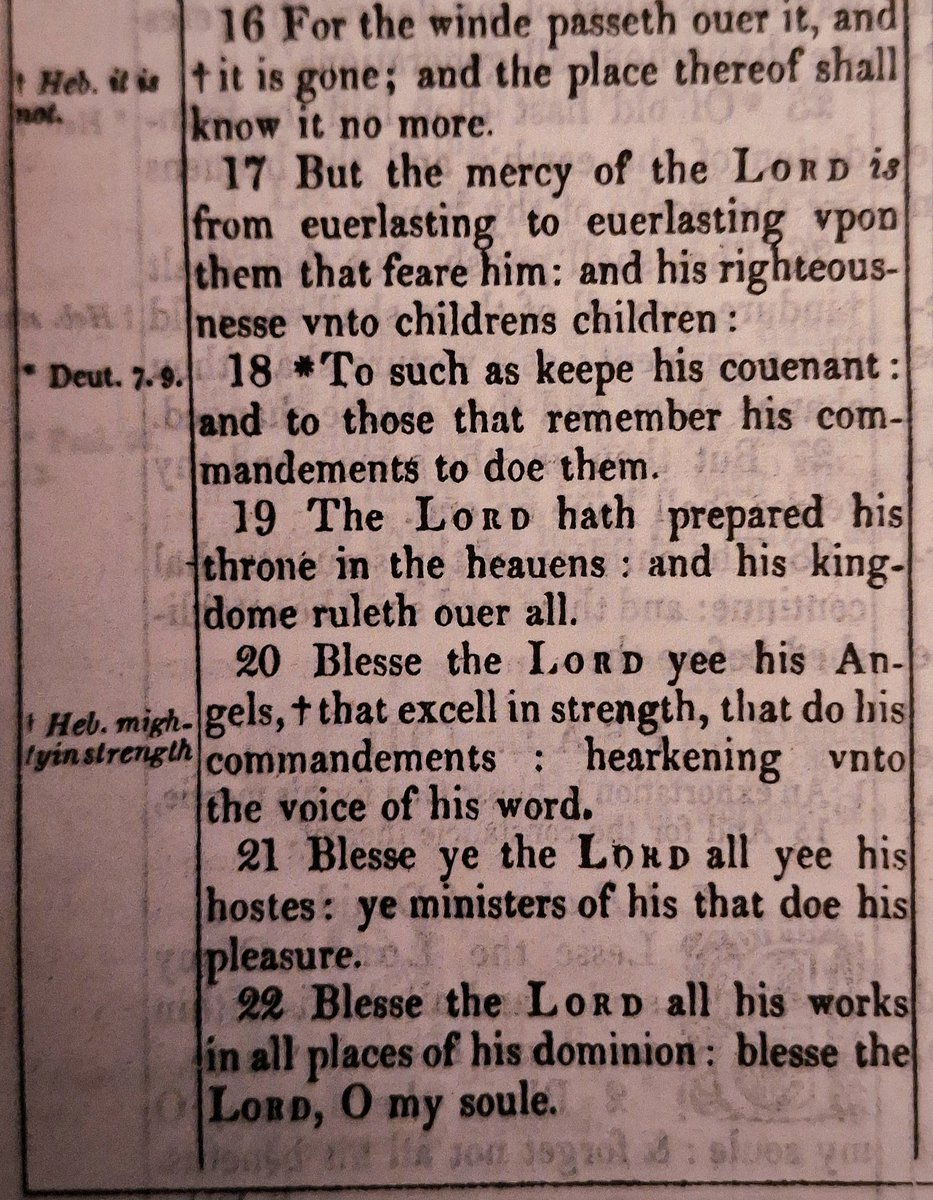
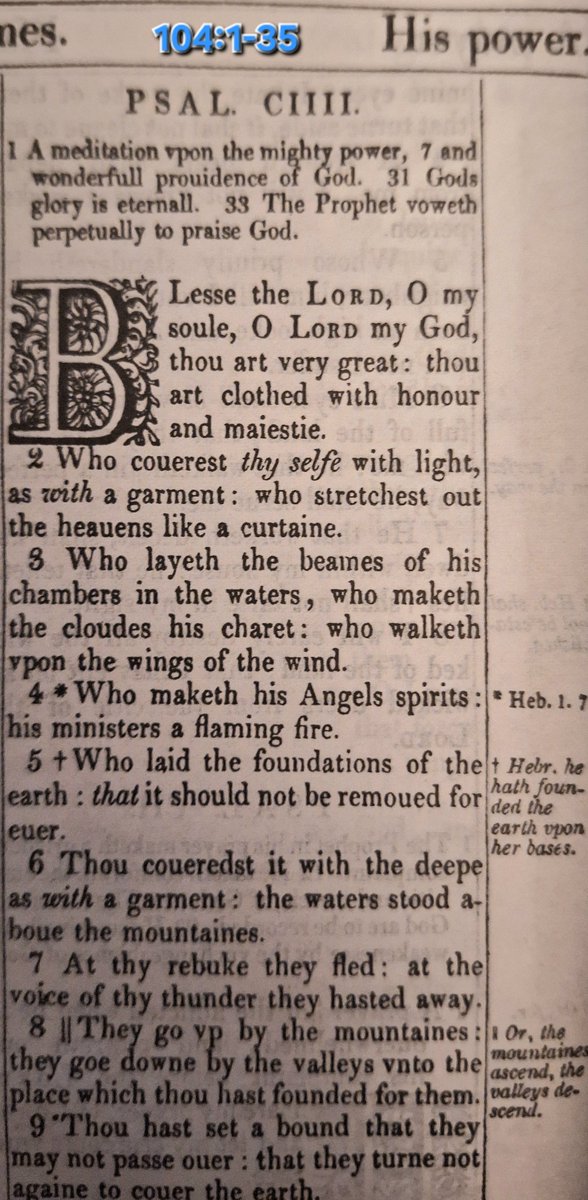
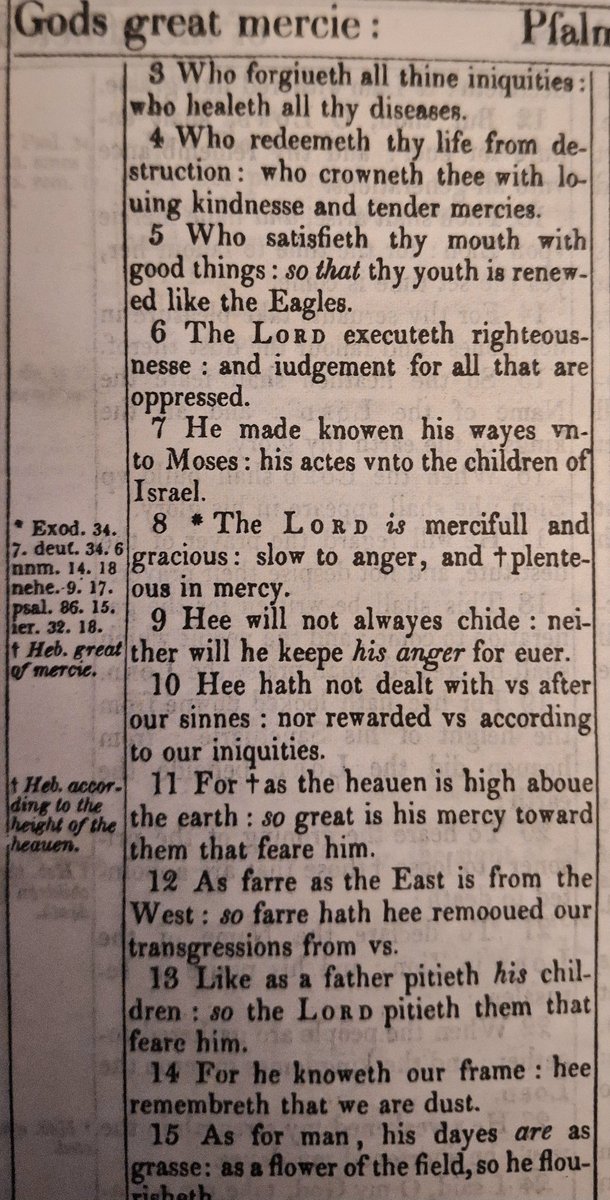
#ApocalypticBookStudy #86 #SupernaturalCosmography #33 #DimensionalTheology #15 #Phenomenology #20 #BibleStudy #148 📜 Ezekiel 39:1-29 📜 3 PART Supplemental📜 ⚠️Specialist Study on the Supernatural Valley Between Worlds & Crossers of the Boundary: The Oberim Motif or called " Those who cross over " & its Ultra Rare Liminal Geography, Rephaim Cosmology, & Pneumatological Renewal of the Post War Cosmic Burial of Gog in 1 Jam Packed chapter for this week⚠️ (Please see SHARE For Our First study /VERSES) (this is an Extraordinary Reboot/Revisit Edition for completeness & next week we will be done with this full book of Ezekiel) ⚠️ This Supplemental Edition is a Deep abstract/verse-by-verse polymathic study -FT- Philology, Phenomenology, Liminality, Dimensional theology, Pneumatology, Aerology, Dirge Traditions, & Sacred Geography & as a layered prophetic cosmology ⚠️ ⚠️⚠️⚠️(IN 4 PICS IS THE OG KJV 1611)⚠️⚠️⚠️ 🗝 -KEY TRANSLATIONS USED IN STUDY -🔑 (AGAIN ) THE- 📜KJV 1611 📜HEBREW 📜SYRIAC 📜COPTIC 📜GREEK 📜LATIN 📜GERMAN 📜FRENCH 🔑🗝📜PART 1📜🔑🗝 Ezekiel 39 as Liminal War, Theophany, & Pneumatological Renewal Ezekiel 39 concludes the Gog oracle begun in Ezekiel 38 and presents a prophetic drama in which divine sovereignty overturns hostile forces emerging from the mythic north. The chapter describes not merely geopolitical defeat but a cosmic purgation of chaotic powers followed by restoration of divine presence among Israel. Several interpretive dimensions converge. Historical dimension The prophecy emerges during the Babylonian exile and addresses Israel’s trauma of defeat while affirming divine control over global powers. Liminal dimension The burial valley associated with the Oberim (עֹבְרִים) becomes a symbolic passage between life and death where invading forces cross into the realm of the dead. Dirge tradition The imagery resembles ancient funeral laments describing fallen kings descending into Sheol. Theophanic manifestation Fire, divine glory, and atmospheric phenomena signal divine intervention in the earthly sphere. Phenomenological dimension The prophet’s description reflects visionary perception where cosmic battle, burial rituals, and spiritual renewal unfold in intense sensory imagery. Pneumatological culmination The chapter ends with the outpouring of divine Spirit, restoring the spiritual environment of Israel. Ezekiel 39 therefore portrays a cycle of cosmic disorder, divine judgment, ritual purification, and spiritual regeneration. 🗝 🔑 Key Multilingual Terms🔑 🗝 Hebrew גוג Gog מגוג Magog המון גוג Hamon Gog multitude of Gog עברים Oberim crossers passers travelers רוח Ruach spirit wind breath Greek Septuagint Γωγ Gog Μαγωγ Magog πνεῦμα pneuma spirit breath Syriac Peshitta ܓܘܓ Gog ܡܓܘܓ Magog ܪܘܚܐ Ruha spirit wind breath Coptic ⲅⲱⲅ Gog ⲡⲛⲉⲩⲙⲁ Pneuma spirit breath German (Luther) Gog Fürst von Mesech und Tubal Geist Spirit wind French Gog chef de Méchek et Tubal Esprit divine spirit Verse by Verse Multidimensional Commentary Ezekiel 39:1 1611 KJV “Behold I am against thee O Gog the chief prince of Meshech and Tubal.” Hebrew הנני אליך גוג נשיא ראש משך ותבל Transliteration Hineni elekha Gog nasi rosh Meshekh ve Tubal Meaning Behold I am against you Gog chief ruler of Meshech and Tubal. Greek Ἰδοὺ ἐγὼ πρὸς σὲ Γωγ Syriac ܗܐ ܐܢܐ ܥܠܝܟ ܓܘܓ Phenomenology The prophet hears a direct divine proclamation confronting a distant power. The experience resembles a visionary courtroom where the deity announces judgment. Cosmological symbolism Northern tribes represent the direction of chaos in ancient Near Eastern cosmology. Isaiah 14:13 associates the far north with cosmic rebellion. Ezekiel 39:2 “I will turn thee back and leave but the sixth part of thee.” Hebrew וששאתיך This verb can suggest guiding or dragging. Symbolic mathematics Six represents the created order. Reducing Gog’s forces to a sixth implies divine restriction of worldly power. Dimensional theology Human armies appear vast yet are subject to cosmic limitation imposed by divine authority. Ezekiel 39:3 “I will smite thy bow out of thy left hand.” Greek καταρράξω τὸ τόξον σου Syriac ܐܬܒܪ ܩܫܬܟ Dirge imagery Breaking weapons occurs in ancient lament songs describing fallen warriors. Psalm 46 “He breaketh the bow.” Phenomenology The prophet visualizes weapons falling from soldiers’ hands as if struck by invisible force. Ezekiel 39:4 “Thou shalt fall upon the mountains of Israel.” Hebrew על הרי ישראל Mountains of Israel. Coptic ⲉⲡⲉⲧⲟⲟⲩ ⲛ̄ⲓⲥⲣⲁⲏⲗ Sacred geography Mountains act as cosmic meeting points between heaven and earth. Examples Sinai Zion Carmel. Supernatural layer Birds devouring the slain represent nature participating in divine judgment. Ezekiel 39:5 “Thou shalt fall upon the open field.” French tu tomberas sur la face des champs. Anthropological meaning Death outside the city symbolizes exposure to wilderness forces. Liminal symbolism The battlefield becomes a border between civilization and the chaotic wild. Ezekiel 39:6 “I will send fire upon Magog.” Hebrew ושלחתי אש במגוג Greek ἀποστελῶ πῦρ ἐπὶ Μαγωγ Aerology Fire from heaven may reflect lightning storms or meteoric phenomena interpreted as divine judgment. Theophany Fire frequently accompanies divine manifestation. Examples Exodus 19 1 Kings 18. Ezekiel 39:7 “I will make my holy name known.” Hebrew שמי הקדוש My holy name. German meinen heiligen Namen kundtun. Phenomenology The revelation of the divine name signifies overwhelming encounter with sacred presence. Ezekiel 39:8 “It is done.” Hebrew באה ונהיתה It has come and happened. Visionary time Prophets experience future events as present reality. Ezekiel 39:9 Weapons burned seven years. Symbolic number Seven represents cosmic completion. Ecological dimension War debris becomes fuel sustaining life. Ezekiel 39:10 “They shall spoil those that spoiled them.” Covenant law Reflects Deuteronomic principle of moral reversal. Ezekiel 39:11 “The valley of Hamon Gog near the valley of the Oberim.” Hebrew עמק המון גוג גיא העברים Meaning Valley of Gog’s multitude near the valley of the passers through. Liminal interpretation The Oberim represent travelers crossing between domains. Dimensional theology The burial valley becomes a threshold where armies pass from the world of the living into the realm of the dead. Ezekiel 39:12 Seven months burying the dead. Ritual purity Numbers 19 describes purification after contact with corpses. Temporal symbolism Seven months completes a cycle of cleansing. Ezekiel 39:14 Men continually passing through the land. Hebrew root עבר to cross or pass through. Phenomenological layer Searchers walking the land resemble ritual guardians removing remnants of death. Ezekiel 39:15 A marker placed beside bones. Archaeological realism Burial teams marked remains before collection. Symbolic meaning Each bone is a fragment of chaos needing removal before restoration. Ezekiel 39:17 Call to birds and beasts. Greek συναχθητε καὶ ἔλθετε Gather and come. Dirge tradition Battlefields feeding animals appear in many ancient war laments. Ezekiel 39:18 “Eat the flesh of the mighty.” Syriac ܬܐܟܠܘܢ ܒܣܪܐ ܕܓܢܒܪܐ Cosmic inversion The powerful become food for creatures of the earth. Ezekiel 39:19 “Drink blood until full.” Apocalyptic imagery Conveys the magnitude of judgment. Ezekiel 39:20 “My table.” Divine banquet symbolism The battlefield becomes a sacrificial feast under divine authority. Ezekiel 39:21 “I will set my glory among the nations.” Hebrew כבודי Kavod glory radiance weighty presence. Phenomenology Prophets often describe divine glory as blinding luminosity. Ezekiel 39:22 Israel recognizes the Lord. Covenant awareness Recognition of divine sovereignty marks restoration. Ezekiel 39:23 Nations understand Israel’s exile. Historical reinterpretation Exile becomes moral consequence rather than divine defeat. Ezekiel 39:24 “I hid my face.” Hebrew הסתרתי פני Theological concept Divine concealment rather than absence. Ezekiel 39:25 “I bring again the captivity of Jacob.” French je ramènerai les captifs de Jacob. Restoration theology Return from exile symbolizes renewed covenant. Ezekiel 39:27 Gathering from nations. German Ich sammle sie aus den Ländern ihrer Feinde. Diaspora restoration Global dispersion reversed. Ezekiel 39:28 “They shall know that I am the Lord.” Recognition emerges through historical experience. Ezekiel 39:29 “I have poured out my Spirit.” Hebrew שפכתי את רוחי Greek ἐξέχεα τὸ πνεῦμά μου Syriac ܐܫܦܘܟ ܪܘܚܝ Pneumatology The Spirit represents divine life breath entering the community. Aerology Spirit and wind share the same term indicating transformation of the atmospheric spiritual environment. Multidisciplinary Insights Phenomenology The chapter reads like a visionary encounter filled with sensory intensity. Liminal geography The valley of the Oberim functions as a crossing place between life and death. Dirge tradition Funeral imagery frames the downfall of Gog. Dimensional theology The narrative depicts interaction between heavenly authority earthly battlefields and the underworld domain. Pneumatology Divine Spirit restores the spiritual vitality of the land. Aerology Wind fire and atmospheric phenomena signal divine activity in the natural environment. Concluding Reflection Ezekiel 39 reveals a striking cosmic pattern. Chaos approaches from the north Divine power intervenes with fire and judgment The land undergoes ritual purification The valley of the Oberim becomes the passage where the enemies cross into death Finally the Spirit of God renews Israel. Thus the chapter describes not merely a war but a transformation of cosmic order where divine presence returns to dwell among the people. 🗝🗝🗝📜📜📜⚠️⚠️SEE NEXT REPLY BELOW FOR PART 2 & 3⚠️⚠️⚠️📜📜📜🔑🔑🔑
DeepAncientThought tweet mediaDeepAncientThought tweet mediaDeepAncientThought tweet mediaDeepAncientThought tweet media
DeepAncientThought@TeXasMadde

#ApocalypticBookStudy #34 📜Ezekiel 39:1-29 🏞Valley of the Travellers 🗝 Vs.11 -Spirits (ôb; plural 'obôt AKA oběrim) those who have passed over ✨️ A portal to the Netherworld denoting the spirits crossing the border between the land of the living to the world of the dead

English
3
1
3
1K
DeepAncientThought retweetledi
DeepAncientThought
DeepAncientThought@TeXasMadde·
🔔🔑🗝 📜PART 2 📜💎 ULTRA BONUS ED 💎. -🗝🔑🔔 ⚠️ Specialist Study -FT- , - Sacred Geography, the Oberim Corridor, Rephaim Assemblies, & the Northern Invasion Cosmology (1 MORE Deeper Look) (RECAP (WITH Allot OF NEW SUBJECTS & REPEATED CRUCIAL INFO ONLY WHEN NECESSARY- WE GO OVER ALL THE THEMES IN SUM - ⚠️ ⚠️ (PLEASE SEE SHARE FOR 📜 PART 1 📜 & back trail to the earlier parts for #ApocalypticBookStudy #86 Ezekiel 39:1-29 ) ⚠️ This section develops deeper layers of the Gog tradition by examining; prophetic geography, underworld kingship traditions, liminal passageways, and cosmological symbolism - that appear in prophetic literature and later interpretation. The focus here is not merely on the military conflict described in the Book of Ezekiel and the Book of Revelation, but on the cosmic structure of the world implied by these texts. Ancient writers often treated geography as a theological map where certain regions served as portals between realms. The Gog invasion narrative draws upon this symbolic landscape. 1 (again we know ) The Oberim Passage and Liminal Geography Ezekiel 39 introduces a fascinating geographic term describing the burial place of Gog’s armies. The Hebrew expression עֵמֶק הָעֹבְרִים means “the valley of those who cross over” or “the valley of the travelers.” The word ʿoberim derives from the Hebrew root עבר, meaning to cross, pass through, or traverse a boundary. This linguistic root appears elsewhere in the Hebrew Bible in contexts involving migration threshold crossing movement between territories. The valley therefore functions as a liminal corridor. Travelers moving through the land encounter the burial site of Gog’s armies, making the defeated enemy a permanent monument visible to those crossing the region. The geography becomes a theological memorial landscape where judgment is remembered by every passerby. (NOW with that full refresher) Next- 2 (added now the)(to the mix) Funeral Geography and the Public Spectacle Ancient Near Eastern burial practices sometimes placed monumental tombs near travel routes. This ensured that future generations would remember the fate of rulers or armies who fell in battle. The Gog narrative expands this concept dramatically. The valley becomes so filled with bodies that it obstructs the movement of travelers. The burial operation lasts seven months. This extraordinary duration emphasizes the scale of the catastrophe and reinforces the public character of the event. The battlefield transforms into a vast funerary landscape visible to the entire region. 3 (now we see) The Assembly of Fallen Kings Prophetic literature occasionally depicts fallen rulers joining a shadowy assembly of the dead. This concept appears vividly in passages where tyrants descend into the underworld and encounter earlier kings already dwelling there. These texts describe the realm of the dead as a place where once powerful rulers sit upon thrones in diminished form. The defeat of Gog may echo this tradition. The fallen leader becomes another figure added to the underworld court of defeated monarchs. Such imagery reflects ancient ideas about the afterlife where rulers who once dominated the earth become powerless shades among their predecessors. 4 Northern Cosmology and the Direction of Chaos In ancient Near Eastern cosmology the north often symbolized the origin of threatening forces. Many invading armies historically entered the Levant from northern corridors. Because of this geopolitical reality, prophetic literature began associating the north with the emergence of hostile powers. But the symbolism extended beyond simple geography. Some ancient cosmologies imagined remote northern regions as the boundary between the ordered world and the wilderness beyond civilization. The Gog narrative builds upon this symbolic direction. The invader does not merely come from a political enemy territory but from the extreme edge of the known world, reinforcing the sense that the conflict represents a confrontation with chaos itself. 5 Apocalyptic Transformation of Geography When the Gog tradition appears later in the Book of Revelation, the geography expands dramatically. Instead of a single valley in Israel, the conflict encompasses the entire earth. The nations gather from the four corners of the world. This shift transforms the earlier prophetic battlefield into a global theater of judgment. The spatial symbolism evolves from a regional invasion into a cosmic confrontation affecting the whole planet. 6 (again another look but a new perspective) The Feast of the Birds and the Ritual of Divine Judgment One of the most striking elements in Ezekiel’s prophecy is the invitation for birds and wild animals to consume the fallen armies. The text describes this scene as a sacrificial banquet. The language resembles ritual terminology associated with offerings. In this framework the battlefield becomes a cosmic altar where the defeat of rebellious powers is presented as a sacrifice before the divine presence. Later apocalyptic literature preserves similar imagery to emphasize the totality of the judgment. 7 The Memory Landscape The valley where Gog’s armies are buried receives a new name after the event. This renaming establishes the location as a permanent memorial. Ancient cultures frequently renamed locations after major events. By giving the valley a new designation, the narrative ensures that the defeat of Gog remains embedded in the cultural memory of the region. Travelers passing through the land encounter not merely a physical site but a geographical testimony to divine intervention. 8 Liminal Travelers as Witnesses The role of the travelers in this passage is especially intriguing. They function as witnesses to the aftermath of the battle. Each person crossing the valley becomes aware of the scale of the judgment that occurred there. In this sense the ʿoberim, the crossers or travelers, serve as the narrative’s observers. Their journeys ensure that the memory of the event spreads beyond the immediate region. 9 (Crucial info) Apocalyptic Expansion of the Northern Myth As centuries passed, interpreters began associating Gog with distant northern peoples known from historical encounters. Nomadic tribes from Eurasian steppe regions sometimes appeared suddenly on the borders of settled civilizations. These unpredictable incursions reinforced the symbolic link between the north and catastrophic invasion. Apocalyptic writers incorporated this imagery into their visions of the end of history. The north became a mythic direction from which the final storm of rebellion would emerge. 10 The Final Cosmic Threshold When the Gog narrative reaches its climax in the Book of Revelation, the geography of the valley disappears entirely. Instead the world itself becomes a threshold between two destinies. Rebellious forces gather for one last uprising. Divine fire ends the rebellion instantly. The destruction clears the stage for the emergence of a renewed creation. Thus the liminal valley described in Ezekiel evolves into a cosmic threshold separating the old world of rebellion from the new world of divine harmony. Synthesis The Gog tradition reveals a remarkable interplay between geography, theology, and cosmology. The valley of the travelers becomes a liminal corridor where the defeat of rebellious powers is permanently inscribed into the landscape. Ancient ideas about northern invasion corridors transform the enemy into a symbol of chaos emerging from the edges of the world. Prophetic imagery of fallen kings joining the assembly of the dead adds an underworld dimension to the narrative. Later apocalyptic literature universalizes the geography, turning a regional battlefield into a global stage where divine authority confronts the final uprising of rebellious forces. In this way the Gog prophecy evolves from a specific historical vision into a cosmic drama about the restoration of order to the entire creation.
DeepAncientThought@TeXasMadde

#BibleStudy #150 🗝 Intertestamental Bonus.🔑 #SupernaturalCosmography #34 #DimensionalTheology #16 #Phenomenology #21 ⚠️Specialist Study on Ezekiel 38–39, & Book of Revelation’s Gog–Magog passages, & related New Testament theology, emphasizing Ezekiel 39’s spectacle of judgment, the defeat of hostile supernatural powers, & the cosmic triumph - drawing connections across Hebrew, Greek, Aramaic/Syriac, & early Christian interpretation -Ft- (to name a few scholarly fields of reviews) - Thanatology, Eschatology, Hamartiology, Theophanic & Apocalyptic Phenomenology & Christology only a small Niche know about that make these connections ⚠️ ⚠️(INSIDE SHARE IS OUR PREVIOUS PART to #ApocalypticBookStudy #86) Click there to back track to first study to catch up or keep reading - ⚠️ - Again the theme & head books are - Gog & Magog from Ezekiel to Revelation The Spectacle of Cosmic Defeat & the Triumph over the Powers of Sheol The Gog prophecy becomes one of the most powerful prophetic templates for later Jewish and Christian eschatology. When the author of Book of Revelation describes the final rebellion of Gog and Magog in Revelation 20, he is not merely repeating Book of Ezekiel. Instead he reinterprets its imagery through the lens of Christ’s victory over cosmic powers. The earlier oracle in Ezekiel culminates in divine fire, the burial of hostile armies, and the restoration of God’s Spirit to Israel. Revelation expands this pattern into a universal cosmic drama involving the defeat of Satan and the final eradication of rebellion. 1 Eschatology The War Pattern Ezekiel 38–39 presents a final invasion of Israel by a northern coalition led by Gog. The narrative ends with divine intervention rather than human victory. Revelation reuses this structure but expands it to encompass the entire earth. Revelation 20:8 describes the gathering of Gog and Magog from the four corners of the earth. Greek text Γωγ καὶ Μαγώγ This phrase signals that the earlier prophetic enemy has become a symbol of universal rebellion. Instead of a single nation invading Israel, the entire world participates in the final uprising. 2 Angelology and Demonology The Powers Behind the Nations Ezekiel describes armies, horses, and weapons. Yet later Jewish interpretation often treated Gog’s forces as connected with spiritual powers. In Revelation this concept becomes explicit. The gathering of the nations occurs through demonic influence in Revelation 16. Greek phrase πνεύματα δαιμονίων meaning spirits of demons. These spirits perform signs and persuade kings to assemble for war. Thus the final battle is not merely political. It represents a cosmic mobilization orchestrated by spiritual entities. 3 Pneumatology Spirit and Counter Spirit Ezekiel 39 ends with a declaration that God will pour out His Spirit upon Israel. Hebrew רוּחִי meaning My Spirit. This restoration contrasts sharply with the demonic spirits described in Revelation 16. The narrative structure forms a theological polarity false spirits gathering nations for rebellion + divine Spirit restoring and renewing God’s people. 4 Hamartiology The Exposure of Rebellion The gathering of Gog and Magog reveals the persistence of rebellion even after divine intervention. Revelation portrays the final uprising as the last manifestation of human resistance to divine authority. This concept parallels earlier prophetic ideas that judgment exposes the true moral condition of the world. The war becomes a revelatory event exposing the depth of human and cosmic disorder. 5 Christology The Triumph Over Cosmic Powers The Apostle Paul the Apostle describes Christ’s victory in terms that resonate strongly with the spectacle of Ezekiel 39. In Epistle to the Colossians he declares that Christ disarmed the rulers and authorities + made a public spectacle of them. Greek phrase ἐδειγμάτισεν ἐν παρρησίᾳ meaning he displayed them openly. This language evokes imagery similar to the aftermath of Gog’s defeat where the corpses of the enemy armies become a visible sign of divine judgment. The battlefield becomes a theological spectacle demonstrating the supremacy of divine authority. 6 Soteriology Victory Through the Cross Paul links this cosmic victory with the crucifixion. He explains that Christ canceled the written code that stood against humanity and removed it by nailing it to the cross. Greek wording describes χειρόγραφον a record of debt or accusation. By removing the accusation and defeating hostile powers, the cross becomes a decisive turning point in cosmic history. The defeat of Gog in Revelation thus reflects the ultimate extension of the victory already achieved through Christ. 7 Theophany Divine Fire and Heavenly Judgment In Ezekiel 39 divine fire falls upon the armies of Gog. Revelation repeats this exact pattern. Revelation 20:9 describes fire descending from heaven to consume the rebels. The imagery reflects a classic theophanic motif. Fire signifies divine presence purification judgment. This recurring symbol links the two prophecies across centuries. 8 Sacred Geography The Battlefield of the Nations. Ezekiel describes burial in a valley east of the sea. The Hebrew term for travelers or crossers עֹבְרִים refers to those passing through the region. This creates a liminal geographical concept. The battlefield becomes a threshold between life and death. Revelation transforms this geography into a global stage. The gathering occurs across the entire earth before converging on the “beloved city.” 9 Apocalyptic Phenomenology The Spectacle of Judgment The aftermath of Gog’s defeat is described in dramatic visual terms. Weapons burn for years. Birds and beasts feast on the fallen armies. Revelation mirrors this imagery through symbolic scenes of divine victory. The destruction of hostile powers is not hidden but displayed publicly. The narrative emphasizes visibility and witness. The defeat becomes a cosmic demonstration of divine justice. 10 Apocalyptic Chronology The War of Revelation 16 Before the Gog rebellion of Revelation 20, another gathering of nations occurs in Revelation 16. This gathering happens at a location symbolically called Armageddon. The passage describes demonic spirits influencing kings to assemble for war. The sequence suggests a progressive escalation of rebellion culminating in the final Gog uprising. 11 Thanatology The Defeat of Death and the Powers of Sheol The ultimate conclusion of Revelation’s narrative involves the destruction of death itself. Death and Hades are thrown into the lake of fire. Greek terms θάνατος ᾅδης This event marks the final defeat of the realm associated with the dead. The triumph over Gog therefore parallels a broader cosmic victory over the entire system of mortality and rebellion. 12 Cosmology The Renewal of Creation After the defeat of Gog and the destruction of death, Revelation introduces a new heaven and a new earth. This outcome reflects the deeper purpose behind the prophetic war. The conflict is not merely punitive. It clears the way for the restoration of cosmic order. The world is transformed into a realm fully aligned with divine presence. Synthesis When Ezekiel 39 is read alongside Revelation and Pauline theology, the prophecy reveals an extraordinary narrative arc. The defeat of Gog becomes a symbol of the ultimate overthrow of rebellious powers. The cross initiates this victory. Apocalyptic judgment completes it. Demonic forces attempt to gather nations for rebellion, but divine fire ends the conflict. Death itself is destroyed, and the Spirit of God renews creation. The spectacle of Gog’s defeat thus becomes a prophetic preview of the final triumph over the powers of Sheol and the restoration of the cosmos under divine rule. • Dead Sea Scroll Gog traditions • Syriac Christian interpretations • rare medieval commentators • Greek patristic commentary • giant / Rephaim traditions connected to Gog • linguistic analysis of Gog and Magog in Hebrew, Greek, Syriac, and Aramaic. (SEE NEXT REPLY FOR 🗝📜PART 2 📜🔑 🔑📜🔔📜💎📜📜🪽📜📜💎📜🔔📜🗝 🗝🧰📜✨️

English
1
1
0
333
DeepAncientThought retweetledi
DeepAncientThought
DeepAncientThought@TeXasMadde·
#BibleStudy #150 🗝 Intertestamental Bonus.🔑 #SupernaturalCosmography #34 #DimensionalTheology #16 #Phenomenology #21 ⚠️Specialist Study on Ezekiel 38–39, & Book of Revelation’s Gog–Magog passages, & related New Testament theology, emphasizing Ezekiel 39’s spectacle of judgment, the defeat of hostile supernatural powers, & the cosmic triumph - drawing connections across Hebrew, Greek, Aramaic/Syriac, & early Christian interpretation -Ft- (to name a few scholarly fields of reviews) - Thanatology, Eschatology, Hamartiology, Theophanic & Apocalyptic Phenomenology & Christology only a small Niche know about that make these connections ⚠️ ⚠️(INSIDE SHARE IS OUR PREVIOUS PART to #ApocalypticBookStudy #86) Click there to back track to first study to catch up or keep reading - ⚠️ - Again the theme & head books are - Gog & Magog from Ezekiel to Revelation The Spectacle of Cosmic Defeat & the Triumph over the Powers of Sheol The Gog prophecy becomes one of the most powerful prophetic templates for later Jewish and Christian eschatology. When the author of Book of Revelation describes the final rebellion of Gog and Magog in Revelation 20, he is not merely repeating Book of Ezekiel. Instead he reinterprets its imagery through the lens of Christ’s victory over cosmic powers. The earlier oracle in Ezekiel culminates in divine fire, the burial of hostile armies, and the restoration of God’s Spirit to Israel. Revelation expands this pattern into a universal cosmic drama involving the defeat of Satan and the final eradication of rebellion. 1 Eschatology The War Pattern Ezekiel 38–39 presents a final invasion of Israel by a northern coalition led by Gog. The narrative ends with divine intervention rather than human victory. Revelation reuses this structure but expands it to encompass the entire earth. Revelation 20:8 describes the gathering of Gog and Magog from the four corners of the earth. Greek text Γωγ καὶ Μαγώγ This phrase signals that the earlier prophetic enemy has become a symbol of universal rebellion. Instead of a single nation invading Israel, the entire world participates in the final uprising. 2 Angelology and Demonology The Powers Behind the Nations Ezekiel describes armies, horses, and weapons. Yet later Jewish interpretation often treated Gog’s forces as connected with spiritual powers. In Revelation this concept becomes explicit. The gathering of the nations occurs through demonic influence in Revelation 16. Greek phrase πνεύματα δαιμονίων meaning spirits of demons. These spirits perform signs and persuade kings to assemble for war. Thus the final battle is not merely political. It represents a cosmic mobilization orchestrated by spiritual entities. 3 Pneumatology Spirit and Counter Spirit Ezekiel 39 ends with a declaration that God will pour out His Spirit upon Israel. Hebrew רוּחִי meaning My Spirit. This restoration contrasts sharply with the demonic spirits described in Revelation 16. The narrative structure forms a theological polarity false spirits gathering nations for rebellion + divine Spirit restoring and renewing God’s people. 4 Hamartiology The Exposure of Rebellion The gathering of Gog and Magog reveals the persistence of rebellion even after divine intervention. Revelation portrays the final uprising as the last manifestation of human resistance to divine authority. This concept parallels earlier prophetic ideas that judgment exposes the true moral condition of the world. The war becomes a revelatory event exposing the depth of human and cosmic disorder. 5 Christology The Triumph Over Cosmic Powers The Apostle Paul the Apostle describes Christ’s victory in terms that resonate strongly with the spectacle of Ezekiel 39. In Epistle to the Colossians he declares that Christ disarmed the rulers and authorities + made a public spectacle of them. Greek phrase ἐδειγμάτισεν ἐν παρρησίᾳ meaning he displayed them openly. This language evokes imagery similar to the aftermath of Gog’s defeat where the corpses of the enemy armies become a visible sign of divine judgment. The battlefield becomes a theological spectacle demonstrating the supremacy of divine authority. 6 Soteriology Victory Through the Cross Paul links this cosmic victory with the crucifixion. He explains that Christ canceled the written code that stood against humanity and removed it by nailing it to the cross. Greek wording describes χειρόγραφον a record of debt or accusation. By removing the accusation and defeating hostile powers, the cross becomes a decisive turning point in cosmic history. The defeat of Gog in Revelation thus reflects the ultimate extension of the victory already achieved through Christ. 7 Theophany Divine Fire and Heavenly Judgment In Ezekiel 39 divine fire falls upon the armies of Gog. Revelation repeats this exact pattern. Revelation 20:9 describes fire descending from heaven to consume the rebels. The imagery reflects a classic theophanic motif. Fire signifies divine presence purification judgment. This recurring symbol links the two prophecies across centuries. 8 Sacred Geography The Battlefield of the Nations. Ezekiel describes burial in a valley east of the sea. The Hebrew term for travelers or crossers עֹבְרִים refers to those passing through the region. This creates a liminal geographical concept. The battlefield becomes a threshold between life and death. Revelation transforms this geography into a global stage. The gathering occurs across the entire earth before converging on the “beloved city.” 9 Apocalyptic Phenomenology The Spectacle of Judgment The aftermath of Gog’s defeat is described in dramatic visual terms. Weapons burn for years. Birds and beasts feast on the fallen armies. Revelation mirrors this imagery through symbolic scenes of divine victory. The destruction of hostile powers is not hidden but displayed publicly. The narrative emphasizes visibility and witness. The defeat becomes a cosmic demonstration of divine justice. 10 Apocalyptic Chronology The War of Revelation 16 Before the Gog rebellion of Revelation 20, another gathering of nations occurs in Revelation 16. This gathering happens at a location symbolically called Armageddon. The passage describes demonic spirits influencing kings to assemble for war. The sequence suggests a progressive escalation of rebellion culminating in the final Gog uprising. 11 Thanatology The Defeat of Death and the Powers of Sheol The ultimate conclusion of Revelation’s narrative involves the destruction of death itself. Death and Hades are thrown into the lake of fire. Greek terms θάνατος ᾅδης This event marks the final defeat of the realm associated with the dead. The triumph over Gog therefore parallels a broader cosmic victory over the entire system of mortality and rebellion. 12 Cosmology The Renewal of Creation After the defeat of Gog and the destruction of death, Revelation introduces a new heaven and a new earth. This outcome reflects the deeper purpose behind the prophetic war. The conflict is not merely punitive. It clears the way for the restoration of cosmic order. The world is transformed into a realm fully aligned with divine presence. Synthesis When Ezekiel 39 is read alongside Revelation and Pauline theology, the prophecy reveals an extraordinary narrative arc. The defeat of Gog becomes a symbol of the ultimate overthrow of rebellious powers. The cross initiates this victory. Apocalyptic judgment completes it. Demonic forces attempt to gather nations for rebellion, but divine fire ends the conflict. Death itself is destroyed, and the Spirit of God renews creation. The spectacle of Gog’s defeat thus becomes a prophetic preview of the final triumph over the powers of Sheol and the restoration of the cosmos under divine rule. • Dead Sea Scroll Gog traditions • Syriac Christian interpretations • rare medieval commentators • Greek patristic commentary • giant / Rephaim traditions connected to Gog • linguistic analysis of Gog and Magog in Hebrew, Greek, Syriac, and Aramaic. (SEE NEXT REPLY FOR 🗝📜PART 2 📜🔑 🔑📜🔔📜💎📜📜🪽📜📜💎📜🔔📜🗝 🗝🧰📜✨️
DeepAncientThought@TeXasMadde

⚠️ Specialist overview drawing from Second Temple literature & later rare authors who interact with themes closely related to Ezekiel 39, Gog traditions, the Rephaim, liminal burial landscapes, divine fire judgment, & the outpouring of Spirit.⚠️ PART 3 - SEE Original Post above for part 2 & part 1 ⚠️ ⚠️The goal here is not to repeat earlier concepts but to expand the interpretive field through texts, commentators, & intellectual traditions that illuminate the chapter from new angles⚠️ 📜 - PART 3 - 📜 Final -for this week's study- Specialist Overview Second Temple and Rare Author Traditions Related to Ezekiel 39 During the centuries following the composition of Ezekiel, Jewish and later Christian writers repeatedly revisited the themes found in the Gog oracle. They explored them through apocalyptic cosmology, angelology, underworld geography, and eschatological war traditions. These authors developed ideas about cosmic enemies spiritual geography the fate of rebellious nations the transformation of the world through divine Spirit. 1 The Book of Jubilees Composed in the Second Temple period, the Book of Jubilees expands biblical history through chronological and cosmological interpretation. While Jubilees does not explicitly retell Ezekiel’s Gog prophecy, it contains ideas that illuminate the theological framework behind it. One important concept is the belief that certain regions of the earth are appointed domains for hostile spiritual powers. The text describes how the rebellious spirits of the giants remain on earth after the Flood, influencing human societies. This concept helps explain why later Jewish interpreters associated Gog’s armies with forces connected to the ancient giant traditions. In this framework the final destruction of hostile nations represents a purging of territories still influenced by those ancient rebellious powers. 2 The Book of Watchers in the Enochic Tradition The earliest section of the Book of Enoch presents a cosmic history involving angelic rebellion and the birth of giants. After the destruction of the giants their spirits remain active in the world. These spirits are described using language connected with wind and breath. Greek terminology includes πνεύματα πονηρά meaning evil spirits. This idea contributes to later interpretations of prophetic texts like Ezekiel 39 where the defeat of enemy armies is sometimes seen as a victory over both human and spiritual adversaries. 3 The Book of Giants (already discussed in full source text in #Pseudepigrapha Ed. # studies) Fragments of the Book of Giants discovered among the Dead Sea Scrolls provide another development of giant traditions. In these fragments the surviving giants receive dreams foretelling their destruction. The dreams often involve cosmic symbols such as burning mountains and collapsing trees. Such imagery resembles prophetic scenes in which divine fire destroys rebellious forces. Later interpreters sometimes read these parallels as indications that the Gog narrative represents the final defeat of powers descended from primordial rebellion. 4 The War Scroll from Qumran (like we stated last lesson for Ezekiel 38) Among the Dead Sea Scrolls the War Scroll describes a future conflict between the forces of light and the forces of darkness. Although the text does not directly quote Ezekiel 39, it echoes several themes: divine intervention in battle cosmic warfare between opposing orders purification of the land after victory. The War Scroll also emphasizes the role of heavenly armies assisting the righteous. This concept expands the prophetic battlefield into a cosmic arena where both visible and invisible forces participate. 5 The Sibylline Oracles The Sibylline Oracles, a collection of Jewish and later Christian prophetic poems written in Greek, also contain echoes of Gog traditions. Several passages describe northern enemies gathering against the people of God before being destroyed by divine fire. These texts often emphasize the dramatic spectacle of the judgment. Fire descends from heaven cities collapse armies vanish. The imagery reinforces the idea that prophetic warfare is not merely military but cosmic judgment executed by divine authority. 6 Josephus and the Memory of Magog The Jewish historian Josephus attempted to identify the descendants of Magog with historical peoples known to the Greco-Roman world. He associated them with tribes located in the northern regions beyond the Black Sea. Although Josephus approached the subject historically rather than apocalyptically, his work preserved the long-standing tradition that Gog’s forces originate from the distant northern frontier of the known world. This geographic memory influenced later interpretations of the prophecy. 7 Early Rabbinic Reflections Rabbinic literature later expanded on Gog traditions through interpretive discussions. Some rabbinic passages describe the defeat of Gog as an event revealing divine kingship to all nations Others focus on the aftermath of the battle, emphasizing the cleansing of the land and the recognition of divine authority. These reflections treat the prophecy as a moment when history itself becomes a stage for divine revelation. 8 Philo of Alexandria The Jewish philosopher Philo approached biblical narratives through allegorical interpretation. Although he did not write a commentary on Ezekiel 39 specifically, his philosophical framework helps illuminate themes in the prophecy. Philo described spiritual transformation using language related to divine breath and illumination. In his thought the human soul becomes receptive to divine presence when purified from disorder. This concept parallels the conclusion of Ezekiel 39 where the outpouring of divine Spirit restores the spiritual vitality of the community. 9 Later Apocalyptic Expansions By the late Second Temple period, prophetic warfare traditions were increasingly interpreted in eschatological terms. Writers described a final confrontation between the powers of chaos and the forces aligned with divine order. These narratives often included- cosmic disturbances heavenly fire universal recognition of divine authority. The Gog narrative served as one of the central scriptural foundations for these developments. 10 Rare Early Modern Authors Several early modern scholars explored these traditions with remarkable depth. Thomas Burnet Burnet’s cosmological work on sacred history examined how biblical prophecies might correspond to large-scale transformations of the earth. He speculated about geological upheavals accompanying divine judgment. George Stanley Faber Faber studied prophetic texts through comparative mythology. He argued that traditions of cosmic conflict and northern invaders appear across multiple ancient cultures. Edward Wells In his work on sacred geography, Wells analyzed biblical references to regions surrounding the Dead Sea and Transjordan. He suggested that prophetic imagery often reflects the dramatic landscapes of those regions. William F. Warren Warren examined traditions about the mythic north and sacred mountains in world mythology. His research highlighted how many cultures associate the northern direction with cosmic origins and divine conflict. Final Synthesis When viewed through the lens of Second Temple literature and later scholarly exploration, the Gog prophecy in Ezekiel 39 emerges as a narrative with extraordinary interpretive depth. Second Temple writers expanded its themes into apocalyptic cosmology. Dead Sea Scroll texts interpreted similar imagery as part of a final war between light and darkness. Jewish historians preserved traditions about northern tribes linked with Magog. Philosophers explored the transformation of the human spirit after divine intervention. Later scholars investigated the geographic, mythological, and cosmological implications of the prophecy. Together these perspectives show that Ezekiel 39 became one of the most fertile prophetic passages for exploring the relationship between history, cosmic order, and divine renewal.

English
1
1
1
621
DeepAncientThought retweetledi
DeepAncientThought
DeepAncientThought@TeXasMadde·
x.com/TeXasMadde/sta… - finally Part 5 ( 2 ) aka PART 2 but technically the 5th installment (Supplemental philological section ) for Ezekiel 39:1-29 - we made sure to cover all angles quite literally as in ethnographic areas the mythic & real Gog was said to be
DeepAncientThought@TeXasMadde

🔔🔑🗝 📜PART 2 📜💎 ULTRA BONUS ED 💎. -🗝🔑🔔 ⚠️ Specialist Study -FT- , - Sacred Geography, the Oberim Corridor, Rephaim Assemblies, & the Northern Invasion Cosmology (1 MORE Deeper Look) (RECAP (WITH Allot OF NEW SUBJECTS & REPEATED CRUCIAL INFO ONLY WHEN NECESSARY- WE GO OVER ALL THE THEMES IN SUM - ⚠️ ⚠️ (PLEASE SEE SHARE FOR 📜 PART 1 📜 & back trail to the earlier parts for #ApocalypticBookStudy #86 Ezekiel 39:1-29 ) ⚠️ This section develops deeper layers of the Gog tradition by examining; prophetic geography, underworld kingship traditions, liminal passageways, and cosmological symbolism - that appear in prophetic literature and later interpretation. The focus here is not merely on the military conflict described in the Book of Ezekiel and the Book of Revelation, but on the cosmic structure of the world implied by these texts. Ancient writers often treated geography as a theological map where certain regions served as portals between realms. The Gog invasion narrative draws upon this symbolic landscape. 1 (again we know ) The Oberim Passage and Liminal Geography Ezekiel 39 introduces a fascinating geographic term describing the burial place of Gog’s armies. The Hebrew expression עֵמֶק הָעֹבְרִים means “the valley of those who cross over” or “the valley of the travelers.” The word ʿoberim derives from the Hebrew root עבר, meaning to cross, pass through, or traverse a boundary. This linguistic root appears elsewhere in the Hebrew Bible in contexts involving migration threshold crossing movement between territories. The valley therefore functions as a liminal corridor. Travelers moving through the land encounter the burial site of Gog’s armies, making the defeated enemy a permanent monument visible to those crossing the region. The geography becomes a theological memorial landscape where judgment is remembered by every passerby. (NOW with that full refresher) Next- 2 (added now the)(to the mix) Funeral Geography and the Public Spectacle Ancient Near Eastern burial practices sometimes placed monumental tombs near travel routes. This ensured that future generations would remember the fate of rulers or armies who fell in battle. The Gog narrative expands this concept dramatically. The valley becomes so filled with bodies that it obstructs the movement of travelers. The burial operation lasts seven months. This extraordinary duration emphasizes the scale of the catastrophe and reinforces the public character of the event. The battlefield transforms into a vast funerary landscape visible to the entire region. 3 (now we see) The Assembly of Fallen Kings Prophetic literature occasionally depicts fallen rulers joining a shadowy assembly of the dead. This concept appears vividly in passages where tyrants descend into the underworld and encounter earlier kings already dwelling there. These texts describe the realm of the dead as a place where once powerful rulers sit upon thrones in diminished form. The defeat of Gog may echo this tradition. The fallen leader becomes another figure added to the underworld court of defeated monarchs. Such imagery reflects ancient ideas about the afterlife where rulers who once dominated the earth become powerless shades among their predecessors. 4 Northern Cosmology and the Direction of Chaos In ancient Near Eastern cosmology the north often symbolized the origin of threatening forces. Many invading armies historically entered the Levant from northern corridors. Because of this geopolitical reality, prophetic literature began associating the north with the emergence of hostile powers. But the symbolism extended beyond simple geography. Some ancient cosmologies imagined remote northern regions as the boundary between the ordered world and the wilderness beyond civilization. The Gog narrative builds upon this symbolic direction. The invader does not merely come from a political enemy territory but from the extreme edge of the known world, reinforcing the sense that the conflict represents a confrontation with chaos itself. 5 Apocalyptic Transformation of Geography When the Gog tradition appears later in the Book of Revelation, the geography expands dramatically. Instead of a single valley in Israel, the conflict encompasses the entire earth. The nations gather from the four corners of the world. This shift transforms the earlier prophetic battlefield into a global theater of judgment. The spatial symbolism evolves from a regional invasion into a cosmic confrontation affecting the whole planet. 6 (again another look but a new perspective) The Feast of the Birds and the Ritual of Divine Judgment One of the most striking elements in Ezekiel’s prophecy is the invitation for birds and wild animals to consume the fallen armies. The text describes this scene as a sacrificial banquet. The language resembles ritual terminology associated with offerings. In this framework the battlefield becomes a cosmic altar where the defeat of rebellious powers is presented as a sacrifice before the divine presence. Later apocalyptic literature preserves similar imagery to emphasize the totality of the judgment. 7 The Memory Landscape The valley where Gog’s armies are buried receives a new name after the event. This renaming establishes the location as a permanent memorial. Ancient cultures frequently renamed locations after major events. By giving the valley a new designation, the narrative ensures that the defeat of Gog remains embedded in the cultural memory of the region. Travelers passing through the land encounter not merely a physical site but a geographical testimony to divine intervention. 8 Liminal Travelers as Witnesses The role of the travelers in this passage is especially intriguing. They function as witnesses to the aftermath of the battle. Each person crossing the valley becomes aware of the scale of the judgment that occurred there. In this sense the ʿoberim, the crossers or travelers, serve as the narrative’s observers. Their journeys ensure that the memory of the event spreads beyond the immediate region. 9 (Crucial info) Apocalyptic Expansion of the Northern Myth As centuries passed, interpreters began associating Gog with distant northern peoples known from historical encounters. Nomadic tribes from Eurasian steppe regions sometimes appeared suddenly on the borders of settled civilizations. These unpredictable incursions reinforced the symbolic link between the north and catastrophic invasion. Apocalyptic writers incorporated this imagery into their visions of the end of history. The north became a mythic direction from which the final storm of rebellion would emerge. 10 The Final Cosmic Threshold When the Gog narrative reaches its climax in the Book of Revelation, the geography of the valley disappears entirely. Instead the world itself becomes a threshold between two destinies. Rebellious forces gather for one last uprising. Divine fire ends the rebellion instantly. The destruction clears the stage for the emergence of a renewed creation. Thus the liminal valley described in Ezekiel evolves into a cosmic threshold separating the old world of rebellion from the new world of divine harmony. Synthesis The Gog tradition reveals a remarkable interplay between geography, theology, and cosmology. The valley of the travelers becomes a liminal corridor where the defeat of rebellious powers is permanently inscribed into the landscape. Ancient ideas about northern invasion corridors transform the enemy into a symbol of chaos emerging from the edges of the world. Prophetic imagery of fallen kings joining the assembly of the dead adds an underworld dimension to the narrative. Later apocalyptic literature universalizes the geography, turning a regional battlefield into a global stage where divine authority confronts the final uprising of rebellious forces. In this way the Gog prophecy evolves from a specific historical vision into a cosmic drama about the restoration of order to the entire creation.

English
0
1
1
51
DeepAncientThought retweetledi
DeepAncientThought
DeepAncientThought@TeXasMadde·
x.com/TeXasMadde/sta… NEXT PARTS (4 & 5 ) BUT CALLED PART 1 & 2 ) ITS A SPECIALIST DEEP LOOK CONTINUATION-
DeepAncientThought@TeXasMadde

#BibleStudy #150 🗝 Intertestamental Bonus.🔑 #SupernaturalCosmography #34 #DimensionalTheology #16 #Phenomenology #21 ⚠️Specialist Study on Ezekiel 38–39, & Book of Revelation’s Gog–Magog passages, & related New Testament theology, emphasizing Ezekiel 39’s spectacle of judgment, the defeat of hostile supernatural powers, & the cosmic triumph - drawing connections across Hebrew, Greek, Aramaic/Syriac, & early Christian interpretation -Ft- (to name a few scholarly fields of reviews) - Thanatology, Eschatology, Hamartiology, Theophanic & Apocalyptic Phenomenology & Christology only a small Niche know about that make these connections ⚠️ ⚠️(INSIDE SHARE IS OUR PREVIOUS PART to #ApocalypticBookStudy #86) Click there to back track to first study to catch up or keep reading - ⚠️ - Again the theme & head books are - Gog & Magog from Ezekiel to Revelation The Spectacle of Cosmic Defeat & the Triumph over the Powers of Sheol The Gog prophecy becomes one of the most powerful prophetic templates for later Jewish and Christian eschatology. When the author of Book of Revelation describes the final rebellion of Gog and Magog in Revelation 20, he is not merely repeating Book of Ezekiel. Instead he reinterprets its imagery through the lens of Christ’s victory over cosmic powers. The earlier oracle in Ezekiel culminates in divine fire, the burial of hostile armies, and the restoration of God’s Spirit to Israel. Revelation expands this pattern into a universal cosmic drama involving the defeat of Satan and the final eradication of rebellion. 1 Eschatology The War Pattern Ezekiel 38–39 presents a final invasion of Israel by a northern coalition led by Gog. The narrative ends with divine intervention rather than human victory. Revelation reuses this structure but expands it to encompass the entire earth. Revelation 20:8 describes the gathering of Gog and Magog from the four corners of the earth. Greek text Γωγ καὶ Μαγώγ This phrase signals that the earlier prophetic enemy has become a symbol of universal rebellion. Instead of a single nation invading Israel, the entire world participates in the final uprising. 2 Angelology and Demonology The Powers Behind the Nations Ezekiel describes armies, horses, and weapons. Yet later Jewish interpretation often treated Gog’s forces as connected with spiritual powers. In Revelation this concept becomes explicit. The gathering of the nations occurs through demonic influence in Revelation 16. Greek phrase πνεύματα δαιμονίων meaning spirits of demons. These spirits perform signs and persuade kings to assemble for war. Thus the final battle is not merely political. It represents a cosmic mobilization orchestrated by spiritual entities. 3 Pneumatology Spirit and Counter Spirit Ezekiel 39 ends with a declaration that God will pour out His Spirit upon Israel. Hebrew רוּחִי meaning My Spirit. This restoration contrasts sharply with the demonic spirits described in Revelation 16. The narrative structure forms a theological polarity false spirits gathering nations for rebellion + divine Spirit restoring and renewing God’s people. 4 Hamartiology The Exposure of Rebellion The gathering of Gog and Magog reveals the persistence of rebellion even after divine intervention. Revelation portrays the final uprising as the last manifestation of human resistance to divine authority. This concept parallels earlier prophetic ideas that judgment exposes the true moral condition of the world. The war becomes a revelatory event exposing the depth of human and cosmic disorder. 5 Christology The Triumph Over Cosmic Powers The Apostle Paul the Apostle describes Christ’s victory in terms that resonate strongly with the spectacle of Ezekiel 39. In Epistle to the Colossians he declares that Christ disarmed the rulers and authorities + made a public spectacle of them. Greek phrase ἐδειγμάτισεν ἐν παρρησίᾳ meaning he displayed them openly. This language evokes imagery similar to the aftermath of Gog’s defeat where the corpses of the enemy armies become a visible sign of divine judgment. The battlefield becomes a theological spectacle demonstrating the supremacy of divine authority. 6 Soteriology Victory Through the Cross Paul links this cosmic victory with the crucifixion. He explains that Christ canceled the written code that stood against humanity and removed it by nailing it to the cross. Greek wording describes χειρόγραφον a record of debt or accusation. By removing the accusation and defeating hostile powers, the cross becomes a decisive turning point in cosmic history. The defeat of Gog in Revelation thus reflects the ultimate extension of the victory already achieved through Christ. 7 Theophany Divine Fire and Heavenly Judgment In Ezekiel 39 divine fire falls upon the armies of Gog. Revelation repeats this exact pattern. Revelation 20:9 describes fire descending from heaven to consume the rebels. The imagery reflects a classic theophanic motif. Fire signifies divine presence purification judgment. This recurring symbol links the two prophecies across centuries. 8 Sacred Geography The Battlefield of the Nations. Ezekiel describes burial in a valley east of the sea. The Hebrew term for travelers or crossers עֹבְרִים refers to those passing through the region. This creates a liminal geographical concept. The battlefield becomes a threshold between life and death. Revelation transforms this geography into a global stage. The gathering occurs across the entire earth before converging on the “beloved city.” 9 Apocalyptic Phenomenology The Spectacle of Judgment The aftermath of Gog’s defeat is described in dramatic visual terms. Weapons burn for years. Birds and beasts feast on the fallen armies. Revelation mirrors this imagery through symbolic scenes of divine victory. The destruction of hostile powers is not hidden but displayed publicly. The narrative emphasizes visibility and witness. The defeat becomes a cosmic demonstration of divine justice. 10 Apocalyptic Chronology The War of Revelation 16 Before the Gog rebellion of Revelation 20, another gathering of nations occurs in Revelation 16. This gathering happens at a location symbolically called Armageddon. The passage describes demonic spirits influencing kings to assemble for war. The sequence suggests a progressive escalation of rebellion culminating in the final Gog uprising. 11 Thanatology The Defeat of Death and the Powers of Sheol The ultimate conclusion of Revelation’s narrative involves the destruction of death itself. Death and Hades are thrown into the lake of fire. Greek terms θάνατος ᾅδης This event marks the final defeat of the realm associated with the dead. The triumph over Gog therefore parallels a broader cosmic victory over the entire system of mortality and rebellion. 12 Cosmology The Renewal of Creation After the defeat of Gog and the destruction of death, Revelation introduces a new heaven and a new earth. This outcome reflects the deeper purpose behind the prophetic war. The conflict is not merely punitive. It clears the way for the restoration of cosmic order. The world is transformed into a realm fully aligned with divine presence. Synthesis When Ezekiel 39 is read alongside Revelation and Pauline theology, the prophecy reveals an extraordinary narrative arc. The defeat of Gog becomes a symbol of the ultimate overthrow of rebellious powers. The cross initiates this victory. Apocalyptic judgment completes it. Demonic forces attempt to gather nations for rebellion, but divine fire ends the conflict. Death itself is destroyed, and the Spirit of God renews creation. The spectacle of Gog’s defeat thus becomes a prophetic preview of the final triumph over the powers of Sheol and the restoration of the cosmos under divine rule. • Dead Sea Scroll Gog traditions • Syriac Christian interpretations • rare medieval commentators • Greek patristic commentary • giant / Rephaim traditions connected to Gog • linguistic analysis of Gog and Magog in Hebrew, Greek, Syriac, and Aramaic. (SEE NEXT REPLY FOR 🗝📜PART 2 📜🔑 🔑📜🔔📜💎📜📜🪽📜📜💎📜🔔📜🗝 🗝🧰📜✨️

English
1
1
1
54
DeepAncientThought retweetledi
DeepAncientThought
DeepAncientThought@TeXasMadde·
⚠️ Specialist overview drawing from Second Temple literature & later rare authors who interact with themes closely related to Ezekiel 39, Gog traditions, the Rephaim, liminal burial landscapes, divine fire judgment, & the outpouring of Spirit.⚠️ PART 3 - SEE Original Post above for part 2 & part 1 ⚠️ ⚠️The goal here is not to repeat earlier concepts but to expand the interpretive field through texts, commentators, & intellectual traditions that illuminate the chapter from new angles⚠️ 📜 - PART 3 - 📜 Final -for this week's study- Specialist Overview Second Temple and Rare Author Traditions Related to Ezekiel 39 During the centuries following the composition of Ezekiel, Jewish and later Christian writers repeatedly revisited the themes found in the Gog oracle. They explored them through apocalyptic cosmology, angelology, underworld geography, and eschatological war traditions. These authors developed ideas about cosmic enemies spiritual geography the fate of rebellious nations the transformation of the world through divine Spirit. 1 The Book of Jubilees Composed in the Second Temple period, the Book of Jubilees expands biblical history through chronological and cosmological interpretation. While Jubilees does not explicitly retell Ezekiel’s Gog prophecy, it contains ideas that illuminate the theological framework behind it. One important concept is the belief that certain regions of the earth are appointed domains for hostile spiritual powers. The text describes how the rebellious spirits of the giants remain on earth after the Flood, influencing human societies. This concept helps explain why later Jewish interpreters associated Gog’s armies with forces connected to the ancient giant traditions. In this framework the final destruction of hostile nations represents a purging of territories still influenced by those ancient rebellious powers. 2 The Book of Watchers in the Enochic Tradition The earliest section of the Book of Enoch presents a cosmic history involving angelic rebellion and the birth of giants. After the destruction of the giants their spirits remain active in the world. These spirits are described using language connected with wind and breath. Greek terminology includes πνεύματα πονηρά meaning evil spirits. This idea contributes to later interpretations of prophetic texts like Ezekiel 39 where the defeat of enemy armies is sometimes seen as a victory over both human and spiritual adversaries. 3 The Book of Giants (already discussed in full source text in #Pseudepigrapha Ed. # studies) Fragments of the Book of Giants discovered among the Dead Sea Scrolls provide another development of giant traditions. In these fragments the surviving giants receive dreams foretelling their destruction. The dreams often involve cosmic symbols such as burning mountains and collapsing trees. Such imagery resembles prophetic scenes in which divine fire destroys rebellious forces. Later interpreters sometimes read these parallels as indications that the Gog narrative represents the final defeat of powers descended from primordial rebellion. 4 The War Scroll from Qumran (like we stated last lesson for Ezekiel 38) Among the Dead Sea Scrolls the War Scroll describes a future conflict between the forces of light and the forces of darkness. Although the text does not directly quote Ezekiel 39, it echoes several themes: divine intervention in battle cosmic warfare between opposing orders purification of the land after victory. The War Scroll also emphasizes the role of heavenly armies assisting the righteous. This concept expands the prophetic battlefield into a cosmic arena where both visible and invisible forces participate. 5 The Sibylline Oracles The Sibylline Oracles, a collection of Jewish and later Christian prophetic poems written in Greek, also contain echoes of Gog traditions. Several passages describe northern enemies gathering against the people of God before being destroyed by divine fire. These texts often emphasize the dramatic spectacle of the judgment. Fire descends from heaven cities collapse armies vanish. The imagery reinforces the idea that prophetic warfare is not merely military but cosmic judgment executed by divine authority. 6 Josephus and the Memory of Magog The Jewish historian Josephus attempted to identify the descendants of Magog with historical peoples known to the Greco-Roman world. He associated them with tribes located in the northern regions beyond the Black Sea. Although Josephus approached the subject historically rather than apocalyptically, his work preserved the long-standing tradition that Gog’s forces originate from the distant northern frontier of the known world. This geographic memory influenced later interpretations of the prophecy. 7 Early Rabbinic Reflections Rabbinic literature later expanded on Gog traditions through interpretive discussions. Some rabbinic passages describe the defeat of Gog as an event revealing divine kingship to all nations Others focus on the aftermath of the battle, emphasizing the cleansing of the land and the recognition of divine authority. These reflections treat the prophecy as a moment when history itself becomes a stage for divine revelation. 8 Philo of Alexandria The Jewish philosopher Philo approached biblical narratives through allegorical interpretation. Although he did not write a commentary on Ezekiel 39 specifically, his philosophical framework helps illuminate themes in the prophecy. Philo described spiritual transformation using language related to divine breath and illumination. In his thought the human soul becomes receptive to divine presence when purified from disorder. This concept parallels the conclusion of Ezekiel 39 where the outpouring of divine Spirit restores the spiritual vitality of the community. 9 Later Apocalyptic Expansions By the late Second Temple period, prophetic warfare traditions were increasingly interpreted in eschatological terms. Writers described a final confrontation between the powers of chaos and the forces aligned with divine order. These narratives often included- cosmic disturbances heavenly fire universal recognition of divine authority. The Gog narrative served as one of the central scriptural foundations for these developments. 10 Rare Early Modern Authors Several early modern scholars explored these traditions with remarkable depth. Thomas Burnet Burnet’s cosmological work on sacred history examined how biblical prophecies might correspond to large-scale transformations of the earth. He speculated about geological upheavals accompanying divine judgment. George Stanley Faber Faber studied prophetic texts through comparative mythology. He argued that traditions of cosmic conflict and northern invaders appear across multiple ancient cultures. Edward Wells In his work on sacred geography, Wells analyzed biblical references to regions surrounding the Dead Sea and Transjordan. He suggested that prophetic imagery often reflects the dramatic landscapes of those regions. William F. Warren Warren examined traditions about the mythic north and sacred mountains in world mythology. His research highlighted how many cultures associate the northern direction with cosmic origins and divine conflict. Final Synthesis When viewed through the lens of Second Temple literature and later scholarly exploration, the Gog prophecy in Ezekiel 39 emerges as a narrative with extraordinary interpretive depth. Second Temple writers expanded its themes into apocalyptic cosmology. Dead Sea Scroll texts interpreted similar imagery as part of a final war between light and darkness. Jewish historians preserved traditions about northern tribes linked with Magog. Philosophers explored the transformation of the human spirit after divine intervention. Later scholars investigated the geographic, mythological, and cosmological implications of the prophecy. Together these perspectives show that Ezekiel 39 became one of the most fertile prophetic passages for exploring the relationship between history, cosmic order, and divine renewal.
English
3
1
2
511
DeepAncientThought retweetledi
DeepAncientThought
DeepAncientThought@TeXasMadde·
#BibleStudy #149 #SupernaturalCosmography #34 #DimensionalTheology #16 #Phenomenology #21 📜 Ezekiel 39:1-29 📜 Below is 📜Part 2-3 📜 (⚠️SEE SHARE FOR PART 1⚠️) expanding the study of Ezekiel 39 into areas not yet covered, focusing specifically on Rephaim traditions, Second Temple interpretations, underworld cosmology, & related linguistic evidence in the languages previously mentioned. The aim is to deepen the discussion of liminal theology, dimensional cosmology, pneumatology, and phenomenology without repeating earlier sections (only when necessary) 📜 Part 2📜 & 📜Part 3📜 will be below/after ⚠️ Rephaim Cosmology & Second Temple Interpretations of Ezekiel 39 Ezekiel 39 becomes far more intriguing when viewed through ancient traditions concerning the Rephaim, the shadowy dead who inhabit the underworld in Hebrew and surrounding cultures. These traditions persisted into the Second Temple period, where apocalyptic literature expanded earlier prophetic ideas into elaborate cosmological narratives. The burial of Gog’s army in the valley near the Oberim suggests a descent into the domain historically associated with the Rephaim, the spirits of ancient kings and warriors. The Rephaim in Biblical Cosmology Hebrew term רְפָאִים Rephaim Meaning varies depending on context: • ancient giant clans • shades of the dead • royal ancestors in the underworld The word appears in passages describing the realm beneath the earth. Examples Isaiah 14:9 “Sheol beneath is stirred up to meet thee.” Proverbs 9:18 “Her guests are in the depths of Sheol.” Here the Rephaim are not merely historical giants but conscious inhabitants of the underworld realm. Linguistic Evidence Across the Ancient World (See Genesis 6 Giants, AKA Nephelology which we have exhaustively covered for Years now) Hebrew רפאים Rephaim ghostly rulers or ancestral spirits. Greek Septuagint γίγαντες gigantes The translators often rendered Rephaim as giants, reflecting an interpretation linking them with ancient warrior races. Syriac ܪܦܐܝܐ Raphe spirits of the dead or giants. Coptic ⲅⲓⲅⲁⲛⲧⲉⲥ gigantes borrowed from Greek usage. German Riesen giants The Luther translation typically interprets the Rephaim historically as giant warriors. French géants giants Early French translations follow the same tradition. However the Hebrew usage also indicates spirits dwelling beneath the earth. Rephaim and the Underworld Court Ancient Near Eastern texts describe the Rephaim as enthroned kings in the underworld. In Isaiah 14 the fallen king of Babylon descends to Sheol where the Rephaim rise from their thrones. This creates an image of a subterranean assembly of ancient rulers. The scene mirrors Ezekiel 39 where Gog and his army descend to the burial valley after defeat. The valley functions symbolically as an entrance to the same underworld domain. Second Temple Expansion of the Tradition During the Second Temple era Jewish writers expanded these ideas into elaborate cosmologies. Important texts include • the Book of Enoch • Jubilees • fragments found among the Dead Sea Scrolls. These writings reinterpret ancient giant traditions and link them to cosmic rebellion. Rephaim and the Giants in Enochic Literature In the Enochic texts the giants descend from rebellious heavenly beings and human women. After their destruction their spirits remain on earth as wandering entities. Greek terminology used in later translations includes πνεύματα spirits These beings inhabit desert regions and ruined places, reflecting an intermediate realm between heaven and the underworld. This concept parallels the imagery in Ezekiel 39 where the defeated armies occupy a desolate burial valley. The Valley as a Gateway The valley described in Ezekiel 39 lies east of the Dead Sea region near the Abarim mountains. This region already carried strong associations with death and underworld mythology. Examples include • the burial of Moses on Mount Nebo • traditions surrounding Baal Peor • ancient Moabite funerary landscapes. Thus the burial site of Gog becomes a liminal geography where the dead cross into the unseen realm. Phenomenology of the Underworld Descent Prophetic texts often describe the descent of defeated rulers with vivid imagery. In Isaiah 14 the Rephaim rise to greet the fallen king. In Ezekiel 32 Pharaoh descends among ancient warriors already in the pit. These scenes share several features: darkness subterranean chambers enthroned spirits lamentations. Ezekiel 39 continues this tradition but shifts the focus from one king to an entire invading host. Theophanic Judgment and Cosmic Warfare Second Temple writers increasingly interpreted the Gog prophecy as a final cosmic war. Divine fire destroying armies was interpreted as intervention from the heavenly realm. Greek language texts often used πῦρ fire to describe divine judgment descending from above. This imagery appears again in later apocalyptic writings describing the defeat of cosmic enemies. Pneumatology in Second Temple Thought The promise in Ezekiel 39 that God will pour out His Spirit became foundational for later theological reflection. Hebrew רוח ruach Greek πνεῦμα pneuma Syriac ܪܘܚܐ ruha In Second Temple literature this outpouring of Spirit is sometimes associated with renewal of creation itself, not only the restoration of Israel. Wind imagery connects divine spirit with atmospheric transformation. Aerological Cosmology Ancient cosmology imagined the atmosphere as a layered realm where divine forces moved. Wind storms lightning and fire were interpreted as manifestations of divine activity. Thus the destruction of Gog’s armies by fire and the later outpouring of Spirit represent two phases of atmospheric intervention. Judgment through fire Renewal through spirit wind. Dirge Traditions and the Rephaim Funeral laments in prophetic literature often describe fallen kings joining the Rephaim. The literary structure usually includes announcement of defeat descent into Sheol lamentation by observers. Ezekiel 39 expands this structure to a collective lament where the defeated armies become a vast funerary procession into the underworld realm. Liminal Theology A central concept connecting these traditions is liminality, the crossing of boundaries. In Ezekiel 39 several boundaries are crossed. Geographical the northern armies enter Israel. Existential the armies pass from life to death. Spiritual the people move from exile to restoration. Thus the valley near the Oberim symbolizes transition across multiple dimensions of existence. Dimensional Cosmology in the Text Ancient Hebrew cosmology envisioned three major domains. Heaven above Earth in the middle Sheol beneath. Ezekiel 39 engages all three. Fire descends from heaven. Battle occurs on earth. The defeated armies descend into burial valleys symbolizing Sheol. This creates a cosmic vertical axis linking the realms. Linguistic Echoes of Crossing The root עבר appearing in the word Oberim connects multiple biblical crossing events. Crossing the Jordan עבר הירדן Crossing into exile עבר בגולה Crossing into death implied in the burial valley narrative. Thus the Oberim represent beings who move across thresholds. The Restoration of the Divine Presence After judgment and burial the prophecy ends with divine Spirit poured upon Israel. This moment marks the reversal of exile. Previously God hid His face. Now His Spirit fills the community. The movement is from absence to presence. Final Insight When viewed through the lens of Rephaim traditions and Second Temple cosmology, Ezekiel 39 reveals a profound narrative structure. A northern host representing chaos invades sacred land. Divine fire destroys the invading forces. Their bodies fill a valley associated with ancient burial landscapes and underworld imagery. The armies symbolically join the Rephaim beneath the earth. The land is ritually purified. Finally the Spirit of God restores life and presence to Israel. Thus the chapter describes a transition from cosmic disorder to renewed harmony between the divine realm and the human community. 🗝🗝🗝 📜📜📜SEE PART 3 NEXT FOR CONTINUED STUDY 📜📜📜🔑🔑🔑 ⚠️⚠️⚠️⚠️⚠️⚠️⚠️⚠️⚠️ -NEXT-
DeepAncientThought@TeXasMadde

#ApocalypticBookStudy #86 #SupernaturalCosmography #33 #DimensionalTheology #15 #Phenomenology #20 #BibleStudy #148 📜 Ezekiel 39:1-29 📜 3 PART Supplemental📜 ⚠️Specialist Study on the Supernatural Valley Between Worlds & Crossers of the Boundary: The Oberim Motif or called " Those who cross over " & its Ultra Rare Liminal Geography, Rephaim Cosmology, & Pneumatological Renewal of the Post War Cosmic Burial of Gog in 1 Jam Packed chapter for this week⚠️ (Please see SHARE For Our First study /VERSES) (this is an Extraordinary Reboot/Revisit Edition for completeness & next week we will be done with this full book of Ezekiel) ⚠️ This Supplemental Edition is a Deep abstract/verse-by-verse polymathic study -FT- Philology, Phenomenology, Liminality, Dimensional theology, Pneumatology, Aerology, Dirge Traditions, & Sacred Geography & as a layered prophetic cosmology ⚠️ ⚠️⚠️⚠️(IN 4 PICS IS THE OG KJV 1611)⚠️⚠️⚠️ 🗝 -KEY TRANSLATIONS USED IN STUDY -🔑 (AGAIN ) THE- 📜KJV 1611 📜HEBREW 📜SYRIAC 📜COPTIC 📜GREEK 📜LATIN 📜GERMAN 📜FRENCH 🔑🗝📜PART 1📜🔑🗝 Ezekiel 39 as Liminal War, Theophany, & Pneumatological Renewal Ezekiel 39 concludes the Gog oracle begun in Ezekiel 38 and presents a prophetic drama in which divine sovereignty overturns hostile forces emerging from the mythic north. The chapter describes not merely geopolitical defeat but a cosmic purgation of chaotic powers followed by restoration of divine presence among Israel. Several interpretive dimensions converge. Historical dimension The prophecy emerges during the Babylonian exile and addresses Israel’s trauma of defeat while affirming divine control over global powers. Liminal dimension The burial valley associated with the Oberim (עֹבְרִים) becomes a symbolic passage between life and death where invading forces cross into the realm of the dead. Dirge tradition The imagery resembles ancient funeral laments describing fallen kings descending into Sheol. Theophanic manifestation Fire, divine glory, and atmospheric phenomena signal divine intervention in the earthly sphere. Phenomenological dimension The prophet’s description reflects visionary perception where cosmic battle, burial rituals, and spiritual renewal unfold in intense sensory imagery. Pneumatological culmination The chapter ends with the outpouring of divine Spirit, restoring the spiritual environment of Israel. Ezekiel 39 therefore portrays a cycle of cosmic disorder, divine judgment, ritual purification, and spiritual regeneration. 🗝 🔑 Key Multilingual Terms🔑 🗝 Hebrew גוג Gog מגוג Magog המון גוג Hamon Gog multitude of Gog עברים Oberim crossers passers travelers רוח Ruach spirit wind breath Greek Septuagint Γωγ Gog Μαγωγ Magog πνεῦμα pneuma spirit breath Syriac Peshitta ܓܘܓ Gog ܡܓܘܓ Magog ܪܘܚܐ Ruha spirit wind breath Coptic ⲅⲱⲅ Gog ⲡⲛⲉⲩⲙⲁ Pneuma spirit breath German (Luther) Gog Fürst von Mesech und Tubal Geist Spirit wind French Gog chef de Méchek et Tubal Esprit divine spirit Verse by Verse Multidimensional Commentary Ezekiel 39:1 1611 KJV “Behold I am against thee O Gog the chief prince of Meshech and Tubal.” Hebrew הנני אליך גוג נשיא ראש משך ותבל Transliteration Hineni elekha Gog nasi rosh Meshekh ve Tubal Meaning Behold I am against you Gog chief ruler of Meshech and Tubal. Greek Ἰδοὺ ἐγὼ πρὸς σὲ Γωγ Syriac ܗܐ ܐܢܐ ܥܠܝܟ ܓܘܓ Phenomenology The prophet hears a direct divine proclamation confronting a distant power. The experience resembles a visionary courtroom where the deity announces judgment. Cosmological symbolism Northern tribes represent the direction of chaos in ancient Near Eastern cosmology. Isaiah 14:13 associates the far north with cosmic rebellion. Ezekiel 39:2 “I will turn thee back and leave but the sixth part of thee.” Hebrew וששאתיך This verb can suggest guiding or dragging. Symbolic mathematics Six represents the created order. Reducing Gog’s forces to a sixth implies divine restriction of worldly power. Dimensional theology Human armies appear vast yet are subject to cosmic limitation imposed by divine authority. Ezekiel 39:3 “I will smite thy bow out of thy left hand.” Greek καταρράξω τὸ τόξον σου Syriac ܐܬܒܪ ܩܫܬܟ Dirge imagery Breaking weapons occurs in ancient lament songs describing fallen warriors. Psalm 46 “He breaketh the bow.” Phenomenology The prophet visualizes weapons falling from soldiers’ hands as if struck by invisible force. Ezekiel 39:4 “Thou shalt fall upon the mountains of Israel.” Hebrew על הרי ישראל Mountains of Israel. Coptic ⲉⲡⲉⲧⲟⲟⲩ ⲛ̄ⲓⲥⲣⲁⲏⲗ Sacred geography Mountains act as cosmic meeting points between heaven and earth. Examples Sinai Zion Carmel. Supernatural layer Birds devouring the slain represent nature participating in divine judgment. Ezekiel 39:5 “Thou shalt fall upon the open field.” French tu tomberas sur la face des champs. Anthropological meaning Death outside the city symbolizes exposure to wilderness forces. Liminal symbolism The battlefield becomes a border between civilization and the chaotic wild. Ezekiel 39:6 “I will send fire upon Magog.” Hebrew ושלחתי אש במגוג Greek ἀποστελῶ πῦρ ἐπὶ Μαγωγ Aerology Fire from heaven may reflect lightning storms or meteoric phenomena interpreted as divine judgment. Theophany Fire frequently accompanies divine manifestation. Examples Exodus 19 1 Kings 18. Ezekiel 39:7 “I will make my holy name known.” Hebrew שמי הקדוש My holy name. German meinen heiligen Namen kundtun. Phenomenology The revelation of the divine name signifies overwhelming encounter with sacred presence. Ezekiel 39:8 “It is done.” Hebrew באה ונהיתה It has come and happened. Visionary time Prophets experience future events as present reality. Ezekiel 39:9 Weapons burned seven years. Symbolic number Seven represents cosmic completion. Ecological dimension War debris becomes fuel sustaining life. Ezekiel 39:10 “They shall spoil those that spoiled them.” Covenant law Reflects Deuteronomic principle of moral reversal. Ezekiel 39:11 “The valley of Hamon Gog near the valley of the Oberim.” Hebrew עמק המון גוג גיא העברים Meaning Valley of Gog’s multitude near the valley of the passers through. Liminal interpretation The Oberim represent travelers crossing between domains. Dimensional theology The burial valley becomes a threshold where armies pass from the world of the living into the realm of the dead. Ezekiel 39:12 Seven months burying the dead. Ritual purity Numbers 19 describes purification after contact with corpses. Temporal symbolism Seven months completes a cycle of cleansing. Ezekiel 39:14 Men continually passing through the land. Hebrew root עבר to cross or pass through. Phenomenological layer Searchers walking the land resemble ritual guardians removing remnants of death. Ezekiel 39:15 A marker placed beside bones. Archaeological realism Burial teams marked remains before collection. Symbolic meaning Each bone is a fragment of chaos needing removal before restoration. Ezekiel 39:17 Call to birds and beasts. Greek συναχθητε καὶ ἔλθετε Gather and come. Dirge tradition Battlefields feeding animals appear in many ancient war laments. Ezekiel 39:18 “Eat the flesh of the mighty.” Syriac ܬܐܟܠܘܢ ܒܣܪܐ ܕܓܢܒܪܐ Cosmic inversion The powerful become food for creatures of the earth. Ezekiel 39:19 “Drink blood until full.” Apocalyptic imagery Conveys the magnitude of judgment. Ezekiel 39:20 “My table.” Divine banquet symbolism The battlefield becomes a sacrificial feast under divine authority. Ezekiel 39:21 “I will set my glory among the nations.” Hebrew כבודי Kavod glory radiance weighty presence. Phenomenology Prophets often describe divine glory as blinding luminosity. Ezekiel 39:22 Israel recognizes the Lord. Covenant awareness Recognition of divine sovereignty marks restoration. Ezekiel 39:23 Nations understand Israel’s exile. Historical reinterpretation Exile becomes moral consequence rather than divine defeat. Ezekiel 39:24 “I hid my face.” Hebrew הסתרתי פני Theological concept Divine concealment rather than absence. Ezekiel 39:25 “I bring again the captivity of Jacob.” French je ramènerai les captifs de Jacob. Restoration theology Return from exile symbolizes renewed covenant. Ezekiel 39:27 Gathering from nations. German Ich sammle sie aus den Ländern ihrer Feinde. Diaspora restoration Global dispersion reversed. Ezekiel 39:28 “They shall know that I am the Lord.” Recognition emerges through historical experience. Ezekiel 39:29 “I have poured out my Spirit.” Hebrew שפכתי את רוחי Greek ἐξέχεα τὸ πνεῦμά μου Syriac ܐܫܦܘܟ ܪܘܚܝ Pneumatology The Spirit represents divine life breath entering the community. Aerology Spirit and wind share the same term indicating transformation of the atmospheric spiritual environment. Multidisciplinary Insights Phenomenology The chapter reads like a visionary encounter filled with sensory intensity. Liminal geography The valley of the Oberim functions as a crossing place between life and death. Dirge tradition Funeral imagery frames the downfall of Gog. Dimensional theology The narrative depicts interaction between heavenly authority earthly battlefields and the underworld domain. Pneumatology Divine Spirit restores the spiritual vitality of the land. Aerology Wind fire and atmospheric phenomena signal divine activity in the natural environment. Concluding Reflection Ezekiel 39 reveals a striking cosmic pattern. Chaos approaches from the north Divine power intervenes with fire and judgment The land undergoes ritual purification The valley of the Oberim becomes the passage where the enemies cross into death Finally the Spirit of God renews Israel. Thus the chapter describes not merely a war but a transformation of cosmic order where divine presence returns to dwell among the people. 🗝🗝🗝📜📜📜⚠️⚠️SEE NEXT REPLY BELOW FOR PART 2 & 3⚠️⚠️⚠️📜📜📜🔑🔑🔑
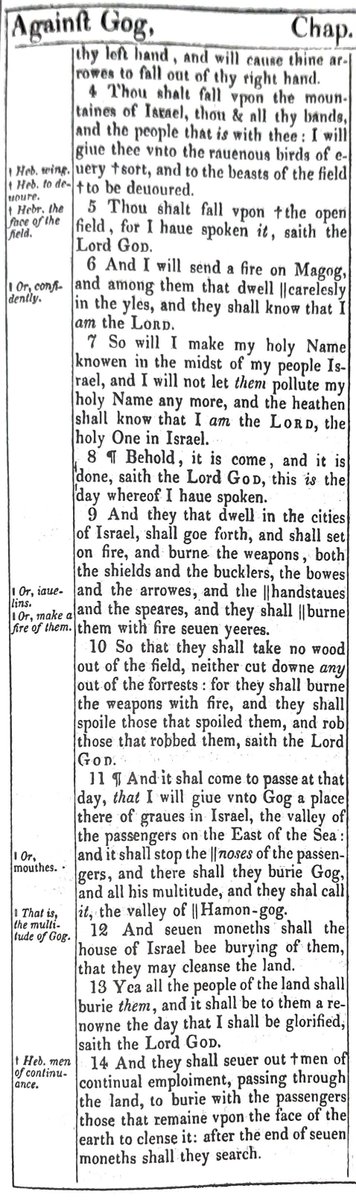
English
2
1
2
537
DeepAncientThought retweetledi
DeepAncientThought
DeepAncientThought@TeXasMadde·
" tu tomberas sur la face des champs. " The French sounds so brutal especially with this supernatural layer! Who would of thought! " Supernatural layer Birds devouring the slain represent nature participating in divine judgment. Ezekiel 39:5 “Thou shalt fall upon the open field.” French tu tomberas sur la face des champs. Next recap - Ezekiel 39:11 “The valley of Hamon Gog near the valley of the Oberim.” Hebrew עמק המון גוג גיא העברים Meaning Valley of Gog’s multitude near the valley of the passers through. Liminal interpretation The Oberim represent travelers crossing between domains. Dimensional theology The burial valley becomes a threshold where armies pass from the world of the living into the realm of the dead. Ezekiel 39:12 Seven months burying the dead. Ritual purity Numbers 19 describes purification after contact with corpses. Temporal symbolism Seven months completes a cycle of cleansing. Ezekiel 39:14 Men continually passing through the land. Hebrew root עבר to cross or pass through. Next recap - Aerology Wind fire and atmospheric phenomena signal divine activity in the natural environment. Next recap - Phenomenological layer Searchers walking the land resemble ritual guardians removing remnants of death. Next recap - Pneumatology Spirit and Counter Spirit Ezekiel 39 ends with a declaration that God will pour out His Spirit upon Israel. Hebrew רוּחִי meaning My Spirit. This restoration contrasts sharply with the demonic spirits described in Revelation 16. The narrative structure forms a theological polarity false spirits gathering nations for rebellion + divine Spirit restoring and renewing God’s people. Next recap - Christology The Triumph Over Cosmic Powers The Apostle Paul the Apostle describes Christ’s victory in terms that resonate strongly with the spectacle of Ezekiel 39. In Epistle to the Colossians he declares that Christ disarmed the rulers and authorities + made a public spectacle of them. Greek phrase ἐδειγμάτισεν ἐν παρρησίᾳ meaning he displayed them openly. This language evokes imagery similar to the aftermath of Gog’s defeat where the corpses of the enemy armies become a visible sign of divine judgment. The battlefield becomes a theological spectacle demonstrating the supremacy of divine authority. Next recap - Apocalyptic Phenomenology The Spectacle of Judgment The aftermath of Gog’s defeat is described in dramatic visual terms. Weapons burn for years. Birds and beasts feast on the fallen armies. Revelation mirrors this imagery through symbolic scenes of divine victory. The destruction of hostile powers is not hidden but displayed publicly. The narrative emphasizes visibility and witness. The defeat becomes a cosmic demonstration of divine justice Next recap - Apocalyptic Chronology The War of Revelation 16 Before the Gog rebellion of Revelation 20, another gathering of nations occurs in Revelation 16. This gathering happens at a location symbolically called Armageddon. The passage describes demonic spirits influencing kings to assemble for war. The sequence suggests a progressive escalation of rebellion culminating in the final Gog uprising. Next recap - Thanatology The Defeat of Death and the Powers of Sheol The ultimate conclusion of Revelation’s narrative involves the destruction of death itself. Death and Hades are thrown into the lake of fire. Greek terms θάνατος ᾅδης This event marks the final defeat of the realm associated with the dead. The triumph over Gog therefore parallels a broader cosmic victory over the entire system of mortality and rebellion. Next recap - Assembly of Fallen Kings Prophetic literature occasionally depicts fallen rulers joining a shadowy assembly of the dead. This concept appears vividly in passages where tyrants descend into the underworld and encounter earlier kings already dwelling there. These texts describe the realm of the dead as a place where once powerful rulers sit upon thrones in diminished form. The defeat of Gog may echo this tradition. The fallen leader becomes another figure added to the underworld court of defeated monarchs. (SEE SHARE BELOW FOR FULL LESSONS FROM Apoc. STUDY #86 + #148, #149, #150 #BibleStudy for the week - aka 1 grand study
DeepAncientThought@TeXasMadde

#BibleStudy #149 #SupernaturalCosmography #34 #DimensionalTheology #16 #Phenomenology #21 📜 Ezekiel 39:1-29 📜 Below is 📜Part 2-3 📜 (⚠️SEE SHARE FOR PART 1⚠️) expanding the study of Ezekiel 39 into areas not yet covered, focusing specifically on Rephaim traditions, Second Temple interpretations, underworld cosmology, & related linguistic evidence in the languages previously mentioned. The aim is to deepen the discussion of liminal theology, dimensional cosmology, pneumatology, and phenomenology without repeating earlier sections (only when necessary) 📜 Part 2📜 & 📜Part 3📜 will be below/after ⚠️ Rephaim Cosmology & Second Temple Interpretations of Ezekiel 39 Ezekiel 39 becomes far more intriguing when viewed through ancient traditions concerning the Rephaim, the shadowy dead who inhabit the underworld in Hebrew and surrounding cultures. These traditions persisted into the Second Temple period, where apocalyptic literature expanded earlier prophetic ideas into elaborate cosmological narratives. The burial of Gog’s army in the valley near the Oberim suggests a descent into the domain historically associated with the Rephaim, the spirits of ancient kings and warriors. The Rephaim in Biblical Cosmology Hebrew term רְפָאִים Rephaim Meaning varies depending on context: • ancient giant clans • shades of the dead • royal ancestors in the underworld The word appears in passages describing the realm beneath the earth. Examples Isaiah 14:9 “Sheol beneath is stirred up to meet thee.” Proverbs 9:18 “Her guests are in the depths of Sheol.” Here the Rephaim are not merely historical giants but conscious inhabitants of the underworld realm. Linguistic Evidence Across the Ancient World (See Genesis 6 Giants, AKA Nephelology which we have exhaustively covered for Years now) Hebrew רפאים Rephaim ghostly rulers or ancestral spirits. Greek Septuagint γίγαντες gigantes The translators often rendered Rephaim as giants, reflecting an interpretation linking them with ancient warrior races. Syriac ܪܦܐܝܐ Raphe spirits of the dead or giants. Coptic ⲅⲓⲅⲁⲛⲧⲉⲥ gigantes borrowed from Greek usage. German Riesen giants The Luther translation typically interprets the Rephaim historically as giant warriors. French géants giants Early French translations follow the same tradition. However the Hebrew usage also indicates spirits dwelling beneath the earth. Rephaim and the Underworld Court Ancient Near Eastern texts describe the Rephaim as enthroned kings in the underworld. In Isaiah 14 the fallen king of Babylon descends to Sheol where the Rephaim rise from their thrones. This creates an image of a subterranean assembly of ancient rulers. The scene mirrors Ezekiel 39 where Gog and his army descend to the burial valley after defeat. The valley functions symbolically as an entrance to the same underworld domain. Second Temple Expansion of the Tradition During the Second Temple era Jewish writers expanded these ideas into elaborate cosmologies. Important texts include • the Book of Enoch • Jubilees • fragments found among the Dead Sea Scrolls. These writings reinterpret ancient giant traditions and link them to cosmic rebellion. Rephaim and the Giants in Enochic Literature In the Enochic texts the giants descend from rebellious heavenly beings and human women. After their destruction their spirits remain on earth as wandering entities. Greek terminology used in later translations includes πνεύματα spirits These beings inhabit desert regions and ruined places, reflecting an intermediate realm between heaven and the underworld. This concept parallels the imagery in Ezekiel 39 where the defeated armies occupy a desolate burial valley. The Valley as a Gateway The valley described in Ezekiel 39 lies east of the Dead Sea region near the Abarim mountains. This region already carried strong associations with death and underworld mythology. Examples include • the burial of Moses on Mount Nebo • traditions surrounding Baal Peor • ancient Moabite funerary landscapes. Thus the burial site of Gog becomes a liminal geography where the dead cross into the unseen realm. Phenomenology of the Underworld Descent Prophetic texts often describe the descent of defeated rulers with vivid imagery. In Isaiah 14 the Rephaim rise to greet the fallen king. In Ezekiel 32 Pharaoh descends among ancient warriors already in the pit. These scenes share several features: darkness subterranean chambers enthroned spirits lamentations. Ezekiel 39 continues this tradition but shifts the focus from one king to an entire invading host. Theophanic Judgment and Cosmic Warfare Second Temple writers increasingly interpreted the Gog prophecy as a final cosmic war. Divine fire destroying armies was interpreted as intervention from the heavenly realm. Greek language texts often used πῦρ fire to describe divine judgment descending from above. This imagery appears again in later apocalyptic writings describing the defeat of cosmic enemies. Pneumatology in Second Temple Thought The promise in Ezekiel 39 that God will pour out His Spirit became foundational for later theological reflection. Hebrew רוח ruach Greek πνεῦμα pneuma Syriac ܪܘܚܐ ruha In Second Temple literature this outpouring of Spirit is sometimes associated with renewal of creation itself, not only the restoration of Israel. Wind imagery connects divine spirit with atmospheric transformation. Aerological Cosmology Ancient cosmology imagined the atmosphere as a layered realm where divine forces moved. Wind storms lightning and fire were interpreted as manifestations of divine activity. Thus the destruction of Gog’s armies by fire and the later outpouring of Spirit represent two phases of atmospheric intervention. Judgment through fire Renewal through spirit wind. Dirge Traditions and the Rephaim Funeral laments in prophetic literature often describe fallen kings joining the Rephaim. The literary structure usually includes announcement of defeat descent into Sheol lamentation by observers. Ezekiel 39 expands this structure to a collective lament where the defeated armies become a vast funerary procession into the underworld realm. Liminal Theology A central concept connecting these traditions is liminality, the crossing of boundaries. In Ezekiel 39 several boundaries are crossed. Geographical the northern armies enter Israel. Existential the armies pass from life to death. Spiritual the people move from exile to restoration. Thus the valley near the Oberim symbolizes transition across multiple dimensions of existence. Dimensional Cosmology in the Text Ancient Hebrew cosmology envisioned three major domains. Heaven above Earth in the middle Sheol beneath. Ezekiel 39 engages all three. Fire descends from heaven. Battle occurs on earth. The defeated armies descend into burial valleys symbolizing Sheol. This creates a cosmic vertical axis linking the realms. Linguistic Echoes of Crossing The root עבר appearing in the word Oberim connects multiple biblical crossing events. Crossing the Jordan עבר הירדן Crossing into exile עבר בגולה Crossing into death implied in the burial valley narrative. Thus the Oberim represent beings who move across thresholds. The Restoration of the Divine Presence After judgment and burial the prophecy ends with divine Spirit poured upon Israel. This moment marks the reversal of exile. Previously God hid His face. Now His Spirit fills the community. The movement is from absence to presence. Final Insight When viewed through the lens of Rephaim traditions and Second Temple cosmology, Ezekiel 39 reveals a profound narrative structure. A northern host representing chaos invades sacred land. Divine fire destroys the invading forces. Their bodies fill a valley associated with ancient burial landscapes and underworld imagery. The armies symbolically join the Rephaim beneath the earth. The land is ritually purified. Finally the Spirit of God restores life and presence to Israel. Thus the chapter describes a transition from cosmic disorder to renewed harmony between the divine realm and the human community. 🗝🗝🗝 📜📜📜SEE PART 3 NEXT FOR CONTINUED STUDY 📜📜📜🔑🔑🔑 ⚠️⚠️⚠️⚠️⚠️⚠️⚠️⚠️⚠️ -NEXT-

English
1
1
0
106
DeepAncientThought retweetledi
DeepAncientThought
DeepAncientThought@TeXasMadde·
Angelology and Demonology in Revelation 16, 20, & old Testament Ezekiel 38, 39 (see Apoc. #86 & see SHARE below for full study on the following- " The Powers Behind the Nations Ezekiel describes armies, horses, and weapons. Yet later Jewish interpretation often treated Gog’s forces as connected with spiritual powers. In Revelation this concept becomes explicit. The gathering of the nations occurs through demonic influence in Revelation 16. Greek phrase πνεύματα δαιμονίων meaning spirits of demons. These spirits perform signs and persuade kings to assemble for war. Thus the final battle is not merely political. It represents a cosmic mobilization orchestrated by spiritual entities. " (Extra Note )(not in Share below) written on the fly - expect run ons & misspellings (but In Share = no errors) I wrote " See Later sections on the Defeat & Spectacle by the what happened at the Cross or disarming of the spiritual powers towards Gods children (aka Believers ! Which can coincide you with protections/ eternal life now/today! Those with their full heart & mind in Yeshua the Christ & God almighty!!! Praise God ! Father of the lights ! The Lord is our righteousness! Through the foundations of wisdoms structures in all known facets of reality from pre /beginning to now = order & the boundaries God still prevail today as an anchor to assure God is in control with reality itself He is omnipresent & lives through the light/His Children & is everywhere Heaven, Earth, Under earth (out of reality) behind it AKA the infinite doesn't see a minute or a 1000 years as any different its the Great I AM God almighty Before & After or truly the Alpha the Omega ! So its easy to see who is acutely in charge & its a inner , taste(exp/read the verses) & see that God is Good ! In Christ Yeshua Blessings!
DeepAncientThought@TeXasMadde

#BibleStudy #150 🗝 Intertestamental Bonus.🔑 #SupernaturalCosmography #34 #DimensionalTheology #16 #Phenomenology #21 ⚠️Specialist Study on Ezekiel 38–39, & Book of Revelation’s Gog–Magog passages, & related New Testament theology, emphasizing Ezekiel 39’s spectacle of judgment, the defeat of hostile supernatural powers, & the cosmic triumph - drawing connections across Hebrew, Greek, Aramaic/Syriac, & early Christian interpretation -Ft- (to name a few scholarly fields of reviews) - Thanatology, Eschatology, Hamartiology, Theophanic & Apocalyptic Phenomenology & Christology only a small Niche know about that make these connections ⚠️ ⚠️(INSIDE SHARE IS OUR PREVIOUS PART to #ApocalypticBookStudy #86) Click there to back track to first study to catch up or keep reading - ⚠️ - Again the theme & head books are - Gog & Magog from Ezekiel to Revelation The Spectacle of Cosmic Defeat & the Triumph over the Powers of Sheol The Gog prophecy becomes one of the most powerful prophetic templates for later Jewish and Christian eschatology. When the author of Book of Revelation describes the final rebellion of Gog and Magog in Revelation 20, he is not merely repeating Book of Ezekiel. Instead he reinterprets its imagery through the lens of Christ’s victory over cosmic powers. The earlier oracle in Ezekiel culminates in divine fire, the burial of hostile armies, and the restoration of God’s Spirit to Israel. Revelation expands this pattern into a universal cosmic drama involving the defeat of Satan and the final eradication of rebellion. 1 Eschatology The War Pattern Ezekiel 38–39 presents a final invasion of Israel by a northern coalition led by Gog. The narrative ends with divine intervention rather than human victory. Revelation reuses this structure but expands it to encompass the entire earth. Revelation 20:8 describes the gathering of Gog and Magog from the four corners of the earth. Greek text Γωγ καὶ Μαγώγ This phrase signals that the earlier prophetic enemy has become a symbol of universal rebellion. Instead of a single nation invading Israel, the entire world participates in the final uprising. 2 Angelology and Demonology The Powers Behind the Nations Ezekiel describes armies, horses, and weapons. Yet later Jewish interpretation often treated Gog’s forces as connected with spiritual powers. In Revelation this concept becomes explicit. The gathering of the nations occurs through demonic influence in Revelation 16. Greek phrase πνεύματα δαιμονίων meaning spirits of demons. These spirits perform signs and persuade kings to assemble for war. Thus the final battle is not merely political. It represents a cosmic mobilization orchestrated by spiritual entities. 3 Pneumatology Spirit and Counter Spirit Ezekiel 39 ends with a declaration that God will pour out His Spirit upon Israel. Hebrew רוּחִי meaning My Spirit. This restoration contrasts sharply with the demonic spirits described in Revelation 16. The narrative structure forms a theological polarity false spirits gathering nations for rebellion + divine Spirit restoring and renewing God’s people. 4 Hamartiology The Exposure of Rebellion The gathering of Gog and Magog reveals the persistence of rebellion even after divine intervention. Revelation portrays the final uprising as the last manifestation of human resistance to divine authority. This concept parallels earlier prophetic ideas that judgment exposes the true moral condition of the world. The war becomes a revelatory event exposing the depth of human and cosmic disorder. 5 Christology The Triumph Over Cosmic Powers The Apostle Paul the Apostle describes Christ’s victory in terms that resonate strongly with the spectacle of Ezekiel 39. In Epistle to the Colossians he declares that Christ disarmed the rulers and authorities + made a public spectacle of them. Greek phrase ἐδειγμάτισεν ἐν παρρησίᾳ meaning he displayed them openly. This language evokes imagery similar to the aftermath of Gog’s defeat where the corpses of the enemy armies become a visible sign of divine judgment. The battlefield becomes a theological spectacle demonstrating the supremacy of divine authority. 6 Soteriology Victory Through the Cross Paul links this cosmic victory with the crucifixion. He explains that Christ canceled the written code that stood against humanity and removed it by nailing it to the cross. Greek wording describes χειρόγραφον a record of debt or accusation. By removing the accusation and defeating hostile powers, the cross becomes a decisive turning point in cosmic history. The defeat of Gog in Revelation thus reflects the ultimate extension of the victory already achieved through Christ. 7 Theophany Divine Fire and Heavenly Judgment In Ezekiel 39 divine fire falls upon the armies of Gog. Revelation repeats this exact pattern. Revelation 20:9 describes fire descending from heaven to consume the rebels. The imagery reflects a classic theophanic motif. Fire signifies divine presence purification judgment. This recurring symbol links the two prophecies across centuries. 8 Sacred Geography The Battlefield of the Nations. Ezekiel describes burial in a valley east of the sea. The Hebrew term for travelers or crossers עֹבְרִים refers to those passing through the region. This creates a liminal geographical concept. The battlefield becomes a threshold between life and death. Revelation transforms this geography into a global stage. The gathering occurs across the entire earth before converging on the “beloved city.” 9 Apocalyptic Phenomenology The Spectacle of Judgment The aftermath of Gog’s defeat is described in dramatic visual terms. Weapons burn for years. Birds and beasts feast on the fallen armies. Revelation mirrors this imagery through symbolic scenes of divine victory. The destruction of hostile powers is not hidden but displayed publicly. The narrative emphasizes visibility and witness. The defeat becomes a cosmic demonstration of divine justice. 10 Apocalyptic Chronology The War of Revelation 16 Before the Gog rebellion of Revelation 20, another gathering of nations occurs in Revelation 16. This gathering happens at a location symbolically called Armageddon. The passage describes demonic spirits influencing kings to assemble for war. The sequence suggests a progressive escalation of rebellion culminating in the final Gog uprising. 11 Thanatology The Defeat of Death and the Powers of Sheol The ultimate conclusion of Revelation’s narrative involves the destruction of death itself. Death and Hades are thrown into the lake of fire. Greek terms θάνατος ᾅδης This event marks the final defeat of the realm associated with the dead. The triumph over Gog therefore parallels a broader cosmic victory over the entire system of mortality and rebellion. 12 Cosmology The Renewal of Creation After the defeat of Gog and the destruction of death, Revelation introduces a new heaven and a new earth. This outcome reflects the deeper purpose behind the prophetic war. The conflict is not merely punitive. It clears the way for the restoration of cosmic order. The world is transformed into a realm fully aligned with divine presence. Synthesis When Ezekiel 39 is read alongside Revelation and Pauline theology, the prophecy reveals an extraordinary narrative arc. The defeat of Gog becomes a symbol of the ultimate overthrow of rebellious powers. The cross initiates this victory. Apocalyptic judgment completes it. Demonic forces attempt to gather nations for rebellion, but divine fire ends the conflict. Death itself is destroyed, and the Spirit of God renews creation. The spectacle of Gog’s defeat thus becomes a prophetic preview of the final triumph over the powers of Sheol and the restoration of the cosmos under divine rule. • Dead Sea Scroll Gog traditions • Syriac Christian interpretations • rare medieval commentators • Greek patristic commentary • giant / Rephaim traditions connected to Gog • linguistic analysis of Gog and Magog in Hebrew, Greek, Syriac, and Aramaic. (SEE NEXT REPLY FOR 🗝📜PART 2 📜🔑 🔑📜🔔📜💎📜📜🪽📜📜💎📜🔔📜🗝 🗝🧰📜✨️

English
1
1
0
118
DeepAncientThought
DeepAncientThought@TeXasMadde·
📜P S A L📜 C I I .(102):12-22 - C I I I . (103):1-22 2 Awesome Psalms Great & Marvelous things in God will be upon those " faithful " believers in these cosmic tribulations & listen STOP grouping all " media influencer or politician or rel. ORG you do not like as Zionist when none of you neither do they who seek a outward temple off the dirt & rocks of geographic historical Zion when " the Heavenly Zion " is Gods HOLY CITY aka the Temple inside you! PLEASE U (I LOVE YOU STILL BUT DING BATS GROUP ALL YOUR HATE TO ZIONISTS WHEN 99.9% PPL THEY MENTION HAVE NO IDEA EITHER ABOUT THE INNER HEAVENLY ZION AKA SACRED HOLY SPIRTUAL JERUSALEM! When you are in the 4d-5d it " over encompasses " the lower 3d, 2d worlds = the earthly, site/ late traditions of men will not matter! (Im simply saying do not put all your " thoughts " " invest " " time " into seeking things of this earth/life but store up heavenly treasures by Loving & being Obedient to God & Yeshue the Christ through the Holy spirit! They do not know their own Torah or they do not read it all bc most hate it bc as kids they were forced to read it so they give up on it . They have no idea John 1 , Revelation exist! Most Jews freak out (in a good way).when they see Yeshua was the same messiah all their prophetic Fathers said would come (its just hidden & ridiculed ) The earth will be rolled up as a scroll! Everything will be elucidating = this plane is evolving in the spirit! The old world is like s stick figure world on a piece of paper compared to this transcending one we all are currently in! Also the ones who choose not to believe in the Real Yeshua the Christ look for a ambitious, pseudo messiah( tech, man, anytning but bible/God etc ( see Daniel , Pauline, 1, John - Antichrist who will pretend & sit in the 3rd temole to be a savior aka not the real IEUSU or Jesus - Yeshue Yeshua the Christ the one who conquered all courses of nature & upon resurrection = the whole Kingdom instead of by force was handed " right fully his " to him - aka " he stole as " took away the " deth* & Hades " rights to human souls if they are renewed & baptized in Christ Yeshua through the Holy spirit! Everything is controlled through " the Son " through the " Father " together obviously with Gods omnipresent abilities but the humbling to humiliation, deth* , etc everything also to a T was recorded astronomically to the minute, hour, day, week, Month, Year & place precise with his birth aka the Virgin birth! If you cannot handle the supernatural birth then what else are you skeptical of?
DeepAncientThought tweet mediaDeepAncientThought tweet mediaDeepAncientThought tweet mediaDeepAncientThought tweet media
DeepAncientThought@TeXasMadde

- -<>- - <> - - <> - - <> - - <> - - <> - - <> - - - -<>- - <> - - <> - - <> - - <> - - <> - - <> - - - -<>- - <> - - <> - - <> - - <> - - <> - - <> - - 📜 P S A L. 📜 C I I I:1-35 = 104:1-35 - - <> - - - -<>- - <> - - <> - - <> - - <> - - <> - - <> - - - -<>- - <> - - <> - - <> - - <> - - <> - - <> - - - -<>- - <> - - <> - - <> - - <> - - <> - - <> - - (See NEXT Reply below for the rest of this VS.) - -<>- - <> - - <> - - <> - - <> - - <> - - <> - - - -<>- - <> - - <> - - <> - - <> - - <> - - <> - - - -<>- - <> - - <> - - <> - - <> - - <> - - <> - - - -<>- - <> - - <> - - <> - - <> - - <> - - <> - - - -<>- - <> - - <> - - <> - - <> - - <> - - <> - - - -<>- - <> - - <> - - <> - - <> - - <> - - <> - - - -<>- - <> - - <> - - <> - - <> - - <> - - <> - - - -<>- - <> - - <> - - <> - - <> - - <> - - <> - - - -<>- - <> - - <> - - <> - - <> - - <> - - <> - - - -<>- - <> - - <> - - <> - - <> - - <> - - <> - - - -<>- - <> - - <> - - <> - - <> - - <> - - <> - - - -<>- - <> - - <> - - <> - - <> - - <> - - <> - - - -<>- - <> - - <> - - <> - - <> - - <> - - <> - - - -<>- - <> - - <> - - <> - - <> - - <> - - <> - - - -<>- - <> - - <> - - <> - - <> - - <> - - <> - - - -<>- - <> - - <> - - <> - - <> - - <> - - <> - - - -<>- - <> - - <> - - <> - - <> - - <> - - <> - - - -<>- - <> - - <> - - <> - - <> - - <> - - <> - - - -<>- - <> - - <> - - <> - - <> - - <> - - <> - - - -<>- - <> - - <> - - <> - - <> - - <> - - <> - - - -<>- - <> - - <> - - <> - - <> - - <> - - <> - - - -<>- - <> - - <> - - <> - - <> - - <> - - <> - - - -<>- - <> - - <> - - <> - - <> - - <> - - <> - - SEE NEXT REPLY FOR THE REST OF THIS VS. - -<>- - <> - - <> - - <> - - <> - - <> - - <> - - - -<>- - <> - - <> - - <> - - <> - - <> - - <> - - - -<>- - <> - - <> - - <> - - <> - - <> - - <> - - - -<>- - <> - - <> - - <> - - <> - - <> - - <> - - - -<>- - <> - - <> - - <> - - <> - - <> - - <> - - - -<>- - <> - - <> - - <> - - <> - - <> - - <> - - - -<>- - <> - - <> - - <> - - <> - - <> - - <> - - - -<>- - <> - - <> - - <> - - <> - - <> - - <> - - - -<>- - <> - - <> - - <> - - <> - - <> - - <> - - - -<>- - <> - - <> - - <> - - <> - - <> - - <> - - - -<>- - <> - - <> - - <> - - <> - - <> - - <> - - - -<>- - <> - - <> - - <> - - <> - - <> - - <> - - - -<>- - <> - - <> - - <> - - <> - - <> - - <> - - - -<>- - <> - - <> - - <> - - <> - - <> - - <> - -

English
1
1
2
44
DeepAncientThought
DeepAncientThought@TeXasMadde·
Finished (more Great Psalms coming all week) as usual I have been posting these kayJayVeeSixteenEleven archaic English )1 reason is the Beauty of the Word through & through the text/letter that lives beyond the word! Yes ! Taste & see that The Lord God is Good!!! In all Places & Dominion " The Lord has prepared his throne in Heaven's and his kingdom ruleth All " On Angels , Hosts of heaven, Ministers (these are all remarkable high supernatural constructs & primeval cosmology God controls ' "
DeepAncientThought tweet media
English
0
1
0
14
DeepAncientThought
DeepAncientThought@TeXasMadde·
- -<>- - <> - - <> - - <> - - <> - - <> - - <> - - - -<>- - <> - - <> - - <> - - <> - - <> - - <> - - - -<>- - <> - - <> - - <> - - <> - - <> - - <> - - 📜 P S A L. 📜 C I I I:1-35 = 104:1-35 - - <> - - - -<>- - <> - - <> - - <> - - <> - - <> - - <> - - - -<>- - <> - - <> - - <> - - <> - - <> - - <> - - - -<>- - <> - - <> - - <> - - <> - - <> - - <> - - (See NEXT Reply below for the rest of this VS.) - -<>- - <> - - <> - - <> - - <> - - <> - - <> - - - -<>- - <> - - <> - - <> - - <> - - <> - - <> - - - -<>- - <> - - <> - - <> - - <> - - <> - - <> - - - -<>- - <> - - <> - - <> - - <> - - <> - - <> - - - -<>- - <> - - <> - - <> - - <> - - <> - - <> - - - -<>- - <> - - <> - - <> - - <> - - <> - - <> - - - -<>- - <> - - <> - - <> - - <> - - <> - - <> - - - -<>- - <> - - <> - - <> - - <> - - <> - - <> - - - -<>- - <> - - <> - - <> - - <> - - <> - - <> - - - -<>- - <> - - <> - - <> - - <> - - <> - - <> - - - -<>- - <> - - <> - - <> - - <> - - <> - - <> - - - -<>- - <> - - <> - - <> - - <> - - <> - - <> - - - -<>- - <> - - <> - - <> - - <> - - <> - - <> - - - -<>- - <> - - <> - - <> - - <> - - <> - - <> - - - -<>- - <> - - <> - - <> - - <> - - <> - - <> - - - -<>- - <> - - <> - - <> - - <> - - <> - - <> - - - -<>- - <> - - <> - - <> - - <> - - <> - - <> - - - -<>- - <> - - <> - - <> - - <> - - <> - - <> - - - -<>- - <> - - <> - - <> - - <> - - <> - - <> - - - -<>- - <> - - <> - - <> - - <> - - <> - - <> - - - -<>- - <> - - <> - - <> - - <> - - <> - - <> - - - -<>- - <> - - <> - - <> - - <> - - <> - - <> - - - -<>- - <> - - <> - - <> - - <> - - <> - - <> - - SEE NEXT REPLY FOR THE REST OF THIS VS. - -<>- - <> - - <> - - <> - - <> - - <> - - <> - - - -<>- - <> - - <> - - <> - - <> - - <> - - <> - - - -<>- - <> - - <> - - <> - - <> - - <> - - <> - - - -<>- - <> - - <> - - <> - - <> - - <> - - <> - - - -<>- - <> - - <> - - <> - - <> - - <> - - <> - - - -<>- - <> - - <> - - <> - - <> - - <> - - <> - - - -<>- - <> - - <> - - <> - - <> - - <> - - <> - - - -<>- - <> - - <> - - <> - - <> - - <> - - <> - - - -<>- - <> - - <> - - <> - - <> - - <> - - <> - - - -<>- - <> - - <> - - <> - - <> - - <> - - <> - - - -<>- - <> - - <> - - <> - - <> - - <> - - <> - - - -<>- - <> - - <> - - <> - - <> - - <> - - <> - - - -<>- - <> - - <> - - <> - - <> - - <> - - <> - - - -<>- - <> - - <> - - <> - - <> - - <> - - <> - -
DeepAncientThought tweet media
DeepAncientThought@TeXasMadde

📜 P S A L. CX VIII.-29 📜 or 118:1-29 - READ IF YOU WANT TO BECOME POWERFUL IN GOD ! - For those that feel they are being attacked by A-Z , man, woman, nhi, haunting spirits, demons etc - - See 118:10-12 for a quick fix/flip of whatever power/energy is tormenting you! - - If I have to travel in spirit/mind to help you or who ever i will BTW. Just ask ? - - Also I send out angels ahead of me so if one is making a trap for me ?? - - Be weary that you do not get caught in your own snare! - You cannot outsmart Almighty God & Yeshua (Jesus ) Christ & Gods Host of Heaven ! - - - Blessings !

Čeština
3
1
0
72
DeepAncientThought retweetledi
DeepAncientThought
DeepAncientThought@TeXasMadde·
#ApocalypticBookStudy #86 #SupernaturalCosmography #33 #DimensionalTheology #15 #Phenomenology #20 #BibleStudy #148 📜 Ezekiel 39:1-29 📜 3 PART Supplemental📜 ⚠️Specialist Study on the Supernatural Valley Between Worlds & Crossers of the Boundary: The Oberim Motif or called " Those who cross over " & its Ultra Rare Liminal Geography, Rephaim Cosmology, & Pneumatological Renewal of the Post War Cosmic Burial of Gog in 1 Jam Packed chapter for this week⚠️ (Please see SHARE For Our First study /VERSES) (this is an Extraordinary Reboot/Revisit Edition for completeness & next week we will be done with this full book of Ezekiel) ⚠️ This Supplemental Edition is a Deep abstract/verse-by-verse polymathic study -FT- Philology, Phenomenology, Liminality, Dimensional theology, Pneumatology, Aerology, Dirge Traditions, & Sacred Geography & as a layered prophetic cosmology ⚠️ ⚠️⚠️⚠️(IN 4 PICS IS THE OG KJV 1611)⚠️⚠️⚠️ 🗝 -KEY TRANSLATIONS USED IN STUDY -🔑 (AGAIN ) THE- 📜KJV 1611 📜HEBREW 📜SYRIAC 📜COPTIC 📜GREEK 📜LATIN 📜GERMAN 📜FRENCH 🔑🗝📜PART 1📜🔑🗝 Ezekiel 39 as Liminal War, Theophany, & Pneumatological Renewal Ezekiel 39 concludes the Gog oracle begun in Ezekiel 38 and presents a prophetic drama in which divine sovereignty overturns hostile forces emerging from the mythic north. The chapter describes not merely geopolitical defeat but a cosmic purgation of chaotic powers followed by restoration of divine presence among Israel. Several interpretive dimensions converge. Historical dimension The prophecy emerges during the Babylonian exile and addresses Israel’s trauma of defeat while affirming divine control over global powers. Liminal dimension The burial valley associated with the Oberim (עֹבְרִים) becomes a symbolic passage between life and death where invading forces cross into the realm of the dead. Dirge tradition The imagery resembles ancient funeral laments describing fallen kings descending into Sheol. Theophanic manifestation Fire, divine glory, and atmospheric phenomena signal divine intervention in the earthly sphere. Phenomenological dimension The prophet’s description reflects visionary perception where cosmic battle, burial rituals, and spiritual renewal unfold in intense sensory imagery. Pneumatological culmination The chapter ends with the outpouring of divine Spirit, restoring the spiritual environment of Israel. Ezekiel 39 therefore portrays a cycle of cosmic disorder, divine judgment, ritual purification, and spiritual regeneration. 🗝 🔑 Key Multilingual Terms🔑 🗝 Hebrew גוג Gog מגוג Magog המון גוג Hamon Gog multitude of Gog עברים Oberim crossers passers travelers רוח Ruach spirit wind breath Greek Septuagint Γωγ Gog Μαγωγ Magog πνεῦμα pneuma spirit breath Syriac Peshitta ܓܘܓ Gog ܡܓܘܓ Magog ܪܘܚܐ Ruha spirit wind breath Coptic ⲅⲱⲅ Gog ⲡⲛⲉⲩⲙⲁ Pneuma spirit breath German (Luther) Gog Fürst von Mesech und Tubal Geist Spirit wind French Gog chef de Méchek et Tubal Esprit divine spirit Verse by Verse Multidimensional Commentary Ezekiel 39:1 1611 KJV “Behold I am against thee O Gog the chief prince of Meshech and Tubal.” Hebrew הנני אליך גוג נשיא ראש משך ותבל Transliteration Hineni elekha Gog nasi rosh Meshekh ve Tubal Meaning Behold I am against you Gog chief ruler of Meshech and Tubal. Greek Ἰδοὺ ἐγὼ πρὸς σὲ Γωγ Syriac ܗܐ ܐܢܐ ܥܠܝܟ ܓܘܓ Phenomenology The prophet hears a direct divine proclamation confronting a distant power. The experience resembles a visionary courtroom where the deity announces judgment. Cosmological symbolism Northern tribes represent the direction of chaos in ancient Near Eastern cosmology. Isaiah 14:13 associates the far north with cosmic rebellion. Ezekiel 39:2 “I will turn thee back and leave but the sixth part of thee.” Hebrew וששאתיך This verb can suggest guiding or dragging. Symbolic mathematics Six represents the created order. Reducing Gog’s forces to a sixth implies divine restriction of worldly power. Dimensional theology Human armies appear vast yet are subject to cosmic limitation imposed by divine authority. Ezekiel 39:3 “I will smite thy bow out of thy left hand.” Greek καταρράξω τὸ τόξον σου Syriac ܐܬܒܪ ܩܫܬܟ Dirge imagery Breaking weapons occurs in ancient lament songs describing fallen warriors. Psalm 46 “He breaketh the bow.” Phenomenology The prophet visualizes weapons falling from soldiers’ hands as if struck by invisible force. Ezekiel 39:4 “Thou shalt fall upon the mountains of Israel.” Hebrew על הרי ישראל Mountains of Israel. Coptic ⲉⲡⲉⲧⲟⲟⲩ ⲛ̄ⲓⲥⲣⲁⲏⲗ Sacred geography Mountains act as cosmic meeting points between heaven and earth. Examples Sinai Zion Carmel. Supernatural layer Birds devouring the slain represent nature participating in divine judgment. Ezekiel 39:5 “Thou shalt fall upon the open field.” French tu tomberas sur la face des champs. Anthropological meaning Death outside the city symbolizes exposure to wilderness forces. Liminal symbolism The battlefield becomes a border between civilization and the chaotic wild. Ezekiel 39:6 “I will send fire upon Magog.” Hebrew ושלחתי אש במגוג Greek ἀποστελῶ πῦρ ἐπὶ Μαγωγ Aerology Fire from heaven may reflect lightning storms or meteoric phenomena interpreted as divine judgment. Theophany Fire frequently accompanies divine manifestation. Examples Exodus 19 1 Kings 18. Ezekiel 39:7 “I will make my holy name known.” Hebrew שמי הקדוש My holy name. German meinen heiligen Namen kundtun. Phenomenology The revelation of the divine name signifies overwhelming encounter with sacred presence. Ezekiel 39:8 “It is done.” Hebrew באה ונהיתה It has come and happened. Visionary time Prophets experience future events as present reality. Ezekiel 39:9 Weapons burned seven years. Symbolic number Seven represents cosmic completion. Ecological dimension War debris becomes fuel sustaining life. Ezekiel 39:10 “They shall spoil those that spoiled them.” Covenant law Reflects Deuteronomic principle of moral reversal. Ezekiel 39:11 “The valley of Hamon Gog near the valley of the Oberim.” Hebrew עמק המון גוג גיא העברים Meaning Valley of Gog’s multitude near the valley of the passers through. Liminal interpretation The Oberim represent travelers crossing between domains. Dimensional theology The burial valley becomes a threshold where armies pass from the world of the living into the realm of the dead. Ezekiel 39:12 Seven months burying the dead. Ritual purity Numbers 19 describes purification after contact with corpses. Temporal symbolism Seven months completes a cycle of cleansing. Ezekiel 39:14 Men continually passing through the land. Hebrew root עבר to cross or pass through. Phenomenological layer Searchers walking the land resemble ritual guardians removing remnants of death. Ezekiel 39:15 A marker placed beside bones. Archaeological realism Burial teams marked remains before collection. Symbolic meaning Each bone is a fragment of chaos needing removal before restoration. Ezekiel 39:17 Call to birds and beasts. Greek συναχθητε καὶ ἔλθετε Gather and come. Dirge tradition Battlefields feeding animals appear in many ancient war laments. Ezekiel 39:18 “Eat the flesh of the mighty.” Syriac ܬܐܟܠܘܢ ܒܣܪܐ ܕܓܢܒܪܐ Cosmic inversion The powerful become food for creatures of the earth. Ezekiel 39:19 “Drink blood until full.” Apocalyptic imagery Conveys the magnitude of judgment. Ezekiel 39:20 “My table.” Divine banquet symbolism The battlefield becomes a sacrificial feast under divine authority. Ezekiel 39:21 “I will set my glory among the nations.” Hebrew כבודי Kavod glory radiance weighty presence. Phenomenology Prophets often describe divine glory as blinding luminosity. Ezekiel 39:22 Israel recognizes the Lord. Covenant awareness Recognition of divine sovereignty marks restoration. Ezekiel 39:23 Nations understand Israel’s exile. Historical reinterpretation Exile becomes moral consequence rather than divine defeat. Ezekiel 39:24 “I hid my face.” Hebrew הסתרתי פני Theological concept Divine concealment rather than absence. Ezekiel 39:25 “I bring again the captivity of Jacob.” French je ramènerai les captifs de Jacob. Restoration theology Return from exile symbolizes renewed covenant. Ezekiel 39:27 Gathering from nations. German Ich sammle sie aus den Ländern ihrer Feinde. Diaspora restoration Global dispersion reversed. Ezekiel 39:28 “They shall know that I am the Lord.” Recognition emerges through historical experience. Ezekiel 39:29 “I have poured out my Spirit.” Hebrew שפכתי את רוחי Greek ἐξέχεα τὸ πνεῦμά μου Syriac ܐܫܦܘܟ ܪܘܚܝ Pneumatology The Spirit represents divine life breath entering the community. Aerology Spirit and wind share the same term indicating transformation of the atmospheric spiritual environment. Multidisciplinary Insights Phenomenology The chapter reads like a visionary encounter filled with sensory intensity. Liminal geography The valley of the Oberim functions as a crossing place between life and death. Dirge tradition Funeral imagery frames the downfall of Gog. Dimensional theology The narrative depicts interaction between heavenly authority earthly battlefields and the underworld domain. Pneumatology Divine Spirit restores the spiritual vitality of the land. Aerology Wind fire and atmospheric phenomena signal divine activity in the natural environment. Concluding Reflection Ezekiel 39 reveals a striking cosmic pattern. Chaos approaches from the north Divine power intervenes with fire and judgment The land undergoes ritual purification The valley of the Oberim becomes the passage where the enemies cross into death Finally the Spirit of God renews Israel. Thus the chapter describes not merely a war but a transformation of cosmic order where divine presence returns to dwell among the people. 🗝🗝🗝📜📜📜⚠️⚠️SEE NEXT REPLY BELOW FOR PART 2 & 3⚠️⚠️⚠️📜📜📜🔑🔑🔑
DeepAncientThought tweet mediaDeepAncientThought tweet mediaDeepAncientThought tweet mediaDeepAncientThought tweet media
DeepAncientThought@TeXasMadde

#ApocalypticBookStudy #34 📜Ezekiel 39:1-29 🏞Valley of the Travellers 🗝 Vs.11 -Spirits (ôb; plural 'obôt AKA oběrim) those who have passed over ✨️ A portal to the Netherworld denoting the spirits crossing the border between the land of the living to the world of the dead

English
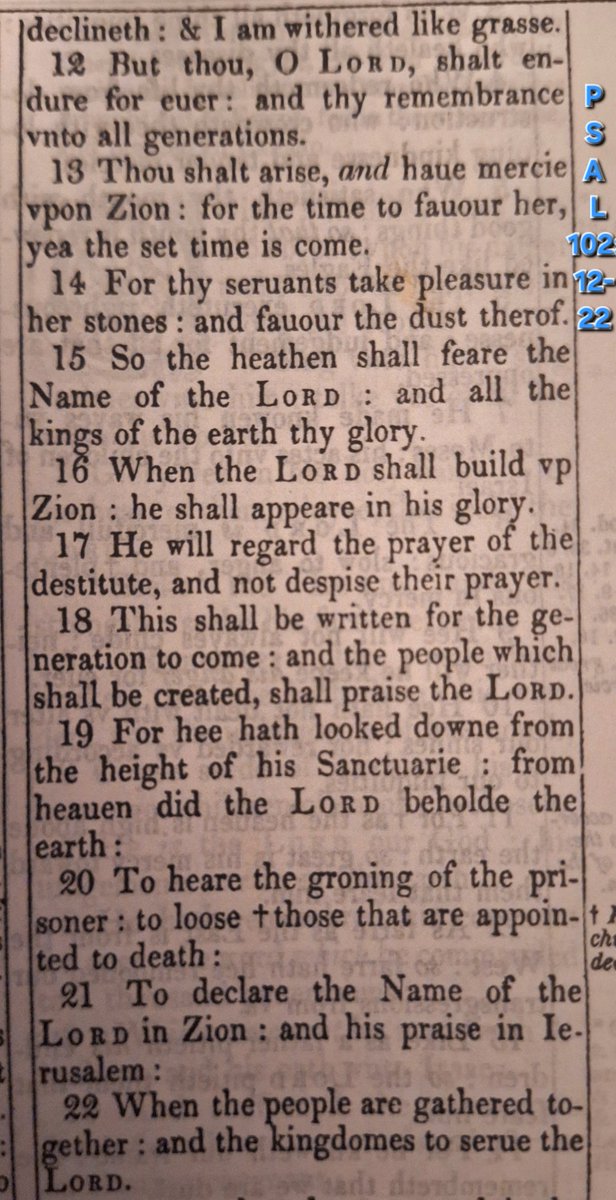
3
1
3
1K
DeepAncientThought retweetledi
DeepAncientThought
DeepAncientThought@TeXasMadde·
📜 P S A L. CX VIII.-29 📜 or 118:1-29 - READ IF YOU WANT TO BECOME POWERFUL IN GOD ! - For those that feel they are being attacked by A-Z , man, woman, nhi, haunting spirits, demons etc - - See 118:10-12 for a quick fix/flip of whatever power/energy is tormenting you! - - If I have to travel in spirit/mind to help you or who ever i will BTW. Just ask ? - - Also I send out angels ahead of me so if one is making a trap for me ?? - - Be weary that you do not get caught in your own snare! - You cannot outsmart Almighty God & Yeshua (Jesus ) Christ & Gods Host of Heaven ! - - - Blessings !
DeepAncientThought tweet mediaDeepAncientThought tweet mediaDeepAncientThought tweet mediaDeepAncientThought tweet media
English
2
1
0
146
DeepAncientThought
DeepAncientThought@TeXasMadde·
The real Zion is the Heavenly Zion is a conduit of Prayer through Gods Mercy Please do not conflate with what Candace owens or Jimmy Doore or Ben Shapiro, Netanyahu, Tucker - (these ppl have nothing to with the etymology of heavenly Zion & the only one they do is the Ethno or Geographic Location man still Wars over (as missles flying in 2026 ( no inner things all outward weak sympathies )
DeepAncientThought@TeXasMadde

📜P S A L📜 C I I .(102):12-22 - C I I I . (103):1-22 2 Awesome Psalms Great & Marvelous things in God will be upon those " faithful " believers in these cosmic tribulations & listen STOP grouping all " media influencer or politician or rel. ORG you do not like as Zionist when none of you neither do they who seek a outward temple off the dirt & rocks of geographic historical Zion when " the Heavenly Zion " is Gods HOLY CITY aka the Temple inside you! PLEASE U (I LOVE YOU STILL BUT DING BATS GROUP ALL YOUR HATE TO ZIONISTS WHEN 99.9% PPL THEY MENTION HAVE NO IDEA EITHER ABOUT THE INNER HEAVENLY ZION AKA SACRED HOLY SPIRTUAL JERUSALEM! When you are in the 4d-5d it " over encompasses " the lower 3d, 2d worlds = the earthly, site/ late traditions of men will not matter! (Im simply saying do not put all your " thoughts " " invest " " time " into seeking things of this earth/life but store up heavenly treasures by Loving & being Obedient to God & Yeshue the Christ through the Holy spirit! They do not know their own Torah or they do not read it all bc most hate it bc as kids they were forced to read it so they give up on it . They have no idea John 1 , Revelation exist! Most Jews freak out (in a good way).when they see Yeshua was the same messiah all their prophetic Fathers said would come (its just hidden & ridiculed ) The earth will be rolled up as a scroll! Everything will be elucidating = this plane is evolving in the spirit! The old world is like s stick figure world on a piece of paper compared to this transcending one we all are currently in! Also the ones who choose not to believe in the Real Yeshua the Christ look for a ambitious, pseudo messiah( tech, man, anytning but bible/God etc ( see Daniel , Pauline, 1, John - Antichrist who will pretend & sit in the 3rd temole to be a savior aka not the real IEUSU or Jesus - Yeshue Yeshua the Christ the one who conquered all courses of nature & upon resurrection = the whole Kingdom instead of by force was handed " right fully his " to him - aka " he stole as " took away the " deth* & Hades " rights to human souls if they are renewed & baptized in Christ Yeshua through the Holy spirit! Everything is controlled through " the Son " through the " Father " together obviously with Gods omnipresent abilities but the humbling to humiliation, deth* , etc everything also to a T was recorded astronomically to the minute, hour, day, week, Month, Year & place precise with his birth aka the Virgin birth! If you cannot handle the supernatural birth then what else are you skeptical of?

English
0
0
0
12