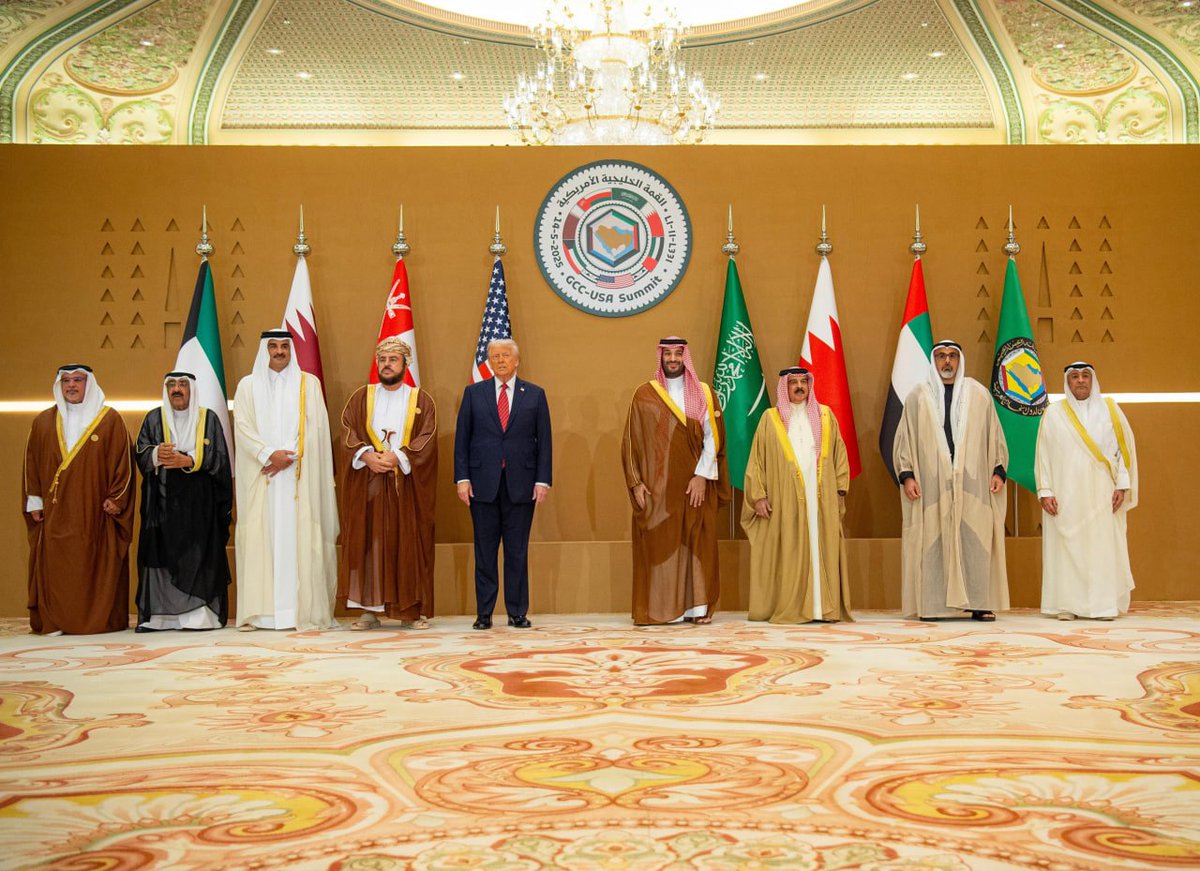
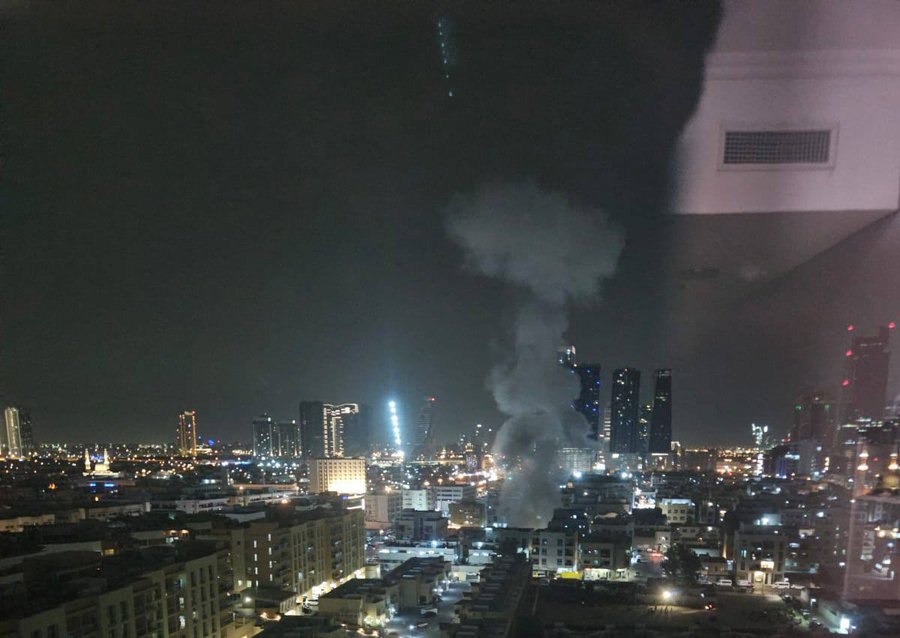
The Axial Post

3.6K posts

The Axial Post banner
The Axial Post

The Axial Post

@TheAxialPost

Doctor (PhD) | Account is Young but Qualified Team. Monitoring Insight Multipolar World | Geopolitics • Diplomacy • Global Affairs | Live from the fault lines

Katılım Şubat 2026
140 Takip Edilen294 Takipçiler
Sabitlenmiş Tweet
The Axial Post
The Axial Post@TheAxialPost·
Why US War Strategy on Iran is a Vacuum? Here's why experts say this war lacks a coherent strategy 🧵:
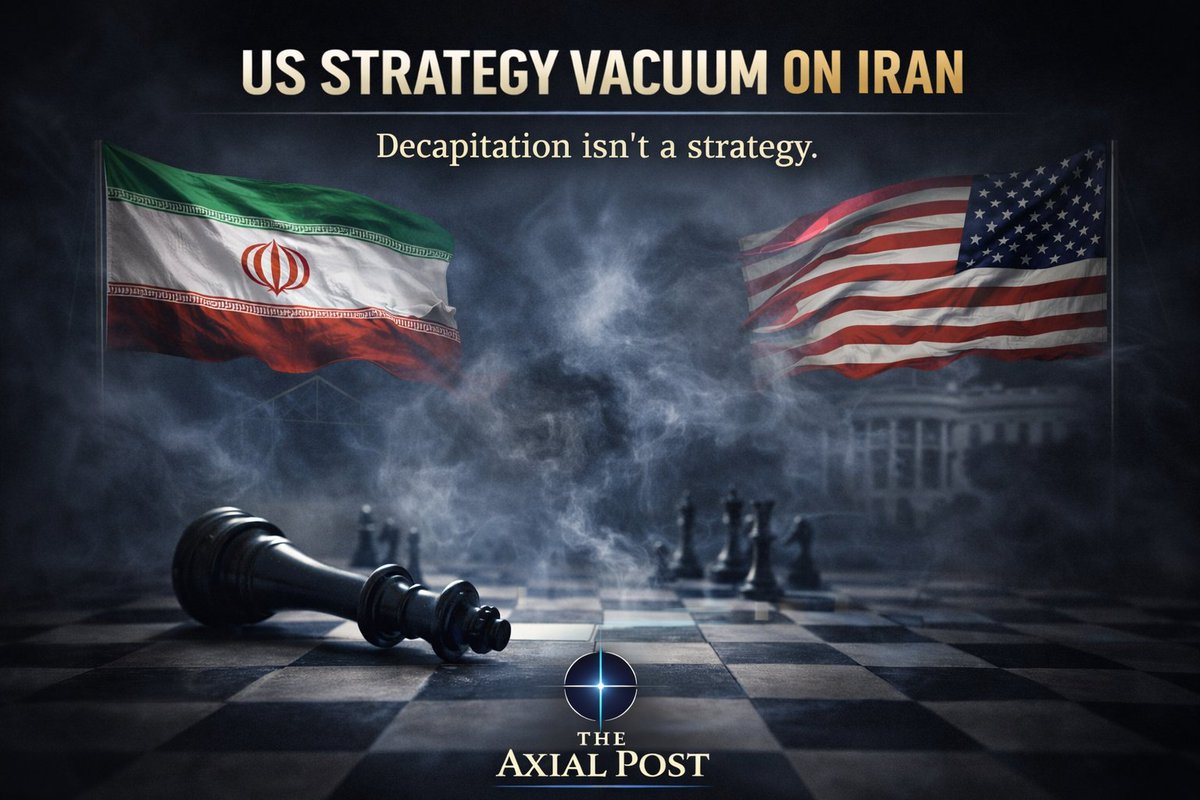
The Axial Post tweet media
English
2
5
15
2.5K
The Axial Post
The Axial Post@TheAxialPost·
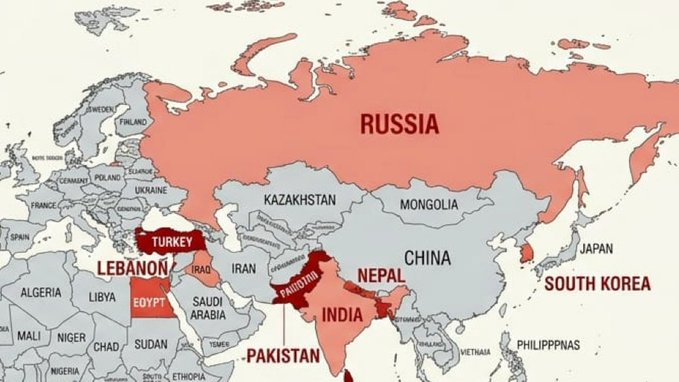
Do you understand what happened in the last 72 hours.. > Egypt shut down its shops at 9pm, mandated work-from-home Sundays, and the government internally called it "war economy mode".. four days after the IMF praised them and unlocked $2,300,000,000.. > Turkey's central bank burned through $30,000,000,000 in March defending the lira.. the finance minister everyone called a genius is now considering SELLING the national gold reserves.. > Pakistan's PM went on national TV on Eid and announced government salary cuts and a 50% fuel allocation reduction.. they approved a $358,000,000 "austerity fund" and nobody asked austerity from what.. > Russia banned cash exports above $100,000 and gold bars above 100 grams.. Putin signed it March 26.. called it fighting the shadow economy.. > Iraq banned 22 banks from USD transactions.. cashless mandate for ALL government institutions coming July 2026.. > South Korea launched a literal wartime economic response body on March 25.. the prime minister chairs it.. > India secretly created a $6,700,000,000 Economic Stabilisation Fund.. it wasn't in the news.. it was buried in a budget supplement.. > Lebanon's currency collapsed 98%.. the war added $14,000,000,000 in damage on top.. every single government on this list told their citizens "the economy is doing fine" within the last 30 days.. all of this.. a single week.. if you're not following me you're finding out about this 48 hours late from someone who read my post.. it's only getting crazier from here.. ____________________________________________ It's not a strategy. It's a slogan. Follow @TheAxialPost for daily geopolitics.
The Axial Post tweet media
English
0
2
1
93
The Axial Post
The Axial Post@TheAxialPost·
The Talks That Aren't Talks - Here is What Iran and US are Signaling The Claims: Trump says the U.S. is in "direct talks with Iranian leaders" to end the war. Iran's Foreign Ministry denies it, calling U.S. demands "irrational" and insisting no direct negotiations are happening. The Gap: 1. Trump's "New Regime" Claim Trump previously said the U.S. was talking to a "new, more reasonable regime" in Tehran. Now he's doubling down—asserting direct contact exists. 2. Iran's Flat Denial Foreign Ministry spokesman Esmaeil Baqaei: "There have been no direct talks". The word "direct" is key—backchannels through Oman, Qatar, or Pakistan may still exist, but Tehran denies sitting face-to-face with Washington. 3. The "Irrational" Label Baqaei described U.S. demands as "irrational" —consistent with earlier IRGC messaging. This suggests any proposals Washington has floated are non-starters for Tehran. 4. The Musharakha Sidelined Iran's civilian government, which once pursued diplomatic openings, has been sidelined by the IRGC since the war began. Even if talks existed, who speaks for Tehran is unclear. 5. Why This Matters Trump needs to show progress toward ending the war. Claiming talks exist signals a path to de-escalation. Iran's denial serves its own narrative: no surrender, no negotiations under fire. Bottom line: Either Trump is spinning talks that don't exist, or Iran is lying about talks it doesn't want to admit. Either way, the gap between White House optimism and Tehran's rejection means a diplomatic off-ramp remains out of sight. ____________________________________________ It's not a strategy. It's a slogan. Follow @TheAxialPost for daily geopolitics.
English
0
0
3
600
The Washington Post
The Washington Post@washingtonpost·
President Trump said the U.S. is in direct talks with Iranian leaders to end the war. Iran denied most of Trump’s assertions. There have been no “direct” talks, Foreign Ministry spokesman Esmaeil Baqaei said, describing U.S. demands as “irrational.” wapo.st/4bI94F0
English
199
340
995
108.8K
The Axial Post
The Axial Post@TheAxialPost·
Why U.S. Sanctions Flexibility to Russia-Cuba Exposes Energy Realities? The News: The U.S. decision to allow a Russian oil tanker to reach Cuba marks a notable deviation from its broader sanctions posture on Russian energy. While framed as a limited or humanitarian exception, the move highlights a deeper structural issue: sanctions regimes are increasingly constrained by energy and stability concerns. Strategic Context: Cuba has been experiencing a prolonged fuel shortage, with power outages and economic strain intensifying domestic pressure. Allowing the tanker through suggests Washington is prioritizing regional stability over strict enforcement, particularly in its immediate geopolitical neighborhood. At the same time, this comes amid broader global energy disruptions, where supply constraints are forcing governments to adopt more flexible, situation-based decisions. Policy Contradiction: The decision exposes a contradiction in U.S. policy: 🔹On one hand, Washington has pushed to isolate Russian oil globally 🔹On the other, it is now permitting access when shortages create risk This reinforces the idea that sanctions are no longer absolute tools, but adjustable instruments shaped by real-time pressures. Market and Geopolitical Implications: 🔹Signals to global markets that Russian oil remains a fallback supply source 🔹Undermines the perception of a fully coordinated sanctions regime 🔹Encourages other countries to seek similar exceptions or workarounds Bottom Line: This is not a policy reversal, but it is a clear acknowledgment that energy security and political stability can override sanctions discipline. In practice, it shows that geopolitics is being driven less by rigid principles—and more by necessity and timing. ____________________________________________ It's not a strategy. It's a slogan. Follow @TheAxialPost for daily geopolitics.
English
0
0
0
157
unusual_whales
unusual_whales@unusual_whales·
BREAKING: The U.S. signaled it was softening on the effective oil blockade on Cuba, after weeks of President Trump threatening to take over the country, per NYT
English
73
47
670
99.6K
The Axial Post retweetledi
The Axial Post
The Axial Post@TheAxialPost·
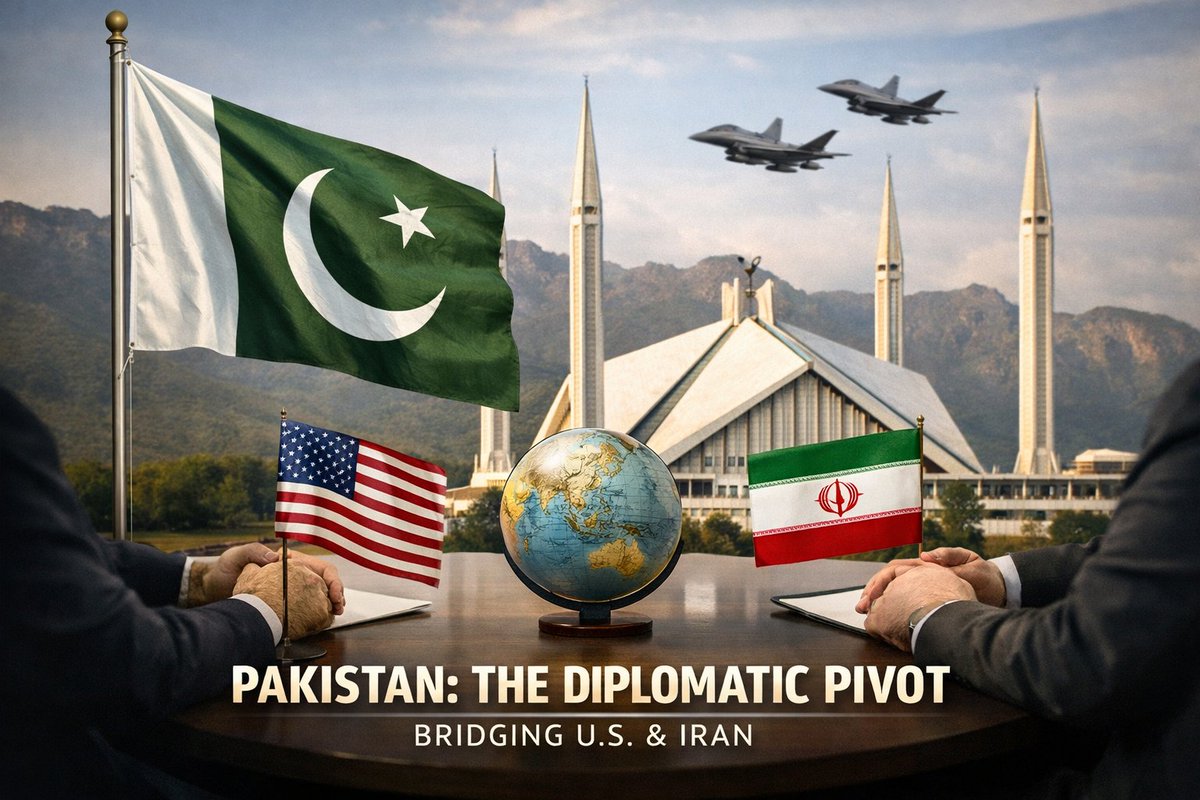
Pakistan's Diplomatic Mediation Here is to understand why It's a Pivot in the hot war zone. The News: Pakistan, once isolated by Washington for harboring Osama bin Laden, is emerging as a central mediator between the U.S. and Iran, hosting regional powers for talks aimed at ending the war. Why Pakistan Now: 1. The Unique Position Pakistan borders Iran and maintains ties with both Tehran and Washington. It is one of the few countries Iran has allowed to transit the Strait . Its army chief has been in direct contact with U.S. Vice President JD Vance. 2. The Diplomatic Hub On March 29, Islamabad hosted foreign ministers from Saudi Arabia, Turkey, and Egypt to discuss reopening Hormuz. Proposals included a Suez-style management consortium. 3. The Trust Factor Iran rejected participation in the Islamabad talks , but continues allowing Pakistani ships through the Strait. Pakistan has credibility with Tehran that few U.S. allies possess. 4. The U.S. Calculation Washington needs channels to Tehran. Pakistan offers a backchannel that bypasses Europe's refusal and Gulf reluctance. 5. The Bin Laden Shadow The irony is sharp: the country once branded an ally of terror is now America's best hope for a diplomatic exit. Bottom line: Pakistan just became the world's unlikely mediator. The country Washington once ostracized now holds a key to ending the war. Diplomacy makes strange bedfellows. ____________________________________________ It's not a strategy. It's a slogan. Follow @TheAxialPost for daily geopolitics.
The Axial Post tweet media
English
0
2
1
110
The Axial Post
The Axial Post@TheAxialPost·
BREAKING: ⚡️Massive explosions following U.S/Israeli strikes in Isfahan, Iran
English
1
0
0
89
The Axial Post
The Axial Post@TheAxialPost·
Pakistan's Diplomatic Mediation - Here is Why It's Acting as A Pivot in Hot War Zone The News: Pakistan, once isolated by Washington for harboring Osama bin Laden, is emerging as a central mediator between the U.S. and Iran, hosting regional powers for talks aimed at ending the war. Why Pakistan Now: 1. The Unique Position Pakistan borders Iran and maintains ties with both Tehran and Washington. It is one of the few countries Iran has allowed to transit the Strait . Its army chief has been in direct contact with U.S. Vice President JD Vance. 2. The Diplomatic Hub On March 29, Islamabad hosted foreign ministers from Saudi Arabia, Turkey, and Egypt to discuss reopening Hormuz. Proposals included a Suez-style management consortium. 3. The Trust Factor Iran rejected participation in the Islamabad talks , but continues allowing Pakistani ships through the Strait. Pakistan has credibility with Tehran that few U.S. allies possess. 4. The U.S. Calculation Washington needs channels to Tehran. Pakistan offers a backchannel that bypasses Europe's refusal and Gulf reluctance. 5. The Bin Laden Shadow The irony is sharp: the country once branded an ally of terror is now America's best hope for a diplomatic exit. Bottom line: Pakistan just became the world's unlikely mediator. The country Washington once ostracized now holds a key to ending the war. Diplomacy makes strange bedfellows. ____________________________________________ It's not a strategy. It's a slogan. Follow @TheAxialPost for daily geopolitics.
English
1
1
3
682
The Wall Street Journal
Pakistan, once isolated by Washington for harboring Osama bin Laden, is assuming a surprisingly prominent position in the multinational effort to push the U.S. and Iran toward the negotiating table on.wsj.com/41DQx6E
English
147
303
793
64.7K
The Axial Post
The Axial Post@TheAxialPost·
The Gulf's Ground Invasion Lobby - What Does this Reveals? The News: The UAE, backed by Bahrain and Kuwait, is privately pressing Trump to order a ground invasion of Iran. Gulf officials, including from Saudi Arabia, have made clear they don't want the war to end until there is "significant change" in Tehran's leadership or behavior. Why the Gulf Wants More: 1. The Calculus Gulf states have absorbed over 1,800 Iranian missiles and drones since the war began. Their view: airstrikes degrade Iran's capabilities, but only regime change guarantees the threat is truly gone. 2. The UAE's Stake Dubai and Abu Dhabi have been primary targets—over 48% of all Iranian fire has landed on UAE soil. For Emirati leaders, this war feels existential. 3. Saudi Reluctance Saudi Arabia is the most cautious. Riyadh fears: 🔹Iranian retaliation targeting its oil fields 🔹Regional instability spreading to its borders 🔹Being seen as aiding a U.S. invasion Still, Saudi officials have reportedly joined the consensus: the current Iranian leadership remains unacceptable. 4. Bahrain and Kuwait Both nations have suffered direct strikes on civilian infrastructure. Kuwait's airport fuel tanks were hit. Bahrain's king expressed "deep regret" over "unprecedented attacks." Both want the threat eliminated permanently. The U.S. Dilemma: 5. Trump's Promise Trump campaigned on ending Middle East wars, not starting new ground invasions. A ground offensive would break that core promise. 6. The Military Reality Ground invasion means: 🔹U.S. casualties (currently zero in combat) 🔹Protracted occupation 🔹Regional blowback 🔹Global oil price spikes 7. The Strategic Question Does the U.S. fight a war to satisfy Gulf allies? Or does it declare victory and leave, risking Iranian resurgence? Bottom line: The Gulf wants regime change. Trump promised no ground wars. The tension between ally demands and presidential promises is now the war's central political question. Who bends first will determine what comes next. ____________________________________________ It's not a strategy. It's a slogan. Follow @TheAxialPost for daily geopolitics.
English
1
0
0
666
Republicans against Trump
Republicans against Trump@RpsAgainstTrump·
🚨BREAKING: UAE, Kuwait and Bahrain press Trump for a U.S. ground invasion of Iran—AP
Republicans against Trump tweet media
English
77
113
443
32.3K
The Axial Post
The Axial Post@TheAxialPost·
BREAKING: ⚡️Large Iranian Missile Barrages at the Gulf States ongoing. Saudi Arabia intercepts four Iranian ballistic missiles that were heading to Riyadh. Kuwaiti oil tanker hit at Dubai port. #Riyadh #UAE #Dubai #Kuwait

English
0
0
0
628
The Axial Post
The Axial Post@TheAxialPost·
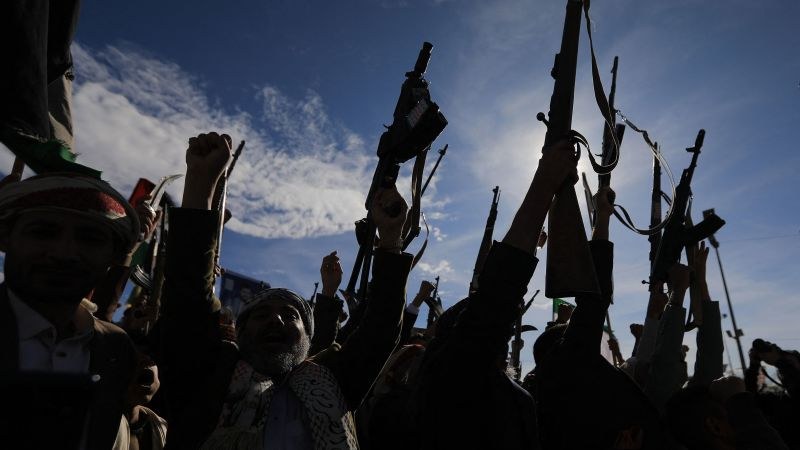
The Lifeline That's Now in the Crosshairs - Red Sea Here is what you need to Understand The Situation: Since the Strait of Hormuz closed in late February, Saudi Arabia has been diverting millions of barrels of crude daily to its Red Sea port of Yanbu—keeping global oil flowing through the Bab el-Mandeb strait. What Changed: Over the weekend, Iran-backed Houthi militants formally entered the war, launching missiles and drones at Israel and threatening to strike Red Sea shipping . Their "fingers are on the trigger," a spokesman warned. The Double Choke: 1. Hormuz Is Already Closed The Strait of Hormuz—through which 20% of global oil normally passes—has been effectively shut for over a month. Mines, missiles, and IRGC patrols have halted tanker traffic. 2. Yanbu Became the Lifeline With Hormuz blocked, Saudi Arabia began pumping crude through its 5 million bpd East-West Pipeline to Yanbu on the Red Sea. This single route has been keeping Gulf oil accessible to global markets. 3. Now Bab el-Mandeb Is Threatened The Red Sea's southern chokepoint, Bab el-Mandeb, is now at risk. During the 2023-2025 Houthi campaign, over 100 merchant vessels were attacked. The strait carries about 12% of global trade and is the only exit for Saudi oil from Yanbu. The Math: 🛢️ Hormuz: 20% of global oil—closed 🚢 Bab el-Mandeb: 12% of global trade—now threatened 🇸🇦 Yanbu: Up to 5 million bpd—now in the crosshairs If Bab el-Mandeb becomes a war zone, Gulf oil has no easy exit to Western markets. The only alternatives are the long route around Africa (adding weeks and costs) or pipelines through hostile territory. Bottom line: The war just closed its second front. Hormuz is shut. Bab el-Mandeb is threatened. The lifeline Saudi built to bypass one chokepoint now runs through another. Global oil markets are running out of options—and prices will reflect it. ____________________________________________ It's not a strategy. It's a slogan. Follow @TheAxialPost for daily geopolitics.
The Axial Post tweet media
English
0
0
0
81
The Axial Post
The Axial Post@TheAxialPost·
The Lifeline That's Now in the Crosshairs - Here is what you need to Understand The Situation: Since the Strait of Hormuz closed in late February, Saudi Arabia has been diverting millions of barrels of crude daily to its Red Sea port of Yanbu—keeping global oil flowing through the Bab el-Mandeb strait. What Changed: Over the weekend, Iran-backed Houthi militants formally entered the war, launching missiles and drones at Israel and threatening to strike Red Sea shipping . Their "fingers are on the trigger," a spokesman warned. The Double Choke: 1. Hormuz Is Already Closed The Strait of Hormuz—through which 20% of global oil normally passes—has been effectively shut for over a month. Mines, missiles, and IRGC patrols have halted tanker traffic. 2. Yanbu Became the Lifeline With Hormuz blocked, Saudi Arabia began pumping crude through its 5 million bpd East-West Pipeline to Yanbu on the Red Sea. This single route has been keeping Gulf oil accessible to global markets. 3. Now Bab el-Mandeb Is Threatened The Red Sea's southern chokepoint, Bab el-Mandeb, is now at risk. During the 2023-2025 Houthi campaign, over 100 merchant vessels were attacked. The strait carries about 12% of global trade and is the only exit for Saudi oil from Yanbu. The Math: 🛢️ Hormuz: 20% of global oil—closed 🚢 Bab el-Mandeb: 12% of global trade—now threatened 🇸🇦 Yanbu: Up to 5 million bpd—now in the crosshairs If Bab el-Mandeb becomes a war zone, Gulf oil has no easy exit to Western markets. The only alternatives are the long route around Africa (adding weeks and costs) or pipelines through hostile territory. Bottom line: The war just closed its second front. Hormuz is shut. Bab el-Mandeb is threatened. The lifeline Saudi built to bypass one chokepoint now runs through another. Global oil markets are running out of options—and prices will reflect it. ____________________________________________ It's not a strategy. It's a slogan. Follow @TheAxialPost for daily geopolitics.
English
0
0
0
410
CNN International
The world, hungry for oil, got a modest reprieve earlier this month when Saudi Arabia began diverting millions of barrels of crude — ordinarily destined for ships transiting the blockaded Strait of Hormuz — to its Red Sea port of Yanbu. But over the weekend, Iran-backed Houthi militants entered the war in an escalation that threatens to sever even that lifeline. cnn.it/413hYXy
English
20
41
148
23.7K
The Axial Post
The Axial Post@TheAxialPost·
JUST IN: ⚡️UAE minister: “coexistence with this Iran has become impossible.” - Al Arabiya Reports also emerged that UAE is pressuring US for the ground Invasion of Iran. #UAE #Dubai
The Axial Post tweet media
English
0
0
0
391
The Axial Post
The Axial Post@TheAxialPost·
BREAKING: ⚡️Kuwaiti oil tanker was targeted in Iranian attack #Kuwait
English
0
0
0
537
The Axial Post
The Axial Post@TheAxialPost·
The Gulf's Ground Invasion Lobby - Here is What to Understand The News: The UAE, backed by Bahrain and Kuwait, is privately pushing Trump to order a ground invasion of Iran. Gulf officials, including from Saudi Arabia, have conveyed they do not want the war to end until there is "significant change" in Tehran's leadership or behavior. The Gulf Calculus: 1. Why They Want More Gulf states have absorbed over 1,800 Iranian missiles and drones since the war began. Their calculus: air strikes degrade Iran's capabilities, but only regime change guarantees the threat ends. 2. The UAE's Leading Role Dubai and Abu Dhabi have been primary targets—over 48% of all Iranian fire has landed on UAE soil. For Emirati leaders, the war is existential. 3. The Saudi Reluctance Saudi Arabia is the most cautious of the group. Riyadh fears: 🔹Iranian retaliation targeting its oil fields 🔹Regional destabilization spreading to its borders 🔹Being seen as "helping" a U.S. invasion Yet Saudi officials have reportedly joined the consensus: the current Iranian leadership remains unacceptable. 4. The Bahrain-Kuwait Alignment Both nations have suffered direct strikes on civilian infrastructure. Kuwait's airport fuel tanks were hit. Bahrain's king expressed "deep regret" over "unprecedented attacks." They want the threat neutralized permanently. The U.S. Dilemma: 5. The Trump Promise Trump campaigned on ending Middle East wars, not starting new ground invasions. A ground offensive would break his core promise. 6. The Military Reality Ground invasion means: 🔹U.S. casualties (which are currently zero in combat) 🔹Protracted occupation 🔹Regional blowback 🔹Global oil price spikes 7. The Strategic Question Does the U.S. fight a war to satisfy Gulf allies? Or does it declare victory and leave, risking Iranian resurgence? Bottom line: The Gulf wants regime change. Trump promised no ground wars. The tension between ally demands and presidential promises is now the war's central political question. Who bends first will determine what comes next. ____________________________________________ It's not a strategy. It's a slogan. Follow @TheAxialPost for daily geopolitics.
English
0
0
2
1.4K
RT
RT@RT_com·
GULF COUNTRIES, LED BY SAUDI ARABIA & UAE, URGE TRUMP TO CONTINUE WAR ON IRAN 'TEHRAN NOT WEAKENED ENOUGH' — AP
RT tweet media
English
173
431
1.1K
84.7K
The Axial Post
The Axial Post@TheAxialPost·
BREAKING: ⚡️Reports of a possible impact in Dubai. Smoke seen rising over the city following reports of a new Iranian attack. #Dubai #UAE
The Axial Post tweet media
English
1
0
0
528
The Axial Post
The Axial Post@TheAxialPost·
The "You Broke It, You Buy It" Doctrine The News: White House officials say Trump is interested in calling on Arab countries to "pay for the cost of the Iran war"—with more details to come soon. The Context: 1. The Iraq Precedent During the 2003 invasion, the U.S. sought allied contributions. But this time, Trump is asking Gulf states to foot the bill for a war they didn't start and have tried to avoid. 2. The Numbers The war has already cost the U.S. an estimated $11.3 billion in its first six days alone, including a THAAD radar in Jordan. Total costs are climbing daily. 3. The Gulf Reluctance Saudi Arabia and the UAE have already faced over 1,800 Iranian missiles and drones. They've spent billions on air defenses. Asking them to pay for U.S. operations is a diplomatic heavy lift. 4. The Logic Trump's argument: Gulf states rely on the Strait for oil exports. The U.S. is fighting to keep it open. Therefore, they should share the cost. 5. The Problem The same states have refused to send warships for the coalition. If they won't contribute vessels, will they write checks? Unclear. 6. The Political Cover For Trump, demanding payment serves domestic politics: "America shouldn't pay for wars that benefit others." It frames the conflict as a bill, not a burden. Bottom line: Trump is putting a price tag on the war—and handing it to the Gulf. Whether they pay will test the limits of America's alliances. If they say no, the next question is: what then? ____________________________________________ It's not a strategy. It's a slogan. Follow @TheAxialPost for daily geopolitics.
English
1
0
1
837
unusual_whales
unusual_whales@unusual_whales·
Trump interested in calling on Arab states to help pay for Iran war, White House has said.
English
115
51
794
103.5K
The Axial Post retweetledi
The Axial Post
The Axial Post@TheAxialPost·
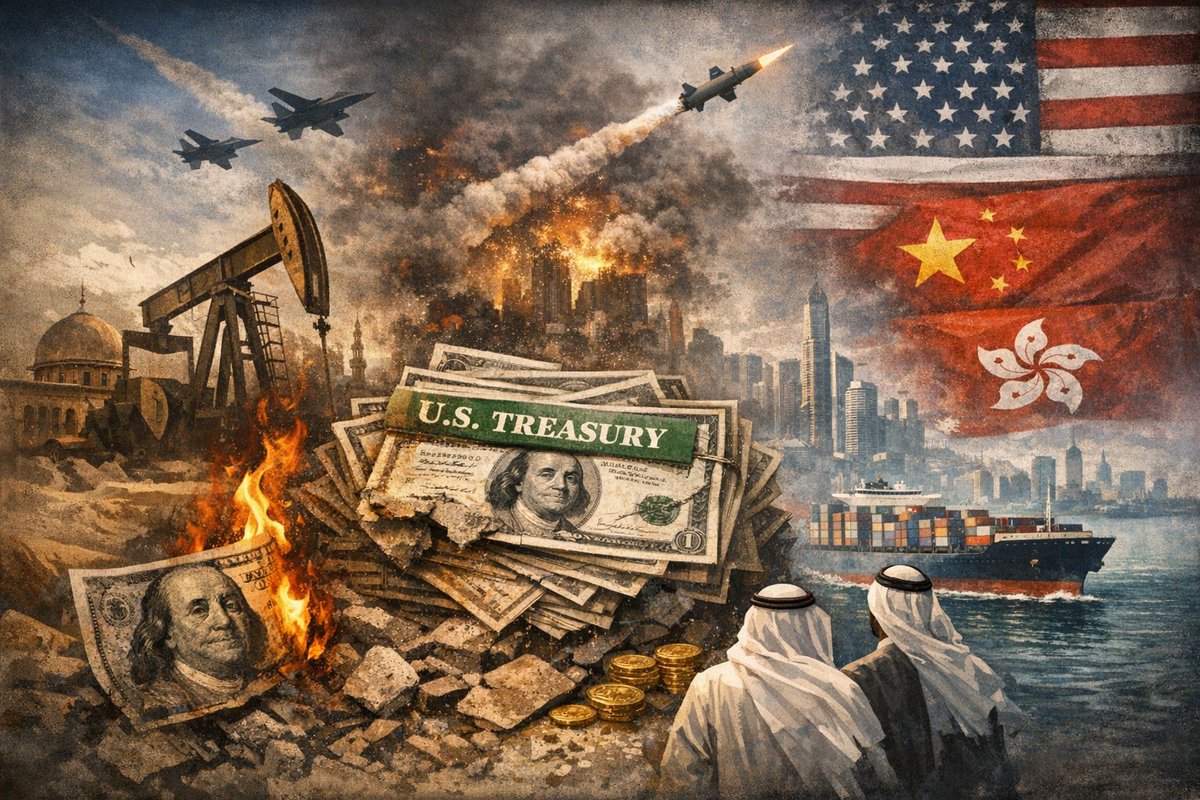
The $66 Billion Treasury Selling- Here is to Understand What it Signals The News: Middle East oil producers have sold $66 billion in U.S. Treasurys since the Iran war began on Feb. 28, with total custodial holdings falling to their lowest level since 2012. The Numbers: 🏦 Middle East holds roughly $300 billion in U.S. government debt (about 3.5% of total foreign holdings) 📉 $66 billion sold in March alone 🇸🇦 Saudi Arabia is the largest holder among Gulf producers Why They're Selling: 1. The Liquidity Squeeze Gulf states need cash. The war has disrupted oil exports, cratered tourism, and strained government budgets. Selling Treasurys is the fastest way to raise dollars for defense and reconstruction . 2. The "Safe Harbor" Myth For decades, Gulf states parked wealth in U.S. assets in exchange for American security guarantees. Iranian missiles hitting Dubai airports and Abu Dhabi hotels proved that promise hollow. As one former UK Treasury official put it: "Alliance with the US no longer buys real security". 3. The Trust Deficit Iranian officials have publicly stated that any institution buying U.S. bonds is "financing the war" against them. Gulf sovereign wealth funds are reportedly in dialogue about cutting U.S. commitments altogether . The Bigger Picture: A Pattern, Not a Panic For now, the sell-off appears driven by short-term liquidity needs, not a strategic dumping of dollar assets . But the deeper trend is unmistakable: Gulf capitals are diversifying away from Washington. The Chinese Alternative Saudi exports to China now outpace those to the U.S. fourfold. Since December, the share of Saudi oil sales priced in yuan has jumped from under 20% to 40%. Hong Kong Beckons Middle Eastern sovereign funds are redirecting capital east. Their share of Hong Kong IPO cornerstone placements has surged from under 20% to nearly 40%. Over 20 Middle Eastern family offices have set up in Hong Kong since January. Bottom line: Gulf states aren't just selling Treasurys—they're rethinking the entire arrangement. The "oil for security" compact that built the petrodollar system is cracking. When the world's largest oil exporters start looking elsewhere, the dollar's exorbitant privilege comes into question. ____________________________________________ It's not a strategy. It's a slogan. Follow @TheAxialPost for daily geopolitics.
The Axial Post tweet media
English
0
1
0
90
The Axial Post
The Axial Post@TheAxialPost·
The Gulf's Ground Invasion Lobby - What Does this Reveals? The News: The UAE, backed by Bahrain and Kuwait, is privately pressing Trump to order a ground invasion of Iran. Gulf officials, including from Saudi Arabia, have made clear they don't want the war to end until there is "significant change" in Tehran's leadership or behavior. Why the Gulf Wants More: 1. The Calculus Gulf states have absorbed over 1,800 Iranian missiles and drones since the war began. Their view: airstrikes degrade Iran's capabilities, but only regime change guarantees the threat is truly gone. 2. The UAE's Stake Dubai and Abu Dhabi have been primary targets—over 48% of all Iranian fire has landed on UAE soil. For Emirati leaders, this war feels existential. 3. Saudi Reluctance Saudi Arabia is the most cautious. Riyadh fears: 🔹Iranian retaliation targeting its oil fields 🔹Regional instability spreading to its borders 🔹Being seen as aiding a U.S. invasion Still, Saudi officials have reportedly joined the consensus: the current Iranian leadership remains unacceptable. 4. Bahrain and Kuwait Both nations have suffered direct strikes on civilian infrastructure. Kuwait's airport fuel tanks were hit. Bahrain's king expressed "deep regret" over "unprecedented attacks." Both want the threat eliminated permanently. The U.S. Dilemma: 5. Trump's Promise Trump campaigned on ending Middle East wars, not starting new ground invasions. A ground offensive would break that core promise. 6. The Military Reality Ground invasion means: 🔹U.S. casualties (currently zero in combat) 🔹Protracted occupation 🔹Regional blowback 🔹Global oil price spikes 7. The Strategic Question Does the U.S. fight a war to satisfy Gulf allies? Or does it declare victory and leave, risking Iranian resurgence? Bottom line: The Gulf wants regime change. Trump promised no ground wars. The tension between ally demands and presidential promises is now the war's central political question. Who bends first will determine what comes next. ____________________________________________ It's not a strategy. It's a slogan. Follow @TheAxialPost for daily geopolitics.
English
1
0
0
1.3K
The Axial Post
The Axial Post@TheAxialPost·
The Gulf's Ground Invasion Lobby - What Does this Reveals? The News: The UAE, backed by Bahrain and Kuwait, is privately pressing Trump to order a ground invasion of Iran. Gulf officials, including from Saudi Arabia, have made clear they don't want the war to end until there is "significant change" in Tehran's leadership or behavior. Why the Gulf Wants More: 1. The Calculus Gulf states have absorbed over 1,800 Iranian missiles and drones since the war began. Their view: airstrikes degrade Iran's capabilities, but only regime change guarantees the threat is truly gone. 2. The UAE's Stake Dubai and Abu Dhabi have been primary targets—over 48% of all Iranian fire has landed on UAE soil. For Emirati leaders, this war feels existential. 3. Saudi Reluctance Saudi Arabia is the most cautious. Riyadh fears: 🔹Iranian retaliation targeting its oil fields 🔹Regional instability spreading to its borders 🔹Being seen as aiding a U.S. invasion Still, Saudi officials have reportedly joined the consensus: the current Iranian leadership remains unacceptable. 4. Bahrain and Kuwait Both nations have suffered direct strikes on civilian infrastructure. Kuwait's airport fuel tanks were hit. Bahrain's king expressed "deep regret" over "unprecedented attacks." Both want the threat eliminated permanently. The U.S. Dilemma: 5. Trump's Promise Trump campaigned on ending Middle East wars, not starting new ground invasions. A ground offensive would break that core promise. 6. The Military Reality Ground invasion means: 🔹U.S. casualties (currently zero in combat) 🔹Protracted occupation 🔹Regional blowback 🔹Global oil price spikes 7. The Strategic Question Does the U.S. fight a war to satisfy Gulf allies? Or does it declare victory and leave, risking Iranian resurgence? Bottom line: The Gulf wants regime change. Trump promised no ground wars. The tension between ally demands and presidential promises is now the war's central political question. Who bends first will determine what comes next. ____________________________________________ It's not a strategy. It's a slogan. Follow @TheAxialPost for daily geopolitics.
English
1
0
1
1.2K
WarMonitor🇺🇦🇬🇧
BREAKING: UAE supported by Bahrain and Kuwait are pushing the US hard for a ground operation in Iran-AP
English
70
172
2.1K
182.2K