

The Calabash Hub
2.4K posts
The Calabash Hub
@TheCalabashHub
Taking you 'Back To Our Roots' ✊🏾 Embracing Culture with Sister E
Ghana Katılım Mart 2012
429 Takip Edilen1.6K Takipçiler

Akwaaba - Welcome.
Come and enjoy the delights, culture, people, festivals, history and landmarks in Ghana.
Sign up for our 10 day tour, info@thecalabashhub.com
thecalabashhub.com
English
The Calabash Hub retweetledi
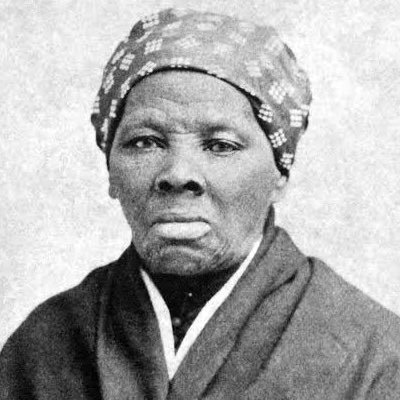
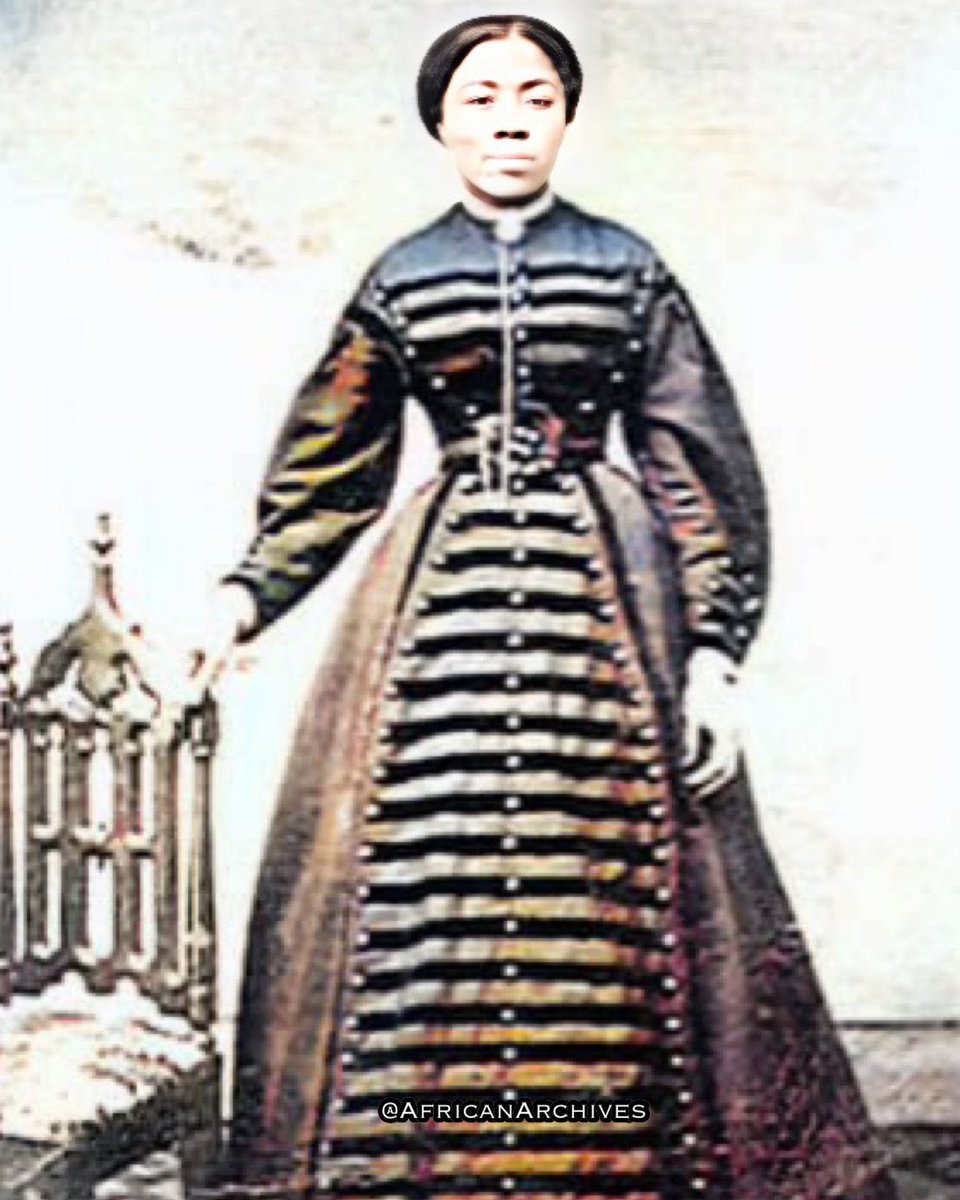
On this day in 1898, Lyda A. Newman, a black hairdresser, patented a hair brush with synthetic bristles.
It was specifically made for Black hair because the previous animal hair brushes were too soft.
It also permitted easy cleaning because it had detachable units.
—Lyda D. Newman born in 1865 (no exact date known) was a patented inventor and involved activist for women's suffrage. She is known for the invention of the first synthetic hairbrush. Lyda spent the majority of her life living and working in New York City.
Newman's primary occupation was hair care as she listed “hair specialist” or “hairdresser” in various New York City Directories and US Government Federal and New York City censuses.
In the late 1800s, Newman invented a hairbrush that could be taken apart easily for cleaning because it contained a compartment at the bottom that could be removed from the back and be cleaned. The U.S. Patent 614,335 was filed on July 11, 1898 and granted on November 15, 1898.
Even more important than creating her patented invention, Newman was an active community member and organizer for women's suffrage in the early 20th century. The suffrage movement was a push for women's right to vote in elections. As a suffragist, she spent her time canvasing neighborhoods in New York City, hosted street meetings to educate passing people and to support the Woman Suffrage Party, Newman started the Negro Suffrage Headquarters in Manhattan.
On August 29, 1915, the New York Times noted under "Suffrage Centre for Negroes", "The Woman Suffrage Party is to open a suffrage headquarters for colored people at 207 West Sixty-third Street on Wednesday. This will be in charge of Miss Lyda Newman, who is doing excellent work for suffrage among her own people. The headquarters will be gayly decorated with suffrage posters, flags and streamers.”
Unfortunately, just as in her birth there is no record of what year in which she died, however what is undeniable is that she used her money and resources to advance the cause for all women's rights.
🖋️you can support (donate) or follow our ko-fi page on AfricanArchives.Support (follow the page too for weekly posts roundup)

English
The Calabash Hub retweetledi

Who are the Dogons, and what is their connection with "so-called" aliens?
English
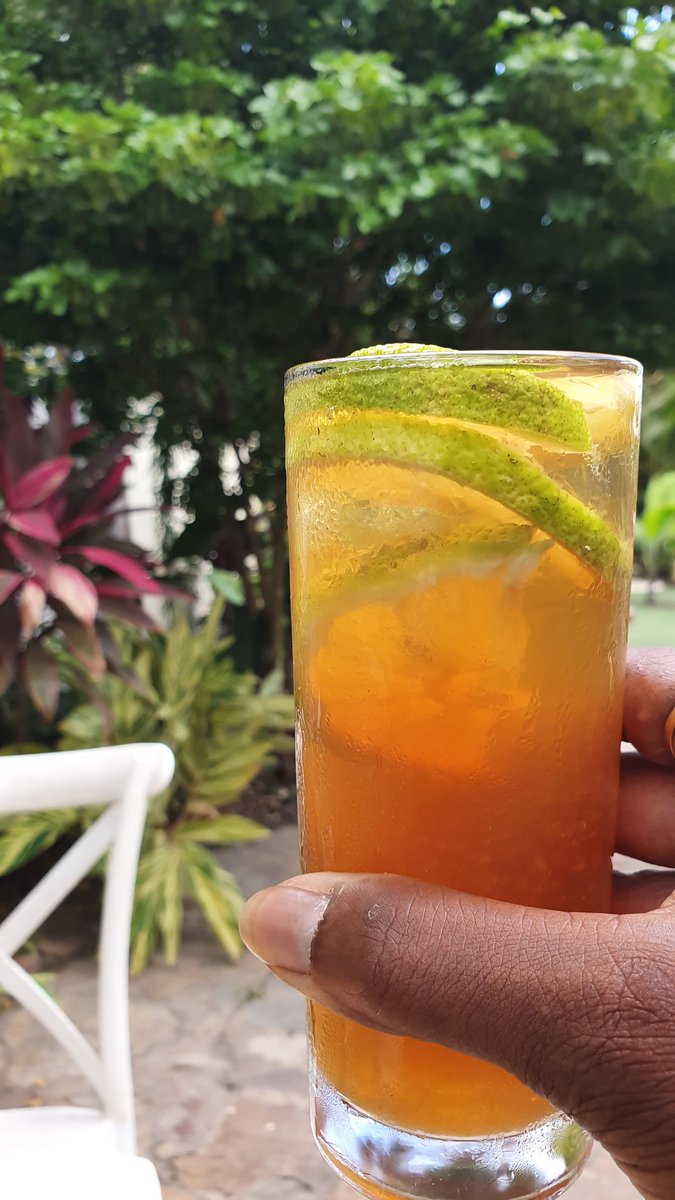
Tea does not always have to be hot. Refreshimg Ice Tea to quench your first
English

Are you looking to connect to the motherland?
Send an Expression of Interest to info@thecalabashhub.com
Early bird £1,924
thecalabashhub.com

English
The Calabash Hub retweetledi


The Calabash Hub retweetledi
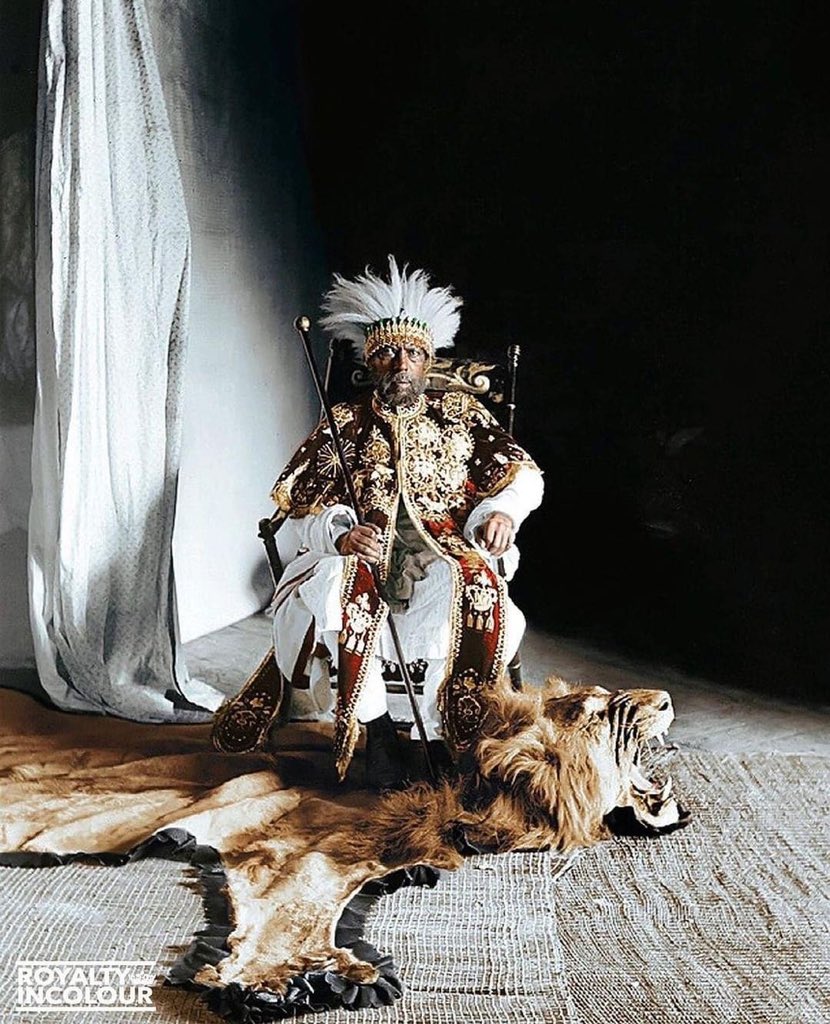
Menelik II, King of Shewa from 1866 to 1889, and Emperor of Ethiopia from 1889 until his death in 1913, photographed in the early 1900s.
He is widely honored by many Ethiopians and commemorated during the celebration of the Battle of Adwa. Many Pan-Africans regard him as an advocate for African independence against European powers during the Scramble for Africa.
Credit: Royalty in Colour
#Africa
English
The Calabash Hub retweetledi
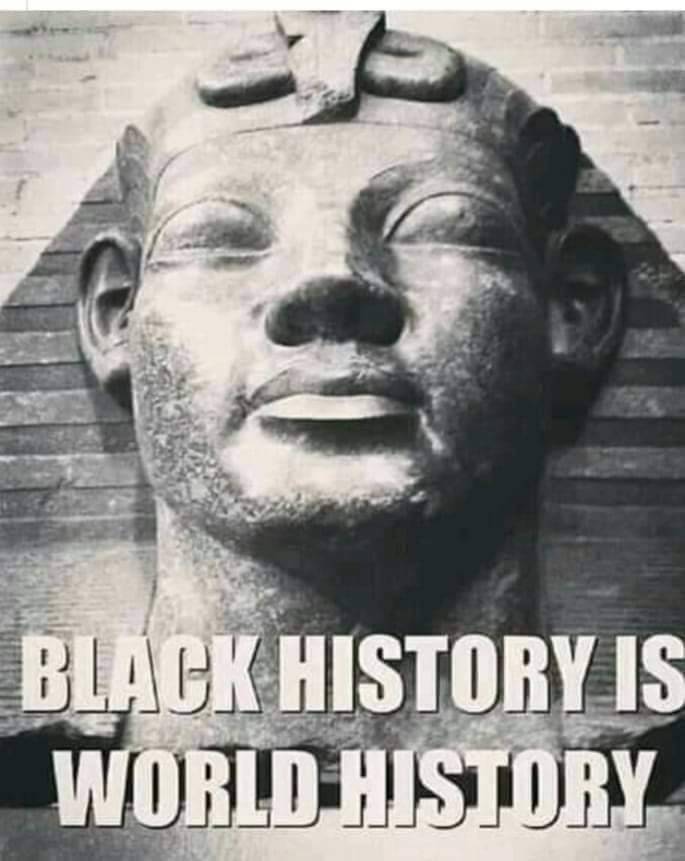
"There is no way to understand world history without an understanding of African history." - Dr John Henrik Clarke #worldhistory
English
The Calabash Hub retweetledi
So who taught a young Jack Daniel how to distill what would become the world’s best-selling whiskey?
Nathan "Nearest" Green, an enslaved Black master distiller, taught distilling techniques to Jack Daniel, founder of the Jack Daniel Tennessee whiskey.
—Uncle Nearest, as he was fondly called by family and friends grew up in Lynchburg, Tennessee, and began working on the farm of a country preacher and distiller in Lincoln County around the mid-1800s. It was there that he learned the skill of distilling and specialized in a process of distillation known as sugar maple charcoal filtering which was also called the Lincoln County Process.
Nearest was such a skilled distiller in the process he specialized in but he kept working with the preacher in the Lincoln County and fortunately it was there that Jack Daniels met him.
In the mid-1850s, Jack Daniels who was just a young white boy from a large family and who also lost his mother to a sudden illness at the age of four months began working as a chore boy for the preacher whom Uncle Nearest worked for.
It is said that Jack Daniels was a curious young boy who kept asking about the smoke coming up through the hollow on the 338-acre property and why men kept hurrying back and forth from that area which he was never allowed to go with mules and wagons.
He never stopped asking, until the preacher whim he worked for decided to give in to his curiosity took him to the area on the property where the smoke came from.
As later described in the boy’s biography, it is said that the preacher introduced the young boy to a “coal-black negro” which was uncle Nearest.
He introduced Uncle Nearest by saying “This is Uncle Nearest. He’s the best whiskey maker I know of”. The preacher went further to ask Nearest to teach the young (Jack Daniels) everything he knew about distilling and also the process of sugar maple charcoal filtering. A request Nearest obliged and taught the young boy the special filtration process of the Tennessee whiskey.

English
Visit the renovated Kwame Nkrumah Memorial Park.
Capture the rich history, personal artefacts, political journey and final resting place of the first president of Ghana.
thecalabashhub.com/kwame-nkrumah-…
English

The Calabash Hub retweetledi
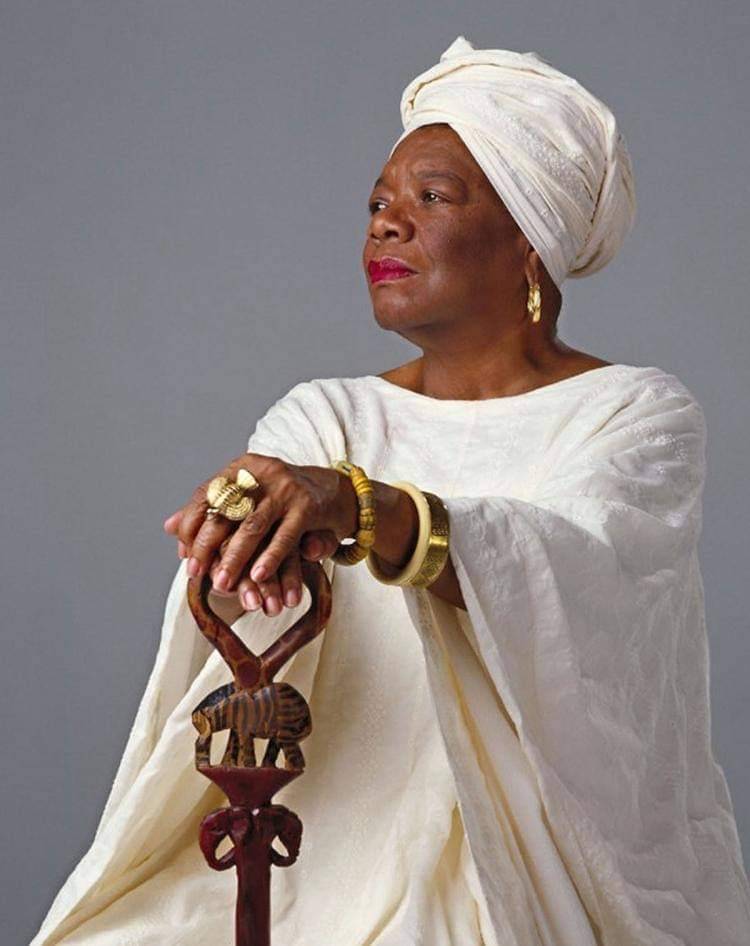
"You may write me down in history
With your bitter, twisted lies,
You may trod me in the very dirt
But still, like dust, I’ll rise.”
#MayaAngelou
English
The Calabash Hub retweetledi
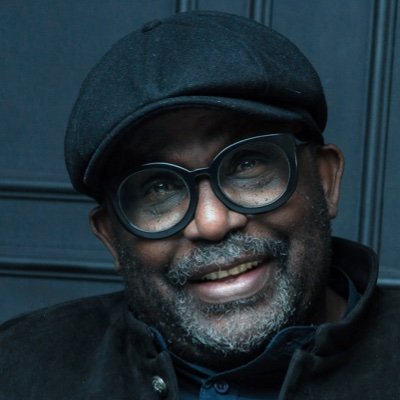
Literary icon Wole Soyinka demands public holiday for traditional African religions; an annual holiday like states grant Islam and Christianity. “We’ve had enough of being second-class citizens,” he said. The man has a point
ripplesnigeria.com/soyinka-demand…
English
‘𝙉𝙤 𝙢𝙖𝙩𝙩𝙚𝙧 𝙝𝙤𝙬 𝙡𝙤𝙣𝙜 𝙖 𝙡𝙤𝙜 𝙨𝙩𝙖𝙮𝙨 𝙞𝙣 𝙬𝙖𝙩𝙚𝙧, 𝙞𝙩 𝙙𝙤𝙚𝙨𝙣’𝙩 𝙗𝙚𝙘𝙤𝙢𝙚 𝙖 𝙘𝙧𝙤𝙘𝙤𝙙𝙞𝙡𝙚’
Mali 🇲🇱
Be the real you, as essential characteristics do not change because of external circumstances.
English
The Calabash Hub retweetledi

The Calabash Hub retweetledi
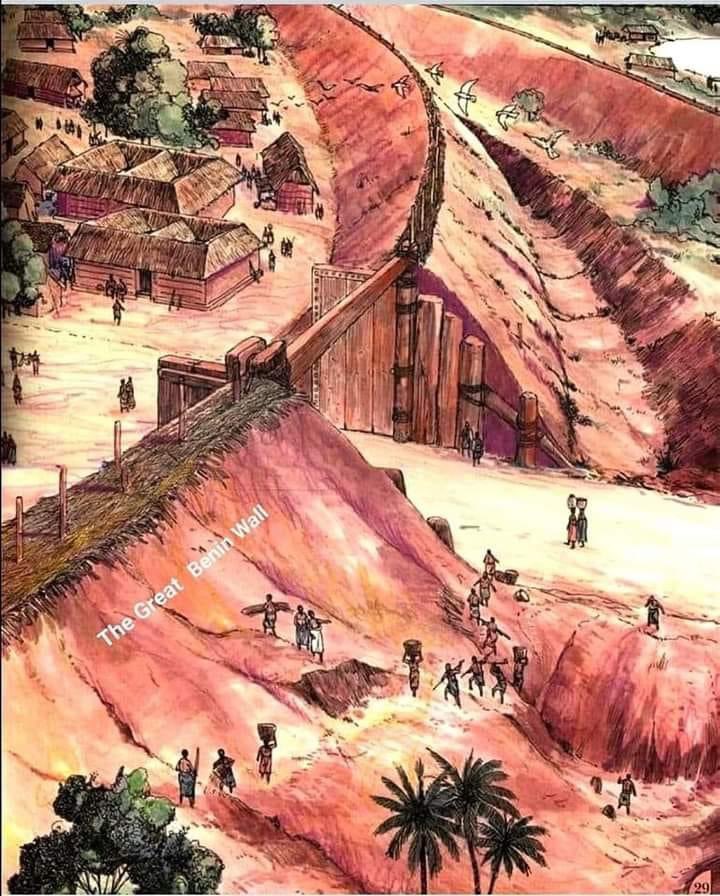
The largest single man made site on the planet
__
The Great Walls of Benin today Edo, Nigeria 🇳🇬 were a series of more than 500 interconnected earth walls (Edo: Iya) in the area around present-day Benin City.
They extended for some 16,000 km in all, took an estimated 150 million hours of digging to construct and were perhaps the largest single man made site on the planet in the absence of modern Earthmoving machines. This wall was destroyed to the ground by the British and their allies.
Respect and Honour to Great Benin Ancestors
#Africa
English