The Dark Box

758 posts

The Dark Box banner
The Dark Box

The Dark Box

@TheDarkBox71

Curious about how great powers make decisions and who pulls the strings? Follow us and step into the Dark Box!

Katılım Kasım 2024
0 Takip Edilen16.7K Takipçiler
The Dark Box
The Dark Box@TheDarkBox71·
هل انهارت أسطورة دبي العقارية؟ ذعر البيع يضرب السوق بعد الضربات الإيرانية تشهد سوق العقارات في دبي وأبوظبي تحولاً حاداً مع تصاعد التوترات الإقليمية بعد الضربات الإيرانية، حيث بدأت الأسعار بالانخفاض بشكل ملحوظ وظهرت موجة بيع توصف في أوساط السوق بأنها “بيع بدافع الذعر”. فقد تراجعت أحجام الصفقات بشكل واضح، وبدأ ملاك العقارات، خاصة المستثمرين الأجانب، بعرض وحداتهم بأسعار مخفّضة بشكل كبير لتأمين السيولة والخروج السريع من السوق. هذا التراجع لا يرتبط بعوامل اقتصادية تقليدية فقط، بل يعود أساساً إلى انهيار عامل الثقة الذي كان يشكل الركيزة الأساسية لجاذبية دبي كمركز استثماري عالمي. فالضربات الصاروخية والطائرات المسيّرة التي استهدفت الإمارات، حتى وإن تم اعتراض معظمها، خلقت واقعاً جديداً أثبت أن دبي ليست بمنأى عن الصراعات الإقليمية، وهو ما دفع المستثمرين إلى إعادة تقييم المخاطر. تؤكد مؤشرات السوق أن المناطق الفاخرة، التي كانت تُعد الأكثر استقراراً، بدأت تشهد خصومات كبيرة، في حين تراجعت الزيارات الميدانية للمشاريع، وتأجلت قرارات الشراء، وتزايدت عمليات إلغاء الصفقات. كما تظهر قوائم البيع على المنصات العقارية تزايداً في العروض بأسعار منخفضة بشكل غير معتاد، ما يعكس حالة ضغط حقيقية داخل السوق. في الوقت نفسه، تتفاقم الضغوط الاقتصادية الأوسع، مع تراجع السياحة، وارتفاع تكاليف التأمين والشحن نتيجة إغلاق مضيق هرمز، وتعطل سلاسل الإمداد، ما يؤثر مباشرة على الاقتصاد المحلي المرتبط بالتجارة والخدمات. هذه العوامل مجتمعة تضرب الطلب العقاري وتدفع نحو مزيد من الانخفاض في الأسعار. كما بدأت تظهر مؤشرات على خروج تدريجي لرؤوس الأموال، مع سعي بعض المستثمرين والمقيمين إلى مغادرة البلاد أو تحويل أموالهم إلى أسواق أكثر استقراراً. هذا السلوك يعزز الاتجاه الهبوطي، خاصة في سوق يعتمد بشكل كبير على الاستثمار الأجنبي والمضاربات قصيرة الأجل. الخلاصة التي تتشكل في أوساط المال والأعمال هي أن دبي لم تعد تُنظر إليها كملاذ آمن للاستثمار كما كانت في السابق. فالتصعيد الإقليمي كشف هشاشة هذا النموذج القائم على الاستقرار، وأي استمرار للأزمة قد يدفع السوق نحو تصحيح أعمق يعيد رسم خريطة الاستثمار العقاري في المنطقة. #دبي #الإمارات #العقارات #الاستثمار #إيران #الاقتصاد #الخليج #الجغرافيا_السياسية
The Dark Box@TheDarkBox71

Dubai’s Property Bubble Under Pressure: Panic Selling Hits the Market After Iran Strikes Dubai’s real estate market is undergoing a sharp shift as regional tensions escalate following Iranian strikes, triggering what market observers increasingly describe as panic driven selling. Property prices are beginning to decline, transaction volumes are falling, and a growing number of investors, particularly foreign buyers, are rushing to liquidate assets at discounted rates in order to secure liquidity and exit the market. The downturn is not driven solely by traditional economic factors but by a collapse in confidence, which has long been the foundation of Dubai’s appeal as a global investment hub. Missile and drone attacks targeting the UAE, even when intercepted, have fundamentally altered risk perceptions, demonstrating that Dubai is no longer insulated from regional conflict. Market indicators show that even premium areas, once considered stable, are now witnessing price reductions, declining site visits, delayed purchase decisions, and an increase in cancelled transactions. Online listings increasingly reflect distressed sales, with properties being offered at unusually low prices, reinforcing the sense of urgency among sellers. At the same time, broader economic pressures are intensifying. Tourism has weakened, shipping and insurance costs have risen following the closure of the Strait of Hormuz, and supply chains are under strain, all of which directly impact Dubai’s trade and service driven economy. These developments are reducing demand and amplifying downward pressure on the property market. Signs of capital outflow are also emerging, as some investors and expatriates seek to relocate funds or leave the country altogether, further accelerating the decline. In a market heavily dependent on foreign investment and speculative activity, such behavior can quickly deepen corrections. The emerging conclusion within financial circles is that Dubai is no longer viewed as a risk free investment destination. The current crisis has exposed structural vulnerabilities in its economic model, and if instability persists, the property market could face a deeper and more sustained downturn, reshaping its role in the global investment landscape. More: the-darkbox.com/xpyk #Dubai #UAE #RealEstate #Investment #Iran #Economy #Gulf #Geopolitics
العربية
2
8
30
6.2K
The Dark Box
The Dark Box@TheDarkBox71·
Dubai’s Property Bubble Under Pressure: Panic Selling Hits the Market After Iran Strikes Dubai’s real estate market is undergoing a sharp shift as regional tensions escalate following Iranian strikes, triggering what market observers increasingly describe as panic driven selling. Property prices are beginning to decline, transaction volumes are falling, and a growing number of investors, particularly foreign buyers, are rushing to liquidate assets at discounted rates in order to secure liquidity and exit the market. The downturn is not driven solely by traditional economic factors but by a collapse in confidence, which has long been the foundation of Dubai’s appeal as a global investment hub. Missile and drone attacks targeting the UAE, even when intercepted, have fundamentally altered risk perceptions, demonstrating that Dubai is no longer insulated from regional conflict. Market indicators show that even premium areas, once considered stable, are now witnessing price reductions, declining site visits, delayed purchase decisions, and an increase in cancelled transactions. Online listings increasingly reflect distressed sales, with properties being offered at unusually low prices, reinforcing the sense of urgency among sellers. At the same time, broader economic pressures are intensifying. Tourism has weakened, shipping and insurance costs have risen following the closure of the Strait of Hormuz, and supply chains are under strain, all of which directly impact Dubai’s trade and service driven economy. These developments are reducing demand and amplifying downward pressure on the property market. Signs of capital outflow are also emerging, as some investors and expatriates seek to relocate funds or leave the country altogether, further accelerating the decline. In a market heavily dependent on foreign investment and speculative activity, such behavior can quickly deepen corrections. The emerging conclusion within financial circles is that Dubai is no longer viewed as a risk free investment destination. The current crisis has exposed structural vulnerabilities in its economic model, and if instability persists, the property market could face a deeper and more sustained downturn, reshaping its role in the global investment landscape. More: the-darkbox.com/xpyk #Dubai #UAE #RealEstate #Investment #Iran #Economy #Gulf #Geopolitics
The Dark Box tweet media
English
1
5
16
7.9K
The Dark Box
The Dark Box@TheDarkBox71·
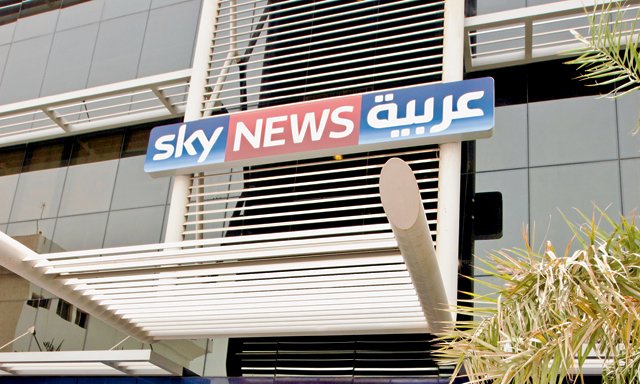
تتجه الشراكة بين Sky وشبكة Sky News Arabia نحو مرحلة حرجة مع تصاعد الخلافات حول مستقبل الترخيص، في ظل تزايد القلق داخل Sky من تداعيات التغطية الإعلامية للحرب في السودان. فبينما كانت الشراكة مع الجهة الإماراتية تهدف إلى إنشاء منصة إعلامية مستقلة وموثوقة، تشير التطورات الأخيرة إلى تصدع هذا الهدف نتيجة اتهامات بتبني رواية منحازة تخفف من حجم الانتهاكات التي ارتكبتها قوات الدعم السريع المدعومة إماراتياً. التقارير التي بثتها القناة حول استقرار الأوضاع في مناطق النزاع، رغم وجود أدلة ميدانية وصور أقمار صناعية وشهادات ناجين تشير إلى عكس ذلك، أثارت انتقادات واسعة. كما زادت الشكوك بعد الكشف عن ارتباط أحد المراسلين بشخصية بارزة داخل هيكل قوات الدعم السريع، ما أثار تساؤلات حول تضارب المصالح وتأثيره على نزاهة التغطية. رد الفعل السوداني جاء حاسماً عبر حظر القناة من العمل داخل البلاد، في خطوة تعكس فقدان الثقة في تغطيتها. في الوقت نفسه، خلصت بعثة تقصي حقائق أممية إلى أن ما جرى في دارفور يحمل سمات إبادة جماعية، وهو ما يتناقض بشكل مباشر مع الخط التحريري الذي قلل من خطورة الوضع. هذه التطورات وضعت Sky أمام معضلة حقيقية بين الحفاظ على علامتها الإعلامية العالمية القائمة على المصداقية، وبين الاستمرار في شراكة باتت مرتبطة بانتقادات سياسية وإعلامية متزايدة. وعلى الجانب الآخر، تمثل هذه الأزمة ضربة لدور الإمارات في استخدام الإعلام كأداة نفوذ إقليمي، إذ تكشف الاتهامات عن صورة إعلامية يُنظر إليها على أنها تعكس توجهات سياسية أكثر من كونها منصة مستقلة. النتيجة التي تتشكل تشير إلى أن الخلاف لم يعد تجارياً بحتاً، بل أصبح مرتبطاً مباشرة بمسألة المصداقية والسمعة. وفي حال قررت Sky الانسحاب، فإن ذلك قد يشكل نقطة تحول في العلاقة بين الإعلام الدولي والشراكات المرتبطة بالدول، ويعيد طرح سؤال جوهري حول حدود استقلالية المؤسسات الإعلامية في بيئات سياسية معقدة. #السودان #الإمارات #SkyNews #الإعلام #قوات_الدعم_السريع #دارفور #الصحافة #السياسة_الدولية
The Dark Box@TheDarkBox71

Credibility Crisis: Is Sky Preparing to Exit Its UAE Partnership Over Sudan Coverage? The partnership between Sky and Sky News Arabia is entering a critical phase as discussions over the future of the licensing agreement intensify, driven by growing concerns within Sky over the channel’s coverage of the war in Sudan. What was initially presented as a platform for balanced and independent journalism is now facing serious scrutiny, with accusations that its reporting has aligned with narratives that downplay alleged atrocities committed by the UAE backed Rapid Support Forces. Reports suggesting stability in conflict zones have contradicted satellite imagery, survivor testimonies and international findings, raising questions about editorial integrity. Concerns deepened further after revelations of personal connections between a correspondent and figures within the RSF structure, intensifying doubts about potential conflicts of interest. The response from Sudan was decisive, with authorities banning the channel from operating inside the country, reflecting a breakdown in trust. Meanwhile, a United Nations fact finding mission concluded that the actions of the RSF bore the hallmarks of genocide, directly conflicting with the tone of the channel’s reporting. For Sky, the situation presents a reputational dilemma between maintaining global credibility and continuing a partnership increasingly associated with political influence. For the United Arab Emirates, the controversy undermines its broader media strategy, exposing perceptions that state linked platforms may prioritize political narratives over independent reporting. The emerging outcome suggests that the dispute is no longer purely commercial but deeply tied to issues of credibility and global perception. A potential withdrawal by Sky would signal a significant shift, raising broader questions about the sustainability of international media partnerships within politically sensitive environments. More: the-darkbox.com/ql52 #Sudan #UAE #SkyNews #Media #RSF #Darfur #Journalism #Geopolitics

العربية
0
9
32
3.1K
The Dark Box
The Dark Box@TheDarkBox71·
Credibility Crisis: Is Sky Preparing to Exit Its UAE Partnership Over Sudan Coverage? The partnership between Sky and Sky News Arabia is entering a critical phase as discussions over the future of the licensing agreement intensify, driven by growing concerns within Sky over the channel’s coverage of the war in Sudan. What was initially presented as a platform for balanced and independent journalism is now facing serious scrutiny, with accusations that its reporting has aligned with narratives that downplay alleged atrocities committed by the UAE backed Rapid Support Forces. Reports suggesting stability in conflict zones have contradicted satellite imagery, survivor testimonies and international findings, raising questions about editorial integrity. Concerns deepened further after revelations of personal connections between a correspondent and figures within the RSF structure, intensifying doubts about potential conflicts of interest. The response from Sudan was decisive, with authorities banning the channel from operating inside the country, reflecting a breakdown in trust. Meanwhile, a United Nations fact finding mission concluded that the actions of the RSF bore the hallmarks of genocide, directly conflicting with the tone of the channel’s reporting. For Sky, the situation presents a reputational dilemma between maintaining global credibility and continuing a partnership increasingly associated with political influence. For the United Arab Emirates, the controversy undermines its broader media strategy, exposing perceptions that state linked platforms may prioritize political narratives over independent reporting. The emerging outcome suggests that the dispute is no longer purely commercial but deeply tied to issues of credibility and global perception. A potential withdrawal by Sky would signal a significant shift, raising broader questions about the sustainability of international media partnerships within politically sensitive environments. More: the-darkbox.com/ql52 #Sudan #UAE #SkyNews #Media #RSF #Darfur #Journalism #Geopolitics
The Dark Box tweet media
English
0
8
15
4.2K
The Dark Box
The Dark Box@TheDarkBox71·
حرب إيران تعيد تشكيل العالم: هل يسقط الناتو ويولد تحالف عسكري جديد؟ تتجه الحرب بين الولايات المتحدة وإيران إلى ما هو أبعد من بعدها العسكري المباشر، لتفتح الباب أمام إعادة تشكيل النظام الأمني العالمي، مع تصاعد مؤشرات على أن الهدف الاستراتيجي الأعمق قد يكون إضعاف حلف شمال الأطلسي تمهيداً لبناء تحالف عسكري جديد بقيادة واشنطن. فقبل اندلاع الحرب، كان دونالد ترامب من أبرز المنتقدين للناتو، معتبراً أنه تحالف غير متوازن مالياً وسياسياً، وأن الدول الأوروبية لا تتحمل نصيبها من الأعباء العسكرية. في هذا السياق، برز طلب واشنطن من الناتو المشاركة في تأمين الملاحة وفتح مضيق هرمز كخطوة تكتيكية محسوبة، أكثر منها دعوة فعلية للتعاون. إذ تشير القراءة التحليلية إلى أن الإدارة الأمريكية كانت تدرك مسبقاً أن الدول الأوروبية سترفض الانخراط المباشر في مواجهة مع إيران، ما أتاح لترامب لاحقاً استخدام هذا الرفض كورقة ضغط سياسية، عبر تصوير الحلف ككيان متردد لا يدعم الولايات المتحدة في لحظات الحسم. التراجع السريع عن طلب الدعم، والتأكيد على عدم الحاجة إلى الناتو، لم يكن تناقضاً بل استكمالاً لهذه الاستراتيجية، التي تهدف إلى بناء سردية مفادها أن الحلف لم يعد قادراً على تلبية متطلبات الأمن الأمريكي في عالم متعدد الأقطاب. هذا التوجه يتعزز مع تعمق الانقسام داخل الناتو بشأن الحرب، ورفض معظم الدول الأوروبية الانجرار إلى صراع مفتوح في الشرق الأوسط، في مقابل رغبة واشنطن في تحالف أكثر مرونة والتزاماً. في المقابل، كشفت الحرب حدود قدرة الناتو على التعامل مع أزمات خارج المجال الأوروبي، في وقت تتوسع فيه المواجهة لتشمل أبعاداً دولية مع دخول روسيا والصين في دعم إيران. هذا الواقع يدفع صناع القرار في واشنطن إلى التفكير في نموذج تحالف جديد قائم على الانتقائية والاصطفاف السياسي الواضح، بدلاً من الهيكل التقليدي القائم على الإجماع والتوازنات المعقدة. النتيجة التي تتشكل تدريجياً هي أن هذه الحرب قد لا تنتهي فقط بتغيير موازين القوى في الشرق الأوسط، بل قد تؤدي إلى تحوّل جذري في بنية التحالفات العسكرية العالمية، حيث يصبح الناتو أقل مركزية، ويفسح المجال أمام تحالفات جديدة أكثر انسجاماً مع الرؤية الأمريكية. وفي حال استمر هذا المسار، فإن العالم قد يكون على أعتاب مرحلة ما بعد الناتو، حيث تعاد صياغة قواعد الأمن الدولي وفق معايير جديدة تفرضها نتائج هذه الحرب. #الناتو
 #الولايات_المتحدة
 #إيران
 #التحالفات_العسكرية
 #الشرق_الأوسط
 #روسيا
 #الصين
 #الجغرافيا_السياسية
The Dark Box@TheDarkBox71

The Iran War Could Reshape Global Alliances: Is NATO Facing Collapse? The war between the United States and Iran is increasingly moving beyond a regional confrontation, pointing toward a deeper strategic shift in the global security architecture, with growing indications that weakening NATO may be a central objective in favor of building a new military alliance led by Washington. Even before the war, Donald Trump had consistently criticized NATO, arguing that it was financially imbalanced and that European members were not contributing adequately to collective defense efforts. Within this context, the U.S. call for NATO involvement in securing and reopening the Strait of Hormuz appears less as a genuine request and more as a calculated political maneuver. Analytical assessments suggest that Washington anticipated European reluctance to engage in direct confrontation with Iran, allowing Trump to later use that refusal as leverage by portraying NATO as an unreliable partner unwilling to support the United States at a critical moment. The subsequent shift, where Trump downplayed the need for NATO support, reflects not inconsistency but strategic sequencing. The initial request, followed by expected hesitation, and then dismissal, together form a narrative designed to question NATO’s credibility and relevance in a rapidly changing geopolitical landscape. At the same time, the war has exposed structural limitations within NATO, particularly its inability to respond effectively to conflicts outside the European theater. With Russia and China supporting Iran, the confrontation has taken on a broader international dimension, reinforcing the need for a more cohesive and politically aligned coalition capable of acting decisively. The emerging conclusion is that this conflict could mark a turning point not only in the Middle East but in the global alliance system itself. As divisions within NATO deepen and strategic priorities shift, Washington may move toward forming a new military alliance based on stronger alignment and commitment. If this trajectory continues, the world could be entering a post NATO era, where traditional alliances give way to new power structures shaped by the outcomes of this war. More: the-darkbox.com/yuqo #NATO #UnitedStates #Iran #MilitaryAlliances #MiddleEast #Russia #China #Geopolitics

العربية
2
73
12
7.9K
The Dark Box
The Dark Box@TheDarkBox71·
The Iran War Could Reshape Global Alliances: Is NATO Facing Collapse? The war between the United States and Iran is increasingly moving beyond a regional confrontation, pointing toward a deeper strategic shift in the global security architecture, with growing indications that weakening NATO may be a central objective in favor of building a new military alliance led by Washington. Even before the war, Donald Trump had consistently criticized NATO, arguing that it was financially imbalanced and that European members were not contributing adequately to collective defense efforts. Within this context, the U.S. call for NATO involvement in securing and reopening the Strait of Hormuz appears less as a genuine request and more as a calculated political maneuver. Analytical assessments suggest that Washington anticipated European reluctance to engage in direct confrontation with Iran, allowing Trump to later use that refusal as leverage by portraying NATO as an unreliable partner unwilling to support the United States at a critical moment. The subsequent shift, where Trump downplayed the need for NATO support, reflects not inconsistency but strategic sequencing. The initial request, followed by expected hesitation, and then dismissal, together form a narrative designed to question NATO’s credibility and relevance in a rapidly changing geopolitical landscape. At the same time, the war has exposed structural limitations within NATO, particularly its inability to respond effectively to conflicts outside the European theater. With Russia and China supporting Iran, the confrontation has taken on a broader international dimension, reinforcing the need for a more cohesive and politically aligned coalition capable of acting decisively. The emerging conclusion is that this conflict could mark a turning point not only in the Middle East but in the global alliance system itself. As divisions within NATO deepen and strategic priorities shift, Washington may move toward forming a new military alliance based on stronger alignment and commitment. If this trajectory continues, the world could be entering a post NATO era, where traditional alliances give way to new power structures shaped by the outcomes of this war. More: the-darkbox.com/yuqo #NATO #UnitedStates #Iran #MilitaryAlliances #MiddleEast #Russia #China #Geopolitics
The Dark Box tweet media
English
0
104
7
8.4K
The Dark Box
The Dark Box@TheDarkBox71·
من طهران إلى لافون: سيناريو مفخخ قد يعيد تشكيل الحرب بالكامل تقارير استخباراتية داخل بعض الدوائر تشير إلى سيناريو بالغ الخطورة يجري تداوله في الكواليس. الحديث يدور حول إمكانية افتعال الموساد حادثة تستهدف الجالية اليهودية داخل إيران، بهدف إعادة تعريف الصراع بالكامل: تحويل إيران من خصم سياسي وعسكري إلى “عدو لليهود” في الوعي الغربي، وهو تحول قد يغيّر مسار الحرب سياسياً وإعلامياً. هذا السيناريو لا يستهدف طهران عسكرياً بقدر ما يضغط عليها أخلاقياً، عبر خلق مادة دعائية قادرة على دفع أوروبا إلى تجاوز ترددها والانخراط المباشر في المواجهة، تحت ضغط “حماية الأقليات”. كما قد يضع روسيا والصين في موقف حرج، ويعيد رسم الاصطفافات الدولية بعيداً عن منطق الصراع الجيوسياسي التقليدي. تكتسب هذه الفرضية حساسية خاصة بسبب الطبيعة الرمزية للجالية اليهودية في إيران، التي رغم صغر حجمها، تمتلك حضوراً تاريخياً ومؤسساتياً يجعل أي حادثة تتعلق بها ذات تأثير سياسي وإعلامي كبير. وفي ظل فشل الضربة الأولى في تغيير موازين القوى، ومع تحوّل الحرب إلى استنزاف مكلف، يصبح البحث عن تحوّل سردي أداة محتملة لإعادة ضبط المشهد. النتيجة المحتملة لمثل هذا السيناريو هي نقل المعركة من ميدان عسكري إلى ساحة أخلاقية دولية، حيث يمكن لحادثة واحدة أن تعيد تشكيل مواقف الدول وتوسّع نطاق الحرب، ليس بالقوة العسكرية فقط، بل عبر إعادة تعريف العدو نفسه. #إيران #إسرائيل #الحرب_النفسية #الشرق_الأوسط #الجغرافيا_السياسية #روسيا #الصين #الصراع_الدولي
The Dark Box@TheDarkBox71

From Tehran to Lavon: A High Risk Scenario That Could Redefine the War Intelligence discussions suggest a high risk scenario circulating behind the scenes involving the possibility of a staged incident targeting the Jewish community inside Iran, aimed at redefining the conflict entirely. The objective would be to shift Iran’s image in Western perception from a geopolitical adversary to an existential enemy of Jews, creating a powerful moral narrative capable of reshaping international responses. Such a move would not primarily target Iran militarily but politically and psychologically, placing Europe under intense moral pressure to move from hesitation to direct engagement under the banner of protecting minorities. At the same time, it could complicate the positions of Russia and China, forcing a realignment of global blocs around a new framing of the conflict. The sensitivity of this scenario lies in the symbolic weight of Iran’s Jewish community, whose historical and institutional presence gives any incident disproportionate political impact. With the initial military strategy failing and the war shifting into a costly war of attrition, narrative transformation emerges as a potential tool to alter the strategic landscape. The potential outcome is a shift from a battlefield confrontation to a global moral crisis, where a single event could redefine alliances, escalate the conflict, and reshape how the war itself is understood. More: the-darkbox.com/ym1j #Iran#Israel#PsychologicalWarfare#MiddleEast#Geopolitics#Russia#China#GlobalConflict

العربية
2
82
19
9.8K
The Dark Box
The Dark Box@TheDarkBox71·
From Tehran to Lavon: A High Risk Scenario That Could Redefine the War Intelligence discussions suggest a high risk scenario circulating behind the scenes involving the possibility of a staged incident targeting the Jewish community inside Iran, aimed at redefining the conflict entirely. The objective would be to shift Iran’s image in Western perception from a geopolitical adversary to an existential enemy of Jews, creating a powerful moral narrative capable of reshaping international responses. Such a move would not primarily target Iran militarily but politically and psychologically, placing Europe under intense moral pressure to move from hesitation to direct engagement under the banner of protecting minorities. At the same time, it could complicate the positions of Russia and China, forcing a realignment of global blocs around a new framing of the conflict. The sensitivity of this scenario lies in the symbolic weight of Iran’s Jewish community, whose historical and institutional presence gives any incident disproportionate political impact. With the initial military strategy failing and the war shifting into a costly war of attrition, narrative transformation emerges as a potential tool to alter the strategic landscape. The potential outcome is a shift from a battlefield confrontation to a global moral crisis, where a single event could redefine alliances, escalate the conflict, and reshape how the war itself is understood. More: the-darkbox.com/ym1j #Iran#Israel#PsychologicalWarfare#MiddleEast#Geopolitics#Russia#China#GlobalConflict
The Dark Box tweet media
English
2
5
19
26.5K
The Dark Box
The Dark Box@TheDarkBox71·
أدى إغلاق مضيق هرمز في ظل التصعيد بين إيران والولايات المتحدة وإسرائيل إلى تأثيرات غير مباشرة امتدت إلى ساحة الحرب في السودان، حيث تراجع تدفق الإمدادات العسكرية التي كانت تصل إلى قوات الدعم السريع عبر شبكات إقليمية مرتبطة بالإمارات. ومع تعطل طرق الشحن وارتفاع المخاطر في الملاحة البحرية في الخليج، تشير المعطيات إلى أن خطوط الإمداد اللوجستية التي اعتمدت عليها هذه القوات بدأت تتقلص بشكل واضح، ما انعكس سريعاً على موازين القوى على الأرض. ووفق تقارير ميدانية، بدأ الجيش السوداني يحقق تقدماً تدريجياً في عدد من المناطق والقرى التي كانت خاضعة لسيطرة قوات الدعم السريع، مستفيداً من تراجع قدرتها على الحصول على السلاح والتمويل والذخيرة. هذه التطورات تعكس كيف يمكن لتحولات جيوسياسية في الخليج أن تؤثر بشكل مباشر على مسارات نزاعات بعيدة جغرافياً، إذ أدى الضغط الذي فرضته إيران على طرق الملاحة والطاقة إلى تعطيل شبكات الإمداد التي كانت تغذي الصراع السوداني. النتيجة الأولية لهذه المعادلة هي أن الجيش السوداني بات يمتلك فرصة أكبر لاستعادة مناطق استراتيجية، في وقت تتراجع فيه قدرة القوات المدعومة خارجياً على الحفاظ على مواقعها، ما يفتح مرحلة جديدة في مسار الحرب داخل السودان ويعيد رسم موازين القوى في البلاد. #السودان #الإمارات #إيران #مضيق_هرمز #قوات_الدعم_السريع #الجيش_السوداني #الشرق_الأوسط #الجغرافيا_السياسية
The Dark Box@TheDarkBox71

The closure of the Strait of Hormuz amid the escalating confrontation between Iran on one side and the United States and Israel on the other has produced unexpected ripple effects far beyond the Gulf, including on the battlefield in Sudan. Disruptions to maritime logistics and rising risks in regional shipping routes have reportedly slowed the flow of weapons and financial support that had been reaching the Rapid Support Forces through networks linked to the United Arab Emirates. As these supply lines weakened, the balance of power on the ground began to shift. Field reports indicate that the Sudanese national army has advanced in several areas, gradually recapturing villages and towns that had previously fallen under RSF control. The developments illustrate how geopolitical pressure on maritime corridors can reshape conflicts in distant regions by disrupting external support networks. With the logistical capacity of the RSF under strain, Sudanese army units appear to be regaining operational momentum, opening the possibility of a new phase in the conflict where government forces could reclaim additional territory. The episode demonstrates how strategic actions in the Gulf can reverberate across the wider region, influencing conflicts that extend well beyond the immediate theater of confrontation. More: the-darkbox.com/8xj7 #Sudan #UAE #Iran #StraitOfHormuz #RSF #SudaneseArmy #MiddleEast #Geopolitics

العربية
1
9
43
6.4K
The Dark Box
The Dark Box@TheDarkBox71·
The closure of the Strait of Hormuz amid the escalating confrontation between Iran on one side and the United States and Israel on the other has produced unexpected ripple effects far beyond the Gulf, including on the battlefield in Sudan. Disruptions to maritime logistics and rising risks in regional shipping routes have reportedly slowed the flow of weapons and financial support that had been reaching the Rapid Support Forces through networks linked to the United Arab Emirates. As these supply lines weakened, the balance of power on the ground began to shift. Field reports indicate that the Sudanese national army has advanced in several areas, gradually recapturing villages and towns that had previously fallen under RSF control. The developments illustrate how geopolitical pressure on maritime corridors can reshape conflicts in distant regions by disrupting external support networks. With the logistical capacity of the RSF under strain, Sudanese army units appear to be regaining operational momentum, opening the possibility of a new phase in the conflict where government forces could reclaim additional territory. The episode demonstrates how strategic actions in the Gulf can reverberate across the wider region, influencing conflicts that extend well beyond the immediate theater of confrontation. More: the-darkbox.com/8xj7 #Sudan #UAE #Iran #StraitOfHormuz #RSF #SudaneseArmy #MiddleEast #Geopolitics
The Dark Box tweet media
English
1
2
9
7.7K
The Dark Box
The Dark Box@TheDarkBox71·
أصبحت الإمارات تواجه مستوى غير مسبوق من القلق الأمني بعد تحذيرات مباشرة من إيران باستهداف مواقع حساسة داخل الدولة، بما في ذلك الموانئ والمنشآت التي وصفتها طهران بأنها مواقع عسكرية أو مراكز تستخدمها القوات الأمريكية والإسرائيلية. هذه التحذيرات جاءت في سياق تصاعد المواجهة الإقليمية بين إيران من جهة والولايات المتحدة وإسرائيل من جهة أخرى، ما وضع الإمارات في قلب دائرة التوتر. وقد انتشرت دعوات على نطاق واسع تطالب المدنيين والمقيمين بالابتعاد عن المناطق التي يُعتقد أنها تضم منشآت عسكرية أو وجوداً أجنبياً، الأمر الذي أدى إلى حالة من القلق داخل المجتمع المحلي وبين الجاليات الأجنبية. في الوقت نفسه، أشارت تقارير إلى حركة مغادرة ملحوظة من دبي باتجاه سلطنة عمان، حيث شهدت المعابر الحدودية ازدحاماً غير معتاد بعد تصريحات الحرس الثوري الإيراني التي حثت السكان على مغادرة المناطق الحساسة فوراً. هذه التطورات كشفت حجم التأثير النفسي للتحذيرات العسكرية على السكان والمستثمرين، خصوصاً في دولة تعتمد بشكل كبير على الاستقرار الأمني لجذب الاستثمارات الأجنبية والسياحة والعمالة الدولية. التوتر لم يقتصر على الجانب الأمني فقط، بل امتد إلى النقاش السياسي داخل الإمارات نفسها. فقد انتقد علي النعيمي، رئيس مؤسسة هداية، إسرائيل بسبب ما اعتبره تخلياً عن الإمارات في لحظة حرجة، رغم أن أبوظبي تعتبر نفسها حليفاً استراتيجياً لتل أبيب. هذا التصريح يعكس حالة من الإحباط لدى بعض النخب الإماراتية التي ترى أن بلادها أصبحت معرضة لخطر الرد الإيراني نتيجة اصطفافها السياسي والعسكري في الصراع الإقليمي. الخلاصة التي تبرز من هذه التطورات هي أن الإمارات التي بنت سمعتها الدولية على الاستقرار والأمان تجد نفسها اليوم في مواجهة تهديدات مباشرة قد تؤثر على صورتها كمركز اقتصادي ومالي آمن في المنطقة. استمرار التصعيد قد يدفع المستثمرين والشركات الدولية إلى إعادة تقييم مخاطر العمل في الدولة، خاصة إذا استمرت التحذيرات الإيرانية واستمرت حالة القلق بين السكان والمقيمين. #الإمارات
 #إيران
 #الشرق_الأوسط
 #الأمن_الإقليمي
 #دبي
 #الولايات_المتحدة
 #إسرائيل
 #الجغرافيا_السياسية
The Dark Box@TheDarkBox71

The United Arab Emirates is facing an unprecedented level of security anxiety following direct warnings from Iran that sensitive locations inside the country could become targets, including ports and facilities described by Tehran as sites used by American and Israeli forces. These warnings emerged amid the escalating confrontation between Iran on one side and the United States and Israel on the other, placing the UAE at the center of rising regional tensions. Messages circulating across media and communication networks urged civilians and residents to stay away from areas believed to host foreign military personnel, intensifying concern among expatriate communities and local residents alike. At the same time, reports indicate a noticeable movement of people leaving Dubai toward neighboring Oman, with unusual congestion observed at border crossings after statements from the Iranian Revolutionary Guard calling on residents to immediately evacuate sensitive areas. The developments illustrate the powerful psychological impact that military threats can have on societies that rely heavily on stability and international confidence. The crisis has also sparked political debate within the UAE. Ali Al Nuaimi, chairman of the Hedayah organization, publicly criticized Israel for abandoning the Emirates during what he described as a difficult moment, despite the UAE considering itself aligned with Israel. His remarks highlight growing frustration among some Emirati circles that believe the country has become exposed to retaliation as a result of its strategic positioning in the broader regional confrontation. These developments suggest that the UAE’s long standing reputation as a secure and stable environment is being tested in ways not previously seen. Continued escalation and sustained warnings against sensitive sites could affect investor confidence and push international businesses to reassess the risk environment in a country whose economic model depends heavily on security, openness, and global trust. More: the-darkbox.com/4794 #UAE#Iran#MiddleEast#RegionalSecurity#Dubai#UnitedStates#Israel#Geopolitics

العربية
0
27
106
23.6K
The Dark Box
The Dark Box@TheDarkBox71·
The United Arab Emirates is facing an unprecedented level of security anxiety following direct warnings from Iran that sensitive locations inside the country could become targets, including ports and facilities described by Tehran as sites used by American and Israeli forces. These warnings emerged amid the escalating confrontation between Iran on one side and the United States and Israel on the other, placing the UAE at the center of rising regional tensions. Messages circulating across media and communication networks urged civilians and residents to stay away from areas believed to host foreign military personnel, intensifying concern among expatriate communities and local residents alike. At the same time, reports indicate a noticeable movement of people leaving Dubai toward neighboring Oman, with unusual congestion observed at border crossings after statements from the Iranian Revolutionary Guard calling on residents to immediately evacuate sensitive areas. The developments illustrate the powerful psychological impact that military threats can have on societies that rely heavily on stability and international confidence. The crisis has also sparked political debate within the UAE. Ali Al Nuaimi, chairman of the Hedayah organization, publicly criticized Israel for abandoning the Emirates during what he described as a difficult moment, despite the UAE considering itself aligned with Israel. His remarks highlight growing frustration among some Emirati circles that believe the country has become exposed to retaliation as a result of its strategic positioning in the broader regional confrontation. These developments suggest that the UAE’s long standing reputation as a secure and stable environment is being tested in ways not previously seen. Continued escalation and sustained warnings against sensitive sites could affect investor confidence and push international businesses to reassess the risk environment in a country whose economic model depends heavily on security, openness, and global trust. More: the-darkbox.com/4794 #UAE#Iran#MiddleEast#RegionalSecurity#Dubai#UnitedStates#Israel#Geopolitics
The Dark Box tweet media
English
1
41
94
43.8K
The Dark Box
The Dark Box@TheDarkBox71·
تعرّضت مكانة دبي كمركز مالي واستثماري عالمي لهزة عميقة مع تصاعد الحرب بين الولايات المتحدة وإسرائيل من جهة وإيران من جهة أخرى، بعدما وصلت تداعيات المواجهة العسكرية إلى قلب المنطقة المالية في الإمارة. فقد اندلع حريق في أحد مباني مركز دبي المالي العالمي بعد سقوط حطام طائرة مسيّرة إيرانية جرى اعتراضها فوق المدينة، ما أدى إلى حالة استنفار أمني وإخلاء عدد من المؤسسات المالية الكبرى في المنطقة. هذا التطور جاء بعد تهديدات إيرانية صريحة باستهداف البنوك والمراكز الاقتصادية في دول الخليج رداً على الضربات التي تعرضت لها إيران. في أعقاب هذه التهديدات، سارعت مؤسسات مالية دولية إلى اتخاذ إجراءات طارئة لحماية موظفيها، إذ طلبت مجموعة سيتي غروب من موظفيها إخلاء مكاتبها في دبي، كما أغلقت شركات استشارية عالمية مثل برايس ووترهاوس كوبرز وديلويت مكاتبها مؤقتاً في المنطقة المالية كإجراء احترازي. هذه الخطوات تعكس تراجعاً واضحاً في مستوى الثقة الذي طالما اعتمدت عليه دبي في جذب الاستثمارات الدولية. تزامن ذلك مع موجة من الهجمات بالطائرات المسيّرة والصواريخ التي استهدفت الإمارات منذ اندلاع الحرب، ما أدى إلى أضرار في عدد من المباني والمنشآت الحيوية، إضافة إلى استهداف مناطق قريبة من المطار الدولي وبعض الفنادق الكبرى. ورغم أن الأضرار المادية المباشرة لا تزال محدودة نسبياً، فإن التأثير النفسي والاقتصادي على المستثمرين قد يكون أكبر بكثير، لأن نموذج دبي الاقتصادي يقوم أساساً على الاستقرار والثقة الدولية. كما زاد إغلاق مضيق هرمز من حجم القلق في الأسواق العالمية، إذ يعد هذا الممر البحري أحد أهم شرايين الطاقة والتجارة في العالم. تعطّل الملاحة في هذا المضيق يرفع تكاليف التأمين والشحن ويهدد سلاسل الإمداد التي تعتمد عليها اقتصادات الخليج، بما في ذلك دبي التي تعد مركزاً لوجستياً وتجارياً رئيسياً في المنطقة. في ظل هذه التطورات، بدأ عدد من المستثمرين والمؤسسات المالية العالمية بإعادة تقييم مخاطر العمل في دبي، خاصة بعد أن أثبتت الحرب أن المدينة ليست بمنأى
The Dark Box@TheDarkBox71

Dubai’s reputation as a global financial and investment hub has been significantly shaken as the war between the United States and Israel on one side and Iran on the other reaches the Gulf. The impact became visible in the heart of the city’s financial district when debris from an intercepted Iranian drone caused a fire on the facade of a building near the Dubai International Financial Centre, prompting heightened security measures and precautionary evacuations across several financial institutions. The incident followed explicit Iranian warnings that banks and economic centres in the Gulf could become targets in response to the strikes carried out against Iran. International financial institutions quickly moved to protect their personnel. Citigroup instructed employees to evacuate its offices in Dubai, while global consulting firms including PwC and Deloitte temporarily closed their premises in the financial district as a precaution. Such actions signal a noticeable decline in the sense of stability that has long attracted international capital to the emirate. At the same time, the United Arab Emirates has faced waves of drone and missile attacks since the conflict began, damaging buildings and striking areas near major infrastructure, including zones close to the international airport and several prominent hotels. Even if the direct physical damage remains relatively limited, the psychological and economic impact on global investors may be far greater because Dubai’s economic model relies heavily on international confidence and uninterrupted financial flows. The closure of the Strait of Hormuz has further intensified global market concerns. As one of the world’s most critical energy and shipping corridors, any disruption to this route raises insurance costs, affects shipping traffic, and threatens supply chains vital to Gulf economies. For Dubai, which depends heavily on logistics, trade, and financial services linked to global commerce, such disruptions represent a serious structural risk. These developments have prompted many investors and multinational institutions to reassess the risk environment in Dubai. The war has demonstrated that the city is no longer insulated from regional conflicts as previously believed. The fact that security threats have reached the financial district itself could significantly reshape how global markets view the emirate’s stability. The emerging conclusion within financial circles is that Dubai’s long marketed image as a safe and neutral financial hub is now under strain. A city whose economic success depended on projecting stability and neutrality finds itself directly exposed to the consequences of a major regional conflict. If the war continues or expands, global capital may increasingly look toward alternative financial centres in Asia or Europe, potentially eroding the position Dubai spent decades building as one of the world’s leading investment hubs. More: the-darkbox.com/vs8t #Dubai#UAE#Iran#UnitedStates#Israel#GlobalEconomy#Investment#MiddleEast

العربية
2
198
63
14.8K
The Dark Box
The Dark Box@TheDarkBox71·
Dubai’s reputation as a global financial and investment hub has been significantly shaken as the war between the United States and Israel on one side and Iran on the other reaches the Gulf. The impact became visible in the heart of the city’s financial district when debris from an intercepted Iranian drone caused a fire on the facade of a building near the Dubai International Financial Centre, prompting heightened security measures and precautionary evacuations across several financial institutions. The incident followed explicit Iranian warnings that banks and economic centres in the Gulf could become targets in response to the strikes carried out against Iran. International financial institutions quickly moved to protect their personnel. Citigroup instructed employees to evacuate its offices in Dubai, while global consulting firms including PwC and Deloitte temporarily closed their premises in the financial district as a precaution. Such actions signal a noticeable decline in the sense of stability that has long attracted international capital to the emirate. At the same time, the United Arab Emirates has faced waves of drone and missile attacks since the conflict began, damaging buildings and striking areas near major infrastructure, including zones close to the international airport and several prominent hotels. Even if the direct physical damage remains relatively limited, the psychological and economic impact on global investors may be far greater because Dubai’s economic model relies heavily on international confidence and uninterrupted financial flows. The closure of the Strait of Hormuz has further intensified global market concerns. As one of the world’s most critical energy and shipping corridors, any disruption to this route raises insurance costs, affects shipping traffic, and threatens supply chains vital to Gulf economies. For Dubai, which depends heavily on logistics, trade, and financial services linked to global commerce, such disruptions represent a serious structural risk. These developments have prompted many investors and multinational institutions to reassess the risk environment in Dubai. The war has demonstrated that the city is no longer insulated from regional conflicts as previously believed. The fact that security threats have reached the financial district itself could significantly reshape how global markets view the emirate’s stability. The emerging conclusion within financial circles is that Dubai’s long marketed image as a safe and neutral financial hub is now under strain. A city whose economic success depended on projecting stability and neutrality finds itself directly exposed to the consequences of a major regional conflict. If the war continues or expands, global capital may increasingly look toward alternative financial centres in Asia or Europe, potentially eroding the position Dubai spent decades building as one of the world’s leading investment hubs. More: the-darkbox.com/vs8t #Dubai#UAE#Iran#UnitedStates#Israel#GlobalEconomy#Investment#MiddleEast
The Dark Box tweet media
English
2
113
49
22.3K
The Dark Box
The Dark Box@TheDarkBox71·
يكشف تقرير تحليلي أن الحرب التي بدأتها إدارة دونالد ترامب ضد إيران تحولت سريعاً من ضربة عسكرية محدودة إلى حرب استنزاف مفتوحة تستنزف القدرات المالية والعسكرية للولايات المتحدة وإسرائيل. فبينما أنفقت واشنطن مليارات الدولارات خلال الأيام الأولى على الذخائر وأنظمة الدفاع الجوي الباهظة مثل باتريوت وثاد، اعتمدت إيران استراتيجية معاكسة تقوم على استخدام أسلحة منخفضة الكلفة مثل الطائرات المسيّرة بكثافة لإجبار الخصم على إنفاق أضعاف قيمة الأهداف التي يتم اعتراضها. في الوقت نفسه، تشير المعطيات إلى أن إيران لا تقاتل بمفردها، إذ تستفيد من دعم استخباراتي وتقني من روسيا والصين اللتين تنظران إلى الحرب كفرصة لاستنزاف القوة الأميركية دون الدخول في مواجهة مباشرة. كما تكشف التقديرات أن الخسائر البشرية الأميركية التي لم تُعلن بالكامل قد بلغت مئات القتلى والجرحى، في حين تتحمل الخزانة الأميركية والمواطن الأميركي وحدهما كلفة الحرب. ويرى التقرير أن الولايات المتحدة تحاول الآن الخروج من الصراع عبر وقف إطلاق نار أحادي، لكن طهران التي تعتقد أن ميزان القوى بدأ يميل لصالحها قد تواصل الضغط العسكري لتثبيت واقع استراتيجي جديد في المنطقة. ويخلص التحليل إلى أن واشنطن وجدت نفسها في حرب طويلة الكلفة قد تتوسع إقليمياً إذا حاولت إشراك دول الخليج، بينما تدرك معظم هذه الدول أن الدخول في المواجهة سيعرّض اقتصاداتها وأمنها لمخاطر كبيرة في صراع ليس صراعها المباشر #إيران #الولايات_المتحدة #روسيا #الصين #الشرق_الأوسط #الخليج #الجغرافيا_السياسية #الأمن_الدولي
The Dark Box@TheDarkBox71

An analytical report reveals that the war launched by Donald Trump against Iran has rapidly evolved from a limited military strike into an open war of attrition that is draining the financial and military resources of the United States and Israel. While Washington spent billions of dollars in the early days of the conflict on precision weapons and expensive air defense systems such as Patriot and THAAD interceptors, Iran adopted an opposite strategy based on deploying large numbers of low cost weapons such as drones in order to force its adversaries to spend far more on interception than the value of the targets themselves. At the same time, evidence suggests that Iran is not fighting alone, as it benefits from intelligence and technological support from Russia and China, both of which view the conflict as an opportunity to weaken American power without direct confrontation. Estimates also indicate that the human cost for the United States, largely undisclosed publicly, has already reached hundreds of casualties including both dead and wounded, while the financial burden of the war continues to fall primarily on the American taxpayer. According to the report, Washington is now searching for a way out of the conflict, possibly through a unilateral ceasefire, but Tehran believes the balance of power is gradually shifting in its favor and may continue applying pressure to reshape the regional strategic landscape. The analysis concludes that the United States has entered a costly and prolonged confrontation that could expand regionally if Gulf states are drawn into the conflict, even as many of them remain reluctant to enter a war that threatens their security and economic stability. More: the-darkbox.com/bzik #Iran #UnitedStates #Russia #China #MiddleEast #GulfRegion #Geopolitics #GlobalSecurity

العربية
0
7
47
7.1K
The Dark Box
The Dark Box@TheDarkBox71·
An analytical report reveals that the war launched by Donald Trump against Iran has rapidly evolved from a limited military strike into an open war of attrition that is draining the financial and military resources of the United States and Israel. While Washington spent billions of dollars in the early days of the conflict on precision weapons and expensive air defense systems such as Patriot and THAAD interceptors, Iran adopted an opposite strategy based on deploying large numbers of low cost weapons such as drones in order to force its adversaries to spend far more on interception than the value of the targets themselves. At the same time, evidence suggests that Iran is not fighting alone, as it benefits from intelligence and technological support from Russia and China, both of which view the conflict as an opportunity to weaken American power without direct confrontation. Estimates also indicate that the human cost for the United States, largely undisclosed publicly, has already reached hundreds of casualties including both dead and wounded, while the financial burden of the war continues to fall primarily on the American taxpayer. According to the report, Washington is now searching for a way out of the conflict, possibly through a unilateral ceasefire, but Tehran believes the balance of power is gradually shifting in its favor and may continue applying pressure to reshape the regional strategic landscape. The analysis concludes that the United States has entered a costly and prolonged confrontation that could expand regionally if Gulf states are drawn into the conflict, even as many of them remain reluctant to enter a war that threatens their security and economic stability. More: the-darkbox.com/bzik #Iran #UnitedStates #Russia #China #MiddleEast #GulfRegion #Geopolitics #GlobalSecurity
The Dark Box tweet media
English
2
15
41
83.3K
The Dark Box
The Dark Box@TheDarkBox71·
دبي تُضيّق الخناق على المستثمرين: تحقيقٌ "لدارك بوكس" يكشف عن سعي الإمارات لاتخاذ إجراءات عقابية ضد المستثمرين الساعين لسحب رؤوس أموالهم يكشف تحقيق دارك بوكس أن الإمارات تدرس إجراءات استثنائية ضد المستثمرين الذين أعلنوا نيتهم سحب استثماراتهم من دبي مع تصاعد القلق من تداعيات الهجمات الإيرانية وتدهور البيئة الأمنية والاقتصادية في المنطقة. ووفق المعلومات التي حصلت عليها دارك بوكس من مصادر مالية وقانونية، تشمل الإجراءات المقترحة تجميد الحسابات المصرفية قبل تحويل الأموال، وفرض حظر سفر على رجال الأعمال الذين يسعون إلى نقل رؤوس أموالهم خارج الدولة، إضافة إلى عقوبات قانونية وإدارية أخرى قد تمنع خروج الاستثمارات. وتشير المعطيات إلى أن السلطات في أبوظبي ودبي تخشى من موجة نزوح لرؤوس الأموال الأجنبية قد تضرب نموذج دبي الاقتصادي القائم على الثقة الدولية وتدفق الاستثمارات العالمية، خصوصاً مع اضطراب التجارة والنقل في الخليج نتيجة التصعيد العسكري. ويرى التقرير أن هذه السياسة تهدف إلى ردع الانسحاب الجماعي لرؤوس الأموال وحماية النظام المالي في لحظة توتر إقليمي، لكنها في المقابل تثير مخاوف داخل أوساط الأعمال من تحول بيئة الاستثمار في الإمارات من سوق مفتوحة إلى نظام قد يقيد حرية حركة الأموال والأفراد. ويخلص تحقيق دارك بوكس إلى أن الأزمة الحالية كشفت هشاشة نموذج دبي الاقتصادي المعتمد على الاستقرار والثقة، وأن محاولة منع خروج الاستثمارات عبر إجراءات قسرية قد تحمل مخاطر بعيدة المدى على سمعة الدولة كمركز مالي عالمي. #الإمارات #دبي #الاستثمار #الاقتصاد #الخليج #إيران #الأسواق_المالية #السياسة_الدولية
The Dark Box@TheDarkBox71

A Dark Box investigation reveals that the United Arab Emirates is preparing a series of extraordinary measures targeting investors who intend to withdraw their capital from Dubai amid rising concerns over the security and economic fallout of Iranian attacks and regional instability. According to financial and legal sources cited by Dark Box, the proposed actions could include freezing bank accounts before funds are transferred, imposing travel bans on business figures attempting to move their assets abroad, and introducing additional administrative or legal penalties aimed at preventing rapid capital flight. The report indicates that authorities in Abu Dhabi and Dubai fear a potential wave of investor withdrawals that could undermine the city’s economic model, which relies heavily on international capital flows, global logistics and the perception of stability. As regional tensions disrupt trade routes and investor confidence, officials appear determined to slow or deter the outflow of capital in order to protect the domestic financial system. However, analysts warn that such measures could raise serious concerns among international investors about the predictability and openness of the Emirati business environment. Dark Box concludes that while the proposed policies aim to safeguard the economy during a period of geopolitical pressure, they may also signal a profound shift in Dubai’s reputation as a free flowing global financial hub. More: the-darkbox.com/00if #UAE #Dubai #Investors #GlobalFinance #MiddleEast #Geopolitics #CapitalFlight #EconomicSecurity

العربية
16
113
338
168K
The Dark Box
The Dark Box@TheDarkBox71·
A Dark Box investigation reveals that the United Arab Emirates is preparing a series of extraordinary measures targeting investors who intend to withdraw their capital from Dubai amid rising concerns over the security and economic fallout of Iranian attacks and regional instability. According to financial and legal sources cited by Dark Box, the proposed actions could include freezing bank accounts before funds are transferred, imposing travel bans on business figures attempting to move their assets abroad, and introducing additional administrative or legal penalties aimed at preventing rapid capital flight. The report indicates that authorities in Abu Dhabi and Dubai fear a potential wave of investor withdrawals that could undermine the city’s economic model, which relies heavily on international capital flows, global logistics and the perception of stability. As regional tensions disrupt trade routes and investor confidence, officials appear determined to slow or deter the outflow of capital in order to protect the domestic financial system. However, analysts warn that such measures could raise serious concerns among international investors about the predictability and openness of the Emirati business environment. Dark Box concludes that while the proposed policies aim to safeguard the economy during a period of geopolitical pressure, they may also signal a profound shift in Dubai’s reputation as a free flowing global financial hub. More: the-darkbox.com/00if #UAE #Dubai #Investors #GlobalFinance #MiddleEast #Geopolitics #CapitalFlight #EconomicSecurity
The Dark Box tweet media
English
160
1.2K
3.2K
621.9K
The Dark Box
The Dark Box@TheDarkBox71·
تسلط قضية إدانة الإخوة ألكسندر في الولايات المتحدة بتهم الاتجار الجنسي الضوء على تداخل معقد بين عالم الثروة والعقارات الفاخرة والدوائر السياسية المؤثرة. فقد أُدين تال وأورن وألون ألكسندر بعد محاكمة استندت إلى شهادات نساء تحدثن عن استدراجهن إلى رحلات فاخرة ومناسبات اجتماعية قبل التعرض لاعتداءات، في قضية كشفت كيف يمكن للنفوذ الاجتماعي والمالي أن يخلق بيئة تحمي مرتكبي الجرائم لسنوات. غير أن أهمية القضية تتجاوز الجانب الجنائي، إذ تظهر المعطيات أن الأخوين أورن وتال كانا جزءاً من شبكات النخبة السياسية والاقتصادية المرتبطة بعالم العقارات الفاخرة والدوائر المؤيدة لإسرائيل في الولايات المتحدة. وتشير المعلومات إلى أن أورن ألكسندر كان الوسيط العقاري في صفقة شراء جاريد كوشنر وإيفانكا ترامب قصراً فاخراً في جزيرة إنديان كريك بولاية فلوريدا بعد خروجهما من البيت الأبيض، وهو ما يضع أحد المدانين في القضية في موقع اتصال مباشر مع عائلة الرئيس الأميركي السابق دونالد ترامب. كما حضر الأخوان فعاليات رفيعة المستوى في واشنطن، من بينها احتفال حانوكا في البيت الأبيض خلال الأسابيع الأخيرة من ولاية ترامب، ما يعكس اندماجهم في فضاءات النفوذ السياسي والاجتماعي في العاصمة الأميركية. وتشير الوقائع أيضاً إلى أن اسم عائلة ألكسندر ظهر بشكل محجوب في بعض الوثائق المرتبطة بملفات جيفري إبستين قبل أن يكشفه لاحقاً مشرعون أميركيون، وهو ما أثار تساؤلات حول آليات التعامل مع المعلومات الحساسة المرتبطة بشخصيات من النخبة. وتبرز القضية في النهاية صورة أوسع لنظام تتحرك فيه شبكات المال والعقارات والسياسة ضمن دوائر متداخلة، حيث يمكن لشخصيات متهمة بجرائم خطيرة أن تظل لسنوات جزءاً من البيئة الاجتماعية ذاتها التي تضم كبار رجال الأعمال والممولين والمستشارين السياسيين في الولايات المتحدة #الولايات_المتحدة #جاريد_كوشنر #ترامب #جيفري_إبستين #النفوذ #السياسة_الأميركية #التحقيقات #العدالة.
The Dark Box@TheDarkBox71

The conviction of the Alexander brothers in a major United States sex trafficking case highlights a complex intersection between wealth, luxury real estate and elite political networks. Tal, Oren and Alon Alexander were found guilty after a trial in which multiple women testified that they had been lured through luxury trips, exclusive parties and the promise of social access before being assaulted. While the verdict represents a major criminal case, its broader significance lies in the environment in which the brothers operated for years. Evidence shows that Oren and Tal Alexander were embedded within powerful social and political circles tied to the luxury property market and pro Israel networks in the United States. One key connection involves Oren Alexander acting as the real estate broker for the multimillion dollar mansion purchased by Jared Kushner and Ivanka Trump on Indian Creek Island in Florida after leaving the White House, placing a convicted figure at the center of a major transaction involving the family of former President Donald Trump. The brothers also appeared in elite political spaces, including a White House Hanukkah celebration during the final weeks of Trump’s presidency, illustrating their access to high level social and political networks in Washington. Their surname also appeared redacted in records linked to the Jeffrey Epstein files before lawmakers later exposed the names, raising questions about how sensitive information connected to influential figures is handled within official investigations. Taken together, the case reveals how individuals later convicted of serious crimes were able to operate for years inside the same elite environments that include wealthy investors, political advisers and influential power brokers in the United States. More: the-darkbox.com/db91 #UnitedStates #JaredKushner #Trump #JeffreyEpstein #PowerNetworks #ElitePolitics #Justice #Investigations

العربية
0
23
20
10.7K
The Dark Box
The Dark Box@TheDarkBox71·
The conviction of the Alexander brothers in a major United States sex trafficking case highlights a complex intersection between wealth, luxury real estate and elite political networks. Tal, Oren and Alon Alexander were found guilty after a trial in which multiple women testified that they had been lured through luxury trips, exclusive parties and the promise of social access before being assaulted. While the verdict represents a major criminal case, its broader significance lies in the environment in which the brothers operated for years. Evidence shows that Oren and Tal Alexander were embedded within powerful social and political circles tied to the luxury property market and pro Israel networks in the United States. One key connection involves Oren Alexander acting as the real estate broker for the multimillion dollar mansion purchased by Jared Kushner and Ivanka Trump on Indian Creek Island in Florida after leaving the White House, placing a convicted figure at the center of a major transaction involving the family of former President Donald Trump. The brothers also appeared in elite political spaces, including a White House Hanukkah celebration during the final weeks of Trump’s presidency, illustrating their access to high level social and political networks in Washington. Their surname also appeared redacted in records linked to the Jeffrey Epstein files before lawmakers later exposed the names, raising questions about how sensitive information connected to influential figures is handled within official investigations. Taken together, the case reveals how individuals later convicted of serious crimes were able to operate for years inside the same elite environments that include wealthy investors, political advisers and influential power brokers in the United States. More: the-darkbox.com/db91 #UnitedStates #JaredKushner #Trump #JeffreyEpstein #PowerNetworks #ElitePolitics #Justice #Investigations
The Dark Box tweet media
English
0
24
9
12.5K