The Deeper Game

215 posts

The Deeper Game banner
The Deeper Game

The Deeper Game

@TheDeeperGame

Uncovering the fascinating stories that make football more than just a game⚽️

Katılım Ağustos 2019
1K Takip Edilen253 Takipçiler
The Deeper Game
The Deeper Game@TheDeeperGame·
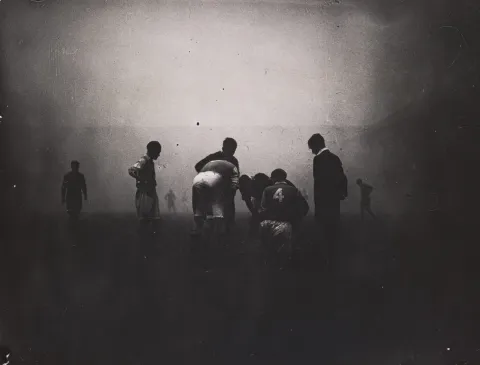
A friendly turned farce when fog hid players swapping in extras—did Dynamo Moscow secretly field 15 men? Arsenal hosted Dynamo Moscow in thick London fog; the ref ignored pleas to stop. Moscow allegedly subbed without removing players, Arsenal's goalie knocked himself out (replaced by a spectator), and a sent-off player sneaked back on. Ended 4-3 to Moscow amid accusations.
The Deeper Game tweet media
English
0
0
2
261
The Deeper Game
The Deeper Game@TheDeeperGame·
24/ Beyond the European adventure, Smith's second spell was marked by continued domestic success. He guided Rangers to three more league titles (2008-09, 2009-10, and 2010-11), two Scottish Cups (2007-08, 2008-09), and three League Cups (2007-08, 2009-10, 2010-11). This brought his total trophy haul at Rangers to 21 major honors across both spells. The 2010 League Cup final against St. Mirren provided one of the most dramatic moments of Smith's second tenure. With Rangers reduced to nine men following red cards for Kevin Thomson and Danny Wilson, Smith darted to the touchline to reorganize his team. Kenny Miller's winning goal secured the trophy and demonstrated Smith's ability to adapt tactically under pressure. Walter Smith's retirement from management in May 2011 marked the end of an era not just for Rangers but for Scottish football as a whole. His final match was a 5-1 victory over Kilmarnock that secured Rangers' 54th league title, a fitting conclusion to a managerial career that had spanned over two decades. Smith's statistical achievements are remarkable by any measure. As Rangers manager across two spells, he won 10 league titles, 5 Scottish Cups, and 6 League Cups – a total of 21 major trophies that makes him the second-most successful manager in the club's history, behind only Bill Struth. His seven consecutive league titles during his first spell contributed to Rangers' historic nine-in-a-row achievement, while his later UEFA Cup final appearance demonstrated his tactical evolution.
The Deeper Game tweet media
English
0
0
1
112
The Deeper Game
The Deeper Game@TheDeeperGame·
23/ Rangers' path to the final was characterized by tactical discipline and defensive organization. They scored just 16 goals in 18 European matches but conceded only 11, demonstrating the effectiveness of Smith's pragmatic approach. Critics argued that the football was often "largely unexciting and unattractive," but Smith's priority was results rather than style. The quarter-final victory over Sporting Lisbon epitomized Smith's tactical approach. After a 0-0 draw at Ibrox, Rangers traveled to Portugal and secured a 2-0 victory through disciplined defending and clinical finishing. The semi-final against Fiorentina was even more dramatic, with Rangers progressing 4-2 on penalties after two 0-0 draws. The final itself, held at the City of Manchester Stadium on May 14, 2008, ended in disappointment as Rangers lost 2-0 to Zenit St. Petersburg. However, the achievement of reaching the final was extraordinary given the circumstances. An estimated 200,000 Rangers supporters traveled to Manchester for the occasion, creating what many described as the largest traveling support in football history.
The Deeper Game tweet media
English
1
0
1
166
The Deeper Game
The Deeper Game@TheDeeperGame·
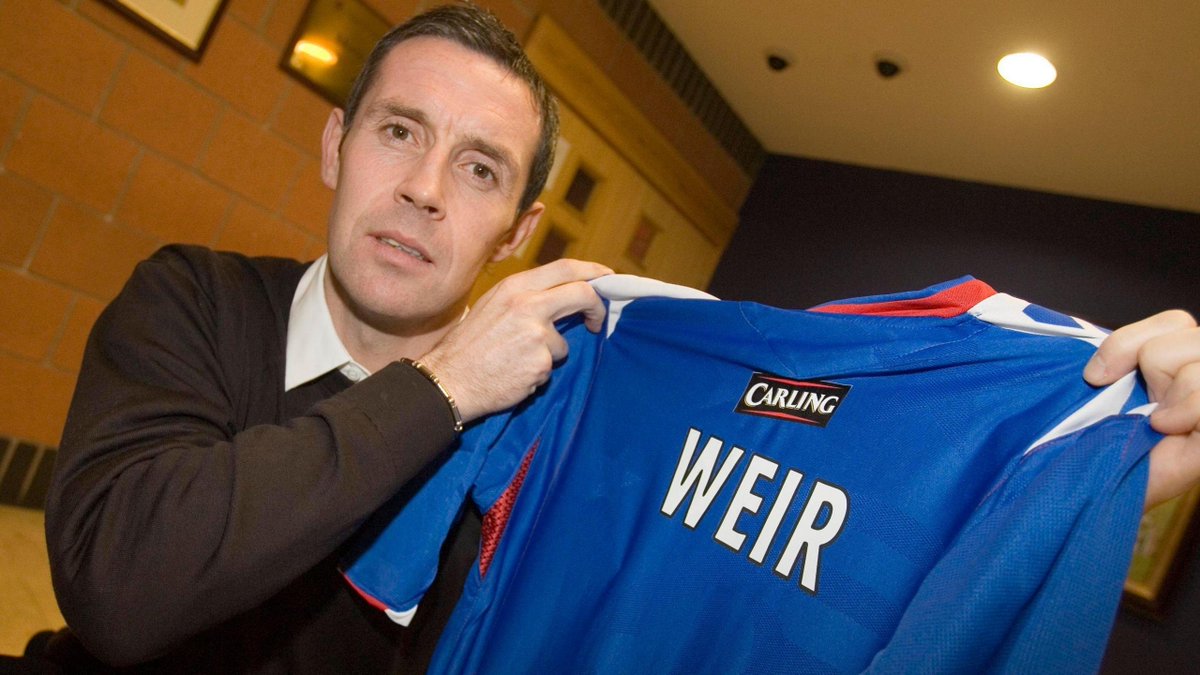
22/ The transformation was remarkable. Smith's first major signing was David Weir, a 37-year-old center-back whom he knew from their time together at Everton. Many questioned the wisdom of signing such an aging player, but Weir's leadership and experience proved invaluable, with the defender going on to captain Rangers to three league titles and playing until the age of 41. Other astute signings included Carlos Cuellar from Osasuna and Sasa Papac as a free agent from Austria Vienna. These players may not have possessed the star quality of previous Rangers teams, but they embodied the work ethic and commitment that Smith valued above all else. The culmination of Smith's tactical evolution came during Rangers' remarkable run to the 2008 UEFA Cup final. This achievement represented perhaps Smith's greatest managerial accomplishment, as he guided a team with limited resources to compete with and defeat some of Europe's finest clubs.
The Deeper Game tweet media
English
1
0
1
139
The Deeper Game
The Deeper Game@TheDeeperGame·
21/ The Glorious Return: Second Rangers Spell (2007-2011) When Rangers approached Smith about returning to Ibrox in January 2007, the club was in crisis. Under French manager Paul Le Guen, Rangers had endured a chaotic period marked by player revolts, tactical confusion, and poor results. The appointment of Smith represented a return to stability and proven success, though the challenge facing him was markedly different from his first spell. The Scottish football landscape had changed dramatically since Smith's departure in 1998. Celtic had established themselves as the dominant force in Scottish football, winning multiple titles and establishing a significant financial advantage through superior commercial operations and European competition revenue. Rangers' financial situation was becoming increasingly precarious, limiting Smith's ability to compete in the transfer market. However, Smith's second spell at Rangers would prove that tactical acumen and man-management skills could overcome financial disadvantages. Rather than trying to replicate the expensive star-studded teams of his first tenure, Smith focused on building a cohesive unit from budget signings and veteran players seeking to extend their careers.
The Deeper Game tweet media
English
1
0
0
80
The Deeper Game
The Deeper Game@TheDeeperGame·
19/ One of Smith's most significant early achievements was securing a creditable 1-1 draw with Italy at Hampden Park in March 2005. The Italian team would go on to win the World Cup just ten months later, making Scotland's performance all the more impressive. This result provided early evidence that Smith's methods were working and that Scotland could compete with the world's best teams when properly organized and motivated. Before the start of Euro 2008 qualifying, Smith took Scotland on a morale-boosting trip to Japan to compete in the Kirin Cup. This initiative demonstrated his understanding that successful international management extends beyond tactical preparation to include building team spirit and exposing players to different environments and challenges. The defining moment of Smith's tenure as Scotland manager came on September 7, 2006, when Scotland recorded a famous 1-0 victory over France in a Euro 2008 qualifying match at Hampden Park. The French team were the World Cup runners-up, having lost the final to Italy just two months earlier, making Scotland's victory all the more remarkable.
The Deeper Game tweet media
English
1
0
0
86
The Deeper Game
The Deeper Game@TheDeeperGame·
20/ The victory over France temporarily placed Scotland at the top of their qualifying group by three points, raising hopes of reaching the European Championship finals for the first time since 1996. However, a subsequent 2-0 defeat to Ukraine on October 11, 2006, marked the beginning of a decline that would ultimately cost Scotland a place at Euro 2008. Despite not achieving qualification for a major tournament, Smith's impact on Scotland was profound and lasting. During his tenure, Scotland's FIFA World Ranking improved by an remarkable 70 places, reflecting the team's improved performances and results. More importantly, he restored pride in wearing the Scotland jersey and established foundations that his successors could build upon.
English
1
0
0
68
The Deeper Game
The Deeper Game@TheDeeperGame·
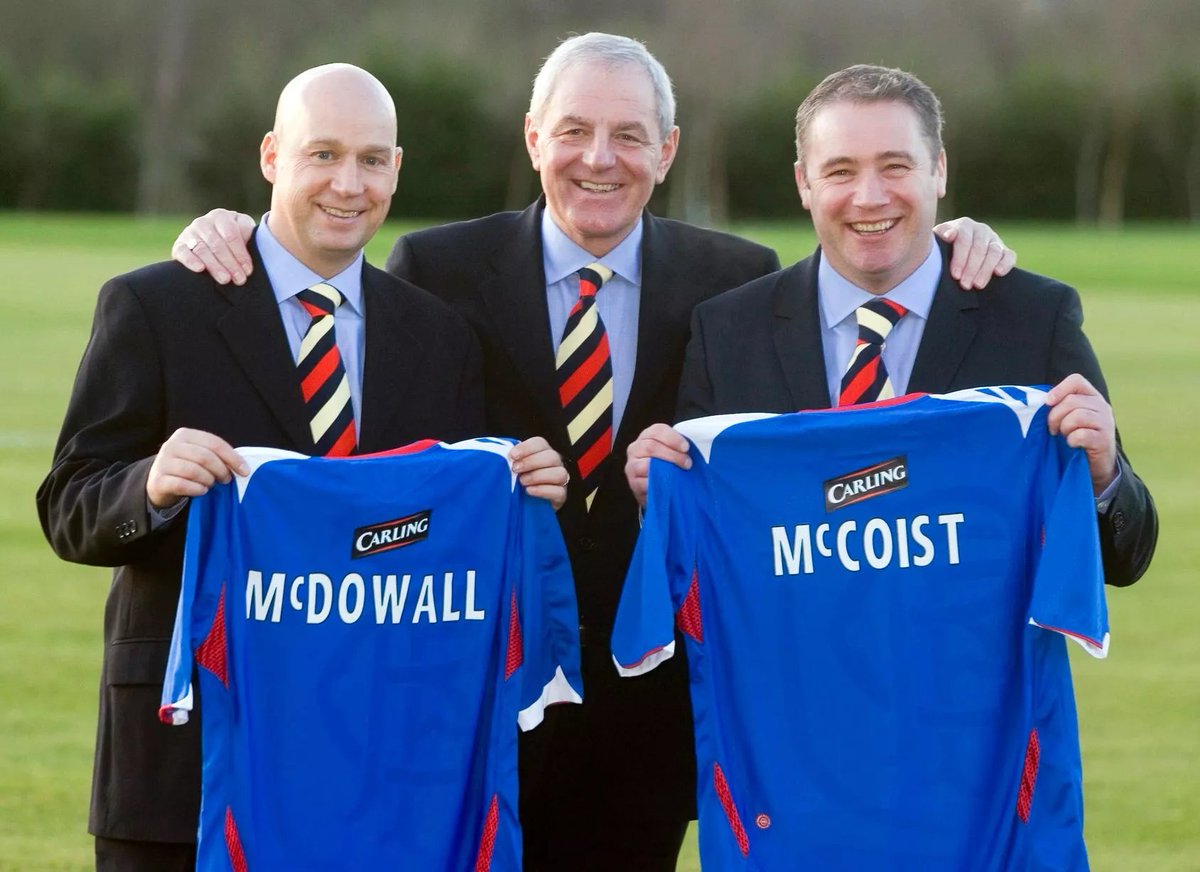
18/ Restoring National Pride: Scotland Manager (2004-2007) When Berti Vogts resigned as Scotland manager in November 2004, the national team was at its lowest ebb in living memory. Sitting 88th in the FIFA World Rankings and having failed to qualify for major tournaments consistently, Scotland football was in desperate need of revival. Smith's appointment on December 2, 2004, was greeted with cautious optimism by a fan base that had endured years of disappointment. The challenge facing Smith was immense. Scotland's previous World Cup qualifying campaign had been a disaster under Vogts, and the team's performances had been characterized by a lack of confidence, tactical coherence, and national pride. Smith's task was not merely to improve results but to restore belief in the Scotland jersey and reconnect the national team with its supporters. Working alongside a "coaching dream team" of Ally McCoist and Tommy Burns, Smith quickly set about implementing changes. His first priority was to restore pride and professionalism to the Scotland setup, drawing on his experience of managing at the highest level to establish proper standards and expectations.
The Deeper Game tweet media
English
1
0
0
62
The Deeper Game
The Deeper Game@TheDeeperGame·
17/ Return to Elite Football: Manchester United Assistant (2004) After spending two years away from football management, Smith returned to the elite level in March 2004 when he accepted an invitation from Sir Alex Ferguson to serve as assistant manager at Manchester United for the remainder of the 2003-04 season. This appointment represented both a reunion of old friends and a recognition of Smith's enduring qualities as a coach. The partnership between Ferguson and Smith had its roots in their collaboration with the Scotland national team at the 1986 World Cup, and their friendship had endured through the subsequent years. Ferguson's decision to bring Smith to Old Trafford demonstrated his trust in the Scotsman's abilities and his belief that Smith could contribute to Manchester United's continued success. Smith's brief spell at Manchester United coincided with the club's FA Cup triumph, as they defeated Millwall 3-0 in the final at the Millennium Stadium in Cardiff. While Smith's specific contributions to this success are difficult to quantify, his presence clearly added value to Ferguson's coaching setup during a crucial period of the season.
The Deeper Game tweet media
English
1
0
0
106
The Deeper Game
The Deeper Game@TheDeeperGame·
16/ Smith's final season at Everton began with the team struggling from the outset. The 2001-02 campaign was characterized by poor performances and results, with Everton collecting just 30 points from 29 matches by the time of Smith's dismissal in March 2002. The nadir came with a humiliating 3-0 home defeat to Third Division Tranmere Rovers in the FA Cup fourth round, a result that epitomized the club's decline under his management. When Smith was sacked in March 2002 with Everton sitting 16th in the table, it felt like a relief for all parties involved. The appointment was never able to fulfill its potential, with Everton never breaking into the top half of the Premier League table during Smith's four-year tenure. David Moyes was appointed as his replacement and managed to guide Everton to a respectable mid-table finish, suggesting that the squad's problems were as much tactical and motivational as they were financial.
English
1
0
0
85
The Deeper Game
The Deeper Game@TheDeeperGame·
14/ Smith's first season at Goodison Park was marked by instability both on and off the pitch. The sale of Duncan Ferguson to Newcastle United for £8 million in November 1998 was conducted without Smith's knowledge, leaving the manager feeling undermined and questioning his future at the club. Smith later admitted that he "thought about quitting the club many times" after the Ferguson incident, describing the situation as "ridiculous" and unlike anything he had experienced at Tannadice or Ibrox. The breakdown in communication was symptomatic of broader issues within Everton's management structure. Smith reflected on this period with characteristic honesty: "The sort of situation that arose at Goodison would never have happened at Tannadice or Ibrox. I was taken aback by such a deliberate breakdown in communications, and day after day I reviewed my position and asked myself if there was any future for me." Despite these challenges, Smith persevered and managed to achieve Premier League survival. The acquisition of Kevin Campbell from Turkish club Trabzonspor in April 1999 proved crucial, with the striker scoring nine goals in five games to help Everton avoid relegation, finishing 14th with 43 points in his first season.
The Deeper Game tweet media
English
1
0
0
105
The Deeper Game
The Deeper Game@TheDeeperGame·
15/ The 1999-2000 campaign represented Smith's most successful period at Everton. Despite an inconsistent start that saw Everton win just two of their opening six fixtures, the permanent signing of Campbell for £3 million, along with the addition of Joe-Max Moore and the return of former Rangers defender Richard Gough, helped offset the departures of Marco Materazzi and Olivier Dacourt. This season saw Everton achieve their best finish under Smith, reaching 13th place with 50 points. However, the 2000-01 season marked a regression, with Everton slipping back toward relegation danger and finishing 16th with just 42 points. Injuries to key players like Francis Jeffers and Campbell, combined with limited funds for replacements, severely hampered the team's progress. Smith's decision to sign Mark Hughes represented a desperate attempt to extract value from an aging star, but it ultimately proved unsuccessful. Smith's tenure at Everton was characterized by tactical pragmatism born of necessity, but ultimately his four seasons yielded disappointing results. The team's league finishes of 14th, 13th, 16th, and 16th (when he was dismissed) reflected a club that never found consistency or momentum under his leadership. Without the resources to compete with the Premier League's elite, he focused on defensive organization and physical commitment, but this approach struggled to produce the results needed to satisfy supporters or the board.
The Deeper Game tweet media
English
1
0
0
95
The Deeper Game
The Deeper Game@TheDeeperGame·
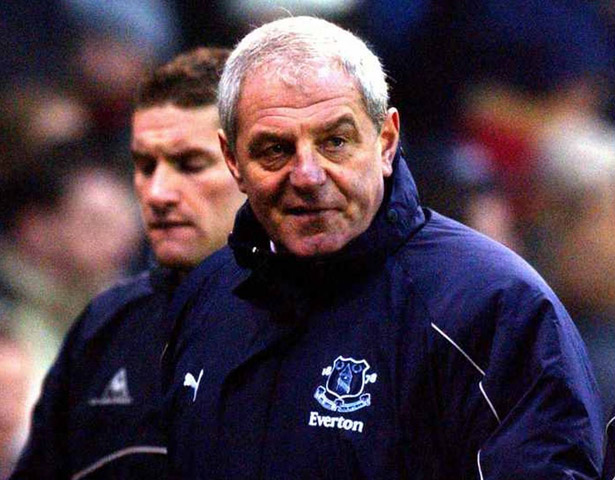
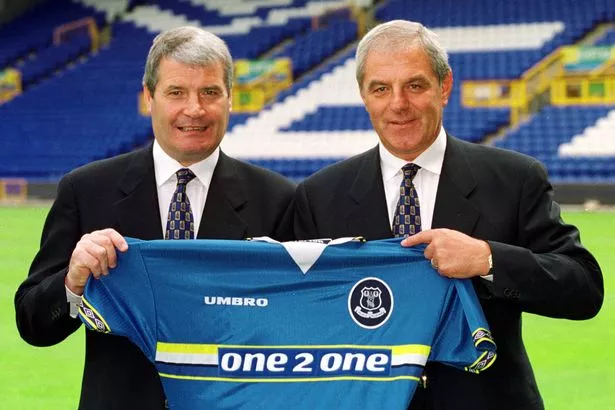
13/ The English Challenge: Everton Years (1998-2002) Having conquered Scottish football, Smith faced the ultimate test of his managerial credentials by accepting the challenge of managing in the English Premier League with Everton. The appointment in July 1998 was seen as a natural progression for a manager of Smith's stature, but it would prove to be the most challenging period of his career. Everton in 1998 was a club struggling to find its identity in the rapidly changing landscape of English football. The financial disparities that would later characterize the Premier League were already becoming apparent, and Everton found themselves competing with significantly fewer resources than many of their rivals.
The Deeper Game tweet media
English
1
0
0
85
The Deeper Game
The Deeper Game@TheDeeperGame·
9/ The crown jewel of this period was undoubtedly the completion of nine consecutive league titles, equaling the record previously set by Celtic between 1966 and 1974. This achievement was particularly significant given the competitive nature of Scottish football during the 1990s, with Celtic experiencing a renaissance under various managers and Aberdeen remaining a formidable force. Smith's success was built on a combination of shrewd recruitment, tactical flexibility, and an unwavering commitment to high standards. He signed 42 players during his quest to achieve nine in a row, spending over £50 million on transfer fees – more than any other club in Great Britain over the same period. However, significant sales, including Trevor Steven to Marseille for £5.5 million in 1991 and Duncan Ferguson to Everton for £4.3 million in 1994, meant the net spend was comparable to other major clubs.
The Deeper Game tweet media
English
1
0
0
77
The Deeper Game
The Deeper Game@TheDeeperGame·
12/ However, the pursuit of a record-breaking tenth consecutive title proved to be Smith's undoing. In an effort to secure this historic achievement, Rangers spent £13 million on eight new players for the 1997-98 season. The investment failed to pay off, with the team struggling in both domestic and European competition. Rangers were beaten 4-1 by IFK Gothenburg in the Champions League preliminary round and 4-2 by Strasbourg in the first round of the UEFA Cup. The poor European results increased pressure on Smith, and in October 1997, it was announced that he would leave Rangers at the end of the season. The final blow came when Celtic, under Wim Jansen, ended Rangers' dominance by claiming the 1997-98 league title. The disappointment was compounded by a 2-1 defeat to Hearts in the Scottish Cup Final at Celtic Park, marking an anticlimactic end to one of the most successful eras in Rangers' history.
The Deeper Game tweet media
English
1
0
0
63
The Deeper Game
The Deeper Game@TheDeeperGame·
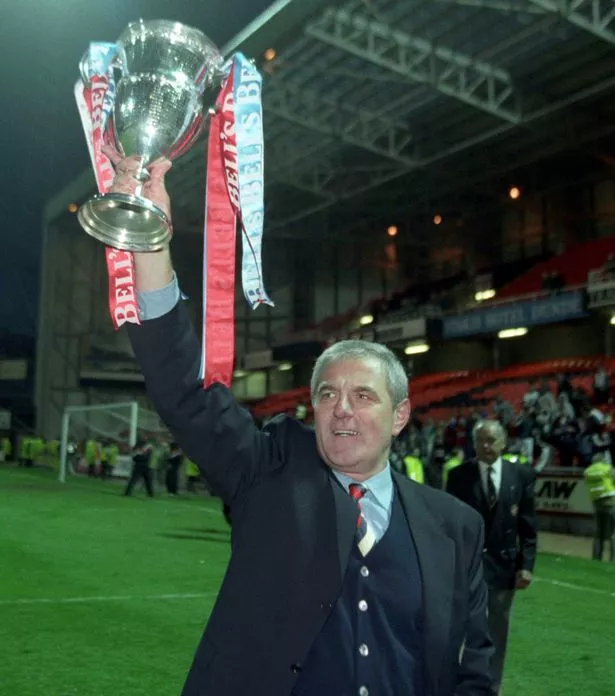
11/ The domestic treble achieved in 1992-93 represented the pinnacle of Smith's tactical innovation during this period. Rangers' fluid 4-4-2 formation allowed for tactical flexibility, with the team capable of adapting their approach based on the opposition and match situation. The defensive solidity provided by players like Richard Gough and John Brown was complemented by the attacking threat of Ally McCoist and Mark Hateley. Smith's European record during this period was more mixed, though Rangers achieved notable successes. The club reached the Champions League group stage in 1992-93, narrowly missing out on a place in the final after finishing as runners-up in a group won by eventual champions Marseille. This near-miss highlighted both the quality of Smith's team and the fine margins that separate success from failure at the highest level. The historic ninth consecutive title was clinched on March 7, 1997, with a 1-0 victory over Dundee United at Tannadice – fittingly, at the ground where Smith had begun his football education. The goal came from an unlikely source, a rare header from Brian Laudrup, and the celebration that followed reflected the magnitude of the achievement.
The Deeper Game tweet media
English
1
0
0
55
The Deeper Game
The Deeper Game@TheDeeperGame·
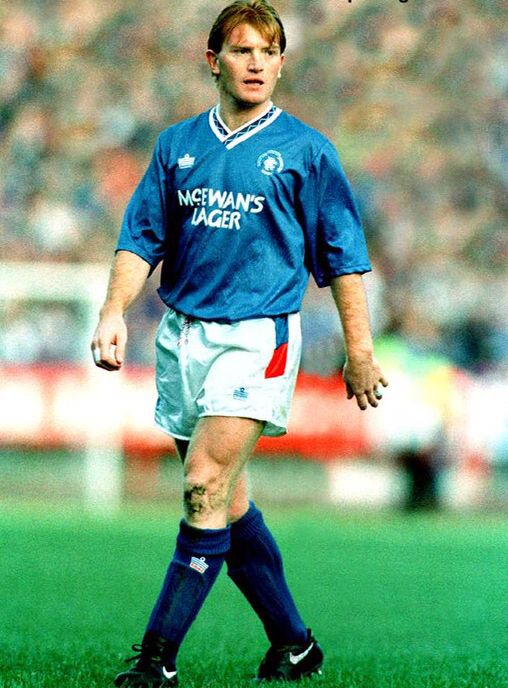
10/ Among Smith's most astute signings was Stuart McCall, acquired from Everton in 1991 for what proved to be a bargain fee. McCall became the engine of Smith's midfield, embodying the work ethic and commitment that the manager demanded. The signing of Brian Laudrup from Fiorentina in 1994 added a different dimension to Rangers' play, with the Danish international providing creativity and flair that complemented the team's physical attributes. Laudrup himself later reflected on Smith's man-management skills: "For me, he didn't only see the player, he saw the human being. He was very interested in hearing my story, about my family and whether I had any kids, stuff like that. I sensed from that moment that for him and for me, the chemistry was there."
The Deeper Game tweet media
English
1
0
0
102
The Deeper Game
The Deeper Game@TheDeeperGame·
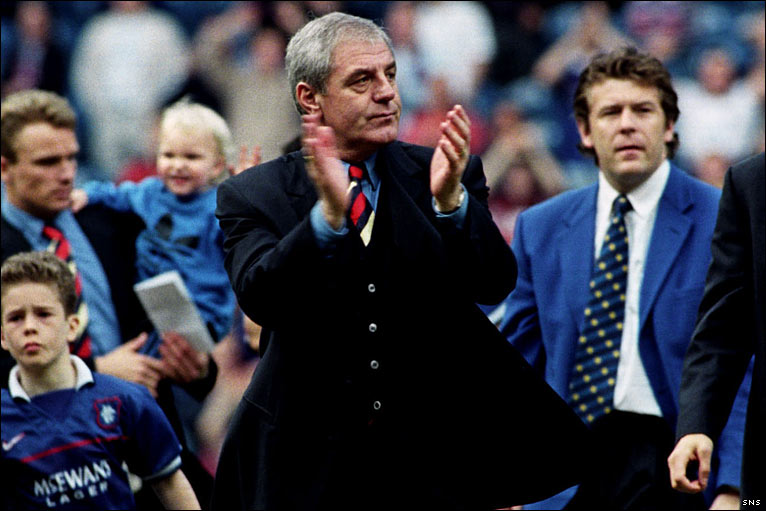
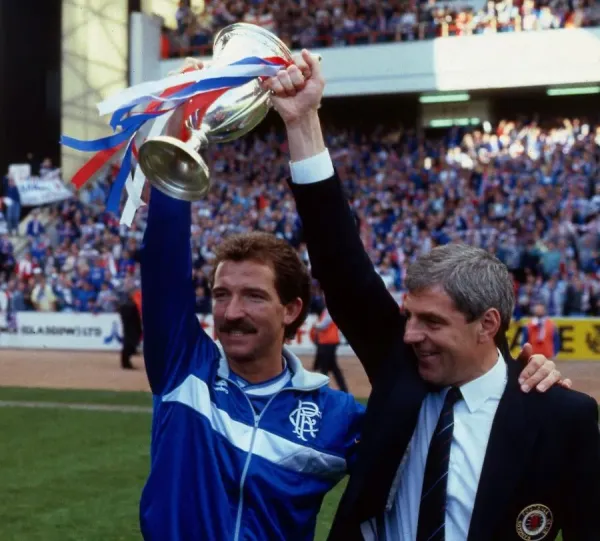
8/ Taking the Helm: The First Managerial Spell (1991-1998) When Souness departed for Liverpool in April 1991, Rangers faced a crucial decision. The board's choice to promote Smith from assistant to manager was vindicated almost immediately, as the club clinched its fourth title in five seasons to complete what would later be recognized as the first step toward an unprecedented nine consecutive championships. Smith's appointment as permanent manager in May 1991 marked the beginning of the most successful period in Rangers' modern history. At 43 years old, he inherited a squad already accustomed to winning but faced the challenge of maintaining that momentum while establishing his own identity as a manager. The scale of Smith's achievement during his first managerial spell cannot be overstated. Between 1991 and 1998, he guided Rangers to seven consecutive league titles, three Scottish Cups, and three League Cups – a total of thirteen major trophies that established him as one of the most successful managers in Scottish football history.
The Deeper Game tweet media
English
1
0
0
80
The Deeper Game
The Deeper Game@TheDeeperGame·
7/ The partnership between Souness and Smith proved to be immediately successful. In their first season together, 1986-87, Rangers captured both the Premier Division title and the League Cup, ending an eight-year wait for league success. The following season brought another League Cup triumph, and the 1988-89 campaign saw Rangers complete a domestic double with both the Premier Division and League Cup. Smith's role during this period was crucial but often understated. While Souness continued to play regularly until 1988, it was Smith who was the principal figure in the dugout for many matches. His tactical acumen and ability to read the game from the sideline complemented Souness's on-field leadership perfectly. This division of responsibilities was exemplified during the 1987 Scottish League Cup Final, where Smith took sole charge of the team as Souness was suspended. The success continued with another league title in 1989-90 and yet another League Cup triumph in 1990-91. However, Souness's volatile temperament meant he was frequently in trouble with authorities. From February 1989, he was subject to an extensive touchline ban, though he often circumvented this by naming himself as a substitute. During these periods, Smith's importance became even more pronounced as he effectively managed the team from the dugout.
The Deeper Game tweet media
English
1
0
0
55
The Deeper Game
The Deeper Game@TheDeeperGame·
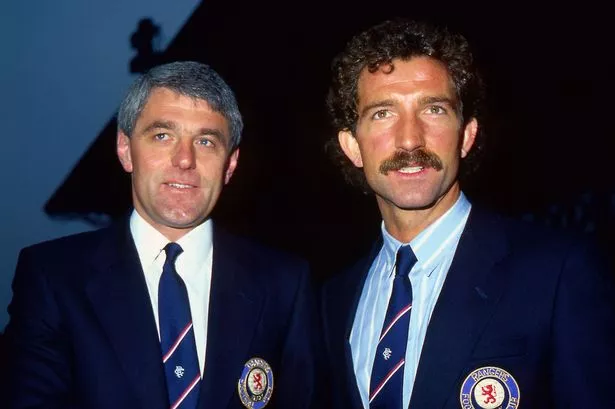
6/ The Souness Revolution and Assistant Manager Role In 1986, Scottish football was revolutionized by the arrival of Graeme Souness as player-manager at Rangers. The former Liverpool captain's appointment marked the beginning of a new era at Ibrox, one that would transform not only Rangers but Scottish football as a whole. Crucially for Smith's career trajectory, it had already been announced that he would be joining Souness as his assistant manager. This appointment represented a significant step up for Smith, moving from the relative obscurity of Dundee United's coaching setup to one of the highest-profile positions in Scottish football. Rangers, under the stewardship of the ambitious Souness, were determined to break Celtic's dominance and restore the club to its rightful place at the summit of Scottish football.
The Deeper Game tweet media
English
1
0
0
88
The Deeper Game
The Deeper Game@TheDeeperGame·
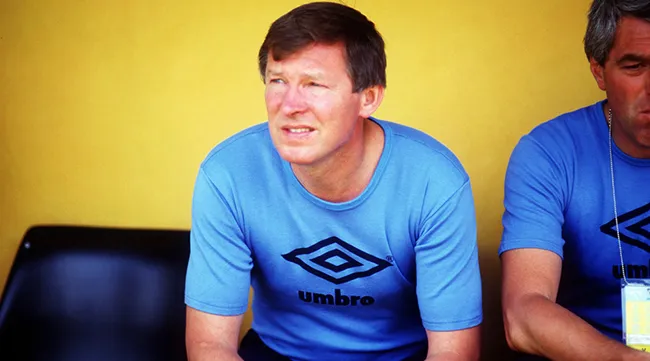
5/ Smith's coaching abilities were quickly recognized beyond Tannadice. He took charge of Scotland's under-18 and under-21 teams, demonstrating his capability to work with developing talent. This reputation for nurturing young players and his tactical acumen caught the attention of the senior Scotland setup, leading to his appointment as assistant to Alex Ferguson for the 1986 FIFA World Cup in Mexico. The experience of working alongside Ferguson on the international stage was invaluable for Smith. Ferguson's meticulous preparation, attention to detail, and ability to motivate players provided Smith with insights into elite-level management. More importantly, it established a friendship and professional relationship that would endure throughout both men's careers, with Ferguson later describing Smith as one of his closest confidants in football.
The Deeper Game tweet media
English
1
0
0
56