
Homira
6.6K posts
Homira
@TheHomira
Civil & Human Rights Activist. Focused on Hazara & women’s issues. All views are mine. RT≠endorsement. #StopHazaraGenocide @APPGHazara @hazarainquiry @eba_ac
United Kingdom Katılım Aralık 2014
1.3K Takip Edilen40.1K Takipçiler

@Mariamistan ❤️❤️
Mariam Solaimankhil@Mariamistan
I spoke at the European Parliament today about what Afghans are actually living through. Pakistan bombs our civilians. The Taliban erase our women. The world debates while Afghans bury their dead. Watch. Share. This is the truth they don’t want amplified.
QME
Homira retweetledi

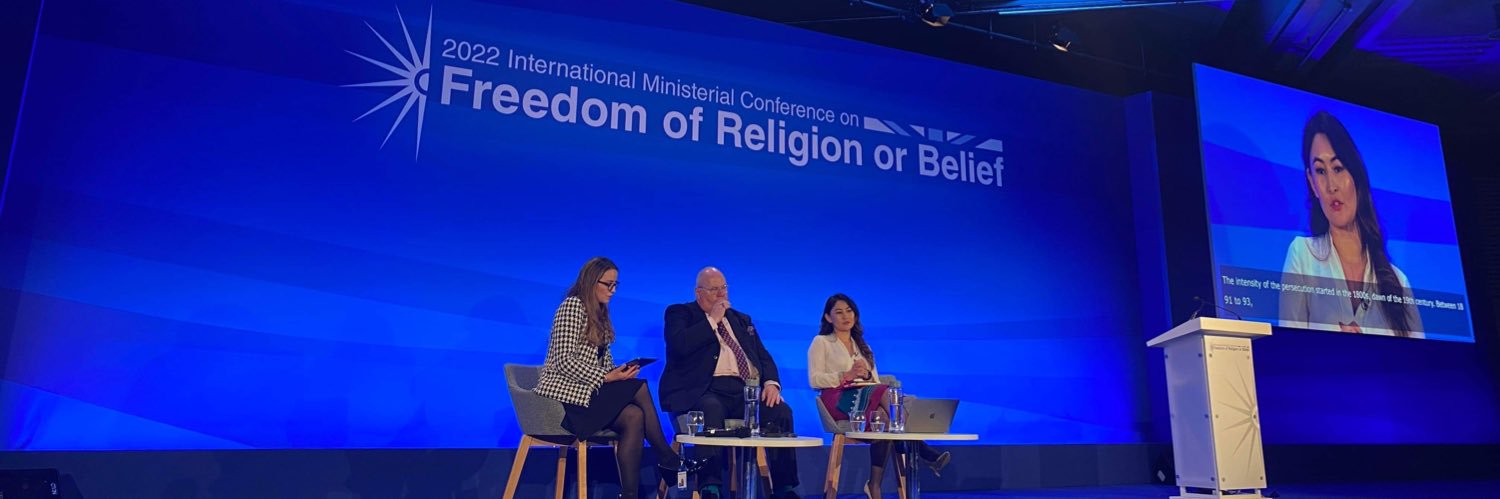
سخنرانی حمیرا رضایی، فعال حقوق بشر در سازمان ملل متحد
فارسی
Homira retweetledi
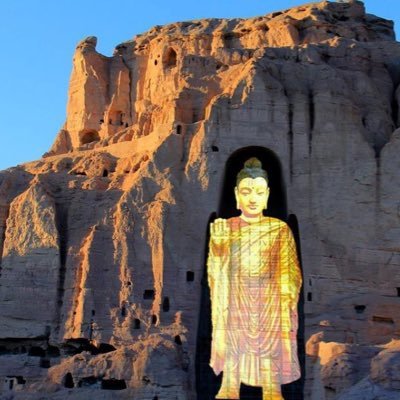
Thomas Barfield, a well-known social anthropologist and professor of Boston University, in interview with @SamiullahMahdi @AmuTelevision talks about the Hazara Genocide prepared by the notorious Afghan king, Abdur Rahman Khan during the 1890-1893 years.
#StopHazaraGenocide
English
Homira retweetledi
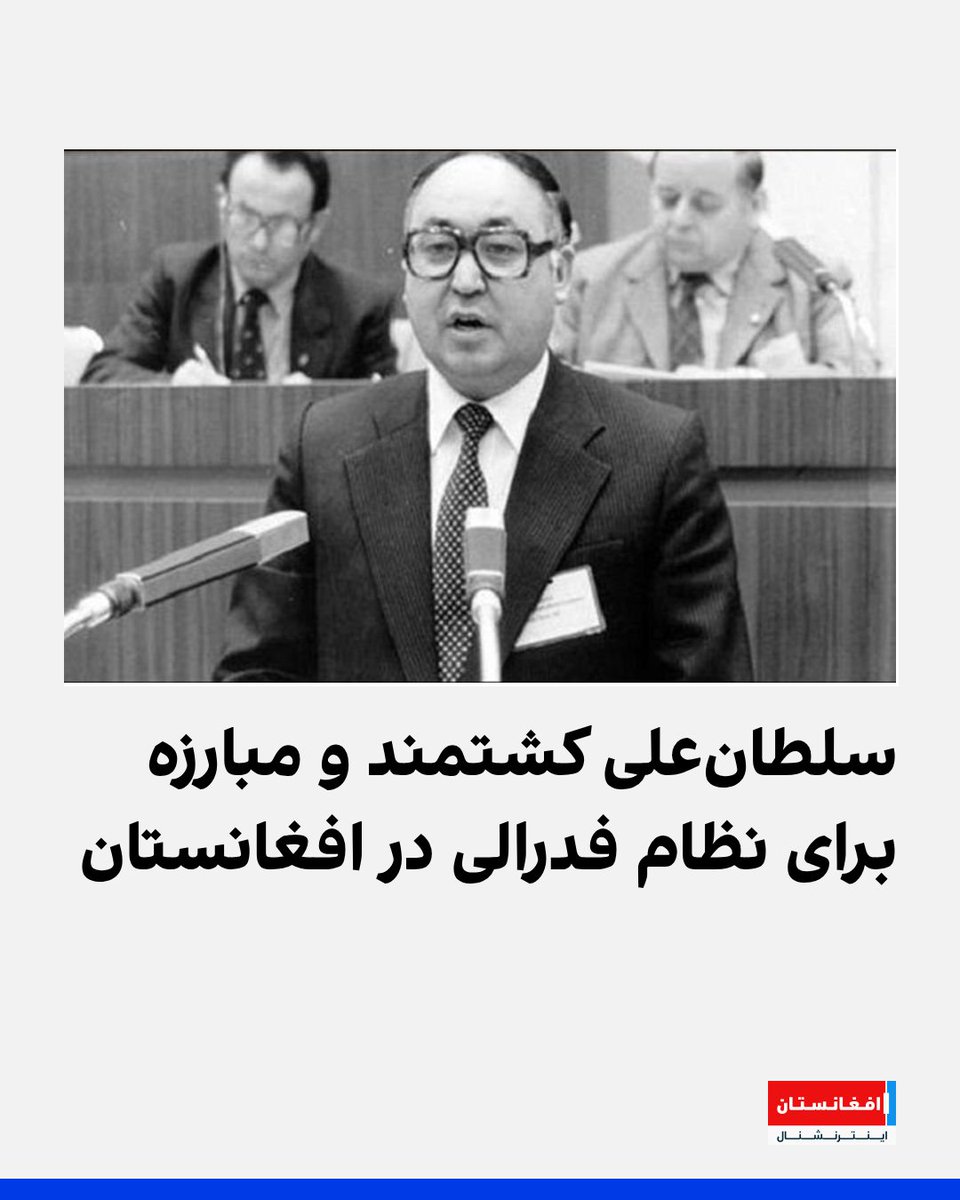
سلطانعلی کشتمند، صدراعظم سابق افغانستان، بهعنوان مدیری فنی و اصلاحگرا شناخته میشد. در دوران صدارت او قوانین متعدد اقتصادی، اجتماعی و اداری تدوین شد و تلاشهایی برای اصلاحات اداری و اقتصادی صورت گرفت، هرچند جنگ، حضور شوروی و بحرانهای سیاسی آن دوره بر عملکرد دولت سایه انداخته بود.
از نظر فکری، کشتمند از مدافعان برابری اقوام و حل «مسأله ملی» در افغانستان بود. او معتقد بود تبعیض قومی یکی از مشکلات اساسی کشور است و برای حل آن نظام فدرالی و خودگردانی محلی را پیشنهاد میکرد.
نخستین بار در دهه ۱۳۵۰ و در زمان جمهوری داوودخان، جناح پرچم طرحی برای قانون اساسی پارلمانی فدرال ارائه کرد که تهیه آن به کشتمند نسبت داده میشود. در دوران حکومت حزب دموکراتیک خلق، به دلیل حساسیتهای سیاسی این طرح عملی نشد، اما اقداماتی مانند تقویت شوراهای محلی، ایجاد زونهای اداری و تلاش برای تمرکززدایی بهعنوان گامهایی در جهت خودگردانی محلی مطرح شد.
در مقاله سرور دانش، معاون پیشین ریاستجمهوری افغانستان در وبسایت افغانستاناینترنشنال درباره دیدگاهها و مبارزات سلطانعلی کشتمند برای برقراری نظام فدرالی بیشتر بخوانید.
afintl.com/202603149730
فارسی
Homira retweetledi

امیر عبدالرحمن وقتل عام هزاره ها !!!
حمیرا رضایی، فعال حقوق بشر میگوید که امیر عبدالرحمن:
- ۶۲ درصد مردم هزاره را قتل و عام کرد
- در حکومت او، زنان هزاره به برده گیفروخته شدند
- هزاره ها از سرزمین های نیاکان شان کوچانده شدند وتا امروز ادامه دارد
- هزاره ها از ساختار های سیاسی کنار زده شدند
…
فارسی

همیشه موفق و سربلند باشید ما هزاره ها به چنین دختران با دانش، دلیر و شجاع نیاز داریم
Homira@TheHomira
At #CSW70, I spoke about intersectionality and access to justice for women in Afghanistan, highlighting how gender persecution intersects with ethnic and religious discrimination with a focus on Hazara women.
فارسی
Homira retweetledi
حمیرا رضایی، فعال حقوق بشر، میگوید خشونت علیه زنان در افغانستان تصادفی و موردی نیست بلکه بخشی از ساختار سیستماتیک سرکوب زنان است.
فارسی
Homira retweetledi
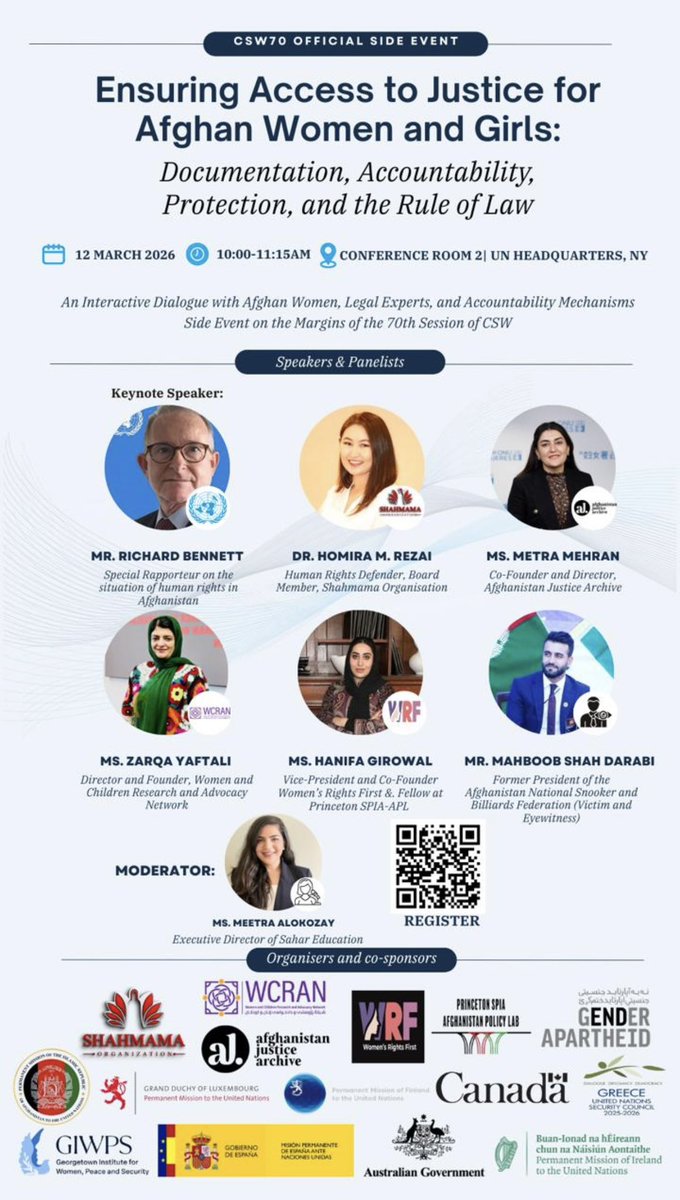
📣 Side Event | #CSW70
Ensuring Access to Justice for #AfghanWomen and Girls: Documentation, Accountability, Protection, and the Rule of Law
📅 Today
⏰ 10:00–11:15 AM (NY Time)
📍 United Nations Headquarters, New York – Conference Room 2
📺 Tune in using the following link to watch live:
webtv.un.org/en/asset/k14/k…
#AfghanWomen #HumanRights #Justice #CSW70
English
Homira retweetledi

حقیقتا این نوع اهانت و تحقیر برای ما ناشنا نیست. سالها با این واژهها و حتا بدتر از این زندگی کردیم و زخم خوردیم. اما این چرخهی خشونت و تبعیض در نهایت باید پایان یابد! تا آن روز برای آزادی و عدالت مبارزه کنیم تا افغانستان از شر این اندیشههای پوسیده آزاد شود.

فارسی
Equating a Hazara working in a Taliban-controlled office with Pashtuns supporting the Taliban is a false equivalence and quite frankly absolutely stupid.
For minorities under authoritarian rule, employment is often about survival within a system they did not choose. For many Hazaras, the Taliban are the very actors responsible for decades of persecution, massacres, displacement and systematic exclusion.
The Taliban control the entire state apparatus. If a Hazara works in a government office today, it reflects structural coercion and economic necessity, not ideological alignment.
Narratives like this by Pashtun women, presented without context, are deeply dangerous. They attempt to rewrite reality and suggest that a community that has been repeatedly targeted by the Taliban somehow “supports” them.
To claim that Hazaras support the Taliban is not only historically inaccurate, it is absurd.
🌲SimaNoori🌲@SimaNoori1
خانم اصيلا وردك متهم کردن مظلومترین قشر جامعه (زنان هزاره) به همکاری با نهادهای استخباراتی، نه «افشاگری» که همدستی با پروژههای بدنامسازی است. زنان هزاره پیشقراول جنبش #نان_كار_آزادی هستند، نه بخشی از ساختار سرکوب. از خونهای ریخته شده و عدالتخواهی این زنان خجالت بکشید. شماها به پشتوانه و بنام اعتراضات همين زنان كه هميشه سياهي لشكراستفاده ميشوند در نشستها از زن افغانستان نمايندگي ميكنيد . شما هميشه شكنجه ها و مظلوميت سه لايه اي زن هزاره توسط طالب را انكار كرديد نسل كشي هزاره را انكار كرديد حالا هم بدنام نسازيد. اگر طالب كسي را بكار گيرد مطمئن باش از همه اقوام است نه فقط هزاره. دختران هزاره ، اولين كساني بودند كه در دانشگاه كابل مسموم شدند ، ما شهداي كاج را داريم شهداي سيدالشهدا را و دهها نمونه كه تازكت قوم و مذهب و جنسيت شدند. كمي به حافظه تاريخ مراجعه كن . اين تاكتيك آينه معكوس ، اينجا كاربرد ندارد كه يك ملت را درگير مسايل پوچ كني. @AsilaA
English
Homira retweetledi

Displacement of Hazaras by Pashtuns has once again intensified following the return of the Taliban. Hazara families are being forcibly removed from their ancestral lands through coercion, intimidation, and violence, carried out both by Taliban authorities and Pashtun settlers emboldened by the regime’s protection.
This is not an isolated phenomenon but the continuation of a long history of dispossession that began under Abdur Rahman Khan, when Hazara lands were confiscated and redistributed to Pashtun tribes. Today’s expulsions reflect the persistence of this structural injustice, now reinforced by a regime that offers Hazaras no protection or legal recourse.
English
Today marks 25 years since the destruction of the Buddhas of Bamiyan by the Taliban in March 2001.
Before the statues themselves were destroyed, their faces were deliberately carved away; an act intended to erase their human presence and symbolic power. This mutilation reflected an ideology that seeks not only to demolish monuments, but to strip cultural heritage of its meaning and visibility.
The annihilation of these 6th-century monuments was therefore not simply the loss of archaeological treasures. It was also an attack on the historical and cultural landscape of the Hazara people, for whom Bamiyan has long been a centre of identity, memory, and belonging.
For Hazaras, the destruction of the Buddhas symbolised a wider pattern: cultural erasure as a tool of persecution. The removal of the faces and the subsequent demolition represented an attempt to deny the pluralistic history of Afghanistan and marginalise communities whose heritage reflects the region’s diverse civilisational past.
Twenty-five years on, the risks remain. Under renewed Taliban rule, cultural heritage sites, particularly those located in Hazara regions, continue to face neglect, ideological hostility, and potential destruction.
The international community, including organisations such as UNESCO, must strengthen monitoring and protection mechanisms to ensure that Afghanistan’s cultural heritage, especially in Bamiyan, is preserved.
Safeguarding cultural heritage is not only about protecting monuments; it is about protecting the memory, dignity, and historical presence of the communities to whom that heritage belongs.

English
Homira retweetledi
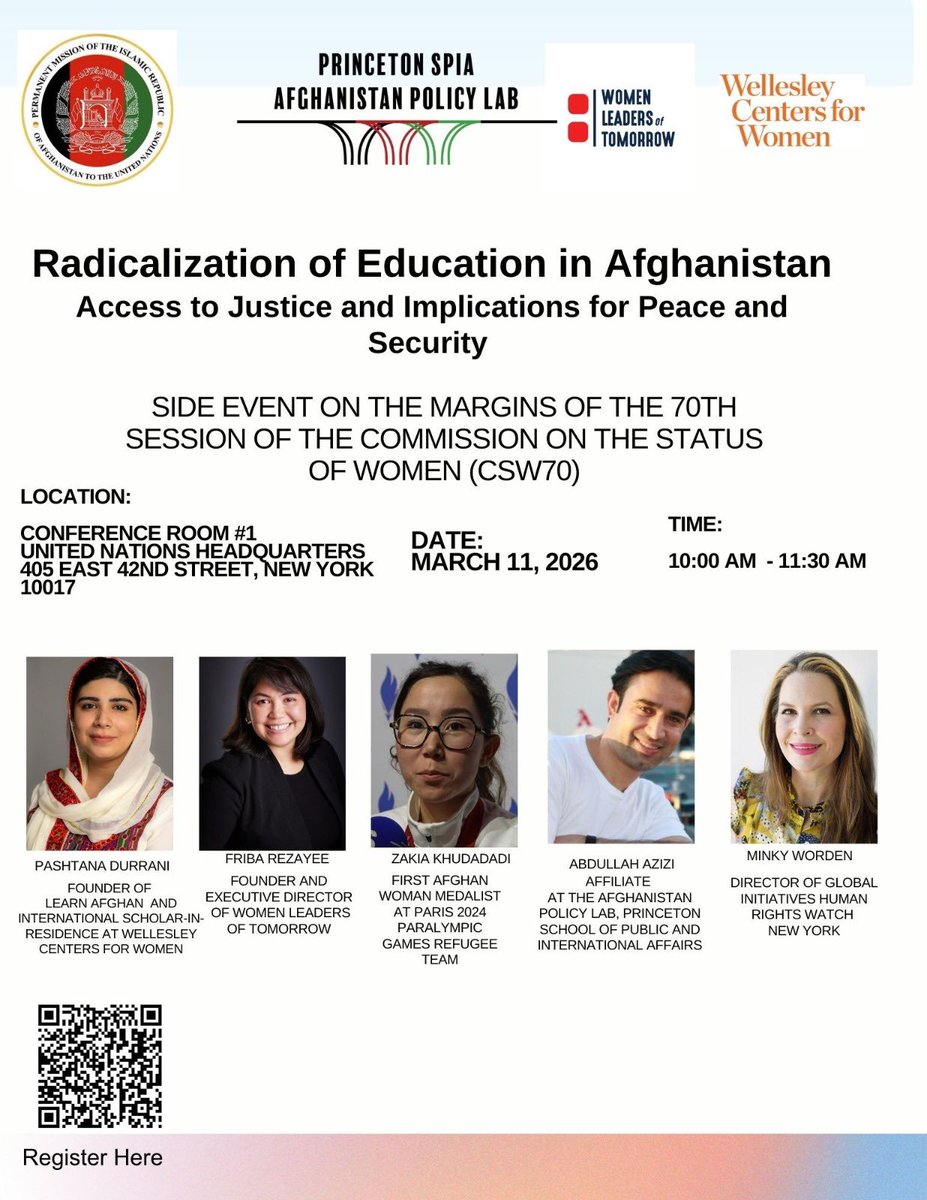
📣 Side Event | #CSW70
Radicalization of Education in #Afghanistan: Access to Justice and Implications for Peace & Security
📅 Today
⏰ 10:00–11:30 AM (NY Time)
📍 United Nations Headquarters, New York – Conference Room 1
Policymakers, experts, and civil society representatives will examine the radicalization of Afghanistan’s education system and its implications for access to justice, women’s rights, and long-term peace and security.
📺 Tune in using the following link to watch live:
webtv.un.org/en/asset/k1y/k…
Organized by:
@AFGMissionUN
#AfghanWomen #HumanRights #Education #CSW70
English
One point being overlooked: Zahra Joya’s tweet was quoting the message of a man from Bamiyan describing his own reality and perception. It was not a blanket claim about all Pashtuns.
Yet the response we are seeing is a wave of attacks on Zahra and on Hazaras more broadly, accompanied by distortions and narratives that misrepresent what was actually said.
This reaction also reflects a longer and troubling pattern in Afghanistan: Hazara voices have historically been dismissed, silenced, or delegitimised whenever they speak about their realities.
For more than a century, this silencing has allowed the persecution of Hazaras to continue largely unchallenged from the 1890 genocide to 1998 genocide and to the repeated targeting of Hazara civilians in recent decades.
If we are serious about honest dialogue, we must start by engaging with what was actually said, and by recognising that suppressing or distorting Hazara voices has historically been part of the conditions that enabled continued violence against them.
Acknowledging these realities is not division. it is confronting history & lived realities.
Zahra Joya@ZahraJoya
#پیامطندار از بامیان: «از لابیگران غرب نشین طالبان گیله نداشته باشید، هر کدام شان یک یا چند عضو فامیل شان در حکومت رژیم طالبان کار میکنند و پروژه میگیرند، تنها مردمی که بسیار آسیب دیده، اقوام غیر پشتون استند. منافع لابیگران با رژیم طالب تامین است، این قدر ساده نباشید.»
English
Homira retweetledi

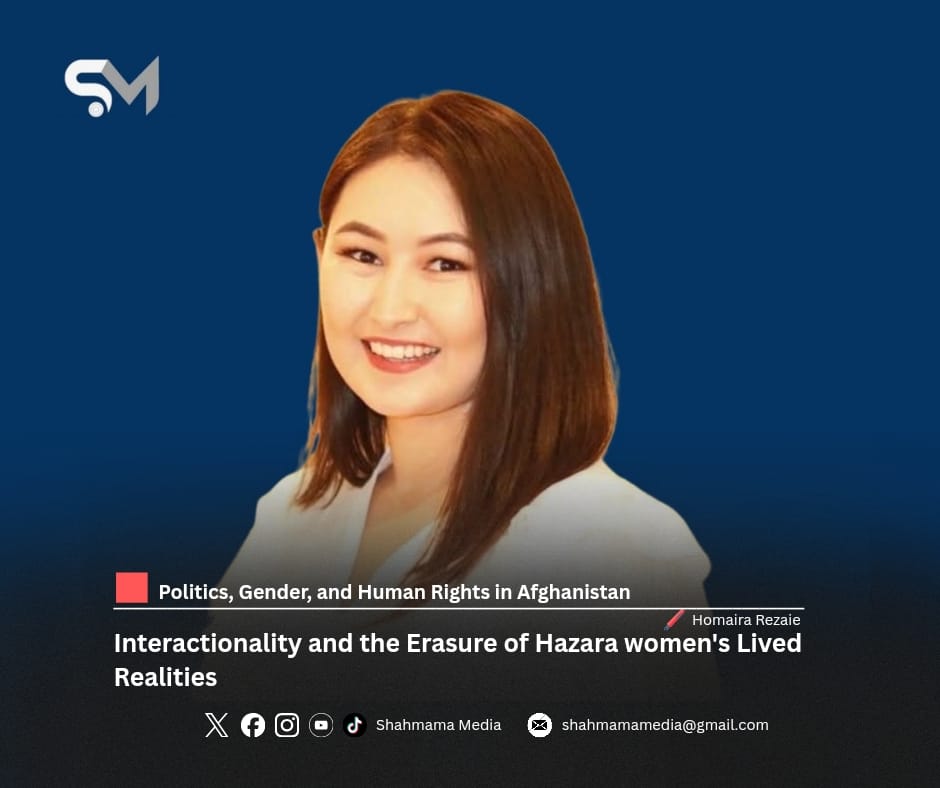
Intersectionality and the Erasure of Hazara Women’s Lived Realities
___
✒️: Homaira Rezaie
🕗: 3 minutes
Read More... 👇
t.me/c/2573818740/77
#StopHazaraGenocide
#HazaraWomen
@TheHomira
@UNHumanRights
English
Hanifa, no one is denying that many communities in Afghanistan have suffered during decades of war.
The point I raised was different: that Hazara women experience gender oppression alongside a documented history of ethnic and sectarian persecution stretching back more than a century.
Recognising that historical reality does not erase the suffering of others, nor does it assign collective blame to any ethnic group.
But when discussions about Hazara vulnerability are repeatedly redirected into “everyone suffered equally,” the specific patterns of persecution Hazara communities have faced risk being minimised or diluted.
With the risk of repeating myself - Intersectionality does not flatten history.
It asks us to recognise how different histories of power, marginalisation and violence intersect.
That is the point.
English
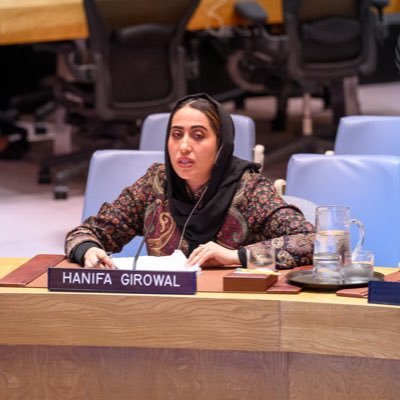
Homira jan, no one is denying the suffering of Hazaras or the horrific ISIS attacks against them in recent years. But the same lens should also acknowledge the suffering of other communities. While, Intersectionality requires historical context, it also demands analytical balance.
Pashtuns also experienced enormous violence during the last two decades of war, and many Pashtun women were deprived of basic rights and security in the name of counterterrorism and conflict. What many Afghan women face today under Taliban rule was already the daily reality for women in several Pashtun conflict zones for years. That history should also be part of the discussion.
History also should not lead to collective blame. The actions of Abdur Rahman Khan cannot be attributed to all Pashtuns, just as the actions of the Taliban cannot be attributed to all Pashtuns. His rule was brutal toward many groups who resisted his power, including tribes such as the Shinwaris in Nangarhar.
If intersectionality is about understanding how different forms of power and violence affect people, then the suffering of all communities in Afghanistan must be acknowledged, not just one.
English
Homira Jan Intersectionality was never meant to rank suffering. Justice cannot have a hierarchy. In post-colonial societies like Afghanistan, gender, ethnicity and power intersect. We cannot claim an intersectional lens for Hazara women while ignoring the layered violence Pashtun, Tajik, Uzbek and other Afghan women face under the same system. Solidarity means seeing all.
Homira@TheHomira
Solidarity among women in Afghanistan is important. But it is also important to recognise that women’s experiences in Afghanistan are not identical. Gender oppression under the Taliban affects all women, yet it intersects with ethnicity, religion, geography, and political power.
English