

Heather🦭
42 posts

Heather🦭
@TheMoonSnow
I draw / 16 / she/her / Astronomy and Miraculous fan
proship , shedtwt DNI‼️‼️ Katılım Aralık 2025
18 Takip Edilen19 Takipçiler

Heather🦭 retweetledi



Heather🦭 retweetledi
Heather🦭 retweetledi

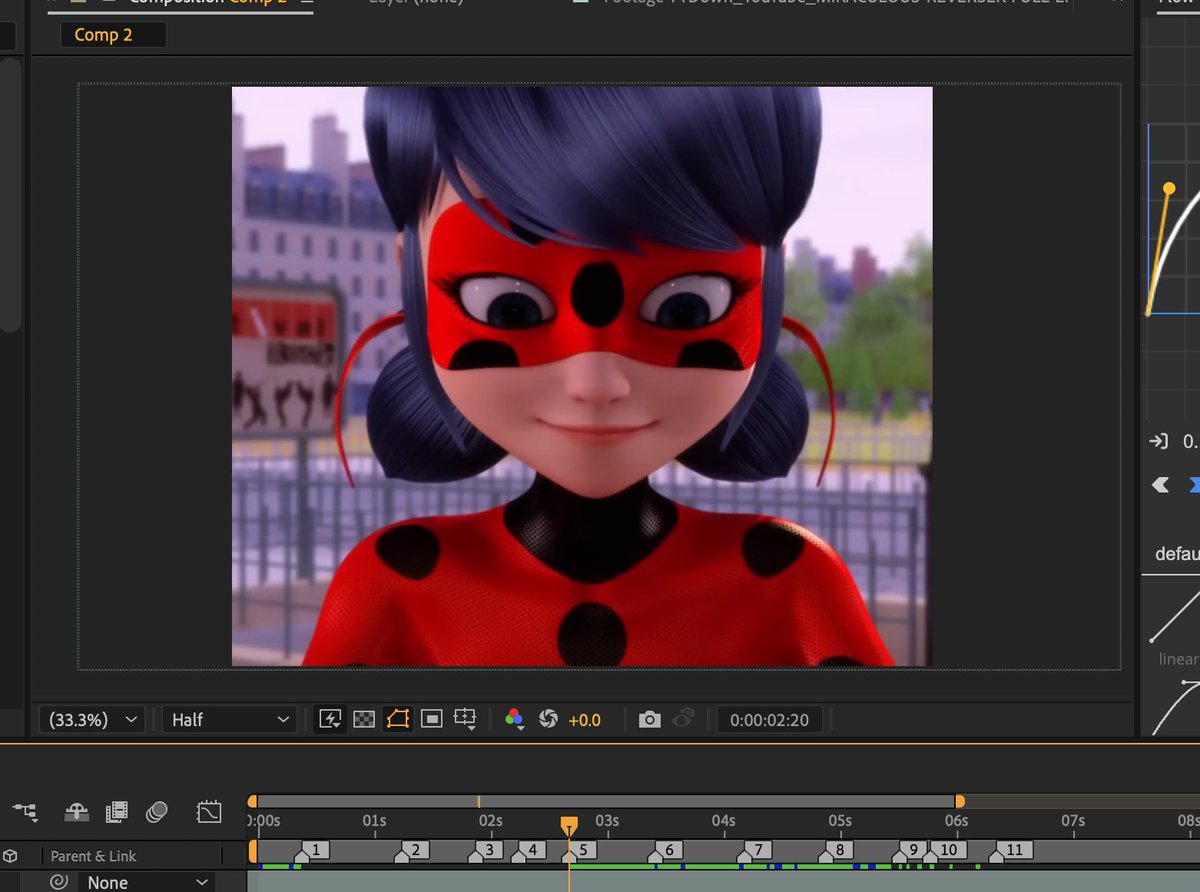
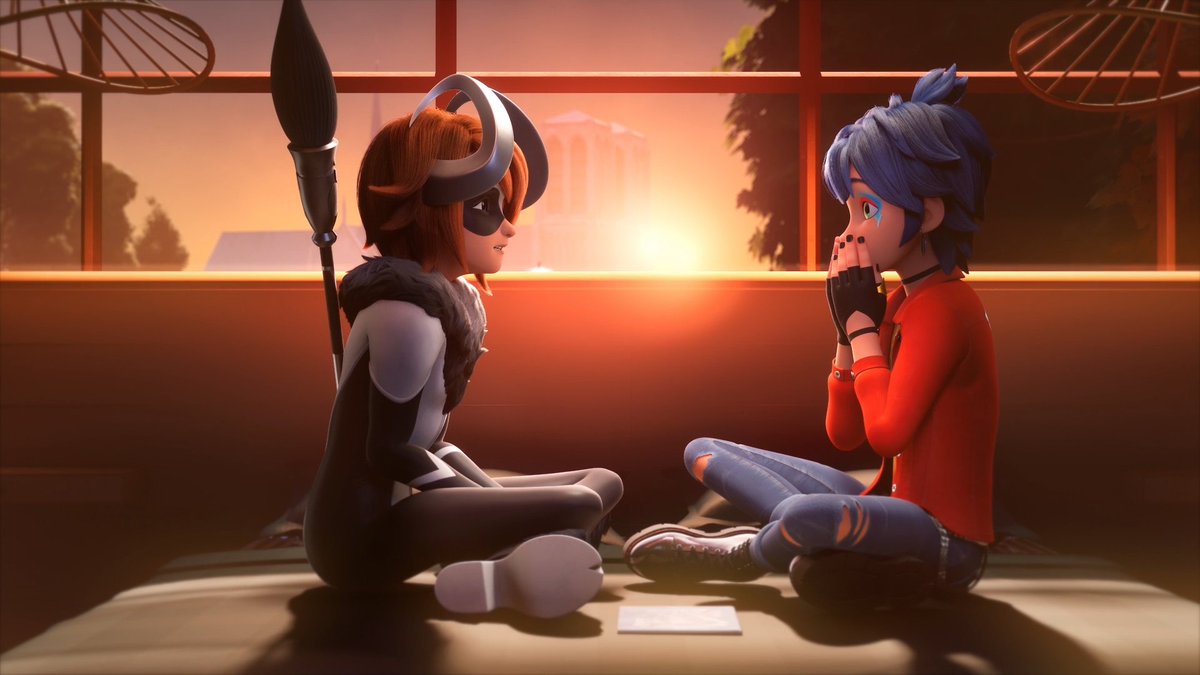
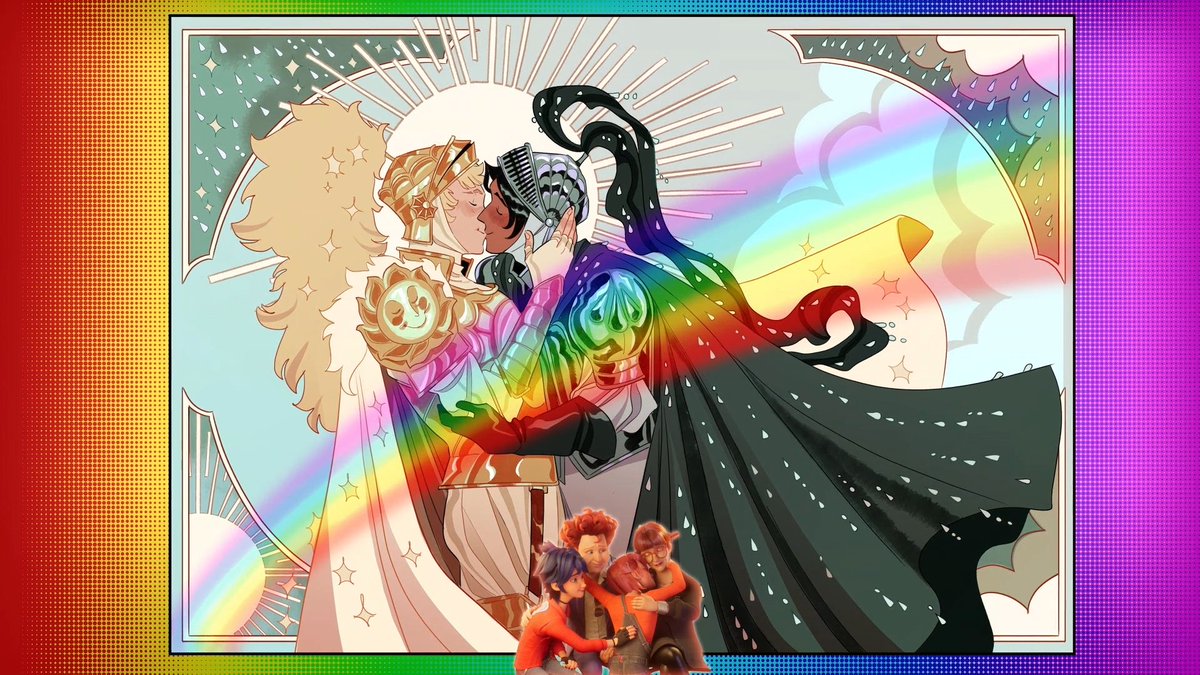
Season 6 Episode 15 "THE RULER" released one year ago today.
#MiraculousLadybug #MiraculousSeason6


English
Heather🦭 retweetledi

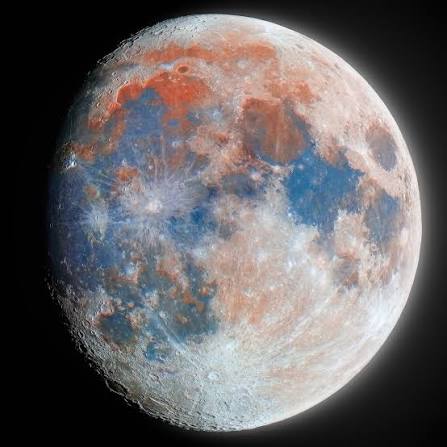
MOON(S) OF THE DAYYYY!!
LUNA AND TITAN?!!? (Holy favoritism)
English

@TheMoonSnow This was like over a week ago how did you find this.
English
I lowkey don't get bylers who only love one of the characters in the ship like fym you hate Mike/Will but is all for the other one?? THEY ARE A SET!! DO NOT SEPARATE!!!
English
Heather🦭 retweetledi


Heather🦭 retweetledi

Heather🦭 retweetledi

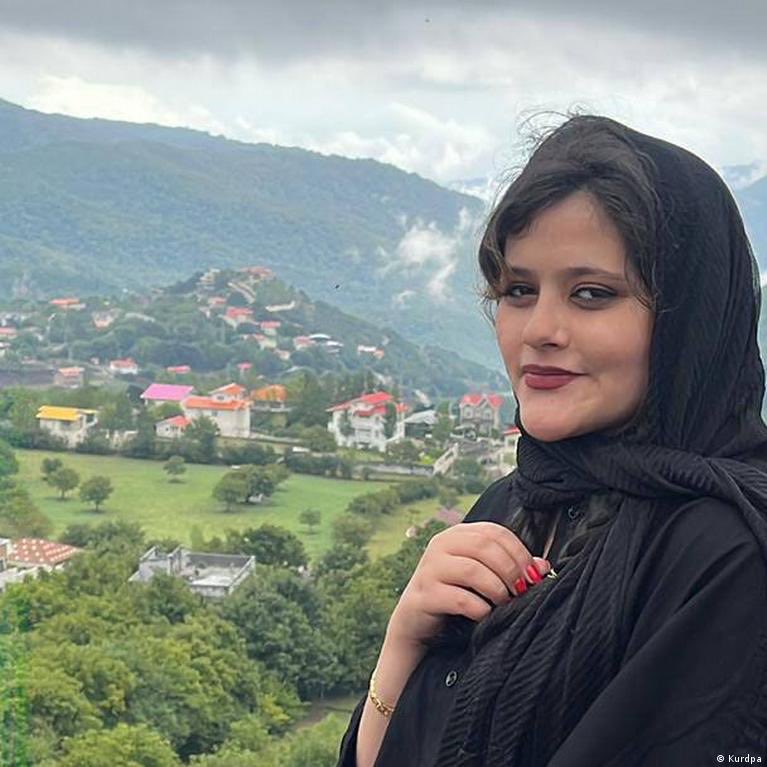
📍 Her name was Jina. Her family and community always called her Jina (meaning “life” in Kurdish), but Islamic Regime’s civil registration laws restrict non-Persian/Arabic names, especially ethnic ones, forcing families to use state-approved names officially while using the real one privately. This reflects broader systemic discrimination against ethnic identities under the regime.
English
Heather🦭 retweetledi
🥀March 8: Remember the Women of Iran
Mahsa Amini (known as Jina) a young Iranian woman, was born on September 21, 1999 in Saqqez, Kurdistan. She was 22 years old at the time of her death. Mahsa was described as quiet yet ambitious and independent; she had recently opened a small boutique shop set up by her father and was preparing to start university studies in the fall of 2022.
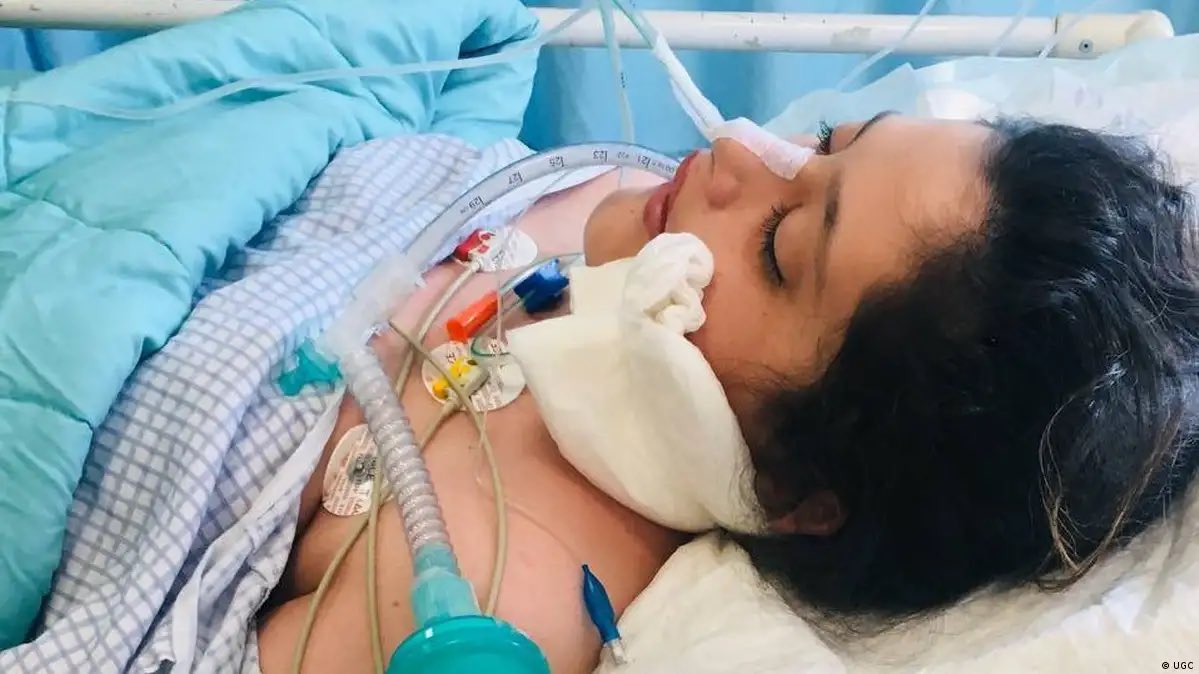
On September 13, 2022, while visiting Tehran with her brother, Mahsa was arrested by Iran’s Guidance Patrol (known as the morality police) for allegedly wearing her hijab “improperly” or violating compulsory hijab rules. Eyewitness accounts, family statements, and international investigations indicate she was subjected to severe physical violence and beatings inside the police van and at the detention center. She collapsed at the Vozara Detention Center, fell into a coma, and was transferred to Kasra Hospital in Tehran, where she died three days later on September 16, 2022.
Mahsa Amini’s death rapidly became a national tragedy and ignited the largest wave of protests in Iran since the 1979 revolution. Her funeral in Saqqez began with chants of “Woman, Life, Freedom” (Zan, Zendegi, Azadi), which spread nationwide and turned into massive demonstrations against compulsory hijab, gender discrimination, ethnic oppression, and the Islamic Republic regime as a whole. Millions of Iranians took to the streets in what became known as the Woman, Life, Freedom movement, a symbol of women’s resistance and broader calls for freedom and equality. The protests garnered global attention and solidarity.
Iranian authorities initially denied any wrongdoing, claiming Mahsa died from a pre-existing medical condition or natural causes. A 2024 United Nations Human Rights Council fact-finding mission explicitly concluded that Iran was responsible for the physical violence inflicted on Mahsa while in morality police custody, which led to her death, and described the subsequent crackdown on protesters as involving crimes against humanity, including disproportionate lethal force.
This injustice is deeply rooted in the Islamic Republic’s laws, particularly the compulsory hijab mandate enforced since the 1979 revolution and codified in various articles of the Islamic Penal Code. The morality police serve as the enforcement arm of these laws, systematically targeting women with harassment, arrests, and violence.
Mahsa’s case exemplified this structural oppression: a young woman lost her life simply for her appearance and choice of dress.
#InternationalWomensDay
#IranWar2026
English
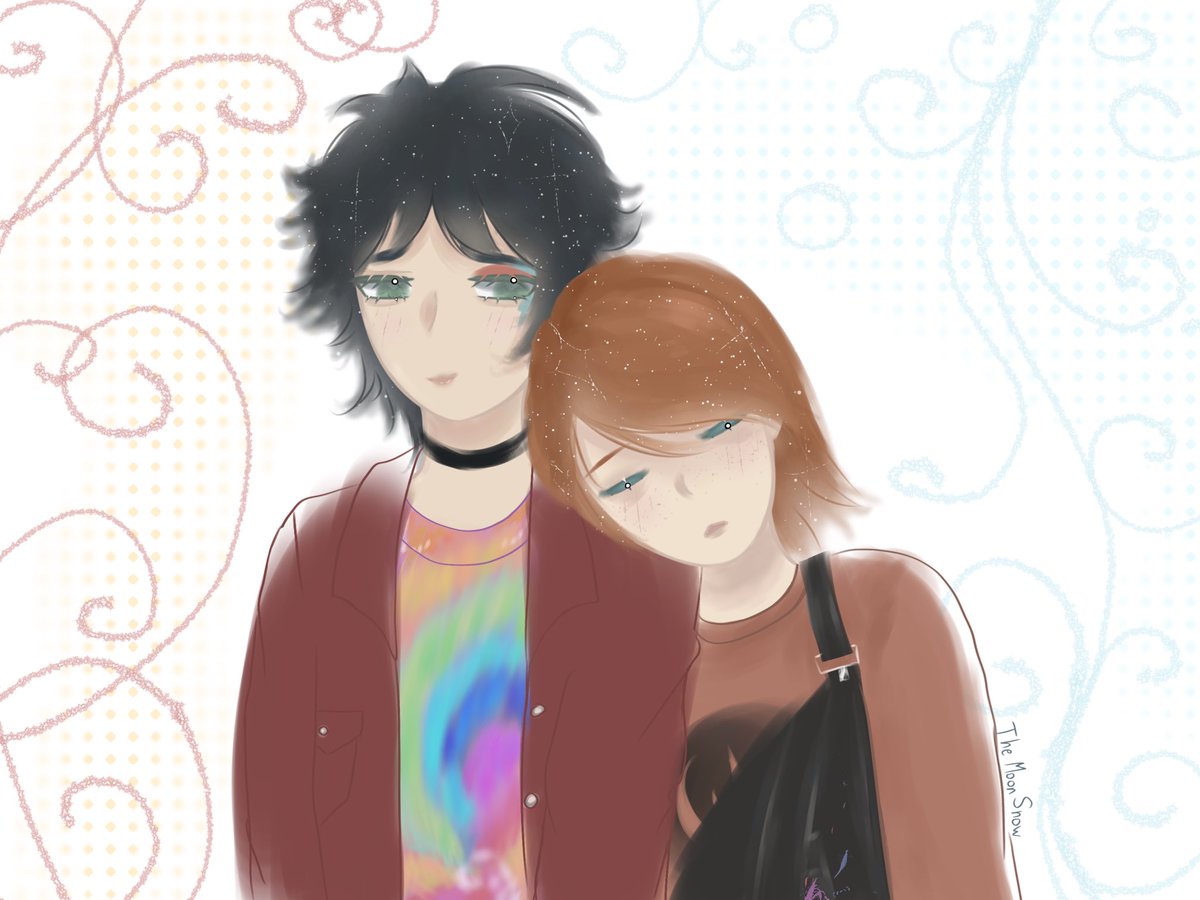
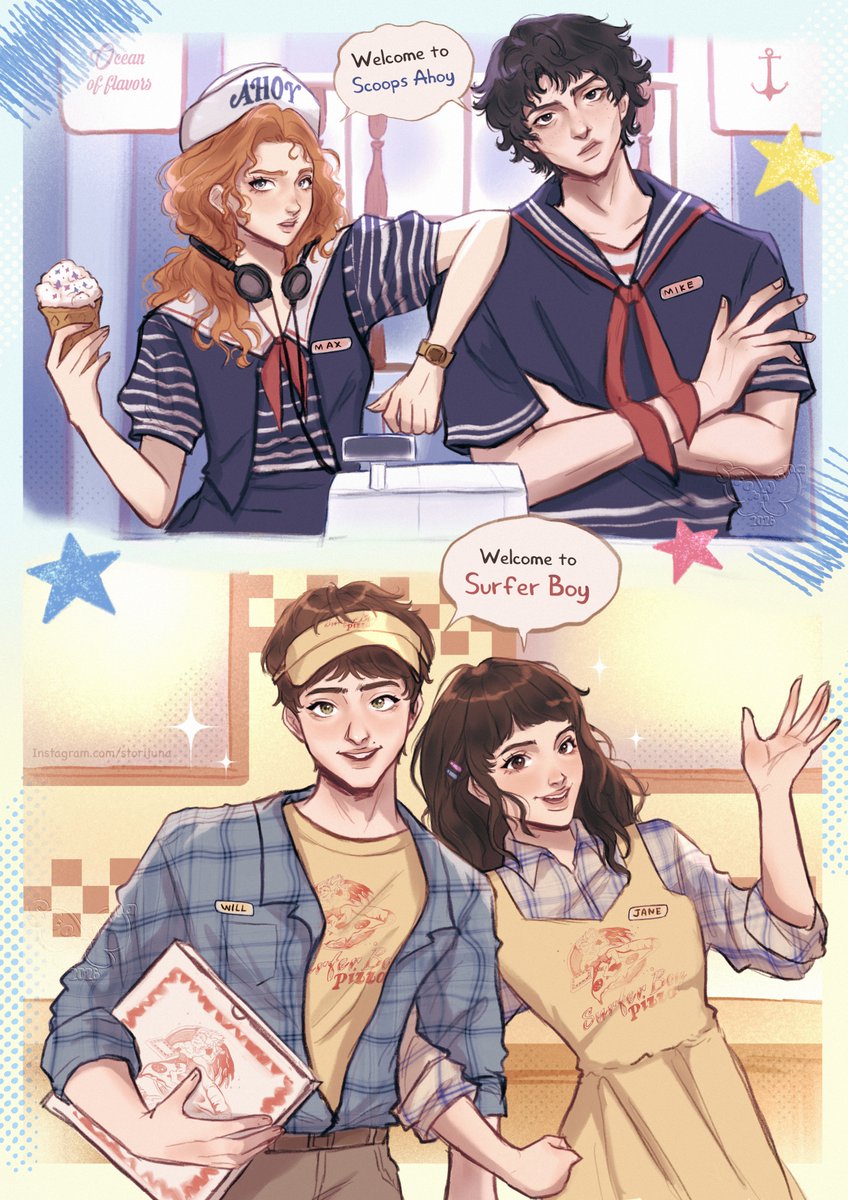
@storijuna Beautiful art!, can me and my friend use this as matching pfp? If yes we'll credit you in our bio :D
English

Heather🦭 retweetledi

Heather🦭 retweetledi

trying to draw for more than 3 minutes without getting distracted

English