Sabitlenmiş Tweet
Timo Mason🤠 | Wealth Writer
11.9K posts
Timo Mason🤠 | Wealth Writer
@Timo_Mason
I help you escape the 9–5 hell by growing and monetizing your Substack Personal Brand. Find me here 👉 https://t.co/Npar0CTnNq
Level Up Your Biz→ Katılım Ekim 2024
206 Takip Edilen4.2K Takipçiler

In the last 5 months I reached 4 million people on 𝕏 with AI-powered content.
Want the same results?
I packed all my knowledge into the AI-Powered 𝕏 Kickstart:
Get the free 5-day course here👇
timo-mason.kit.com/x
English

In the last 5 months I reached 4 million people on 𝕏 with AI-powered content.
Want the same results?
I packed all my knowledge into the AI-Powered 𝕏 Kickstart:
Get the free 5-day course here👇
timo-mason.kit.com/x
English

In the last 5 months I reached 4 million people on 𝕏 with AI-powered content.
Want the same results?
I packed all my knowledge into the AI-Powered 𝕏 Kickstart:
Get the free 5-day course here👇
timo-mason.kit.com/x
English

After months of AI-polished posts, readers are tuning them out.
Perfect syntax now reads like spam.
The posts that spread are the ones that sound unfiltered, conversational,
maybe even slightly awkward.
-> Your quirks are the differentiator <-
AI follows rules.
Writers bend them.
If your humor's dark, your tone unpredictable, or your grammar
occasionally unhinged, that's a win.
The most memorable creators write how they think, not how their teachers taught them.
- Start sentences with and
- Skip transitions
- Use slang
Say what you're not supposed to say.
That's exactly why readers stay.
Being grammatically correct or politically safe guarantees you'll sound like everyone else.
Refusing to put commas where they're supposed to be reminds people it's you.
So stop sanding down your edges.
In an algorithmic world, your imperfections are proof of life.
You can feel it online already.
An article about failing a launch gets more replies than a perfectly
structured guide.
A clumsy but heartfelt message builds more trust than a slick newsletter full of buzzwords.
It's about the moment when someone reads your words and thinks, yeah, me too.
About 10% of readers follow you for your insights and advice.
The other 90% are there because they relate to you.
You've failed like they did.
You spoke publicly the truth they carry in their hearts.
This connection flows only from human to human.
No AI can get between that.
For all the power AI brings, it still can't fake human desire.
That's the gap no machine can cross.
AI can imitate voice, but it can't create belonging.
That's your job.
So yes, use the tools.
Use them fast, use them well.
Let them draft, ideate, summarize.
Then step in and make it human again.
Feed them your stories and edit like there are no rules.
Keep the scars, the slang, the contradictions.
And you end up with content that's you and still built for real-world results.
English

In the last 5 months I reached 4 million people on 𝕏 with AI-powered content.
Want the same results?
I packed all my knowledge into the AI-Powered 𝕏 Kickstart:
Get the free 5-day course here👇
timo-mason.kit.com/x
English

In the last 5 months I reached 4 million people on 𝕏 with AI-powered content.
Want the same results?
I packed all my knowledge into the AI-Powered 𝕏 Kickstart:
Get the free 5-day course here👇
timo-mason.kit.com/x
English

Everyone says “stick with one tool.”
I used to believe that too.
But growth doesn’t come from loyalty but from curiosity.
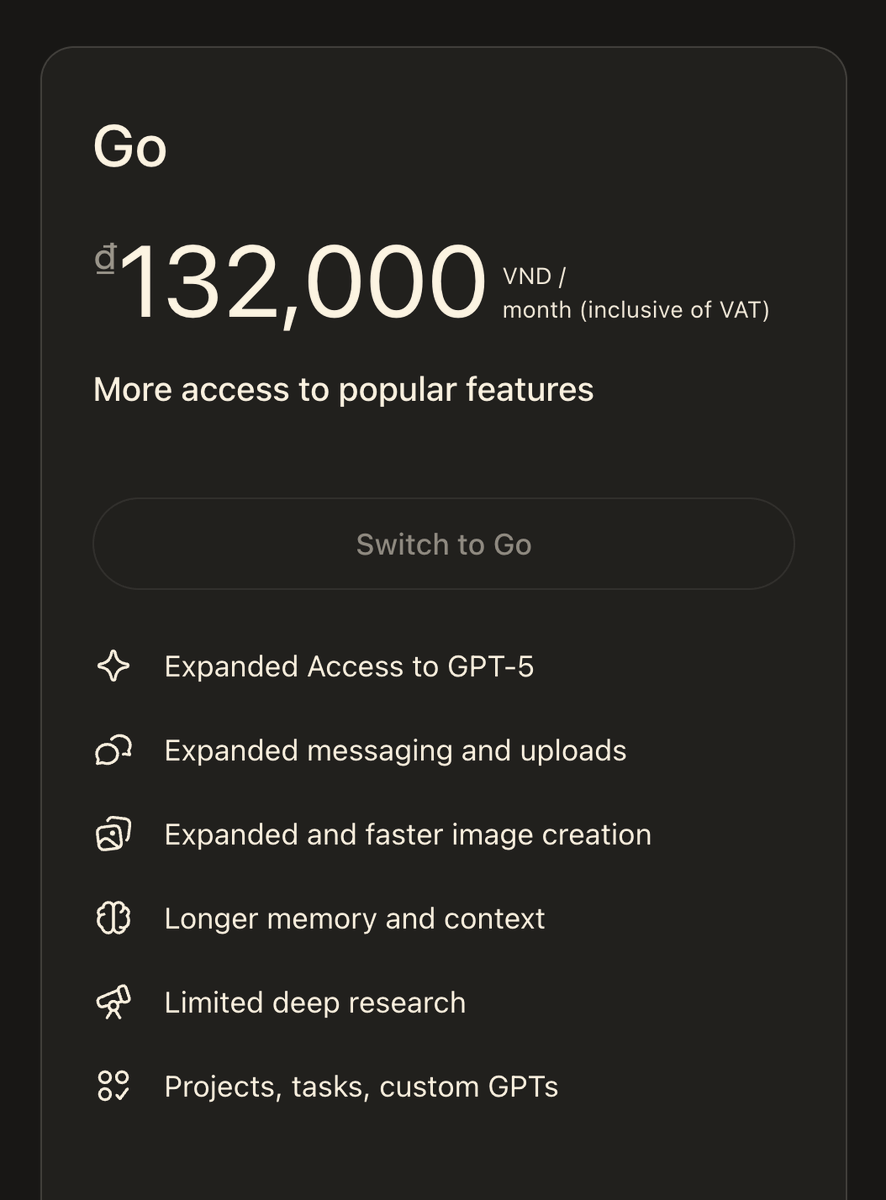
When I switched from ChatGPT Plus to Go, it was just a pricing change.
Then I tested Claude.
And suddenly, I realized something:
The tools don’t define the creator.
The systems do.
GPTs I built still work great.
They keep helping creators write smarter, faster, more human.
But stacking tools?
That’s where the real power lies.
Because progress isn’t about abandoning what works.
It’s about experimenting with what could work better.
The game changes fast.
Stay rigid, you fall behind.
Stay curious, you evolve.

English

In the last 5 months I reached 4 million people on 𝕏 with AI-powered content.
Want the same results?
I packed all my knowledge into the AI-Powered 𝕏 Kickstart:
Get the free 5-day course here👇
timo-mason.kit.com/x
English

You don’t need more motivation.
You need fewer reasons to quit.
That’s what a good AI system does.
It builds a safety net around your consistency:
- You never start from zero
- You always have ideas ready
- You can post while living your life
AI isn’t about replacing your creativity.
It multiplies it.
Because the real dream isn’t “automated content.”
It’s freedom.
Freedom to step away from the laptop, go live your life
and know your brand still runs while you do.
English

The old way of writing online:
- Write everything from scratch
- Fall behind faster creators
- - Spend hours on one post
The new way of writing online:
- Use AI for structure and speed
- Edit with your voice and experiences
- Ship before your competitors
Speed wins. But only if it still sounds like you.
English

In the last 5 months I reached 4 million people on 𝕏 with AI-powered content.
Want the same results?
I packed all my knowledge into the AI-Powered 𝕏 Kickstart:
Get the free 5-day course here👇
timo-mason.kit.com/x
English

Most personal brands publish daily on Substack without ever turning it into scalable income.
So here’s a full beginner's guide by Learn Grow Monetize on how to start monetizing.👇
substack.com/home/post/p-17…
English

In the last 5 months I reached 4 million people on 𝕏 with AI-powered content.
Want the same results?
I packed all my knowledge into the AI-Powered 𝕏 Kickstart:
Get the free 5-day course here👇
timo-mason.kit.com/x
English

90% of creators are using AI, but their content feels robotic.
If you're not feeding AI your personal stories, you're just another template.
Here's what changed for me:
I stopped asking AI to "write a post about X."
I started saying "write about the time I realized most thought leaders sound identical."
Now my content actually sounds like me.
English

AI hooks you like a drug because it's fast.
You type a headline and tools hand you a full post, formatted and fluent.
For personal brands trying to keep up with algorithms, that's gold.
You can ship three posts before breakfast.
But that speed turns into a double-edged sword.
When everything you publish comes from a prompt, you stop wrestling with ideas.
You skip the messy part of actually thinking.
It's seen all over social media.
Every personal brand post starts with the same hook formula, the same three-line structure, the same tone of pseudo-wisdom.
Scroll for five minutes and you'll see twenty people sharing lessons from failure, all written like they attended the same AI bootcamp.
The more we chase speed, the more our voices start to sound like templates.
And underneath it all sits the quiet fear nobody wants to name:
If AI can write well enough, will anyone notice when it's not really you anymore?
That's the psychological toll.
A creeping sense that your own relevance depends on how human you can still sound in a machine-made world.
The impostor syndrome amplifies when you write something you believe in, then use Claude on a rough idea.
You pause and think: Was I ever actually good at this?
Why did Claude do in seconds what took me hours to figure out?
The doubt gets worse when you see creators with way less experience outpacing you because they're using all the tools.
The algorithm rewards speed, so speed starts to feel like talent.
But here's the truth:
If your audience doesn't know whether you wrote it or a machine did, what's the point of you?
That's what you need to work on.
Most people type lazy prompts and wonder why it sounds robotic.
Of course it does.
You gave it nothing to care about.
The magic starts when you give it specifics no one else could fake.
Your stories, results, emotions.
Write a post about how I grew my client list after getting rejected 20 times.
Explain how I rebuilt my schedule after burnout last winter.
Now the AI gains context, texture that breathes life into the writing.
That's the only way to ensure the output deserves to be called personal brand content.
English