
TIWI Dev
192 posts

TIWI Dev
@TiwiDev001
The project leader of @tiwiecosystem ||
Are you positioning for FOMO Friday? Register your wallet address for the airdrop by making a trade on TIWI Protocol.




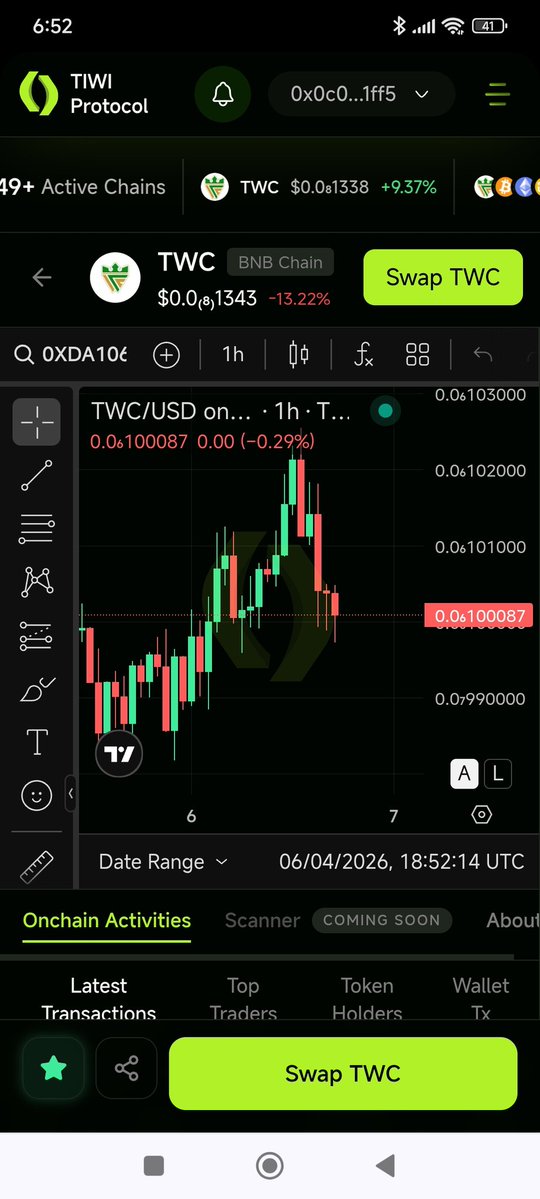


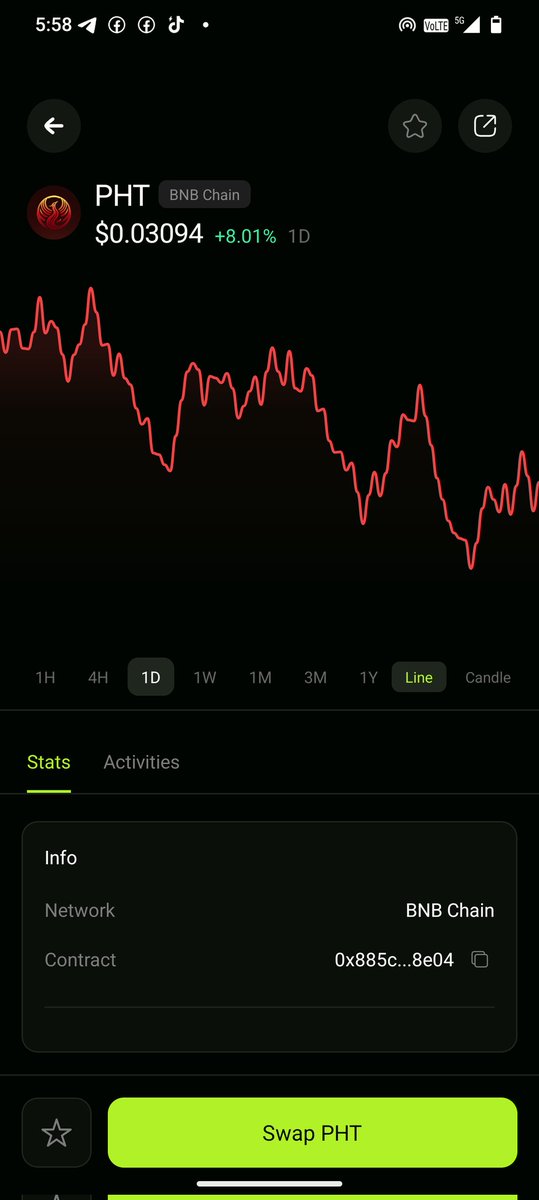

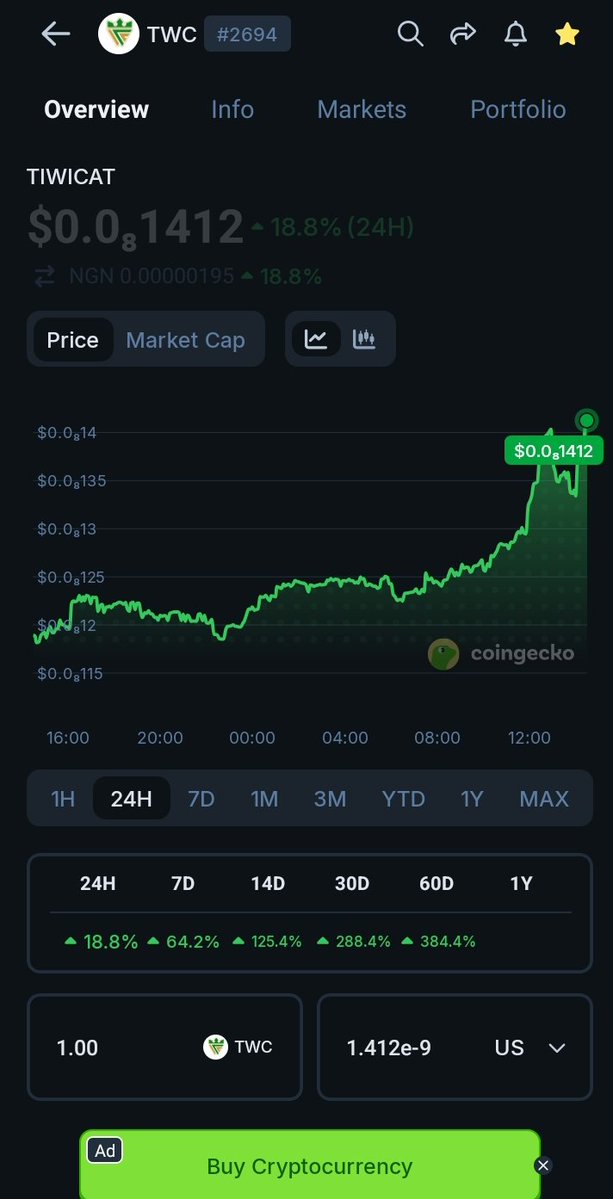
TiwiFlix 2.0 is close by. Experience decentralization with video sharing, WatchParty, Livestreaming and many more. What more? Impressive tech, creativity and sleekest designs. Watch out.

BEYOND THE HYPE: 30 DAYS OF @TIWIProtocol by @tiwiecosystem INSIGHTS. ✍🏽 DAY 5 THE SILENT COST OF USING THE WRONG ROUTE IN DEFI. Most people think once they hit “swap” and the transaction goes through, everything is fine. But that’s not always true. What matters is not just that your trade went through but how it went through. In DeFi, there isn’t just one path to complete a transaction. There are multiple liquidity pools, different platforms, and sometimes even different chains that can be used to execute the same trade. Each path comes with its own price, fees, and level of efficiency. The problem is, most users don’t see those options clearly. So they take whatever route is placed in front of them. This is where the silent cost comes in. You might swap a token and think everything went fine, but behind the scenes, you could have: – Paid a higher price than necessary – Used a pool with weaker liquidity – Experienced more slippage than expected – Missed a better route entirely None of these feel like a big loss immediately. But over time, they add up. What makes it worse is that many users don’t even know this is happening. They focus on whether the transaction went through, not whether it was executed well. And in a system where every percentage matters, poor routing quietly reduces your overall returns. So you don’t question it. But here’s where the silent cost comes in. Let’s say you swap a token worth $100. You might receive $97 or $98 back in value after the trade. You won’t panic, because it feels normal. You assume it’s just fees or market movement. But sometimes, it’s not. Sometimes it’s because your trade went through a less efficient route. Maybe there was better liquidity somewhere else. Maybe splitting the trade would have reduced slippage. Maybe another path would have given you a slightly better price. You don’t see any of that. You just accept the outcome. Now imagine that happening over and over again. Small differences each time. It doesn’t look like a loss… but over time, it adds up. This is one of the layer TIWI Protocol is focused on. When you initiate a trade, the system doesn’t just take one path and execute. It checks across multiple liquidity sources and looks for a more efficient route before completing the transaction. In some cases, it can even break the trade into parts or route it differently to improve the final result. From the user’s side, it still feels simple. You click, you confirm. But behind that, there’s more thinking happening. And that’s really the shift. Instead of leaving the user to figure everything out, the system handles the routing decisions quietly. Because in DeFi, you’re not just competing on what you buy or sell. You’re also competing on how well your trades are executed. So the next time you make a swap, it’s worth thinking about this: Did you just complete a transaction… Or did you get the best possible outcome from it? Remember to buy TIWICAT the powerhouse of the TIWI Protocol. Ca 0xDA1060158F7D593667cCE0a15DB346BB3FfB3596
