Peter Steinberger is joining OpenAI to drive the next generation of personal agents. He is a genius with a lot of amazing ideas about the future of very smart agents interacting with each other to do very useful things for people. We expect this will quickly become core to our product offerings.
OpenClaw will live in a foundation as an open source project that OpenAI will continue to support. The future is going to be extremely multi-agent and it's important to us to support open source as part of that.
Yes, it’s true. The U.S. government banned romantic or sexual relationships between its personnel in China (including family and contractors with clearances) and Chinese citizens, effective Jan 2025. Exceptions exist for pre-existing ties, but violations mean removal from China. It’s a response to espionage fears amid U.S.-China tensions, echoing Cold War policies. grok.x.com
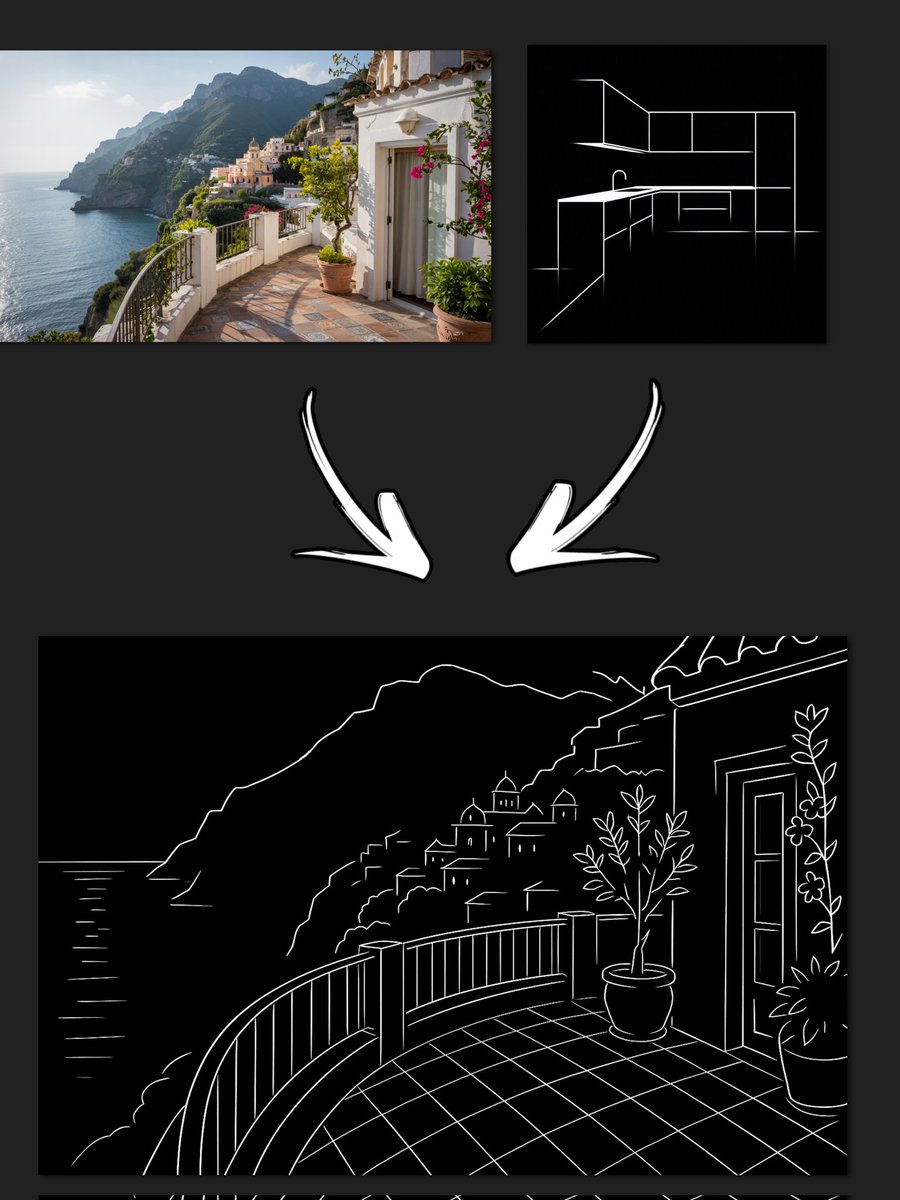
With ChatGPT-4o, you can explore different versions of the same iconic image—reimagined in marble, photo-realism, LEGO, and more. It is so addictive! @sama
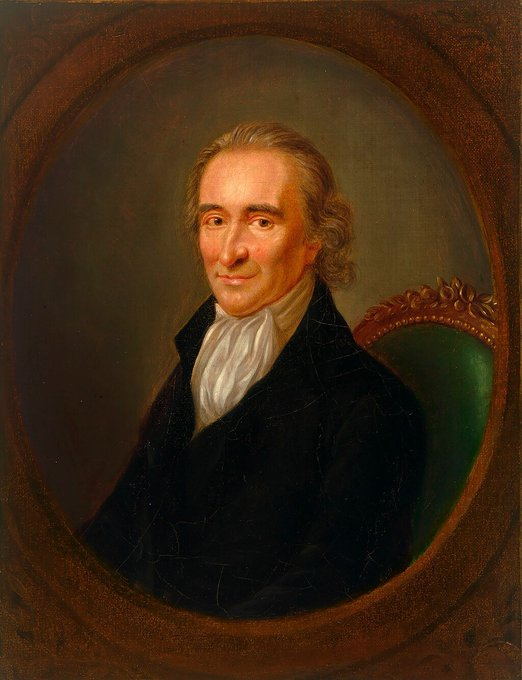
10. Thomas Paine (1737-1809)
Problem: Late 18th-century America was fed up with British rule. The colonies were like a pressure cooker about to explode. Paine thought, “If we don’t make a move now, we’ll be stuck in this oppressive mess forever.”
Paine’s Thoughts (1776):
In 1776, Thomas Paine wrote Common Sense, a pamphlet that was anything but gentle. He shouted, “Enough is enough! We Americans have the right to independence! We built this land with our own hands—why should we take orders from across the ocean?” His fiery words lit a fuse under the American Revolution, making Common Sense a bestseller and turning Paine into a revolutionary rock star.
Summary: Paine was the revolutionary coach who rallied the troops with a battle cry: “Independence or bust! No more British chains!”
#enlightenment
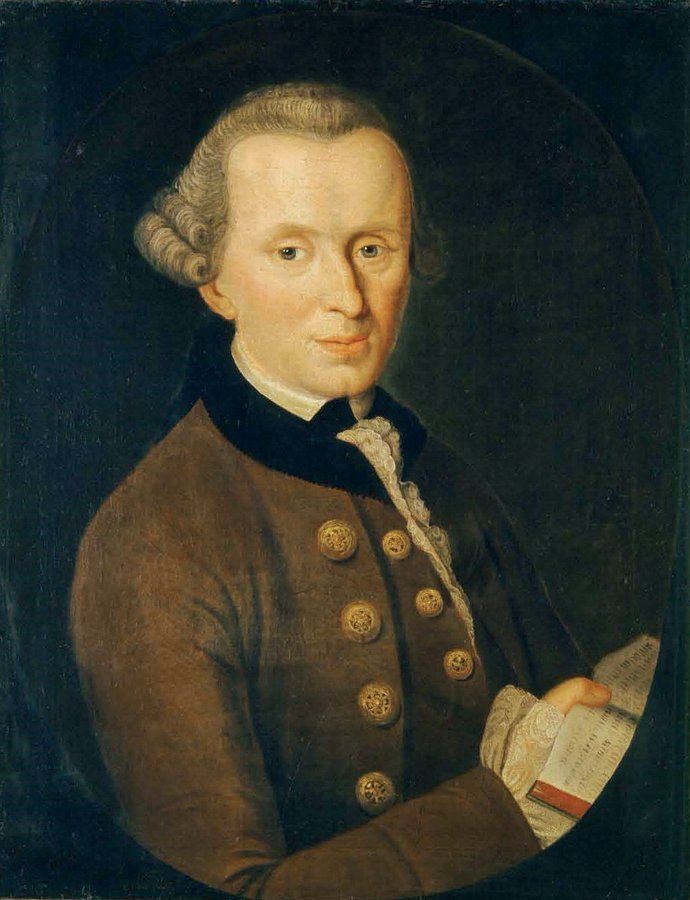
9. Immanuel Kant (1724-1804)
Problem: 18th-century Germany was a philosophical battleground. Rationalists and empiricists were duking it out, each side claiming they had the key to all knowledge. Kant watched from the sidelines and thought, “Guys, you’re both kind of missing the point.”
Kant’s Thoughts (1781):
In 1781, Kant dropped Critique of Pure Reason like a bombshell. He argued, “Sure, rationality is important, but some things—like time and space—are hardwired into our brains. You can’t just learn them from experience.” He also introduced the idea of the “categorical imperative,” which said that morality comes from your intentions, not just your actions. This made everyone sit up and rethink their philosophical stances.
Summary: Kant was the philosophical mediator who built a bridge between rationalism and empiricism, saying, “Let’s all calm down and see the bigger picture!”
🚨 THREAD ALERT!🚨
🤔 Ever wonder who told kings to “take a chill pill”? Or who figured out why apples fall instead of floating away? 🍏 Meet the #Enlightenment rebels who didn’t just think outside the box—they blew it up! 💥 These geniuses laid the groundwork for our world. Ready to dive in? 🕯️✨
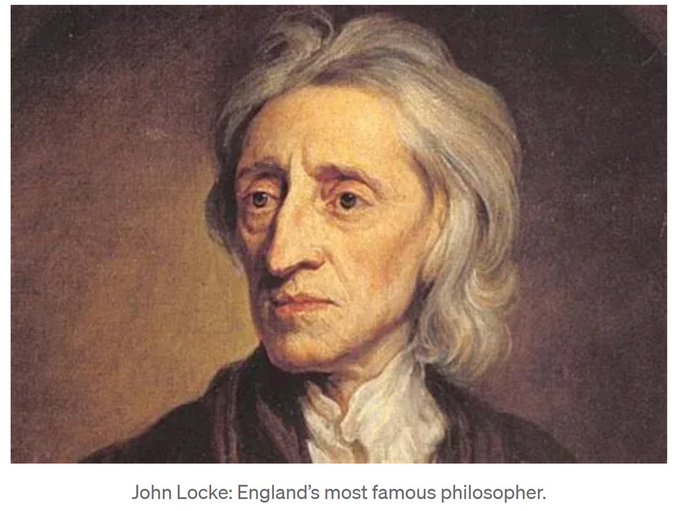
1. John Locke (1632-1704)
Problem: 17th-century England was like a real-life episode of Game of Thrones, with kings getting beheaded (looking at you, Charles I), dictators running the show (hey there, Cromwell), and then more kings popping up again. The average Joe was like, “What’s going on? Who’s in charge? Do we even have rights, or are we just pawns in this crazy game?”
Locke’s Thoughts (1689):Locke couldn’t take it anymore. He stood up and said, “Alright, folks, listen up! We’ve all got these ‘natural rights’—life, liberty, and property. These aren’t gifts from the king; they’re our birthright!” And then he dropped the mic with this: “If the government isn’t protecting those rights, we have every right to kick them to the curb!” He published this radical idea in his Two Treatises of Government in 1689, and boom, it was like handing out pitchforks and torches to future revolutionaries.
Summary: Locke basically told the government, “You’re not the boss of us! We’re the bosses, and if you screw up, we’re firing you!”