Towson High Cross Country and Track & Field

3.4K posts
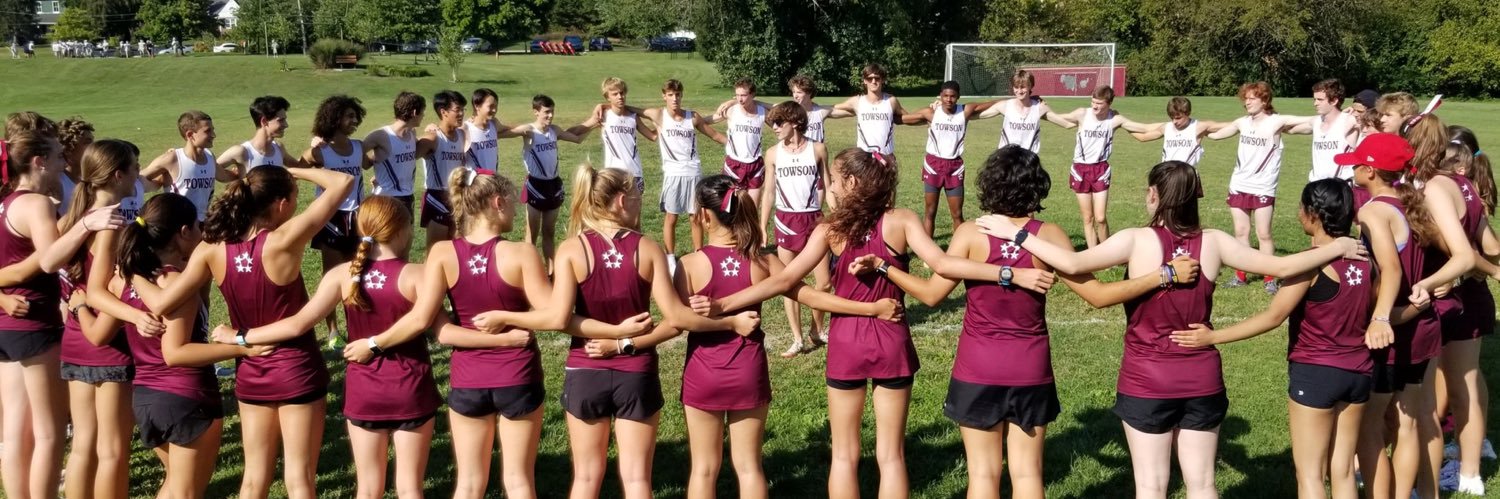
Towson High Cross Country and Track & Field banner
Towson High Cross Country and Track & Field

Towson High Cross Country and Track & Field

@TowsonXCTF

The Official X Page of Towson High Cross Country and Track & Field - The Long Maroon Line

Towson, MD Katılım Kasım 2015
183 Takip Edilen418 Takipçiler
Mike Commito
Mike Commito@mikecommito·
Slap Shot was released 49 years ago today…
English
296
1.3K
8.3K
468.1K
Towson High Cross Country and Track & Field retweetledi
Steve Magness
Steve Magness@stevemagness·
If you use exercise as punishment, you are just teaching your athletes to hate exercise. It's lazy. It shifts the athlete to avoidance motivation. And research shows such a style actually leads to worse discipline. So let's just stop.
English
28
17
167
17.4K
Towson High Cross Country and Track & Field retweetledi
Towson HS Athletics
Towson HS Athletics@TowsonHSsports·
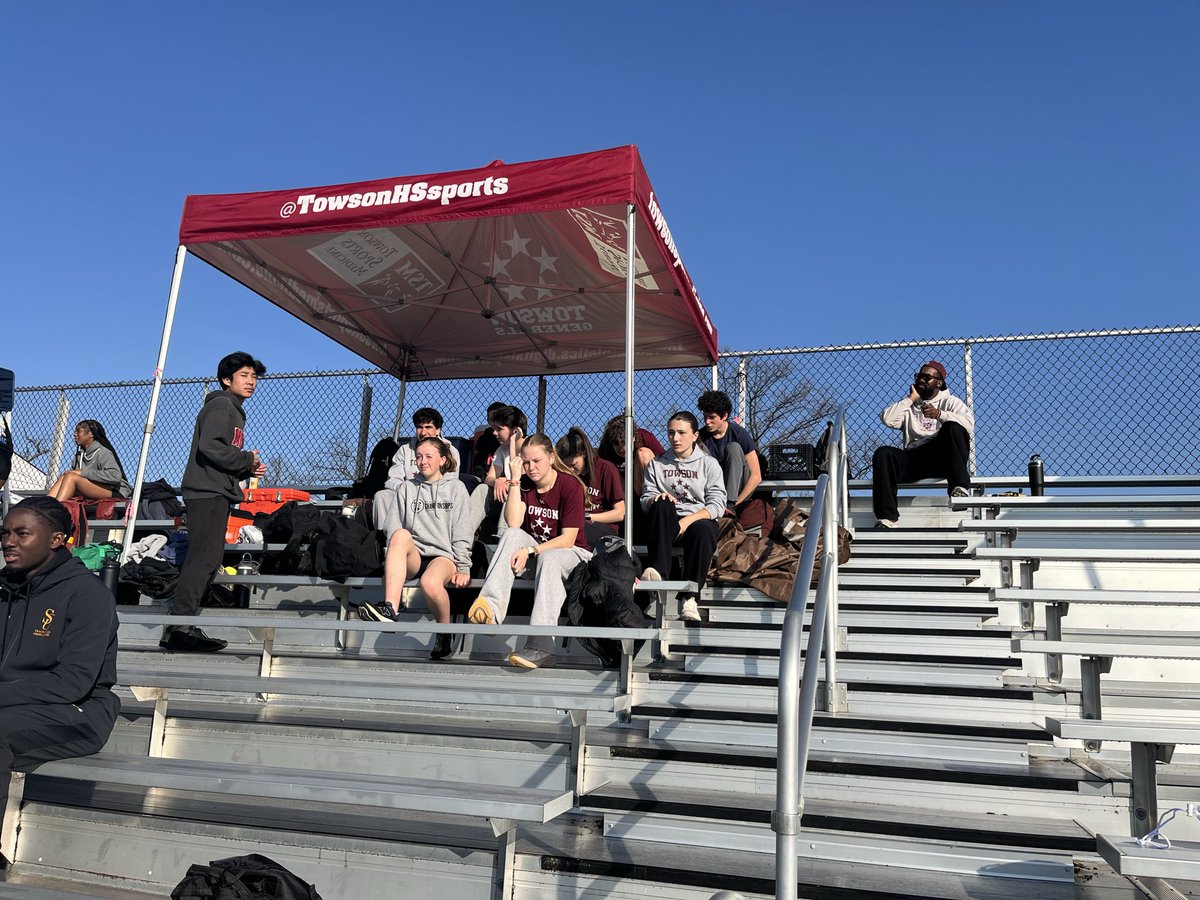
Towson HS Athletics tweet media
ZXX
0
1
4
108
Towson High Cross Country and Track & Field retweetledi
Steve Magness
Steve Magness@stevemagness·
Ilia Malinin hadn't lost in 2 years. Two time world champ. The only human to land all of the quad jumps. Then...his brain betrayed him. "All the traumatic moments of my life really just started flooding my head, and there were just so many negative thoughts that just flooded into there. And I just did not handle it." Choking is a threat disorder. Your brain is a prediction machine. Before any big moment, it calculates: Past experience + current environment + the story you're telling yourself = predicted state. When that prediction is threat, your brain protects. It latches on to confirming evidence. Ignores the rest. Fear feeds the prediction. The prediction feeds the fear. Malinin experienced this in real time. He stumbled in the team event days before. His brain coded "Olympics = danger." It had evidence to support the spiral. By the free skate, the loop was cemented. "All the traumatic moments of my life really just started flooding my head." His brain was no longer in the present. It was prosecuting the past. Replaying every negative voice or experience to try to convince him to run away, to escape the situation. His protective brain was on overdrive, and his brain was convinced the situation was life or death. When an expert chokes, they regress. The brain shifts from autopilot to micromanagement. Our smooth, automated movements become segmented, like a six-year-old learning to throw a ball. This is partly because with the heightened threat state, the link between perception and action gets severed. Nothing "feels" right. And we compensate by over-controlling. So we're thinking about every step along the way. And the end result is disaster. Malinin's quad axel requires mass amounts of trust in thousands of hours of training. Under threat, his conscious mind tried to control what should have been automatic. It's like pulling back a slingshot and instead of letting it go, trying to push it forward. What drives our brain to move from slight underperformance to "choking" disaster? 1. Identity Cementation This threat gets turned up to 11 if our sense of self is deeply intertwined with the outcome. Malinin arrived as the Quad God. It's his Instagram handle, on his warm-up gear, it's his identity. When your identity IS the performance, your brain treats failure as existential. The brain doesn't register "I might lose." It registers "I might lose myself." When Rick Ankiel got the yips, he explained it in similar terms, "I made the mistake of thinking, being good at baseball is what made me who I was. When that glass is shattered, there was nothing left. Going from baseball's prodigy and poster boy. All of the sudden you are blindsided. You're the most vulnerable you've ever been, and everybody can see right through you." The harsh irony of performing well is you have to care a lot, and try hard...But caring and trying can be your downfall. Your brain registers caring as a signal that this is sefl-defining, you prime the fear/threat centers, and before you know it, your brain's stress response is freezing, fleeing, dissociating to protect itself. The key is to care a lot...but having just enough space between you and the thing... 2. Mistake Spiral The second item that causes us to move from underperformance to choking is the compounding of our mistakes. Research shows that after a mistake, we get a distinct error signal, an involuntary attention shift, and what amounts to an internal handbrake: motor commands temporarily get suppressed. If we linger there, the pause becomes rumination. The rumination transforms into catastrophizing. It's why processing mistakes and failures, taking away their sting is so important. 3. Judgement --> Self-Protection We don’t choke in practice. We do so when we are being evaluated or judged, and in front of others. When something meaningful is at stake and we have an audience. We have a social self-preservation system that is on the lookout for anything that might threaten our social status. If our self-preservation system is inundated with constant signs and signals that our social status is going in the wrong direction, our system becomes hyperresponsive. --- So how do we get out of protection mode? 1. Acknowledge the moment is big. Don't fight it. 2. Build an identity broader than any single performance. 3. Be the defense attorney. Give yourself evidence. 4. Find something you can control. The smallest thing you can impact that moves you forward 5. Surround yourself with people who love and care for you no matter what. Good vibes are contagious 6. Simulate the worse. Michael Phelps called it playing the tape. And you have to visualize the disaster, to make sure your brain doesn't freak out. Before the Olympics, Malinin told ESPN he was treating it "like any other competition." Afterward: "I honestly definitely underestimated it." This is one of the most common pieces of advice in sport. Your brain isn't dumb. It sees the Olympic rings, the cameras, and the weight of expectation. When you tell yourself "just another day" and your brain knows it isn't, the mismatch doesn't calm the system. It alarms it further. It's a prediction error that alerts the brain that our previous stress response isn't good enough. This is NOT just another day, so sound the alarm. And...we overshoot the response, moving to full dread. It's not too different than what runners experience during preliminary races. They think, this is going to be easy, I should qualify with ease and be able to run slower. But...that mindset primes the brain to overreact to the first sign of discomfort. The day before he set the world record in the mile (3:51), Jim Ryun wrote in his log "That was hard!" for a 4:07 prelim mile. He ran 16 seconds faster in the final, reporting it "felt easy." The only difference was the expectations going in. Don't pretend the moment is small. Acknowledge reality. And remind yourself that you are prepared to meet it. The best of the best feel the same nerves you do. The same doom loop fires when you freeze during a presentation, go blank in a job interview, or can't find the words in a hard conversation. It's a human problem. A stress response designed to protect us from lions, tigers, and where being separated from the tribe went death. We can't fight biology. But we can learn to work with it better.
English
14
60
453
144K
RedditCFB
RedditCFB@RedditCFB·
Animated gif showing a map of how the Ivy League has changed over time from 1954 to 2026:
RedditCFB tweet media
English
80
189
11.4K
1.4M
Towson High Cross Country and Track & Field retweetledi
Steve Magness
Steve Magness@stevemagness·
Listen to World champion Josh Kerr: “I don’t do crazy workouts or crazy mileage. I just don’t miss days. Consistency is my biggest weapon. I’ll break any athlete down with how consistent I’m going to be training wise and just getting the work done.”
English
12
65
564
37.1K
Towson High Cross Country and Track & Field retweetledi
Brad Stulberg
Brad Stulberg@BStulberg·
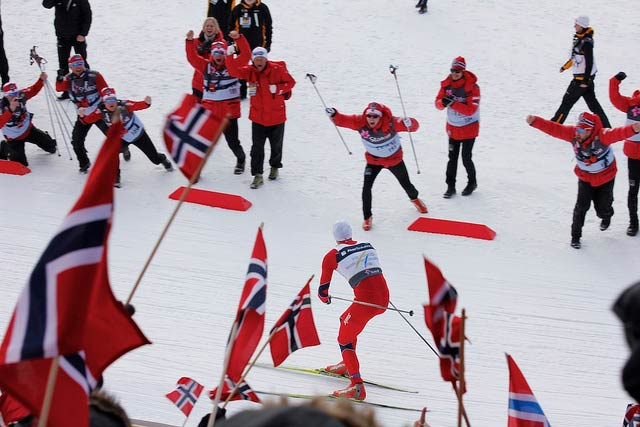
Norway consistently wins the most medals at the Winter Olympic Games, with a population of just 5.6 million people. A big part of their success is how they treat youth sports—and it’s the opposite of what we do in the US. Here’s what we can learn from Norway: 1. Scorekeeping: In the US: Youth sports tend to be hyper competitive even at early ages. Leagues almost always keep score. In Norway: Scorekeeping isn’t even allowed until age 13. Removing winners and losers keeps the focus on the process not outcomes. It keeps kids engaged longer because it minimizes pressure (and tears) and maximizes fun, learning, and growth. The goal isn’t to win a third grade championship. It’s to love sport and keep playing. 2. Trophies: In the US: If you give everyone a trophy, you’re creating snowflakes who will never gain a competitive edge. In Norway: Whenever trophies are awarded, they are handed out to everyone. If getting a trophy makes young kids feel good, we should give them trophies. Maybe they’ll come back and play again next year!! As for the creation of snowflakes with no competitive edge—Norway’s athletes are tough as nails and all they do is win. 3. Prioritizing Fun: In the US: Far too often, the goal is to win. In Norway: The national philosophy is “joy of sport.” Youth sports in the US are driven by adults, ego, and money. Youth sports in Norway are driven by fun. Only half of kids in the US participate in sports. The number one reason they drop out: because they aren’t having fun anymore. In Norway, 93% of kids participate in youth sports. Fun is the foremost goal. 4. Playing Multiple Sports: In the US: There’s pressure to specialize early and play your best sport year round. In Norway: Try as many sports as you can before specializing as late as college. Norway encourages kids to try all types of sport. This reduces injury and burnout and increases all-around athleticism. It also helps promotes match quality, or finding the sport you are best suited for as your body develops, which is impossible if you commit to a single sport too early. 5. Affordability In the US: There is increasingly a pay-to-play model with high fees for leagues, equipment, and travel. This excludes many kids from playing. In Norway: It’s a national priority to keep youth sports affordable and therefore accessible for all. Kids aren’t priced out, which creates opportunities for everyone to participate (and develop into athletes), regardless of their parents’ income level. We could learn a lot from Norway: In the US, 70% of kids drop out of youth sports by age 13. This not only diminishes an elite-athlete pipeline, but it also destroys an opportunity for healthy habits and all the character lessons kids can learn from sport. In Norway, lifelong participation in sport is the norm. The goal isn’t to have the best 9U team. It’s to develop the best athletes. Those are two very different things. And Norway has the gold medals to prove it.
Brad Stulberg tweet media
English
626
1K
5.3K
2.1M
Kent Jones 🏈
Kent Jones 🏈@CoachJonesJr·
@pntrack As a Browns fan, I am happy with this decision. Hopefully he can restore our life less offense.
English
1
0
1
64
Towson High Cross Country and Track & Field retweetledi
Tony Holler
Tony Holler@pntrack·
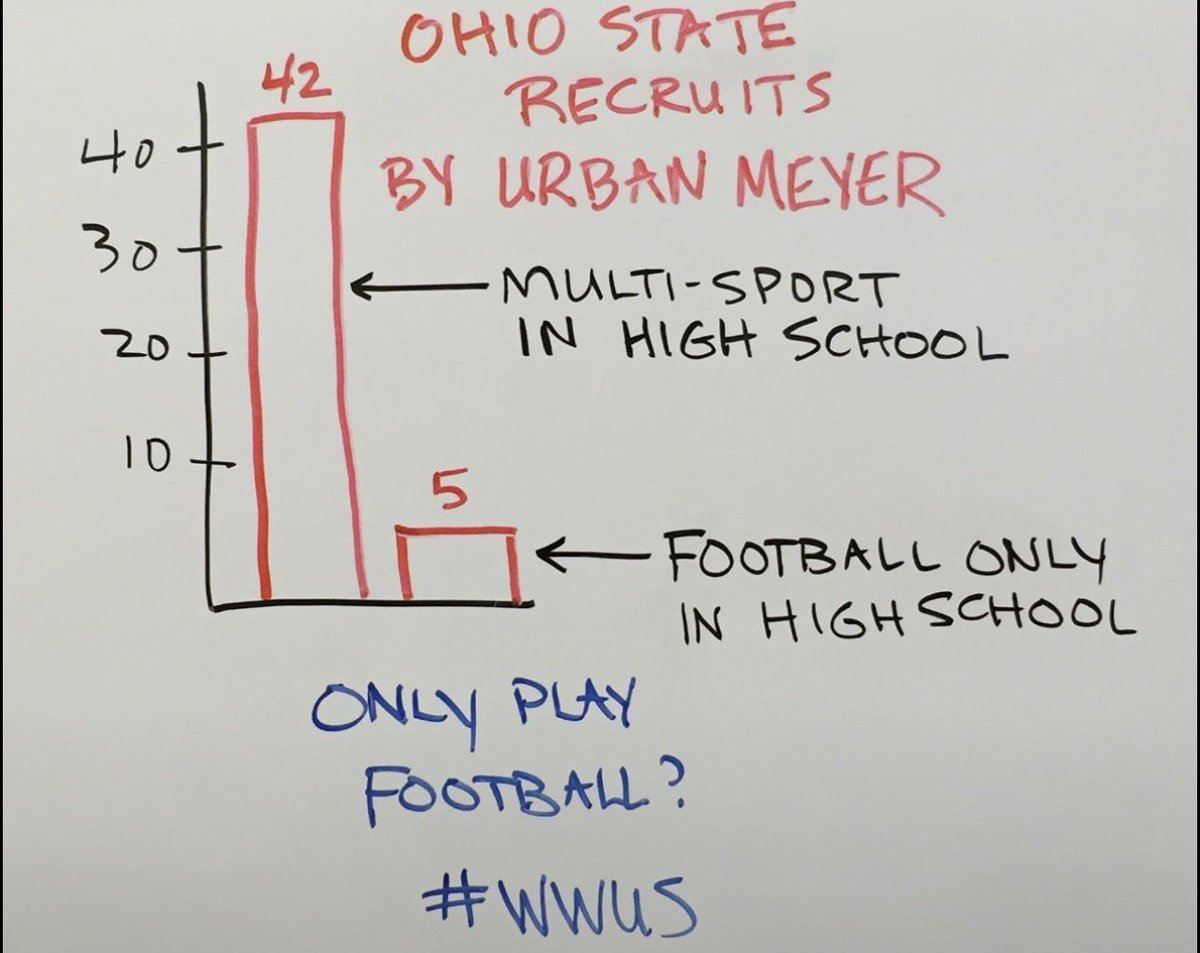
12 years ago today I found out that my best discus guy (Ari Ekowa, 150+) was going to “just lift” in the spring. Ari sat in the front row of my Honors Chemistry class. OSU had just won the National Championship. I made a graph. Ari stuck with track. “The Graph” went viral.
Tony Holler tweet media
English
3
25
97
10.3K
Alex Predhome, Vagueposter
Alex Predhome, Vagueposter@Predamame·
The funny thing about reminiscing about 2016 is that everyone at the time thought it was the worst year ever. No Strava back then for me. I had to manually log my 4x8 splits on logarun dot com
Alex Predhome, Vagueposter tweet media
English
11
2
91
3.9K
Adam Schefter
Adam Schefter@AdamSchefter·
A change for the Chargers: they are firing offensive coordinator Greg Roman, per sources.
English
422
775
9.5K
2.3M
Zach Bollinger
Zach Bollinger@zachbollinger18·
John Harbaugh and Mike Tomlin should just say F it and start a podcast together.
English
92
905
18K
450K
Towson High Cross Country and Track & Field retweetledi
BCPS Athletics
BCPS Athletics@BCPSAthletics·
Calling all indoor track fans - please read the important update concerning admission to the remaining meets at the 5th Regiment Armory. @BaltCoPS @BCPSSportsScene
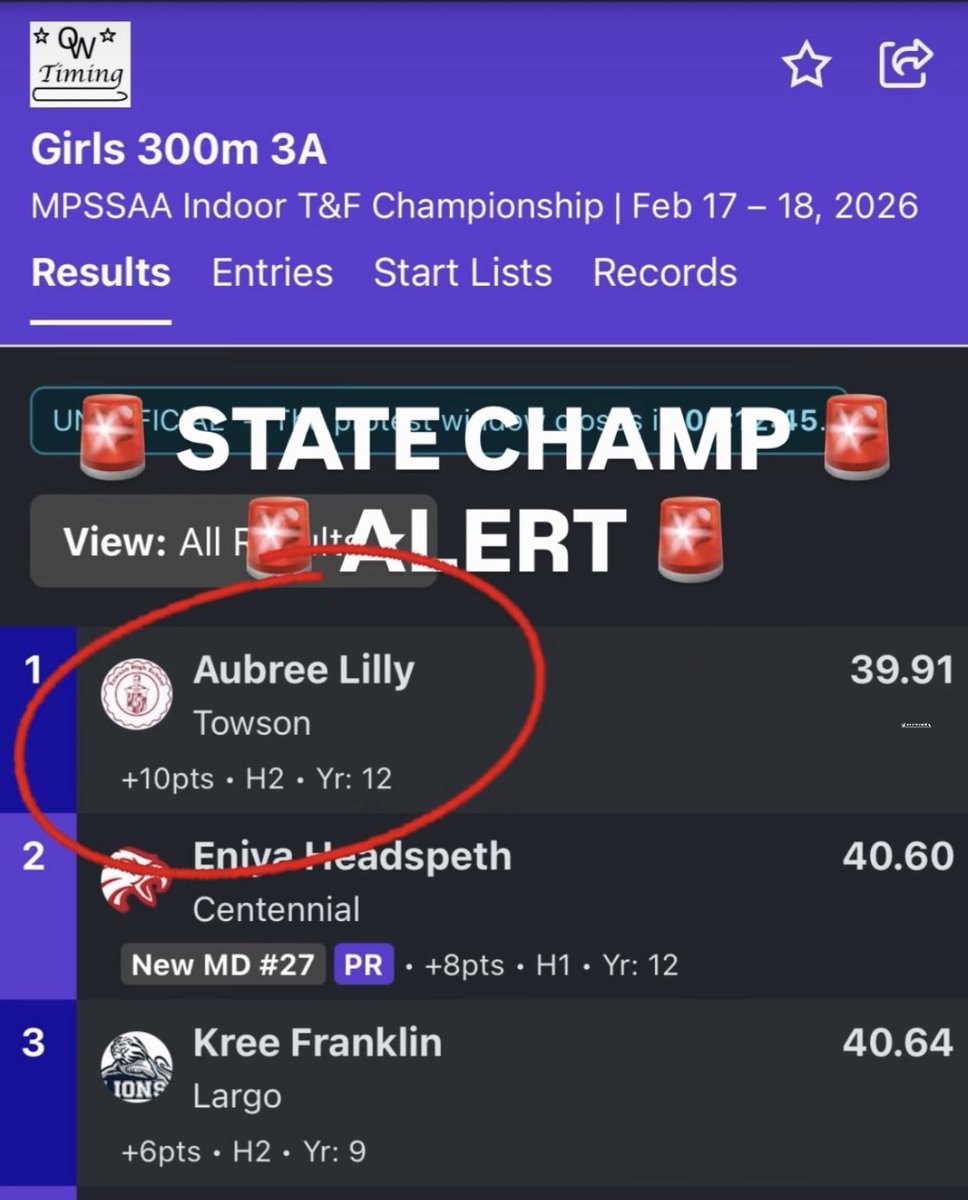
BCPS Athletics tweet media
English
0
2
2
199