Transliteracy

2.2K posts

Transliteracy banner
Transliteracy

Transliteracy

@Trans_Literacy

H2020 Transmedia Literacy Research Project. Exploiting transmedia skills and informal learning strategies to improve formal education. RTs aren't endorsement.

Barcelona, Spain Katılım Mart 2017
162 Takip Edilen3K Takipçiler
Transliteracy retweetledi
New York Magazine
New York Magazine@NYMag·
Amazon wants humans, not bots, to be its shoppers, and the company’s new standoff with Perplexity is just a taste of the AI agent wars to come, John Herrman writes. nymag.com/intelligencer/…
English
0
4
2
2.8K
Transliteracy retweetledi
Carlos A. Scolari
Carlos A. Scolari@cscolari·
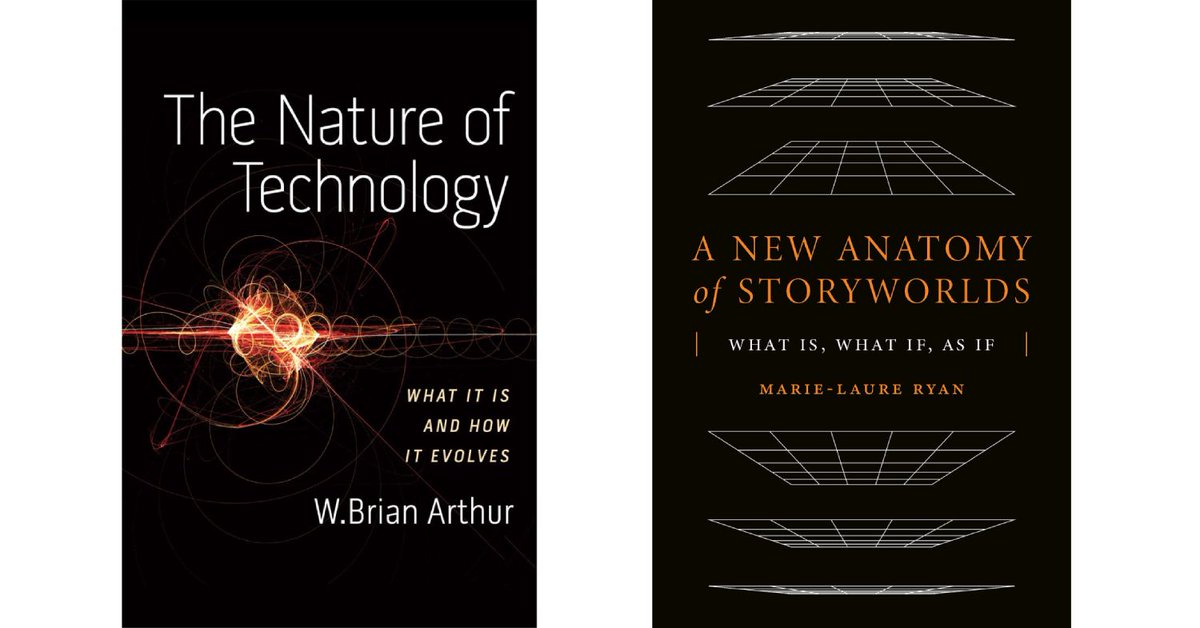
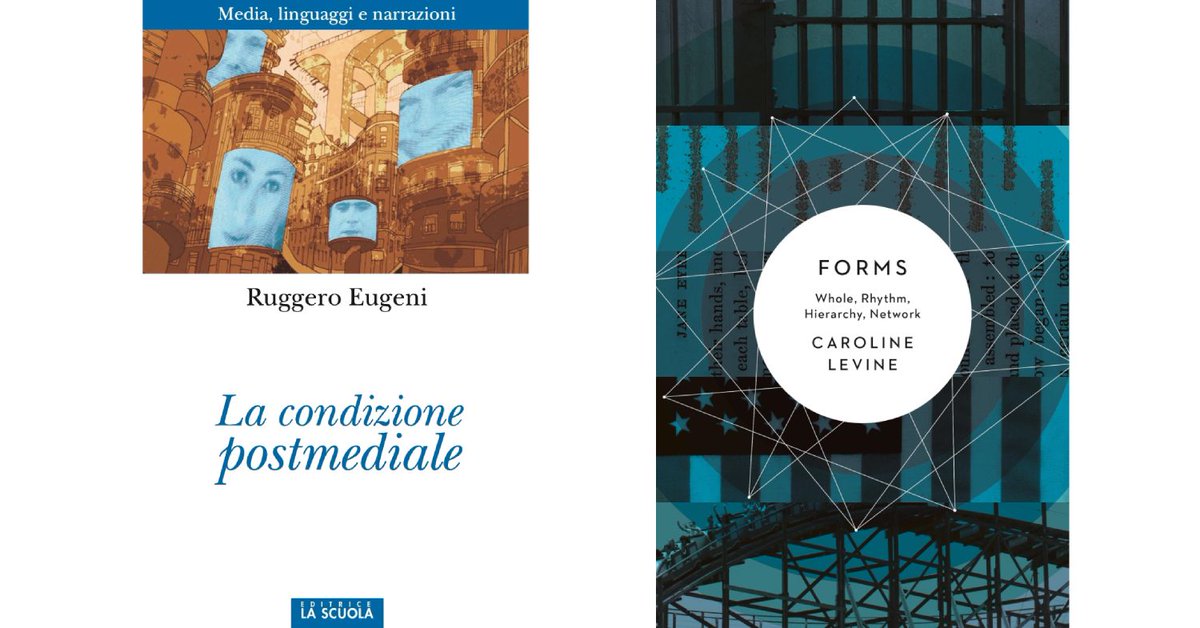
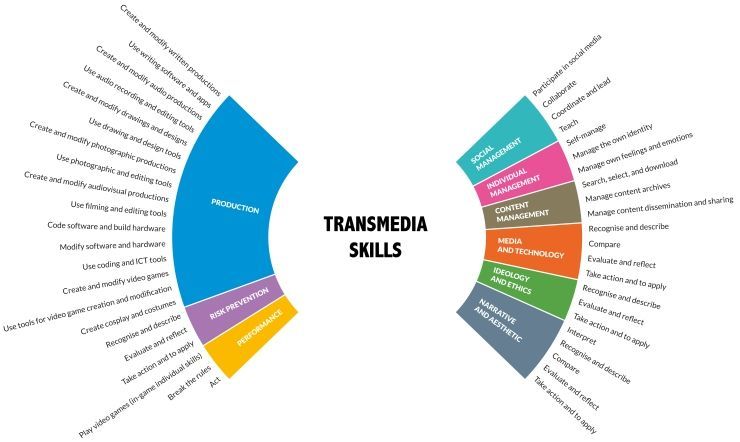
"10 libros sobre medios nunca traducidos al castellano (que deberías leer sí o sí)". Una lista con títulos clásicos y otros que quizás lo sean en el futuro. hipermediaciones.com/2025/08/11/10-… A ver si alguna editorial se anima...
Carlos A. Scolari tweet mediaCarlos A. Scolari tweet mediaCarlos A. Scolari tweet mediaCarlos A. Scolari tweet media
Español
0
13
25
1.5K
Transliteracy retweetledi
Culture Crave 🍿
Culture Crave 🍿@CultureCrave·
Paul Rudd recreated his SNES ad from 1991 to promote the Nintendo Switch 2 🕹️
Culture Crave 🍿 tweet mediaCulture Crave 🍿 tweet media
English
276
5.6K
130.2K
6M
Transliteracy retweetledi
Carlos Magro
Carlos Magro@c_magro·
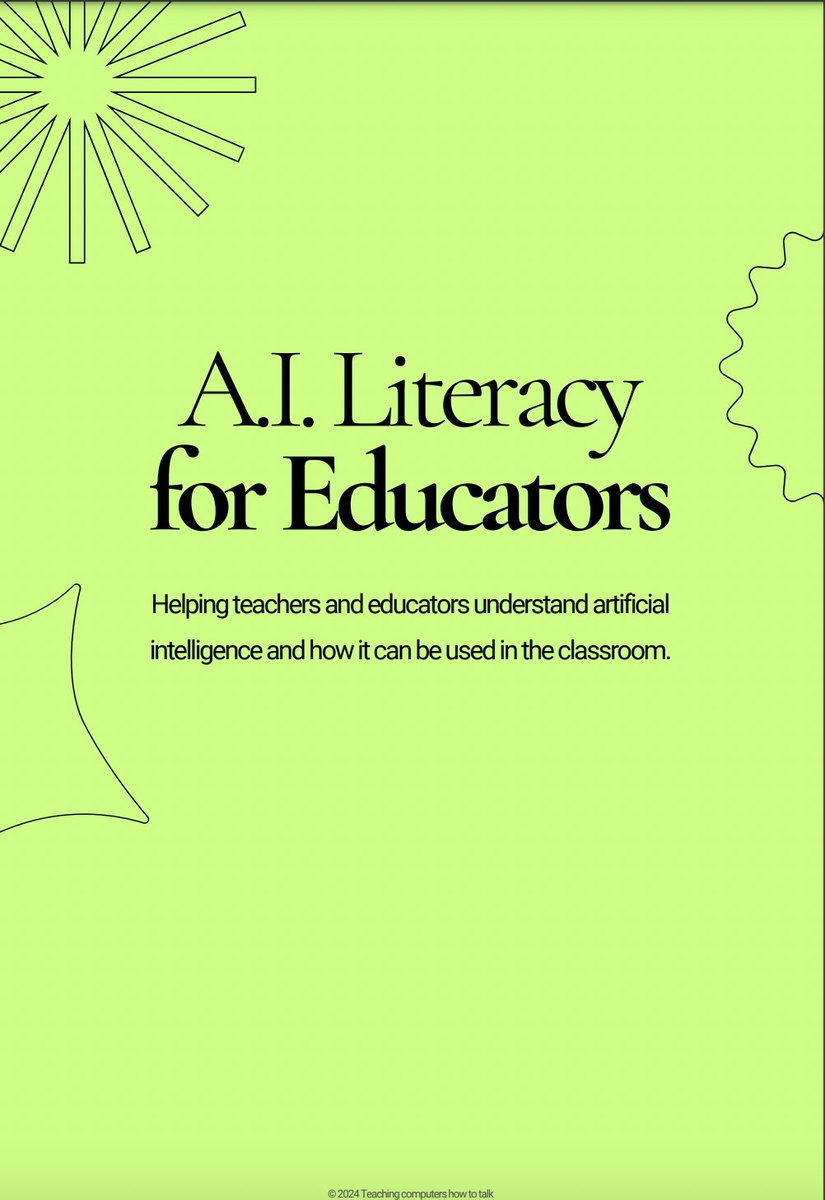
Comparto una sencilla (también algo simple hay que decirlo) y corta (11 páginas) guía sobre #IA para docentes, por si os ayuda a orientaros. 📗AI Literacy for Educators 👇 media.licdn.com/dms/document/m…
Carlos Magro tweet media
Español
2
37
80
5K
Transliteracy retweetledi
María José Establés
María José Establés@marich·
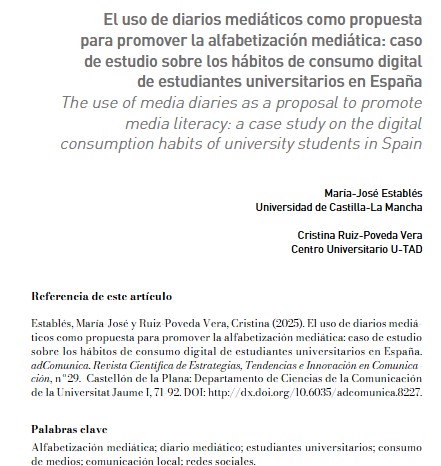
Cristina Ruiz-Poveda y yo aportamos una propuesta para ayudar a docentes universitarios a fomentar la alfabetización mediática de sus estudiantes. En la @FcomUCLM de la @uclm_es llevamos dos cursos aplicando esta actividad. Lee en el paper en qué consiste: e-revistes.uji.es/index.php/adco…
María José Establés tweet media
Español
0
4
11
367
Transliteracy retweetledi
Carlos A. Scolari
Carlos A. Scolari@cscolari·
Coincido con @FGrau: si los usuarios entendieran y aplicaran más la lógica de las "listas" de Twitter, quizás no habría necesidad de irse a otra red (más allá del repudio al amiguete del presi argentino). Es una forma de filtrar contenidos con un mínimo esfuerzo 👉#MediaLiteracy
𝘍𝘳𝘢𝘯𝘤𝘦𝘴𝘤 𝘎𝘳𝘢𝘶 @FGrau

Cada vegada em trobo a més persones usuaries d'aquí, d' 𝕏 , compartint-me el seu sentiment d'abandonar aquest lloc. Si em dones 1 minut, et dono la meva solució aquí 🧵

Español
2
3
5
1K
Transliteracy retweetledi
Carlos A. Scolari
Carlos A. Scolari@cscolari·
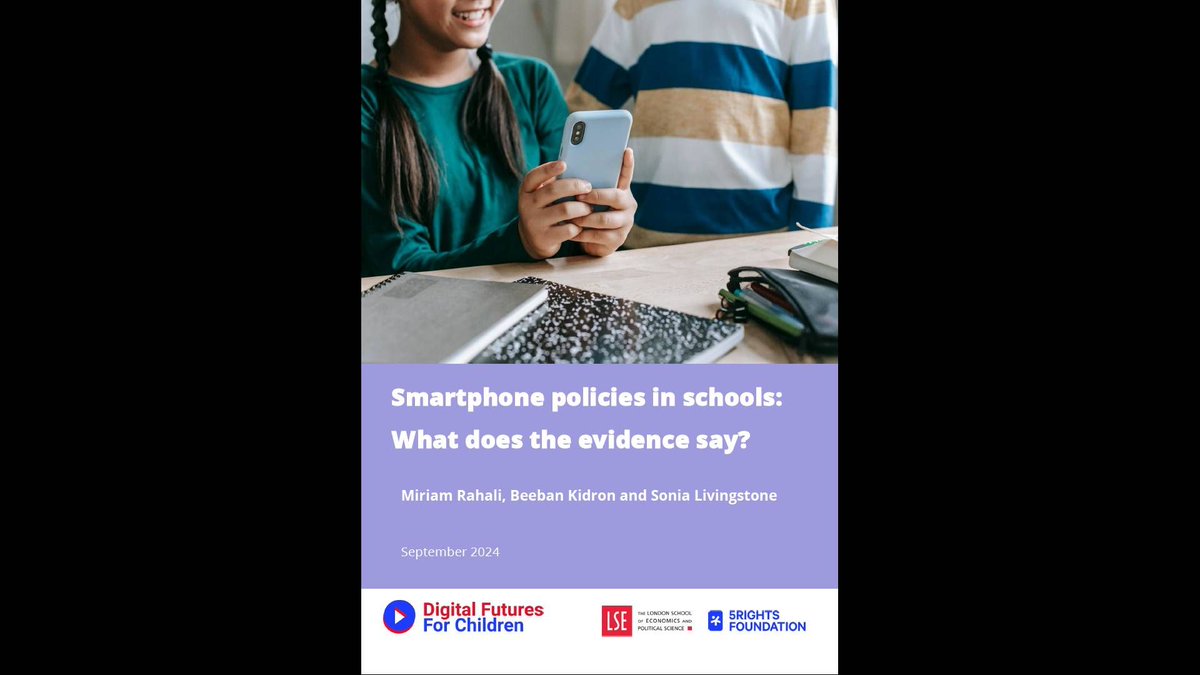
Mejor que decir es hacer, y mejor que opinar es informarse bien antes de abrir la boca > "Smartphone policies in schools: what does the evidence say?" by M Rahali, B Kidron & @Livingstone_S buff.ly/3TPImAI
Carlos A. Scolari tweet media
Español
0
6
18
1.2K
Transliteracy retweetledi
Carlos A. Scolari
Carlos A. Scolari@cscolari·
Entre 2014-18 en @Trans_Literacy analizamos lo que los adolescentes estaban haciendo con los medios digitales (buff.ly/2NnG4pf). A partir de setiembre y por 3 años dirigiremos con @Jaina_S el proyecto #LITERAC_IA para estudiar cómo los jóvenes están usando las GenAI (🧵)
Carlos A. Scolari tweet media
Español
6
31
121
6.8K
Transliteracy retweetledi
Luiza Jarovsky, PhD
Luiza Jarovsky, PhD@LuizaJarovsky·
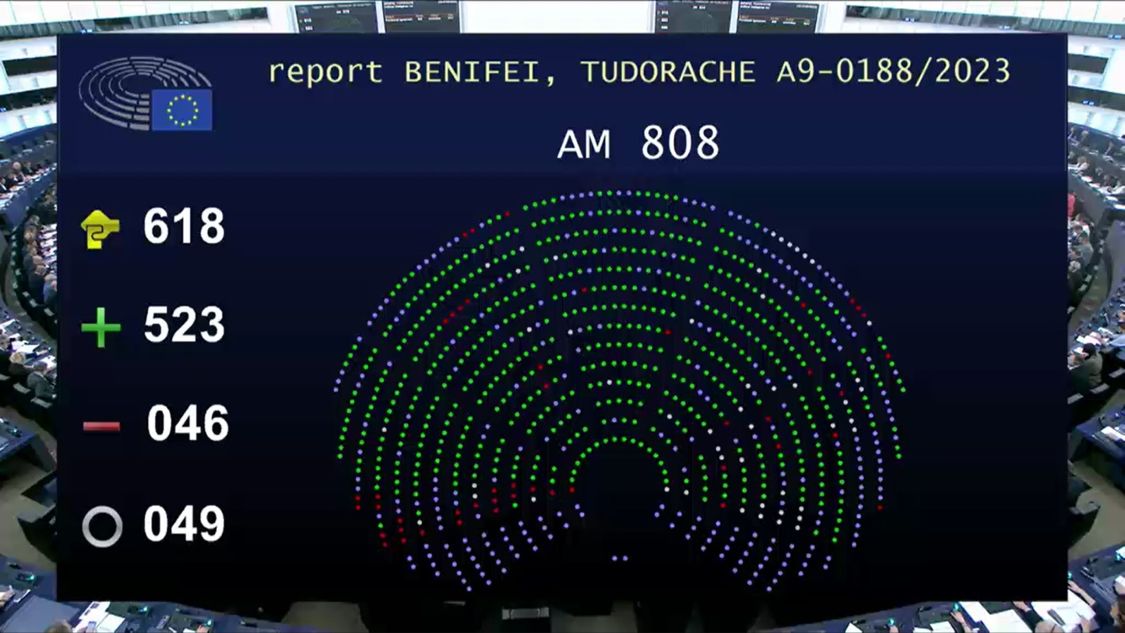
🚨BREAKING: The European Parliament has just APPROVED the AI Act. What everyone should know: ➵ The AI Act follows a risk-based approach. Some AI systems are banned, such as those involving: - Cognitive behavioral manipulation of people or specific vulnerable groups; - Social scoring: classifying people based on behavior, socioeconomic status, or personal characteristics; - Biometric identification and categorization of people; - Real-time and remote biometric identification systems, such as facial recognition. ➵ Some AI systems fall in the "high-risk" category, such as those involving: - Critical infrastructures (e.g. transport) that could put the life and health of citizens at risk; - Educational or vocational training that may determine the access to education and professional course of someone’s life (e.g. scoring of exams); - Safety components of products (e.g. AI application in robot-assisted surgery); - Employment, management of workers, and access to self-employment (e.g. CV-sorting software for recruitment procedures); - Essential private and public services (e.g. credit scoring denying citizens opportunity to obtain a loan); law enforcement that may interfere with people’s fundamental rights (e.g. evaluation of the reliability of evidence); - Migration, asylum, and border control management (e.g. automated examination of visa applications); - Administration of justice and democratic processes (e.g. AI solutions to search for court rulings). ➵ High-risk AI systems will be assessed before being put on the market and also throughout their lifecycle. People will have the right to file complaints about AI systems to designated national authorities. ➵ Generative AI, like ChatGPT, will not be classified as high-risk but will have to comply with transparency requirements and EU copyright law. Some of the obligations are: - Disclosing that the content was generated by AI; - Designing the model to prevent it from generating illegal content; - Publishing summaries of copyrighted data used for training. ➵ The AI Act is expected to officially become law by May or June, and its provisions will start taking effect in stages: - 6 months later: countries will be required to ban prohibited AI systems; - 1 year later: rules for general-purpose AI systems will start applying; - 2 years later: the whole AI Act will be enforceable. ➵ Fines for non-compliance can be up to 35 million Euros or 7% of worldwide annual turnover. ➵ If you want to learn more about the AI Act, including challenges, opportunities, and practical insights, join my live session with @BertuzLuca, @JcMalgieri & @RistoUuk on April 4th (register using the link below).
Luiza Jarovsky, PhD tweet media
English
342
3.6K
9.2K
2.1M
Transliteracy retweetledi
Carlos A. Scolari
Carlos A. Scolari@cscolari·
15 años del 'like', el pulgar de Facebook que lo cambió todo. La introducción del botón en 2009 alteró el diseño de las RRSS, modificó el funcionamiento del cerebro, e influyó en el comportamiento social, político y mediático #MediaEvolution buff.ly/3TiQppR
Carlos A. Scolari tweet media
Español
5
67
216
13.8K