Sabitlenmiş Tweet

Who are we behind #Truecaller Help? Get to know the team answering your questions every day! 👩🏽💻 #BehindtheCode youtube.com/watch?v=qpP4Nu…

YouTube
English
Truecaller Help
24.6K posts

@TruecallerHelp
Need support with Truecaller? We're listening & responding Mon-Fri, 9am-10pm IST! Follow @truecaller to get the latest Truecaller news



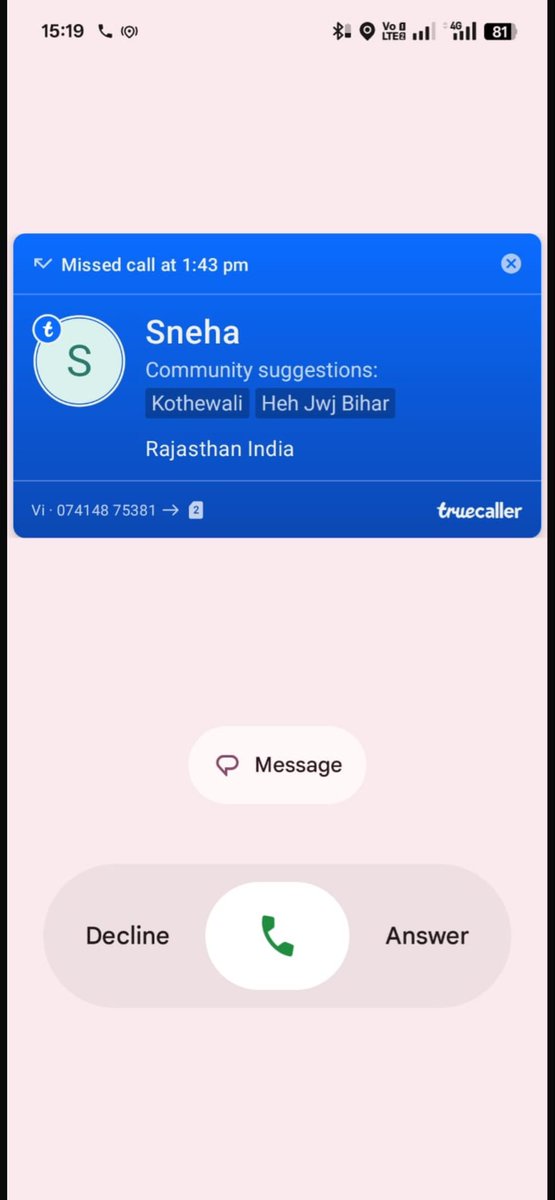


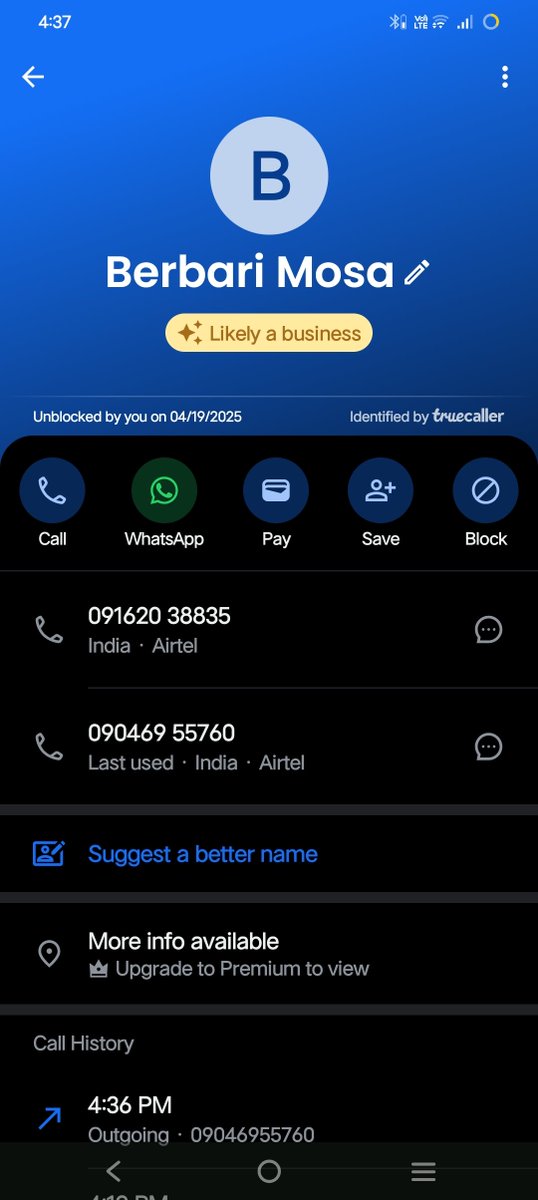

If you're annoyed by spam calls, @Truecaller Premium let's you tackle it with ease. Click this link and get 50% off! ✌iPhone and Android both! tc.onelink.me/571208033/eiab…
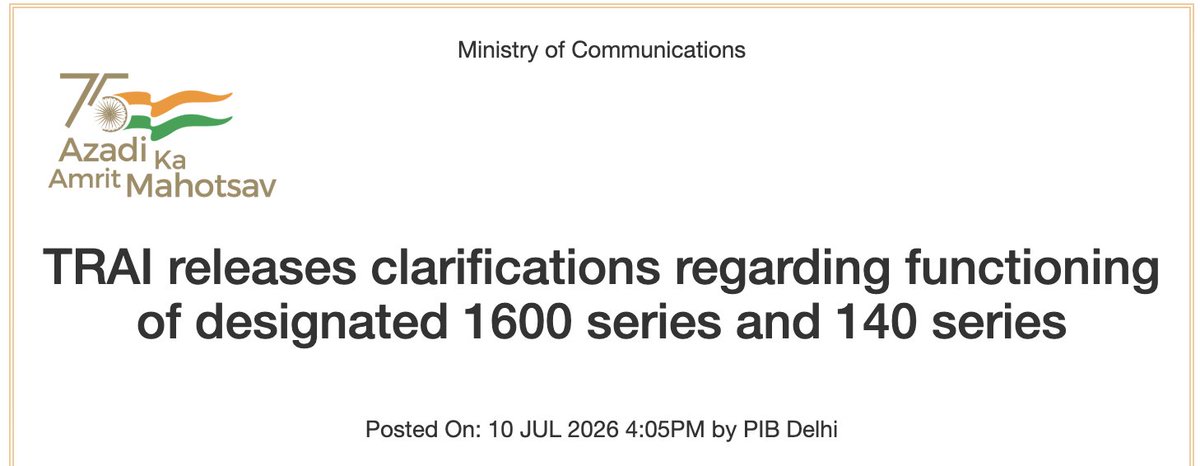
Wondering why spam calls have increased SIGNIFICANTLY in India recently? Well, it's actually going to get worse, here’s why: In late 2025, TRAI enforced businesses to call consumers using 140 (for telemarketing calls) and 1600 (for BFSI companies to make service/transaction related calls) number series with the intention to control the calls using these dedicated number series. This might sound good on paper but the problem started when TRAI also mandated @Truecaller to NOT show any community reported spam information, thereby restricting Truecaller to never show any 140 and 1600 numbers as spam. This seemed very strange from our point of view. Truecaller has actually helped hundreds of millions of Indians every single day for 17 years and now they want to censor/surpress trusted information from people? We described this to TRAI as well, because we knew exactly what would happen next… What happened was that the amount of spam calls made through 140/1600 number series skyrocketed! Over 51 million calls from both series go unanswered every single day. Also, there is a massive increase in the amount of reported spam and scam calls by the Truecaller community, even though we aren’t allowed to show it. This happened in front of our eyes and we are mandated not to tell our users that those calls are spam. Later, we saw more interesting trends: people stopped answering calls from 140/1600 numbers because of lack of trust. In the past 8 months, Truecaller users have ignored 81% of all 140-series calls and 79% of all 1600-series calls. Some of these calls are of course legit, which Truecaller would have displayed with its verified badge and consumers would have answered these calls. Instead, consumers and legit businesses both lost out. It's a lose-lose situation for everyone. Specifically with the 1600 series, reserved for service/transaction related calls, we have seen daily blocking actions triple (+208%) since October 2025. A total of 7.4 crore (74 million) manual blocking actions have been taken against these series in the past 8 months. The current situation is that Truecaller users actively block 4 lakh calls (400,000) from 140 series and 1.25 lakh calls (125,000) from the 1600 series — every single day. Eventually we said enough is enough. Our mission is to create trusted communication between consumers and legit businesses, so we went ahead and built the ‘Frequently Blocked’ badge. If a 1600 series number is blocked by many people, we surface this information - but we do not mark it as spam (red on Truecaller). Yesterday we read the news that TRAI is asking MEITY for the authority to regulate caller ID apps to not show any information at all on 140/1600 numbers. This makes absolutely no sense. We are the good actors who are helping hundreds of millions of Indians every day, including the vulnerable elderly, to have a trusted communication experience. Instead, they want to enable bad actors and give them an open playground to spam and scam us by censoring community information. We find this unacceptable. Penalize the bad actors, not the ones like Truecaller that make a significant positive impact. We trust the system and its process and we will share all the data with MeitY (like we have with TRAI) that proves the above statements, to make sure they make a data driven decision in the future. Thanks for reading. Nothing will deter us from helping you avoid spam and scam calls. 💪

Install @Truecaller to stop unsolicited calls and then truecaller itself allows unsolicited call under the pretext of enquiry received by taking money is a clear example of this saying in Telugu. "Kanche chenu mesindi" (కంచె చేను మేసింది) is "when the fence eats the crop". It is used when a protector, guardian, or authority figure—who is meant to prevent harm or uphold the law—becomes the wrongdoer or exploits the very people they are meant to protect.