Sabitlenmiş Tweet

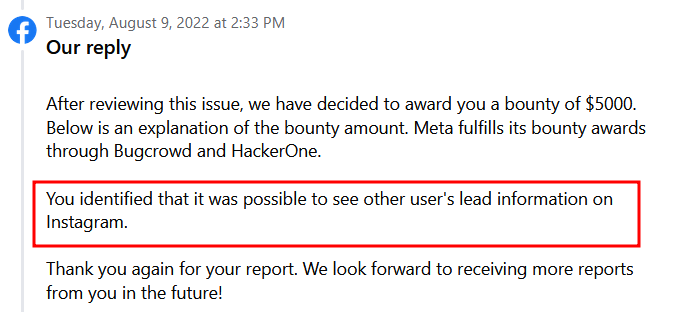
Blind Insecure Direct Object Reference (IDOR) On Instagram.
Write-up:
nobugescapes.com/blog/blind-ins…
#bugbountytips #bugbounty #p2 #bugcrowd #meta
English
Tur.js
1.3K posts
@Tur24Tur
Interested in Application Security, Bug Bounty, Reverse Engineering, Frida & Ghidra @NoBugEscapes @BugBountyZip https://t.co/bltifT1jkQ


[ REPOST ] NEW INSTAGRAM METHOD - New IG Ban Method 18/06 1- VPN to San Jose, CA (Meta HQ). - Report Account 1x Financial or Investment scam 1x Nudity or sexual activity 1x Bullying or harassment 1x Suicide or self-injury - Wait 15s reload, enjoy!


I can confirm this Instagram vulnerability is real. My three-letter Instagram username was just suspended, even though it's a private account. I've owned it since 2012, and I haven't posted anything since 2017. I never chat with anyone on it, and I haven't even left comments on other people's posts. The account also has over 28,000 followers. I received an email saying the account had been suspended. I followed the appeal link, completed the CAPTCHA, entered the email associated with the account, verified the OTP, and uploaded my government-issued driver's licence for identity verification. cc: @andymstone , @mosseri

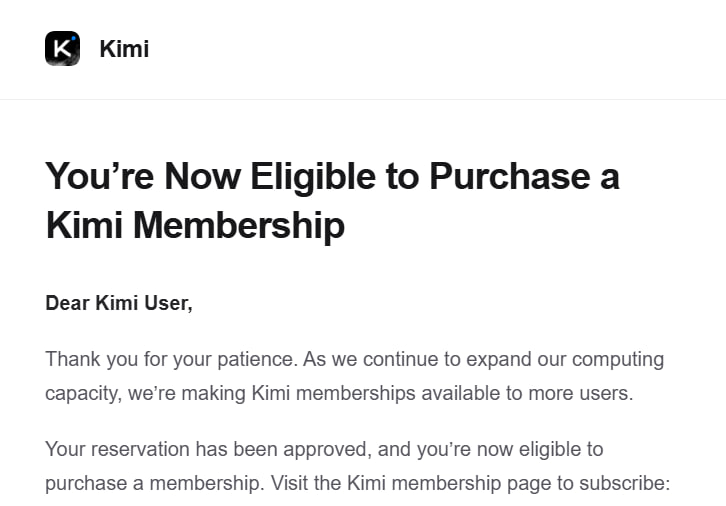
I'm still hitting rate limits when using Kimi K3 with Claude Code Harness. I tried using it to find an XSS vulnerability in a vulnerable web application, but it couldn't find one and kept getting stuck when using its own CLI harness. Even with my own harness, I'm still running into rate limits. I still don't understand the hype around Kimi K3. So far, I think the best Chinese model is DeepSeek V4 Pro. I'm sure the team is cooking something big, so I'm looking forward to seeing what they release next.


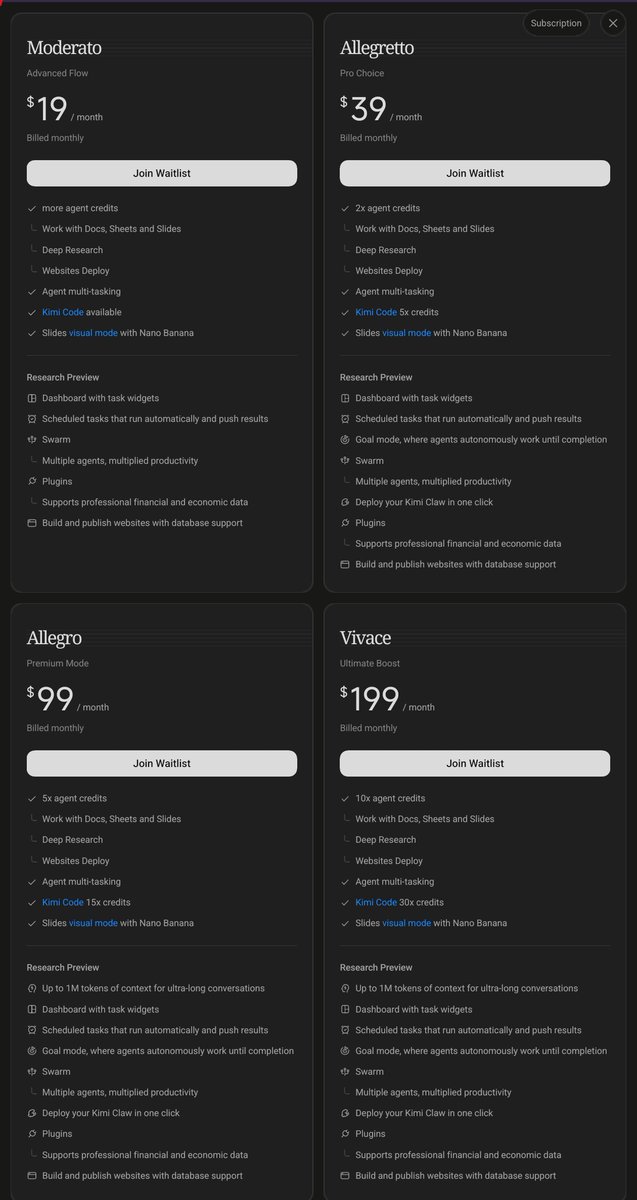
Introducing Kimi K3: Open Frontier Intelligence 🔹 2.8 Trillion Parameters, 1 Million Context, Native Multimodal 🔹 Kimi Delta Attention enables up to 6.3x faster decoding in million-token contexts 🔹 Attention Residuals deliver ~25% higher training efficiency at <2% additional cost 🔹 Built for long-horizon agentic coding and self-evolving workflows Kimi K3 is now live on on Kimi.com, Kimi Work, Kimi Code, and the Kimi API. Open Weights by July 27, 2026. 🔗 API: platform.kimi.ai 🔗 Tech blog: kimi.com/blog/kimi-k3