UK Muscidae & Fanniidae Study Group retweetledi
UK Muscidae & Fanniidae Study Group
36 posts

UK Muscidae & Fanniidae Study Group retweetledi
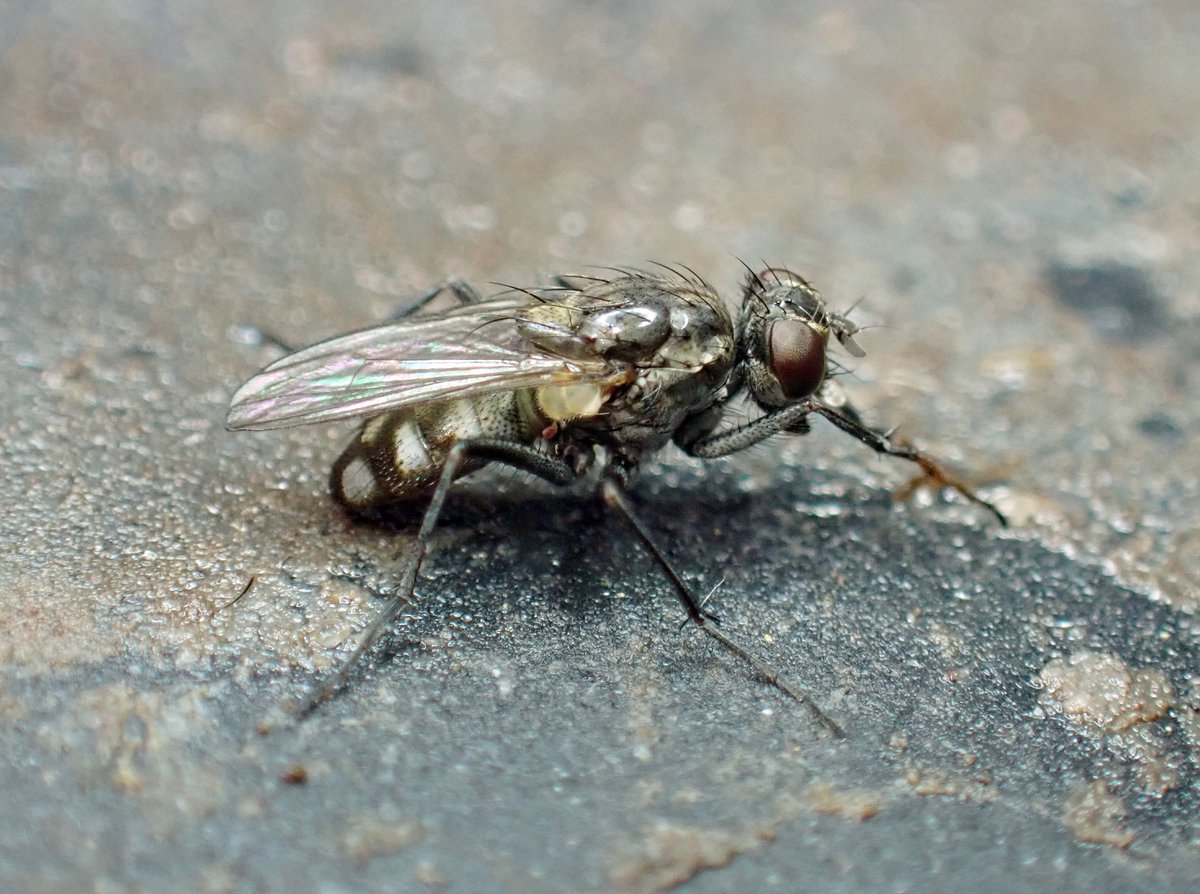
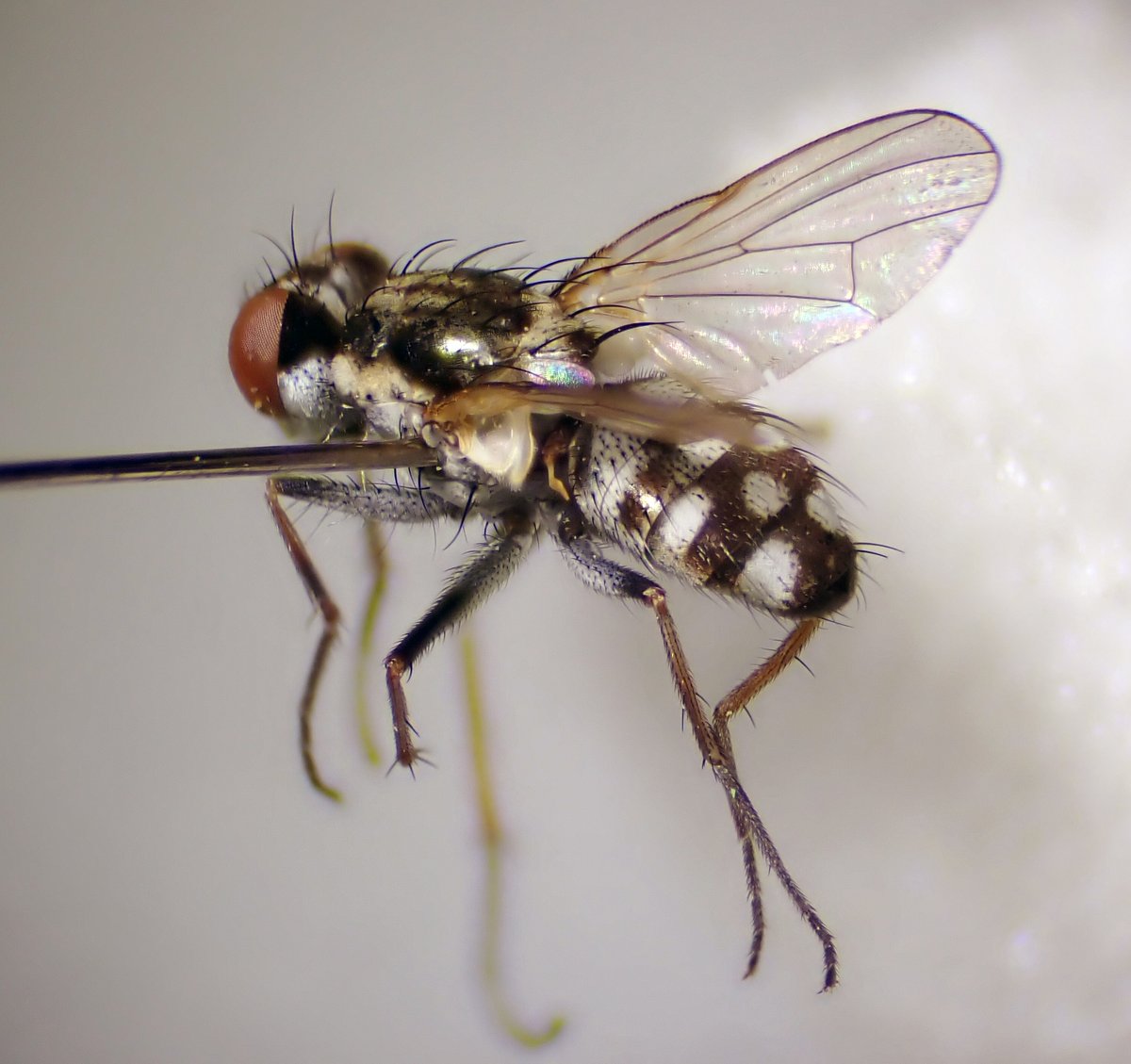
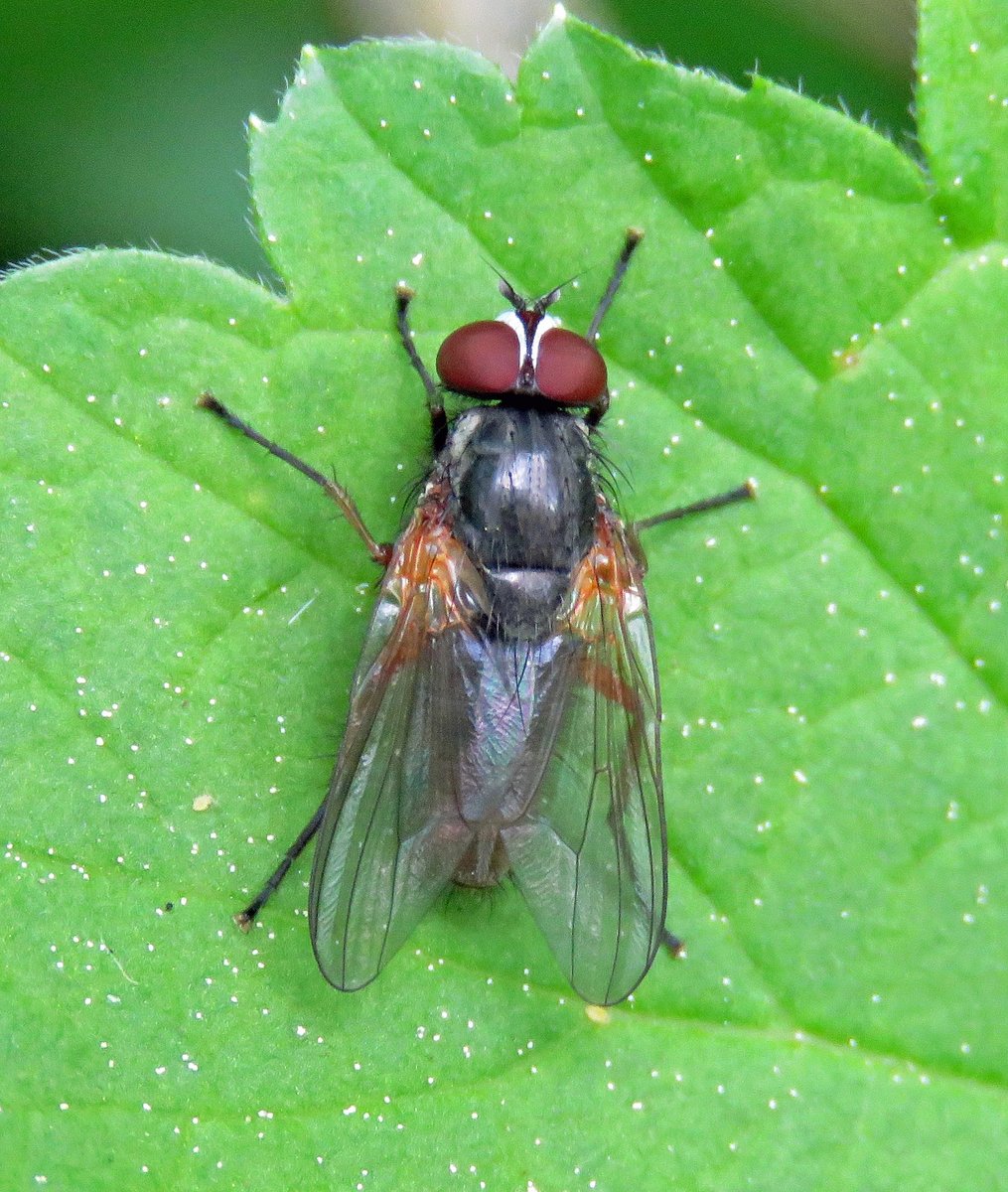
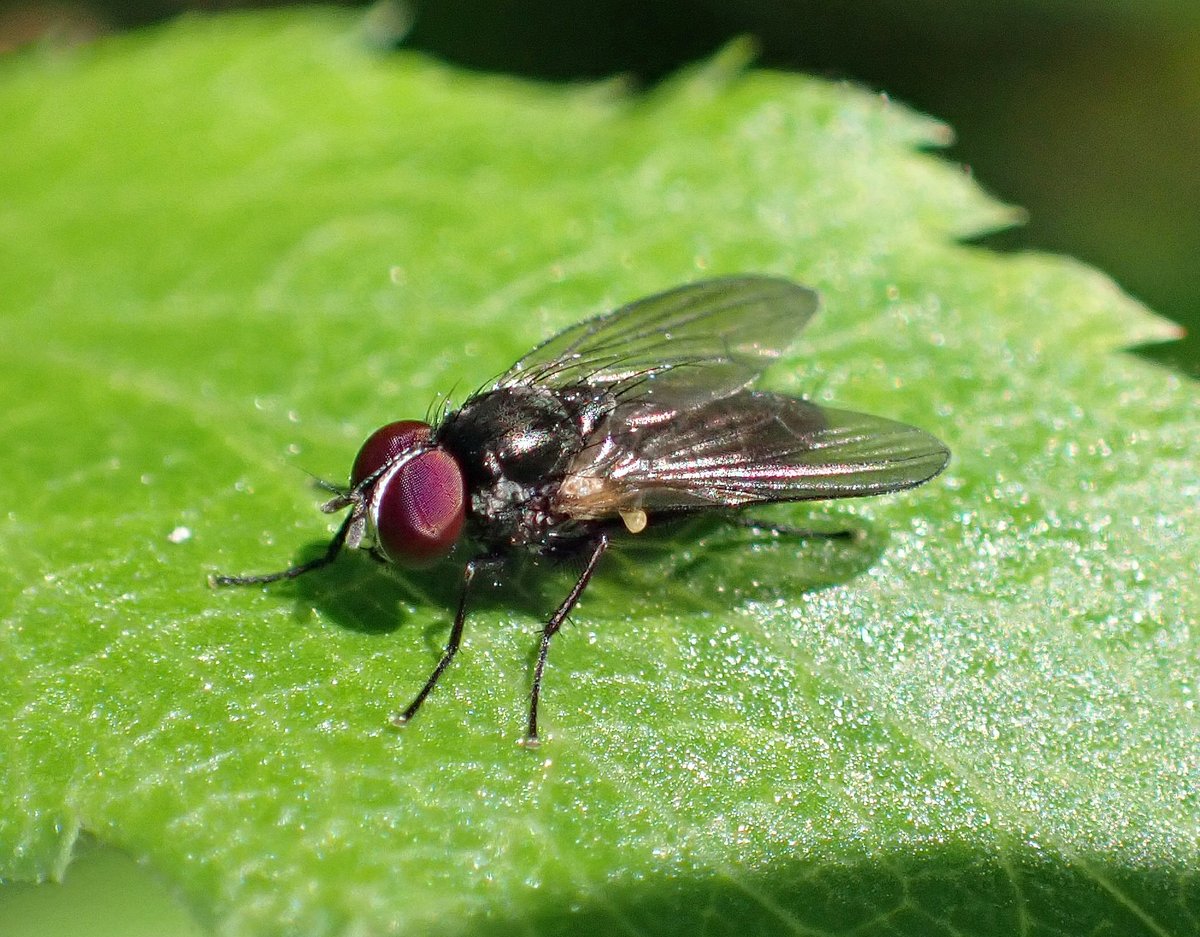
Thought I'd photographed a male of the frequent Limnophora riparia along the River Lune, Lancs during the @DipteristsForum summer meeting but the dark frons and pale vibrissal angles show it's the much rarer L. exuta. Male of riparia for comparison. @UKMuscidae


English
UK Muscidae & Fanniidae Study Group retweetledi

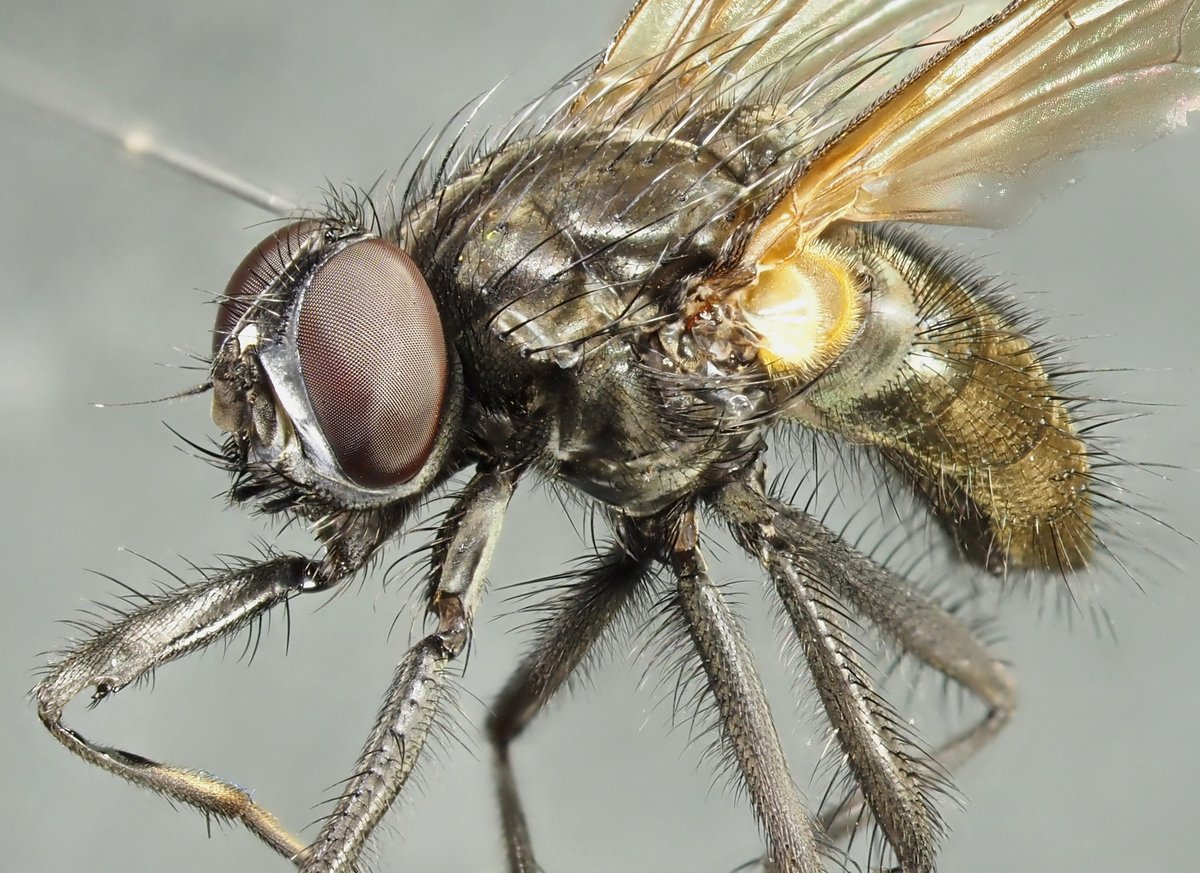
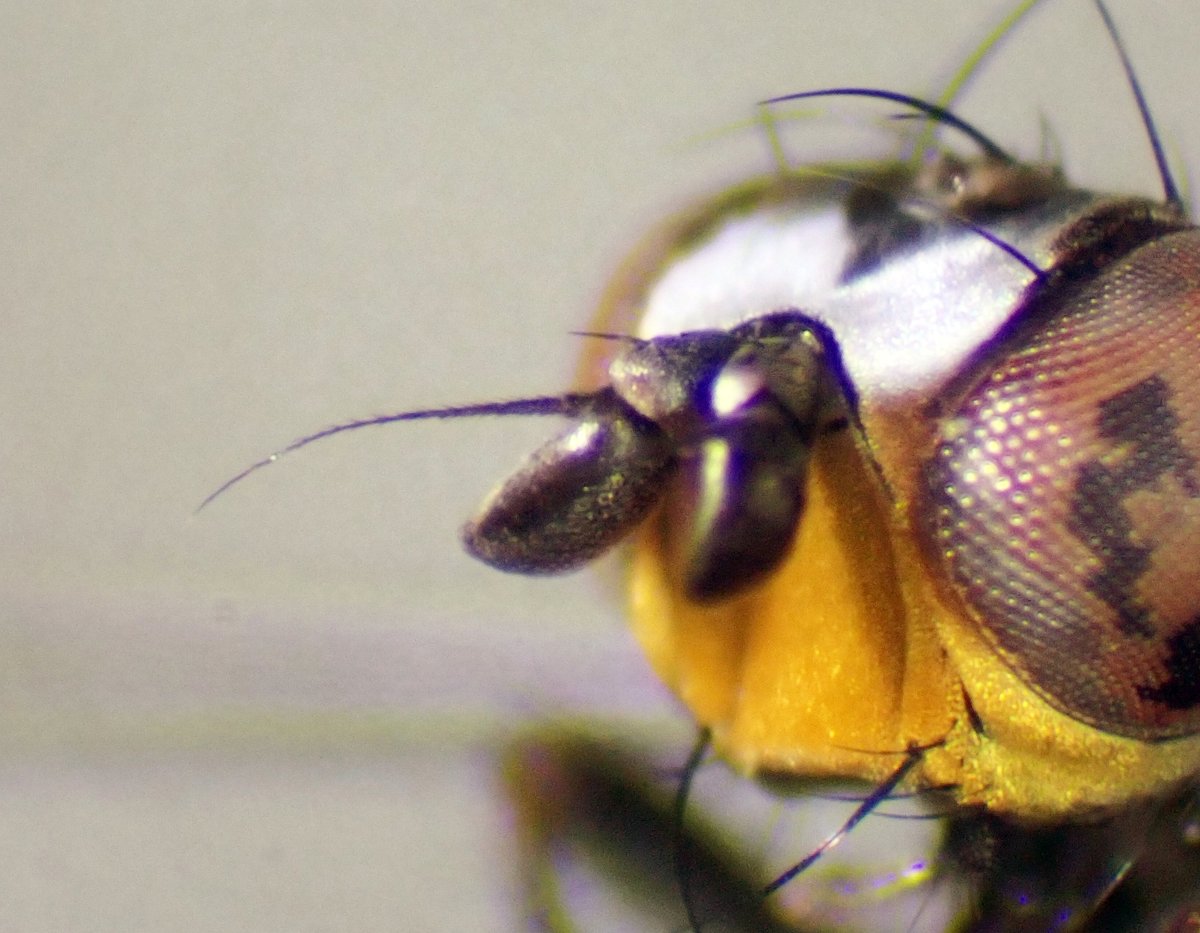
Six more British Muscidae genera just added to my Flickr site: Limnospila, Macrorchis, Orchisia, Pseudolimnophora, Schoenomyza and Spanochaeta @N07/collections/72157632832500762/" target="_blank" rel="nofollow noopener">flickr.com/photos/6307520…. Images & detailed species accounts. Biodiversity in the raw. Look at that colourful Schoenomyza litorella head.


English
UK Muscidae & Fanniidae Study Group retweetledi

A new muscid genus just added to Falk Flickr @N07/collections/72157721555291989/" target="_blank" rel="nofollow noopener">flickr.com/photos/6307520…. Lispe has 10 British representatives. They love the bare wet mud of upper saltmarsh, river banks and lake margins. Both adults and larvae are predatory. Adults have an elaborate courtship.


English
UK Muscidae & Fanniidae Study Group retweetledi

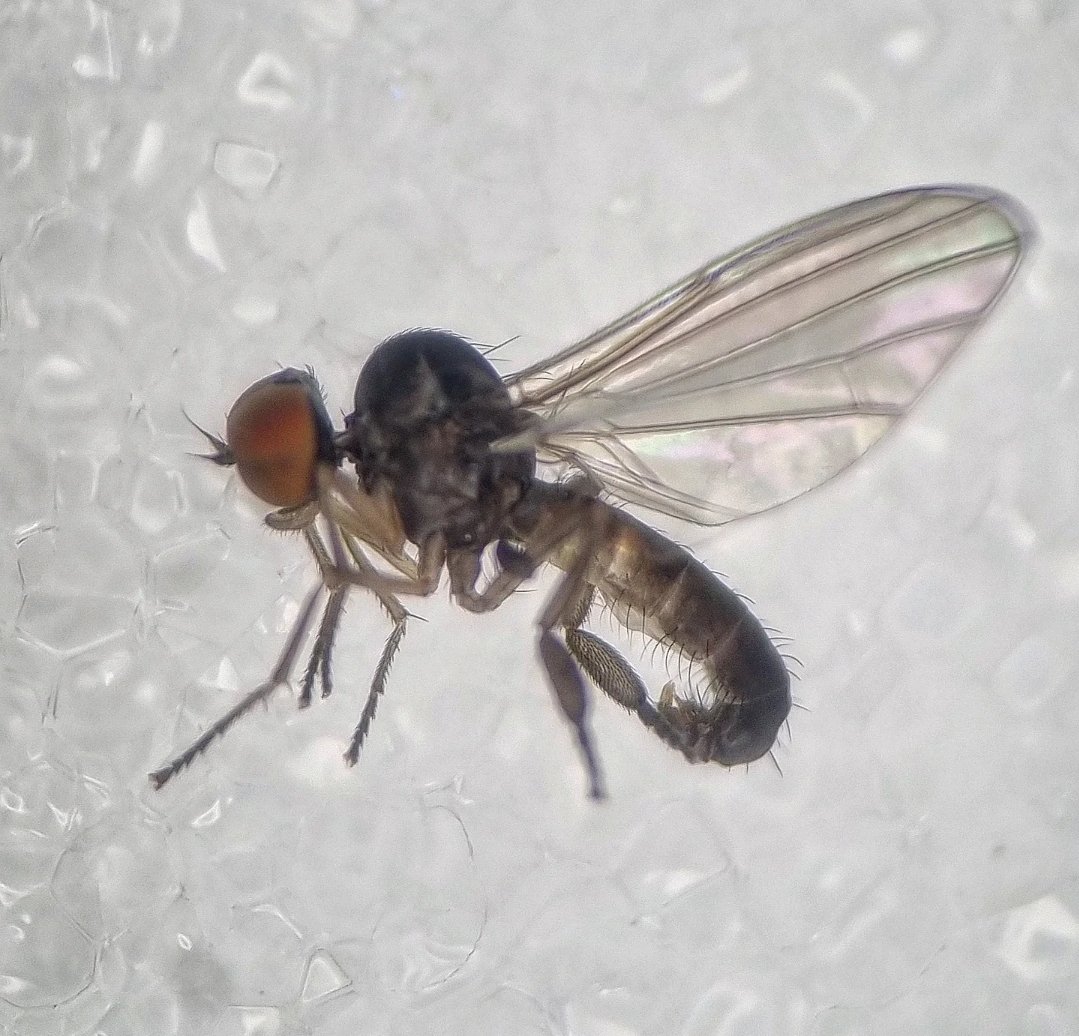
@xylota @ynuorg @DipteristsForum @UKMuscidae Lovely. Yes, you are right about lack of Fanniidae love Ian, so here are four from me: Fannia lustrator, F. mollissima, F. speciosa and F. sociella. I don't have a decent one of Lesser House Fly - need to fix that!


English

Fantastic...any more Fanniidae fans out there with photos/records to share?!
Steven Falk@StevenFalk1
@xylota @ynuorg @DipteristsForum @UKMuscidae Lovely. Yes, you are right about lack of Fanniidae love Ian, so here are four from me: Fannia lustrator, F. mollissima, F. speciosa and F. sociella. I don't have a decent one of Lesser House Fly - need to fix that!
English
UK Muscidae & Fanniidae Study Group retweetledi

@4peatssake2 @BrianE_Cambs @xylota @DoncasterDamian @ynuorg @DipteristsForum @AlchemillaMan It’s proving to be a bit more widespread and catholic in its occurrence than Peter thought. More here @N07/albums/72157632827488537/" target="_blank" rel="nofollow noopener">flickr.com/photos/6307520…. Was particularly delighted to find a population at Sutton Park in Birmingham. Also found it in large numbers in coastal grazing marsh nr Lymington.
English

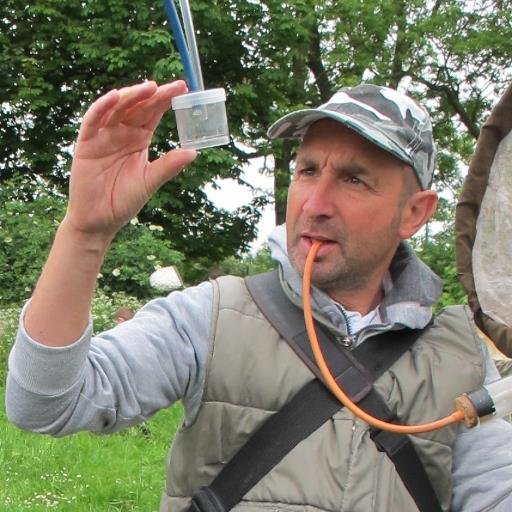
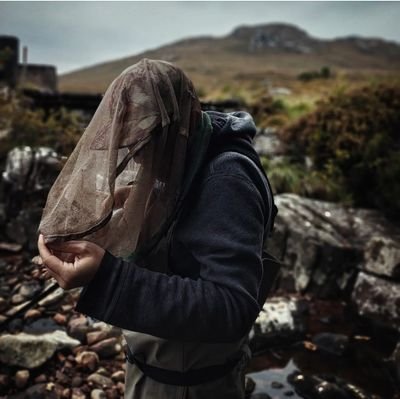
@graemelyons I often get asked if I'm fishing, I say "yes, fly fishing" LOL 😆
English
UK Muscidae & Fanniidae Study Group retweetledi

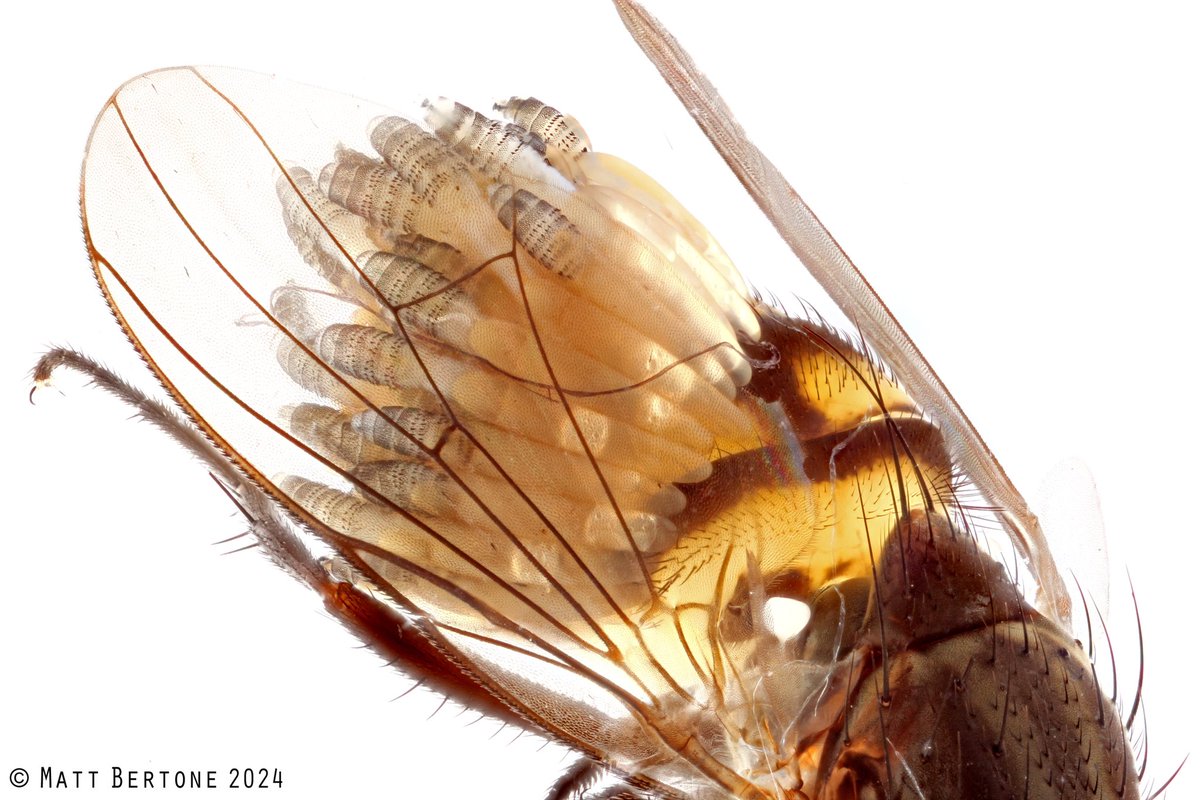
Prepare to have your mind BLOWN
This fly (Fannia sp) was found in the meat baited Shannon trap covered in Dermatobia hominis - The HUMAN BOTFLY
Botflies usually lay eggs on flies that feed on humans (as the eggs drop when feeding) and these are larvae!
#FySchool24


English
UK Muscidae & Fanniidae Study Group retweetledi

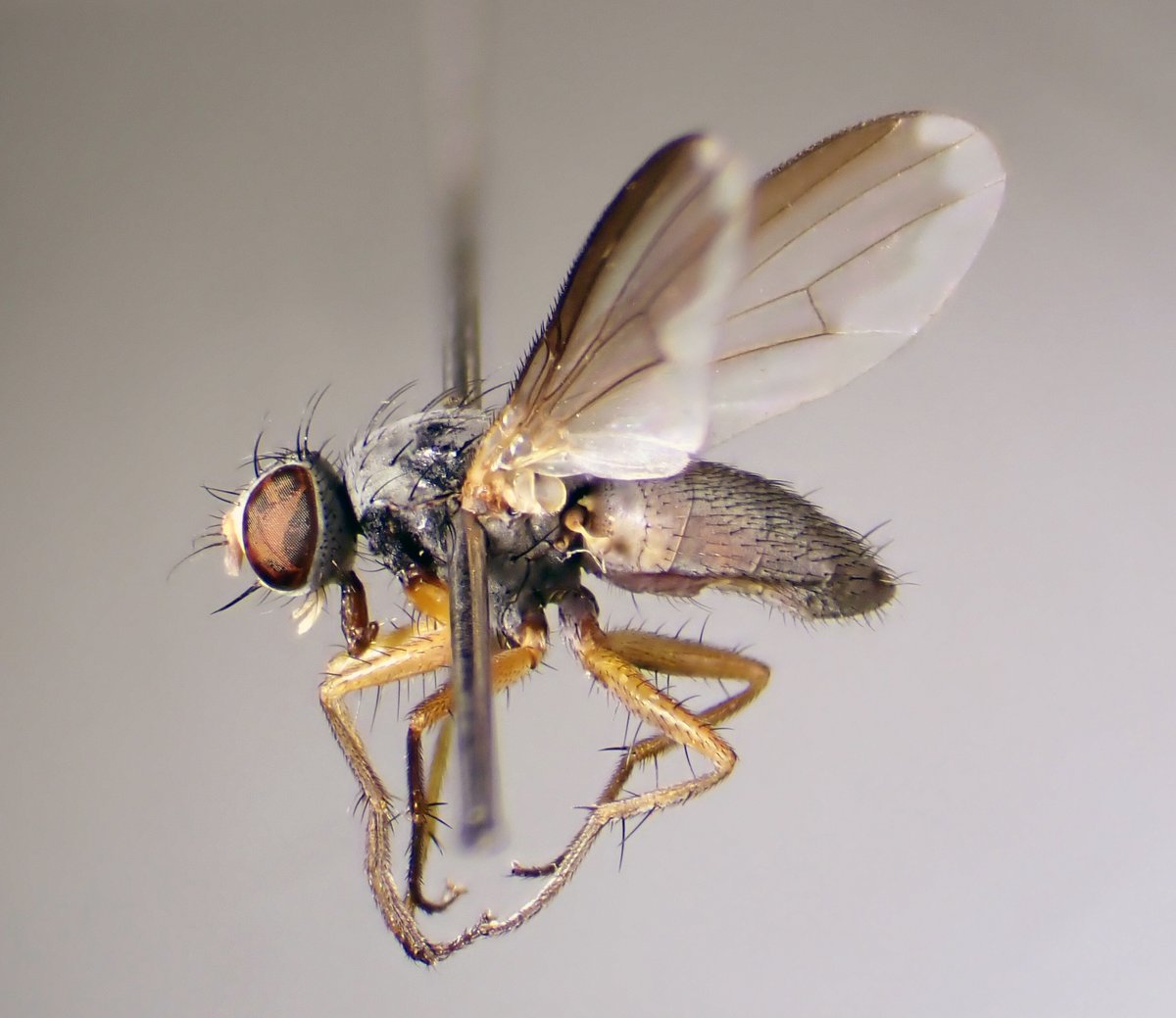
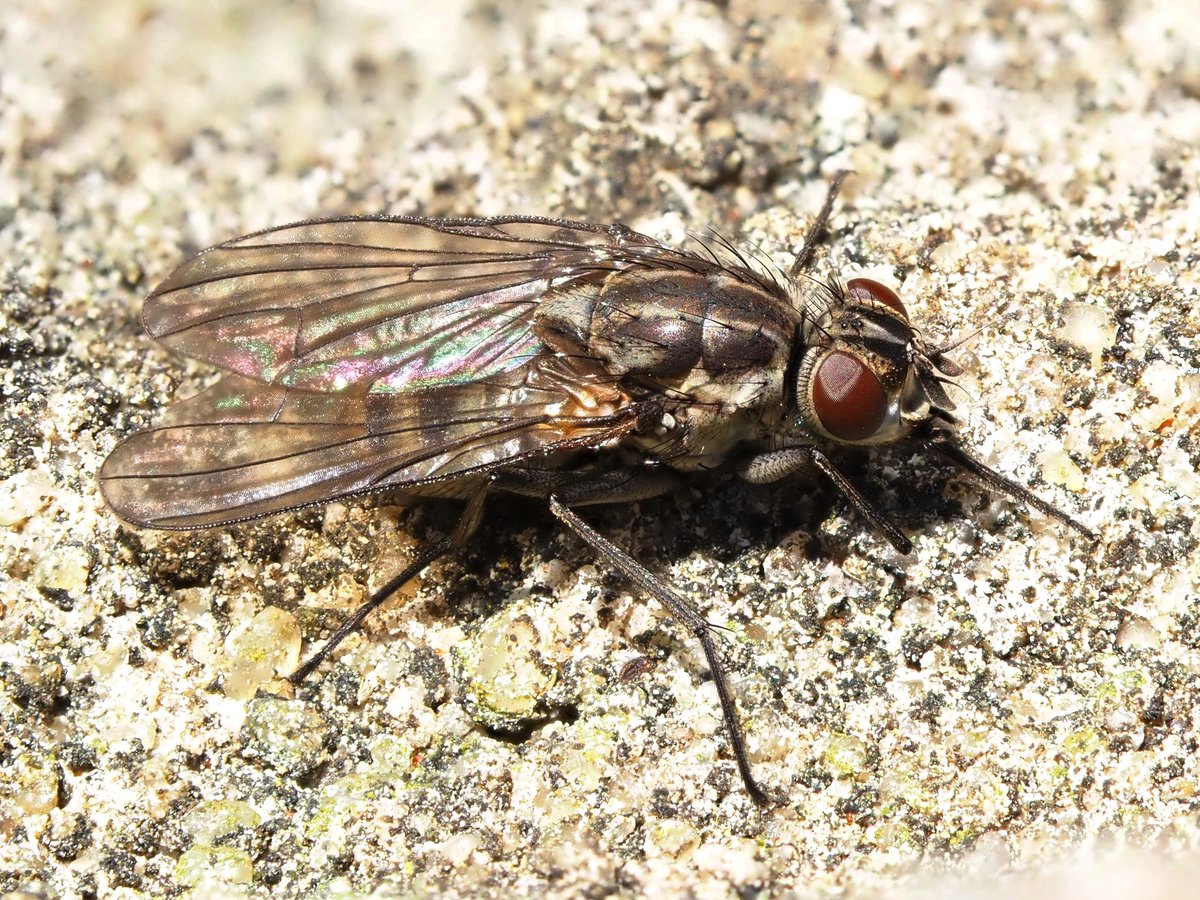
Piezura pardalina Rondani, 1866 a fairly distinctive species of Fanniidae. This male was collected yesterday from Union wood, Collooney, County Sligo (Date:05.vii.2024). @UKMuscidae


English

@lisajrwilliams @DipteristsForum @StaffsWildlife @StaffsEcology Yup, distinctive with its orange frons. Nice. 🙂
English
UK Muscidae & Fanniidae Study Group retweetledi

Common Ragwort (Jacobaea vulgaris) is such an important nectar source:
Conops quadrifasciatus mating pair, Macronychia dolini, Physocephala rufipes & Stictoleptura scutellata all feeding on Ragwort in Bengeo garden during last two weeks. @hertsbna


English