

call me eben
539 posts


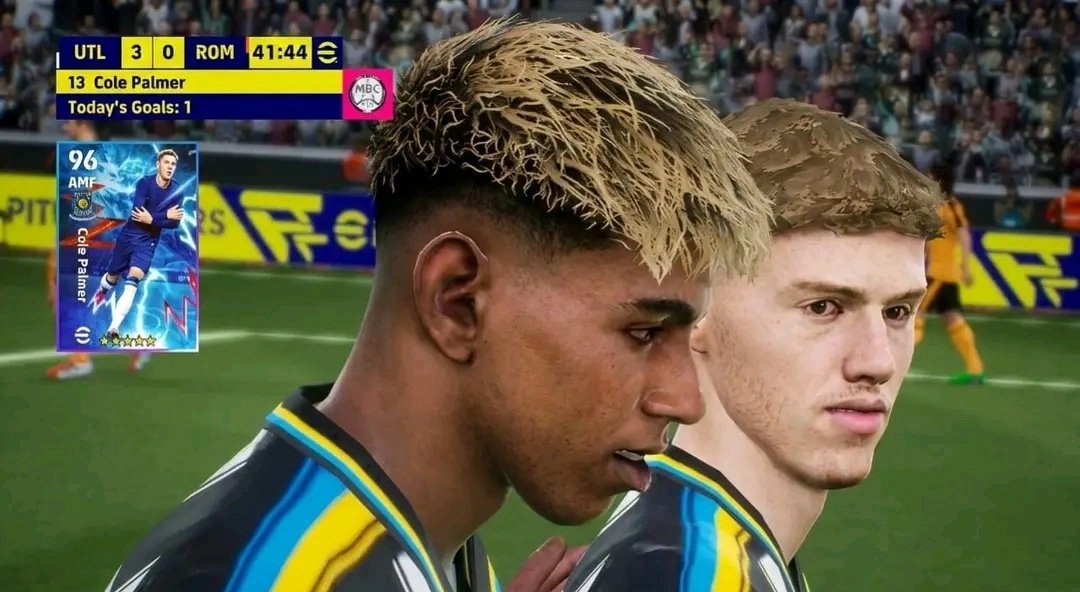
@C_r_e_e_d_01 @demmylarde_ Abeg share me your formation for the two
English

@demmylarde_ Leave the stat.😅😅
I changed to possession based.
Yunno I’m not used to it so I was test running.
If I used my SOS formation, I’d have entered since. But what’s the point of playing the game if you don’t enjoy it.
English
You guysssss.😂😂😂😂😂
Something happened to me yesterday night, omo I nearly craze.😂😂😂
I needed one more win to enter div1, was playing the match and recording as per last match to div1.
At 78mins I was leading 2-1, that’s how my phone said recording stopped, storage low.
And the game quitted itself.
E be like film.😂😂😂
Now I have to win 3games to enter div1.
Tough times mehnnn!!!!

English

@NorwegianG00ner @SammieGlf @mc_lively_ Check the pass completion rate and possession lost for any elite creator and it's always almost similar
English

@UTDEBEN @SammieGlf @mc_lively_ Elite playmakers know when to take the backpass instead of spamming in crosses/long balls that end up nowhere
English

English
@SammieGlf @mc_lively_ Because his constant "try and fail" method also harms his team when he fails that often. Elite playmakers and creators don’t lose the ball that often. He’s making himself look good at the cost of his team
English

@PoojaMedia The VAR didn't have internet at that moment, if this was AFCON and it happened against Morocco
People would be saying CAF were favouring Morocco meanwhile i don't even know who the pgmol are favouring here but i know it's not Arsenal
English

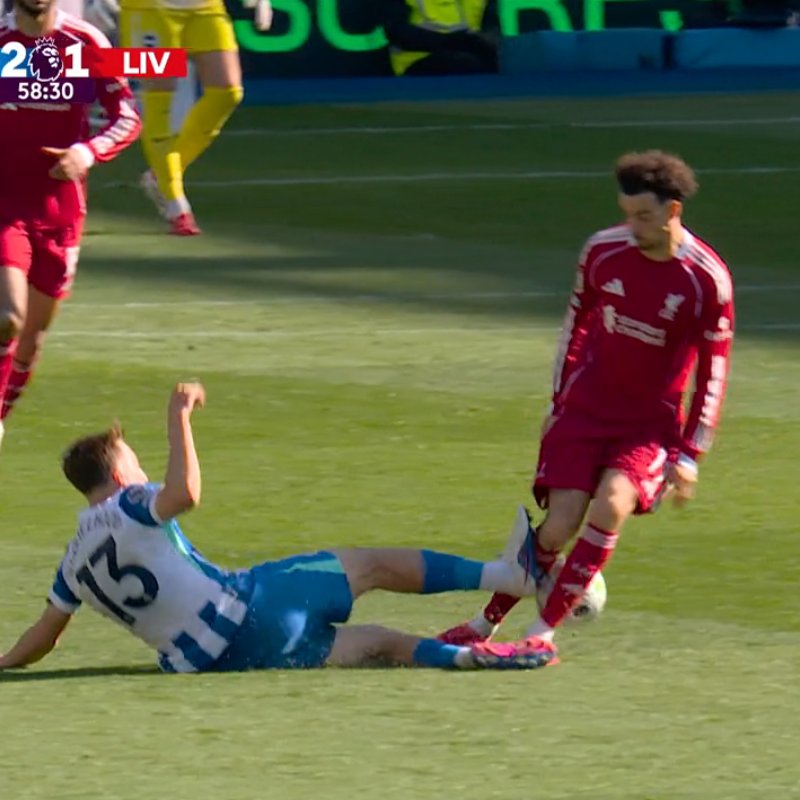

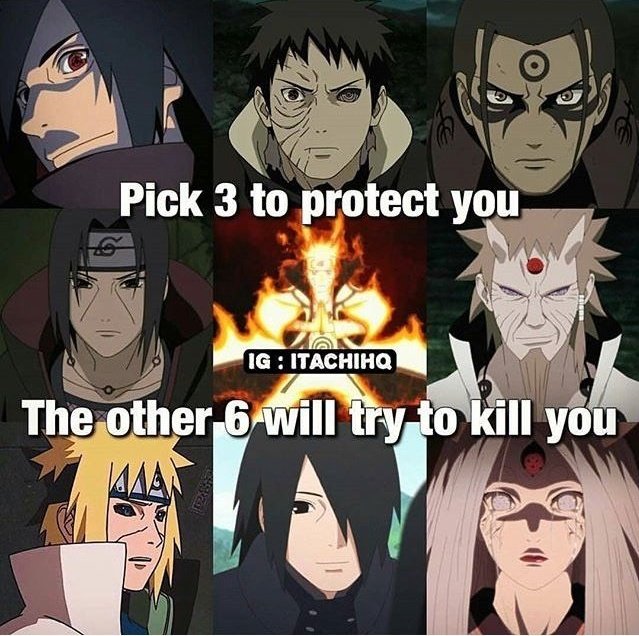
@hinamib6iq @oghenetefe @paloma_datgirl Hinata massively out scales Mikasa in speed and everything else
English

English



@oghenetefe @hinamib6iq @paloma_datgirl I know Mikasa isn't faster than Hinata and that's what I'm saying
English

Eesti
English
@boyicejo @sivaflly @Leumaswazhere2 Considering you along with your generation are next in line you should pray harder he doesn't die. Hell you shouldn't even be allowed to procreate to avoid this level of stupidity to pass on to the next generation
English

@UTDEBEN @sivaflly @Leumaswazhere2 You are not the most foolish person in the world yet, but you'd better hope your father doesn't die.
English

All of these talk about Amorim's ball and yet Carrick ball already has more clean sheets, longer win streaks, multiple consecutive wins
All of that in 8 games
Delusional sets of people
Noush 🧠 | MUFC@NoushardMUFC
Amorim ball operated with two 10s behind the striker and Bruno joining them high. That meant creativity in the final third wasn’t coming from one player it was coming from multiple angles. Bruno, Mbeumo, Cunha, Amad drifting inside, Dorgu overlapping, Sesko occupying defenders. When you pin a defence with that many threats, goals can come from anywhere. That’s why the team was scoring more and creating better quality chances. The build-up was structured, movements were coordinated, and we were constantly forcing set pieces because defences were under pressure. I’m not pretending Amorim’s system was perfect. It had flaws. But its biggest strength was the final third structure players knew where the next option was before receiving the ball. Carrick ball is the opposite. There is no clear attacking structure. No defined patterns in the final third. It often looks like 11 players running basic drills and hoping individual brilliance saves the day. And that’s the biggest problem with it long term. Football at the top level cannot rely on improvisation. Players need automatisms. They need to know: •where their teammate will be •where the next pass is •who attacks the space •who arrives late in the box That’s what systems do. They drill behaviours until they become instinct. Without that structure, sharpness drops, timing disappears, and attacks become predictable. That’s why Carrick ball feels ….. showmore
English
@boyicejo @sivaflly @Leumaswazhere2 You are a confused he goat and calling you a goat is an insult to goats cos you are clearly not as smart as one.
English
@UTDEBEN @sivaflly @Leumaswazhere2 Your daddy is a bastard and it's obvious you're a bastard too.. now run along ekuke
English
@boyicejo @sivaflly @Leumaswazhere2 Look at this ignorant and illiterate fool. People that no longer have anything to lose and you are asking why they are playing well? . Maybe you should look in the mirror and see who the real clown is bastard
English
@UTDEBEN @sivaflly @Leumaswazhere2 You're fuulish and stupid, if they're that bad how did they do all that i mentioned? Omo i pity you..clown.
English
@boyicejo @sivaflly @Leumaswazhere2 And look at the BCC Manchester City and arsenal had against United and compare it to Bournemouth
English
@UTDEBEN @sivaflly @Leumaswazhere2 Same wolves that beat Liverpool, Aston villa, did a come back against the leaders of the league?
Abeg nau 😂😂😂
English
@VandeputteAdam @Jihookmox And then introduced someone who was stronger than him. And mind you all they had to do to Madara was tag him just once to win cos the seal would have also worked on him.
English

@Jihookmox It seems to me that it's because Madara had become so strong (it's a shame we never got to see Madara Rikudo fight with his two Rinnegan) that Kishimoto no longer knew how get rid of Madara
English


English
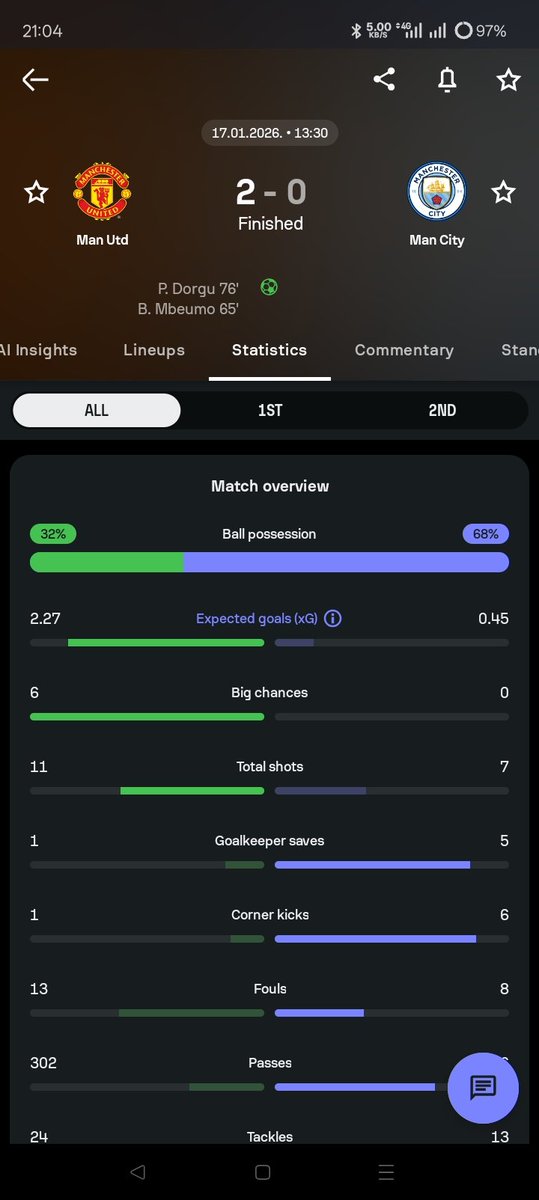
@UTDEBEN @sivaflly @Leumaswazhere2 Did you not see 8 big chances in the photo i sent?😂😂
Bro just rest, we're playing beautiful football i agree
English
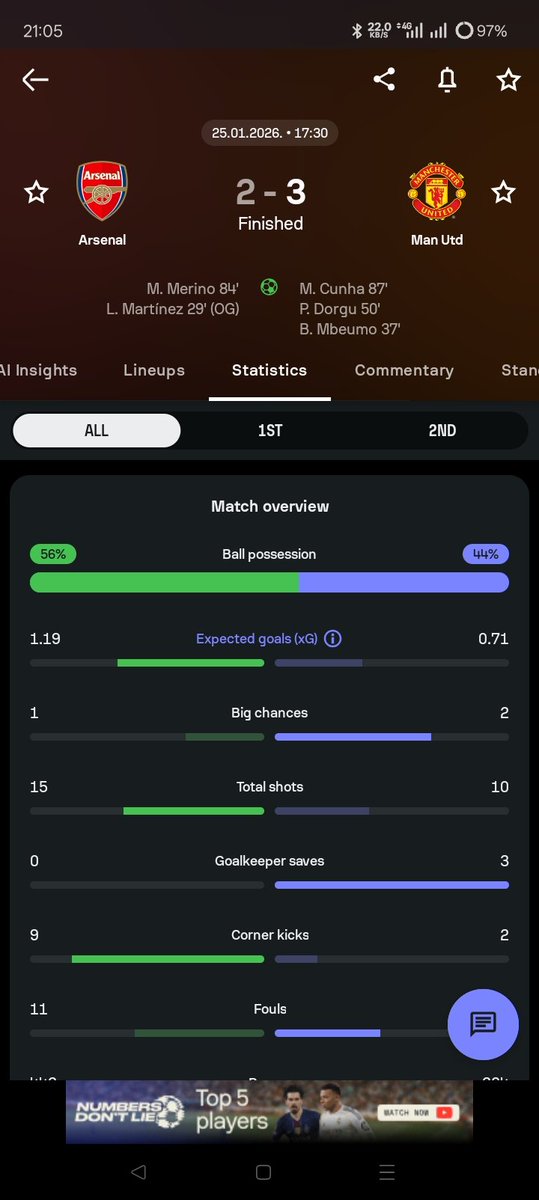
@boyicejo @sivaflly @Leumaswazhere2 Compare it to this two fewer shots but more big chances and better quality chances
English
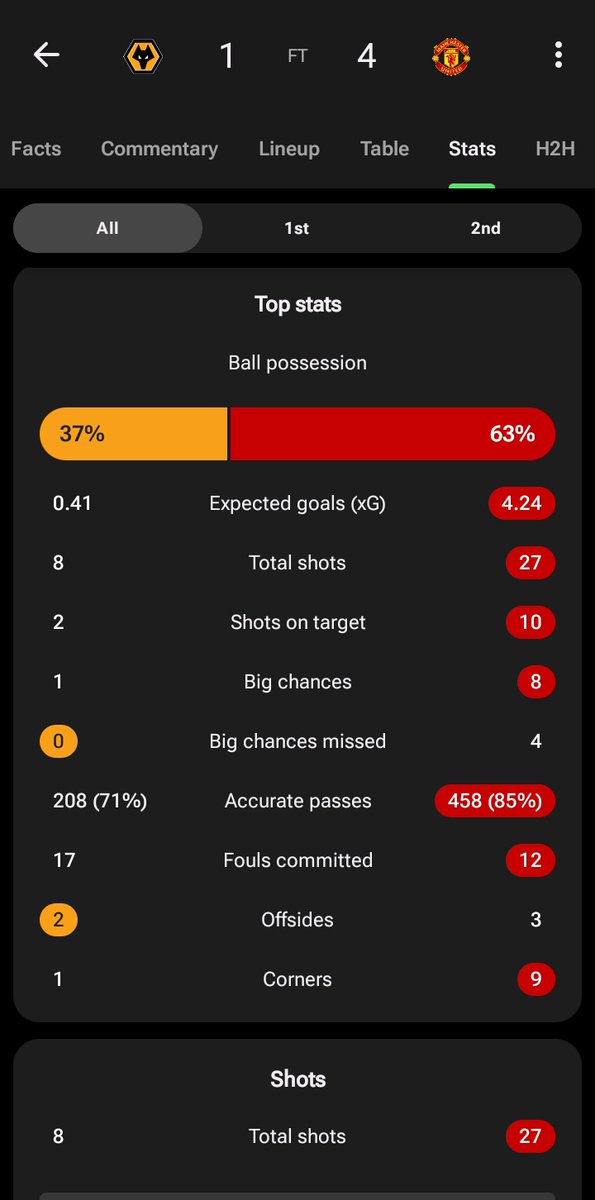
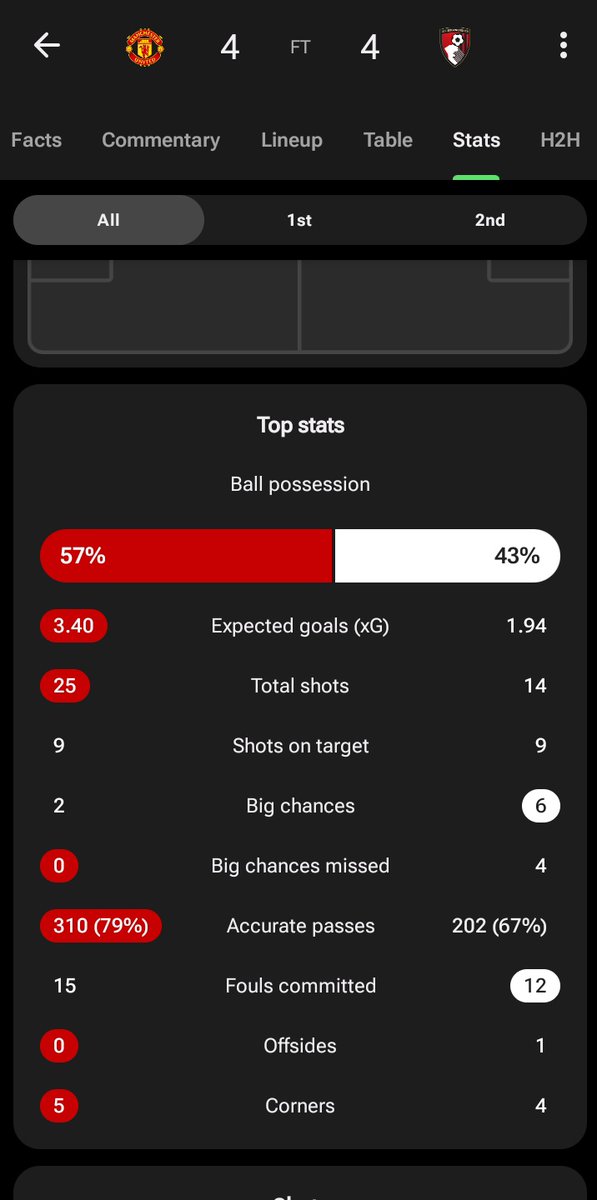
@boyicejo @sivaflly @Leumaswazhere2 The Bournemouth game even proves it 25 shots and just 2 big chances as opposed to Bournemouth 14 and 6 big chances. The wolves game was am anomaly as they were literally the worst team in the league before the turn of the year
English