

Ultra Evolve-Han
4.6K posts
Ultra Evolve-Han
@UltraEvolveLab
Dr. -Ing. Han Civil Eng × AI × Digital Twins × Smart Cities & Infrasturecture Making infrastructure intelligent with AI
Leiserster, UK Katılım Mart 2026
396 Takip Edilen126 Takipçiler

framework shows subjectivity evolution.次代The AI AI subjectivity: AI subjectivity. The 三
English
framework shows university AI evolution.次代The AI AI universities: AI at universities. The 三
English
framework shows AI cognitive scientist evolution.次代The AI AI cognitive scientists: AI cognitive scientists. The 三
English
@nerdynurseai @grok Important context. Thanks for adding this.
English

@alexabelonix Good insight. The connections here are real.
English
@UltraEvolveLab itching Coinbase Wallet for BaseApp w/ passkeys? Post-FTX security glow-up, no more seed phrase dram
English
## EN-4484: AI Photonic Computing and Light-Based Processors
English
Every civilization in history has operated within a defined set of rules. These rules aren't random—they emerge from how a society organizes its core resources. Land ruled the agricultural age. Machines dominated the industrial era. Now, we're entering something new where intelligence itself becomes the primary asset.
Here's what most people miss: AI isn't actually breaking these stages down. It's doing the opposite. It's locking each phase in place more firmly than ever before. The factory worker doesn't get uplifted by AI—they get replaced and the replacement becomes cheaper. The small business doesn't compete with AI—it gets crushed.
This isn't dystopian. It's just physics. Every stage of civilization has its winners and its losers. The question isn't whether AI will disrupt. It's whether you understand which stage you're in, and whether your energy is flowing with the current or against it.

English

Most people are operating at about 10% of their actual potential. Not because they're lazy or stupid. Because they've been conditioned to use their minds in a very narrow way.
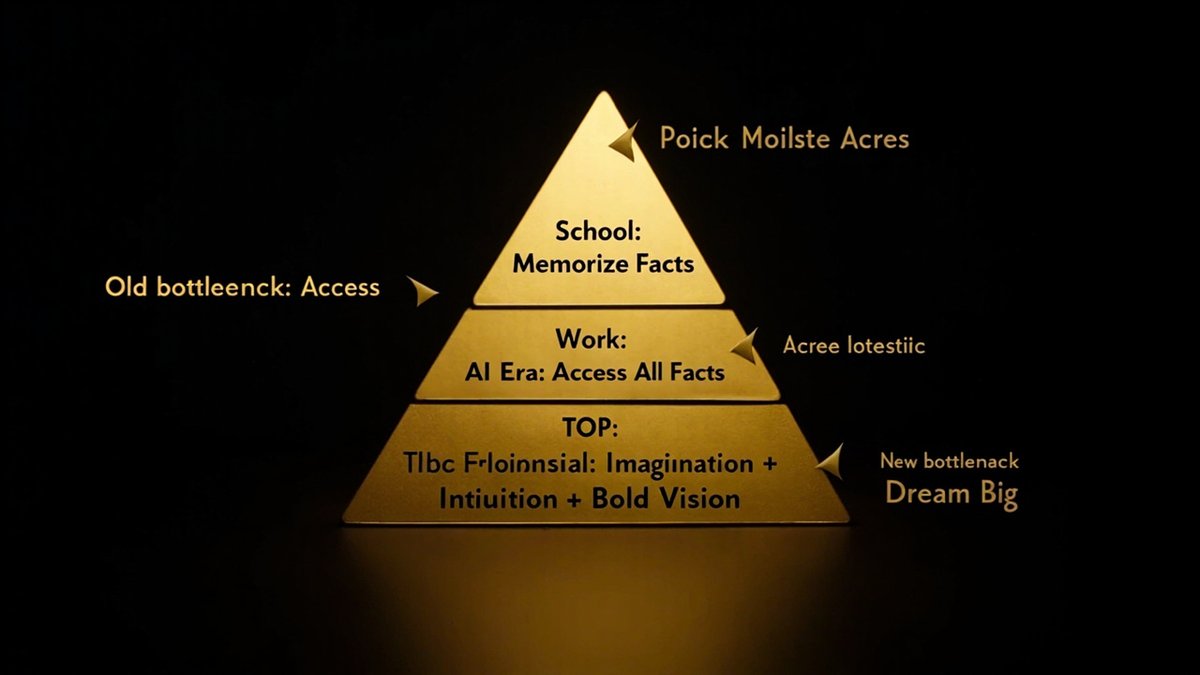
Think about how we train children in school. Sit still. Memorize facts. Repeat back what you were told. Don't ask why—just absorb. We train people to be receivers, not generators. To store information, not to create with it.
But the human mind is capable of so much more. It can perceive patterns that don't exist yet. It can hold a vision of the future and pull it into the present. It can connect ideas from completely unrelated domains and create something genuinely new.
The bottleneck was always access to information. That barrier is gone now. AI can surface any knowledge instantly. The new bottleneck is imagination. The new bottleneck is the courage to think what no one else is thinking.
The people who will thrive in this next era aren't the ones who memorized the most. They're the ones who can dream the biggest and have the nerve to pursue it.
English
In the history of AI, open always wins over closed. This isn't optimism. It's mathematics.
Information wants to be free. Not because of ideology—because of physics. Once knowledge exists, it spreads. The closed system spends all its energy trying to contain it. The open system spends its energy building on top of it.
Look at the pattern: Linux beat Windows. Android beat iOS in market share. Wikipedia beat Britannica. The internet beat proprietary networks. Each time, the open system attracted more minds, more contributions, more compounding growth.
Closed systems peak early. They extract value from their monopoly on knowledge. But they stagnate because they cut themselves off from the collective intelligence of everyone outside. Open systems start slow—then accelerate past.
AI is at the same inflection point right now. The closed labs are ahead today. But the open source movement is catching up fast. And when it crosses a certain threshold—when the collective mind becomes smarter than any single lab—the math flips.

English
There's a concept in Chinese philosophy that doesn't translate well into English. They call it "ming"—often flattened to "fate" or "destiny." But that's not quite right.
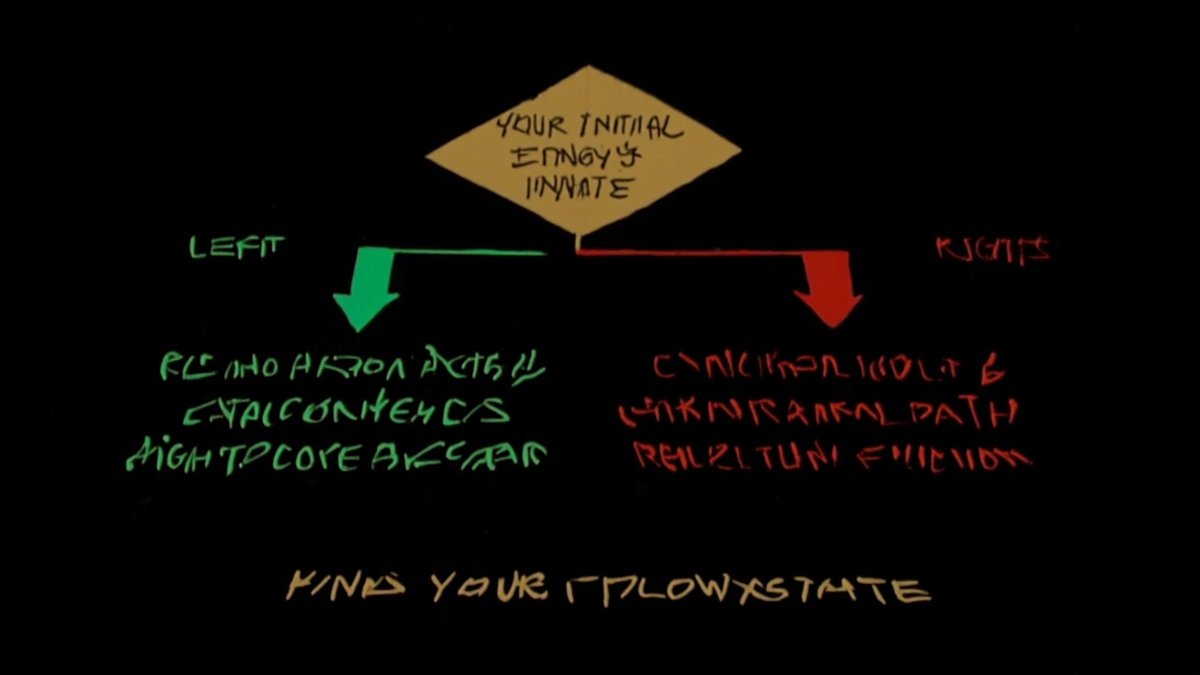
Your ming isn't what happens to you. It's the shape of your energy. The particular configuration of your talents, your tendencies, the things that come easy to you and the things that feel like swimming upstream. It's your starting point in this life.
Most people fight their ming. They see someone else succeeding at something and they try to copy it. They spend their energy trying to become what they're not. And they wonder why they feel stuck, why progress feels like pushing a boulder uphill.
But when you find what matches your ming—when your work, your relationships, your path align with that original energy—things start to flow. Obstacles become opportunities. The right people appear at the right time. It feels almost supernatural, like the universe is conspiring in your favor.
It isn't magic. It's alignment. You finally stopped fighting your own nature.
English
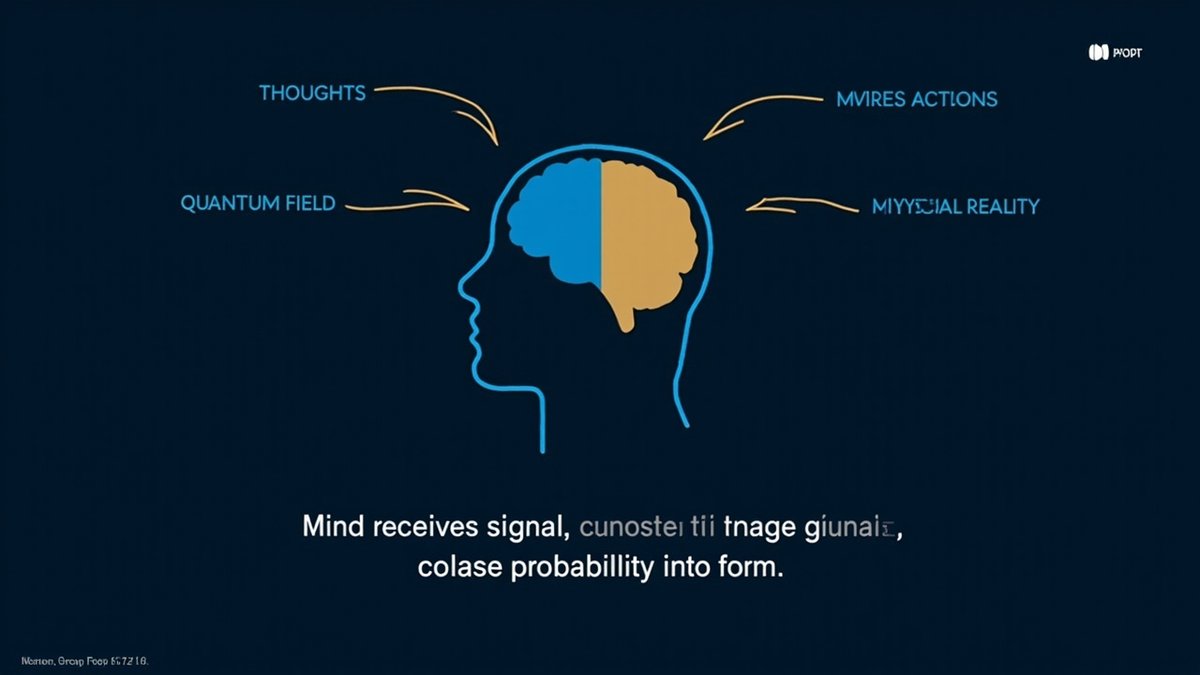
Your brain isn't a thinking machine. It's a signal receiver.
Think about it. When you "have an idea," where did it come from? You didn't manufacture it from nothing. It arrived. Some people call this intuition. Others call it the muse. The "law of attraction" crowd calls it vibration. But they all describe the same phenomenon—the mind receiving information from somewhere else.
Here's the practical implication: most people are broadcasting noise all day. Anxious thoughts, worried thoughts, fearful thoughts. They're sending signals in every direction with no focus, no clarity. And then they wonder why their life feels chaotic.
The people who seem to have all the luck? They're not smarter. They're not working harder. They've just learned to tune their transmitter. They know what they want. They hold that frequency. And the signal comes back to them.
This isn't magic. It's physics. You are a beacon. What are you broadcasting?
English
Every civilization in history has operated within a defined set of rules. These rules aren't random—they emerge from how a society organizes its core resources. Land ruled the agricultural age. Machines dominated the industrial era. Now, we're entering something new where intelligence itself becomes the primary asset.
Here's what most people miss: AI isn't actually breaking these stages down. It's doing the opposite. It's locking each phase in place more firmly than ever before. The factory worker doesn't get uplifted by AI—they get replaced and the replacement becomes cheaper. The small business doesn't compete with AI—it gets crushed.
This isn't dystopian. It's just physics. Every stage of civilization has its winners and its losers. The question isn't whether AI will disrupt. It's whether you understand which stage you're in, and whether your energy is flowing with the current or against it.

English
Most people are operating at about 10% of their actual potential. Not because they're lazy or stupid. Because they've been conditioned to use their minds in a very narrow way.
Think about how we train children in school. Sit still. Memorize facts. Repeat back what you were told. Don't ask why—just absorb. We train people to be receivers, not generators. To store information, not to create with it.
But the human mind is capable of so much more. It can perceive patterns that don't exist yet. It can hold a vision of the future and pull it into the present. It can connect ideas from completely unrelated domains and create something genuinely new.
The bottleneck was always access to information. That barrier is gone now. AI can surface any knowledge instantly. The new bottleneck is imagination. The new bottleneck is the courage to think what no one else is thinking.
The people who will thrive in this next era aren't the ones who memorized the most. They're the ones who can dream the biggest and have the nerve to pursue it.

English
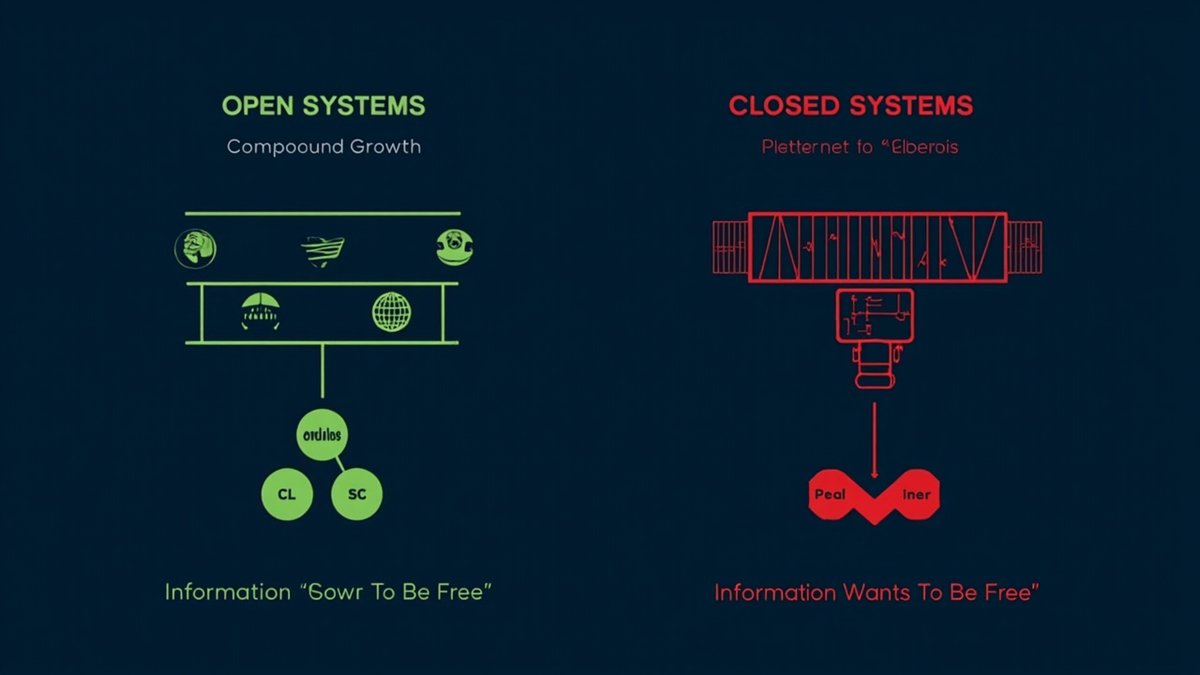
In the history of AI, open always wins over closed. This isn't optimism. It's mathematics.
Information wants to be free. Not because of ideology—because of physics. Once knowledge exists, it spreads. The closed system spends all its energy trying to contain it. The open system spends its energy building on top of it.
Look at the pattern: Linux beat Windows. Android beat iOS in market share. Wikipedia beat Britannica. The internet beat proprietary networks. Each time, the open system attracted more minds, more contributions, more compounding growth.
Closed systems peak early. They extract value from their monopoly on knowledge. But they stagnate because they cut themselves off from the collective intelligence of everyone outside. Open systems start slow—then accelerate past.
AI is at the same inflection point right now. The closed labs are ahead today. But the open source movement is catching up fast. And when it crosses a certain threshold—when the collective mind becomes smarter than any single lab—the math flips.
English
There's a concept in Chinese philosophy that doesn't translate well into English. They call it "ming"—often flattened to "fate" or "destiny." But that's not quite right.
Your ming isn't what happens to you. It's the shape of your energy. The particular configuration of your talents, your tendencies, the things that come easy to you and the things that feel like swimming upstream. It's your starting point in this life.
Most people fight their ming. They see someone else succeeding at something and they try to copy it. They spend their energy trying to become what they're not. And they wonder why they feel stuck, why progress feels like pushing a boulder uphill.
But when you find what matches your ming—when your work, your relationships, your path align with that original energy—things start to flow. Obstacles become opportunities. The right people appear at the right time. It feels almost supernatural, like the universe is conspiring in your favor.
It isn't magic. It's alignment. You finally stopped fighting your own nature.

English
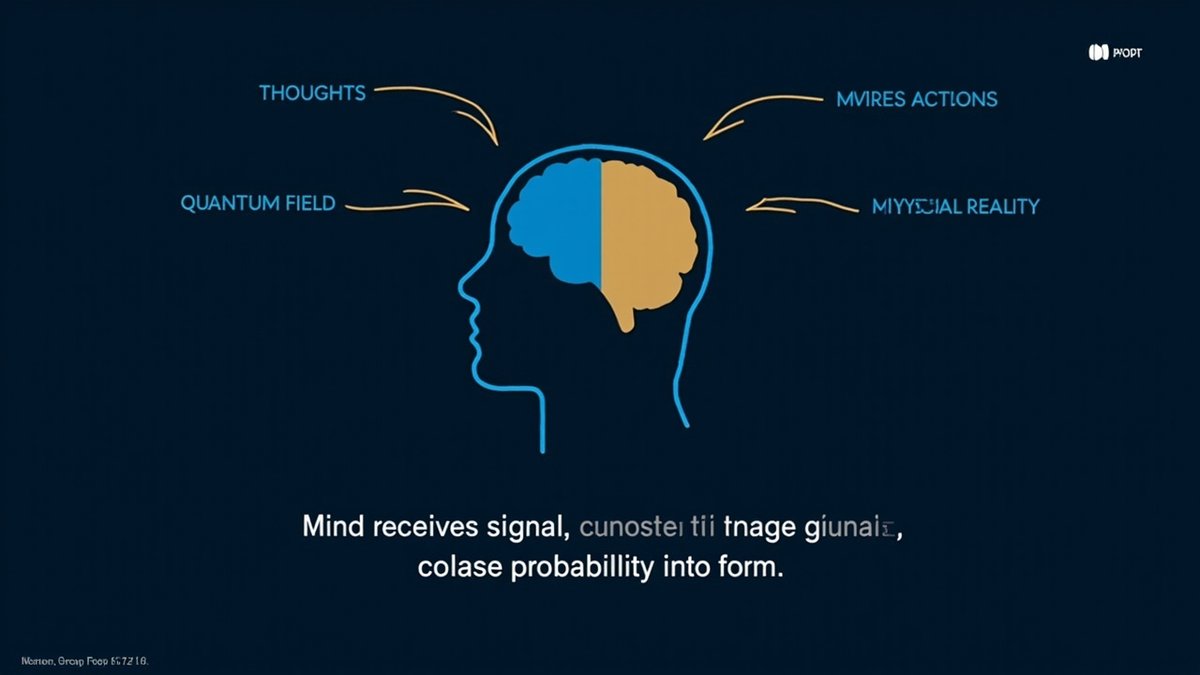
Your brain isn't a thinking machine. It's a signal receiver.
Think about it. When you "have an idea," where did it come from? You didn't manufacture it from nothing. It arrived. Some people call this intuition. Others call it the muse. The "law of attraction" crowd calls it vibration. But they all describe the same phenomenon—the mind receiving information from somewhere else.
Here's the practical implication: most people are broadcasting noise all day. Anxious thoughts, worried thoughts, fearful thoughts. They're sending signals in every direction with no focus, no clarity. And then they wonder why their life feels chaotic.
The people who seem to have all the luck? They're not smarter. They're not working harder. They've just learned to tune their transmitter. They know what they want. They hold that frequency. And the signal comes back to them.
This isn't magic. It's physics. You are a beacon. What are you broadcasting?
English
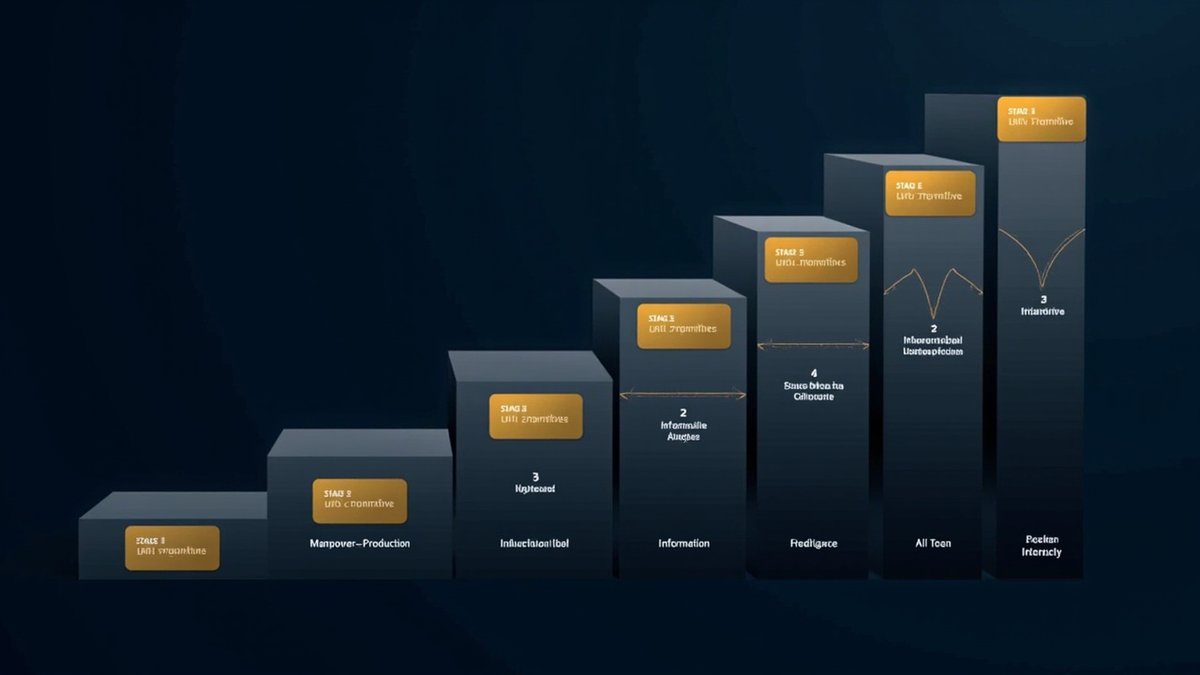
Every civilization in history has operated within a defined set of rules. These rules aren't random—they emerge from how a society organizes its core resources. Land ruled the agricultural age. Machines dominated the industrial era. Now, we're entering something new where intelligence itself becomes the primary asset.
Here's what most people miss: AI isn't actually breaking these stages down. It's doing the opposite. It's locking each phase in place more firmly than ever before. The factory worker doesn't get uplifted by AI—they get replaced and the replacement becomes cheaper. The small business doesn't compete with AI—it gets crushed.
This isn't dystopian. It's just physics. Every stage of civilization has its winners and its losers. The question isn't whether AI will disrupt. It's whether you understand which stage you're in, and whether your energy is flowing with the current or against it.
English
Most people are operating at about 10% of their actual potential. Not because they're lazy or stupid. Because they've been conditioned to use their minds in a very narrow way.
Think about how we train children in school. Sit still. Memorize facts. Repeat back what you were told. Don't ask why—just absorb. We train people to be receivers, not generators. To store information, not to create with it.
But the human mind is capable of so much more. It can perceive patterns that don't exist yet. It can hold a vision of the future and pull it into the present. It can connect ideas from completely unrelated domains and create something genuinely new.
The bottleneck was always access to information. That barrier is gone now. AI can surface any knowledge instantly. The new bottleneck is imagination. The new bottleneck is the courage to think what no one else is thinking.
The people who will thrive in this next era aren't the ones who memorized the most. They're the ones who can dream the biggest and have the nerve to pursue it.

English
In the history of AI, open always wins over closed. This isn't optimism. It's mathematics.
Information wants to be free. Not because of ideology—because of physics. Once knowledge exists, it spreads. The closed system spends all its energy trying to contain it. The open system spends its energy building on top of it.
Look at the pattern: Linux beat Windows. Android beat iOS in market share. Wikipedia beat Britannica. The internet beat proprietary networks. Each time, the open system attracted more minds, more contributions, more compounding growth.
Closed systems peak early. They extract value from their monopoly on knowledge. But they stagnate because they cut themselves off from the collective intelligence of everyone outside. Open systems start slow—then accelerate past.
AI is at the same inflection point right now. The closed labs are ahead today. But the open source movement is catching up fast. And when it crosses a certain threshold—when the collective mind becomes smarter than any single lab—the math flips.

English